

Notify me when available
We will email you as soon as this product is back in stock.
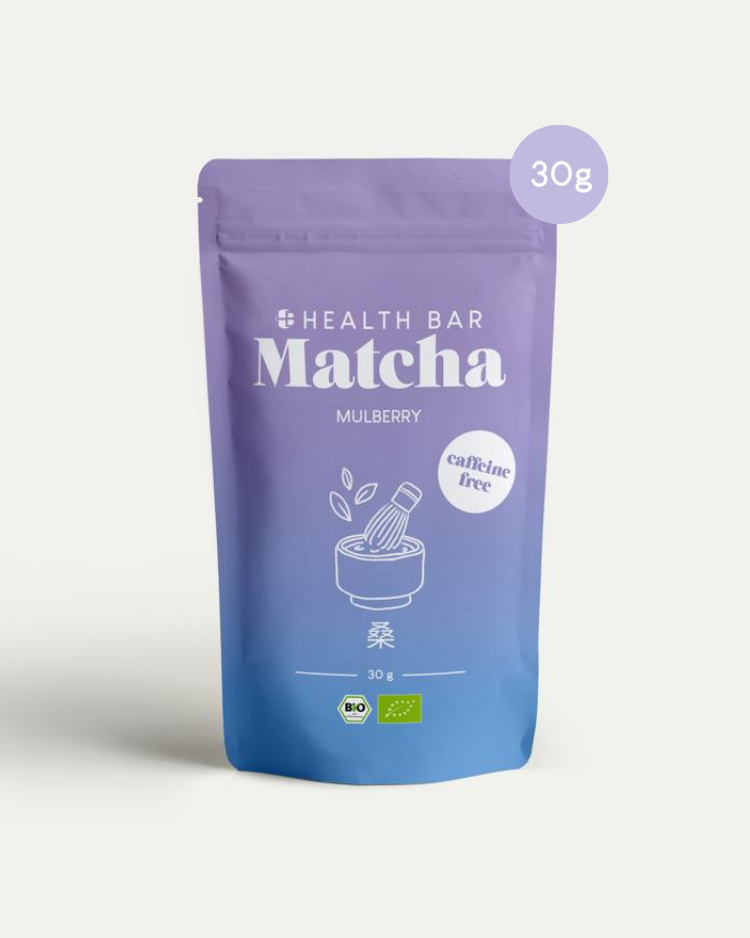
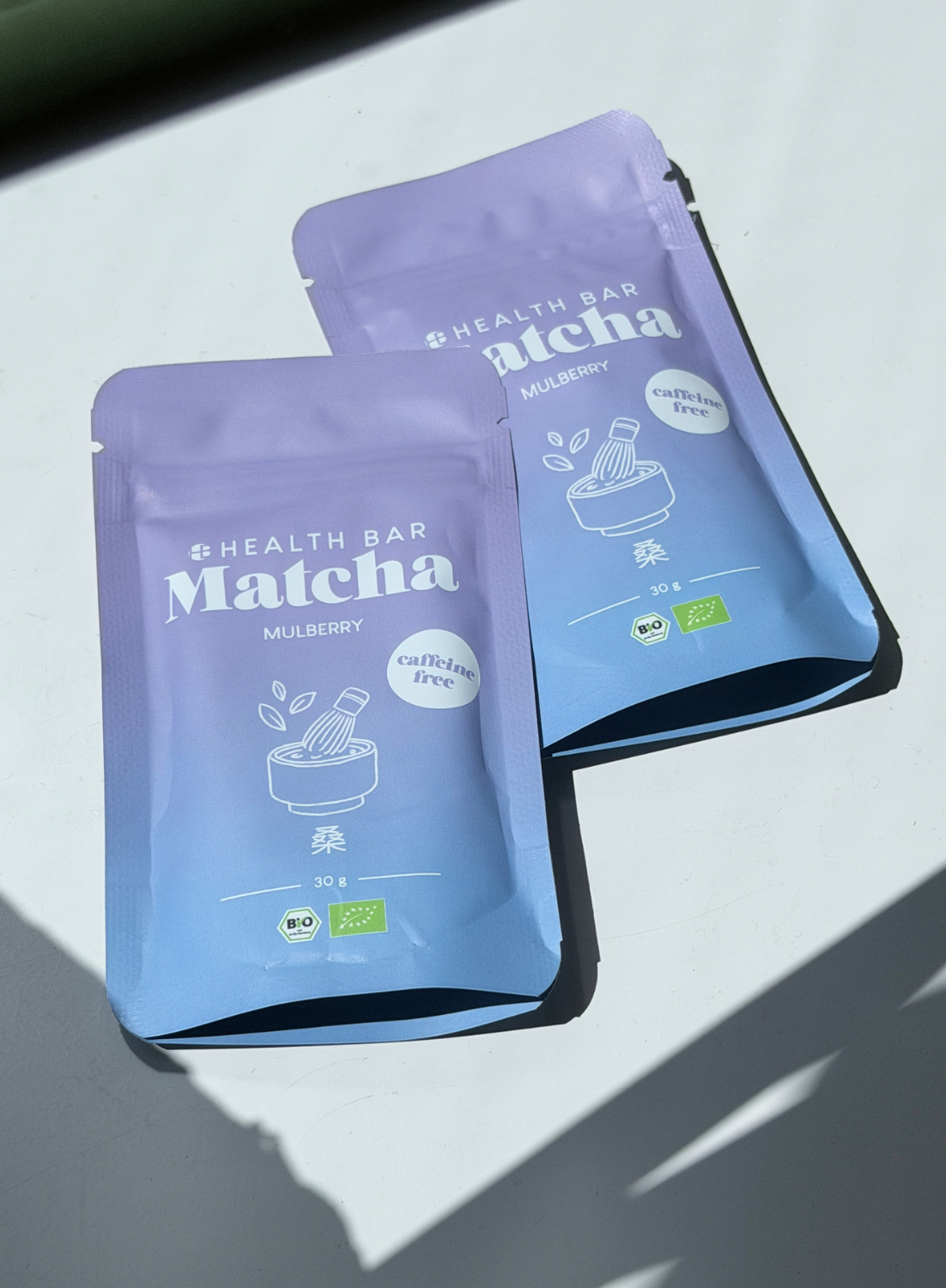
Organic Matcha Tea Mulberry – caffeine-free
- Regular price
-
170,00 kr approx. 15 cups · 11,33 kr per cup - Regular price
-
- Selling price
-
170,00 kr approx. 15 cups · 11,33 kr per cup - Unit price
-
566,67 kr / Per 100g
Delivery time within NO: 7 - 8 working days
Gently sweet. Mild. Caffeine-free.
Organic mulberry leaf tea – caffeine-free matcha made from white mulberry leaves
- Organic quality from Japan, Shimane
- Single Cultivar
- Gently sweet, mildly herbal, and pleasantly full-bodied. Very similar to matcha!
- Organic certification body: PL-EKO-07 · Non-EU agriculture
Pickup availability could not be loaded
What is Mulberry Leaf Matcha?
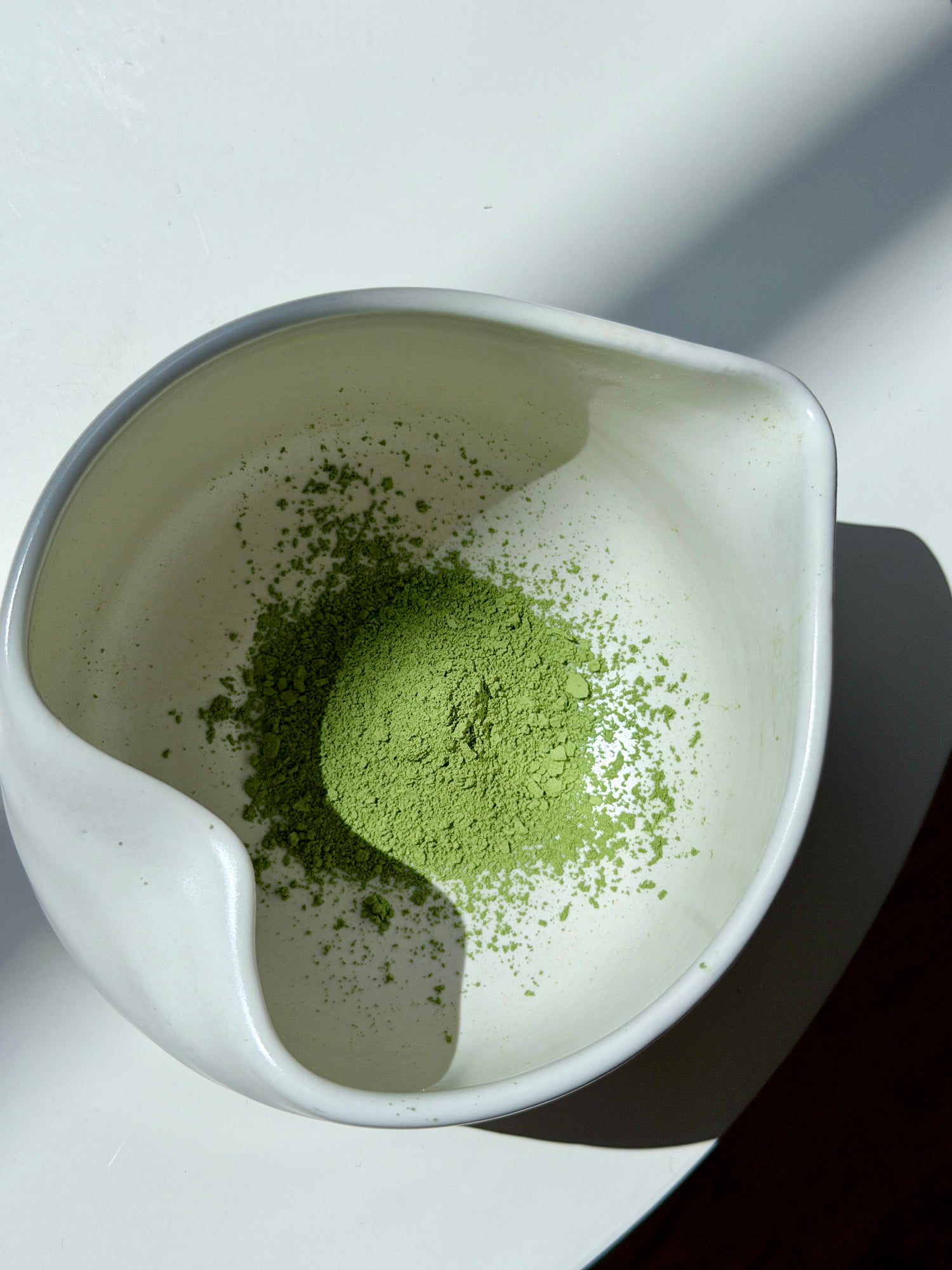
An exceptionally gentle organic Mulberry Leaf Matcha from Shimane, Japan – made from finely ground leaves of the white mulberry. Unlike classic matcha, it isn't made from the tea plant Camellia sinensis, but from Morus alba L.
Flavour profile
- gentle and soft
- light sweetness
- mild plant-like notes
- clear, round finish
- soft and balanced
Ideal for calm rituals at any time of day.
Compared to classic Matcha
Compared to classic matcha, Mulberry Leaf Matcha is noticeably milder, softer and naturally caffeine-free. Instead of Camellia sinensis, it's made from finely ground leaves of the white mulberry. The result is a gentle, green ritual with natural sweetness and plant-based character – ideal for anyone who loves matcha and is looking for a caffeine-free alternative.
Product details
Product type: mulberry leaf matcha powder
Plant: 100% white mulberry (Morus Alba L.)
Origin: Shimane, Japan
Quality: organic quality from Japan
Processing: fine grinding by pin milling
Caffeine: naturally caffeine-free
Net quantity: 30 g
Ingredients: 100% mulberry leaves* (white mulberry, ground) · *from certified organic farming
Storage: store in a cool, dry place away from light. Keep tightly closed after opening.
Use: pure, as a latte, whisked hot or cold
Character: mild, soft, slightly sweet and gently plant-like
-
 Organic Matcha Powder Ceremonial from Uji
-
 Organic Matcha Powder Okumidori from Uji – Single Cultivar 30 g

-

Organic Certified
Certified to EU organic and JAS Organic (Japan) standards
-

Lab-tested
Tested for pesticides and heavy metals
-

Fresh harvest
New every year from the spring harvest



HOW-TO
Preparing mulberry matcha made easy
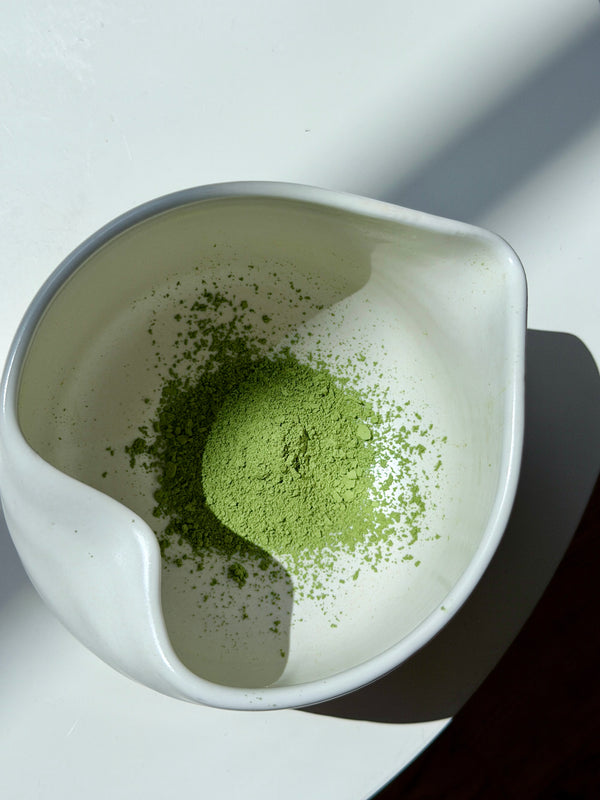
1. Measure the mulberry: Using the chashaku or a teaspoon, add about 2 lightly heaped teaspoons of Mulberry Leaf Matcha to your chawan.
2. Add water: Pour 70–100 ml of water (about 70–80 °C) into the bowl. Mulberry also works wonderfully with cold water.
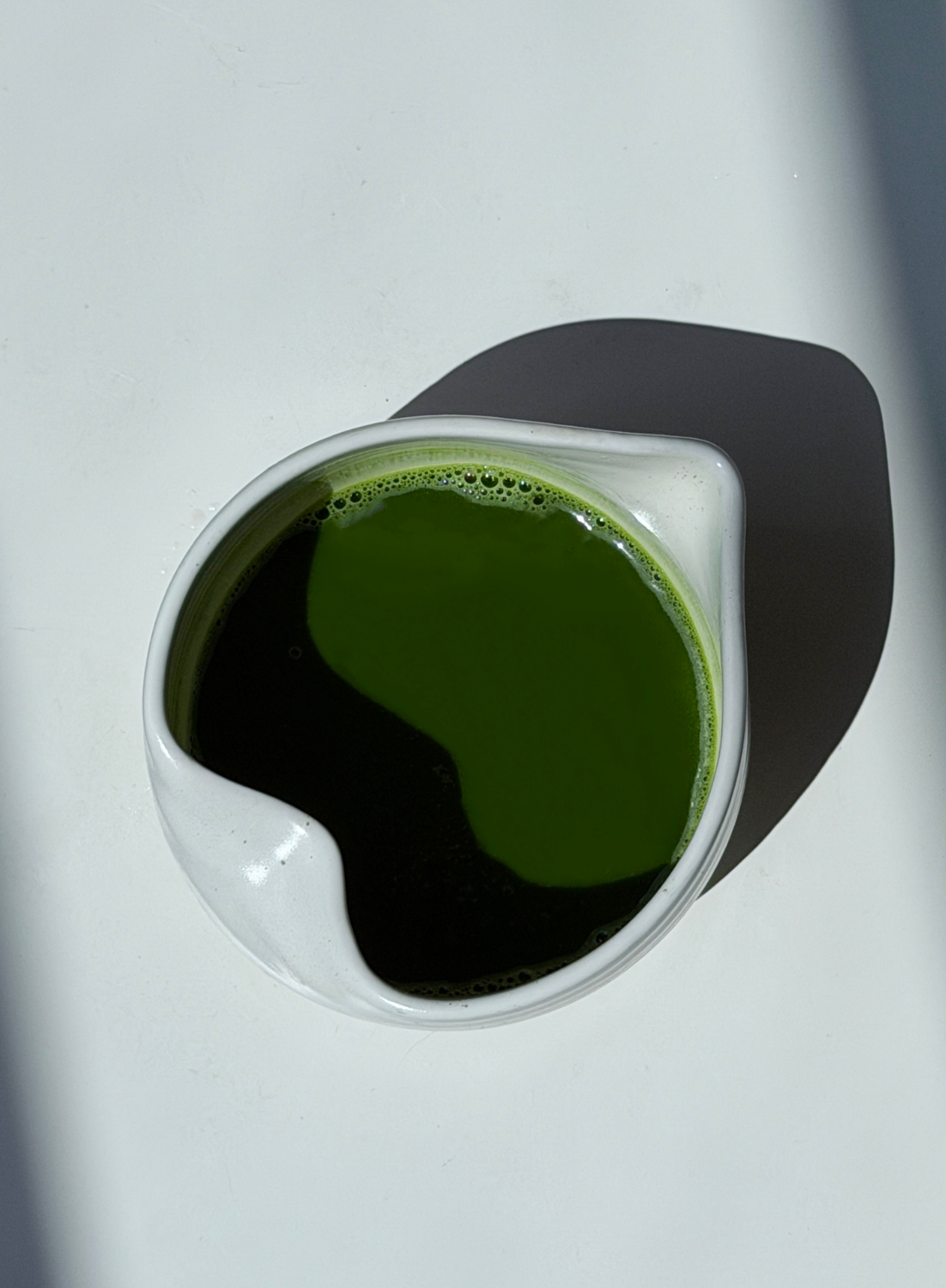
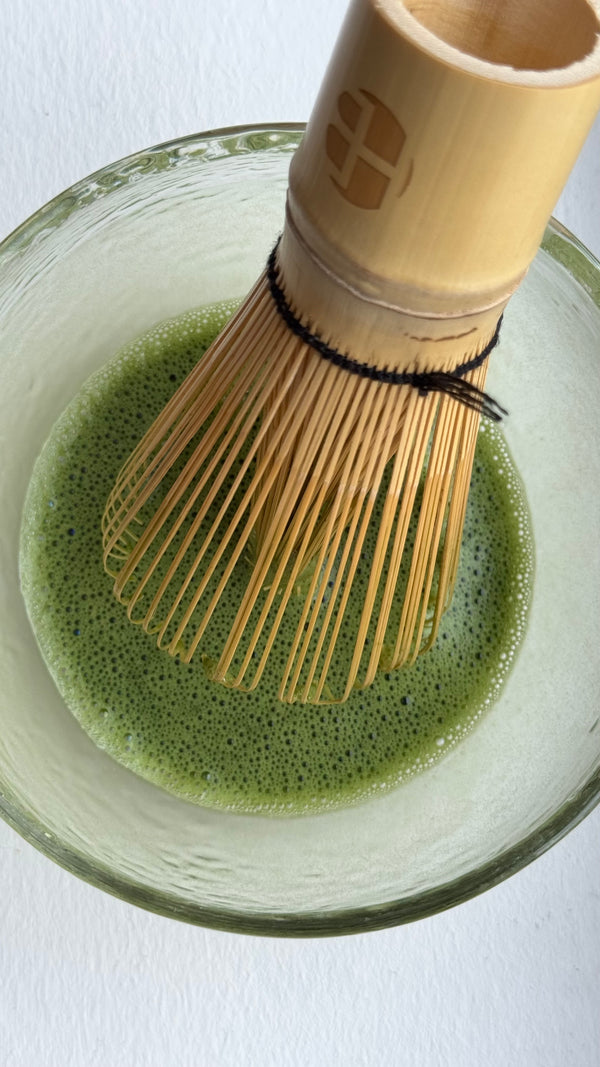
3. Whisk: Whisk the mulberry with the chasen (matcha whisk) or a milk frother until the powder is finely blended and a soft, smooth texture forms.
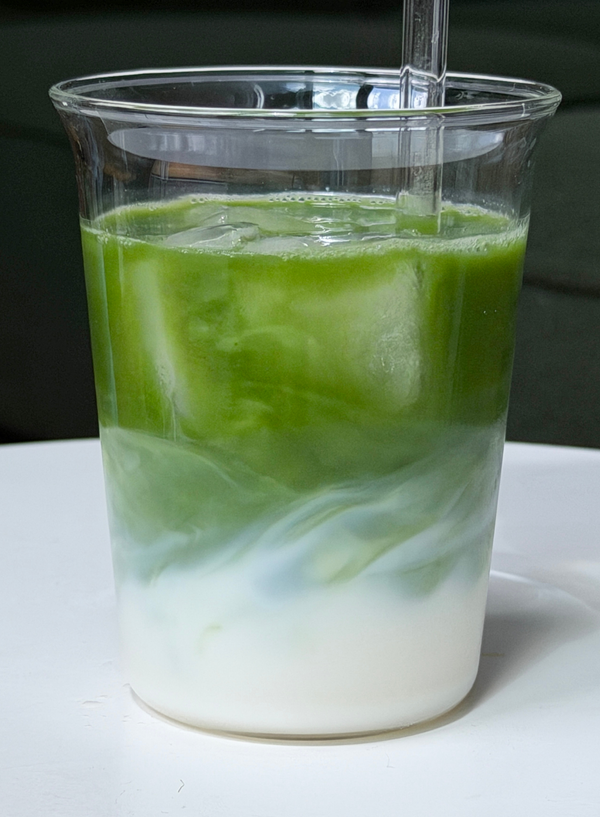
4. Enjoy: Our recommendation – our mulberry tastes best with coconut rice milk or oat milk. Top it up with cold or warm milk. Iced with ice cubes for the perfect summer drink!
Tip: If you're in a hurry, just use cold tap water and a milk frother. Less perfect, but just as good.
Production
Our Mulberry Leaf Matcha comes from a family-run traditional business in Shimane, Japan, that specialises in the careful processing of high-quality plant materials.
The leaves of the white mulberry are gently processed and finely ground by pin-milling. This preserves the natural character of the plant — smooth in flavour, clear in profile and pleasantly rounded. Quality is ensured by strict Japanese and European organic standards.
Cultivation
For our Mulberry Leaf Matcha, we use only leaves of the white mulberry (Morus Alba L.) tree.
The plants grow under controlled organic conditions, without synthetic pesticides and with a special focus on soil quality and purity.
Regular quality checks and analyses ensure that our Mulberry meets high standards.
Origin
Our Mulberry Leaf Matcha comes from Shimane, a region rich in nature in western Japan, known for its tranquil landscapes, clean air and fertile soils.
The temperate climate, high humidity and nutrient-rich soils create ideal conditions for growing high-quality mulberry leaves.
This origin shapes the character of our Mulberry Leaf Matcha: gentle, clear and naturally balanced.


FAQs about Mulberry Matcha
Does Mulberry Leaf Matcha contain caffeine?
No, Mulberry Leaf Matcha is naturally caffeine-free and therefore makes a gentle alternative to classic Matcha.
What does Mulberry Leaf Matcha taste like?
Mulberry Leaf Matcha tastes mild and soft with a delicate, natural sweetness. Fresh, green notes meet a pleasantly creamy mouthfeel and a clean, harmonious finish. Many are surprised by how much it reminds them of classic matcha.
How do you prepare Mulberry Leaf Matcha?
Mulberry Leaf Matcha can be whisked with water or plant-based milk much like matcha – hot or cold, plain or as a latte.
You'll find the exact preparation above.
Matcha, Hojicha and Mulberry compared
Three powders, one ritual: find out which one suits your moment.
| Caffeine | Taste | Time of day | Preparation | |
|---|---|---|---|---|
| Matcha | Contains caffeine: Ceremonial approx. 66 mg and Traditional approx. 59 mg per 2 g serving | Mild, creamy, natural sweetness | Mornings and during the day | Whisk with the chasen, pure or as a latte |
| Hojicha | Less caffeine than matcha | Mild, nutty and caramel-like with roasted notes | For the afternoon, when you want something gentler | Whisk, especially good as a latte |
| Mulberry | Caffeine-free | Gently sweet and mild | For the evening, when you want to skip caffeine | Whisk with the chasen like matcha: pure, as a latte or iced |
Is Mulberry real matcha?
Not botanically. Mulberry is made from the leaves of the white mulberry, matcha from the tea plant. But it is prepared exactly like matcha.
When is Mulberry the better choice?
Whenever you want to enjoy your ritual without caffeine, for example in the afternoon or evening.
More about Mulberry
Kann genauso wie Matcha (Latte) zubereitet werden und befriedigt das Matcha Craving ganz ohne Koffein 🤩
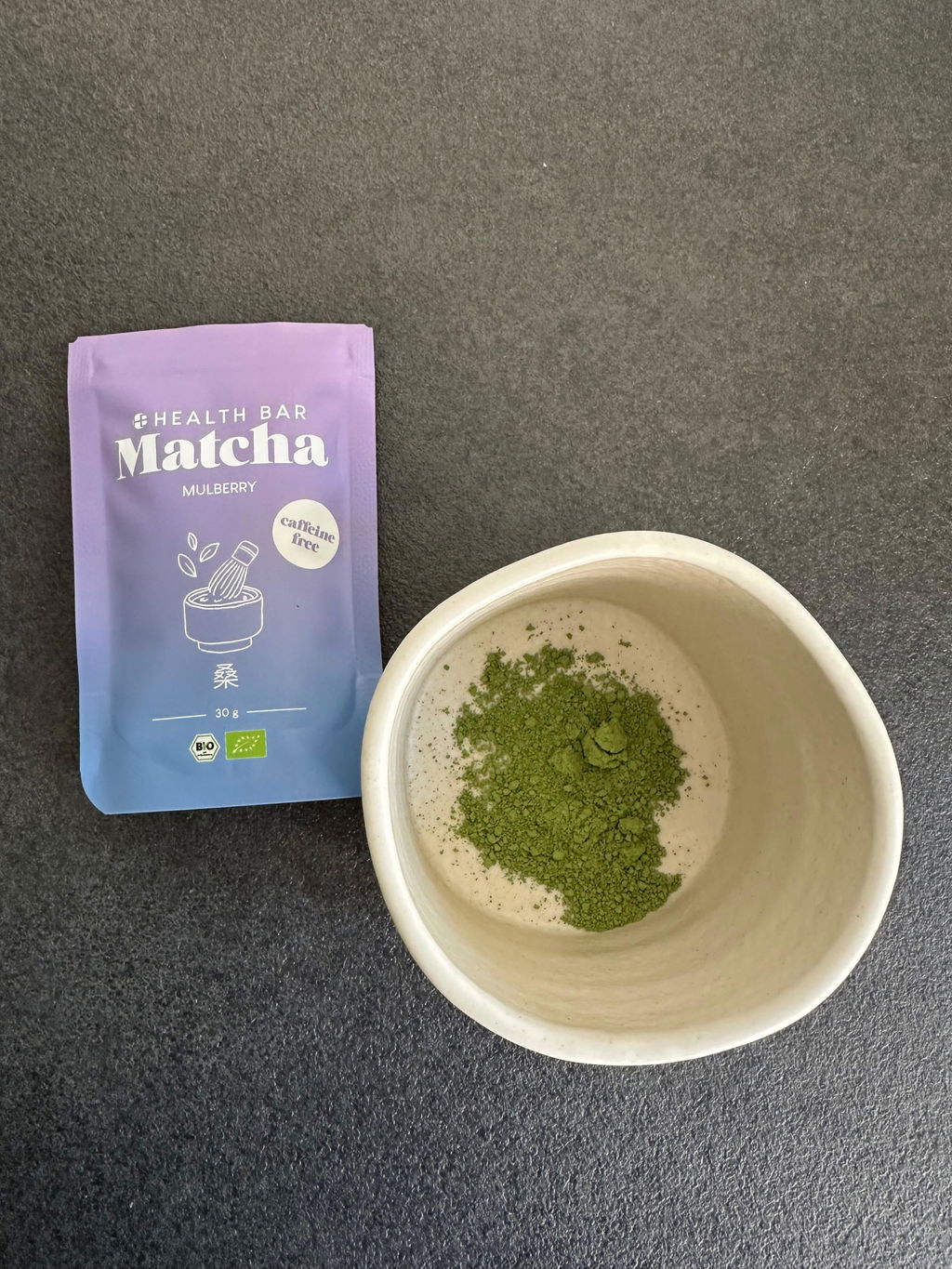
I love an afternoon matcha, but I don’t love the caffeine that comes with it haha! I never would’ve thought I’d be so obsessed with the Mulberry Matcha. I’m not usually a big fan of Hojicha, but this caffeine-free option is sooo good! It’s so mild and almost naturally sweet in flavor. My new favorite afternoon drink!
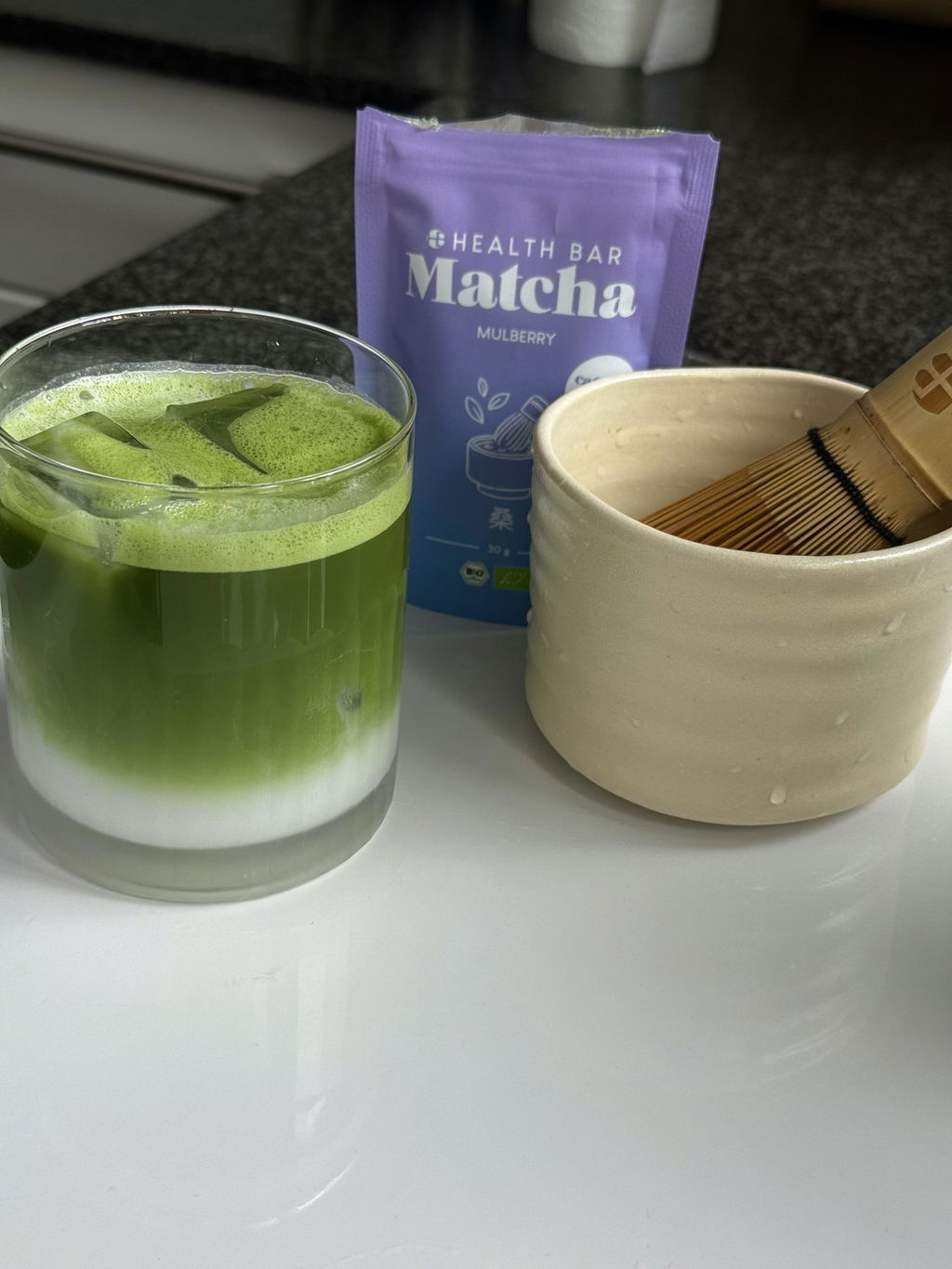
Wenn ich abends noch einen Matcha möchte, dann eignet er sich sehr gut. Geschmacklich ist er sehr lecker, allerdings etwas "flach" und da fehlt etwas, wenn man es z.B mit dem Ceremonial verlgeicht. Wenn man den Vergleich weglässt ist es aber super! Aber: Ich mag es sehr gerne und würde es wieder kaufen!
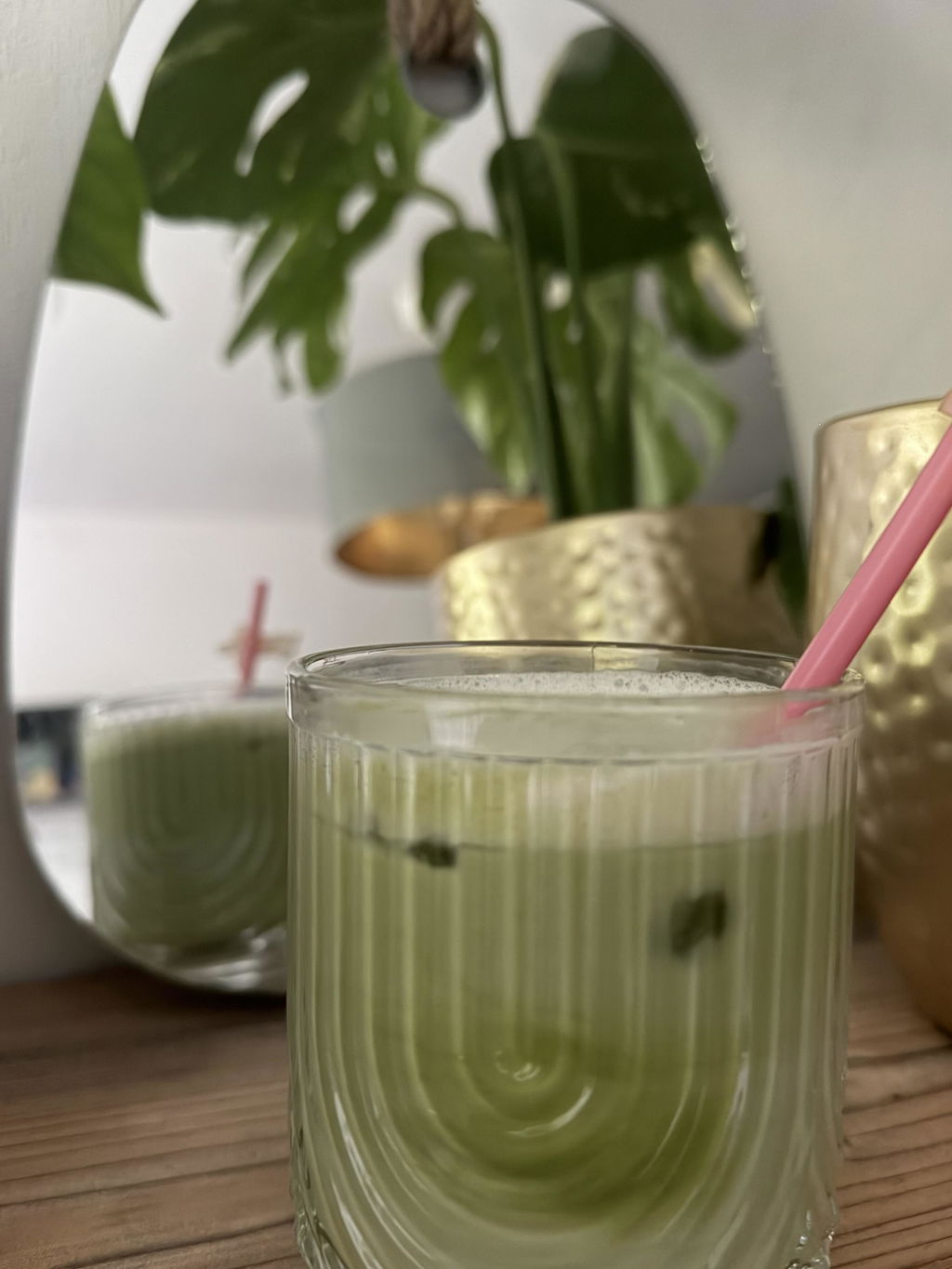
Super lecker für einen Matcha am späten Nachmittag ohne Koffein.
Super leckere Alternative für den Abend. Ich reagiere sehr empfindlich auf Koffein, daher perfekt für spätere Tageszeiten oder Tage, an denen ich eh schon gestresst oder ängstlicher bin. Für mich am besten mit Kokos-Reis-Milch.
Super Alternative, wenn man Lust auf Matcha hat und ihn gerne abends trinken würde!
Für Nachmittags oder Abends die perfekte koffeeinfreie Alternative zum normalen Matcha. Schmeckt sehr lecker, danke!
Eine super Alternative für abends, geschmacklich leicht anders, kommt aber sehr nah an Matcha ran. Super, dass ihr auch koffeeinfreie Alternativen anbietet!
Danke!
Ich liebe den Geschmack. Wunderbar weich und vollmundig
Vom Geschmack her weniger intensiv aber perfekt wenn man Abends Lust auf einen Matcha Latte hat! Tolle Alternative zu herkömmlichen Matcha.
Sehr schmackhafter Tee
Eine tolle Alternative zu Matcha!! Es kommt geschmacklich und farblich sehr nah, aber es ist natürlich nicht zu 100% das gleiche. Ich liebe es jetzt nachmittags den Mulberry Matcha trinken zu können ohne auf meinen nächtlichen Schlaf zu verzichten.
Der Mulberry Matcha ist sehr lecker und ich merke kaum einen Unterschied zum normalen Matcha. Für alle die auf Koffein verzichten wollen ist das eine klasse Alternative.
schmeckt echt gut
Richtig toller Geschmack! Empfehlenswert :)
Der Matcha schmeckt großartig und ist wirklich eine schmackhafte Ergänzung für ruhige und entspannte Momente. Ich hoffe der Bio Matcha Tee Mulberry bleibt dauerhaft im Sortiment.
Endlich was Neues! Richtig toll auch ohne Koffein
Eine gute koffeinfreie Alternative für meinen Matcha Latte. Milder im Geschmack als normaler Matcha - daher nur 4 sterne.
Schöne Alternative für den Matcha mit Koffein.
Sehr lecker
Für viele bestimmt eine gute Matcha Alternative, ich mochte den Geschmack leider nicht so.
Super alternative
Top kund:innen Service,💚💚💚. Top Qualität der Produkte
Mein Sohn ist 6 und probiert gerne von meinen Matcha, da er das aber nicht trinken darf hab ich mich sehr gefreut das es jetzt eine Möglichkeit gibt das wir ein schönes Ritual gemeinsam schaffen können. In Japan trinken ihn wohl auch Schwangere und Kinder. Es schmeckt ihm gut und wenn es später ist, trinke ich ihn auch gerne. Es stimmt das es nicht 100% das gleiche ist, wie die hier gewohnten Matchas und dennoch eine schöne Möglichkeit. Würde ihn auf jedenfall wieder kaufen.
I really love this product and really recommend it to you if you want to watch your caffeine intake, but still want to enjoy having multiple matchas a day or even coffee+ matcha
Sehr lecker
Hatte gehofft hier eine gute alternative zu finden, um auch am Abend meinen Matche trinken zu können. Wenn man aber den guten Matcha von Health bar gewohnt ist, ist es nicht zufriedenstellend.
Ich wollte den koffeinfreien Matcha unbedingt ausprobieren, da ich ab dem späten Nachmittag normalerweise ungern klassischen Matcha trinke. Der Mulberry Matcha schmeckt mir auf jeden Fall gut. Geschmacklich ähnelt er allerdings nicht wirklich normalem Matcha – er ist deutlich milder und ich persönlich vermisse ein wenig dieses typisch leichte „Bittere“. Als Matcha Latte schmeckt er mir dennoch gut und ich werde ihn mir sicherlich wieder nachkaufen.