

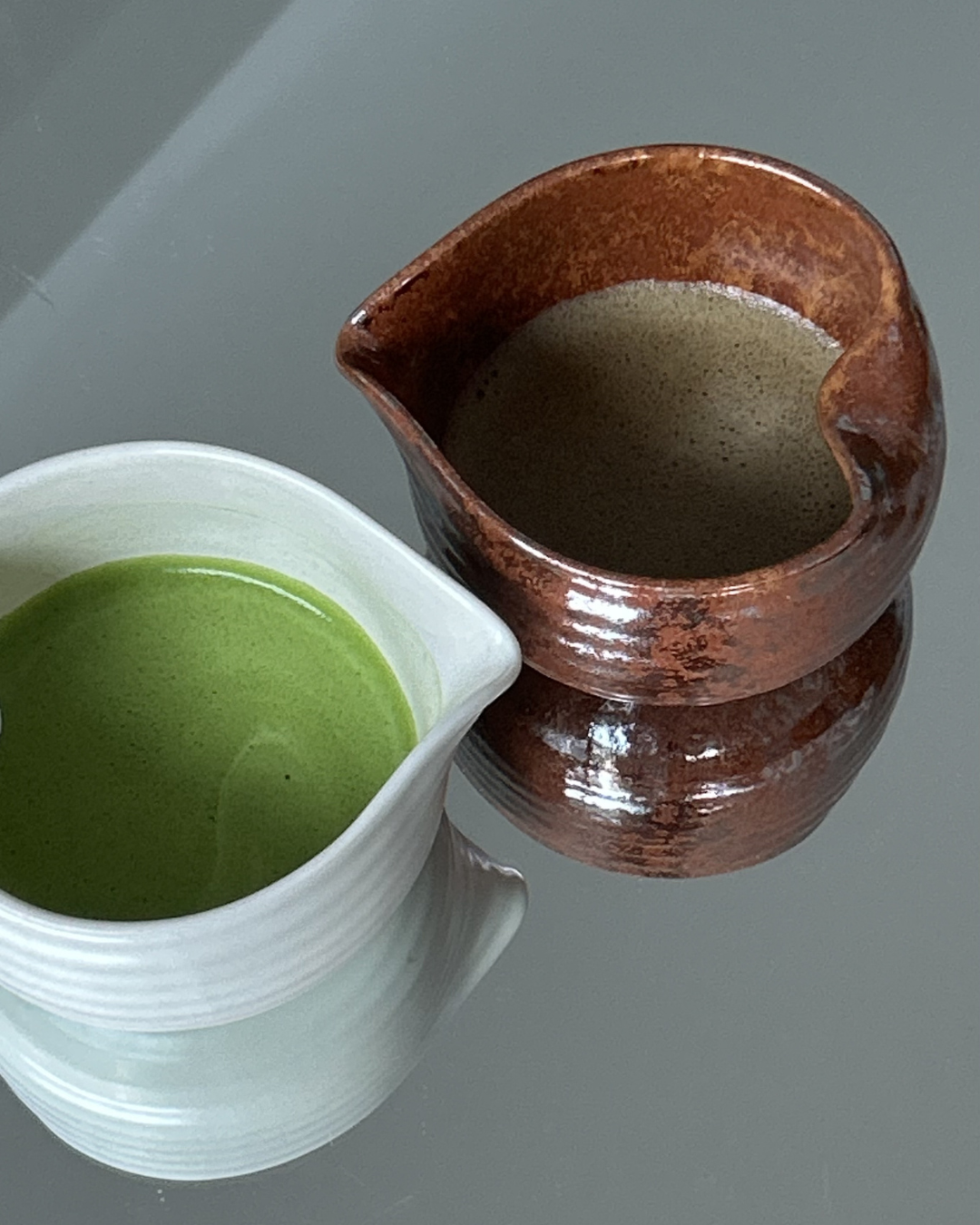
Hojicha vs. Matcha – what's the difference?
Matcha and Hojicha – both come from Japan, both are made from the tea plant Camellia sinensis, and both have built a loyal community in recent years.
And yet they could hardly be more different. One is intensely green, fresh and rich in umami. The other is warm, roasted and caramel-sweet. Anyone who has tried both understands right away: it's not about "better or worse" – it's a question of the moment.
What is matcha?
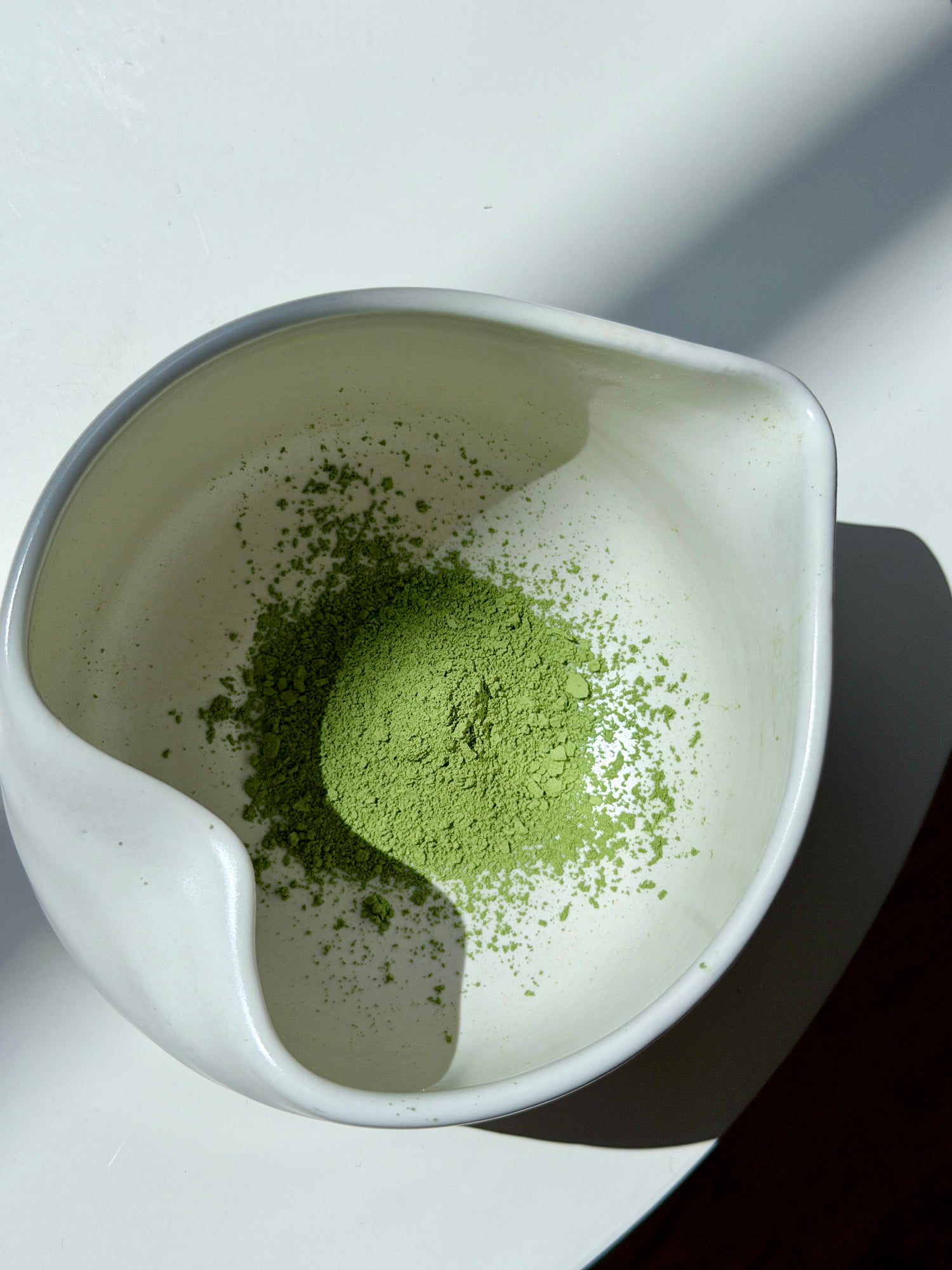
Matcha is ground green tea – but not just any green tea. What makes it special starts weeks before the harvest: the tea plants are fully shaded for around 30 days. Without direct sunlight, the leaves produce more chlorophyll and L-theanine – which explains the intense emerald green colour and the characteristic umami taste. After harvest, the leaves are steamed, dried and freed from stems and veins. What's left is called tencha – the base for real matcha. It's traditionally ground on stone mills into an ultra-fine powder. That's elaborate, slow and expensive.
Ceremonial grade matcha – as we use it at Health Bar – comes from the first harvest of the year, the youngest, most delicate leaves of the plant. They contain the highest concentration of L-theanine and chlorophyll and taste accordingly: mild, slightly sweet, creamy.
What is hojicha?
Hojicha shares its origin with matcha – here too, Camellia sinensis is the base. But then their paths split. Hojicha isn't shaded and isn't stone-ground. Instead, more mature tea leaves, stems and twigs are roasted at a high temperature.
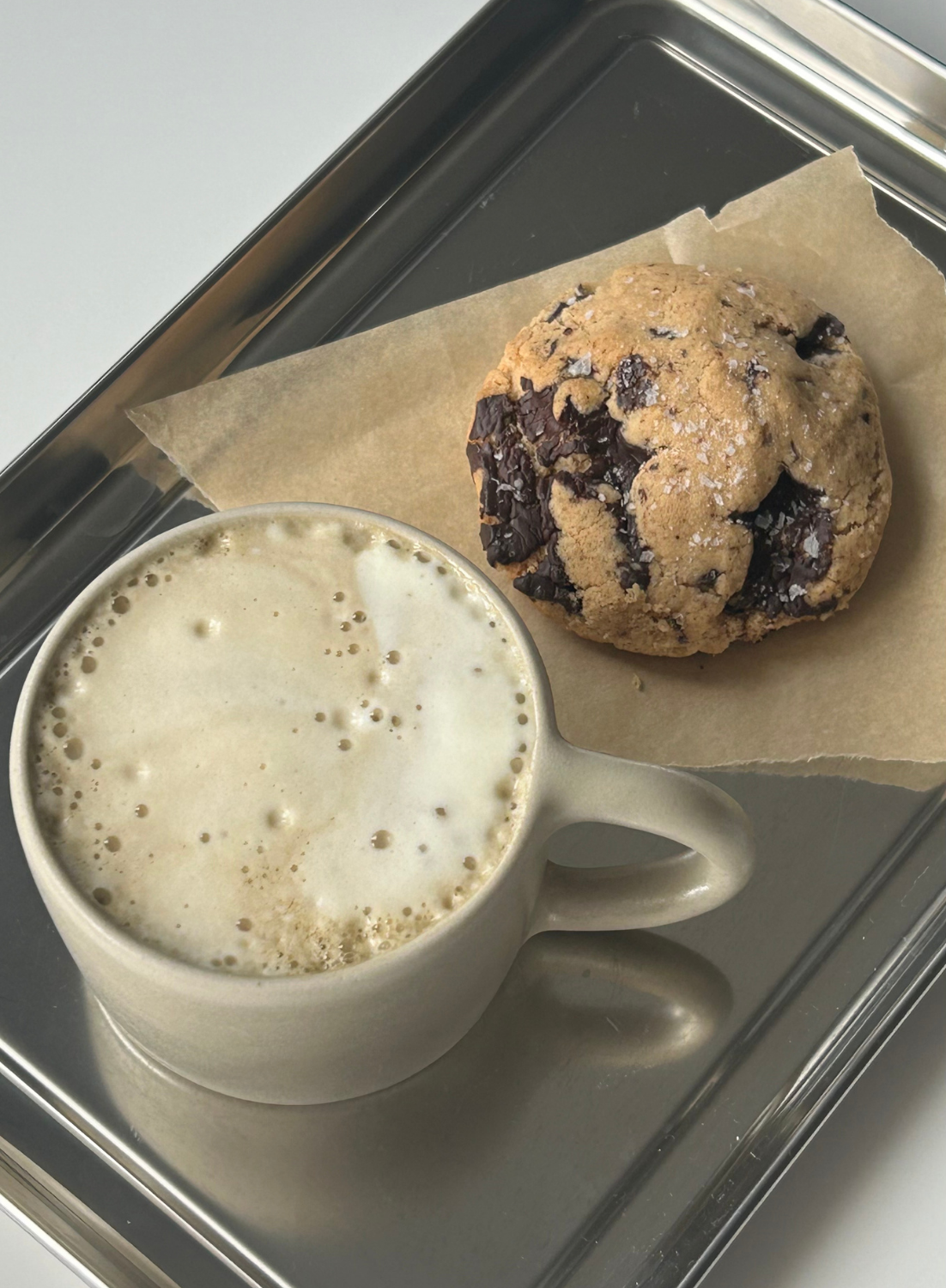
This roasting process changes everything. The green plant pigments break down and the tea takes on a warm brown tone. At the same time, the Maillard reaction – the same chemical process that gives coffee and roasted grains their aroma – creates new flavours: caramel, hazelnut, a hint of vanilla. The result is a tea that at first glance has little in common with matcha – and goes in a completely different direction in taste.
The key difference: caffeine
One of the most important differences between hojicha and matcha isn't the taste but the caffeine content.
Because of the shading and the use of young leaves, matcha contains comparatively a lot of caffeine – between 30 and 70 mg per serving, depending on quality and dose.
Hojicha, on the other hand, is naturally low in caffeine. The roasting process breaks down much of the caffeine – a serving of hojicha often contains only 10–15 mg. That makes it the ideal choice for the afternoon, the evening or for everyone who is sensitive to caffeine.
Preparation – where are the differences?
Both are available as a fine powder, and both can be prepared in a similar way – with one key difference when it comes to the water.
Matcha is prepared with water at 70–80 °C. Water that's too hot destroys the delicate flavours and makes the matcha taste harsh. With a bamboo whisk (chasen), the powder is whisked in quick W or M movements until a fine foam forms.
Hojicha is much more robust thanks to the roasting. Here you can also use hotter water – up to 90 °C – without the taste suffering. That makes preparation a little easier.
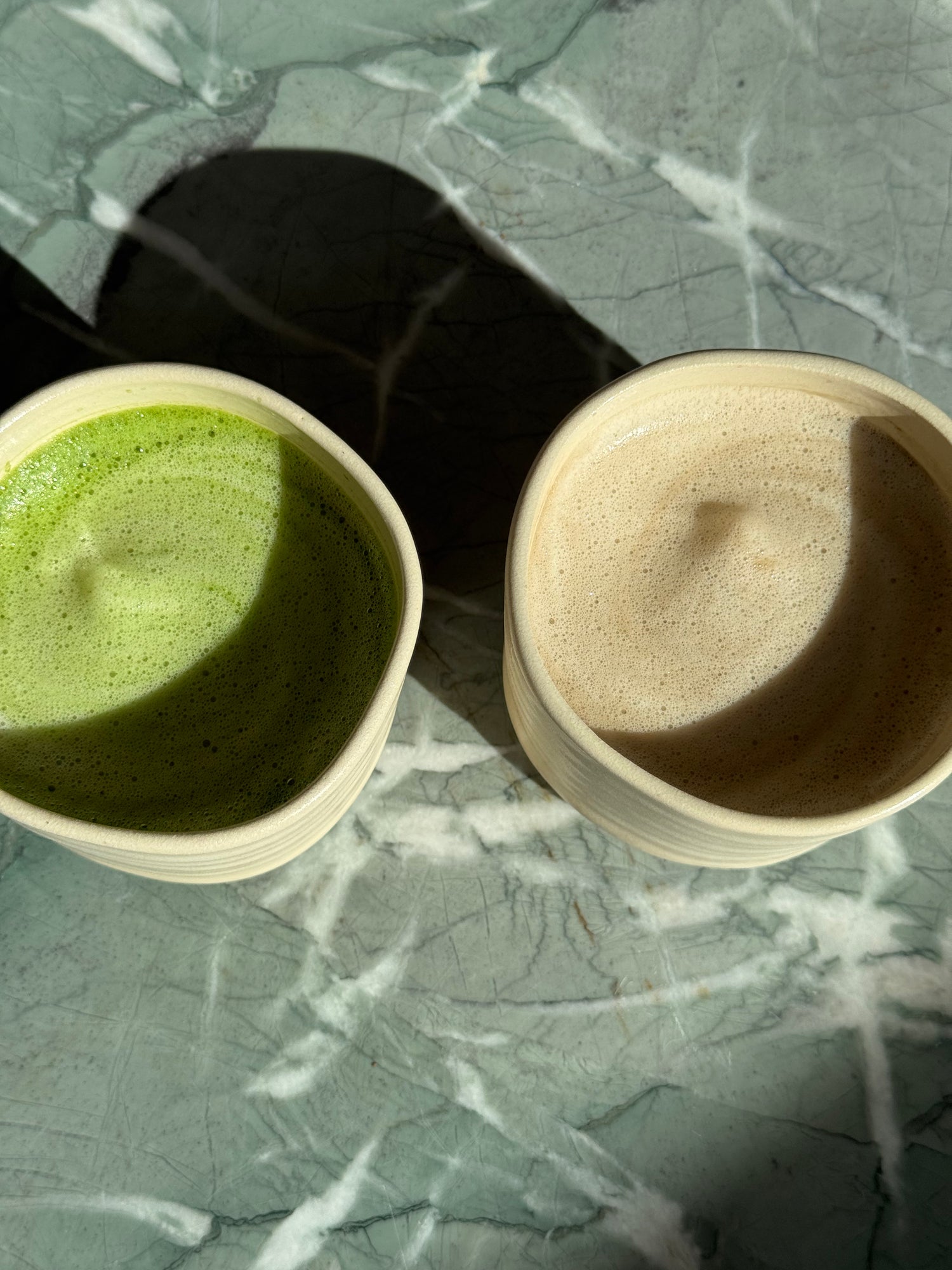
Both are great for lattes: simply whisk the powder, add frothed milk or a plant-based alternative – done. Hojicha latte is especially popular in the evening because it's warming, satisfying and low in caffeine.
When do you drink which?
In the end, it's not a science but a question of the moment.
Matcha is the ideal companion for the morning or early afternoon. If you're looking for an enjoyable alternative to coffee and want to start the day with a little ritual, this is for you.
Hojicha fits the second half of the day. After lunch, as an afternoon ritual or in the evening on the sofa: hojicha tastes warm and round. It's also a good choice for everyone who hasn't quite discovered matcha's taste for themselves yet: the roasted aroma is more approachable, less "green" and a little reminiscent of coffee or cocoa.
Conclusion: hojicha or matcha – which suits you better?
Matcha and hojicha aren't competitors – they complement each other. With both in your cupboard, you have the right tea for every moment: the fresh, green matcha in the morning, the warm, roasted hojicha in the evening.
Still unsure which is the right place to start? Our Matcha & Hojicha tasting set contains both and is the easiest way to find out for yourself which suits you better.
Discover matcha & hojicha:
-
Bestseller
 Organic Matcha Powder Ceremonial from UjiOrganic Matcha Powder Ceremonial
- Regular price
- from
320,00 kr - Unit price
1.066,67 kr / 100g
-
 Organic Hojicha Powder – Roasted Green TeaOrganic Hojicha Powder – Roasted Green Tea
- Regular price
- from
60,00 kr - Unit price
600,00 kr / 100g
-
For beginners
 Organic Matcha Powder Ceremonial from Uji – 30 g TinOrganic Matcha Powder Ceremonial – 30 g Tin
- Regular price
-
370,00 kr - Regular price
-
- Selling price
-
370,00 kr - Unit price
-
1.233,33 kr / Per 100g

-
Up to -12%
 Christmas Bundle Starter Ritual – Matcha & Chasen goldChristmas Bundle Starter Ritual – Matcha & Chasen gold
- Regular price
-
510,00 kr - Regular price
-
579,67 kr - Selling price
-
579,67 kr 510,00 kr
-
LIMITED
 Organic Matcha Powder Okumidori from Uji – Single Cultivar 30 gOrganic Matcha Powder Okumidori – Single Cultivar 30 g
- Regular price
-
430,00 kr - Regular price
-
- Selling price
-
430,00 kr - Unit price
-
1.433,33 kr / Per 100g
-
 Organic Matcha Powder Traditional from UjiOrganic Matcha Powder Traditional
- Regular price
- from
100,00 kr - Unit price
1.000,00 kr / 100g
-
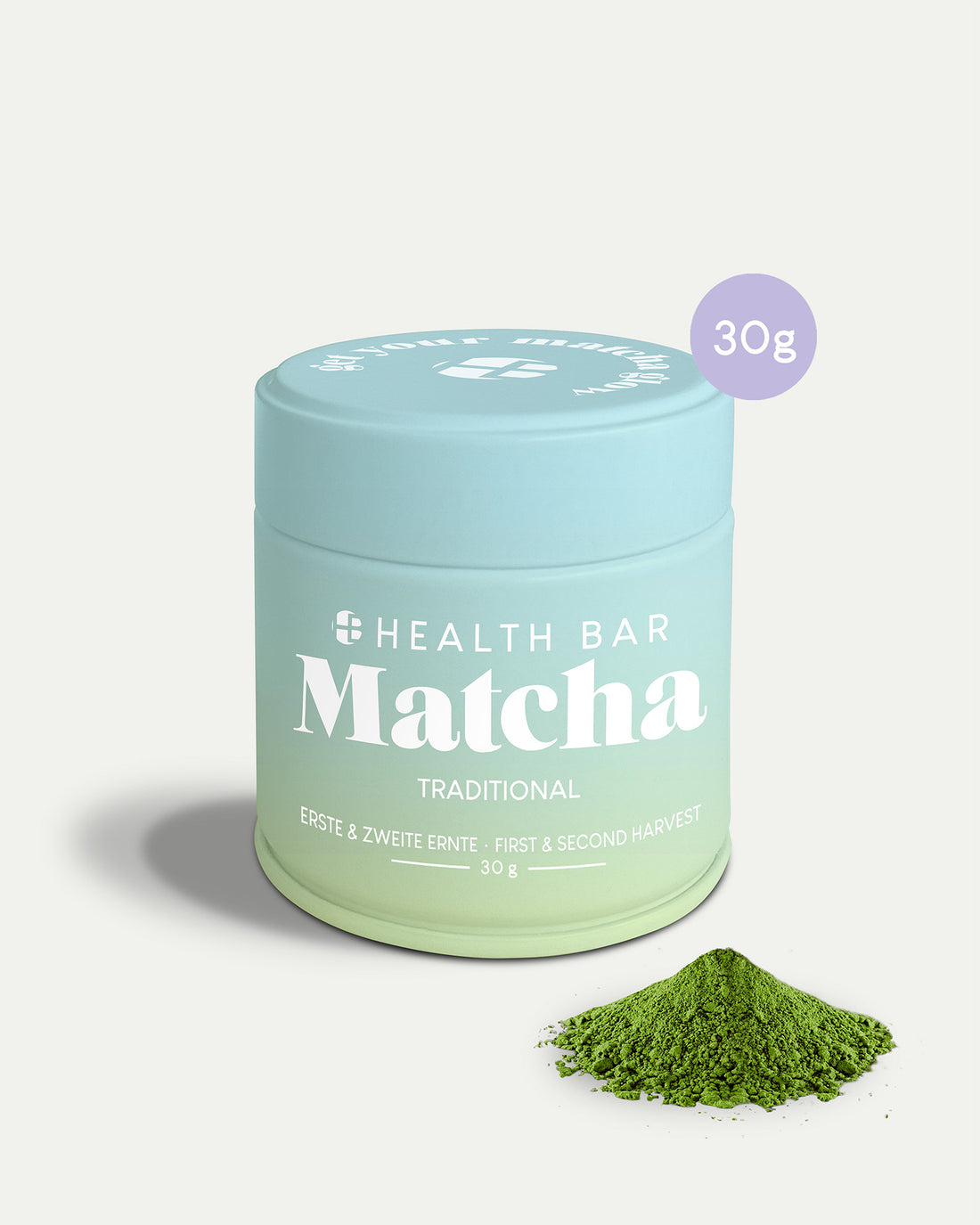 Organic Matcha Powder Traditional from Uji – 30 g TinOrganic Matcha Powder Traditional – 30 g Tin
- Regular price
-
320,00 kr - Regular price
-
- Selling price
-
320,00 kr - Unit price
-
1.066,67 kr / Per 100g
-
CAFFEINE-FREE
 Organic Matcha Tea Mulberry – caffeine-freeOrganic Matcha Tea Mulberry – caffeine-free
- Regular price
-
170,00 kr - Regular price
-
- Selling price
-
170,00 kr - Unit price
-
566,67 kr / Per 100g


