

A pleasure for body and mind
The art of matcha preparation
Matcha, known as green gold in Japan, is enjoying growing popularity among tea lovers worldwide. Preparing this unique beverage with its diverse flavor nuances offers not only an energy boost in the morning but also a moment of peace and balance. Discover this delicious green tea from Japan with us and learn how it is traditionally prepared.
Instructions for making a traditional matcha tea
The act of Preparing matcha is a deeply rooted ritual that expresses mindfulness and respect for centuries-old tradition.. It's an art form that demands concentration and care, and at the same time an invitation to take a moment of peace. The following instructions will guide you through the traditional steps to brew authentic matcha tea at home.
-
Required utensils
For the traditional preparation of matcha, special utensils are used that optimize the ceremony experience and the tea's flavor. A matcha bowl, a bamboo whisk, and a bamboo spoon are essential for preparing the tea in the traditional way. These tools facilitate the mixing process, foster a profound connection to the tea ceremony, and help create an authentic matcha experience.
-
Matcha preparation checklist
Our matcha is of such high quality that you don't need a sieve: More information
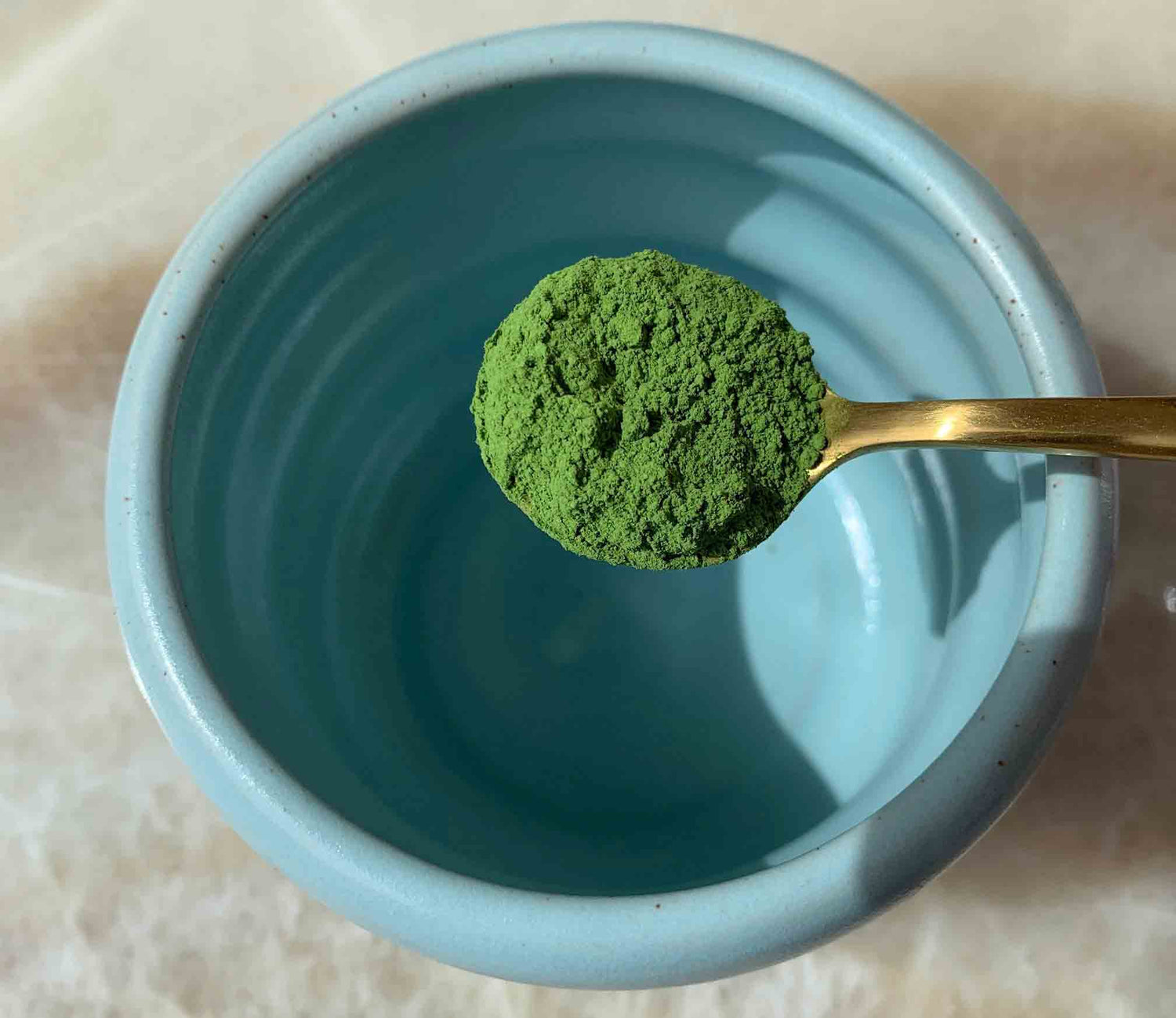
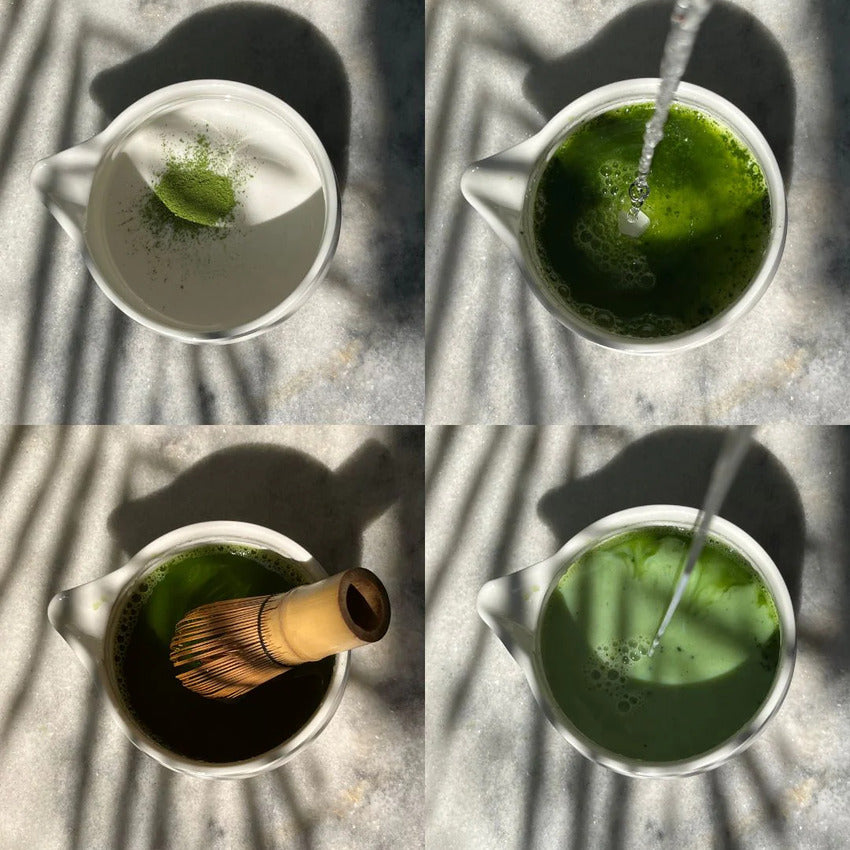
1. Dose the matcha
Use the chashaku bamboo spoon or a teaspoon to 1–2 slightly heaped teaspoons of matcha Pour it into your chawan. By the way, our matcha doesn't need to be sifted.
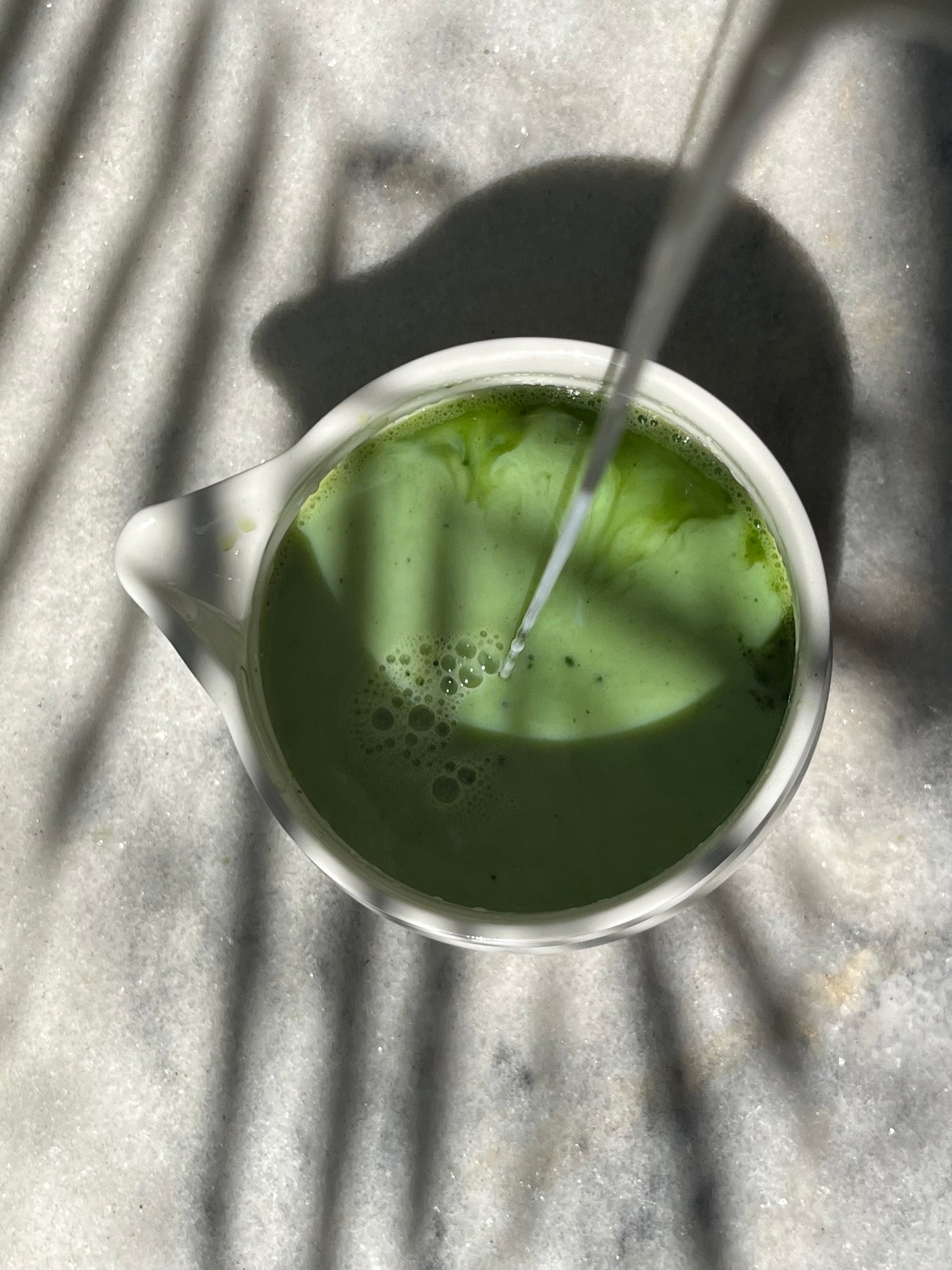
2. Add water
Pour carefully 70–100 ml of the prepared approximately 80°C hot water into the bowl.
Make sure the water is not too hot, so that the matcha does not become bitter and retains its nutrients.
You can also use cold water for preparation.
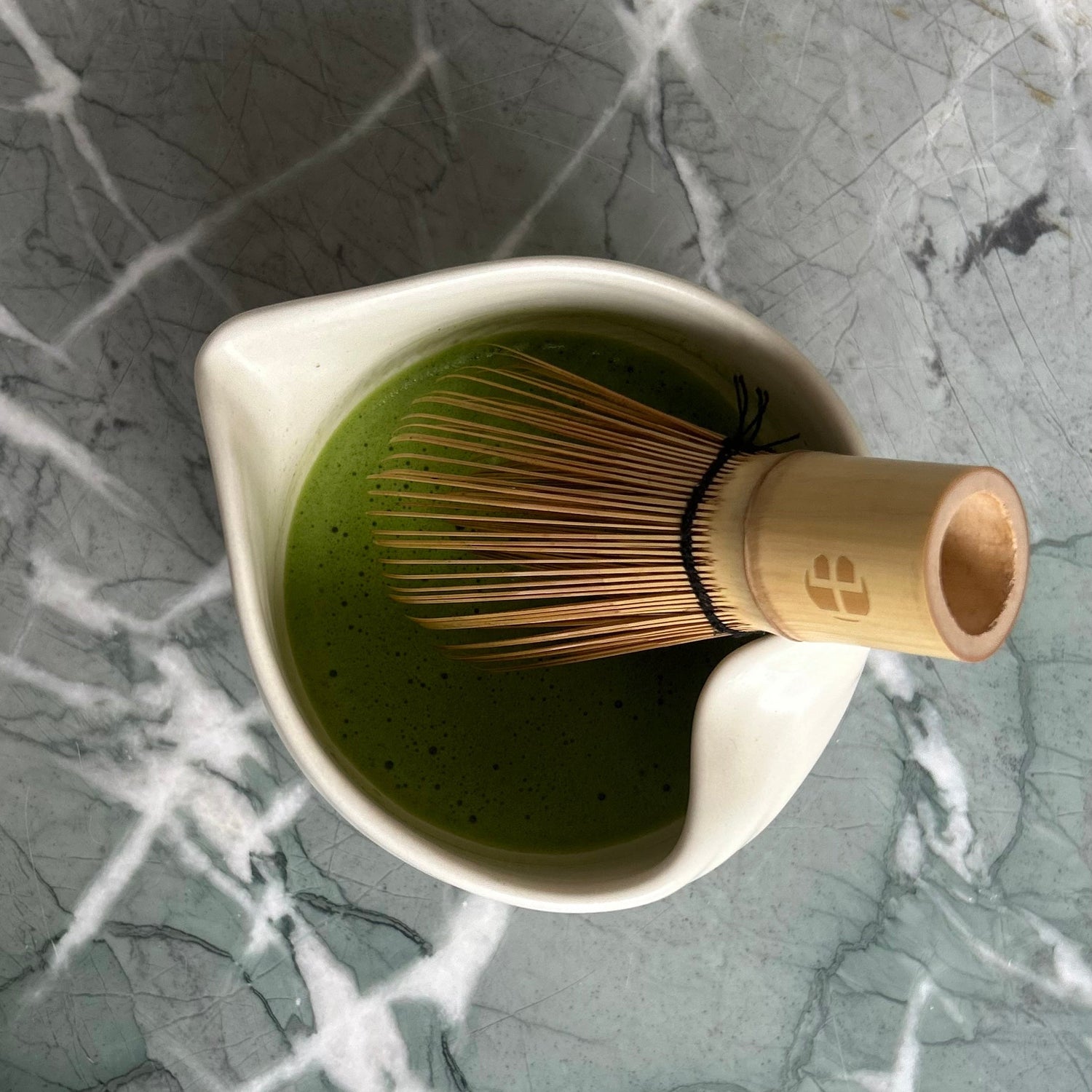
3. Hitting
Grab the chasen and quickly strike the tea in a W or M shape until a fluffy foam layer small bubbles should form on the surface.
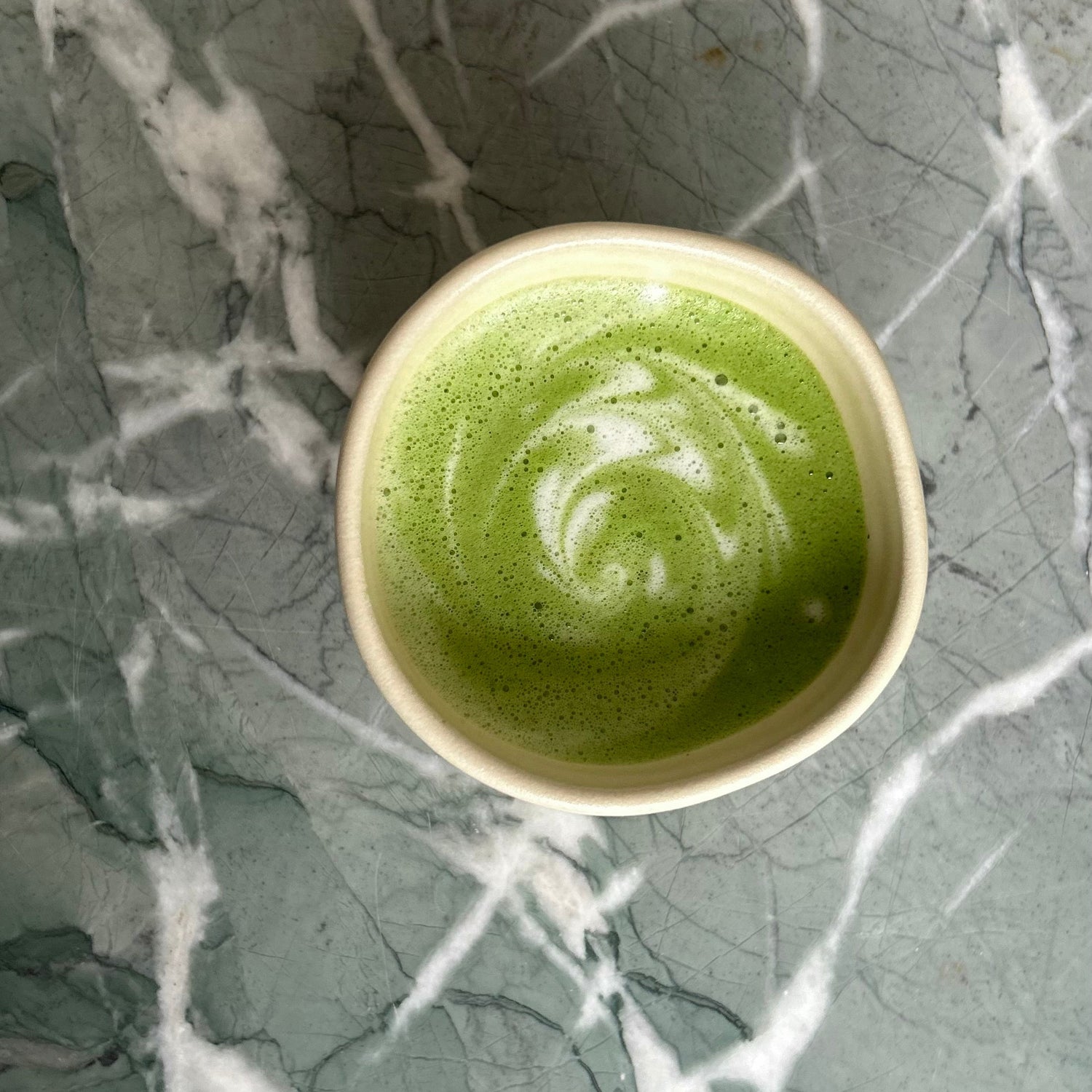
4. Enjoy
Take a moment to appreciate the freshly prepared matcha with all its benefits and express gratitude before sipping it. In Japan, this is accompanied by the phrase: ITADAKIMASU (頂きます)
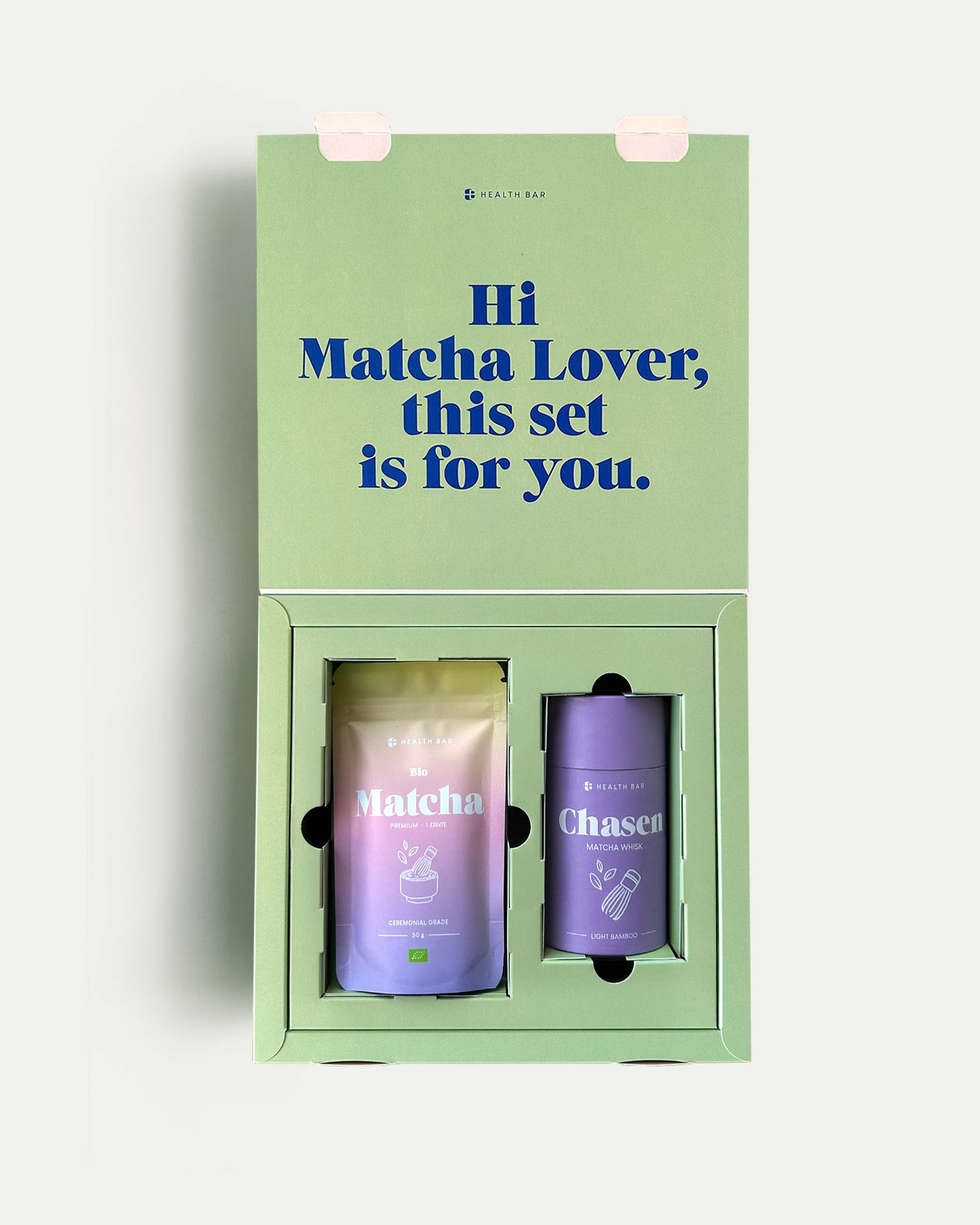
Experience your Matcha moment
The perfect starter set for you
✔ Contains everything you need to get started.
✔ Saves time and ensures correct preparation
✔ High-quality organic matcha
✔ A traditional bamboo broom for perfect results
Tips for preparing matcha
- Water temperature: Make sure the water doesn't boil to preserve the full aroma of the matcha.
- Foaming: A fine, creamy foam is the sign of perfect matcha.
- Amount of matcha: Experiment with the amount of powder to suit your individual taste.
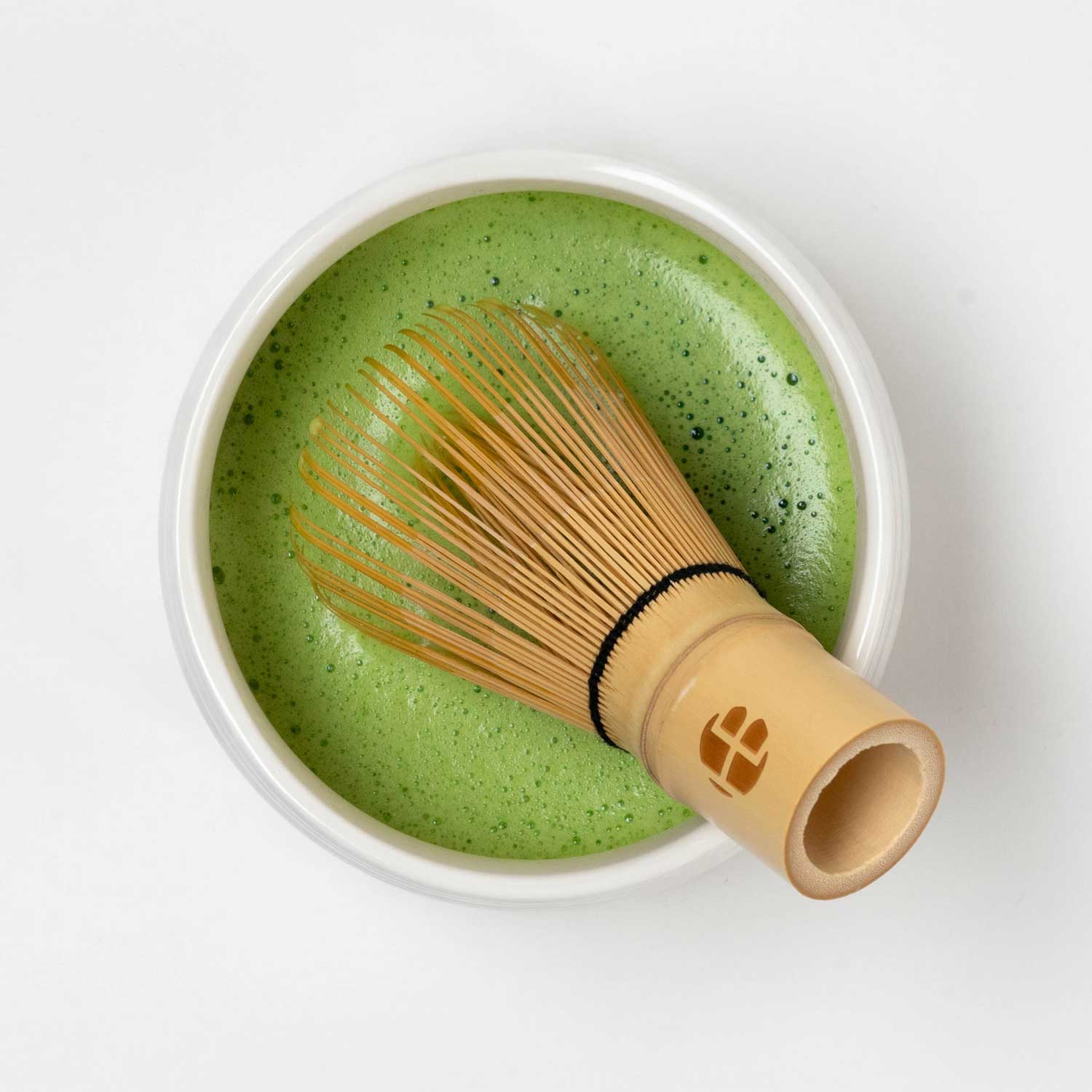
How to use your matcha whisk correctly
The chasen, or traditional matcha whisk, is essential for perfect preparation – but how do you actually care for and use it correctly? In this guide, we'll show you what's important to ensure your matcha is always beautifully frothy and your whisk lasts a long time.
Modern methods of preparation
Beyond the traditional approach, a world of modern ways to enjoy matcha opens up. Matcha latte and iced matcha, in particular, are very popular and offer a delicious refreshment.
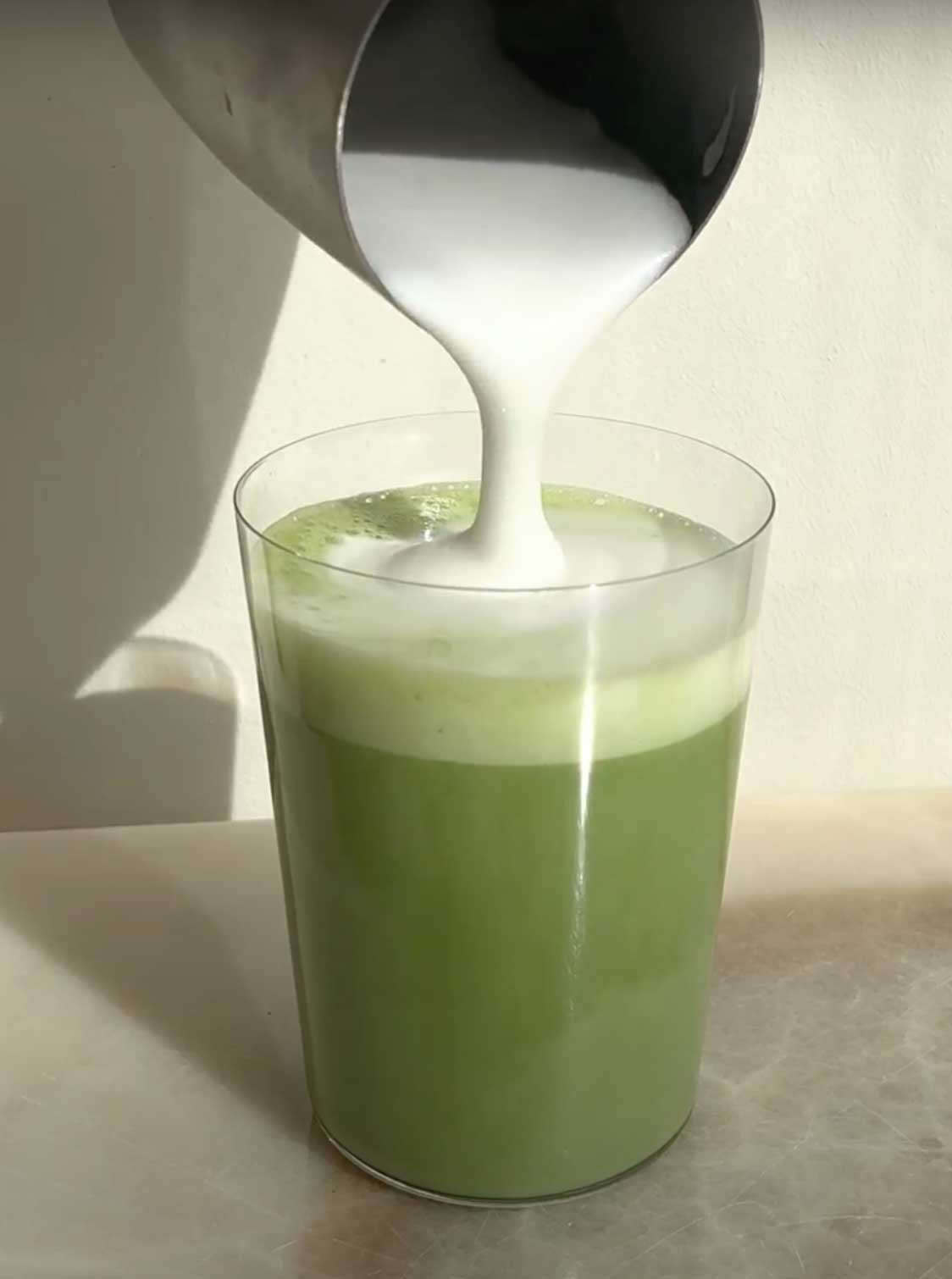
Matcha latte
Matcha latte is characterized by a heavenly interplay of creamy milk and the rich, savory aroma of green tea. This article will show you how to create this delicious treat.
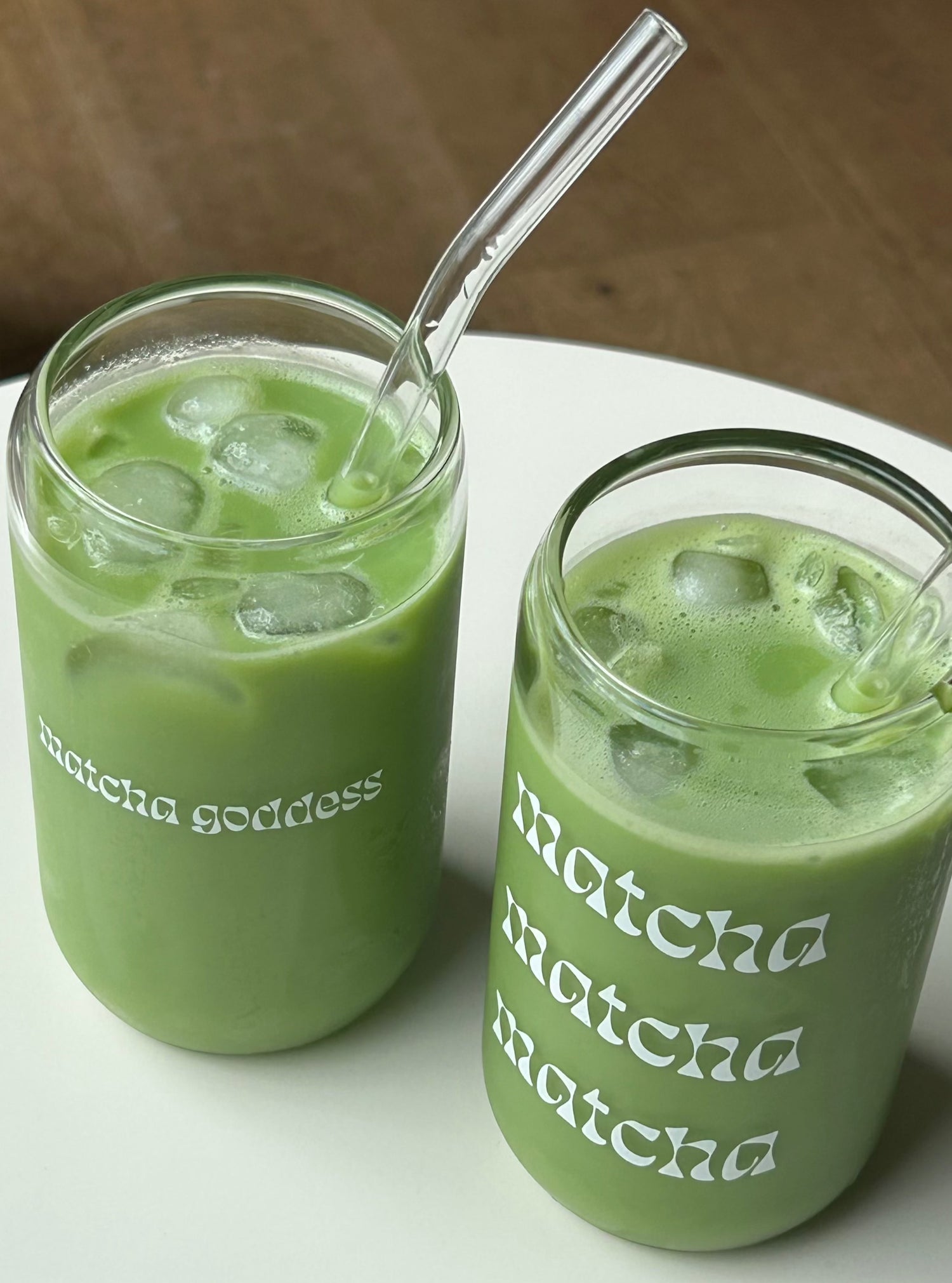
Iced matcha
On hot summer days, iced matcha is a refreshing treat that touches the senses in many ways. Discover how to make this invigorating cult drink yourself in our guide.
Can matcha be prepared cold?
For warm days or when you're short on time, cold-prepared matcha is ideal. Preparing it in a shaker is a popular method. Use one to four scoops of matcha powder and add 150 to 500 milliliters of water, depending on your preference. Shake vigorously, and adding ice cubes will make it the perfect summer drink.
Thanks to the low water temperature, the valuable vitamins are preserved. The basic recipe can be varied in many ways by adding milk, ice cream, or other ingredients to regularly introduce variety into your tea creations.
FAQs
What is the best way to store matcha?
Always store matcha in an airtight container in a cool, dark place to preserve its freshness and color.
How long does matcha last?
Unopened matcha can be stored for several months. Once opened, it is best to consume it within 1-2 months.
Can matcha go bad?
Matcha loses its flavor and discolors over time, especially if stored improperly. If it tastes bitter, that's a sign it's spoiled.
How do I know if my matcha is still good?
Good matcha is characterized by a bright green color and a fresh, slightly sweet aroma. Discoloration and a dull flavor indicate that the matcha has passed its best.
The fascination of matcha
Matcha, the vibrant green powder from Japan, represents far more than a simple beverage – it embodies a rich history, deeply rooted traditions, and meaningful rituals. The fascination with matcha extends beyond its unique flavor. It lies in the artistry of its preparation, the spiritual significance of its ceremony, and its modern rediscovery as a versatile superfood.
-
Matcha preparation: a heritage with tradition
Its origins can be traced back to the practices of Zen Buddhism in Japan, where matcha was not only used to enhance focus during meditation but was also a central element in the highly ritualized tea ceremony, the Chanoyu. This ceremony emphasizes harmony, respect, purity, and stillness – values that resonate in every sip of matcha.
-
A symbol of perfection
The production of matcha is an art form requiring years of experience. The tea leaves (tencha) are carefully harvested by hand, steamed, and slowly ground in granite stone mills into a fine powder so intense that it was used as a pigment in traditional Japanese painting. This process preserves not only the vibrant green color and rich flavor but also all the nutrients of the leaves.
-
A source of inspiration
In recent years, matcha has taken the world by storm, far beyond the borders of Japan. It inspires chefs, baristas, and health experts to create new dishes – from matcha lattes and smoothies to desserts and skincare products. Its versatility and the fusion of tradition and modernity make matcha a symbol of contemporary culinary innovation.
Matcha of the best quality
-
 Organic Ceremonial Matcha Tea – 30g (can)Organic Ceremonial Matcha Tea – 30g (can)
- Regular price
-
30,00€ - Regular price
-
- Selling price
-
30,00€ - Unit price
-
100,00€ / Per 100g
-
Bestseller
 Organic Ceremonial Matcha TeaOrganic Ceremonial Matcha Tea
- Regular price
-
10,16€ 154,05€ - Regular price
-
- Selling price
-
10,16€ 154,05€ - Unit price
-
101,60€ / Per 100g
-
 Organic Matcha Tea, TraditionalOrganic Matcha Tea, Traditional
- Regular price
-
8,74€ 112,97€ - Regular price
-
- Selling price
-
8,74€ 112,97€ - Unit price
-
87,40€ / Per 100g
-
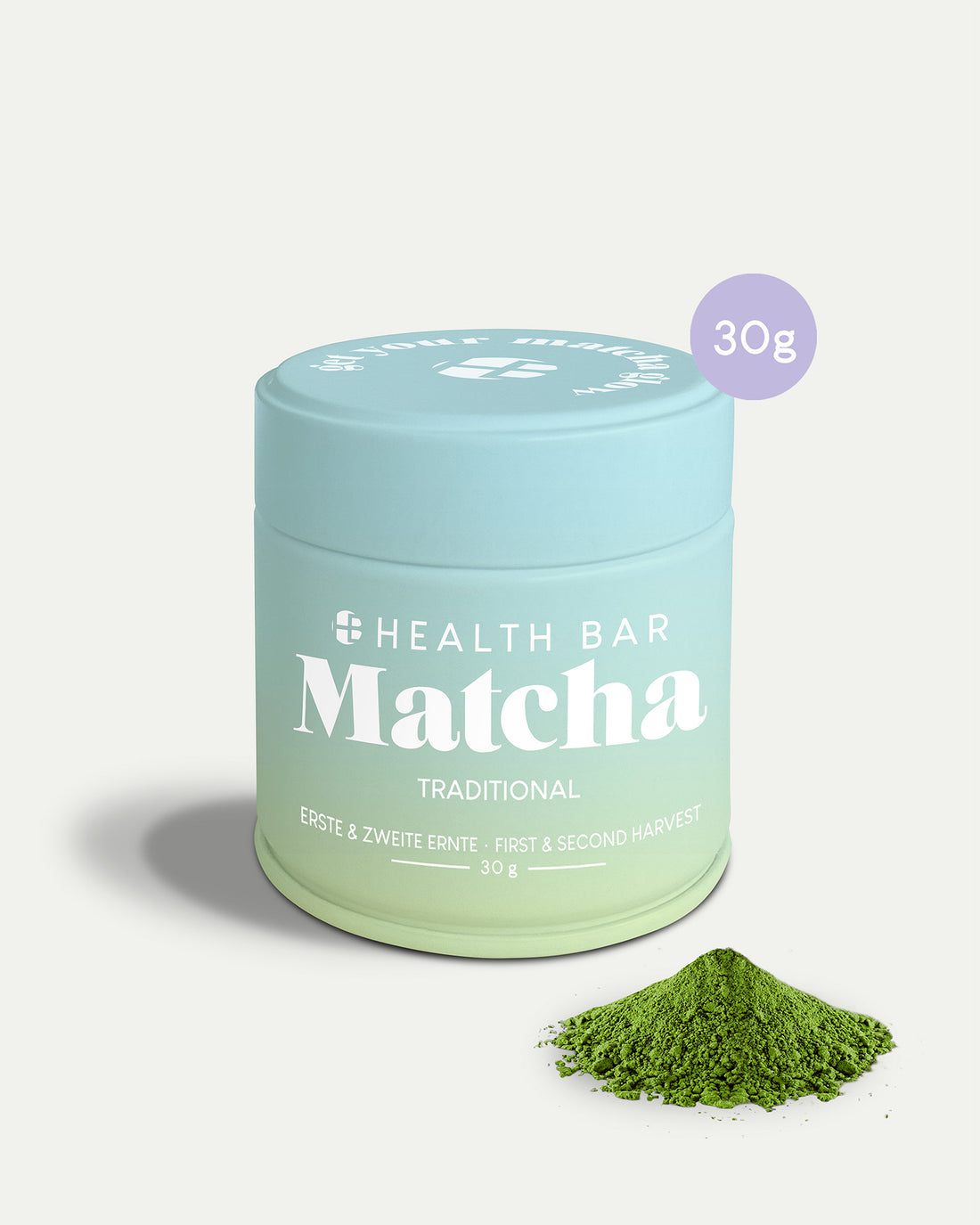 Organic Traditional Matcha Tea – 30g (can)Organic Traditional Matcha Tea – 30g (can)
- Regular price
-
26,00€ - Regular price
-
- Selling price
-
26,00€ - Unit price
-
86,67€ / Per 100g


