



Bio Matcha Tee Okumidori – Single Cultivar – 30g
Coming soon end of April
- Regular price
-
37,14€ DU SPARST - Regular price
-
- Selling price
-
37,14€
description
Single Cultivar | Bio | 30 g
An exceptionally fine organic matcha from Uji, Japan – made from the rare single-cultivar variety Okumidori. Less than 5% of all tea fields in Japan are dedicated to the cultivation of Okumidori, making it a rare specialty. Elegant, silky, and deep in flavor, this matcha represents the highest quality and pure purity in every cup.
This matcha is our most exclusive quality. – even more elaborate to produce than Ceremonial Grade and intended for all those who want to enjoy Matcha at a particularly high level.
At a glance:
• Organic matcha from Uji, Kyoto (Japan)
• 100% Single Cultivar: Okumidori (no blend)
• First harvest – selected premium quality
• 30g pouch (fresh & high-quality packaging)
• Especially mild, sweet & deep umami
• Stone-ground using traditional methods
• Bright green color & extremely fine powder
• Our highest matcha quality level: Okumidori (literally "deepest green")
Taste & Character
The Okumidori cultivar is known for its natural sweetness, smooth, rounded umami flavor, and low bitterness. This results in a particularly elegant matcha with a silky mouthfeel and harmonious depth. It is characterized by a particularly balanced flavor profile: less plant-based than Yabukita, but rounder and softer with notes of edamame, white chocolate and a deep, long-lasting umami.
What makes Okumidori so special?
Okumidori is a rare Japanese tea cultivar prized for its exceptional balance. It naturally develops fewer bitter compounds while simultaneously offering a particularly delicate and deep umami flavor.
Combined with the first harvest from Uji, this results in a matcha of exceptional purity, elegance and depth of flavor – made for conscious, pure enjoyment.
Who is this matcha suitable for?
For experienced matcha lovers seeking the highest quality
For those who prefer a particularly refined, elegant flavor profile
For conscious moments of enjoyment and high-quality matcha rituals
For purists who want to experience matcha without bitterness.
Origin & Processing
Growing area: Uji, Kyoto (Japan)
Cultivar: 100% Okumidori (Single Cultivar)
Harvest: 1. Harvest (spring)
Processing: traditional stone milling on granite stone mills in Uji
Shading: up to 32 days before harvest
Damping: gentle processing to preserve freshness
The careful leaf selection and slow stone grinding (approx. 30 g per hour) ensure an exceptionally fine texture and maximum depth of aroma.
Further product details:
Product type: Matcha powder
Contents: 30 g (pouch)
Quality: 100% Organic, Single Cultivar
Certification: EU Organic, JAS Organic
Use: pure, for conscious rituals and high-quality preparation
Special feature: highest quality level within our matcha range
Top quality
This Okumidori Matcha is made exclusively from selected leaves of the first harvest. The particularly elaborate processing results in an exceptionally pure, elegant Matcha with profound character and a silky-smooth texture.
What is Matcha?
Matcha is finely ground green tea where the entire tea leaf is consumed. This creates an intense taste experience with natural depth and valuable plant compounds.
Note: Please store matcha in a cool, dry place.


-

Organic Certified
Health Bar Matcha is one of the few on the market with organic certification.

Which matcha suits you best?
-
Organic Ceremonial Matcha (1st Harvest, Blend)
to the ceremonialA well-balanced premium matcha from the first harvest, with a mild, smooth taste and vibrant green color. The blend of different cultivars ensures a harmonious balance. Our Ceremonial Matcha also has a higher caffeine content of 3290 mg per 100g. than the traditional one.
Perfect for everyday enjoyment – straight or as a matcha latte. Suitable for beginners and advanced users. -
Organic Traditional Matcha (1st & 2nd Harvest, Blend)
TO THE TRADITIONALStronger and slightly more bitter in taste due to the inclusion of second-harvest tea. Less sweet, but more intense and robust. Its fuller aroma makes it particularly well-suited for milk drinks and modern matcha cocktails. Our Traditional Matcha contains 2950 mg of caffeine per 100g.
Ideal for Matcha Latte or for anyone who prefers a stronger, more classic Matcha drink. -
Okumidori Matcha (Single Cultivar, Uji)
COMING SOONOur finest quality. Made from the rare Okumidori variety from Uji, this matcha impresses with its exceptionally clear aroma, delicate natural sweetness, and deep umami flavor. Virtually no bitterness, silky and elegant in taste.
Ideal for pure enjoyment and mindful matcha moments at the highest level.


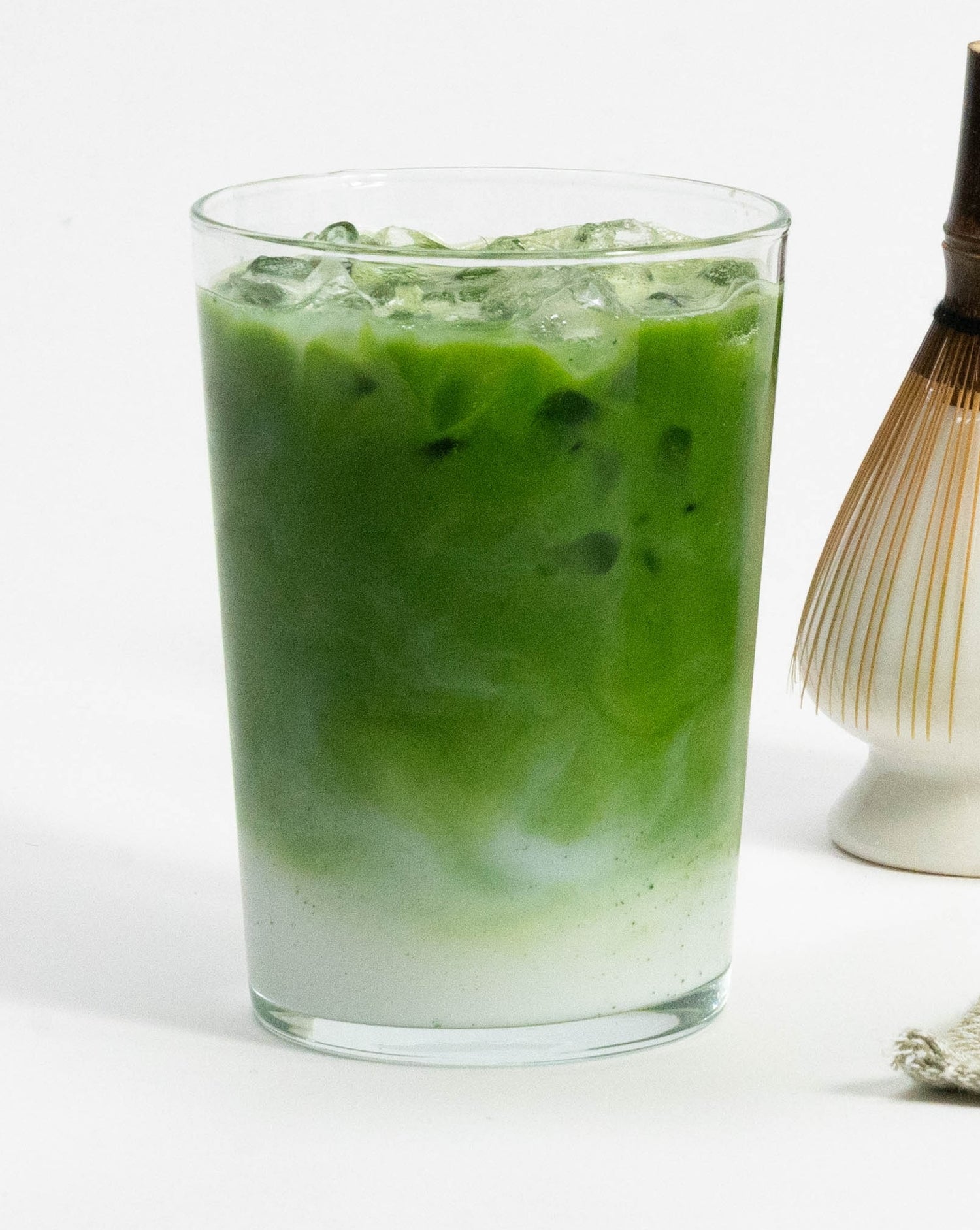
What is Okumidori Matcha?
Matcha is finely ground green tea from Japan, made from the leaves of the Tencha tea plant, which are shaded before harvesting. This results in a particularly intense aroma, deep umami flavor, and a vibrant green color. Many appreciate matcha as a coffee alternative for clear focus without significant fluctuations.
The Okumidori Matcha from Uji stands out in particular: While many matchas are blends of different cultivars, Okumidori is a single cultivar – a single, pure tea variety.
This results in a particularly clear, smooth and elegant flavor profile with natural sweetness and very little bitterness – made for pure enjoyment at the highest level.
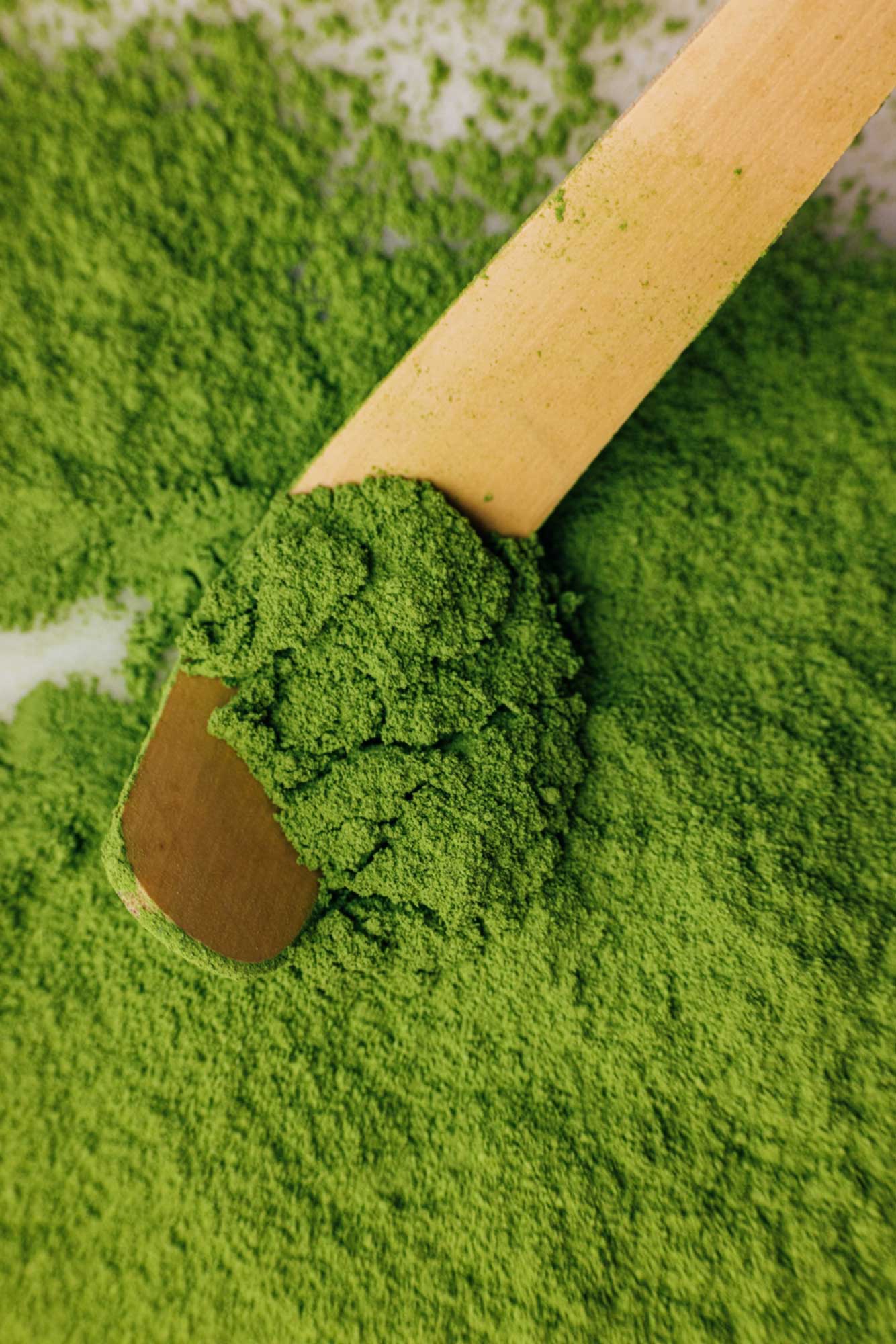
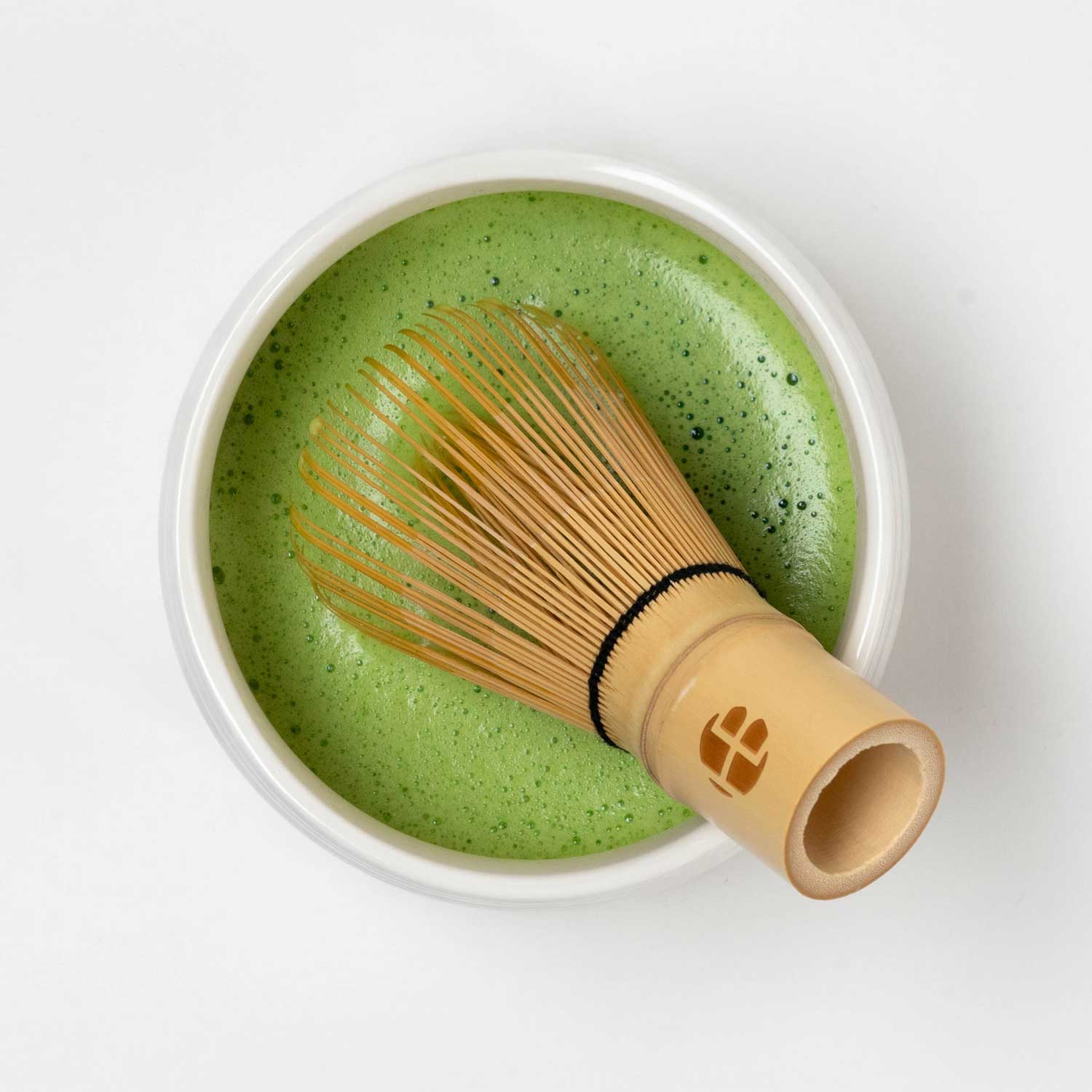
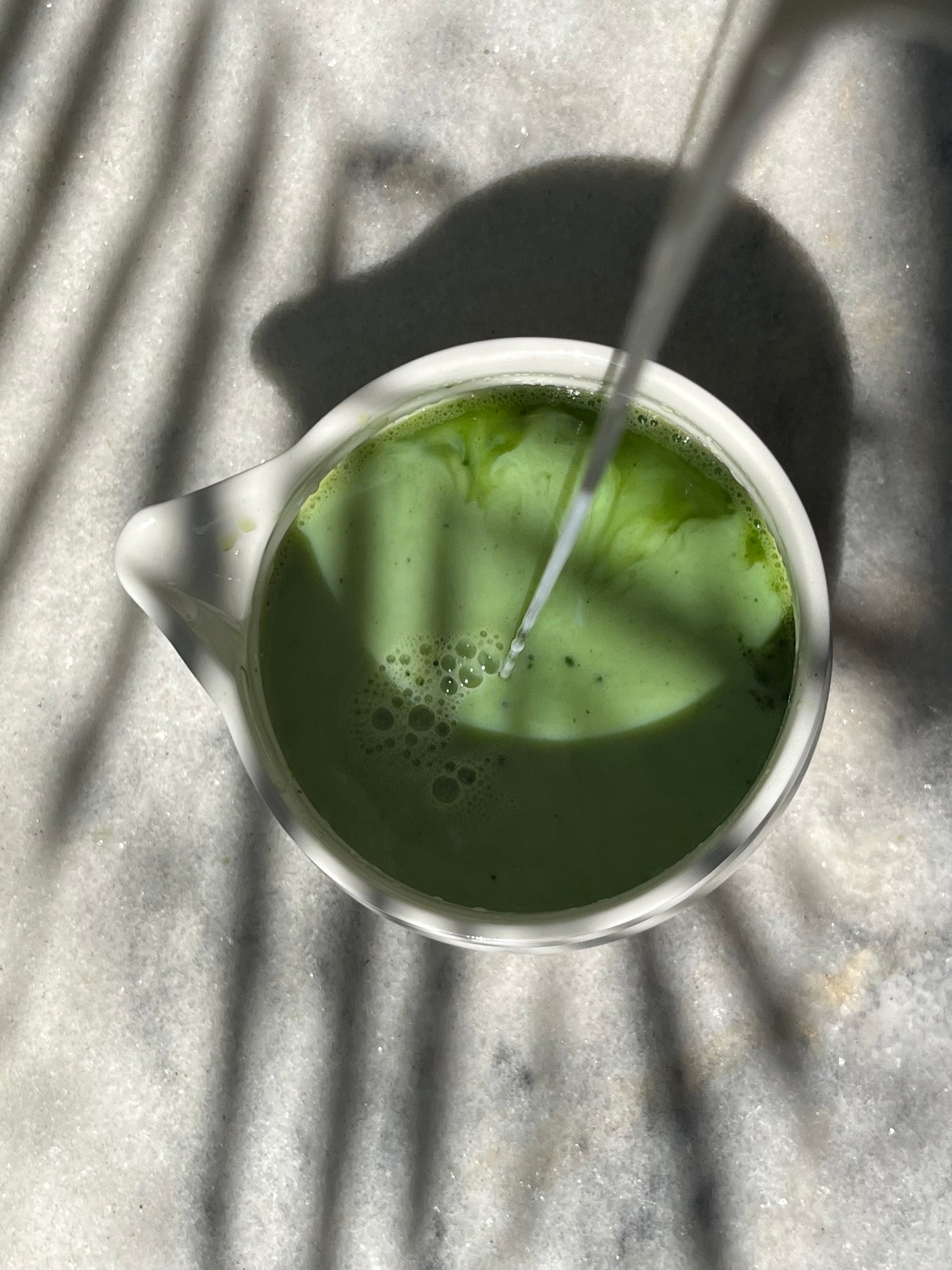
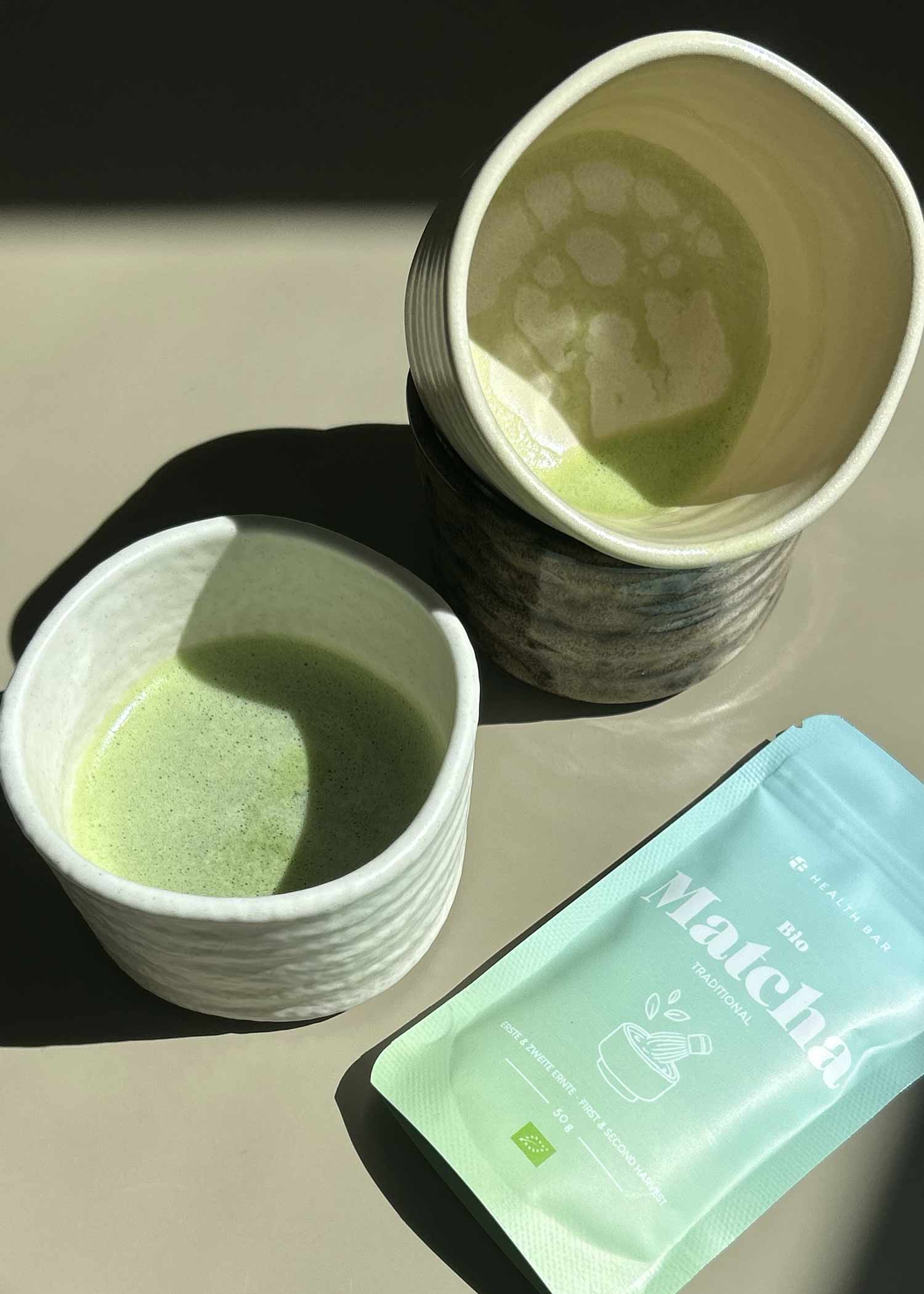
HOW-TO
Preparing matcha easily
1. Dosage of matcha: Using a bamboo spoon or a teaspoon, add 1-2 slightly heaped teaspoons of matcha to your chawan.
2. Add water: Pour 70–100 ml of water (approx. 80 °C) into the bowl. Make sure the water is not boiling hot, otherwise the matcha will become bitter.
3. Serve: Beat the matcha with the chasen in quick W- or M-movements until a fine, fluffy layer of foam is formed.
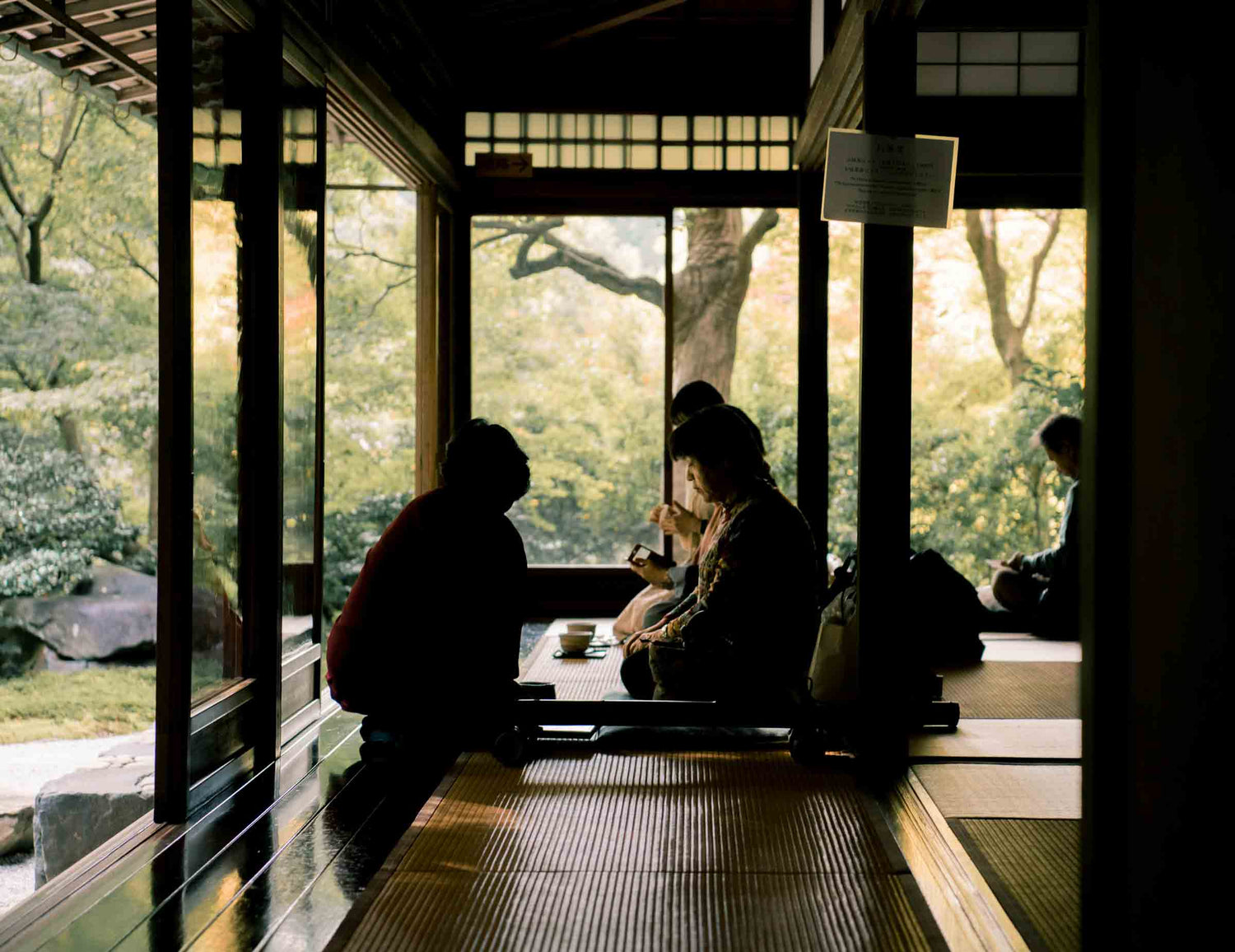
4. Enjoy: Take a moment to consciously enjoy the matcha. In Japan, they say: "Itadakimasu" – as a sign of gratitude before drinking.

Your introduction to the world of Matcha – Workshop
Dive into the world of matcha online in just 30 minutes – from the comfort of your living room! In our short matcha workshop, you'll learn everything you need to know about our Traditional and Ceremonial Matcha You need to know.
production
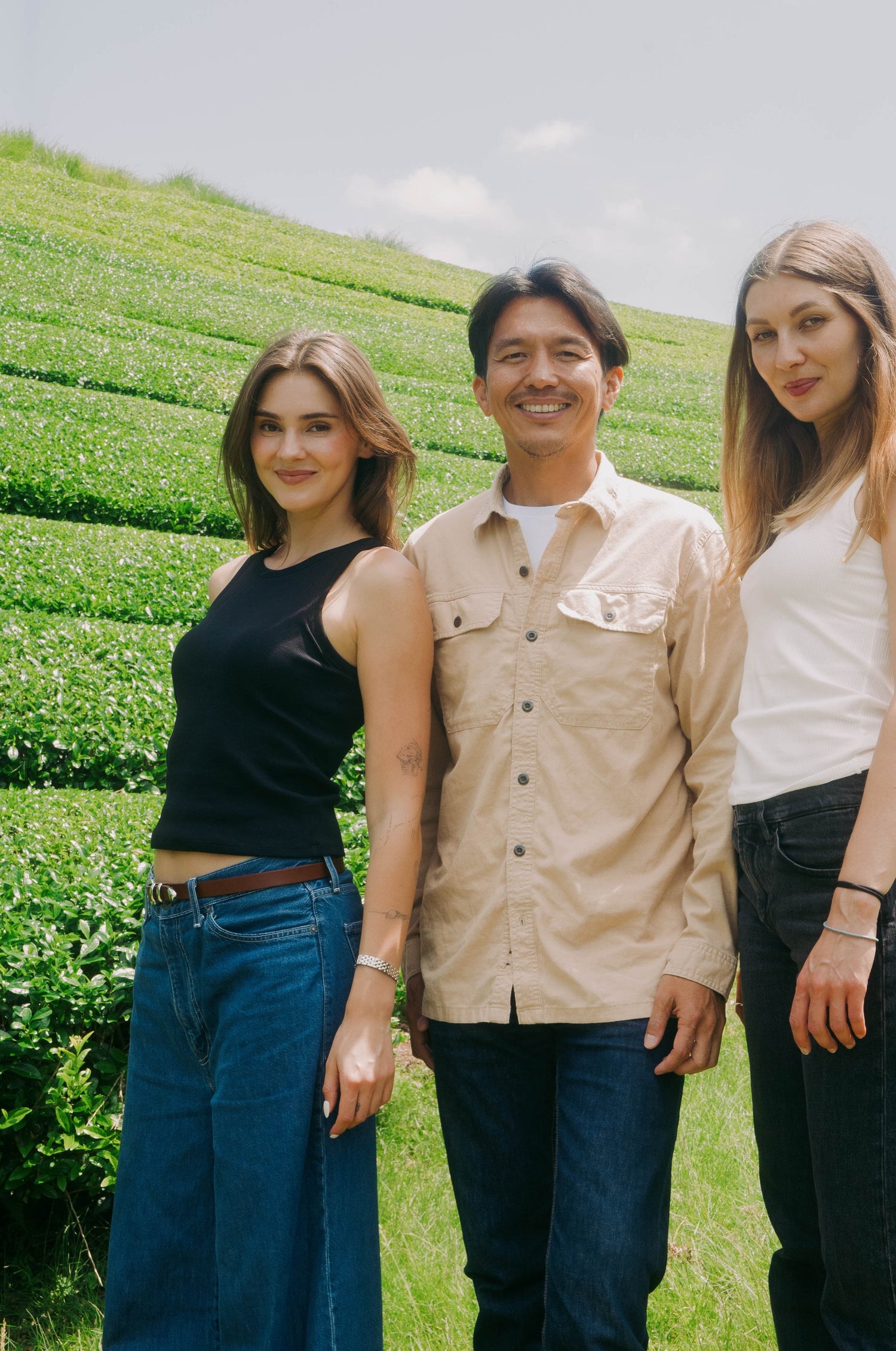
Our tea farm is a traditional family business that has been in operation for several generations and has been producing organic matcha for several decades.
Our quality is confirmed by the strict standards of the organic certificate from the Japanese certification body JONA and the German organic certification.
Cultivation
The tea farmers protect the plants from the sun with black textile sheets or, traditionally, straw. Solar panels are also used. This increases the chlorophyll content in the leaves and softens the flavor. Cultivation is carried out without pesticides. Annual soil samples are taken, as well as laboratory tests for heavy metal and radiation contamination, to ensure the highest possible quality. Furthermore, each batch is carefully tested for its mineral content.
origin
The Matcha tea growing region is one of the best and oldest in Japan: the Uji region, west of Osaka. The region is known for its clean water and nutrient-rich soil, free of pesticides. The climate is ideal: mist from the Uji and Kizu rivers keeps the tea plants moist and reduces the risk of frost damage.
Labor-tested
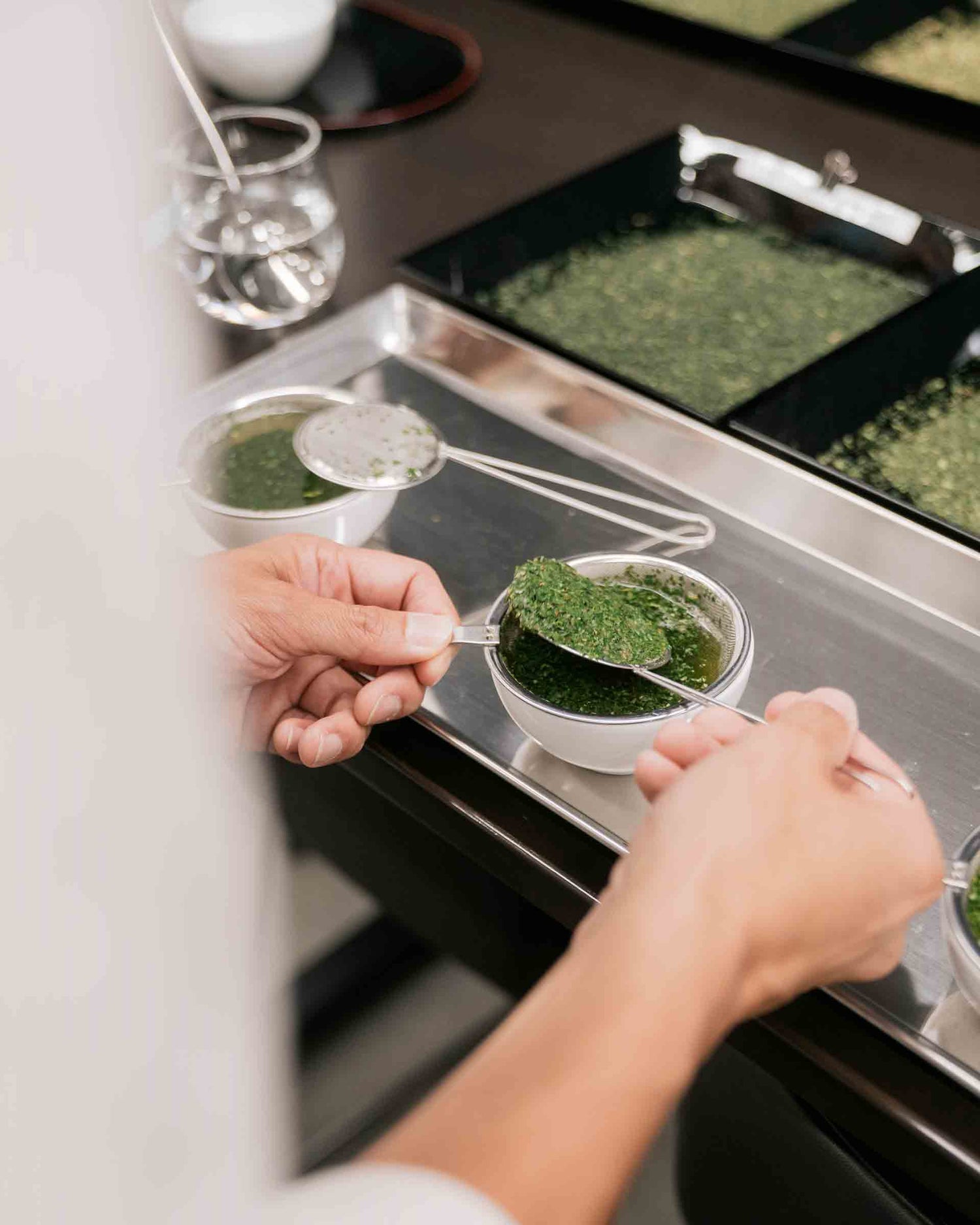
Transparency you can taste: Our organic matcha is regularly tested by independent laboratories.
Why? Because we drink our own matcha every day – and because we want you to know exactly what's in your cup.
The results show:
- No pesticides detected
- Heavy metals significantly below EU limits
- Very good microbiological quality
We make all test reports available here transparently.

FAQs – Product & Differences
What is the difference between ceremonial matcha and okumidori?
Our Ceremonial Matcha is a premium blend of various Japanese cultivars, carefully selected for a balanced, creamy flavor profile. It is versatile and ideal for everyday enjoyment.
In contrast, Okumidori Matcha is a single cultivar matcha – meaning it consists of only one tea variety. This results in a particularly rare, clear, distinctive, and pure flavor profile with greater depth and elegance.
What does "Single Cultivar" mean in the context of Okumidori Matcha?
Single Cultivar means that the Matcha consists exclusively of a single tea variety – in this case Okumidori.
Unlike blends, which combine several varieties, this flavor variety showcases its pure character.
How does Okumidori Matcha taste in comparison?
Okumidori is exceptionally smooth, elegant, and harmonious in flavor. It has a pronounced natural sweetness, very delicate umami, and no bitterness.
Compared to classic blends, it appears clearer, rounder and overall of higher quality in its flavor profile.
Why is a single cultivar like Okumidori more complex to cultivate than a blend?
A single cultivar matcha like Okumidori is significantly more difficult to produce consistently, as the entire flavor depends solely on a single tea variety.
Each year's harvest is heavily influenced by weather conditions, temperature, hours of sunshine, and rainfall. These factors can significantly alter the plant's flavor profile – the natural sweetness, umami, or intensity can change from year to year.
With a single cultivar of matcha, this means that the taste naturally varies more and must be "approximated" anew each year without changing it.
In contrast, our Ceremonial Matcha varieties are produced as blends from several cultivars.
This involves combining different types of tea with varying characteristics – for example, more sweetness from one variety, more umami from another, or more body from a third. This allows the flavor to be specifically balanced.
How do I prepare Okumidori Matcha?
The preparation is identical to classic matcha:
- 1–2 g Matcha sieben
- For the warm version: Pour on water that is approximately 70–80 °C.
- for the iced version: Pour on cold water
- Beat with a bamboo whisk (chasen) until frothy.
For best results, a calm, even movement in a matcha bowl is recommended.
Then, if desired, add milk.