


Transparency you can taste
Our organic matcha is regularly tested by independent laboratories.
Why? Because we drink our own matcha every day – and because we want you to know exactly what's in your cup.
The results show:
- No pesticides detected
- Heavy metals significantly below EU limits
- Very good microbiological quality
We make all test reports available here transparently.
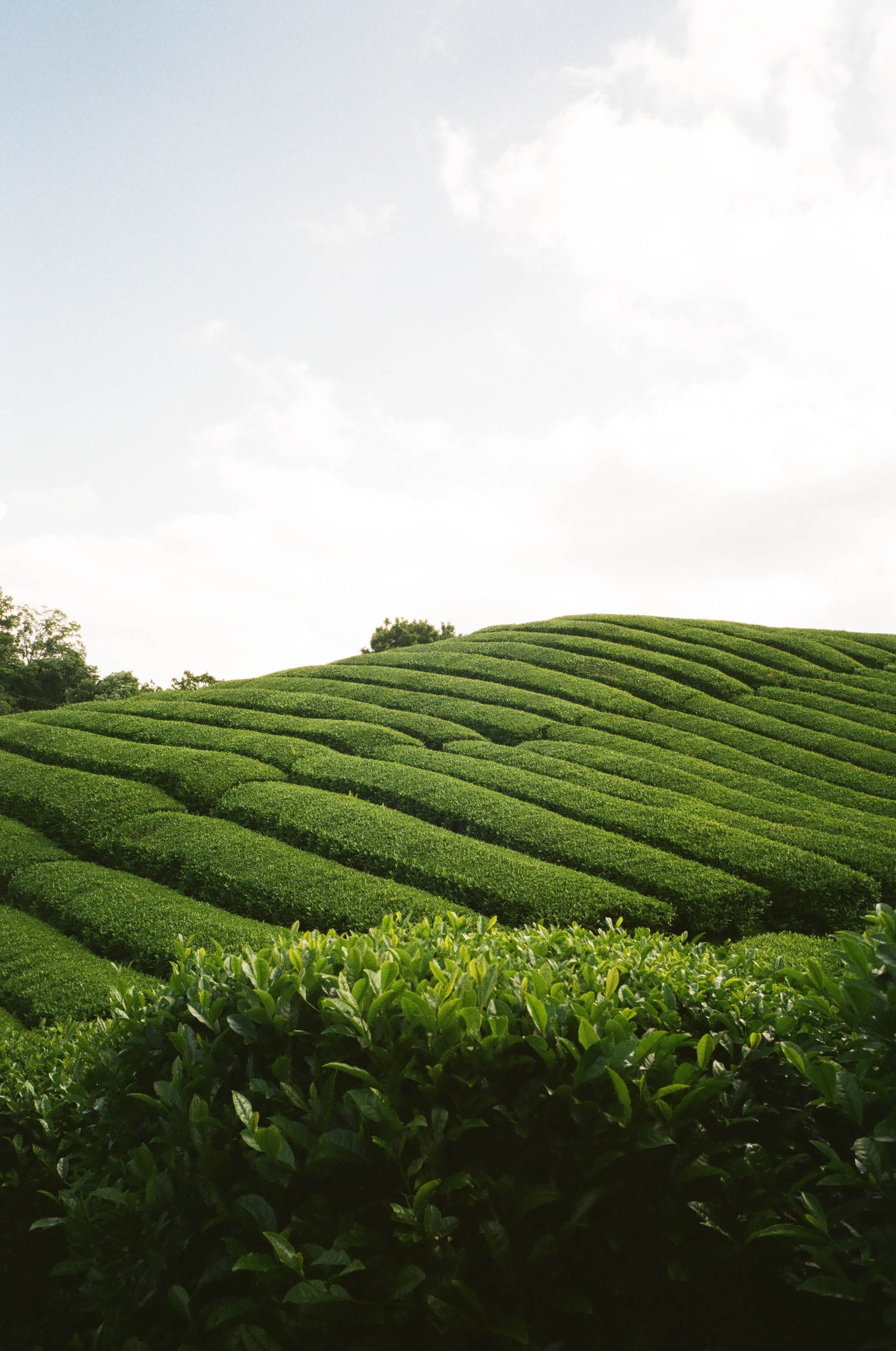
Why we test our matcha:
Matcha is a special food: when drinking it, the entire tea leaf is consumed. That's why we place great importance on having our matcha independently tested.
This way we can ensure that our matcha not only tastes good, but also meets the highest quality and safety standards.
Our tests include, among other things:
- Pesticide residues
- heavy metals
- microbiological quality
All values are assessed according to European food standards.
Bio Matcha Ceremonial – Laborergebnisse
Test report no.: mlr11266
Our ceremonial matcha comes from Uji, Kyoto, one of the most traditional matcha regions in Japan and is produced exclusively from the first harvest.
Here we make the laboratory results available transparently. View here.
Microbiology
The microbiological analysis checks whether unwanted microorganisms such as yeasts or molds are present in the product.
Result of our Ceremonial Matcha:
- Yeasts: < 100 CFU/g
- Molds: < 100 CFU/g
These values are therefore below the quantifiable limit of detection for the analysis. These values are significantly below the usual limits for food and are considered very low in food analysis. They thus confirm the very high microbiological quality and careful processing of our matcha.
Pesticides
The matcha was tested for over 650 possible pesticide residues.
Result: nd – not detectable
This means that none of the tested substances were found above the detection limit. A particularly positive result – especially for matcha, since the entire tea leaf is consumed.
heavy metals
Heavy metals are also checked in every analysis.
Results:
- Aluminium: 800 mg/kg
- Arsen: < 0,02 mg/kg
- Cadmium: < 0,02 mg/kg
- Mercury: < 0.005 mg/kg
- Blei: 0.07 mg/kg
Classification:
- Lead: significantly below usual limits for tea
- Cadmium & Arsenic: very low
- Mercury: not detectable
- Aluminum: in the lower normal range for matcha
radioactivity
Low levels of natural radioactivity occur naturally in many plants and foods. They arise from minerals in the soil that are absorbed by plants. Particularly important:
- Potassium-40 (K-40) is a natural isotope of potassium.
- Potassium is an essential nutrient for plants and humans.
- Therefore, K-40 is measurable in virtually all plant-based foods, e.g., in vegetables, fruits, grains, or tea.
The values measured in matcha correspond to typical natural background levels. A Cs-134 value of < 2 Bq/kg means that the activity is below the quantifiable limit of detection for the measurement method. Therefore, precise determination is not possible due to the very low value.
Bio Matcha Traditional – Laborergebnisse
Test report no.: mlr11265
Our Traditional Matcha also comes from Uji, Kyoto, and is made from a blend of the first and second harvests. This gives it a slightly stronger aroma – perfect for lattes, smoothies, or your daily matcha.
You can view the lab results in detail View here.
Microbiology
Results:
- Yeasts: < 100 CFU/g
- Molds: < 100 CFU/g
These values are considered very low and confirm very good microbiological quality.
Pesticides
The Traditional Matcha was also tested for around 650 possible pesticide residues.
Result: nd – not detectable
This means that none of the pesticides tested were found above the detection limit.
heavy metals
Results:
- Aluminium: 1000 mg/kg
- Arsen: < 0,02 mg/kg
- Cadmium: 0,02 mg/kg
- Mercury: < 0.005 mg/kg
- Blei: 0.07 mg/kg
Classification:
- Lead: significantly below usual limits
- Cadmium: very low
- Arsenic & Mercury: practically non-existent
- Aluminum: within the normal range for matcha
Classification of aluminum in matcha: Because matcha consists of the entire ground tea leaf, it naturally contains more aluminum than classic teas.
The European Food Safety Authority (EFSA) sets a tolerable weekly value for aluminium.
Even with daily matcha consumption, the intake per cup is far below this value.
radioactivity
Low levels of natural radioactivity occur naturally in many plants and foods. They arise from minerals in the soil that are absorbed by plants. Particularly important:
- Potassium-40 (K-40) is a natural isotope of potassium.
- Potassium is an essential nutrient for plants and humans.
- Therefore, K-40 is measurable in virtually all plant-based foods, e.g., in vegetables, fruits, grains, or tea.
Measured values:
- Cs-137: 8,7 Bq/kg
- Cs-134: < 2 Bq/kg
- Co-60: 9.2 Bq/kg
- K-40: 740 Bq/kg
- Ra-226: 20 Bq/kg
- Ra-228: 30 Bq/kg
Here too, the values are within the normal range for natural products and show no unusual contamination.
Best of Matcha:
-
 Bio Matcha Tee Ceremonial – 30g (Dose)Bio Matcha Tee Ceremonial – 30g (Dose)
- Regular price
-
250,00 kr - Regular price
-
- Selling price
-
250,00 kr - Unit price
-
833,33 kr / Per 100g
-
Bestseller
 Bio Matcha Tee CeremonialBio Matcha Tee Ceremonial
- Regular price
-
80,00 kr 1.230,00 kr - Regular price
-
- Selling price
-
80,00 kr 1.230,00 kr - Unit price
-
800,00 kr / Per 100g
-
 Bio Matcha Tee TraditionalBio Matcha Tee Traditional
- Regular price
-
70,00 kr 900,00 kr - Regular price
-
- Selling price
-
70,00 kr 900,00 kr - Unit price
-
700,00 kr / Per 100g
-
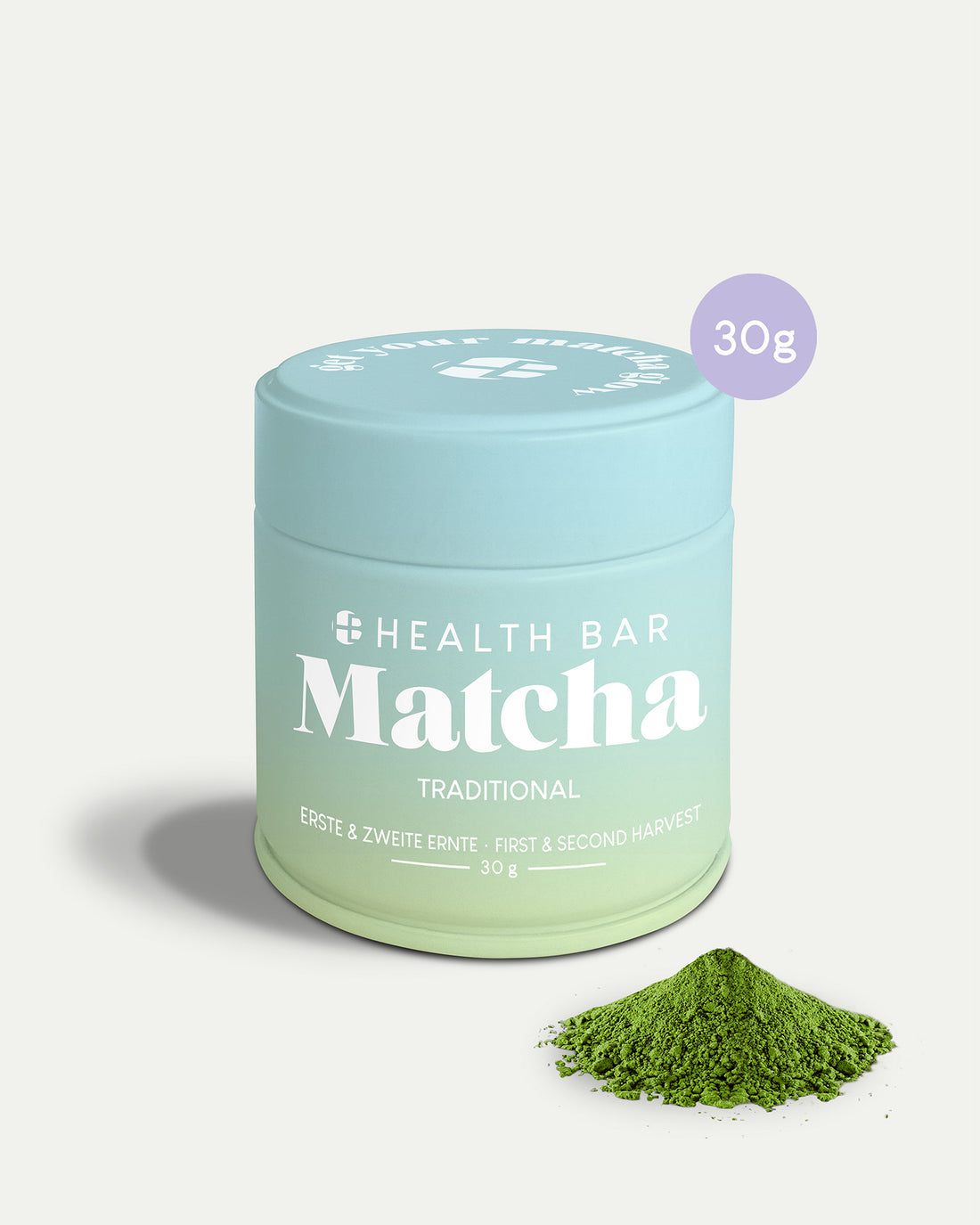 Bio Matcha Tee Traditional – 30g (Dose)Bio Matcha Tee Traditional – 30g (Dose)
- Regular price
-
210,00 kr - Regular price
-
- Selling price
-
210,00 kr - Unit price
-
700,00 kr / Per 100g


