

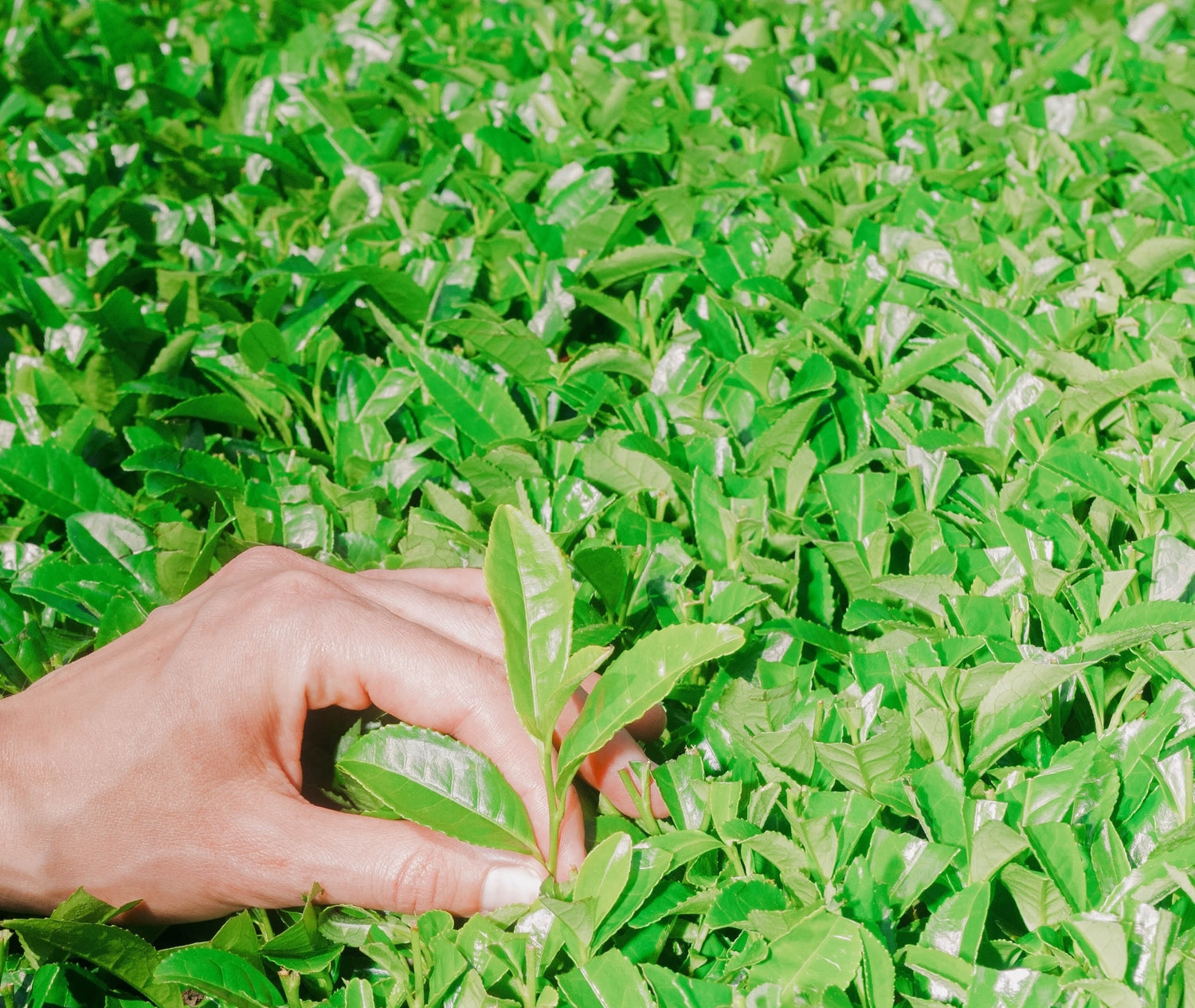
A comprehensive introduction to the world of premium green tea
Different cultivars of Matcha tea
Matcha, a finely ground green tea from Japan, has gained international renown in recent years due to its long history of use in holistic rituals and its distinctive flavor. However, not all matcha is created equal: the quality of the tea varies considerably and depends on a multitude of factors, including cultivation methods, processing techniques, and—often overlooked—the so-called Cultivar, So, the specific type of tea. In this article, you'll learn everything about the different cultivars of organic tea. Matcha teas, their importance and which varieties are particularly valued.
What is a cultivar?
The term Cultivar consists of the words “cultivated variety” Together, which in German roughly translates to "cultivated variety". A cultivar thus describes a specifically bred variety of a plant that has developed specific characteristics through selection or crossbreeding. In the world of tea, especially matcha, cultivars play a crucial role, as they influence the taste, color, and composition of the tea.
The tea plant from which matcha is made is called Camellia sinensis. Within this species, however, there are numerous cultivars that have developed in Japan's growing regions through decades of breeding programs. The different climates, soils, and cultivation methods in regions such as... Uji, Kagoshima or Shizuoka These factors also contribute to the fact that matcha has completely different aromas and qualities depending on its origin and cultivar.
The importance of cultivars in Matcha cultivation
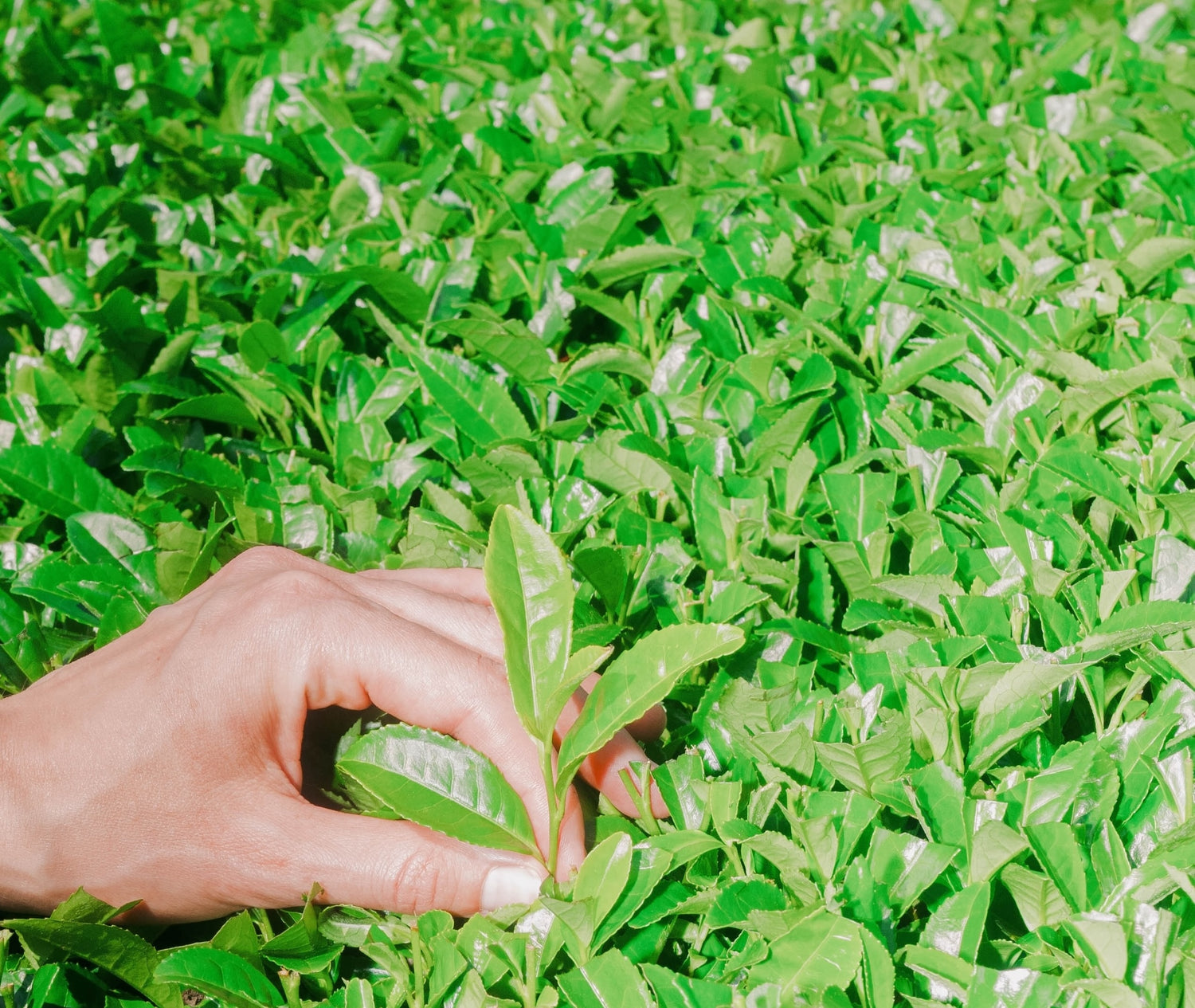
In Japan, there are hundreds of cultivars used to produce tea, but only a few are suitable for matcha production. This is because matcha requires a very specific cultivation method. The tea grows under Shade conditions, This means that the tea plants are covered with nets several weeks before harvesting. This results in the leaves being more Chlorophyll and Amino acids produce, in particular the amino acid L-Theanine, which is responsible for the characteristic umami taste of matcha.
1. Yabukita – The all-rounder among the cultivars
-
Yabukita Yabukita is by far the most widely cultivated tea cultivar in Japan, accounting for approximately 75% of the country's total tea-growing area. Originally bred in Shizuoka Prefecture in the 1950s, Yabukita has established itself as the standard in tea cultivation thanks to its resistance to cold and disease, as well as its balanced flavor profile.
The taste of Yabukita matcha is characterized by a harmonious ratio of Umami, sweet and light bitter substances The interplay of L-theanine and caffeine is considered particularly balanced – ideal for quiet moments of enjoyment, which is why Yabukita matcha is popular for both everyday use and traditional tea ceremonies.
-
Properties of Yabukita Matcha:
- The taste: Harmonious with a balanced ratio of umami, sweetness and bitterness
- Color: Bright green, typical of high-quality matcha
- use: A versatile product for everyday enjoyment and for ceremonies.
- Special features: Resilient and easy to grow
2. Okumidori - The gentle seducer
-
Okumidori is a somewhat less commonly used type of tea, which has, however, gained increasing popularity in recent years. This variety is known for its mild and gentle taste, which is significantly less bitter than other varieties like Yabukita. Okumidori matcha is often used in Premium qualities It is used because it has a very pure and clear green color and a subtle, almost sweet aroma.
Matcha from Okumidori is an excellent choice for connoisseurs who prefer a more subtle, mellow flavor. Because this cultivar is often grown at higher altitudes, it develops a unique complexity that sets it apart from other varieties.
-
Properties of Okumidori Matcha:
- The taste: Mild, sweetish and less bitter
- Color: Bright, rich green
- use: Especially in premium matcha
- Special features: Clear, bright color and an elegant aroma
3. Samidori - The favorite for ceremonies
-
Samidori is a traditional Matcha cultivar commonly found in the famous tea-growing region Uji is cultivated. This variety is often used for high-quality ceremonial grade matcha Samidori tea is used because it offers a particularly intense umami profile and a velvety texture. It grows slowly and is specifically cultivated for the production of matcha tea, which is why it is prized by connoisseurs and enthusiasts.
Samidori Matcha has a full-bodied, rich flavor that is perfect for the tea ceremony. Its high L-theanine content provides a smooth, relaxing experience, further enhanced by its rich taste.
-
Properties of Samidori Matcha:
- The taste: Intense umami with a rich, full-bodied flavor
character - Color: Deep green
- use: Ideal for tea ceremonies and special occasions
- Special features: Slow growth and high quality
- The taste: Intense umami with a rich, full-bodied flavor
4. Saemidori - The crossbreed of the best
-
Saemidori is a hybrid cultivar created by crossing the varieties Yabukita and Asatsuyu This cultivar was developed using a different method. It is characterized by its bright green color and its smooth, sweet aroma. Matcha from Saemidori is particularly prized because it combines the best qualities of its parent plants: the sweetness of Asatsuyu and the balanced flavor profile of Yabukita.
Thanks to its delicate, soft texture and the absence of bitter substances, Saemidori is ideally suited for the production of high-quality ceremonial matcha. It is often preferred by tea lovers who are looking for a particularly mild yet complex matcha.
-
Properties of Saemidori Matcha:
- The taste: Mild, sweet and smooth, with hardly any bitterness
- Color: Very vibrant and rich green
- use: Premium and Ceremonial Grade Matcha
- Special features: Combines the best qualities of Yabukita and Asatsuyu
5. Gokou - The Deep Umami Master
-
Gokou Gokou is a less common cultivar, but highly prized among connoisseurs. It is particularly prevalent in the region. Uji It is cultivated where it thrives in shady conditions. This variety is known for its particularly deep, almost creamy flavor. Umami taste and its vibrant green color. Gokou grows best in shady environments, which results in the plant developing an exceptionally high concentration of L-theanine and chlorophyll.
Matcha from Gokou is characterized by a smooth, creamy texture and a rich aroma, ideal for tea ceremonies or simply enjoying high-quality matcha. Thanks to its intense flavor profile, Gokou is particularly popular with tea lovers seeking a full-bodied, complex matcha.
-
Properties of Gokou Matcha:
- The taste: Intense and creamy with a strong umami flavor.
- Color: Dark, vibrant green
- use: For connoisseurs and special occasions
- Special features: High L-theanine content due to shade cultivation
Conclusion
Choosing the right cultivar can fundamentally influence the entire matcha experience. From the balanced Yabukita to the intense Gokou, the world of matcha offers a wide range of flavors, textures, and colors. The various cultivars not only reflect the rich culture of tea cultivation in Japan but also allow tea lovers to find the perfect matcha to suit their individual preferences.
Whether you prefer a mild and sweet tea or are looking for an intense, full-bodied umami taste – choosing the right cultivar is the key to an unforgettable matcha experience.
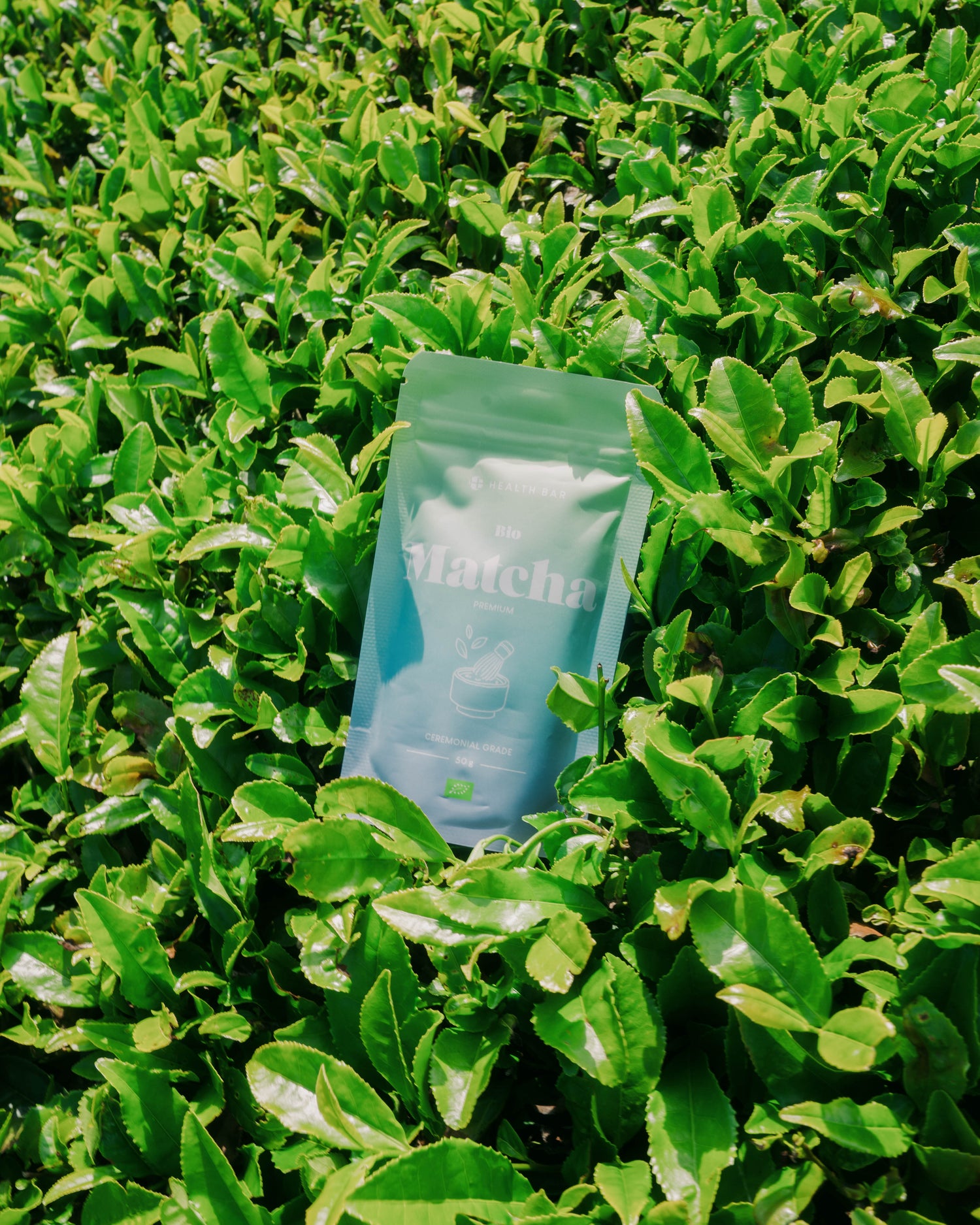
Discover our organic matcha
Organic matcha tea-
Für Einsteiger
 Organic Ceremonial Matcha Tea – 30g (can)Organic Ceremonial Matcha Tea – 30g (can)
- Regular price
-
CHF 30.50 - Regular price
-
- Selling price
-
CHF 30.50 - Unit price
-
CHF 101.67 / Per 100g

-
Bestseller
 Organic Ceremonial Matcha TeaOrganic Ceremonial Matcha Tea
- Regular price
-
CHF 10.00 CHF 152.00 - Regular price
-
- Selling price
-
CHF 10.00 CHF 152.00 - Unit price
-
CHF 100.00 / Per 100g
-
 Organic Matcha Tea, TraditionalOrganic Matcha Tea, Traditional
- Regular price
-
CHF 8.50 CHF 111.50 - Regular price
-
- Selling price
-
CHF 8.50 CHF 111.50 - Unit price
-
CHF 85.00 / Per 100g
-
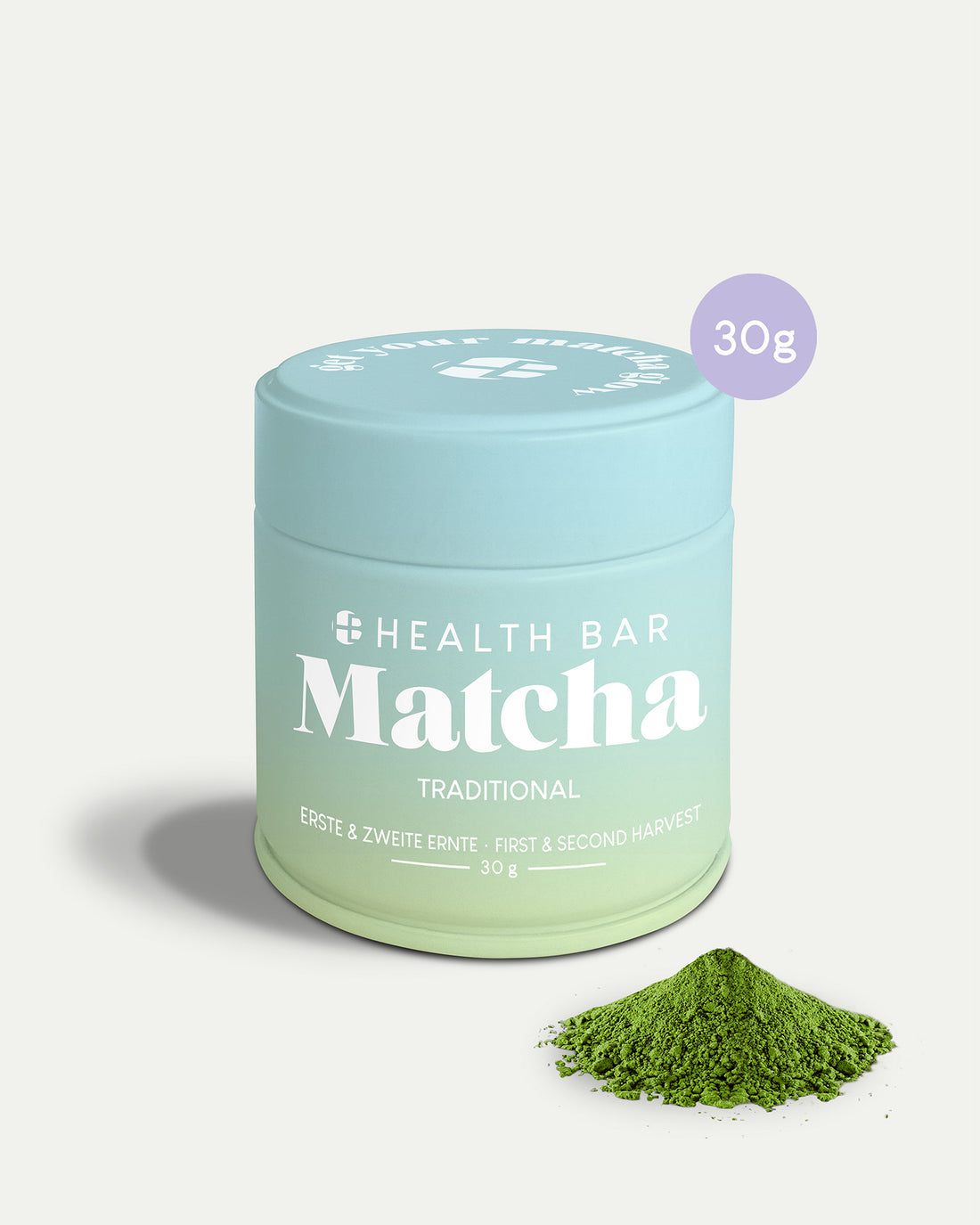 Organic Traditional Matcha Tea – 30g (can)Organic Traditional Matcha Tea – 30g (can)
- Regular price
-
CHF 26.50 - Regular price
-
- Selling price
-
CHF 26.50 - Unit price
-
CHF 88.33 / Per 100g


