

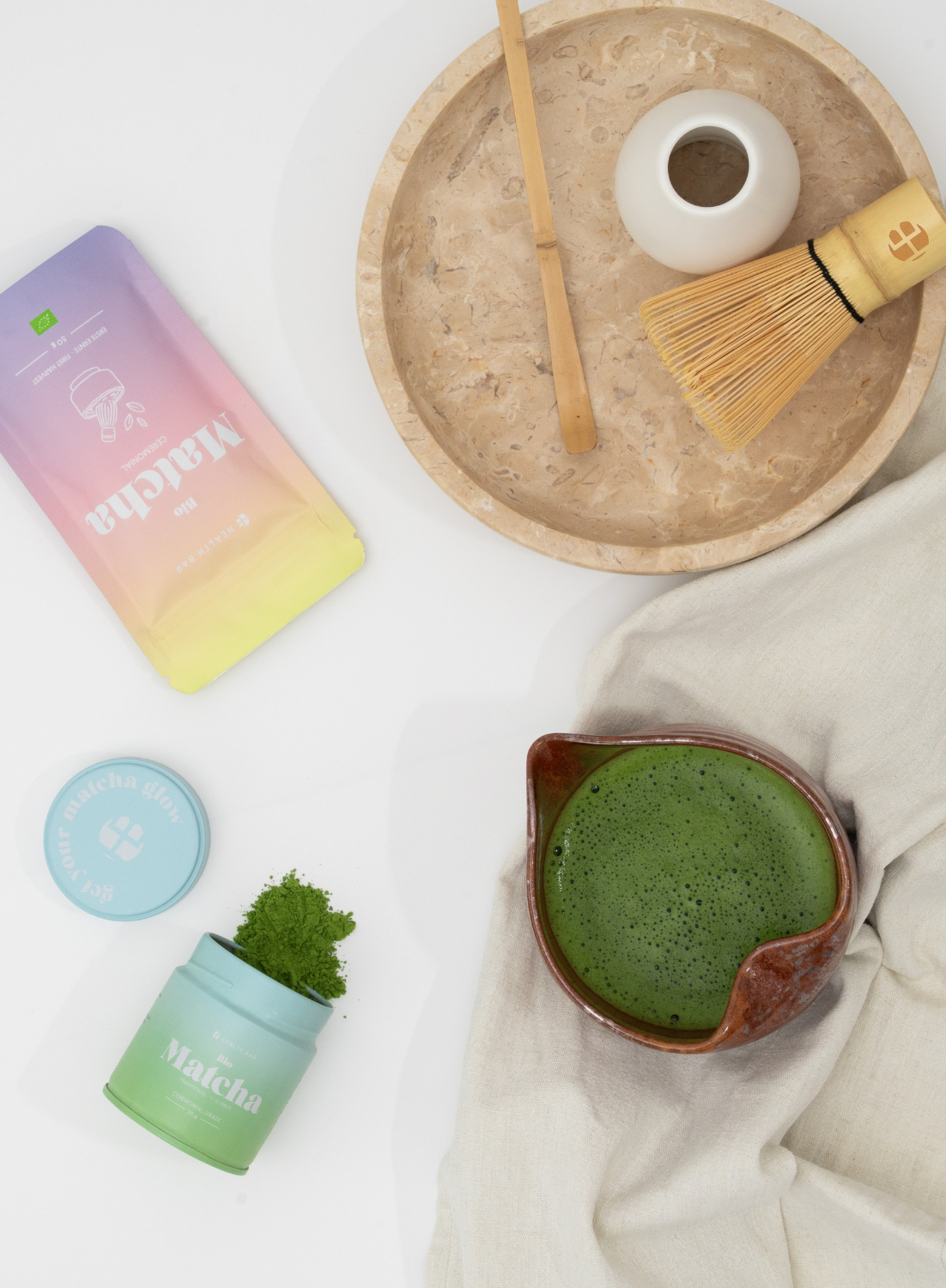
Matcha varieties compared – which one suits you?
Not all matcha is the same. If you're standing in front of the shelf for the first time or scrolling through our shop, you'll quickly come across terms like Ceremonial Grade, Traditional, Single Cultivar, Mulberry Matcha or Hojicha.
But what's actually behind them? And which matcha suits your taste and your ritual?
This article isn't a ranking. There's no single best variety – just different flavour profiles for different moments. We describe in detail how our Ceremonial tastes in its flavour profile.
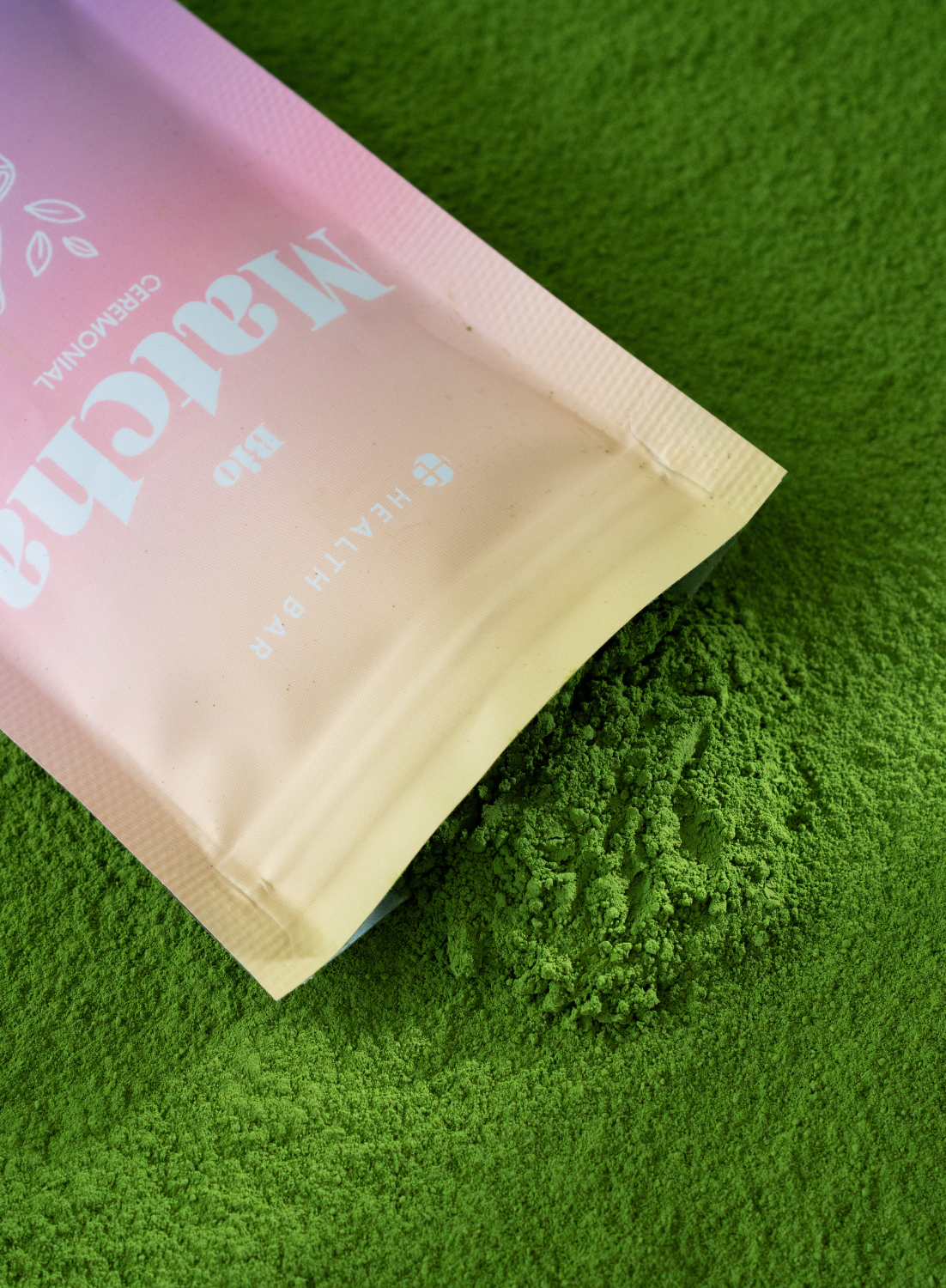
Ceremonial Matcha – mild & balanced
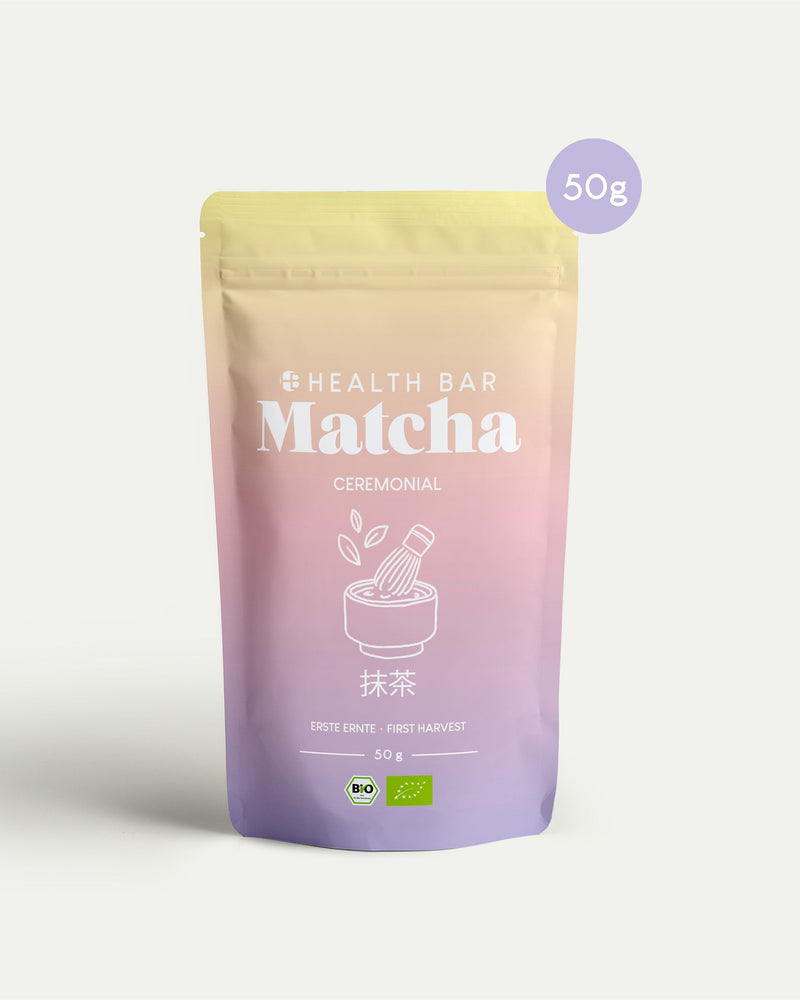
Our Ceremonial Matcha comes from the first harvest and has a mild, creamy and balanced flavour profile.
It's especially good if you want to drink matcha pure, but works just as well warm or iced as a matcha latte.
For whom: beginners, everyday enjoyment and everyone who likes a mild matcha.
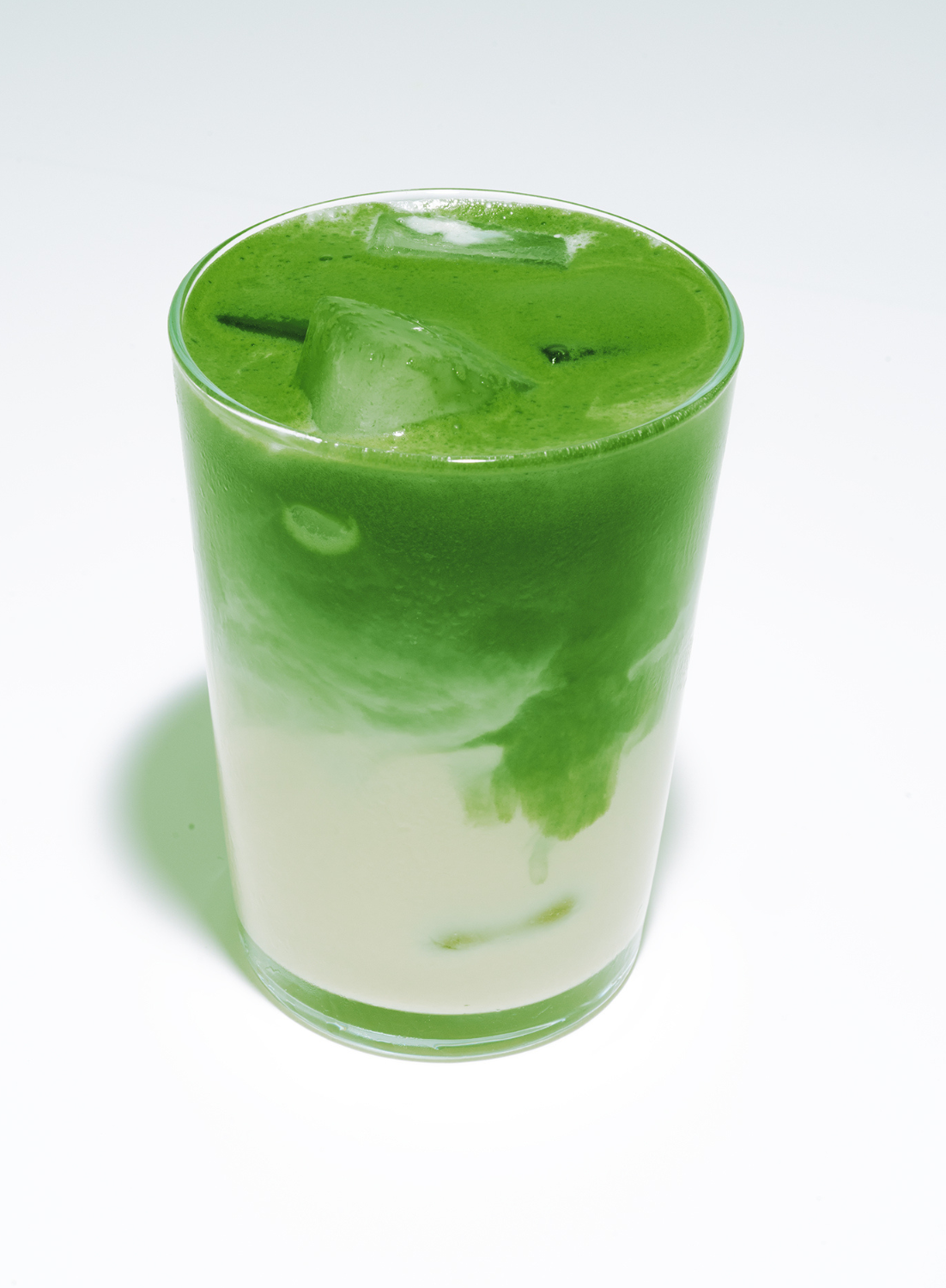
Traditional Matcha – strong & intense
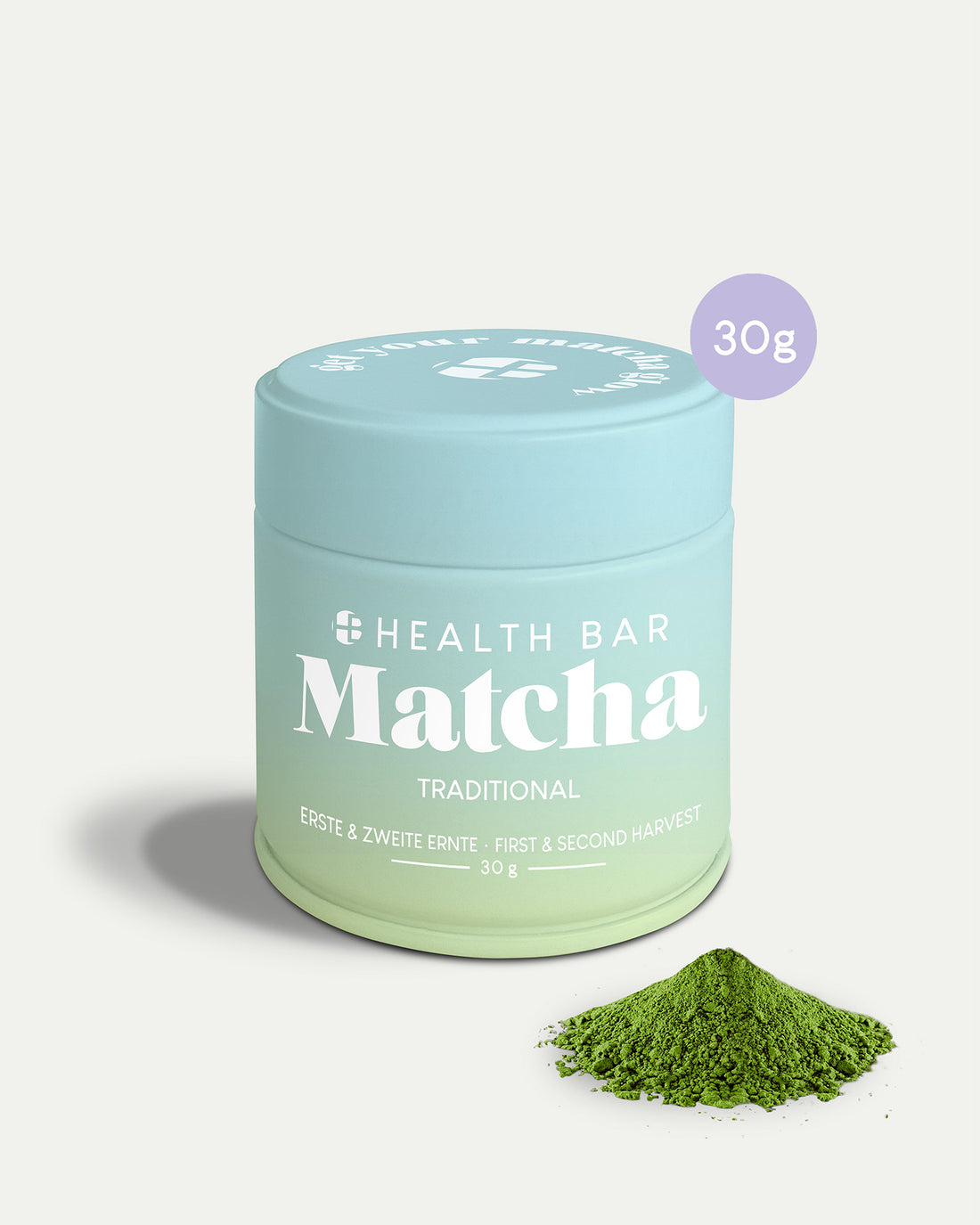
Our Traditional Matcha combines the first and second harvest. This makes its taste stronger than the Ceremonial, with round, balanced umami.
Its more intense profile really shines as a matcha latte with oat or coconut milk.
For whom: matcha latte fans, everyone who likes it stronger and everyone switching from coffee to matcha.
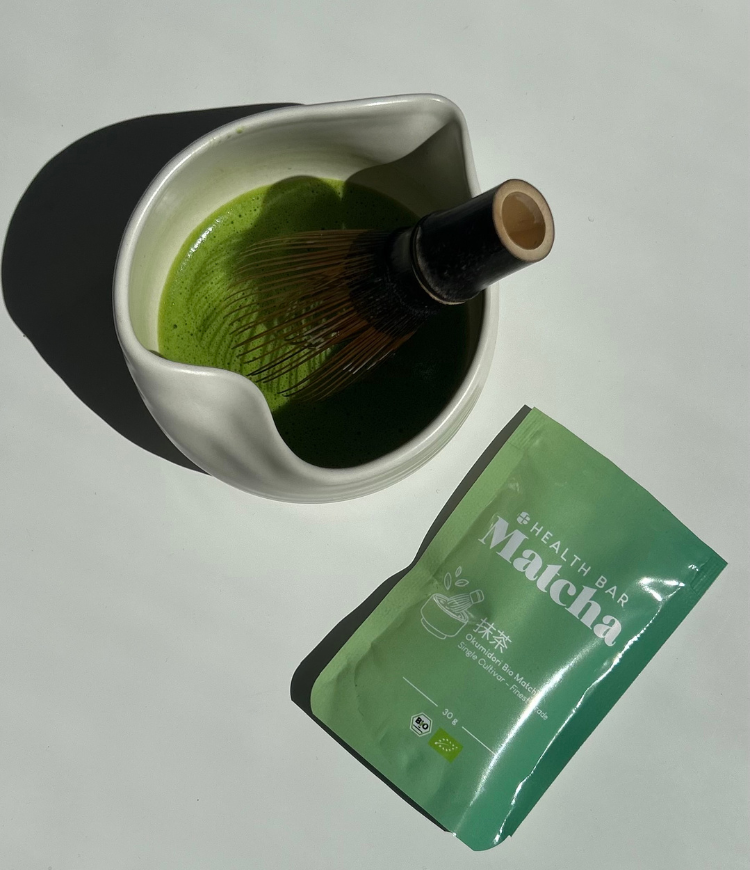
Okumidori – Single Cultivar from Uji
Okumidori is for everyone who wants to get to know matcha differently. Our Okumidori is made from a single cultivar and isn't blended with other varieties. That lets the distinct character of this tea variety come through especially clearly. It comes from the first harvest in Uji and impresses with a soft, umami-rich profile with fine notes of edamame, roasted chestnut and caramel.
For whom: matcha fans, pure enjoyment and everyone who wants to discover different cultivars.
Mulberry Matcha – completely caffeine-free
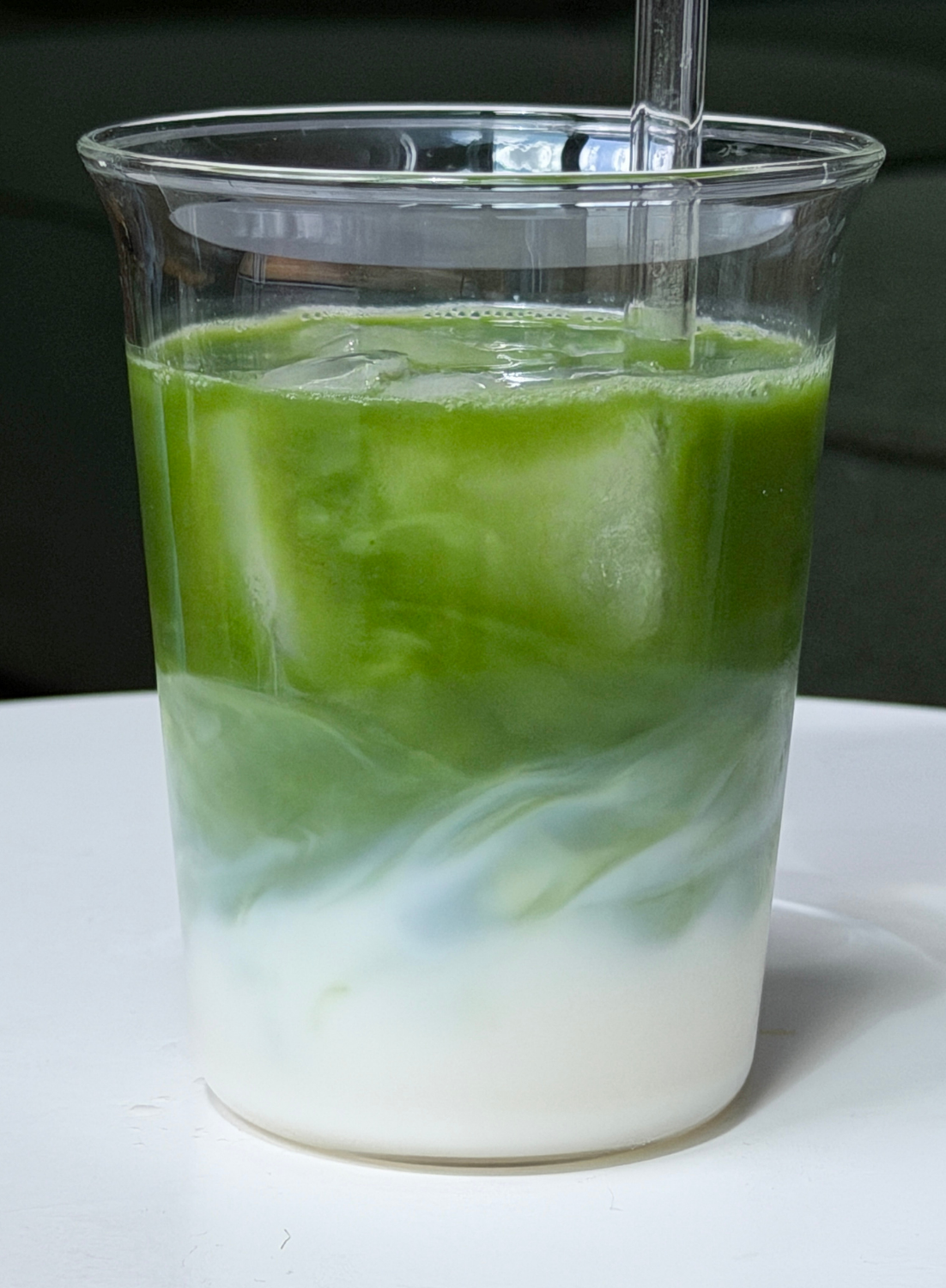
Botanically, Mulberry Matcha is something different from classic matcha. It's made from finely ground mulberry leaves rather than the green tea plant Camellia sinensis. That's why it's caffeine-free.
In taste, it's milder and slightly sweet. Colour and preparation are reminiscent of classic matcha – perfect for everyone who wants to enjoy their ritual without caffeine too.
For whom: everyone who wants or needs to avoid caffeine, and everyone looking for a caffeine-free alternative.
Hojicha – roasted, nutty & caramel-like
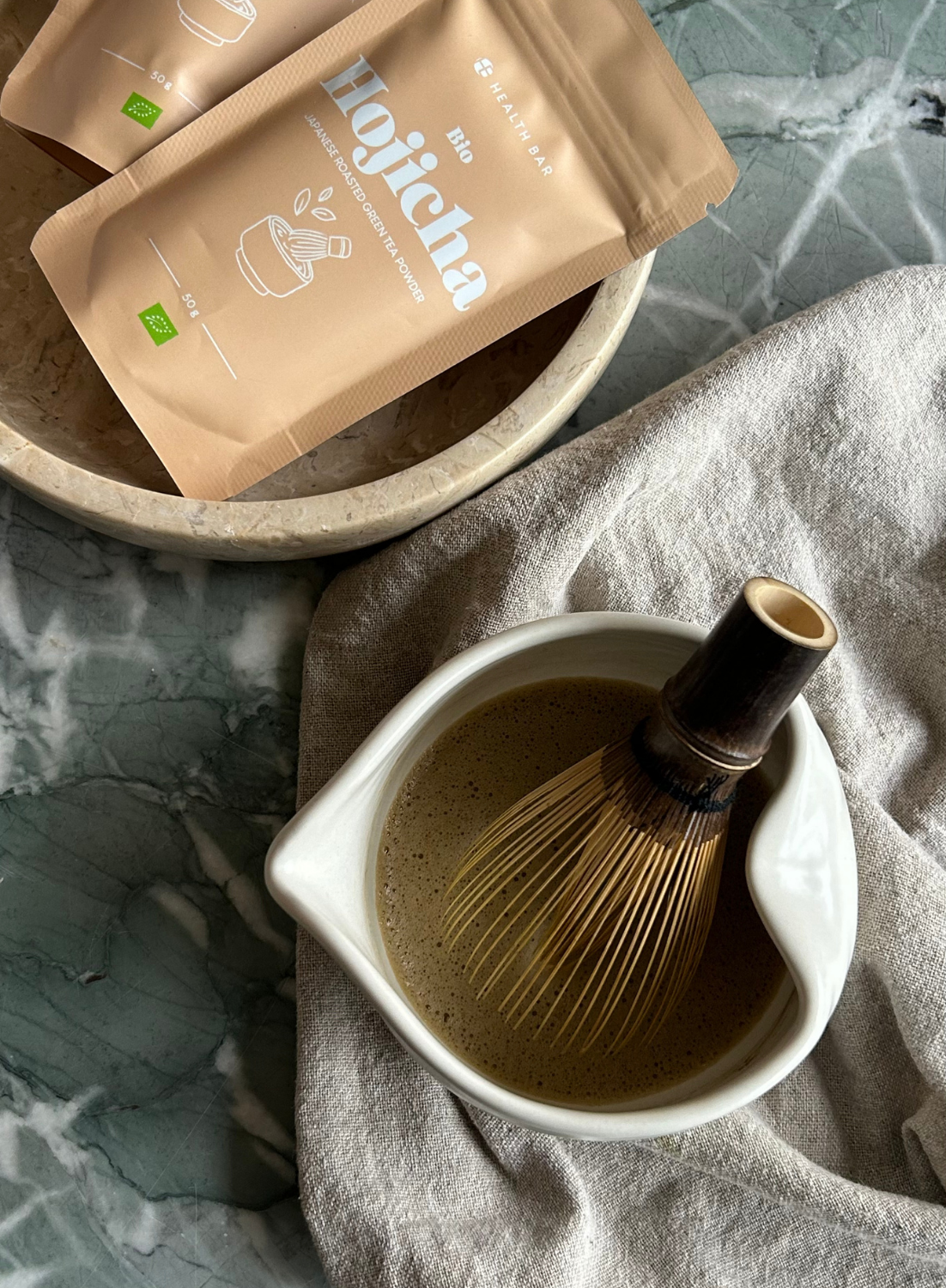
Hojicha is a roasted Japanese green tea that is then ground into a fine powder. The roasting gives it its characteristic taste: warm, nutty, toasty and slightly caramel-like. Hojicha also contains significantly less caffeine than matcha.
So Hojicha isn't an alternative to matcha, but rather a lovely addition.
For whom: fans of roasted flavours, cosy tea moments and everyone who wants to rediscover Japanese tea.
Which matcha suits you?
Matcha CeremonialUji, Kyoto – first harvest
Mild, creamy and balanced. The all-rounder from the first harvest – just as good pure as in a matcha latte.
Mild sweetness, fresh spring-green notes, creamy umami & a silky finish.
- Taste
- sweet
- nutty
- Intensity
- mild
- strong
- Caffeine
- caffeine-free
- high in caffeine
Matcha TraditionalUji, Kyoto – first & second harvest
Strong and full of character, with round, balanced umami and a fresh, green note. It holds its own in any milk, which makes it our favourite for lattes.
Intense green tea, fine umami, subtle green notes & a clean finish.
- Taste
- sweet
- nutty
- Intensity
- mild
- strong
- Caffeine
- caffeine-free
- high in caffeine
Matcha OkumidoriUji, Kyoto – Single Cultivar
Our rarest variety: gentle, silky and naturally sweet, with round umami and a smooth, soft finish. Best enjoyed pure with water.
Sweet caramel, roasted chestnut, fresh green notes & intense umami.
- Taste
- sweet
- nutty
- Intensity
- mild
- strong
- Caffeine
- caffeine-free
- high in caffeine
Mulberry MatchaJapan – mulberry leaves, caffeine-free
Caffeine-free and still full-bodied: finely ground white mulberry leaves, gentle and naturally sweet. For everyone who doesn't want to give up their ritual in the evening.
Delicate grain notes, fresh herbs, soft green leaves, natural sweetness & a fine finish.
- Taste
- sweet
- nutty
- Intensity
- mild
- strong
- Caffeine
- caffeine-free
- high in caffeine
Hojicha PowderJapan – roasted green tea, finely ground
Warm and toasty: Japanese green tea, gently roasted and finely ground. With nutty, caramel-like notes and a soft, round taste – perfect for warm lattes and quiet matcha moments.
Warm roasted aromas, roasted hazelnut, fine caramel & a soft finish.
- Taste
- sweet
- nutty
- Intensity
- mild
- strong
- Caffeine
- caffeine-free
- high in caffeine


FAQs
What's the difference between Ceremonial and Traditional matcha?
At Health Bar, our Ceremonial Matcha comes from the first harvest, while our Traditional Matcha combines leaves from the first and second harvest. That makes them differ mainly in their flavour profile: Ceremonial is milder and creamier, Traditional stronger and more intense.
More on this in the article Ceremonial vs. Traditional Matcha.
What is a single cultivar matcha?
A single cultivar matcha is made exclusively from one cultivar. Unlike a blend, different cultivars aren't combined. That makes it especially easy to get to know the characteristic taste of a single tea variety.
How do I recognise good matcha?
By a bright green colour, a fine, powdery texture and a mild, slightly sweet taste. A yellowish or brownish tone indicates lower quality.
All characteristics at a glance: How to recognise matcha quality.
What's the difference between matcha and hojicha?
Matcha is made from finely ground, shaded tea leaves. Hojicha, on the other hand, is roasted and then ground. The roasting gives it its warm, nutty and slightly caramel-like aroma.
Is Mulberry Matcha really caffeine-free?
Yes. Mulberry Matcha is made from mulberry leaves rather than the green tea plant, which is why it's caffeine-free.
Discover matcha & hojicha:
-
Bestseller
 Organic Matcha Powder Ceremonial from UjiOrganic Matcha Powder Ceremonial
- Regular price
- from
320,00 kr - Unit price
1.066,67 kr / 100g
-
 Organic Hojicha Powder – Roasted Green TeaOrganic Hojicha Powder – Roasted Green Tea
- Regular price
- from
60,00 kr - Unit price
600,00 kr / 100g
-
For beginners
 Organic Matcha Powder Ceremonial from Uji – 30 g TinOrganic Matcha Powder Ceremonial – 30 g Tin
- Regular price
-
370,00 kr - Regular price
-
- Selling price
-
370,00 kr - Unit price
-
1.233,33 kr / Per 100g

-
Up to -12%
 Christmas Bundle Starter Ritual – Matcha & Chasen goldChristmas Bundle Starter Ritual – Matcha & Chasen gold
- Regular price
-
510,00 kr - Regular price
-
579,67 kr - Selling price
-
579,67 kr 510,00 kr
-
LIMITED
 Organic Matcha Powder Okumidori from Uji – Single Cultivar 30 gOrganic Matcha Powder Okumidori – Single Cultivar 30 g
- Regular price
-
430,00 kr - Regular price
-
- Selling price
-
430,00 kr - Unit price
-
1.433,33 kr / Per 100g
-
 Organic Matcha Powder Traditional from UjiOrganic Matcha Powder Traditional
- Regular price
- from
100,00 kr - Unit price
1.000,00 kr / 100g
-
 Organic Matcha Powder Traditional from Uji – 30 g TinOrganic Matcha Powder Traditional – 30 g Tin
- Regular price
-
320,00 kr - Regular price
-
- Selling price
-
320,00 kr - Unit price
-
1.066,67 kr / Per 100g
-
CAFFEINE-FREE
 Organic Matcha Tea Mulberry – caffeine-freeOrganic Matcha Tea Mulberry – caffeine-free
- Regular price
-
170,00 kr - Regular price
-
- Selling price
-
170,00 kr - Unit price
-
566,67 kr / Per 100g


