

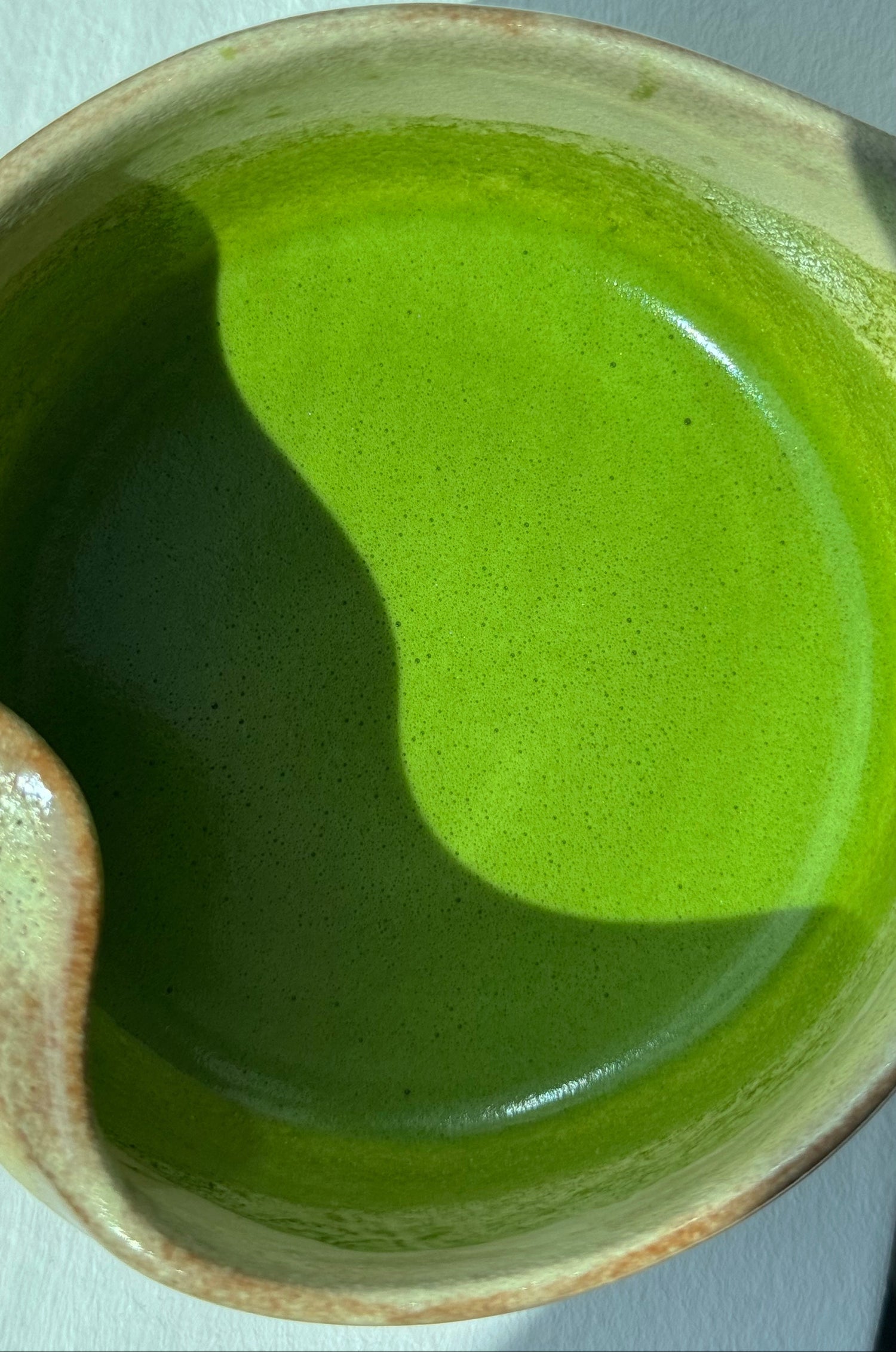
How do I get perfect microfoam for my matcha latte?
Fine-bubbled, glossy and creamy – how to make your matcha latte with really beautiful microfoam.
A good matcha latte stands or falls with its texture. Instead of big, coarse bubbles, we want a fine, silky foam that blends with the matcha and makes the drink especially creamy.
The good news: above all, it takes the right order and a little technique.
1. Soak the chasen
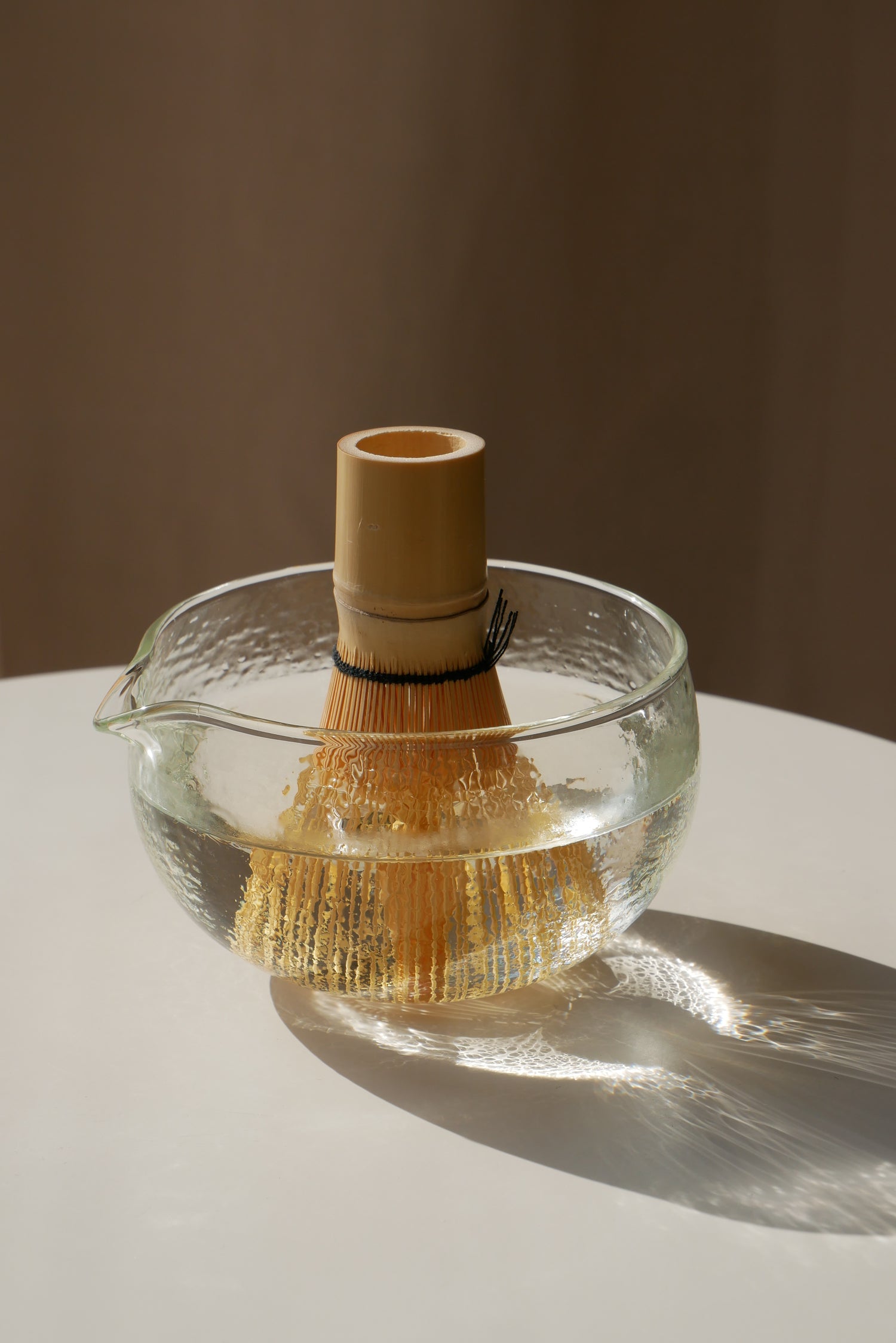
Before you start with the matcha, briefly soak your chasen – the traditional bamboo whisk – in warm water.
This makes the fine tines supple so they're less likely to break while whisking.
It also makes the chasen easier to move through the matcha with more control.
Pro tip for cafés: Briefly moisten the chasen before every preparation. That way the first step quickly becomes a fixed routine behind the bar.
2. Use high-quality matcha
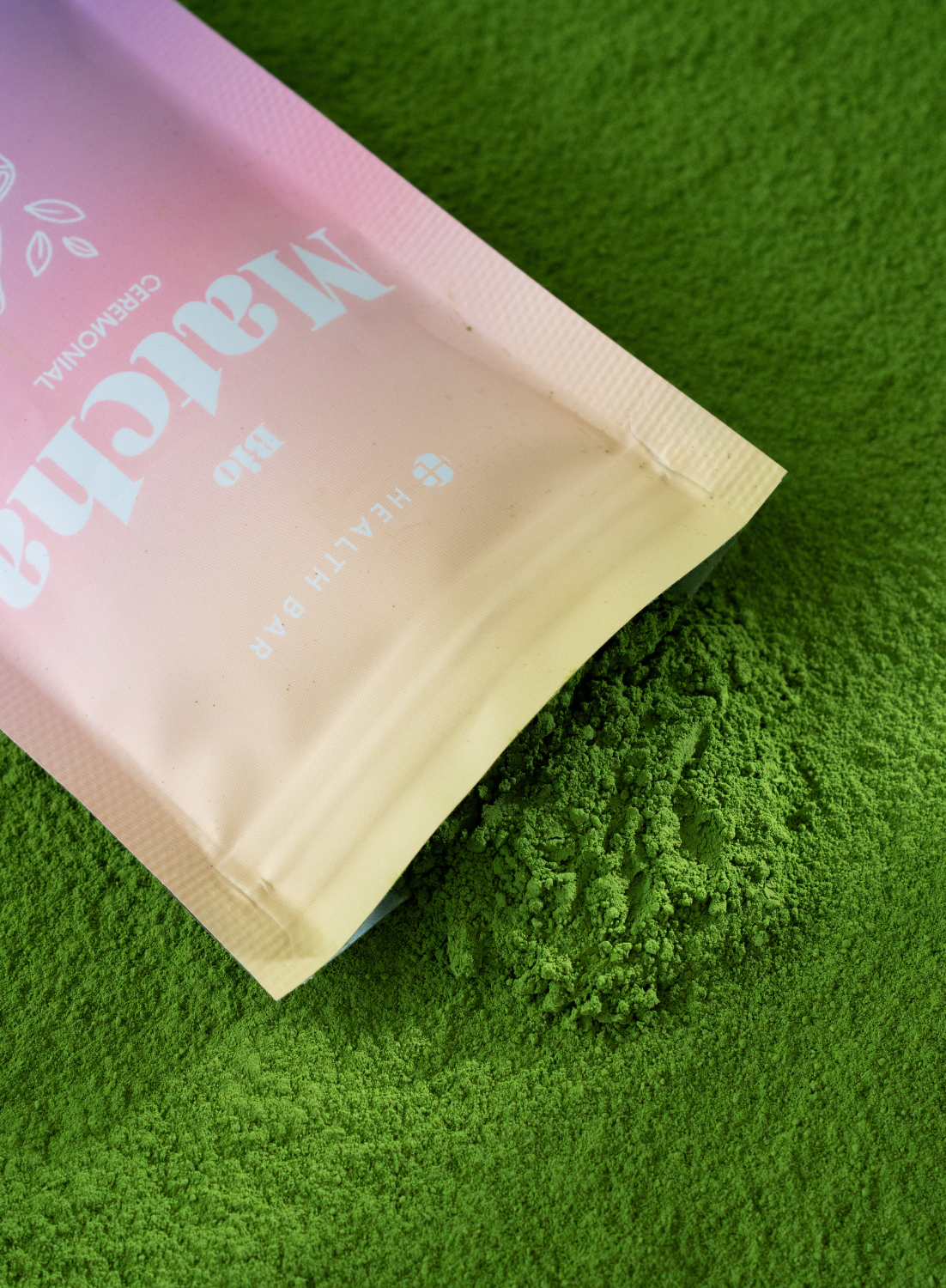
A good latte starts with good matcha. For a matcha latte, we recommend at least 2 g of matcha. That way the aroma stays present even when combined with milk or a plant-based alternative.
For a matcha latte you need:
- 2 g matcha
- approx. 40 ml water
- milk or a plant-based alternative
- chasen
- matcha bowl
3. First stir a smooth paste
Now comes a small but important step: first add just a little water to the matcha and stir it into a smooth paste with the chasen.
Take a few seconds for this. The more even the paste, the easier it is to whisk the matcha evenly afterwards.
4. Add approx. 40 ml of water
Then add about 40 ml of water at 70–80 °C. It doesn't need to be special or filtered water.
Above all, the temperature matters: avoid boiling water, as it can push the taste towards sharper, harsher notes. For our matcha, you can also use cool tap water.
5. Whisk the matcha properly
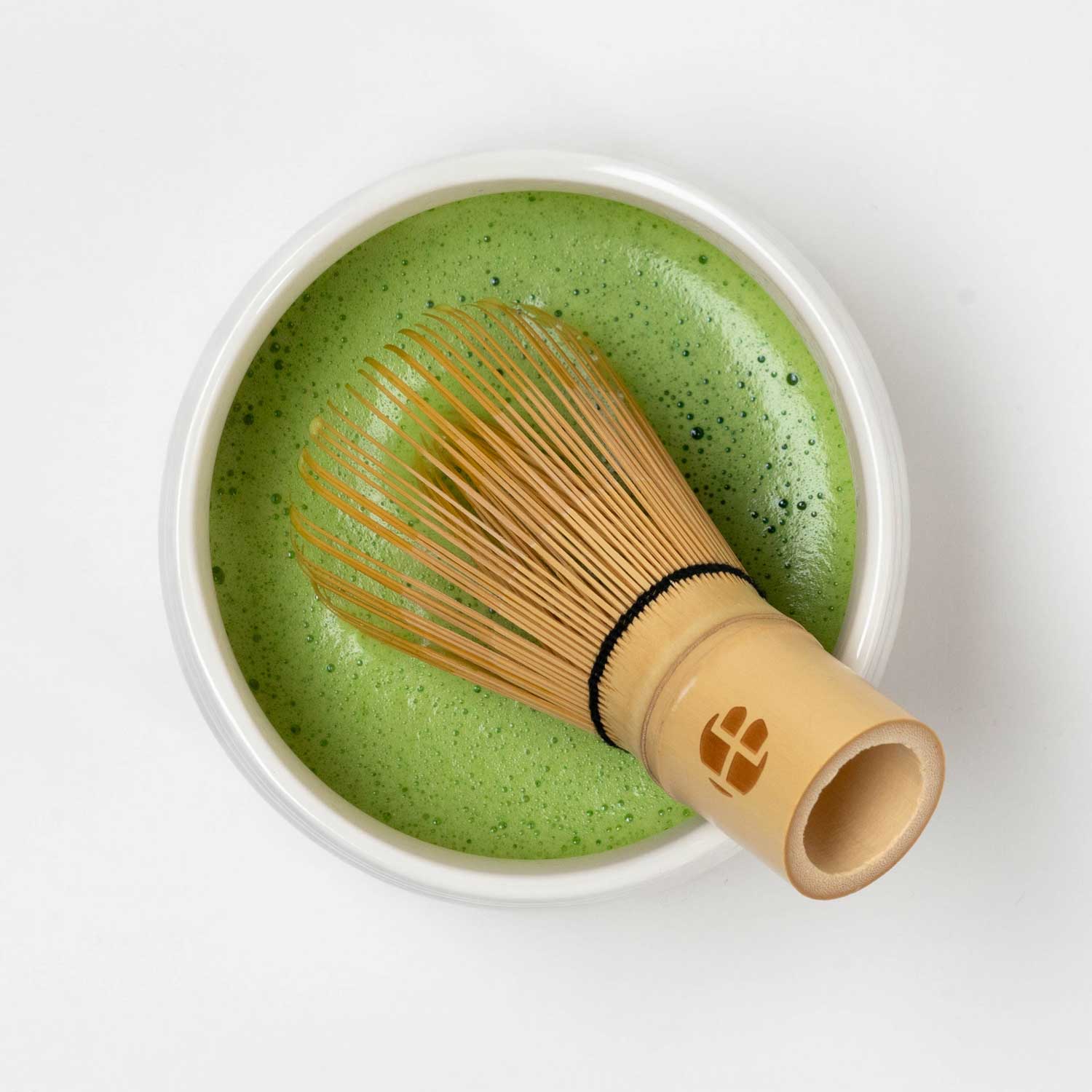
Now the chasen comes into play. Whisk the matcha with quick W movements, moving the chasen lightly through the liquid.
Important: don't scrub the bottom of the bowl. Instead, lift the chasen slightly and move it briskly through the matcha. After a few seconds, your matcha should be smooth, creamy and fine-bubbled.
Perfect microfoam is: fine-bubbled, glossy, creamy & flowing rather than stiff.
The little trick for extra-fine foam
Here's our favourite tip: When you've finished frothing, whisk the surface very lightly once more with the chasen. Small, quick movements right at the surface are all it takes.
That refines larger bubbles further and gives you a more even, smoother surface.
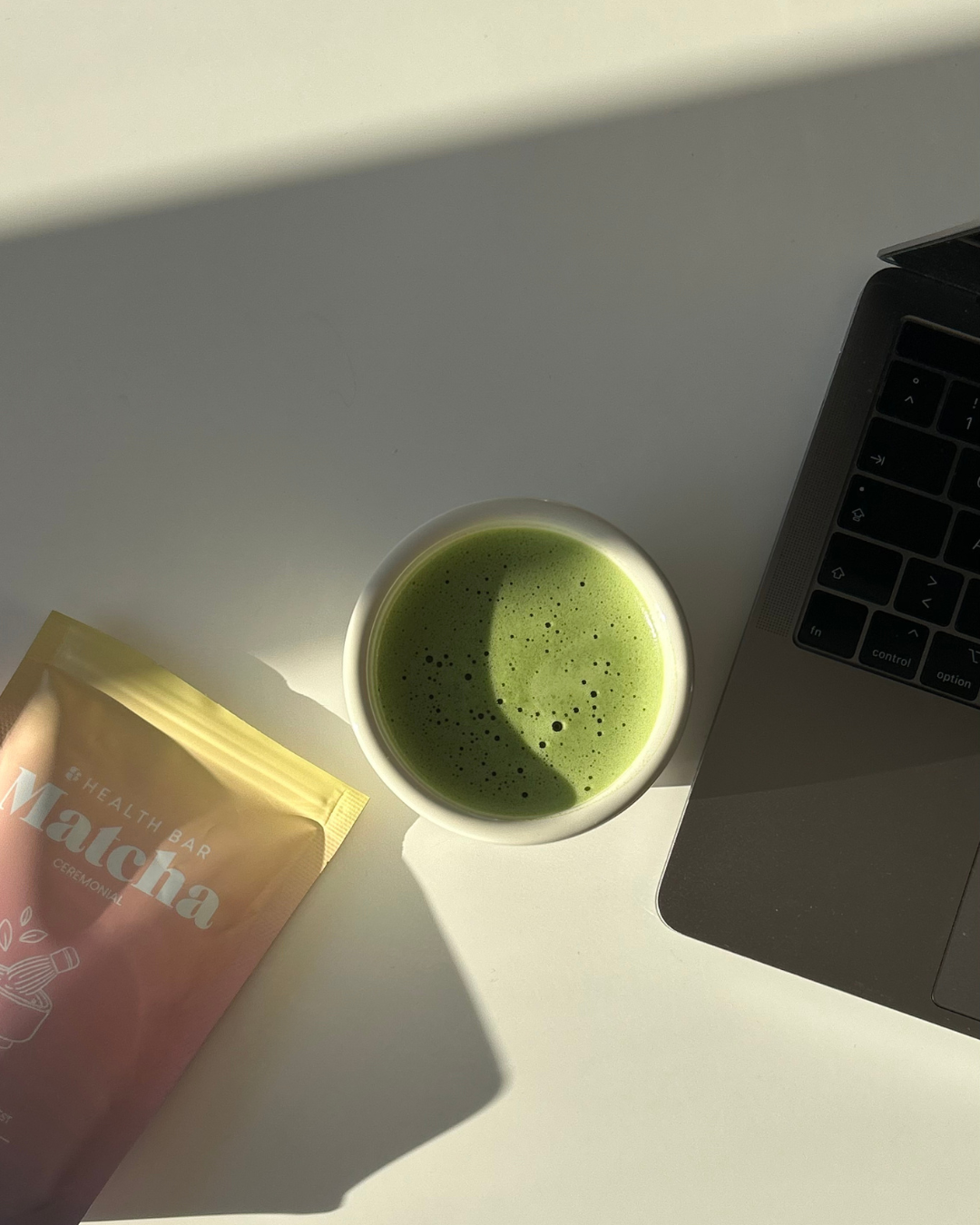
6. Pour in the milk & enjoy
Now the frothed milk joins the matcha. Pour it in slowly and watch the matcha and microfoam come together.
The result should be creamy, smooth and glossy – with a fine layer of foam that blends nicely into the drink.
And then: enjoy.
The most common matcha latte mistakes
Too little matcha
With less than about 2 g, the matcha in a latte can quickly become too weak. Better to make a strong matcha base and then balance it with milk.
Too much water
If you use too much water, your matcha base quickly becomes thin and loses intensity. About 40 ml is usually plenty for a creamy latte.
Big bubbles in the milk foam
Big bubbles often form when too much air is worked in while frothing. A quick whisk at the surface helps refine the texture again.
Stiff foam instead of microfoam
Microfoam isn't about as much foam as possible. The milk should stay soft, creamy and pourable.
Matcha not stirred into a paste
If a lot of water is added all at once, lumps form more easily. So it's better to stir a smooth paste with a little water first.
The chasen makes the difference!
- Regular price
-
200,00 kr - Regular price
-
- Selling price
-
200,00 kr
- Regular price
-
120,00 kr 1.830,00 kr - Regular price
-
- Selling price
-
120,00 kr 1.830,00 kr - Unit price
-
1.066,67 kr / Per 100g
- Regular price
-
390,00 kr 420,00 kr - Regular price
-
- Selling price
-
390,00 kr 420,00 kr

- Regular price
-
200,00 kr - Regular price
-
- Selling price
-
200,00 kr

- Regular price
- from
320,00 kr - Unit price
1.066,67 kr / 100g

- Regular price
- from
390,00 kr

For a really fine microfoam, the chasen is more than just a classic matcha tool. Its many fine, handmade tines bring matcha and water together especially evenly and help create a smooth, creamy texture.
The chasen is especially worth it for the last step: with light, quick movements at the surface you can refine larger bubbles once more – for an especially fine-bubbled, silky microfoam.
-
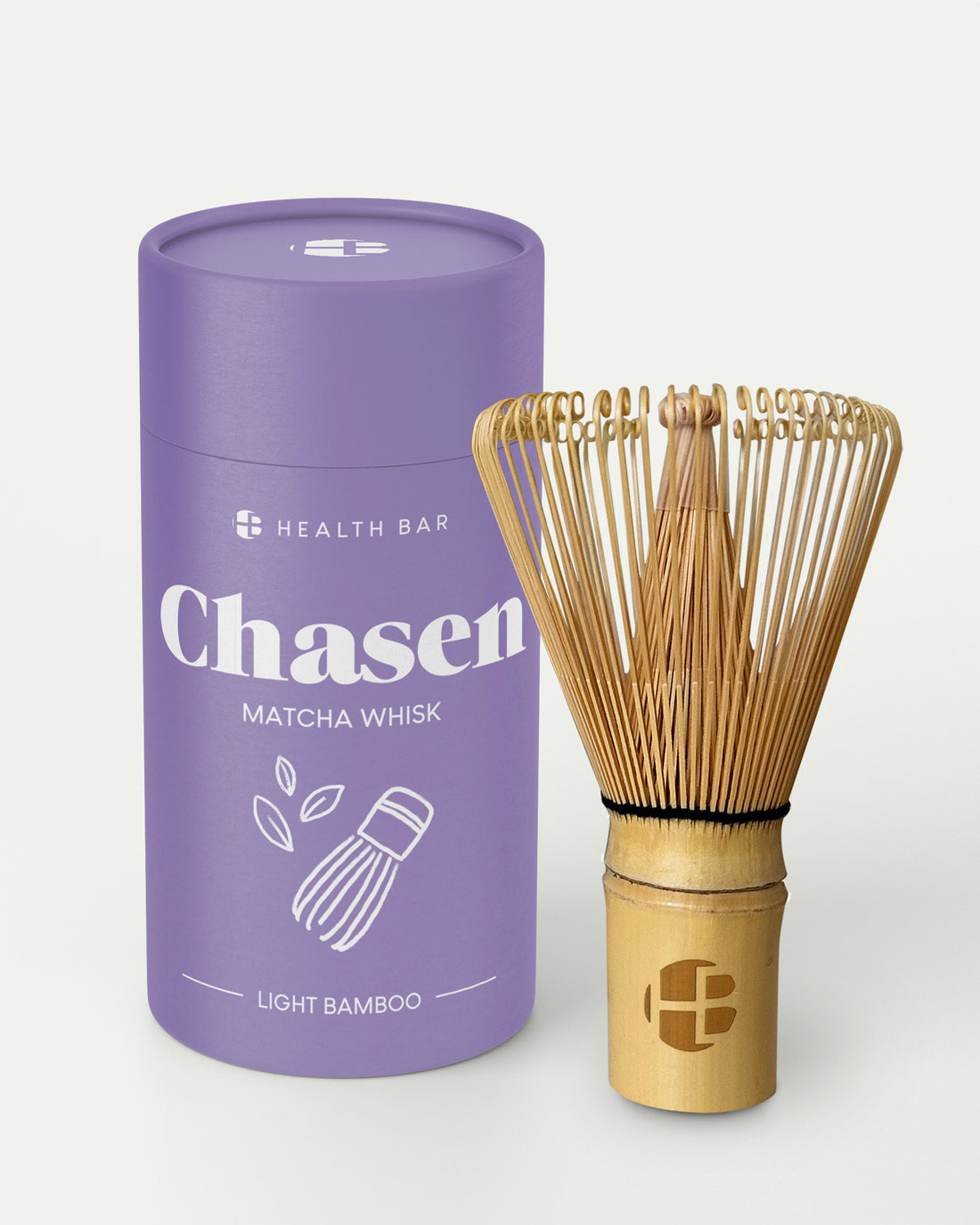 Matcha whisk Chasen made of golden bambooMatcha whisk Chasen made of golden bamboo
- Regular price
-
200,00 kr - Regular price
-
- Selling price
-
200,00 kr
-
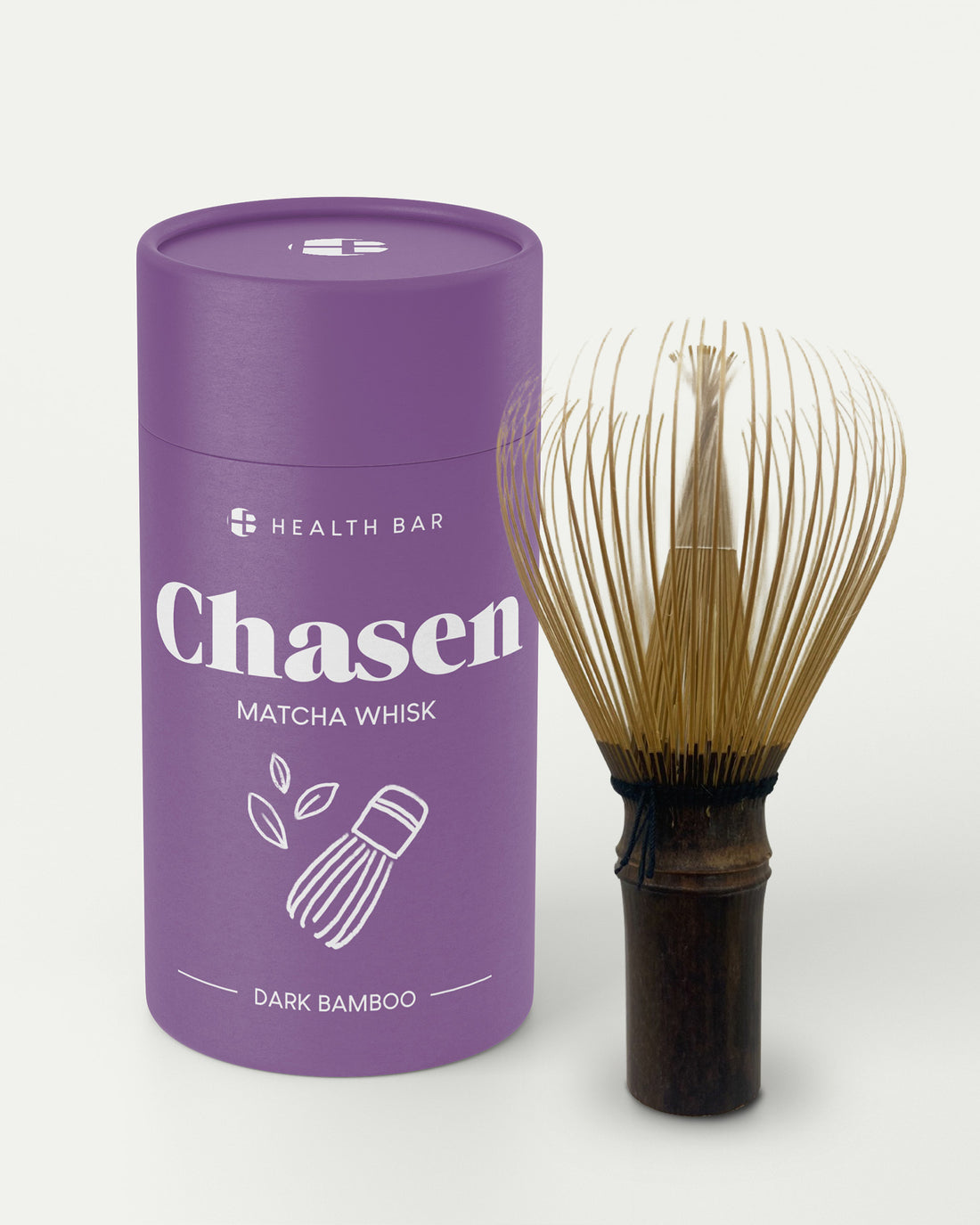 Matcha whisk Zen Chasen made of dark bambooMatcha whisk Zen Chasen made of dark bamboo
- Regular price
-
370,00 kr - Regular price
-
- Selling price
-
370,00 kr
-
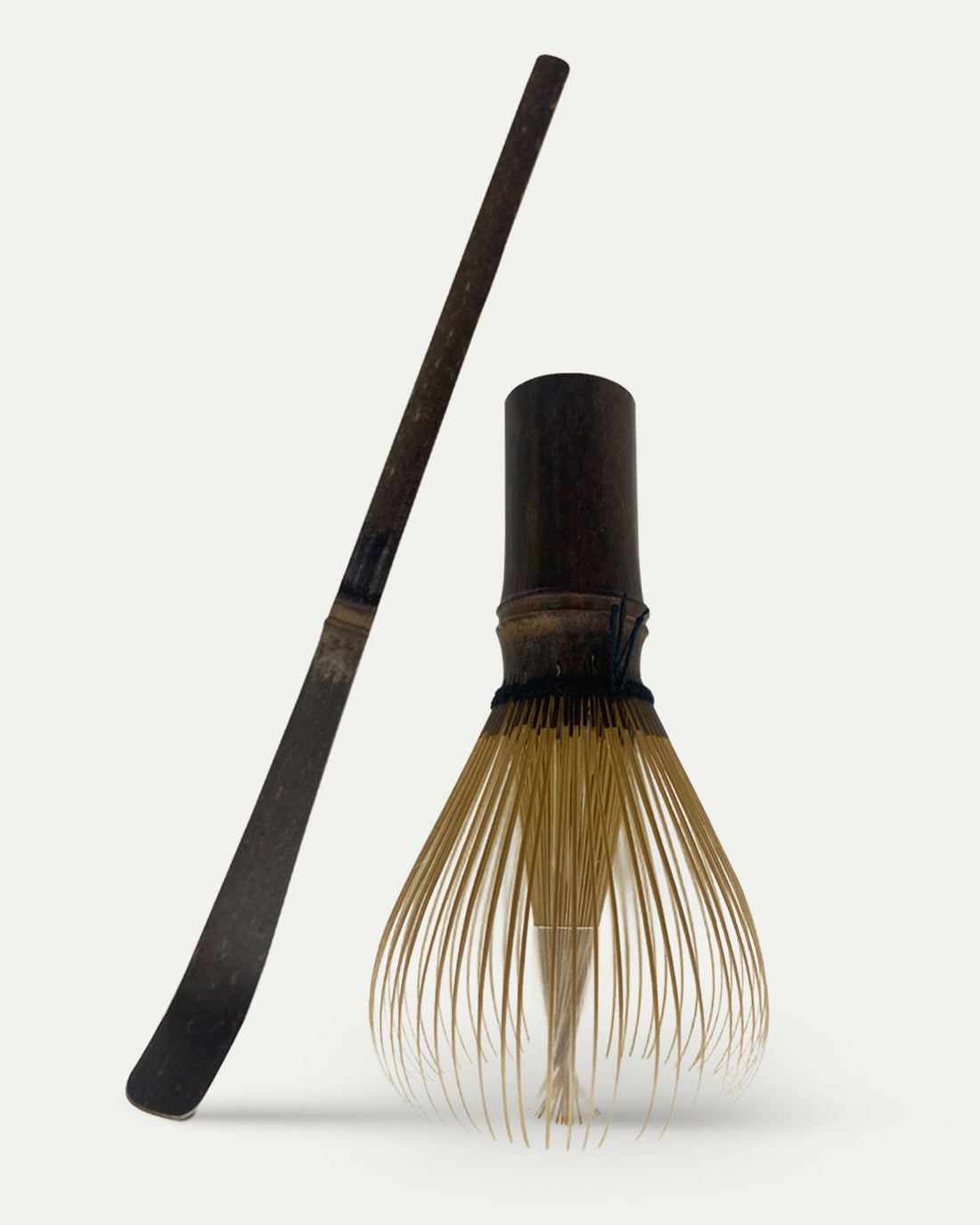 Matcha Whisk and Spoon Set - Premium Chasen & Chashaku made of bambooMatcha Whisk and Spoon Set - Premium Chasen & Chashaku made of bamboo
- Regular price
-
400,00 kr - Regular price
-
- Selling price
-
400,00 kr
-
 Matcha travel set for on the goMatcha travel set for
- Regular price
-
830,00 kr - Regular price
-
- Selling price
-
830,00 kr


