

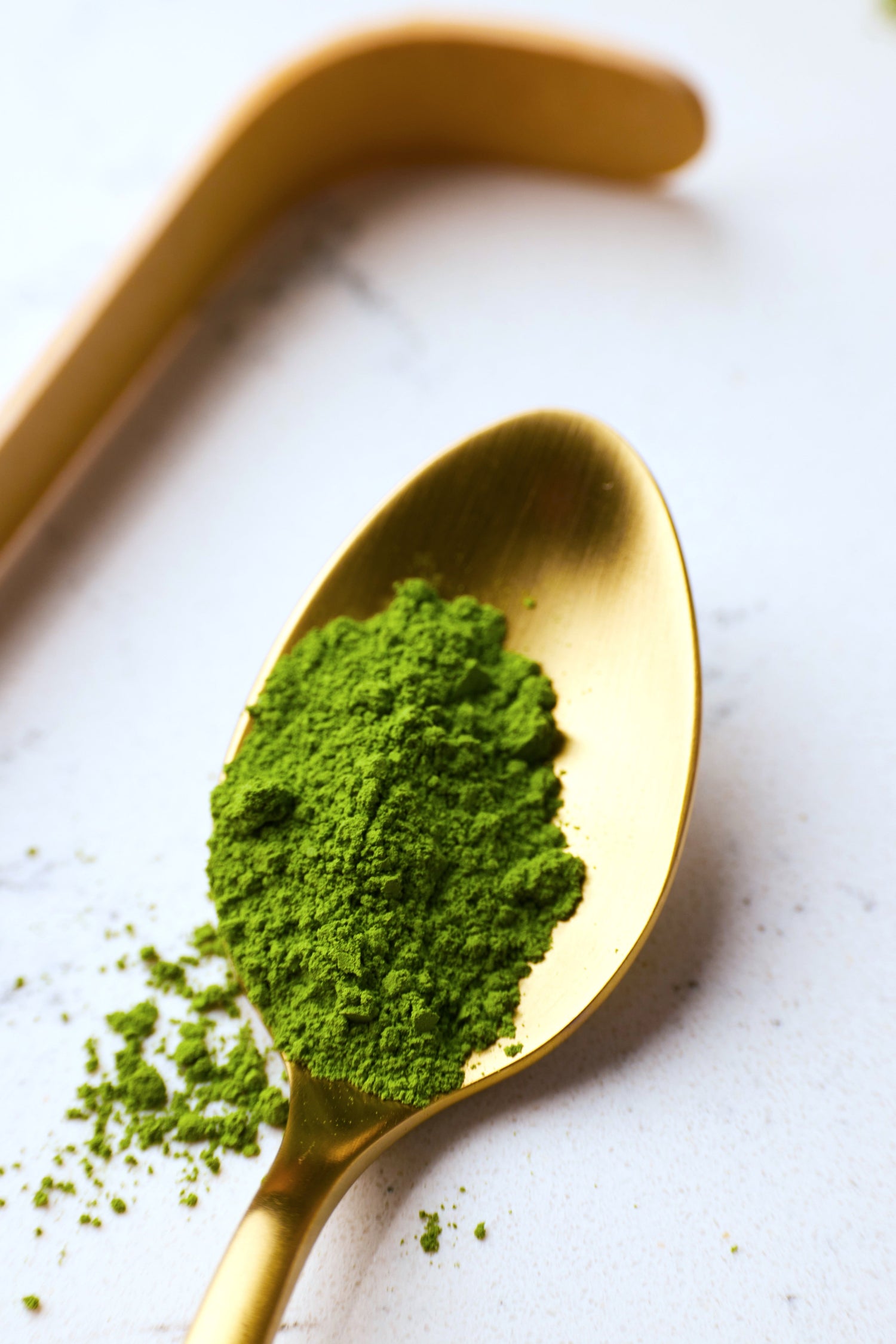
This is how you recognize him
Best Matcha: not just good, but wow
Green, powerful, magical – discover why matcha is so much more than just a trend. We'll show you how to... best Matcha find out what makes him so special!
In this guide you will learn how to find the best matcha, how to recognize quality and which varieties we recommend.
How to recognize good matcha powder
Matcha is more than a trend. It's a ritual and a statement of mindfulness. But not every green powder deserves the hype. If you're looking for the best matcha powder, you need more than just a pretty label. It requires knowledge, a discerning palate – and the right sources.
We'll show you, How to recognize good matcha powder, which varieties stand out and why your next matcha can be not only delicious, but revolutionary.
What really makes good matcha?
The quality of matcha depends on several factors:
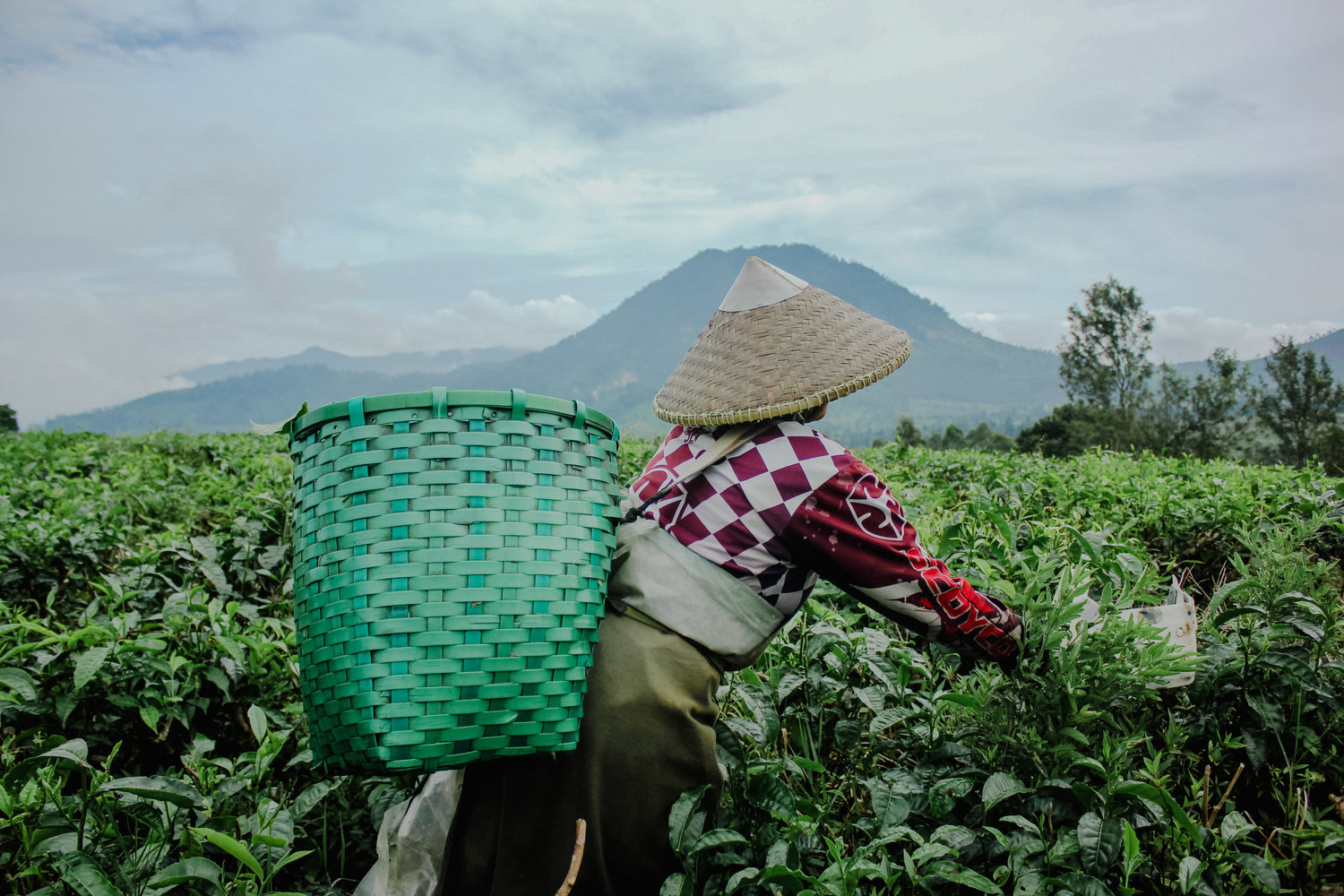
1. Harvest time
The best matcha tea comes from the first harvest (Ichibancha) in May. These leaves are particularly tender and rich in amino acids, which gives the tea its characteristic sweetness.
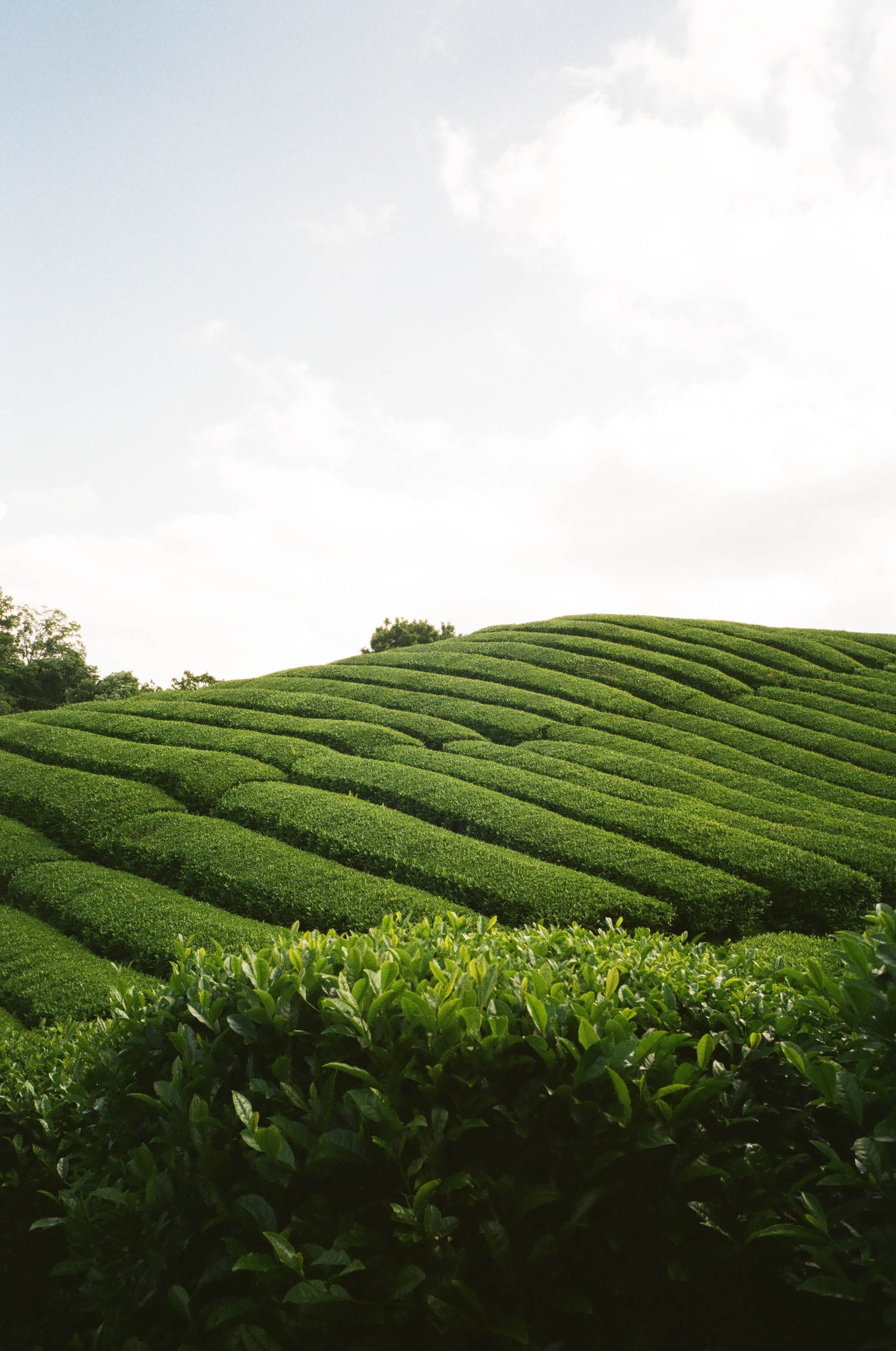
2. Growing area
Uji in Kyoto, Japan, is considered the mecca of matcha. The microclimate and traditional cultivation methods ensure an unparalleled aroma.
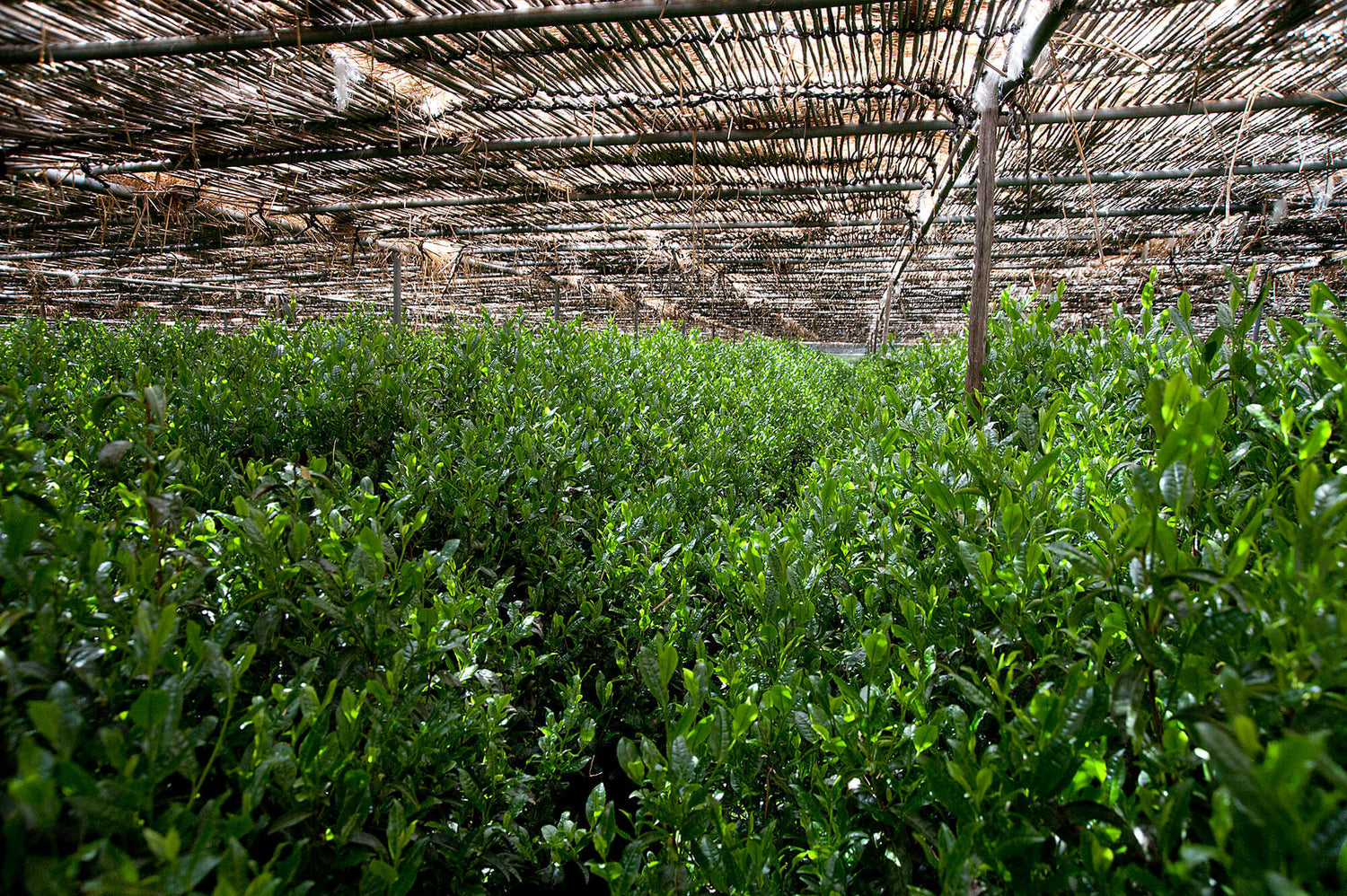
3. Shading
Before harvesting, the tea leaves are shaded for up to 32 days. This shading increases the chlorophyll content and the development of more L-theanine – an amino acid that contributes to the characteristic umami flavor.
4. Processing
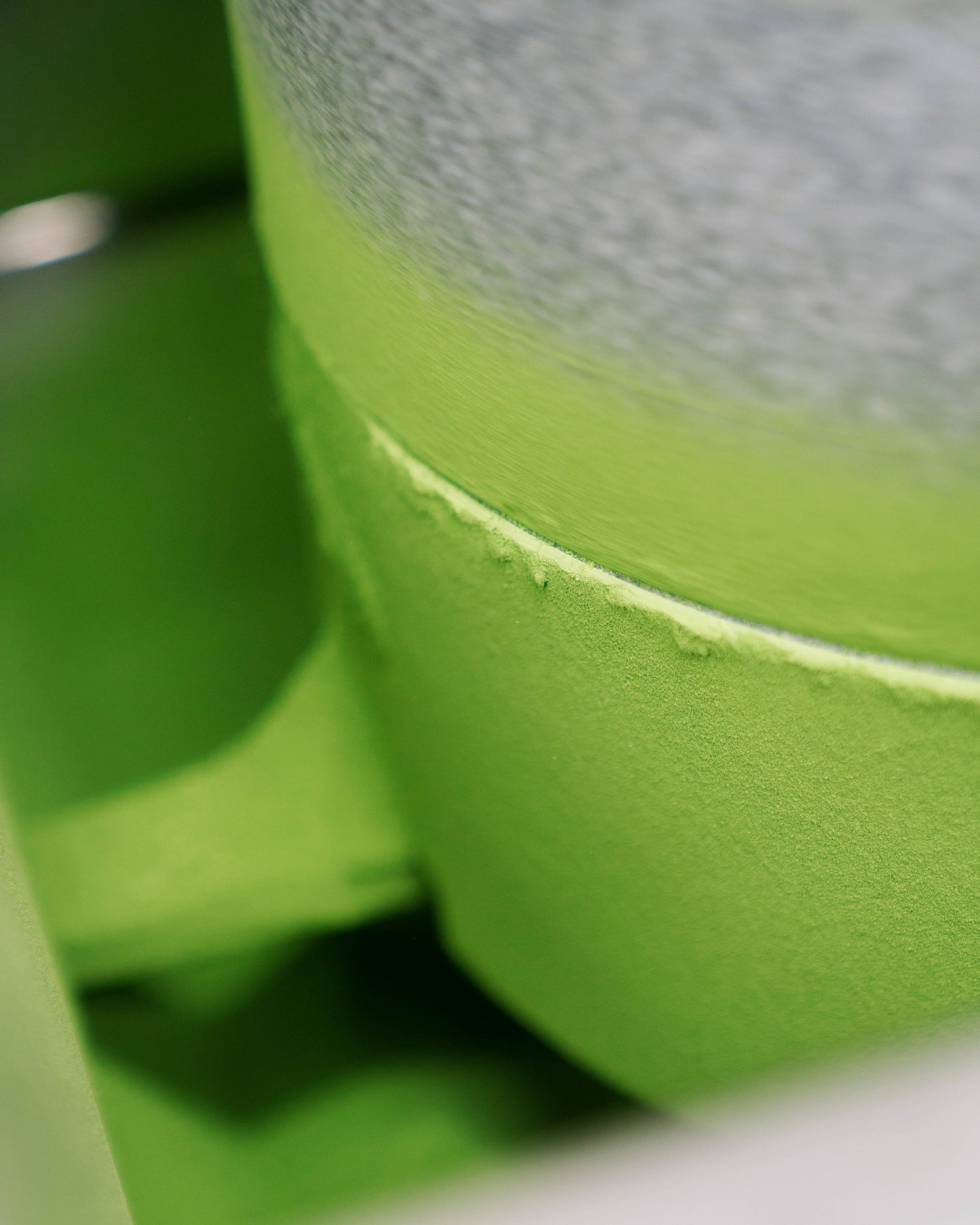
The leaves are gently steamed, dried, and ground into a fine powder in traditional granite stone mills. This preserves the quality and gives the powder a velvety texture.
5. Color and taste
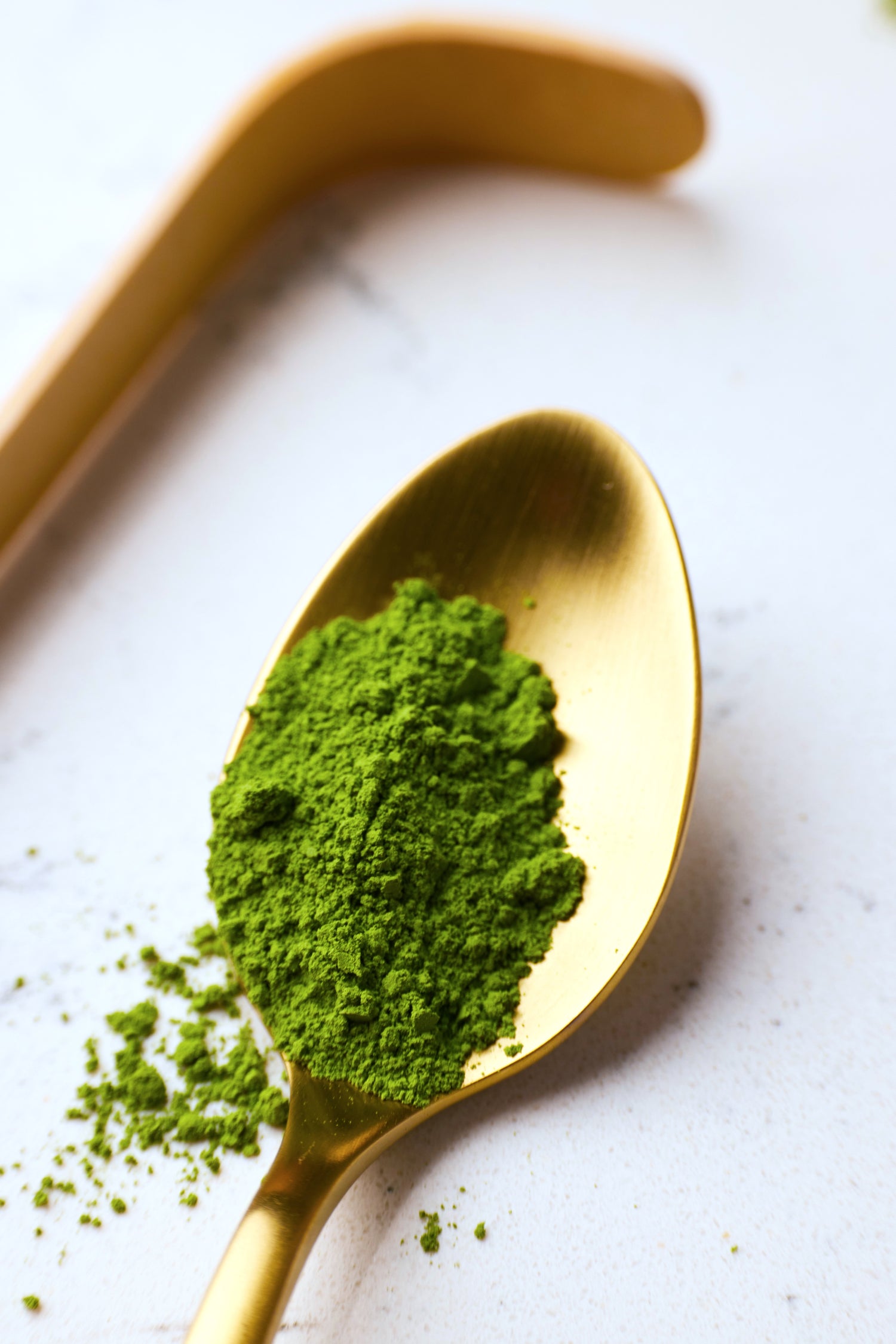
High-quality matcha has a bright green color and a sweet, mild taste with a pleasant umami note. Bitterness is a sign of lower quality.
What is contained in matcha?
Matcha scores points with ingredients such as:
- Caffeine:
Matcha contains caffeine, which occurs naturally in the leaves of the tea plant. The caffeine content is comparable to a cup of espresso, but can vary depending on the variety and preparation. - the amino acid L-theanine:
L-Theanine is found almost exclusively in tea plants. It contributes to the characteristic, slightly sweet taste of matcha. - Catechins, especially epigallocatechin gallate (EGCG):
Catechins are secondary plant compounds from the flavonoid group, found primarily in green tea. EGCG is one of the best-known catechins and is present in particularly high concentrations in matcha.
Why the starter set is ideal for you:
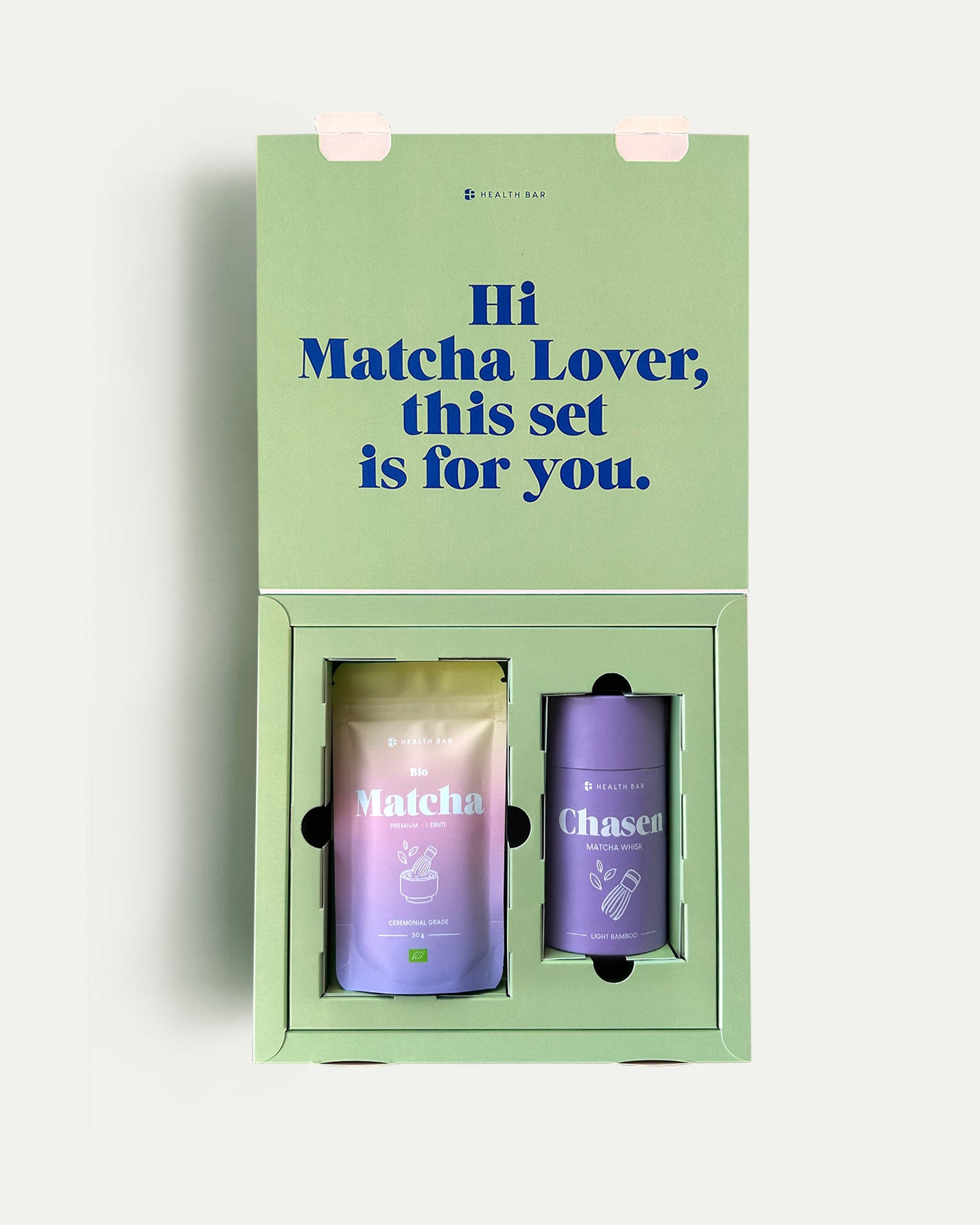
✔ Contains everything you need to get started with matcha
✔ The best matcha with accessories
✔ High-quality organic matcha
✔ A traditional bamboo broom for perfect results
HEALTH BAR: your source for the best matcha
HEALTH BAR offers a selection of organic matcha teas, all of which Criteria for highest quality fulfill. Here are some highlights:
-
Organic Matcha Tea Ceremonial
To the ceremonial sample packageOrigin: Uji, Kyoto, Japan
Harvest: 1st Harvest (Ichibancha),
Cultivar: Oshii Ceremonial Blend (Seamidori, Okumidori, Yabukita)
Processing: traditional granite stone mill
Special features: velvety creaminess, pleasant mildness and an outstanding uji umami
-
Organic Matcha Tea Traditional
To the traditional trial packageOrigin: Uji, Kyoto, Japan
Harvest: Mixture of 1st and 2nd harvest
Cultivar: Oshii Blend (Seamidori, Okumidori, Yabukita)
Processing: traditional granite stone mill
Special features: Slightly richer and more bitter in taste, perfect for those who like it more intense.


This is how you prepare the best matcha
The Matcha preparation It's incredibly simple and you can turn it into a relaxing ritual:
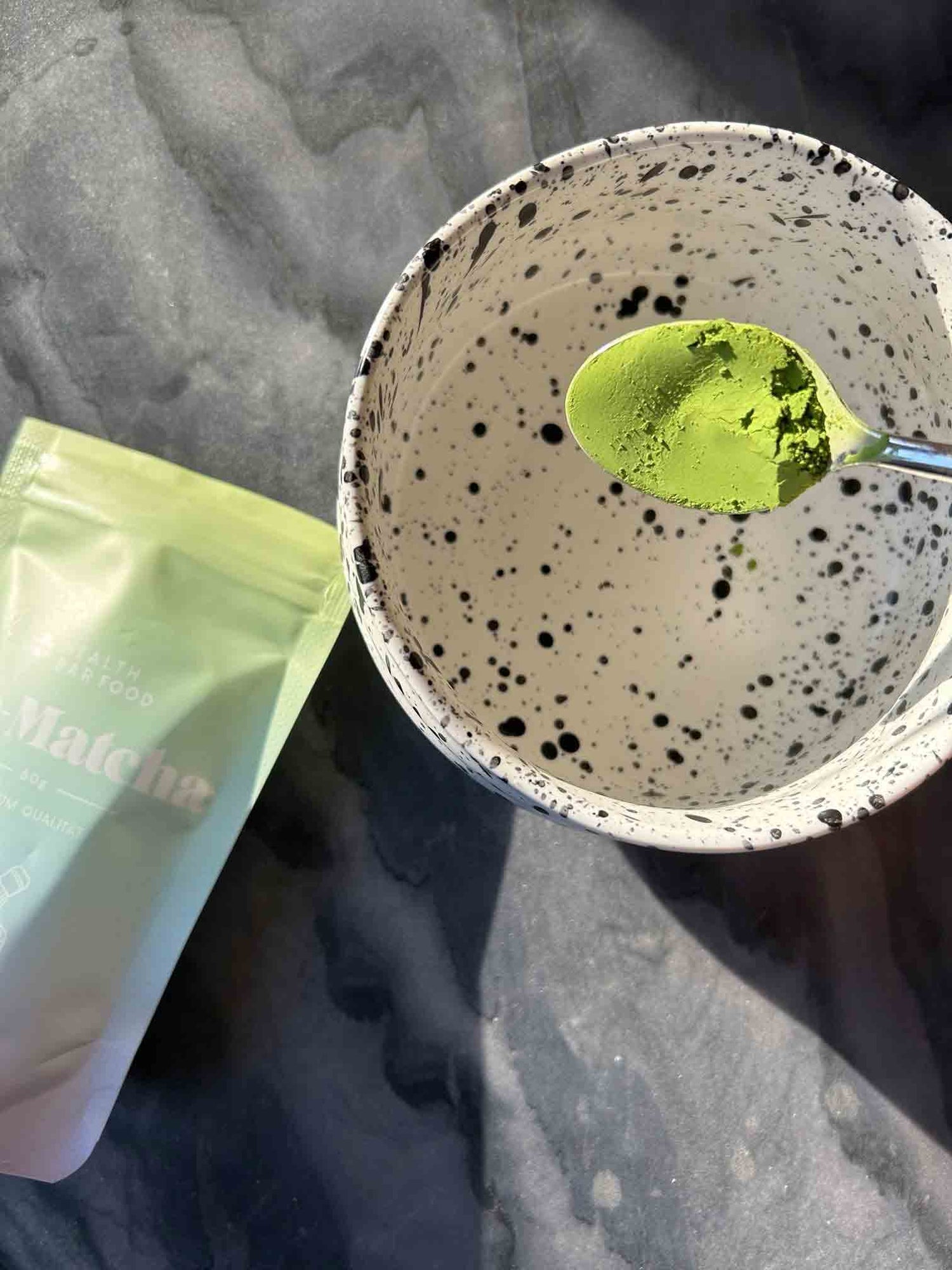
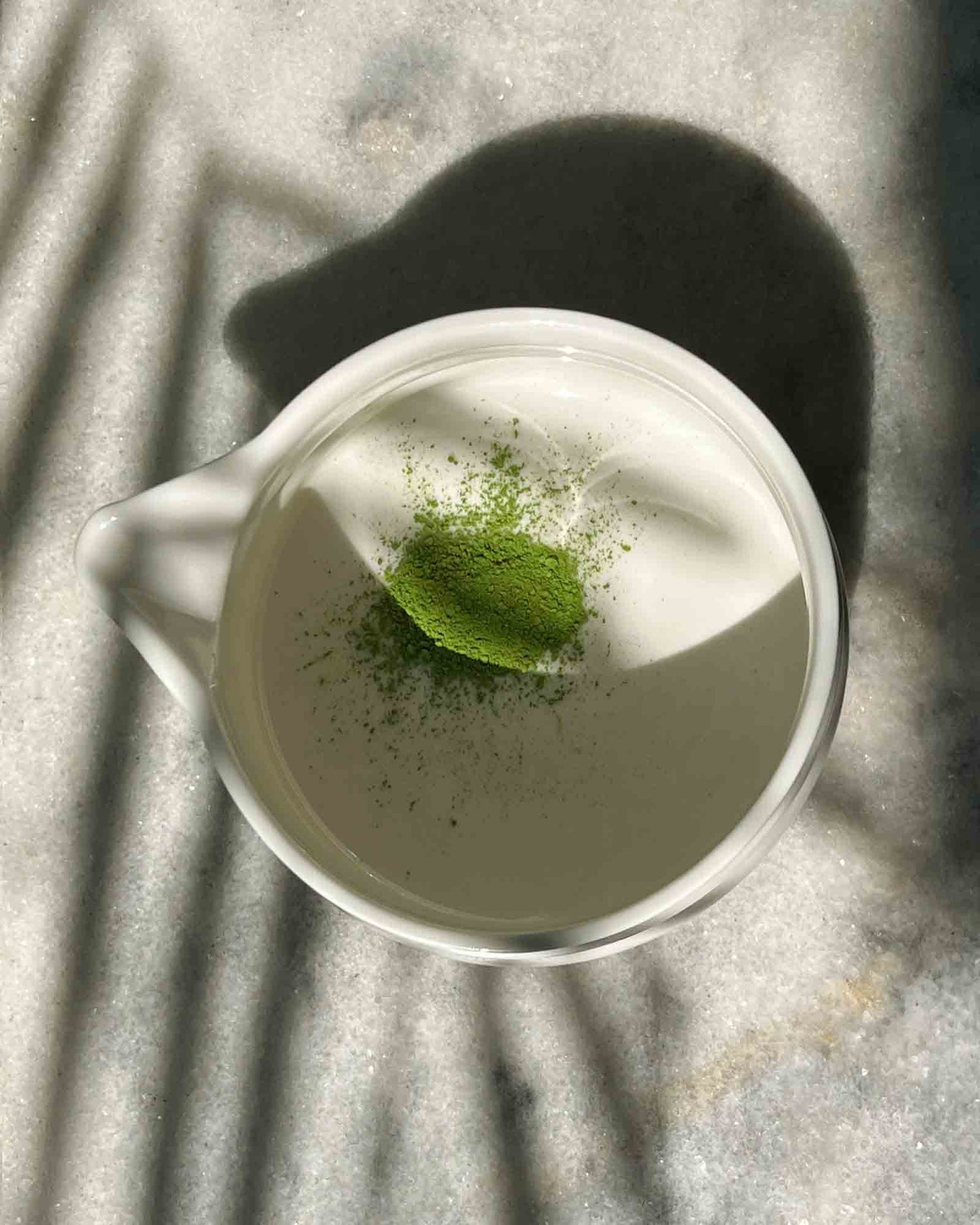
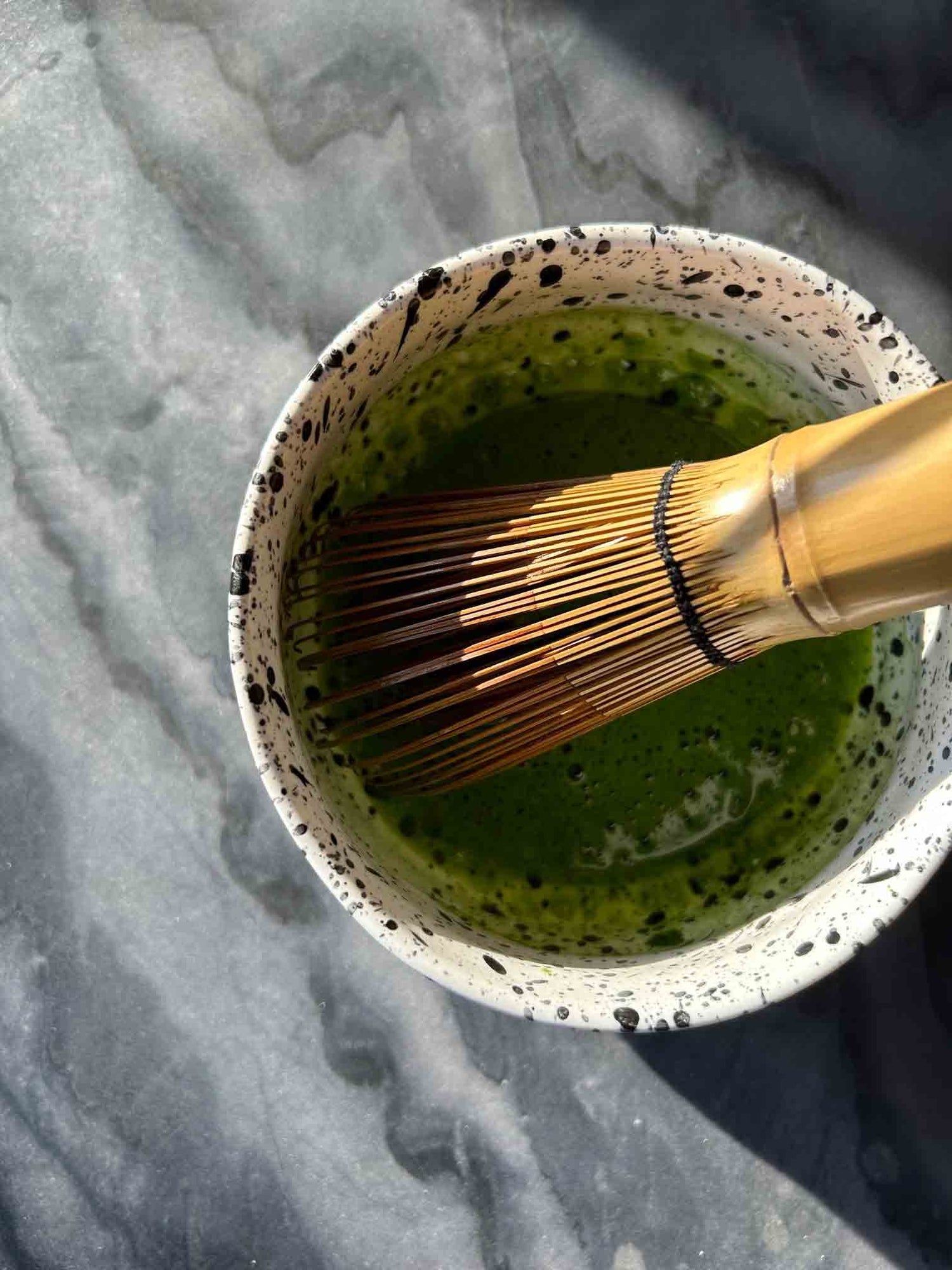
Give two full Chasaku bamboo spoons of matcha into a chawan – that's the traditional matcha bowl. Alternatively, you can use a level teaspoon instead of a chasaku.
Now you add approx. 30 ml water Additionally: It is important that it not hotter than 80 °C Stir the matcha powder and water with a chasen, the bamboo whisk, until nice and creamy. Z-shaped movements work best for this.
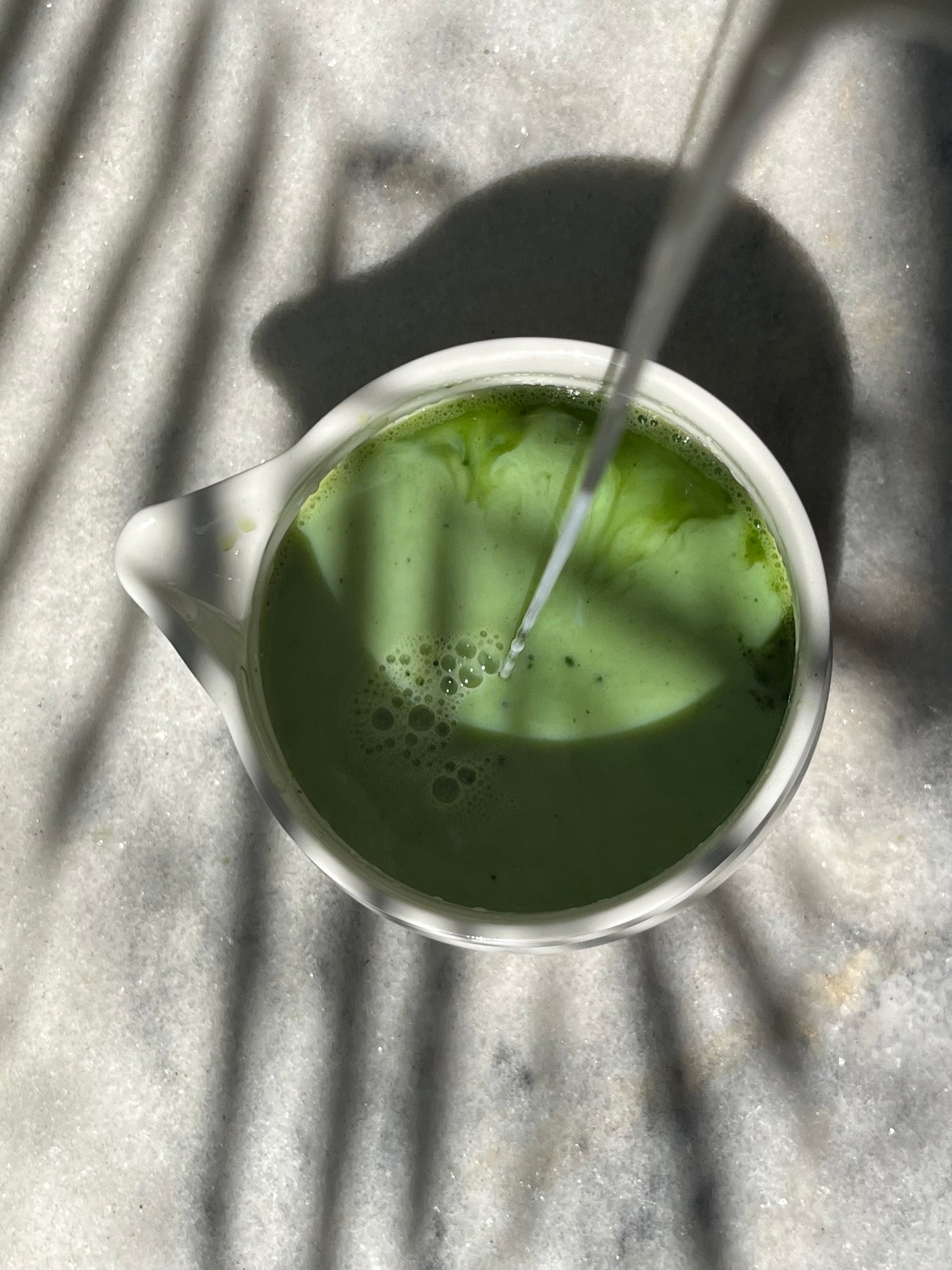
Now you fill your matcha with frothed milk Pick your choice and enjoy it!
The best matcha is an experience
Matcha is more than just a drink – it's an experience, a moment of mindfulness, and a step towards a more conscious lifestyle. With the high-quality range from Health Bar You can be sure that the best matcha tea is just a click away.
Experience what the best matcha means!
FAQ: frequently asked questions about the best matcha
What exactly is matcha powder?
Matcha powder is finely ground green tea made from specially cultivated and shaded tea leaves. It is traditionally produced in Japan. What makes it special is that the entire tea leaf is used as a powder, resulting in a higher concentration of beneficial compounds in the beverage compared to brewed tea.
How do I recognize good matcha powder?
You can recognize good matcha powder by its color: it's a vibrant, intense green – never yellowish or dull. The taste is pleasantly mild, slightly sweet, and never bitter. High-quality matcha usually comes from Japan, is made from the first, young leaves, and is gently ground. The aroma is also a telltale sign: fresh, green, almost nutty. Additionally, look for organic quality, origin, and airtight packaging – like with the premium matchas from Health Bar.
What is the difference between Ceremonial and Traditional Matcha?
Ceremonial Matcha is the finest quality – perfect for drinking straight. It's exceptionally delicate, mild, and sweet, ideal for the matcha ritual. Traditional Matcha has a stronger flavor and is wonderful for matcha lattes, bowls, or baking. Both come from high-quality cultivation, but Ceremonial Matcha is made from the most tender leaves of the first harvest. If you're looking for pure enjoyment: Ceremonial. For creative drinks: Traditional – both are available at Health Bar.
How often can I drink matcha?
You can safely enjoy matcha daily – 1 to 2 servings per day.
How do I store matcha properly to keep it fresh?
Matcha thrives in cool, dark, and dry conditions. The best way to store your powder is in an airtight container in the refrigerator – especially after opening. This helps preserve its delicate aroma and maintain its vibrant green color. Make sure no condensation gets into the container! The better you protect your matcha, the longer you can enjoy its fresh taste and beneficial effects.
Buy matcha:
-
Für Einsteiger
 Organic Ceremonial Matcha Tea – 30g (can)Organic Ceremonial Matcha Tea – 30g (can)
- Regular price
-
25,21€ - Regular price
-
- Selling price
-
25,21€ - Unit price
-
84,03€ / Per 100g

-
Bestseller
 Organic Ceremonial Matcha TeaOrganic Ceremonial Matcha Tea
- Regular price
-
8,32€ 126,05€ - Regular price
-
- Selling price
-
8,32€ 126,05€ - Unit price
-
83,20€ / Per 100g
-
 Organic Matcha Tea, TraditionalOrganic Matcha Tea, Traditional
- Regular price
-
7,14€ 92,44€ - Regular price
-
- Selling price
-
7,14€ 92,44€ - Unit price
-
71,40€ / Per 100g
-
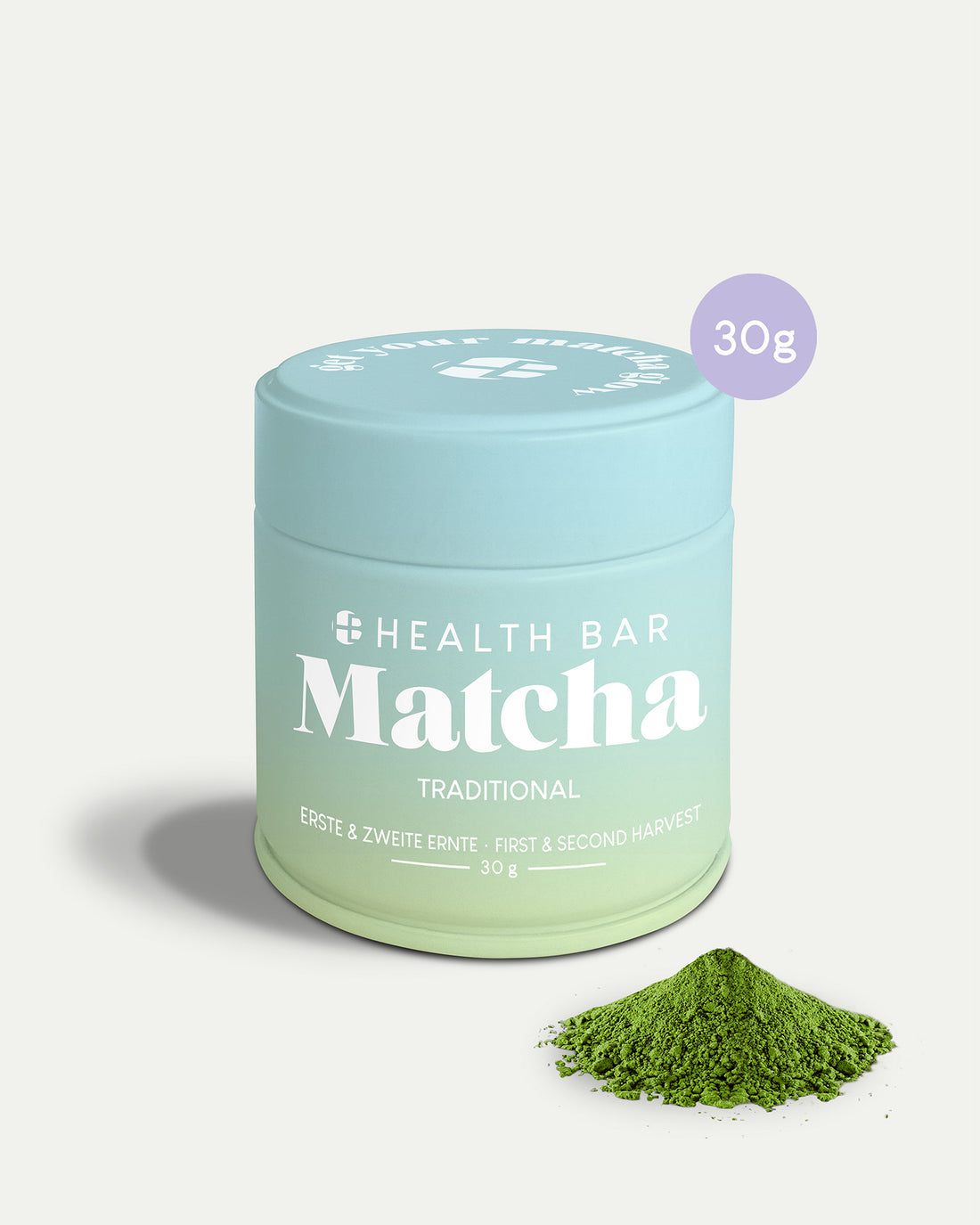 Organic Traditional Matcha Tea – 30g (can)Organic Traditional Matcha Tea – 30g (can)
- Regular price
-
21,85€ - Regular price
-
- Selling price
-
21,85€ - Unit price
-
72,83€ / Per 100g


