

Matcha and its harmful substances
What is really in the green tea powder?
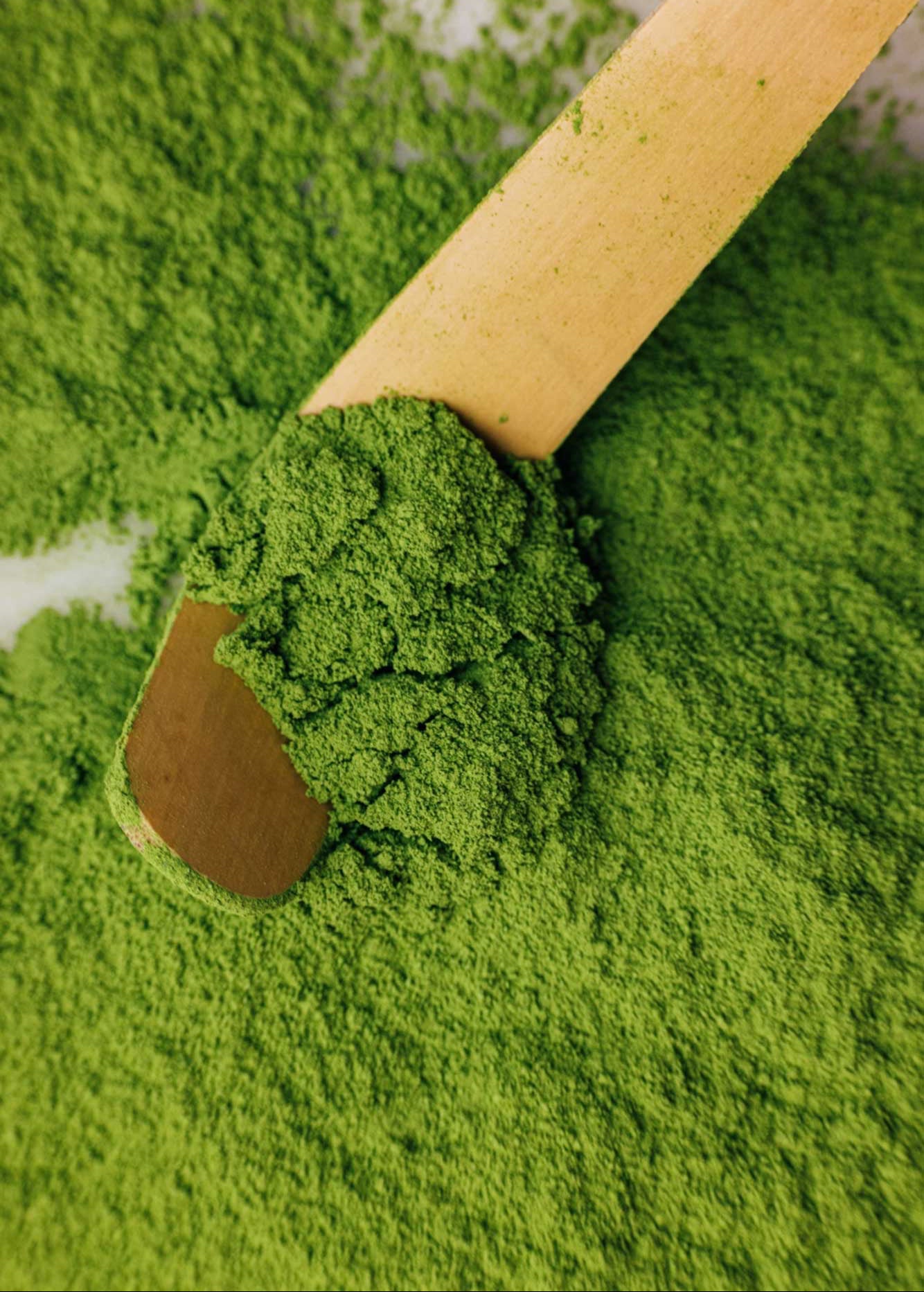
Matcha is a high-quality green tea powder from Japan that has become increasingly popular in recent years. Whether as a superfood or a healthy coffee alternative, matcha is known for its high nutrient content and antioxidant properties. But what about contaminants in matcha? Are heavy metals, pesticides, or radioactivity a concern? Here you'll learn what to look out for and how our matcha fared in laboratory tests.
Why pollutants in matcha are an issue
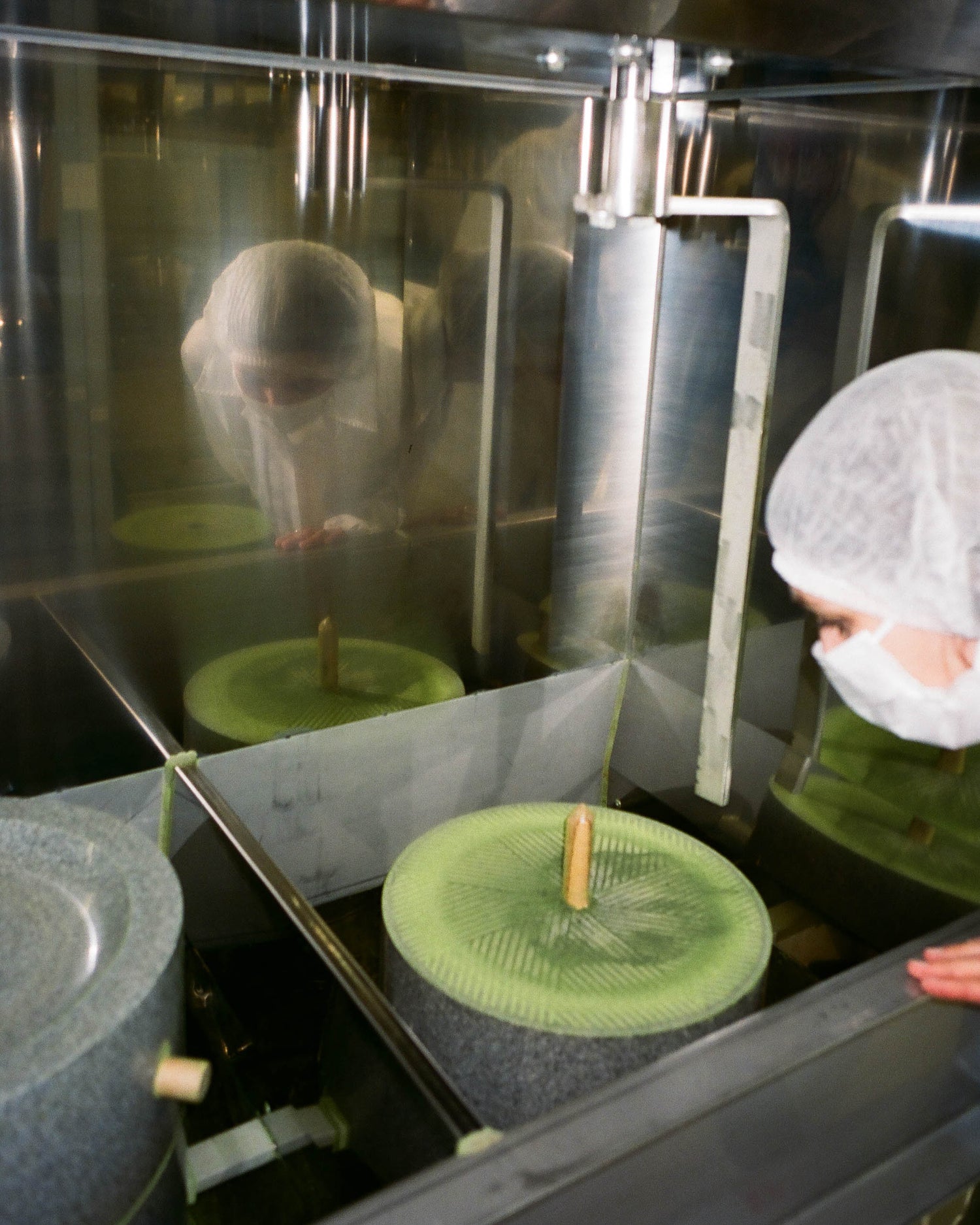
Because matcha consists of whole, finely ground tea leaves, you ingest all of the tea's components directly – both the beneficial nutrients and potential contaminants. Several factors play a role in its production, which could lead to contamination.
This can lead to stress:

Why organic matcha is so important
If you want to be absolutely sure, it's essential to choose organic matcha. Certified organic matcha products undergo strict controls, significantly reducing the risk of pesticide residues and other harmful substances. This is the only way to enjoy the pure quality of the green tea powder without any worries.
What can you do to avoid contaminated matcha?
To ensure that your matcha is free of harmful substances and safe to consume, you should pay attention to the following criteria:

Origin
Matcha from certified growing areas with regular inspections is particularly trustworthy.

Organic certification
Organic matcha is subject to stricter controls, reducing the risk of pesticide residues.
Laboratory analysis
Manufacturers who commission independent laboratory tests offer maximum transparency.
Our lab test results: Certified Matcha without concerns
Quality and transparency are our top priority
Therefore, our matcha was carefully tested for potential contaminants in independent, accredited laboratories. Here are the results in detail:
On behalf of HEALTH BAR GmbH, the matcha tea (internal sample number mlsa10018) was analyzed by accredited laboratories for heavy metals (lead, cadmium, arsenic, aluminum, mercury), pesticides (screening of approximately 650 compounds), and radioactivity. It can be confirmed that the product complies with the currently valid legal limits and recommended values for the aforementioned parameters. Based on the analyses performed, the sample can be classified as marketable.
Conclusion: Safe matcha enjoyment with HEALTH BAR Matcha
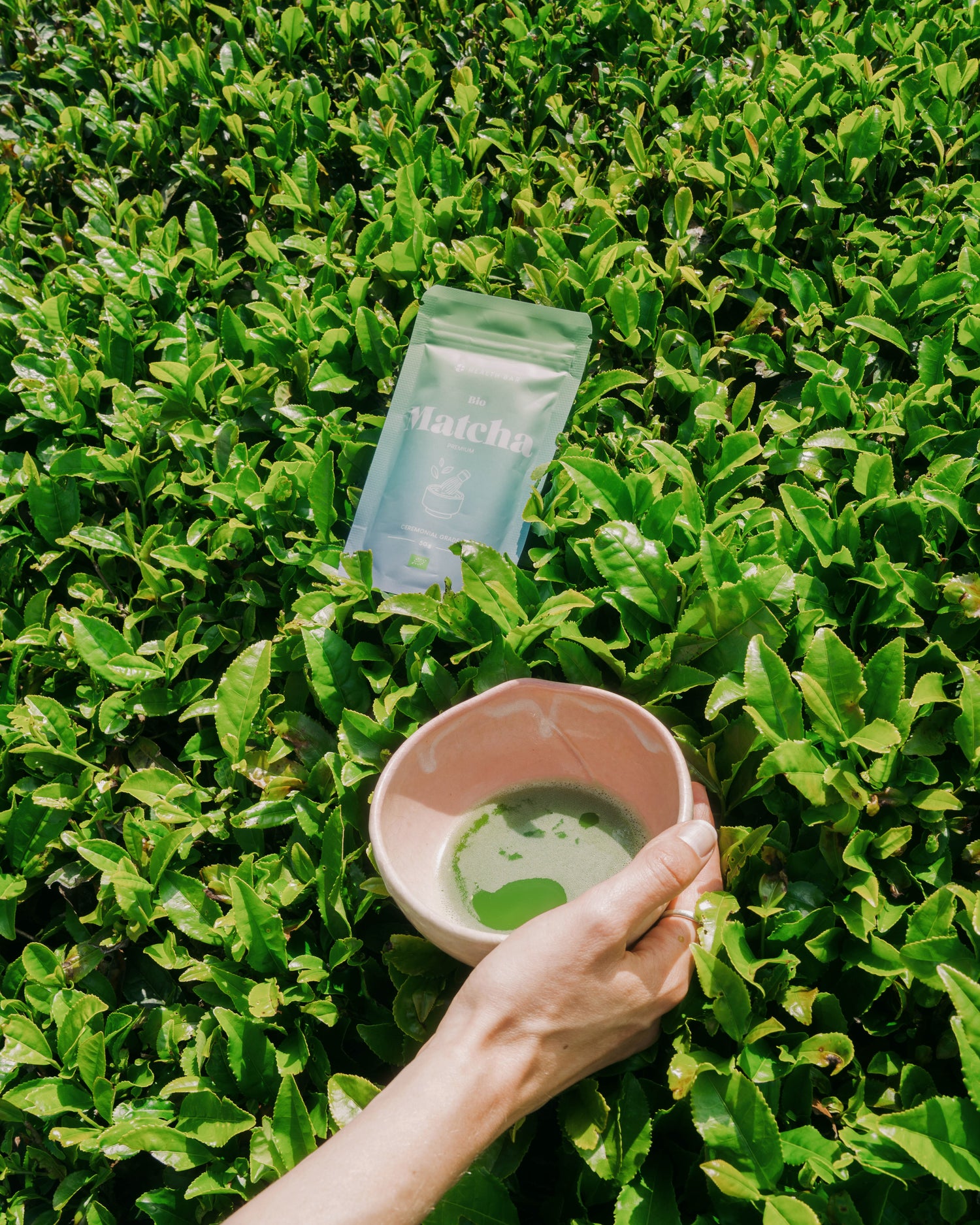
Our matcha has undergone extensive testing and meets all legal requirements and safety standards. You can therefore enjoy our product with complete peace of mind – full of flavor and free from harmful substances. Whether for a tea ceremony, as an energy boost, or to enhance smoothies and desserts: our matcha offers you the highest quality combined with complete safety.
More information
-

Peach Iced Tea Matcha – Matcha of the Month: July
Juicy peach, homemade iced tea and finely whisked Matcha come together here to create a drink we just can't do without anymore.
-

Iced Mango Matcha – Matcha of the Month: June
Fruity mango, creamy coconut milk and finely whisked Matcha come together to create a combination we can't get enough of right now. Refreshing, uncomplicated and a little bit of vacation...
-

Your Introduction to the World of Matcha
Everything you need to get started – from Matcha starter sets to sample sizes to simple tips for your first Matcha ritual.


