
Notify me when available
We will email you as soon as this product is back in stock.


Matcha Intro – Your Introduction to the World of Matcha – Workshop
- Regular price
-
$0.00 - Regular price
-
- Selling price
-
$0.00
Pickup availability could not be loaded
description
Free & digital – convenient from home
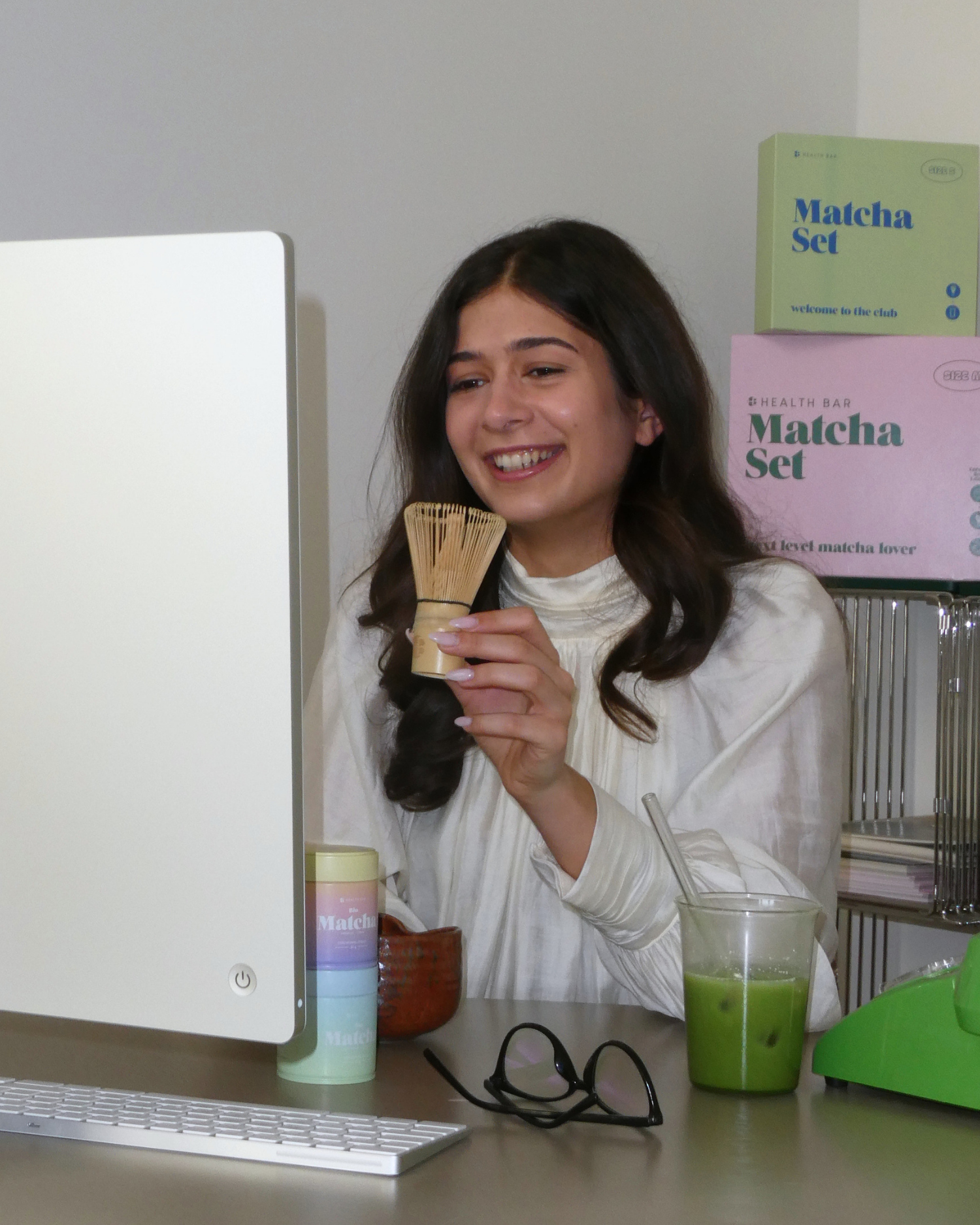
Dive into the world of matcha in 30 minutes online – comfortably from your living room! In our small matcha workshop, you'll learn everything you need to know about our Traditional and Ceremonial Matcha :
-
The differences between our varieties
-
Perfect preparation – hot or cold
-
The little ritual behind every matcha moment
-
Tips for gentle energy, focus, and enjoyment
Our expert is available live, answers your questions, and shows you step by step how to prepare matcha correctly – so every sip becomes a moment of enjoyment.
After booking your free slot, you'll receive a confirmation email with the link to the online meeting. Simply sign up, join in, and learn to love matcha!


-

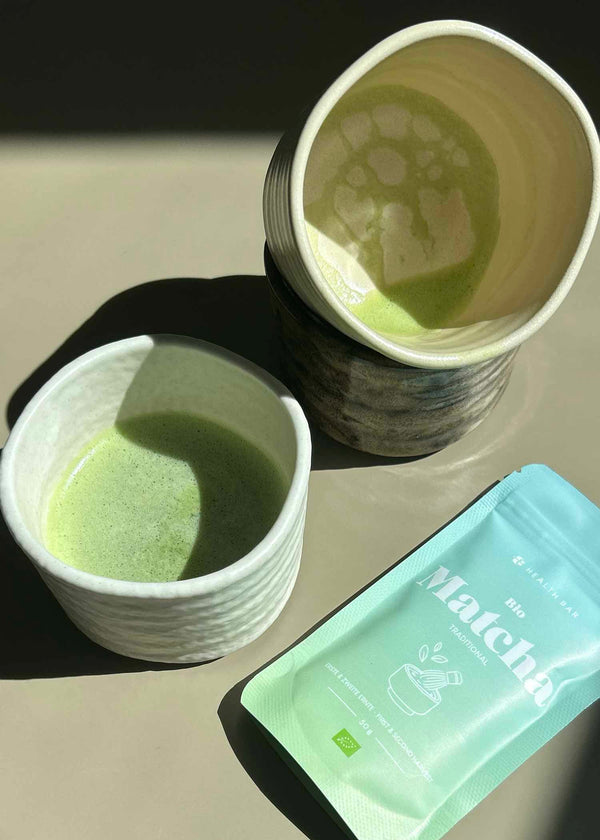
Organic Certified
Health Bar Matcha is one of the few on the market with organic certification.

What is Matcha?
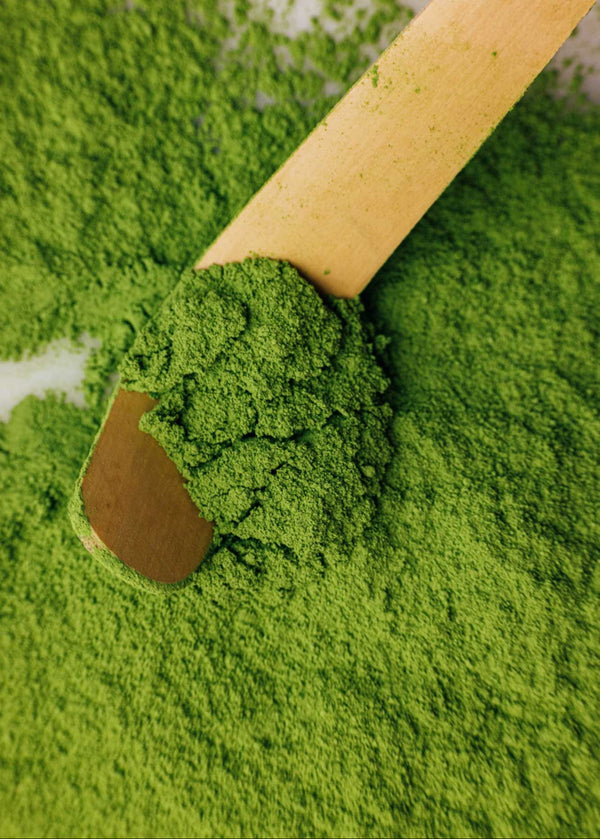
Matcha is finely ground green tea from Japan. It uses the leaves of the so-called Tencha tea, which are shaded before harvesting.
Unlike classic green tea, with matcha the whole leaf is consumed – this results in a fuller taste and a particularly intense color.
Matcha is not brewed, but rather drunk whole as a finely ground tea powder. This creates a more intense taste experience – and a different kind of energy.
Many appreciate matcha as Alternative to coffee: For clear focus, without the typical highs and lows. Through the combination of caffeine and naturally occurring L-Theanine is often perceived as making matcha more even and calmer.
HOW-TO
Preparing matcha easily
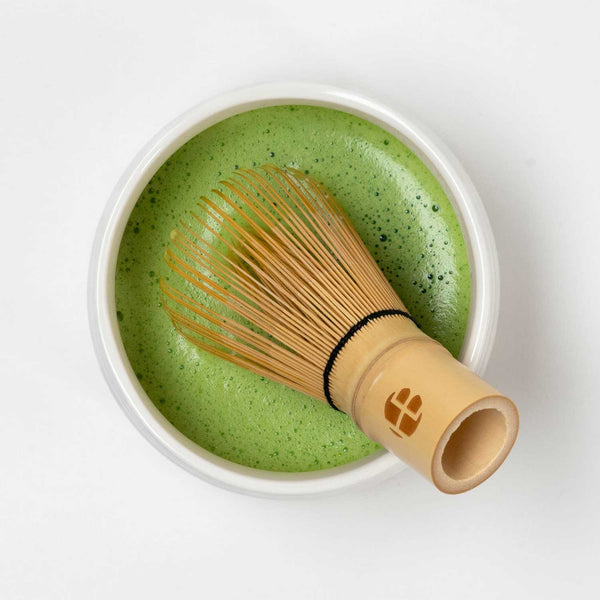
1. Dosage of matcha: Using a bamboo spoon or a teaspoon, add 1-2 slightly heaped teaspoons of matcha to your chawan.
2. Add water: Pour 70–100 ml of water (approx. 80 °C) into the bowl. Make sure the water is not boiling hot, otherwise the matcha will become bitter.
3. Serve: Beat the matcha with the chasen in quick W- or M-movements until a fine, fluffy layer of foam is formed.
4. Enjoy: Take a moment to consciously enjoy the matcha. In Japan, they say: "Itadakimasu" – as a sign of gratitude before drinking.


Stefanie GiesingerThe Traditional Matcha has a slightly more intense flavor than the Ceremonial Matcha. I actually enjoy drinking both neat, but I still prefer the Ceremonial Matcha.
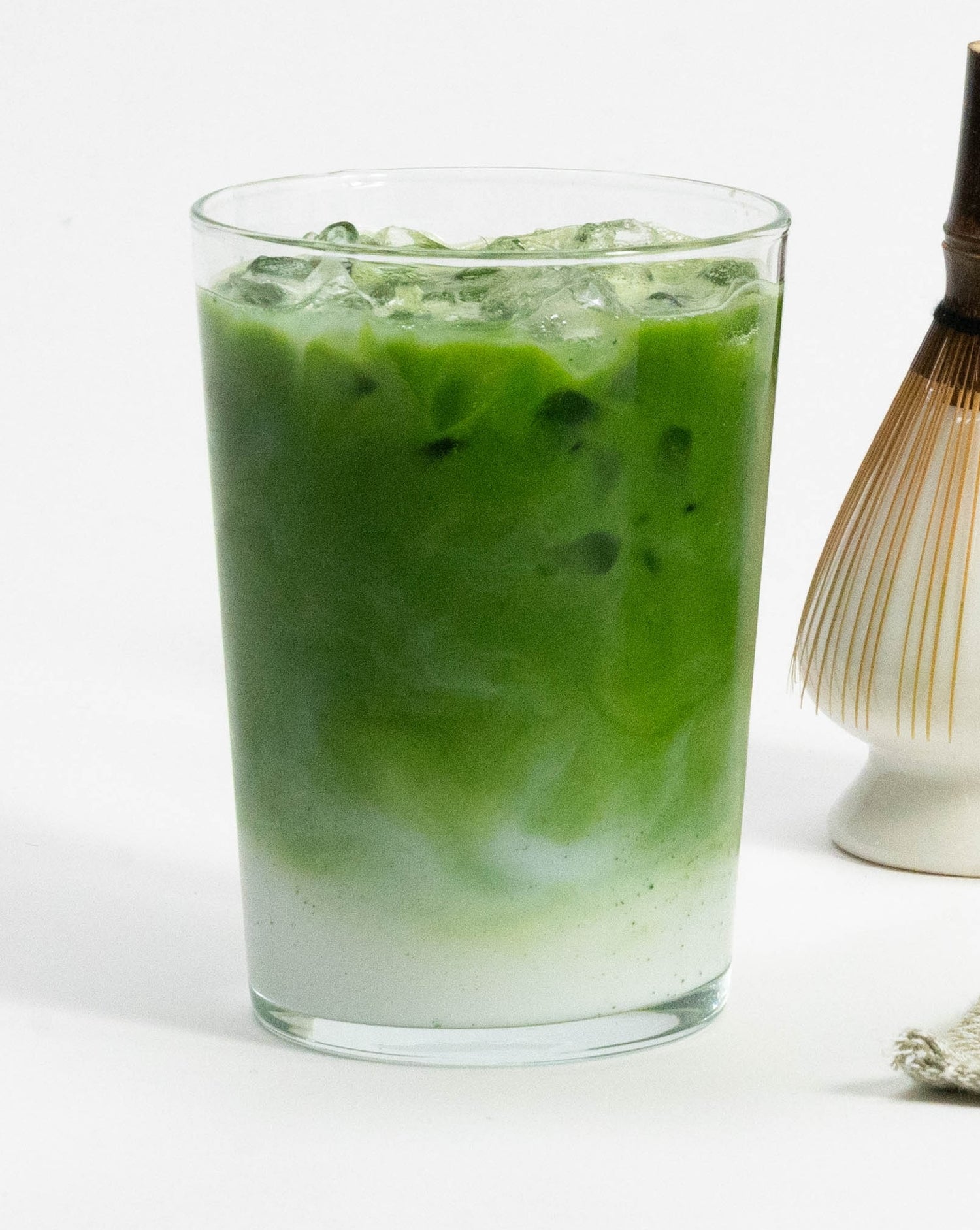
Nancy TabillionIn the summer, I like to drink an Iced Matcha Latte with our Traditional Matcha and a splash of rice and coconut milk. On colder days, it has to be our Ceremonial Matcha – pure with warm water, with no additives!
Thuha NguyenOne of my favorite matcha brands I’ve tried! It’s very smooth, has a good flavor, and is an overall good matcha for a reasonable price. I will def buy it again!
Slide stripsMy absolute favorite matcha 💚
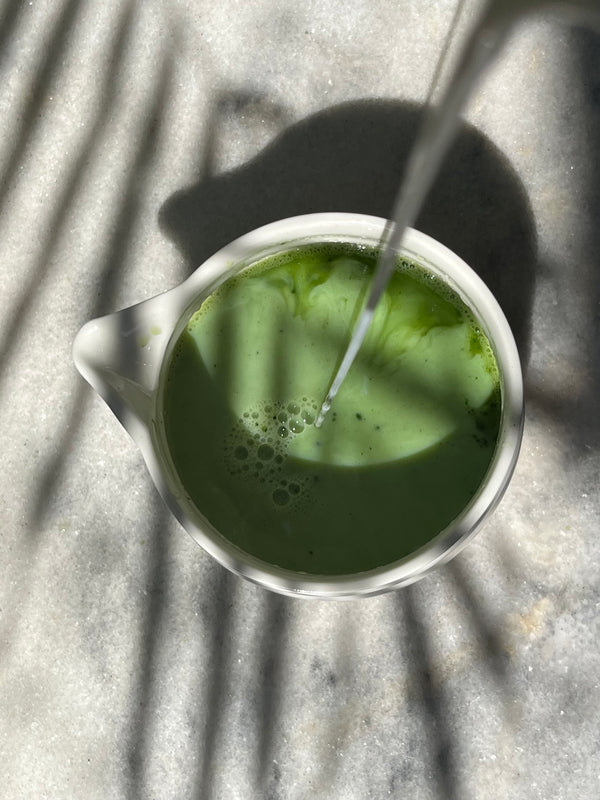
I've tried many varieties, but this one is my undisputed favorite. Whether warm with oat milk or iced with mango puree, it's the perfect energy booster and exactly what I like to start my morning with.
production
Our tea farm is a traditional family business that has been in operation for several generations and has been producing organic matcha for several decades.
Our quality is confirmed by the strict standards of the organic certificate from the Japanese certification body JONA and the German organic certification.
Cultivation
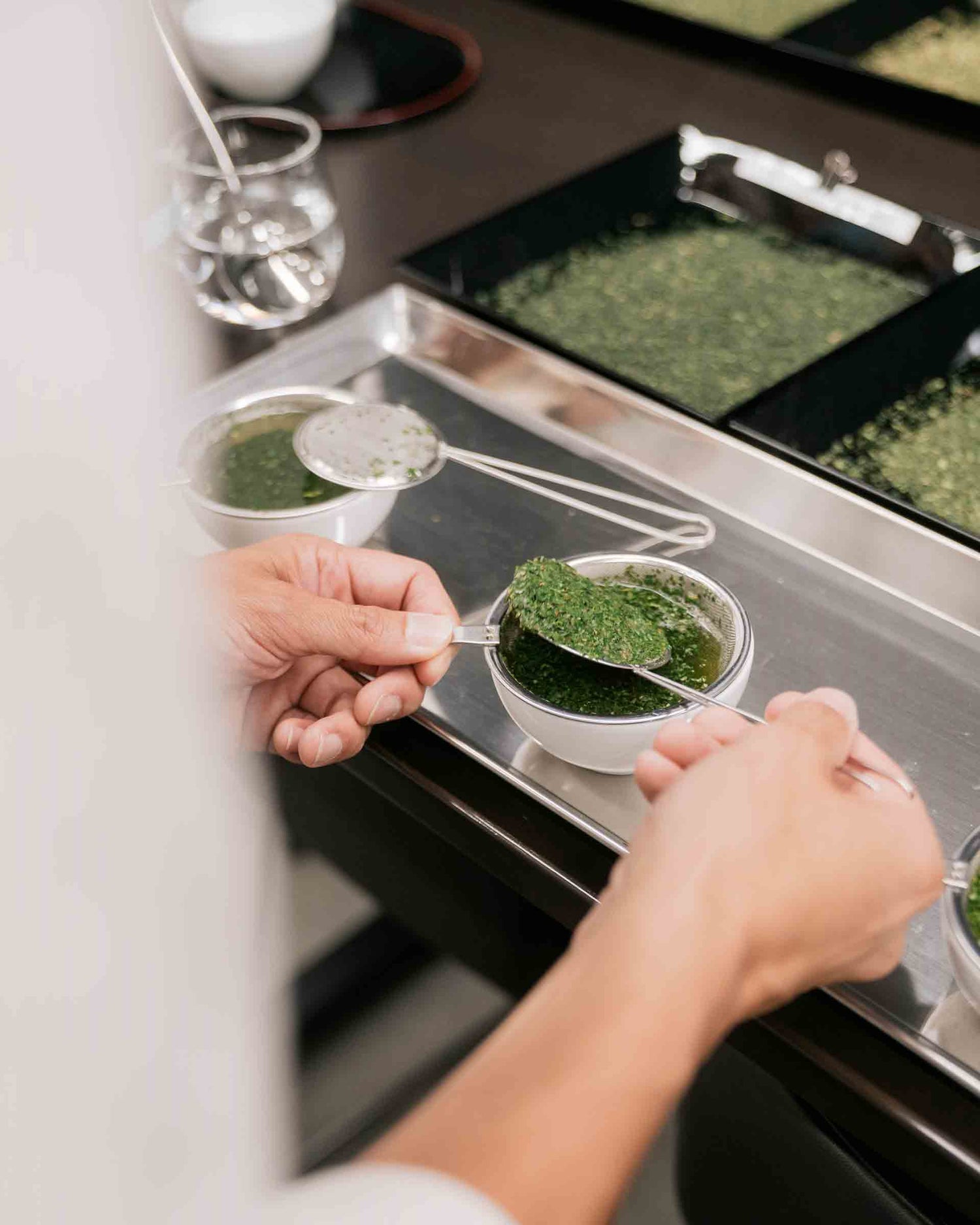
The tea farmers protect the plants from the sun with black textile sheets or, traditionally, straw. Solar panels are also used. This increases the chlorophyll content in the leaves and softens the flavor. Cultivation is carried out without pesticides. Annual soil samples are taken, as well as laboratory tests for heavy metal and radiation contamination, to ensure the highest possible quality. Furthermore, each batch is carefully tested for its mineral content.
origin
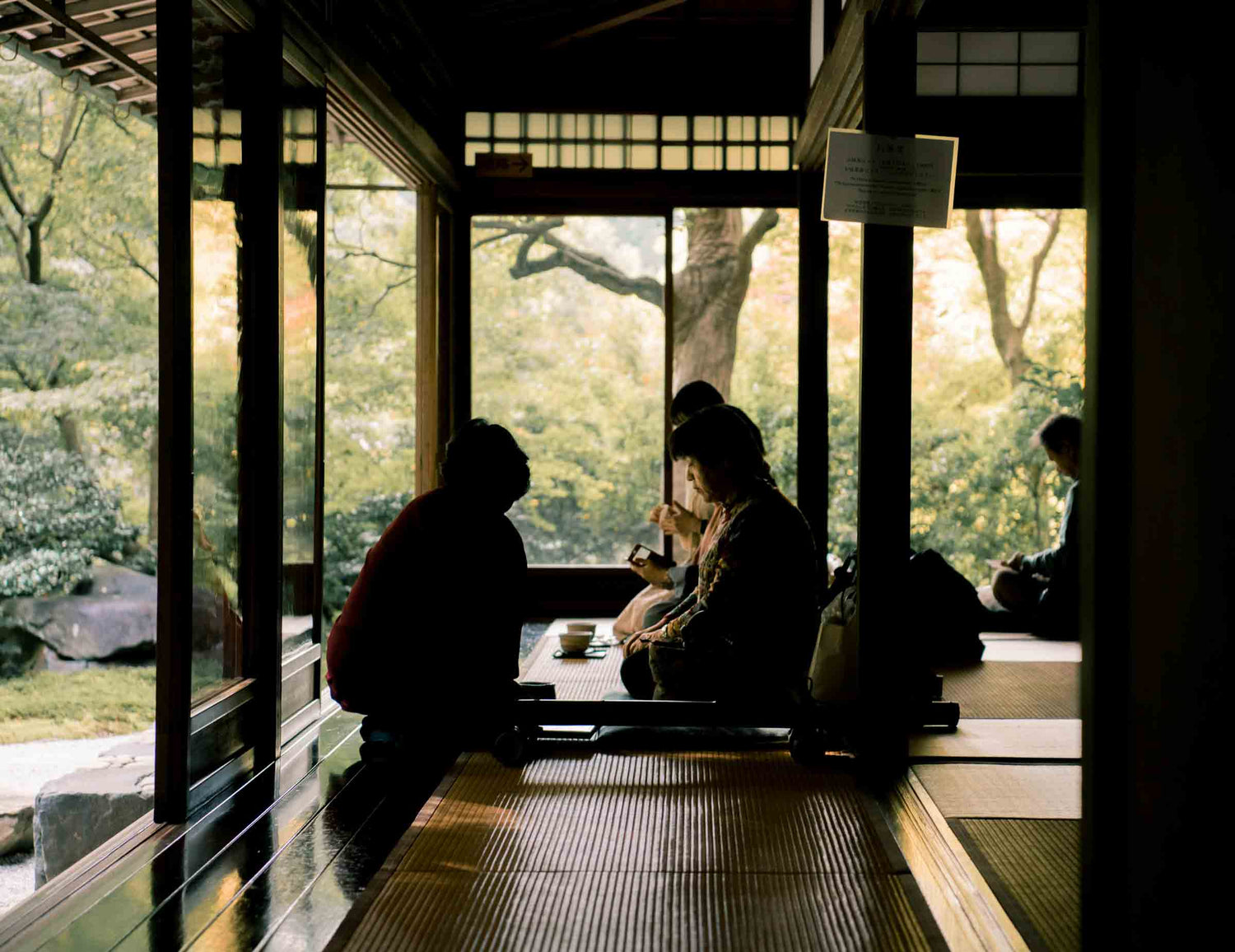
The Matcha tea growing region is one of the best and oldest in Japan: the Uji region, west of Osaka. The region is known for its clean water and nutrient-rich soil, free of pesticides. The climate is ideal: mist from the Uji and Kizu rivers keeps the tea plants moist and reduces the risk of frost damage.
Labor-tested
Transparency you can taste: Our organic matcha is regularly tested by independent laboratories.
Why? Because we drink our own matcha every day – and because we want you to know exactly what's in your cup.
The results show:
- No pesticides detected
- Heavy metals significantly below EU limits
- Very good microbiological quality
We make all test reports available here transparently.