



Mulberry Matcha vs. Matcha what's the difference?
Mulberry Matcha and matcha are prepared the same way but come from two different plants. We compare origin, caffeine, taste and preparation side by side.

Matcha and Sencha are made for the morning: gentle energy, clear focus and no classic caffeine crash. That's exactly why we created this category – for your conscious start to the day.
Many start with Matcha – for focus and steady energy. Sencha complements the moment with lightness and freshness. Here you'll find everything that makes your morning ritual easier and more beautiful: premium Matcha, selected Sencha and the right accessories for small, quiet moments just for you.


Sencha & Matcha – ideal for the morning
A morning ritual is more than just the first drink of the day. It's a moment for you – for calm, focus and a mindful start.
Especially in a fast, loud world, this small moment can make the difference: between simply “functioning” and really arriving. Matcha and sencha accompany you in different but complementary ways.
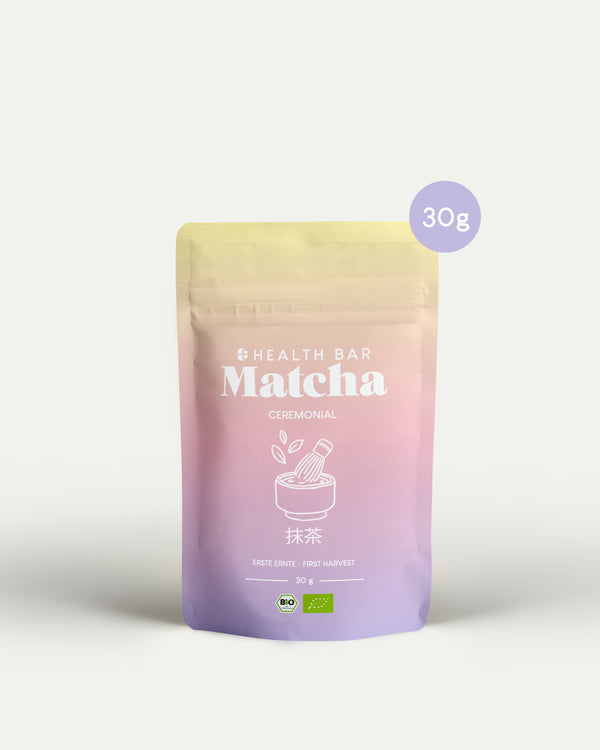
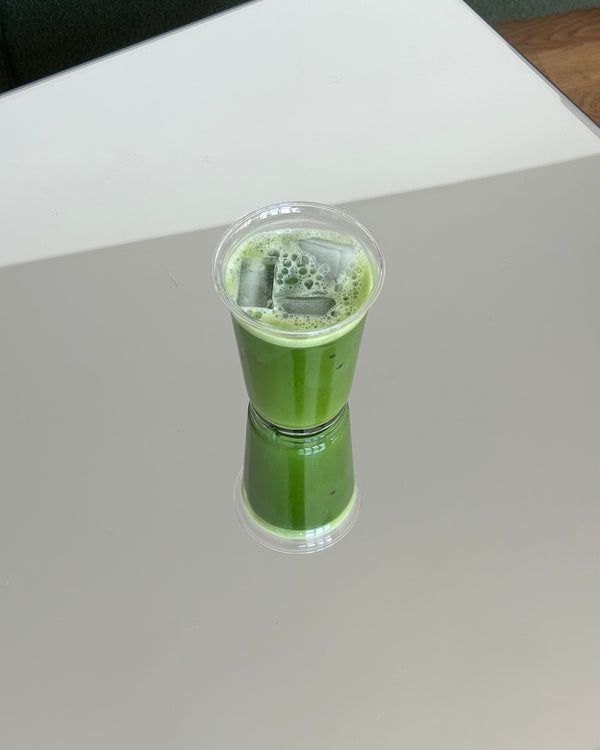
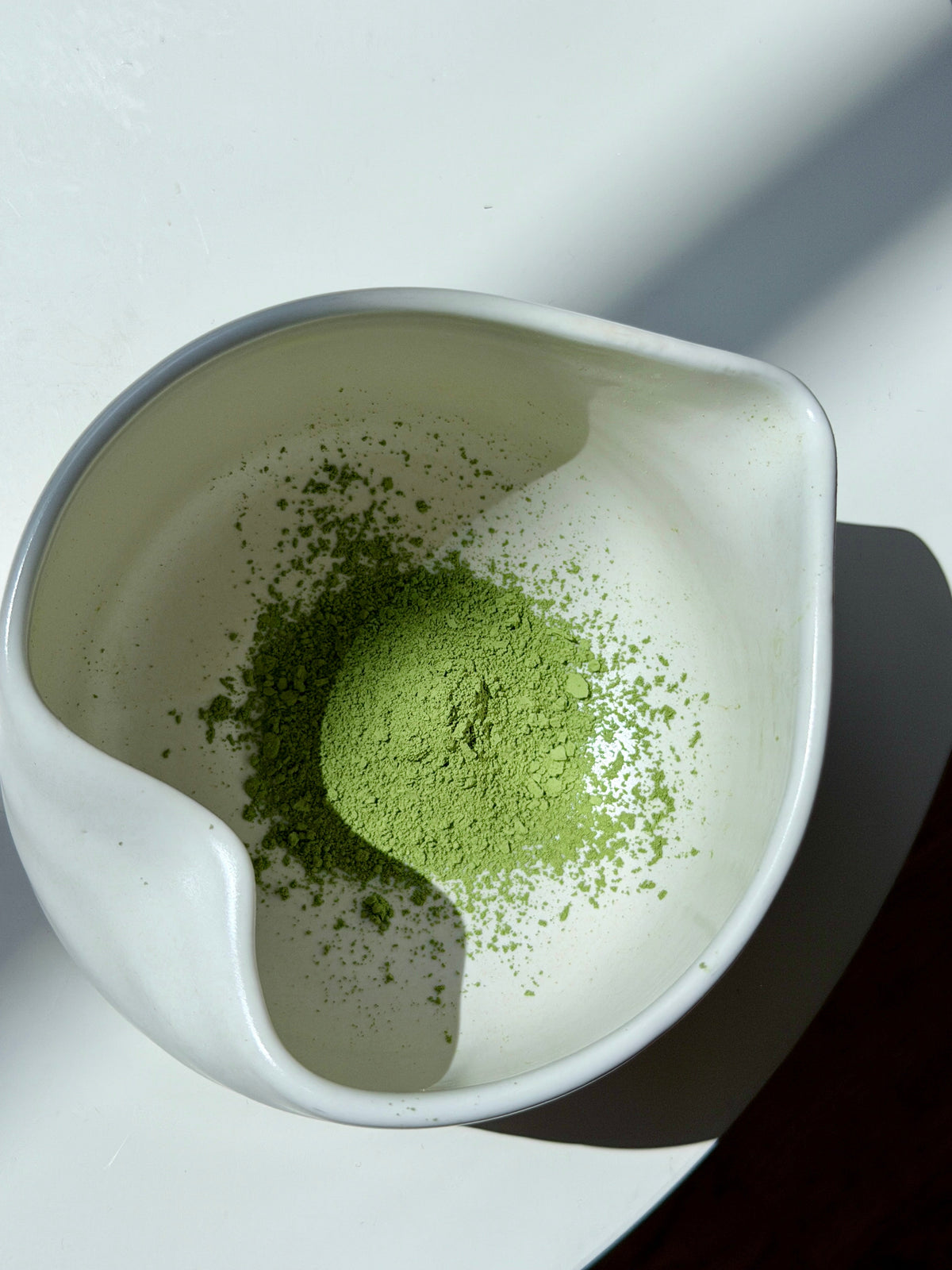
Matcha is made from the whole leaf, finely ground and whisked immediately. This allows you to consciously absorb the tea's valuable components. Many choose matcha in the morning because it:
Ceremonial Matcha is the highest quality, finest variety – mild in taste and ideal for traditional preparation. Traditional Matcha It is a bit stronger and more versatile, perfect for lattes, recipes and everyday use.


lightness and freshness
Sencha Sencha is one of the most popular green teas in Japan and is produced by steaming freshly harvested tea leaves. This process preserves the natural aromas and valuable nutrients of the tea leaves. The direct sunlight to which the plants are exposed gives Sencha its characteristic, slightly astringent flavor, which is rounded off with a pleasant sweetness.
After your matcha, sencha can gently round off your morning and give you an extra moment of peace. Many people consciously drink sencha as a second step – not as an addition in the sense of "more," but as a transition into the day.

A conscious morning ritual helps you start the day more clearly.
Instead of jumping straight into everyday life, take a moment:
Matcha and Sencha support precisely this transition – in a natural and gentle way.
DELICIOUS FOR ONE, GOOD FOR YOU FOR THE OTHER.
As opposed to Matcha, which is stirred directly into the water in powder form, is used in classic teas such as Sencha and Hojicha Loose leaf teas, where the leaves are steeped in hot water, are prepared using this method. Only certain components of the tea leaves dissolve in the water, and the leaves are removed after steeping. This results in a light, fresh aroma and, depending on the tea, different taste experiences: Sencha offers a delicate, grassy flavor, while Hojicha develops a pleasantly nutty and slightly smoky aroma through roasting.
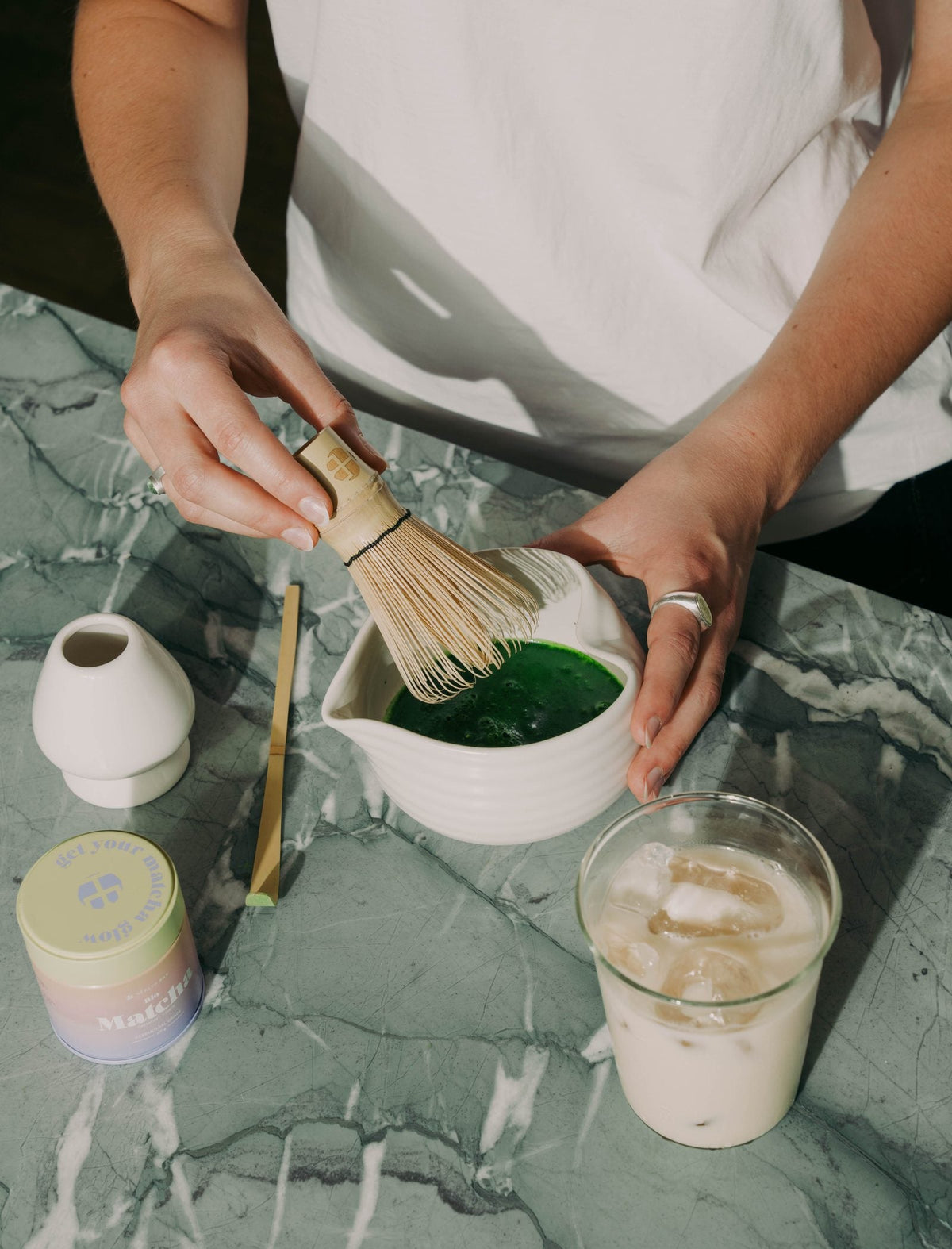
Because it's ready in three minutes and still feels like a little ritual: put it in the bowl, add water at 70–80 °C, whisk with the bamboo whisk.
Many people use it to replace their first coffee. One serving of matcha contains around 60 mg of caffeine, a cup of filter coffee about 90 mg.
Yes, they go well together. Many start with a bowl of matcha and then drink a pot of sencha. It is brewed from whole leaves, tastes fresher and lighter, and can be infused two to three times.
For preparing matcha, we recommend:
For Sencha you need:
Yes, cold-brewed sencha tastes particularly mild and sweet. Add about 10 g of sencha to 1 litre of cold water and let it steep in the fridge for 3 to 6 hours. Then strain it; you can use the leaves a second time.
Yes, all our teas come from certified organic cultivation. We value the highest quality and guarantee that no pesticides or synthetic fertilizers are used.
Matcha is drunk as a powder made from the whole leaf, while Sencha is traditionally brewed by steeping. The two differ in preparation, taste, and ritual.
Mulberry Matcha and matcha are prepared the same way but come from two different plants. We compare origin, caffeine, taste and preparation side by side.

Soy, almond, oat or coconut: how each plant milk tastes in a matcha latte. With an overview table, a basic recipe and tips on which matcha suits which milk.
If your matcha tastes harsh, the water is usually too hot. The right temperature for warm and iced matcha, tricks without a thermometer and other reasons for sharper notes.