


Coffee Alternatives
You're looking for an alternative to coffee – but without sacrificing enjoyment?
Matcha and Hojicha are two Japanese tea varieties that have established themselves as popular coffee alternatives in recent years. Many people appreciate them as part of their morning or break routine because they taste significantly different from classic coffee.
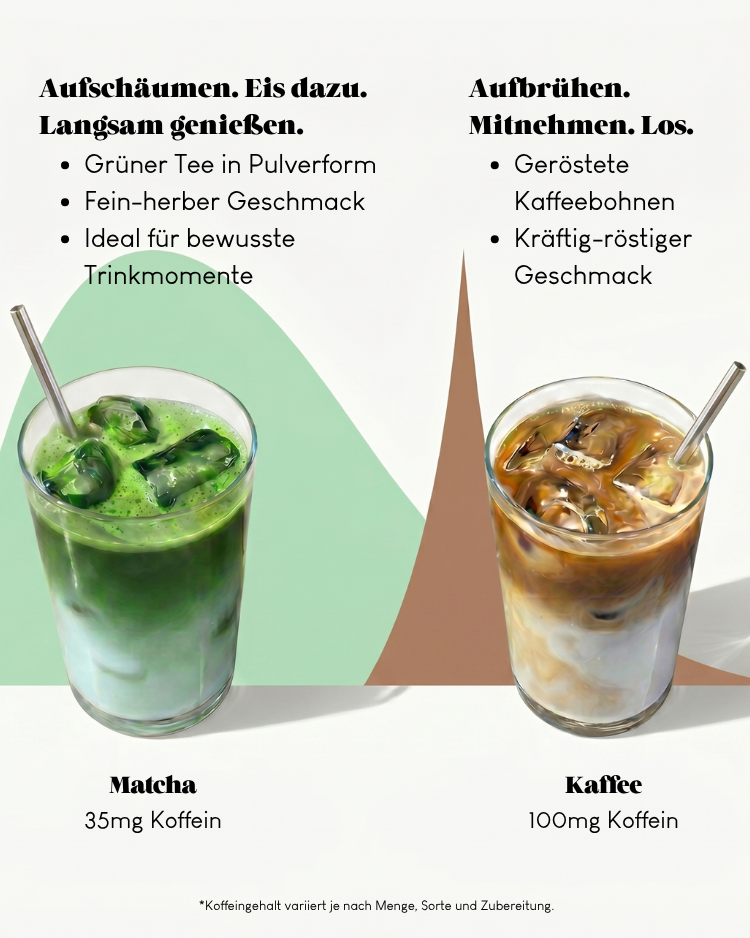
Matcha vs. Coffee
Matcha vs. coffee: ritual instead of rush
Coffee and matcha are part of many people's daily drinking routines.
Matcha naturally contains caffeine and is traditionally drunk as a tea in calmer moments. It also contains L-theanine, a naturally occurring amino acid.
Many people include matcha in their morning routine because it differs from coffee in taste and preparation.
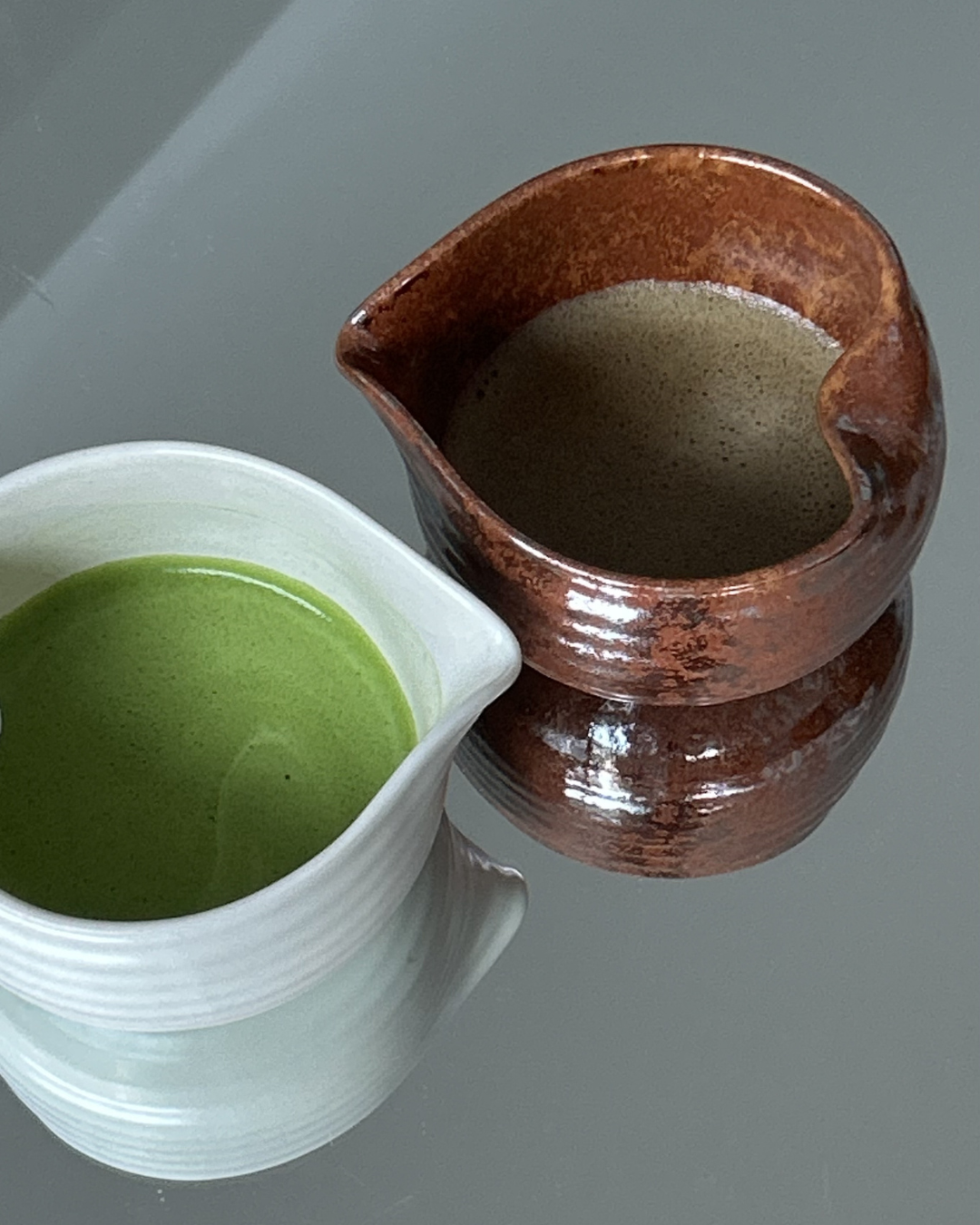
Hojicha is a roasted green tea with a lower caffeine content and a mild, warm flavour profile.
- Regular price
-
$29.50 - Regular price
-
$34.00 - Selling price
-
$34.00 $29.50
- Regular price
-
$10.00 $181.00 - Regular price
-
- Selling price
-
$10.00 $181.00 - Unit price
-
$100.00 / Per 100g
- Regular price
-
$6.00 $18.00 - Regular price
-
- Selling price
-
$6.00 $18.00 - Unit price
-
$60.00 / Per 100g

- Regular price
-
$29.50 - Regular price
-
$34.00 - Selling price
-
$34.00 $29.50

- Regular price
- from
$10.00 - Unit price
$100.00 / 100g

- Regular price
- from
$6.00 - Unit price
$60.00 / 100g

- Regular price
-
$6.00 $18.00 - Regular price
-
- Selling price
-
$6.00 $18.00 - Unit price
-
$60.00 / Per 100g
- Regular price
-
$10.00 $181.00 - Regular price
-
- Selling price
-
$10.00 $181.00 - Unit price
-
$100.00 / Per 100g
- Regular price
- from
$6.00 - Unit price
$60.00 / 100g
- Regular price
- from
$10.00 - Unit price
$100.00 / 100g
What is Matcha?
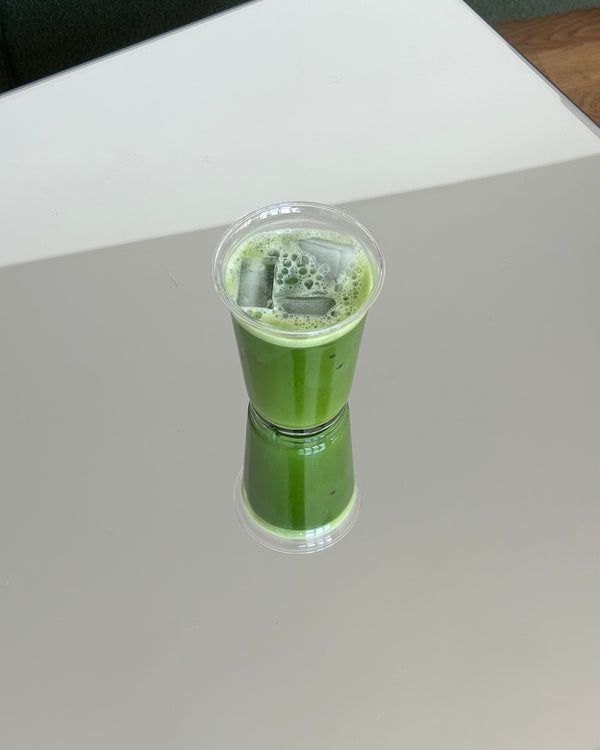
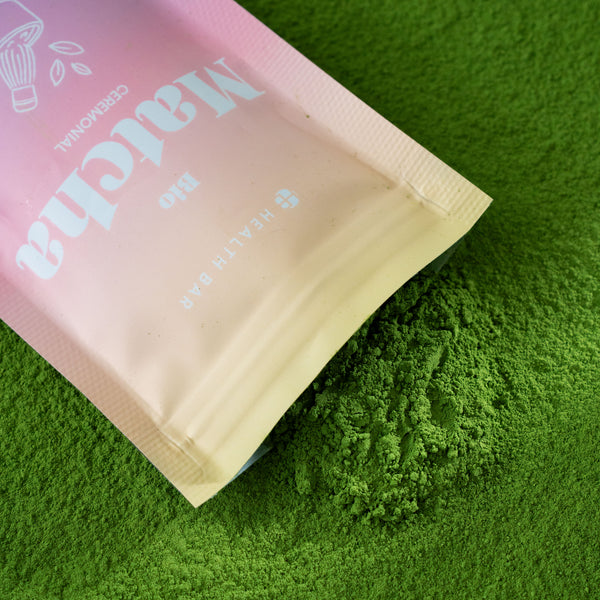
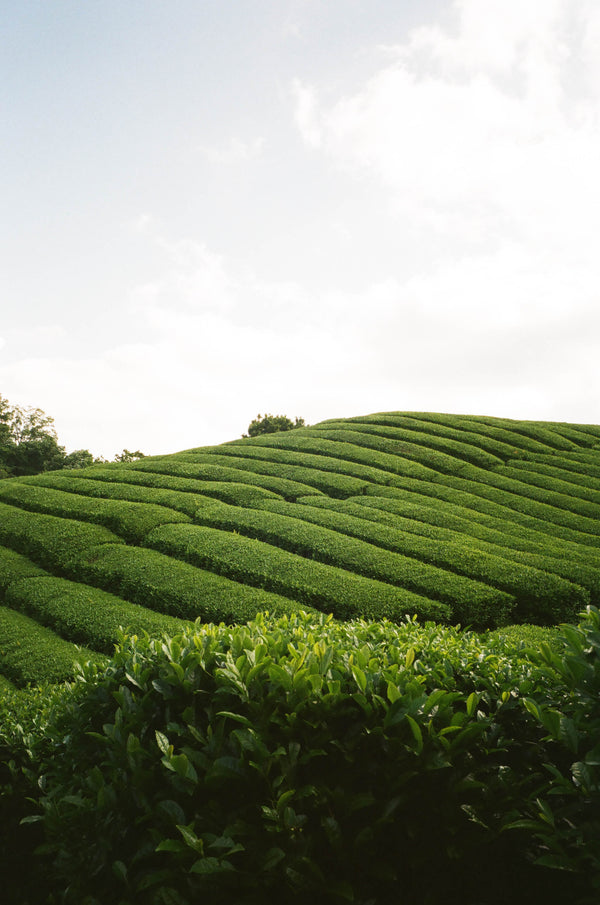
Matcha is made from finely ground green tea leaves and whisked directly with water. Unlike traditional tea, the entire tea leaf is used, which gives matcha its characteristic flavor and intense green color.
Many integrate matcha into their morning routine or enjoy it as a conscious break in everyday life.
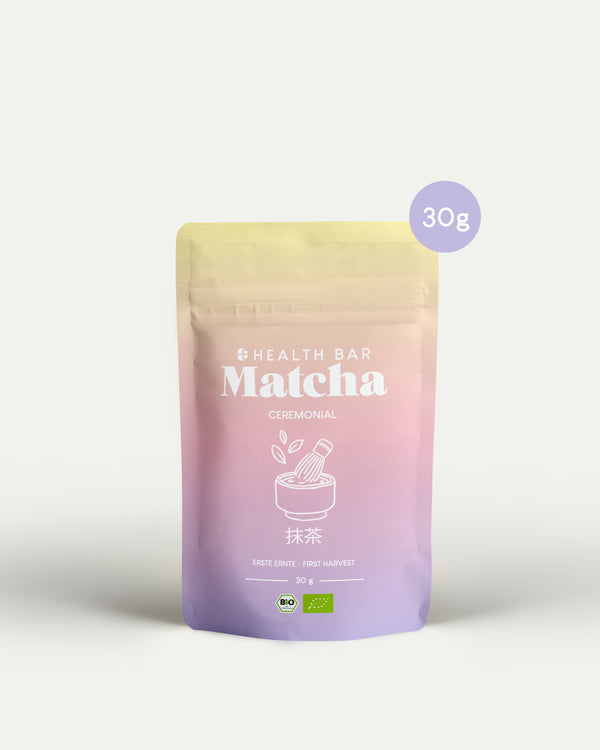
- Ceremonial Matcha is the highest quality, finest variety – mild in taste and ideal for traditional preparation.
- Traditional Matcha It is a bit stronger and more versatile, perfect for lattes, recipes and everyday use.

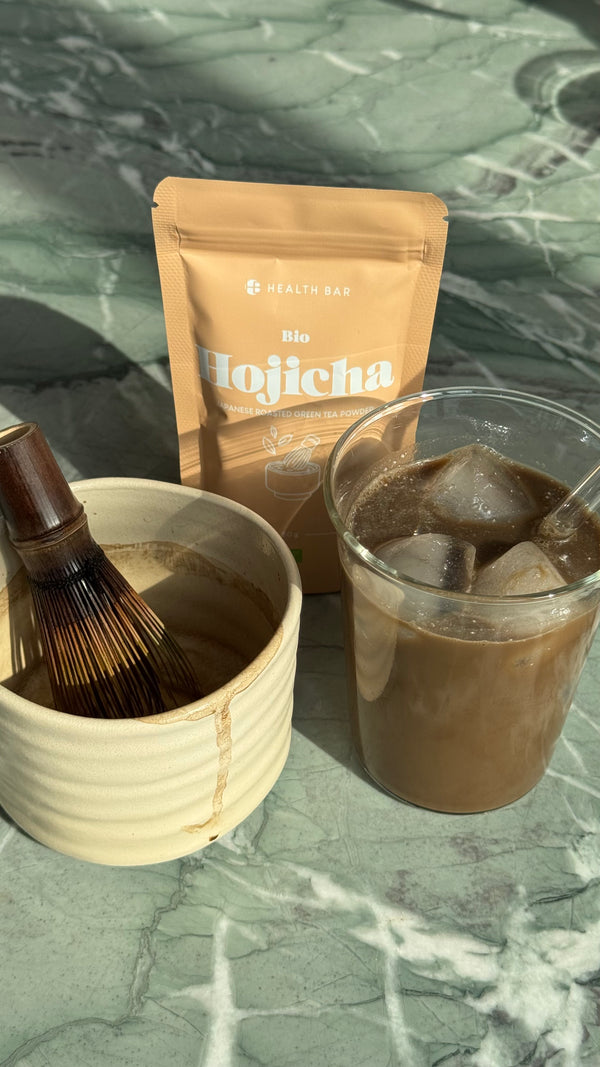
the low-caffeine alternative
What is Hojicha?
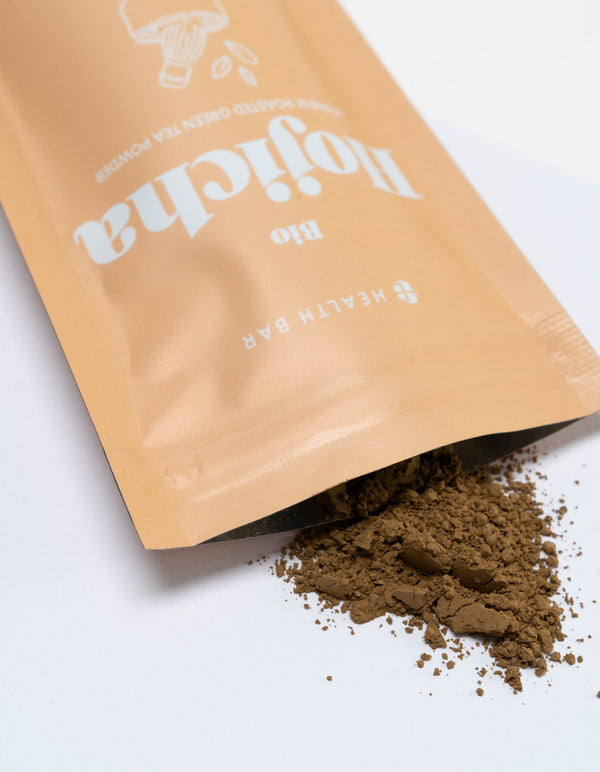
Hojicha is also a Japanese green tea – but it is roasted.
The roasting process produces:
- a mild, nutty-caramel aroma
- a significantly lower amount of caffeine
This makes Hojicha particularly interesting for anyone who:
- prefer roasted tea flavors
- I enjoy drinking tea in the afternoon or evening.
- would like to discover a milder alternative to matcha
- want to make their tea routine more varied
Our coffee alternatives
How to integrate Matcha & Hojicha into your everyday life
- as an alternative to coffee in the morning
- as an iced latte for warm days
- in the afternoon (Hojicha) for a quieter moment
- as a small ritual between two appointments

Matcha vs. Coffee – the difference in everyday life
Coffee is often associated with a quick caffeine effect, while matcha is used by many people as part of conscious everyday routines.
Especially during longer work periods, some people choose matcha as an alternative to classic hot drinks.
For whom is matcha particularly suitable?
This selection is ideal for you if you:
- you want to reduce your coffee consumption
- prefer a warm tea drink
- you want to create conscious breaks in everyday life
- want to integrate a simple ritual into your routine
Which matcha suits you best?
-
Organic Ceremonial Matcha
To the Ceremonial1st harvest · Blend
Mild, gentle and bright green: our balanced blend from the first harvest. With around 66 mg of caffeine per serving (2 g), slightly more than the Traditional.
For every day – pure or as a latte. Ideal for getting started. -
Organic Traditional Matcha
To the Traditional1st & 2nd harvest · Blend
Bolder, with a round, balanced umami thanks to the share of second harvest – it holds its own in any milk. Around 59 mg of caffeine per serving (2 g).
Our favourite for matcha lattes and drinks. -
Okumidori Matcha
To the OkumidoriSingle Cultivar · Uji
Our finest quality from the rare Okumidori cultivar: clear aroma, natural sweetness, deep umami and a smooth, soft finish.
For pure enjoyment with water.


FAQ – Coffee Alternative
Does matcha contain caffeine?
Yes. Matcha naturally contains caffeine, as the entire tea leaf is finely ground for its preparation.
Many people enjoy matcha as part of their morning routine or as a conscious moment of enjoyment in everyday life. Its taste, preparation, and tea culture clearly distinguish it from coffee.
Does Hojicha contain caffeine?
Yes, but significantly less than matcha or coffee. Therefore, it's well-suited for later in the day.
Matcha or hojicha – which coffee alternative suits me?
That mainly depends on the time of day. Matcha has around 60 mg of caffeine per serving, tastes green, creamy and umami, and replaces morning coffee for many people.
Hojicha is roasted and tastes nutty and caramel – closest to the roasted aroma of coffee. At the same time it's much lower in caffeine. That's why many people keep both in the cupboard: matcha for the morning, hojicha for the afternoon.
Can I drink both daily?
Yes – many combine Matcha in the morning and Hojicha in the afternoon or evening.
How do I easily prepare matcha or hojicha?
Place 1–2 g of matcha or hojicha into a bowl or glass.
Add approximately 60 ml of water (hot / approx. 70-80 degrees or cold) and whisk the matcha with a bamboo whisk (preferably in Z and W movements) until it is nice and creamy.
You can then drink it straight or add milk to make a latte.
The right tools for preparation:
-
 Natsume stainless steel tin - storage for matcha & teaNatsume stainless steel tin - storage for matcha & tea
- Regular price
-
$30.00 - Regular price
-
- Selling price
-
$30.00

-
 Mini Matcha Whisk Chasen made of golden bambooMini Matcha Whisk Chasen made of golden bamboo
- Regular price
-
$17.00 - Regular price
-
- Selling price
-
$17.00


