

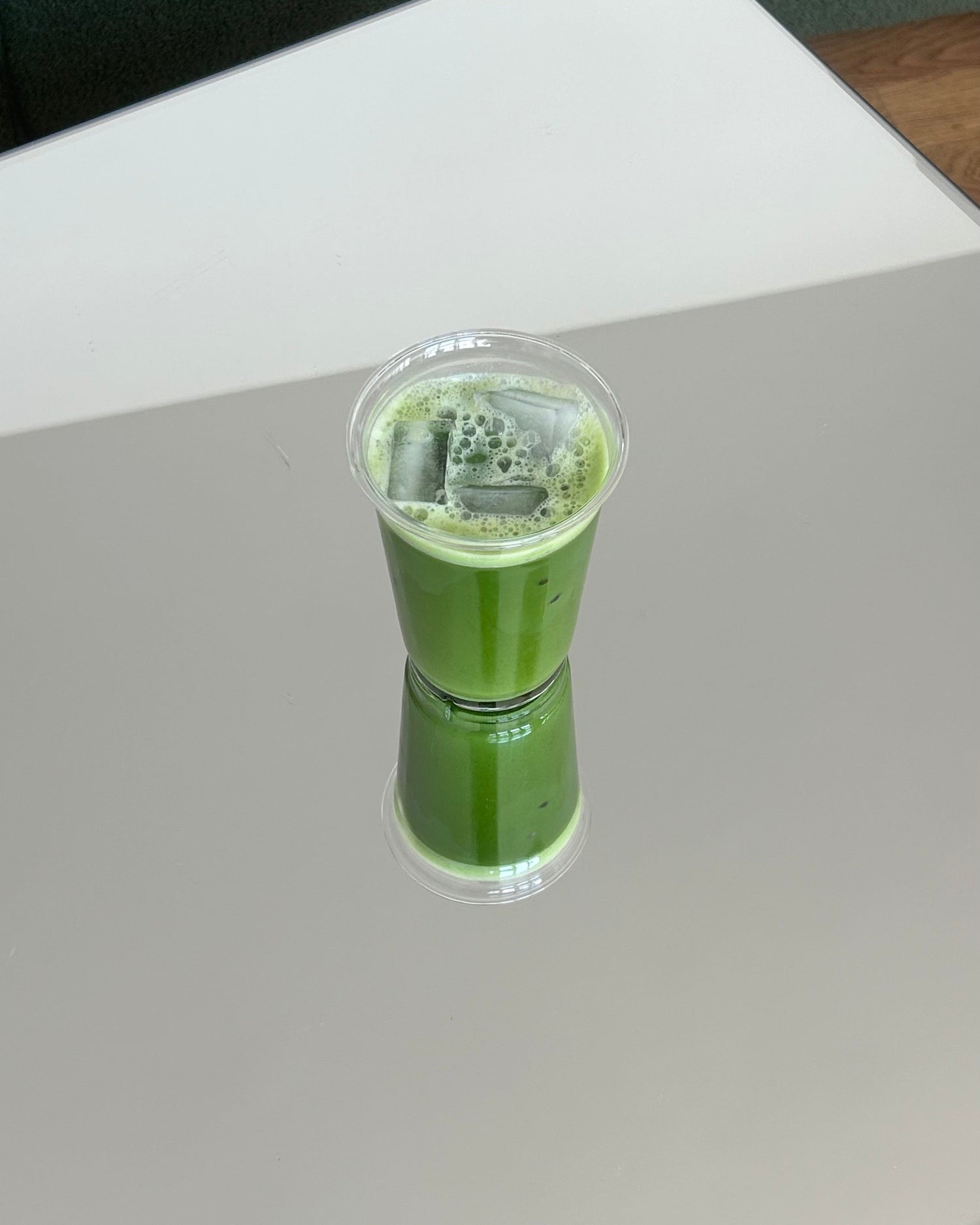
Ingredients of Matcha: What is in the green powder?
Green, greener, Matcha! The green powder has long since become the ultimate trendy drink and is currently very hyped. You've probably heard that it can do more than just look cool. But what exactly is matcha made of? Its many ingredients are more than worth a closer look.
The most important matcha ingredients
Matcha is a special type of green tea. Unlike other varieties, matcha is ground into a fine powder and not brewed as an infusion. The advantage: Because matcha uses the entire tea leaf in powder form, the beverage contains more of the tea leaf's beneficial components than traditionally brewed green tea. The exact amount can vary depending on the variety and preparation method.
Overview: Nutritional value table for 1g of matcha powder
| Angabe | Menge |
|---|---|
| Energie | 4 kcal |
| Fett | 0,0-0,1 g |
| Davon gesättigte Fettsäuren | 0 g |
| Kohlenhydrate | 0,5 g |
| Davon Zucker | <0 g |
| Ballaststoffe | 0,3 g |
| Eiweiß (Protein) | 0,3 g |
Caffeine – naturally contained
Caffeine is one of the natural ingredients in matcha. Did you know that a cup Matcha tea Can it contain about as much caffeine as an espresso? The exact caffeine content depends on the variety and the preparation method.
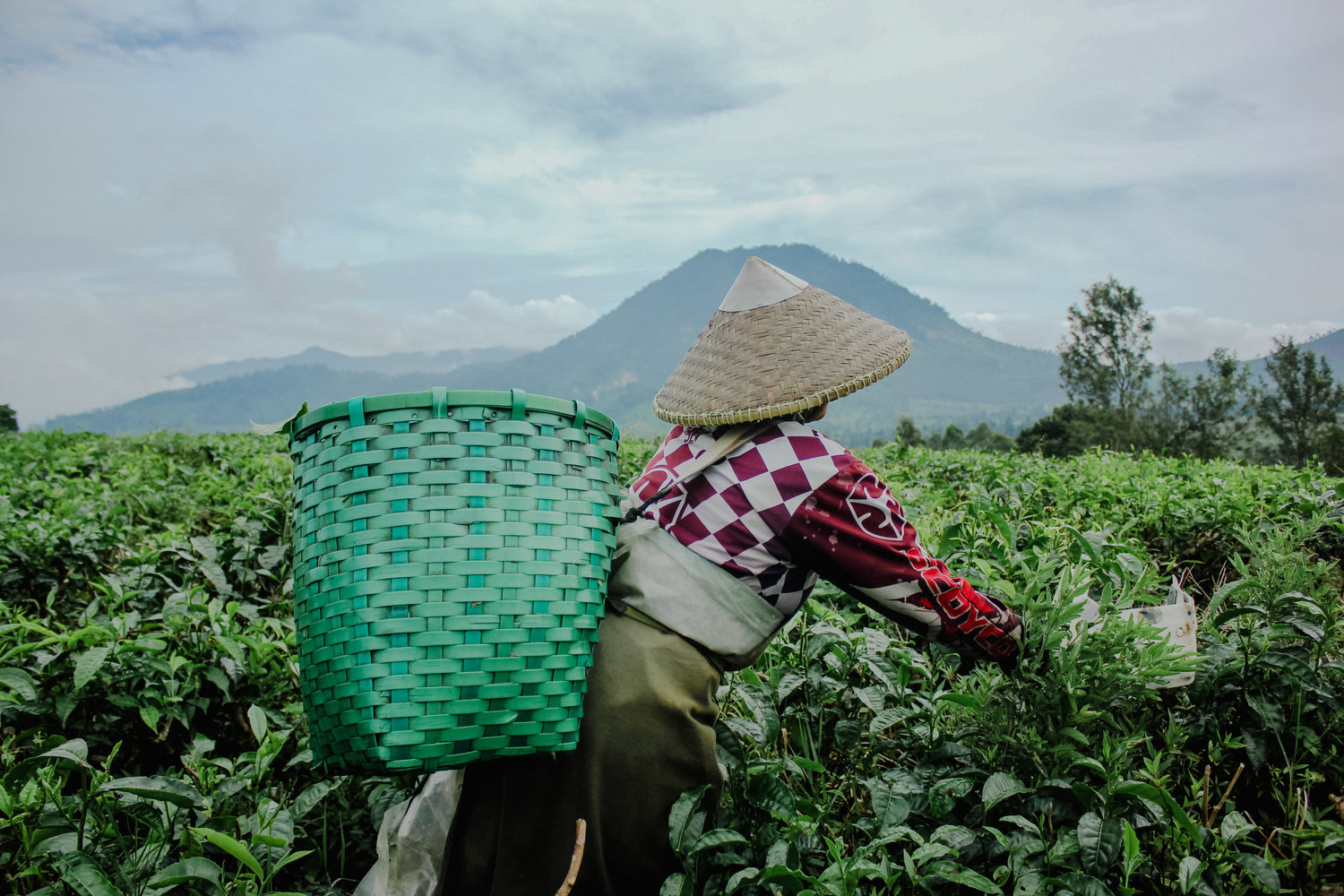
Caffeine, an ingredient in matcha, is a natural plant compound found in various beverages such as coffee, tea, cocoa, yerba mate, and guarana. Chemically, caffeine belongs to the purine alkaloid group and is a white, odorless powder with a bitter taste at room temperature.
Good to know: With us, you have the choice between our Ceremonial Matcha with 3290 mg caffeine and the Traditional Matcha with 2950 mg of caffeine per 100 g.
Catechins – natural plant substances
Other ingredients in matcha include various catechins.
These are natural plant compounds found primarily in tea – especially green and white tea. They belong to the group of so-called flavonoids.
These are secondary plant compounds that plants produce, among other things, for their own protection.
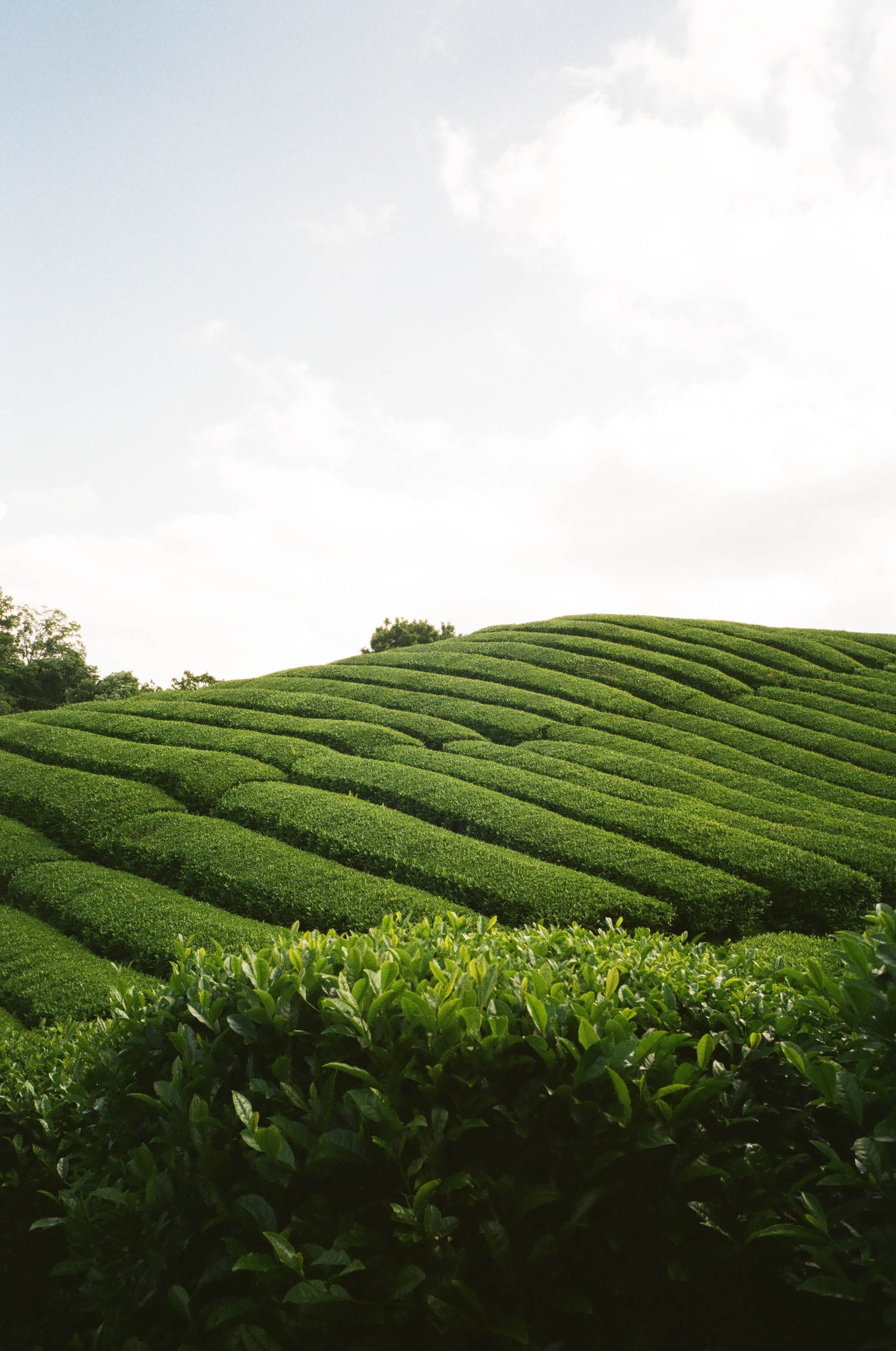
Catechins belong to the polyphenols and are natural components of the tea plant. They are present in a particularly concentrated form in matcha. One gram of matcha powder contains up to 100 mg of them.
Matcha contains various catechins. Among them, epigallocatechin gallate (EGCG) is particularly noteworthy. Catechins are also found in other foods such as apples, berries, and cocoa. They influence the taste of the tea and give it its typical, slightly bitter aroma.
L-Theanine – a special amino acid
Green teas are known for their high concentration of the amino acid L-theanine. It is found almost exclusively in tea plants and is a typical component of matcha. It contributes to the unique taste and character of this tea.
L-theanine is water-soluble – meaning that when you brew matcha, it gets into the tea water and therefore into your cup. Young tea leaves and buds contain particularly high levels of it. So when you drink matcha, you automatically consume L-theanine – a natural component that contributes to the character of your favorite tea.
Vitamins in matcha
Matcha tea contains several important vitamins. Because matcha is not heated to high temperatures, many of the vitamins it contains are largely preserved.
The most important vitamins among the
Matcha ingredients include:
● Vitamin A (in the form of beta-carotene)
● Various B vitamins
● Vitamin C
● Vitamin E
● Vitamin K
Important minerals
In addition to vitamins, matcha also contains a whole range of important minerals, including potassium, calcium, magnesium, iron, and zinc. For example, 100 grams of matcha provides around 2700 milligrams of potassium.
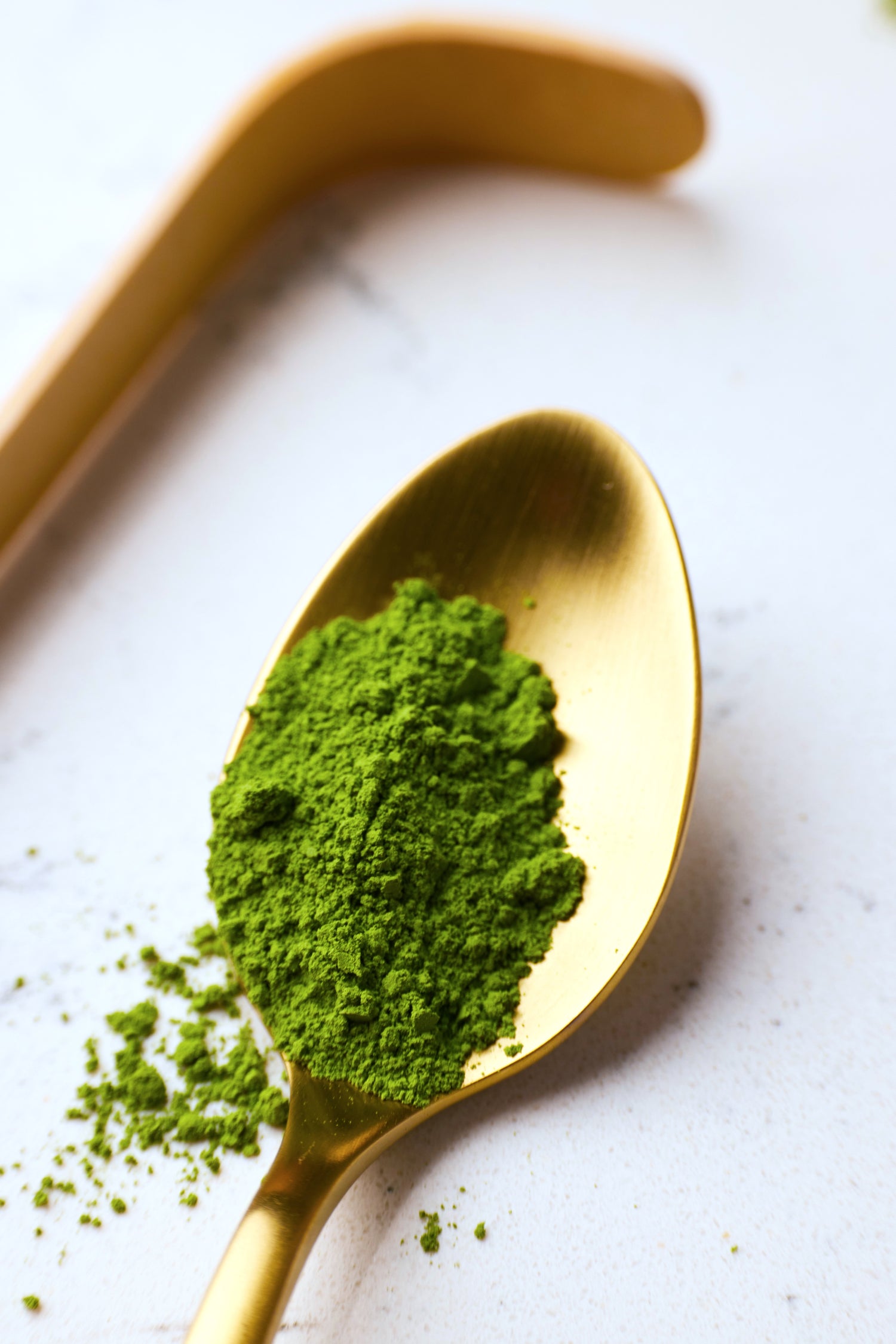
Minerals are essential nutrients that your body cannot produce itself. Therefore, you must obtain them through your diet. They belong to the so-called micronutrients, which you only need in small amounts, but which are indispensable for many important bodily functions.
Chlorophyll – the green extra
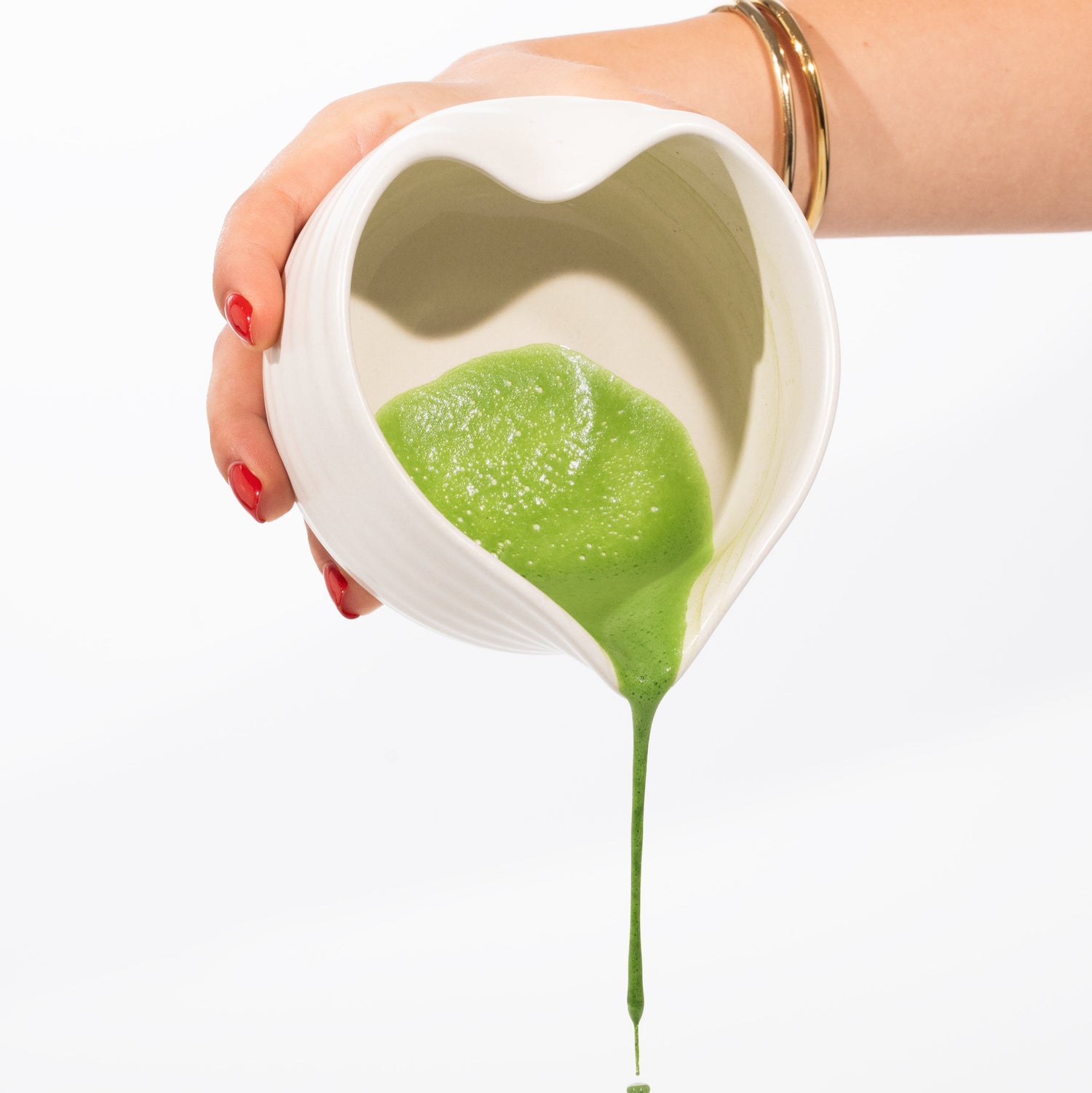
And let's not forget, if we ask ourselves: What is matcha made of? The tea's rich green color comes from chlorophyll. This is not only beautiful to look at, but also gives it its fresh taste and makes matcha truly special.
Organic factor: Why quality makes the difference
We are convinced that the best Matcha It consists of purely organic ingredients. You'll notice this not only in the taste, but also in the purity and abundance of the ingredients. This was a central concern for us from the very beginning and the reason for choosing our tea factory.
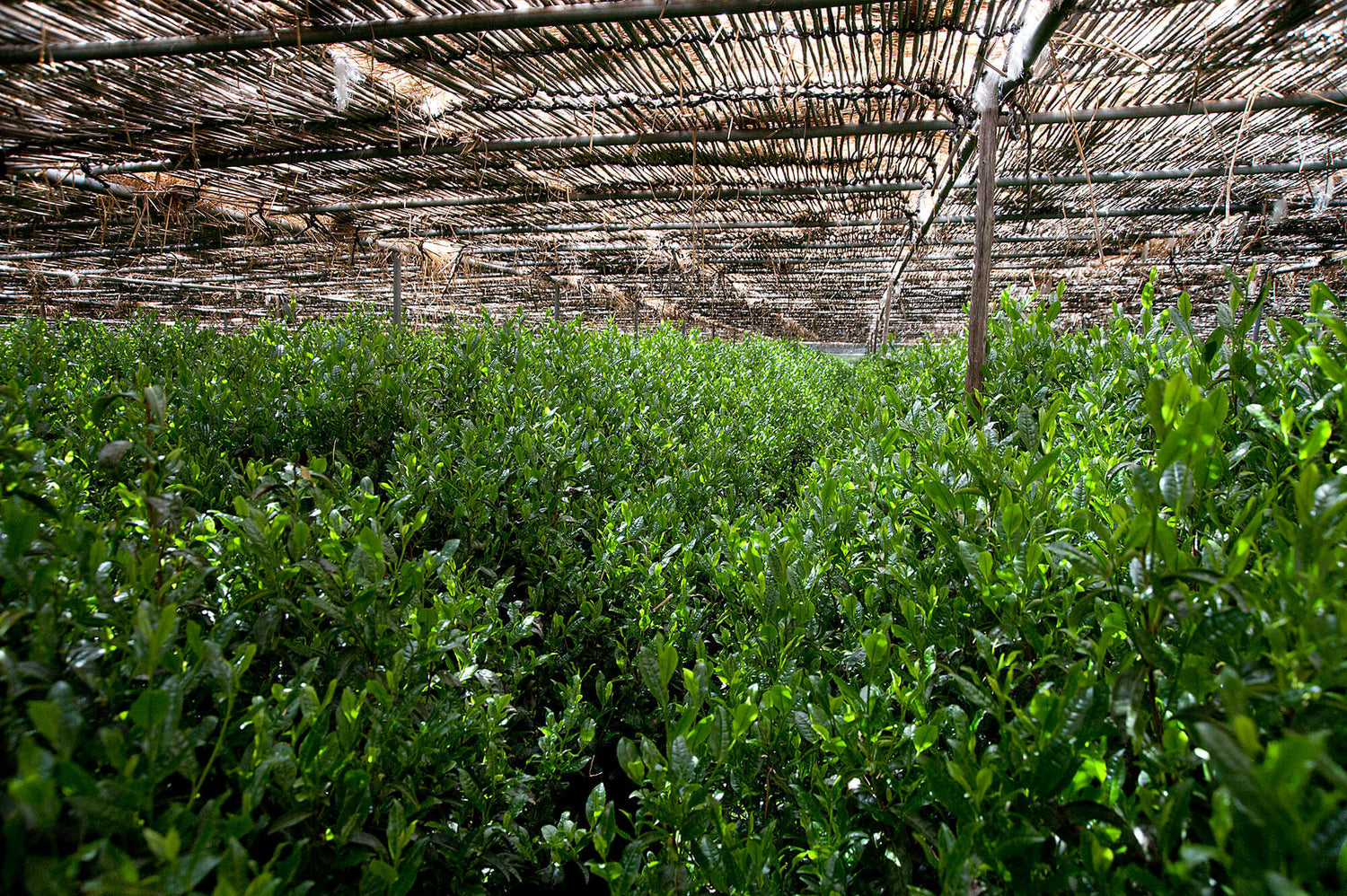
Our matcha comes from the traditional Uji region of Japan. Thanks to nutrient-rich soil, clean water, and an ideal microclimate, the tea plants here develop particularly high-quality ingredients, entirely without the use of pesticides or synthetic fertilizers. Sustainable cultivation is carried out by hand, and the plants are traditionally shaded with reeds to increase their chlorophyll content.
Regular soil and leaf analyses, as well as laboratory tests for heavy metals and radiation levels, ensure the purity of every batch. In addition, independent certification bodies such as JONA (Japan) and the German organic control system inspect the entire production chain. This is how we guarantee you: 100% organic, 0% compromises – for pure taste, the best tea ingredients, and maximum enjoyment.
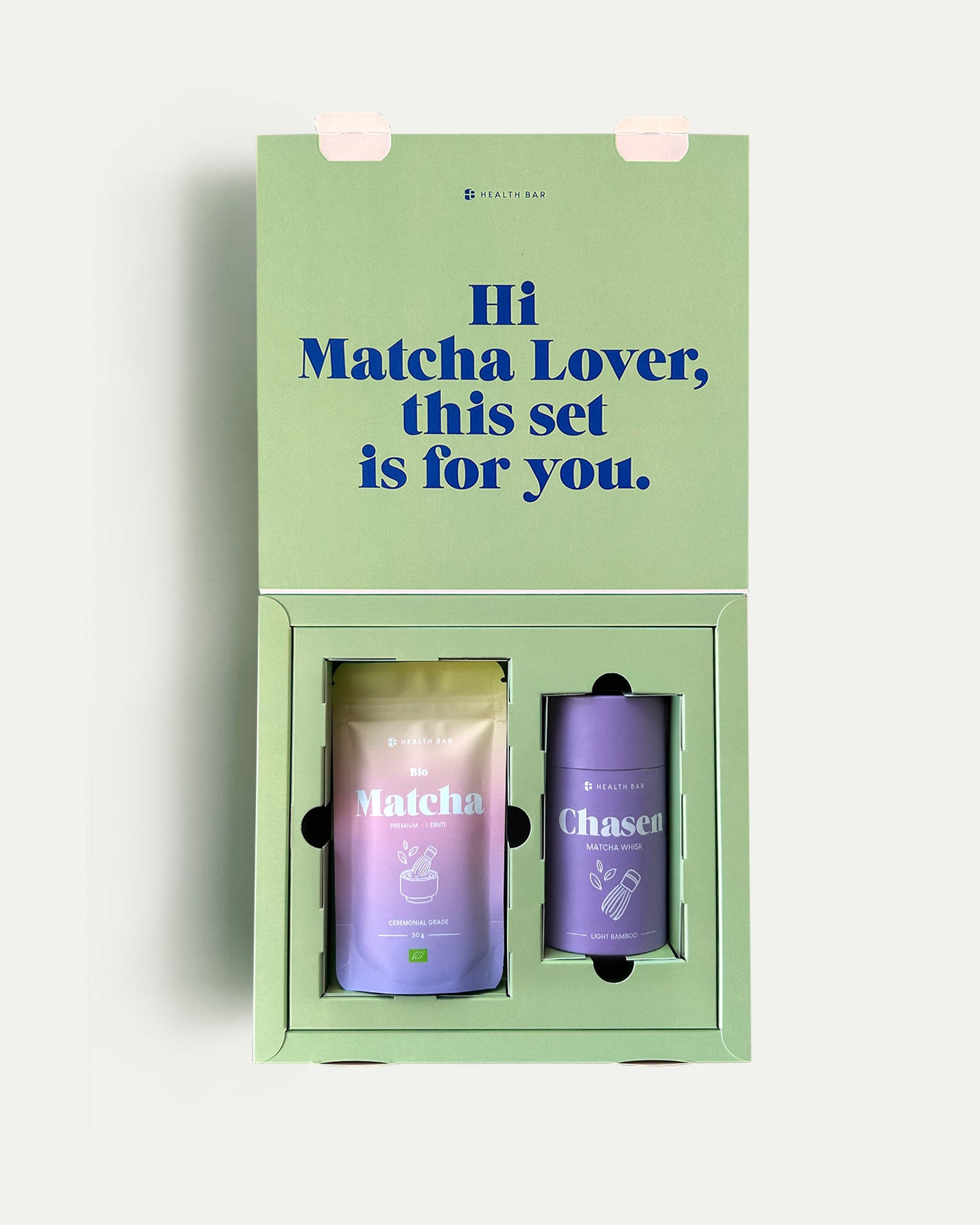
Why the starter set is ideal for you:
✔ Contains everything you need to get started with matcha
✔ The best matcha with accessories
✔ High-quality organic matcha
✔ A traditional bamboo broom for perfect results
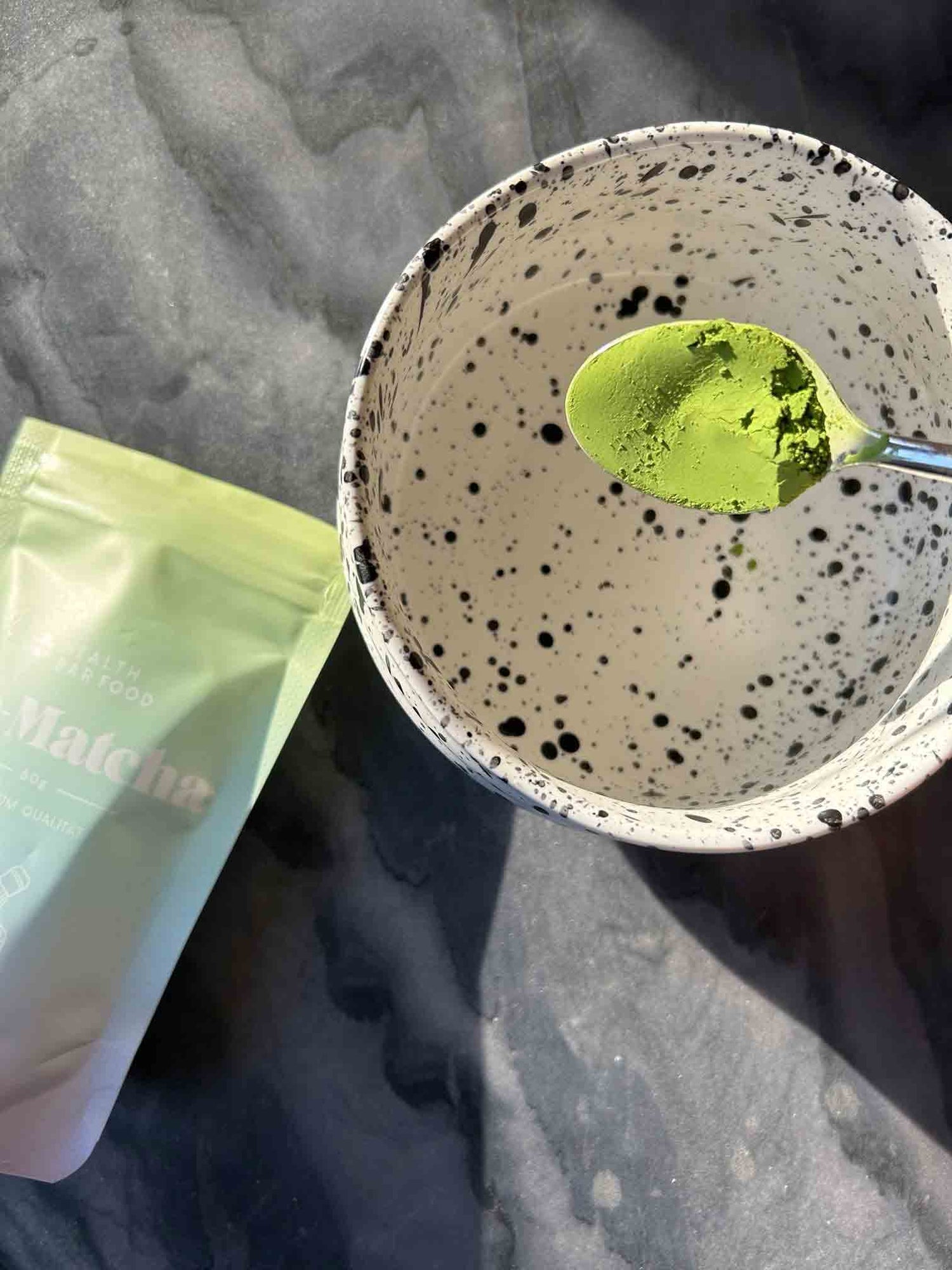
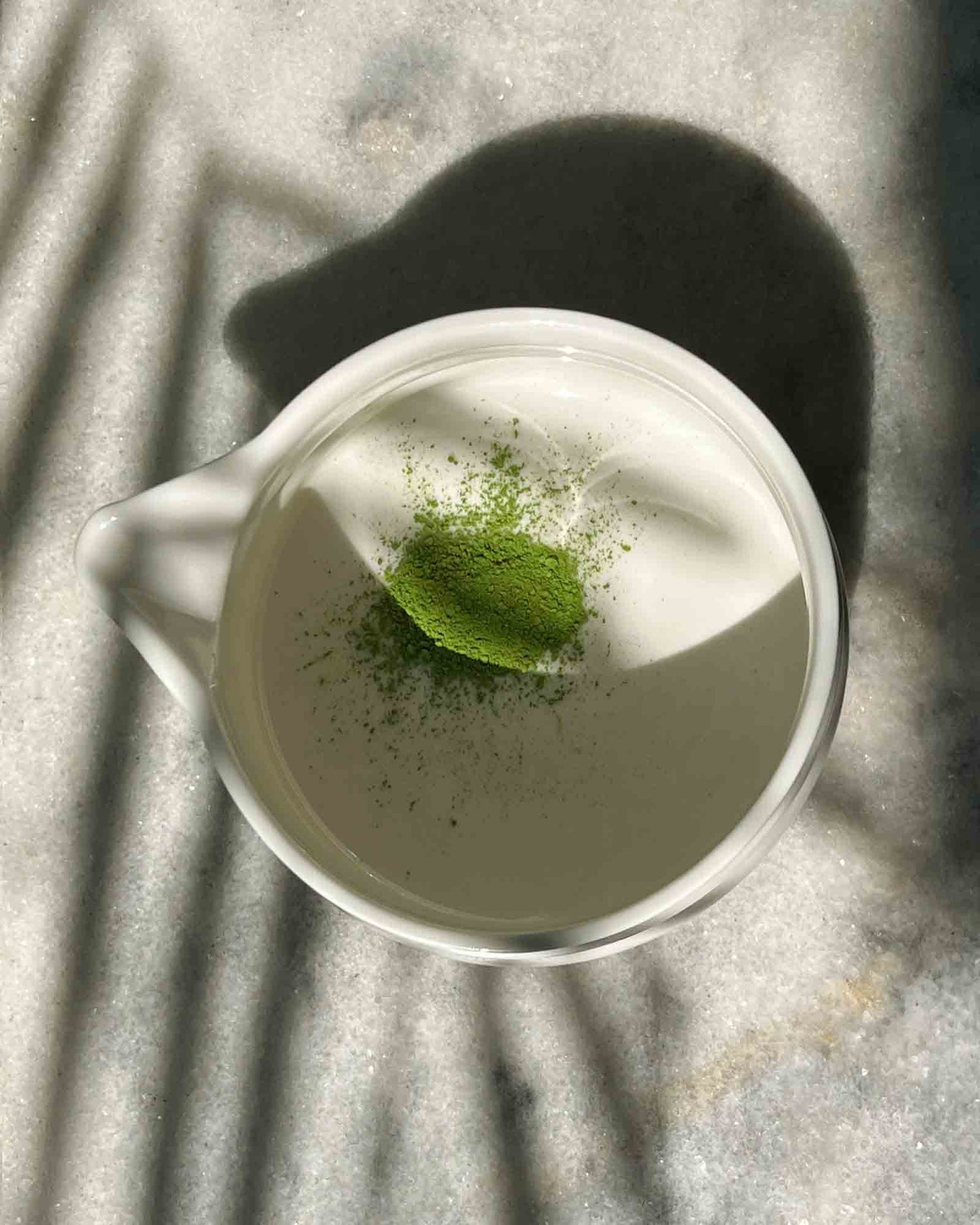
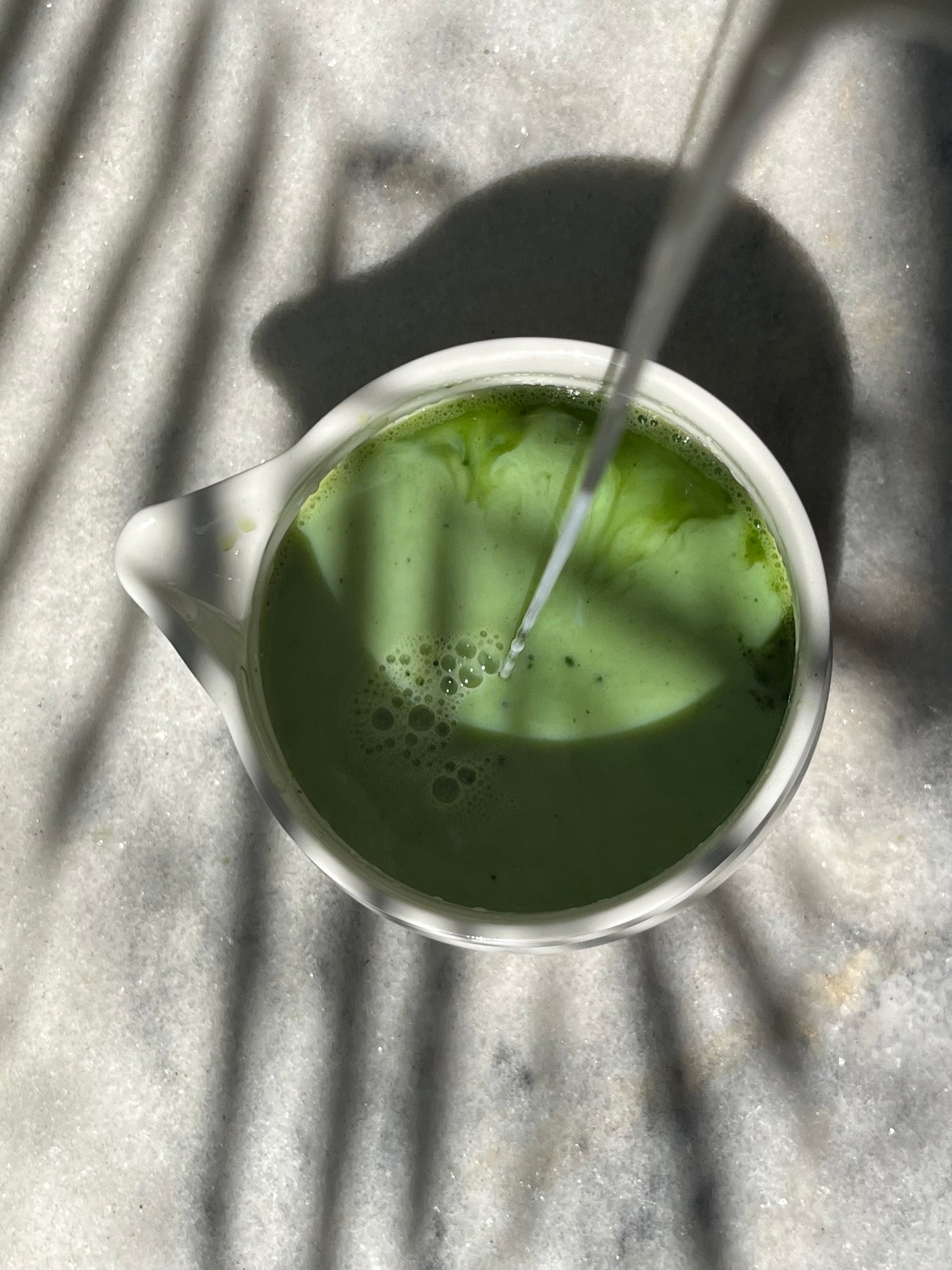
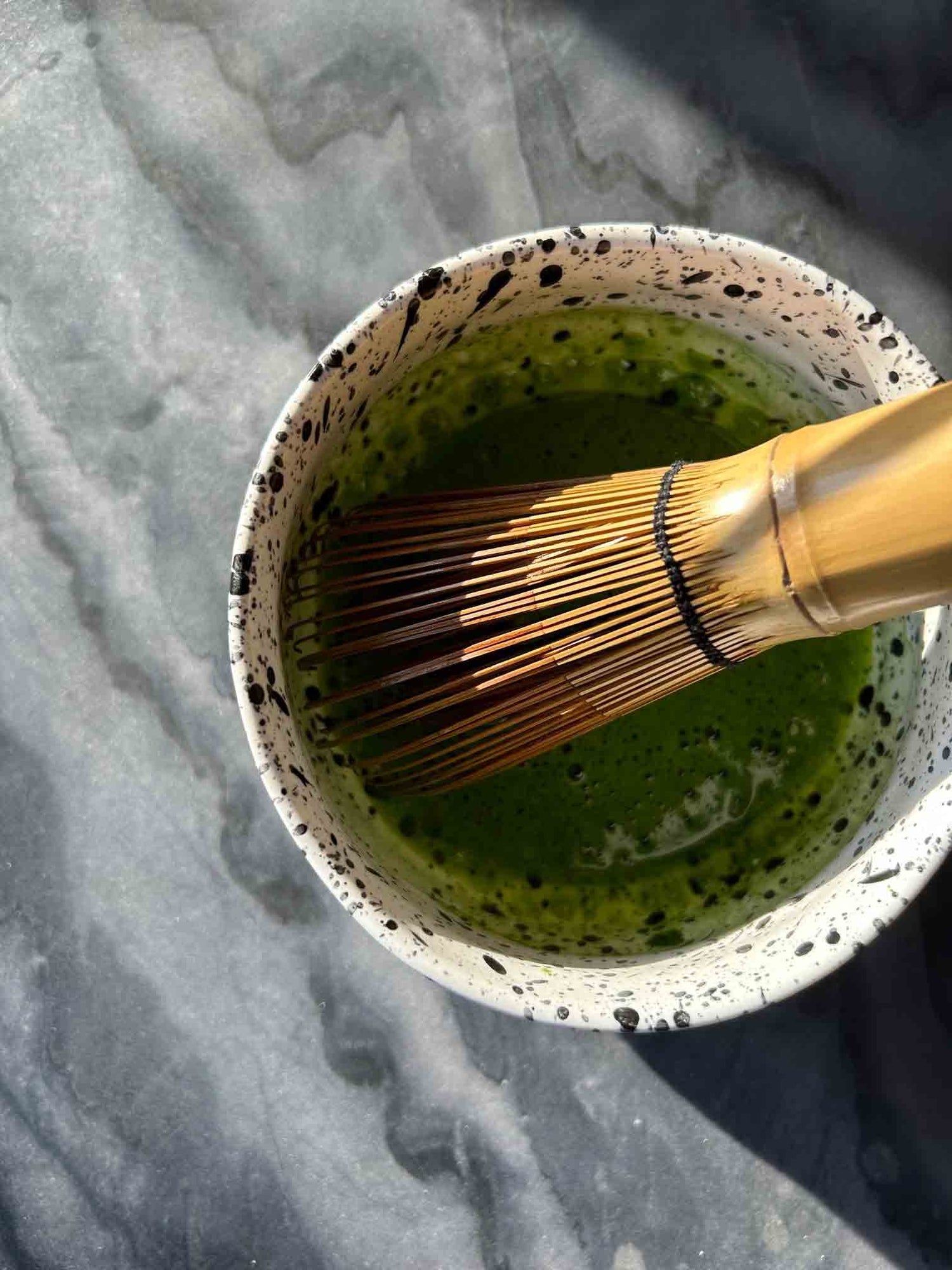
Enjoy matcha properly
Besides the production of the tea powder, the Matcha preparation Proper storage of the powder plays a crucial role in preventing damage to its valuable ingredients. You should observe the following rules:
- Do not let the water get hotter than 80 degrees. Otherwise, you will damage the ingredients and the taste.
- Use a bamboo broom (Chasen) instead of metal spoons, as metal can promote oxidation and alter the taste.
- Use soft, filtered water. Hard water can mask the flavors.
- For matcha latte, it's best to use plant-based or low-fat milk.
- Store your matcha powder in an airtight container in a dark place. Heat or high humidity will damage the tea.
- Use the powder within one to two months of opening.
FAQ: frequently asked questions about matcha ingredients
How much caffeine does matcha contain?
Matcha contains significantly more caffeine than classic green tea (30–35 mg per gram of powder) and almost as much as a cup of espresso.
How is matcha different from regular green tea?
Matcha differs from regular green tea primarily in its production method, product form, and consumption. Green tea consists of whole or cut tea leaves steeped in hot water. Matcha, on the other hand, is consumed as a powdered drink. Furthermore, matcha is prepared before
The harvest is shaded, which gives it its characteristic flavor.
How do I recognize high-quality matcha tea?
Good matcha has a bright green, almost emerald-like color, indicating fresh leaves and a high chlorophyll content. It has a delicate, slightly sweet, and fresh aroma, not fishy or musty. The powder should also be very finely ground and have a velvety texture.
Buy matcha:
-
Für Einsteiger
 Organic Ceremonial Matcha Tea – 30g (can)Organic Ceremonial Matcha Tea – 30g (can)
- Regular price
-
800,00 Kč - Regular price
-
- Selling price
-
800,00 Kč - Unit price
-
2.666,67 Kč / Per 100g

-
Bestseller
 Organic Ceremonial Matcha TeaOrganic Ceremonial Matcha Tea
- Regular price
-
260,00 Kč 4.000,00 Kč - Regular price
-
- Selling price
-
260,00 Kč 4.000,00 Kč - Unit price
-
2.600,00 Kč / Per 100g
-
 Organic Matcha Tea, TraditionalOrganic Matcha Tea, Traditional
- Regular price
-
230,00 Kč 2.930,00 Kč - Regular price
-
- Selling price
-
230,00 Kč 2.930,00 Kč - Unit price
-
2.300,00 Kč / Per 100g
-
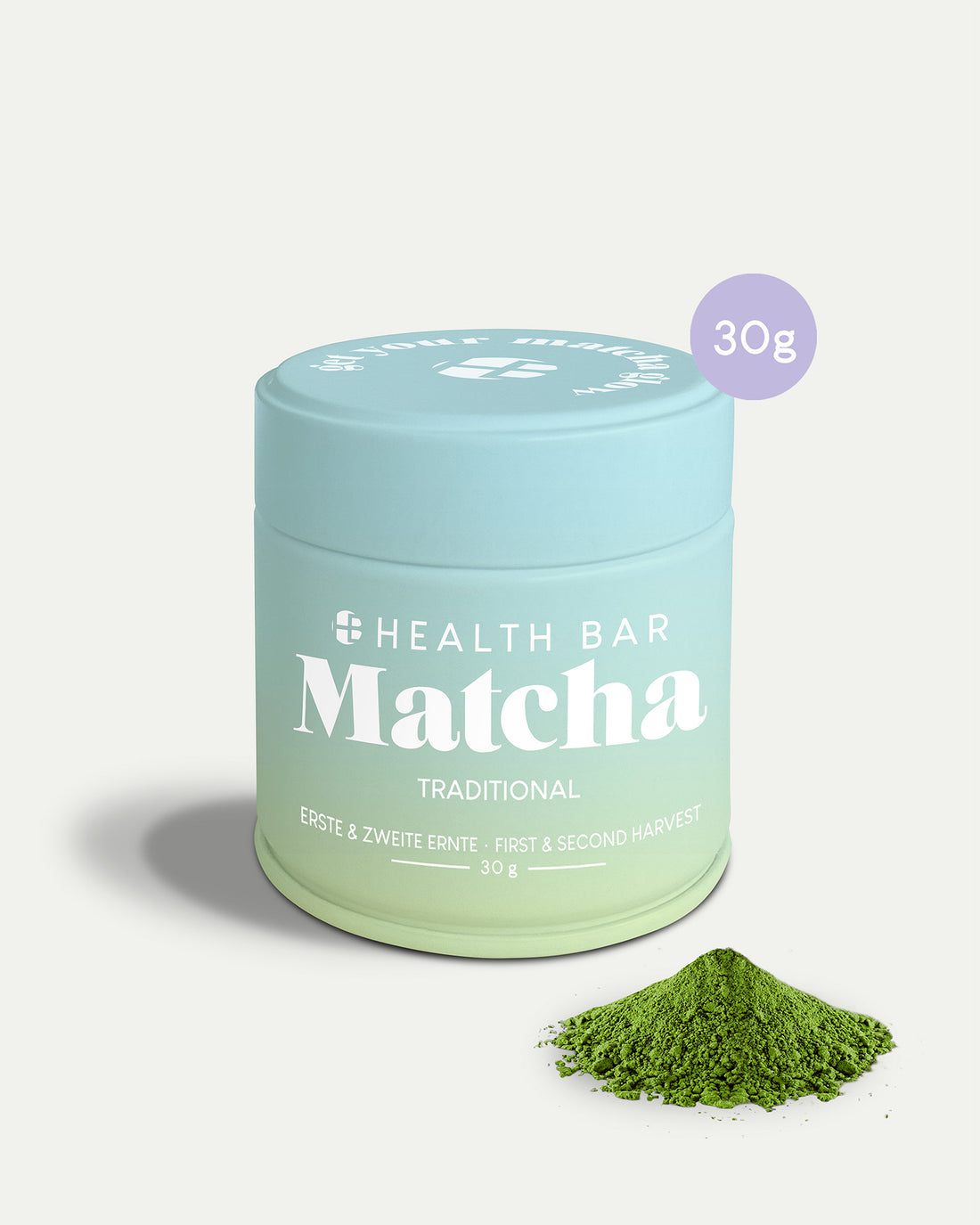 Organic Traditional Matcha Tea – 30g (can)Organic Traditional Matcha Tea – 30g (can)
- Regular price
-
690,00 Kč - Regular price
-
- Selling price
-
690,00 Kč - Unit price
-
2.300,00 Kč / Per 100g


