


Bio Hojicha Tea
4 products
-

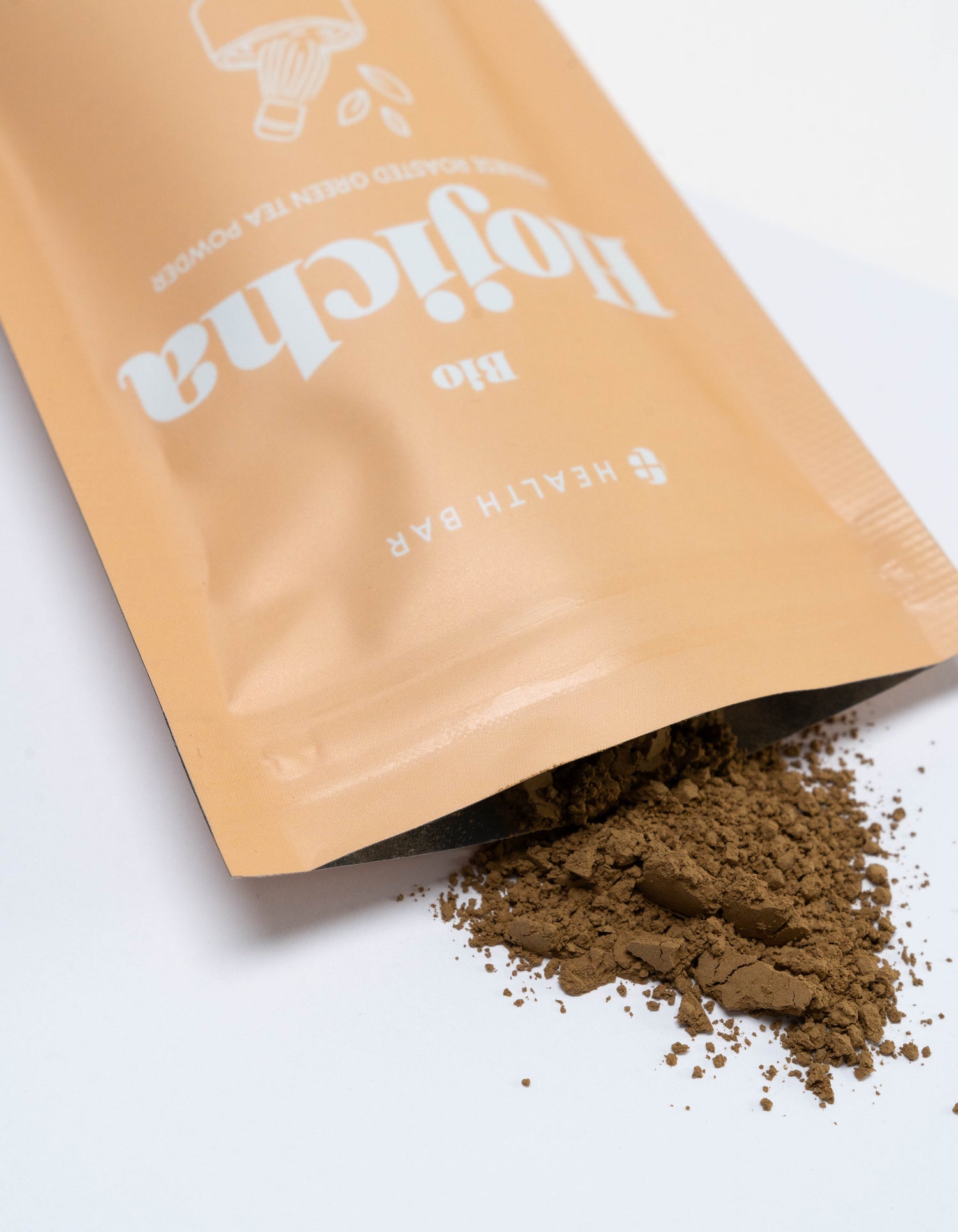
 Organic Hojicha Powder – Roasted Green Tea from JapanOrganic Hojicha Powder – Roasted Green Tea from Japan
- Regular price
-
130,00 Kč 400,00 Kč - Regular price
-
- Selling price
-
130,00 Kč 400,00 Kč - Unit price
-
1.300,00 Kč / Per 100g
-
Bis zu -15%

 Organic Matcha & Hojicha Powder Set – Japanese Tea Ritual Set for Energy & CalmOrganic Matcha & Hojicha Powder Set – Japanese Tea Ritual Set for Energy & Calm
- Regular price
-
2.330,00 Kč - Regular price
-
2.701,56 Kč - Selling price
-
2.701,56 Kč 2.330,00 Kč - Unit price
-
2.330,00 Kč / Per 100g
-
Bis zu -15%

 Organic Matcha & Hojicha Powder Sampler Set – Tea Set for Getting to Know Each OtherOrganic Matcha & Hojicha Powder Sampler Set – Tea Set for Getting to Know Each Other
- Regular price
-
650,00 Kč - Regular price
-
781,96 Kč - Selling price
-
781,96 Kč 650,00 Kč
-
Bis zu -15%
 Organic Hojicha Powder Evening Set – Japanese Tea Ritual Set for Gentle RelaxationOrganic Hojicha Powder Evening Set – Japanese Tea Ritual Set for Gentle Relaxation
- Regular price
-
1.460,00 Kč - Regular price
-
1.656,23 Kč - Selling price
-
1.656,23 Kč 1.460,00 Kč


-
Organic Hojicha Powder – Roasted Green Tea from JapanOrganic Hojicha Powder – Roasted Green Tea from Japan
- Regular price
-
130,00 Kč 400,00 Kč - Regular price
-
- Selling price
-
130,00 Kč 400,00 Kč - Unit price
-
1.300,00 Kč / Per 100g
-
Bis zu -15%
Organic Matcha & Hojicha Powder Set – Japanese Tea Ritual Set for Energy & CalmOrganic Matcha & Hojicha Powder Set – Japanese Tea Ritual Set for Energy & Calm
- Regular price
-
2.330,00 Kč - Regular price
-
2.701,56 Kč - Selling price
-
2.701,56 Kč 2.330,00 Kč - Unit price
-
2.330,00 Kč / Per 100g
-
Bis zu -15%
Organic Matcha & Hojicha Powder Sampler Set – Tea Set for Getting to Know Each OtherOrganic Matcha & Hojicha Powder Sampler Set – Tea Set for Getting to Know Each Other
- Regular price
-
650,00 Kč - Regular price
-
781,96 Kč - Selling price
-
781,96 Kč 650,00 Kč
-
Bis zu -15%
Organic Hojicha Powder Evening Set – Japanese Tea Ritual Set for Gentle RelaxationOrganic Hojicha Powder Evening Set – Japanese Tea Ritual Set for Gentle Relaxation
- Regular price
-
1.460,00 Kč - Regular price
-
1.656,23 Kč - Selling price
-
1.656,23 Kč 1.460,00 Kč

What is Hojicha tea?
Hojicha is created by roasting green tea leaves at high temperatures, which gives it its characteristic nutty flavor. The roasting effect makes this tea particularly mild and digestible. Unlike other green teas, Hojicha contains less caffeine, making it an ideal tea for the evening or for those looking for a milder alternative.
Character & Special Features
In contrast to classic green tea, Hojicha through the roasting of the tea leaves. This process gives the tea its mild, roasted aroma with nutty and slightly caramel notes. Hojicha is versatile and suitable for various preparations – pure, as Hojicha Latte or in recipes.
Hojicha Latte: The new wellness trend after Matcha?
Since Hailey Bieber Hojicha tea, integrated into daily routines, is making an international comeback as a gentle alternative to matcha. Less caffeine, more roasted aromas – perfect for afternoon and evening rituals.
And also at Stefanie Giesinger Hojicha has long been an integral part of the routine.
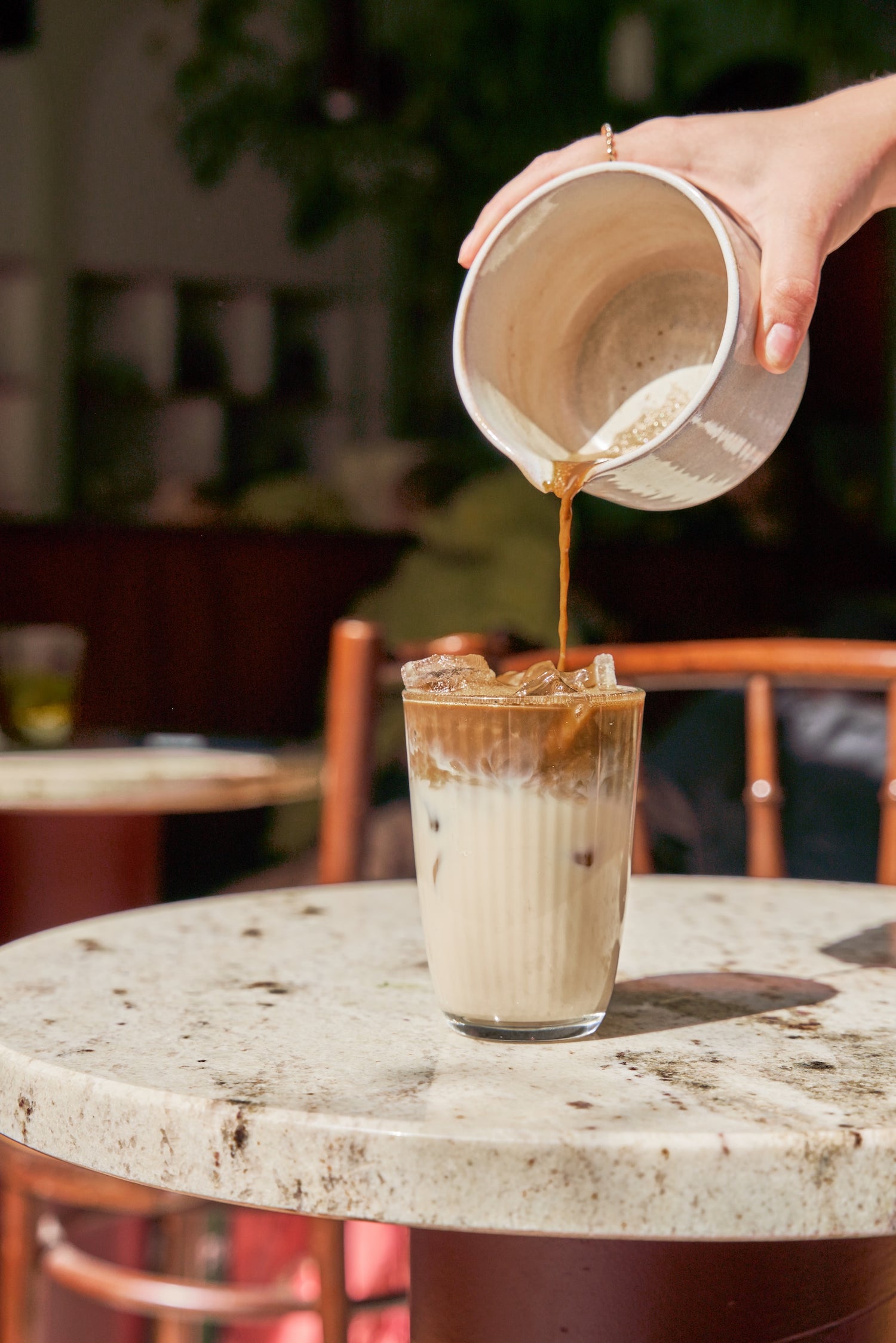
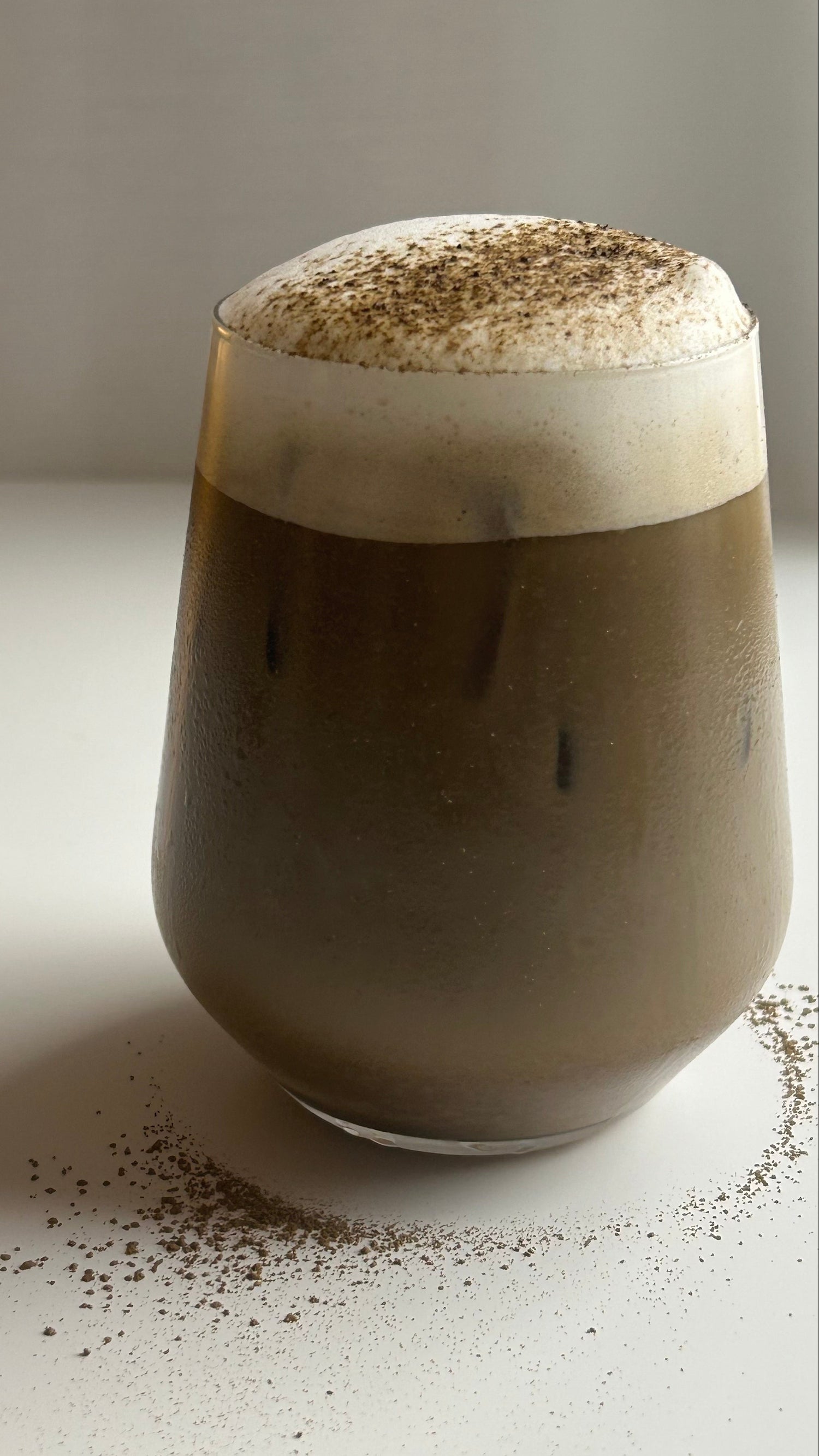
Hojicha powder, similar to matcha, can be whisked with water and milk to create a creamy hojicha latte. Prepare with a chasen or milk frother. Sweeten to taste.

-

Organic certified
Health Bar Tea is one of the few on the market with organic certification


Matcha energizes. Hojicha slows you down.
Matcha or Hojicha? The perfect daily routine
-
Matcha in the morning
- Natural energy boost from caffeine & L-Theanine
- Supports focus, clarity, and mental performance
- Rich in antioxidants – a gentle start to the day without a coffee crash
- Natural energy boost from caffeine & L-Theanine
-
Hojicha in the afternoon
Afternoon & Evening – Hojicha
- Roasting reduces caffeine → perfect for relaxing moments
- Calms mind and senses, ideal for evening rituals
- Pleasantly nutty aroma, a warm alternative to coffee.
- Roasting reduces caffeine → perfect for relaxing moments
FAQs
General information
What exactly is Hojicha tea?
Hojicha (ほうじ茶) Hojicha is a Japanese green tea that is refined through a special roasting process. Unlike classic green teas, Hojicha is heated to a high temperature after steaming, which gives it its typical brown color and mild, nutty aroma.
It is usually made from bancha or kukicha and originally comes from Kyoto.
Is Hojicha green tea?
Yes. Hojicha is a roasted green tea. The tea leaves come from the same plant as Sencha or Matcha. The difference lies in the processing: while regular green tea is steamed and dried, Hojicha is additionally roasted.
Why is Hojicha brown?
Roasting at high temperatures (approx. 150–200 °C) caramelizes the natural sugars and amino acids in the tea leaves.
This process creates roasted aromas – similar to coffee or roasted nuts – and the leaf turns brown.
Where does Hojicha tea come from?
Hojicha was originally developed in Kyoto in the 1920s. High-quality hojicha powder often comes from:
- Uji – traditional tea production
- Kagoshima – modern organic production
Health and effects
Does Hojicha contain caffeine?
Yes, but very little. This is because the heat of the roasting process causes most of the caffeine to evaporate. It's a mild option, often suitable for the evening.
How much caffeine does Hojicha contain compared to Matcha?
Average values per cup (200 ml):
- Hojicha: approximately 5–20 mg
- Sencha: ca. 20–40 mg
- Matcha: approx. 60–80 mg (Matcha contains significantly more caffeine, as the entire leaf is consumed.)
Is Hojicha suitable for the evening?
Yes, due to its low caffeine content, Hojicha is considered an ideal evening tea.
Is Hojicha gentle on the stomach?
Yes, because roasting reduces many bitter substances. This is why Hojicha is:
- low acidity
- mild
- Well tolerated by sensitive stomachs
How-to: Preparation
How do you prepare Hojicha?
Basic recipe:
- 1–2 g Hojicha powder
- 150–200 ml hot water
- Whisk with a bamboo whisk or milk frother
Similar to matcha, hojicha powder can be wonderfully blended with water and milk – whether cow's milk or plant-based alternatives – to create a creamy latte that can be enjoyed hot or cold. Simply mix the powder with a milk frother or traditionally with a chasen, sweeten to taste, and enjoy!
Also perfect for desserts: Whether in ice cream, macarons, cakes or savory snacks – Hojicha powder adds a nutty note to every dish.
- Hojicha: mild, roasty, pleasantly soft
Both teas complement each other perfectly and offer different benefits in everyday life depending on mood and occasion.
What is the ideal water temperature?
80–90 °C is optimal. Water that is too boiling can overemphasize roasted flavors.
Can Hojicha powder be prepared cold?
Yes, perfect for Hojicha Latte or Iced Hojicha:
- 1–2 g Pulver
- Stir until smooth with a little warm water.
- Top up with cold milk or plant-based milk.
Very popular as a low-caffeine alternative to Iced Matcha Latte.
taste
What does Hojicha taste like?
Typical flavor notes: nutty, caramel-like, slightly chocolatey, mild and gently smoky. Less grassy than matcha, no strong umami.
Is Hojicha powder bitter?
Not usually. Roasting creates soft, rounded aromas. Bitterness typically only occurs with overdosing.
Premium Tools & Accessoires
-
Bestseller
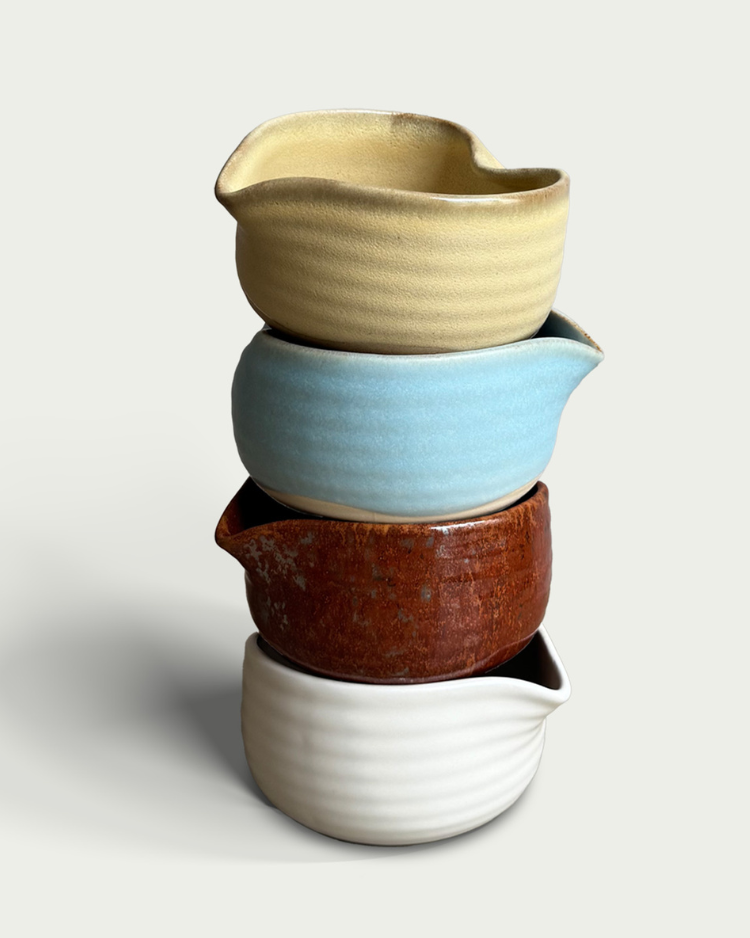 Hearty Mixing Bowl – Handmade ceramic bowl for matchaHearty Mixing Bowl – Handmade ceramic bowl for matcha
- Regular price
-
850,00 Kč 910,00 Kč - Regular price
-
- Selling price
-
850,00 Kč 910,00 Kč
-
 Natsume Stainless Steel Tin – Storage for Matcha & TeaNatsume Stainless Steel Tin – Storage for Matcha & Tea
- Regular price
-
670,00 Kč - Regular price
-
- Selling price
-
670,00 Kč

-
 Mini Matcha Whisk (Chasen) made of golden bambooMini Matcha Whisk (Chasen) made of golden bamboo
- Regular price
-
370,00 Kč - Regular price
-
- Selling price
-
370,00 Kč
-
-15%
 Matcha Bowl Set – in the design of your choice – Handmade ceramicMatcha Bowl Set – in the design of your choice – Handmade ceramic
- Regular price
-
Ab
1.450,00 Kč - Regular price
-
1.710,54 Kč - Selling price
-
1.710,54 Kč Ab1.450,00 Kč


