

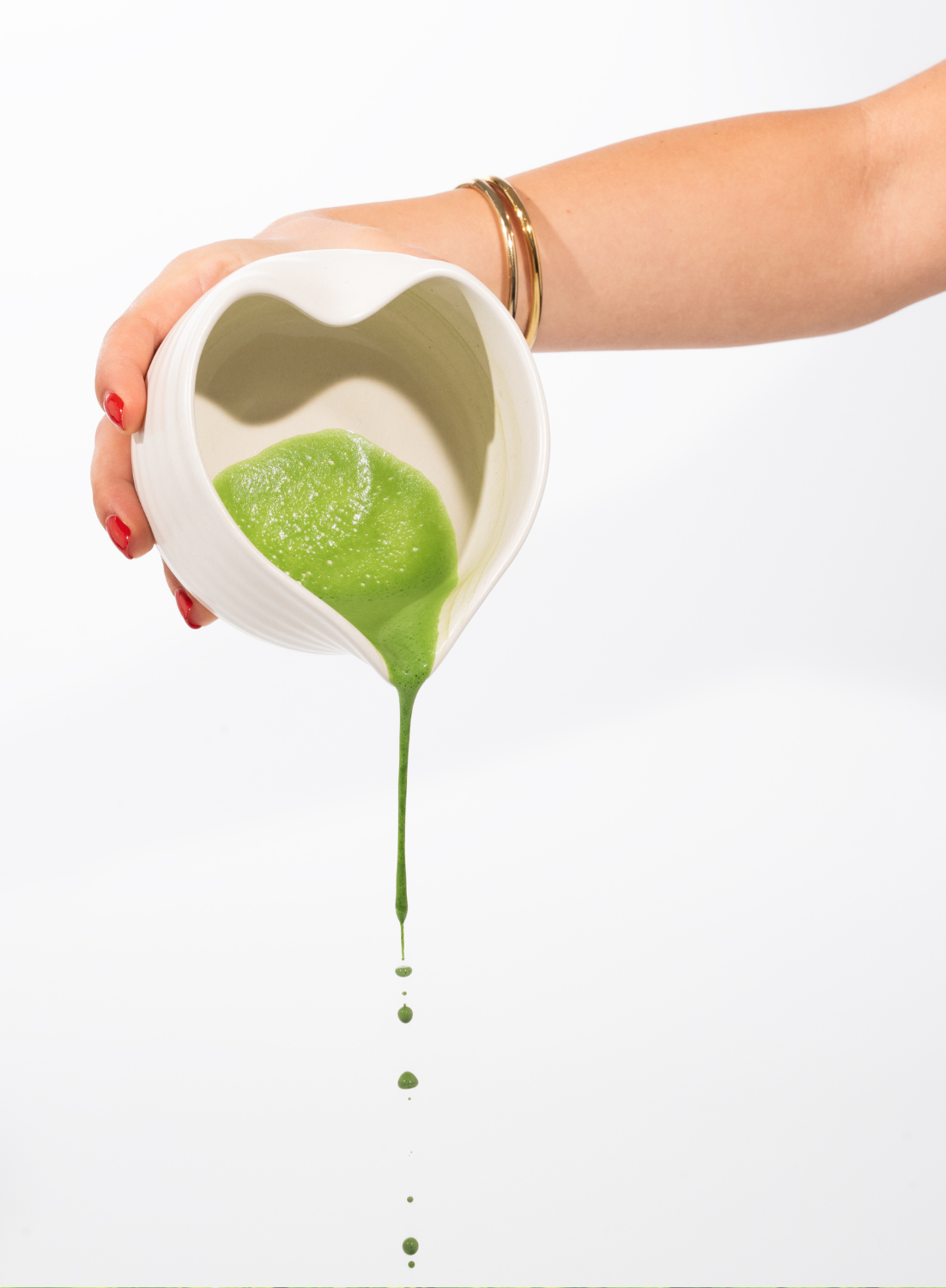
What Is Ceremonial Matcha?
What is ceremonial matcha?
Mild, creamy, rich in umami – but what's actually behind the term “ceremonial matcha”?
Matcha is finely ground Japanese green tea. Unlike classically brewed tea, with matcha the whole leaf is consumed as a powder. That's exactly what makes matcha so special – and at the same time explains why origin, growing, processing and purity play such an important role.
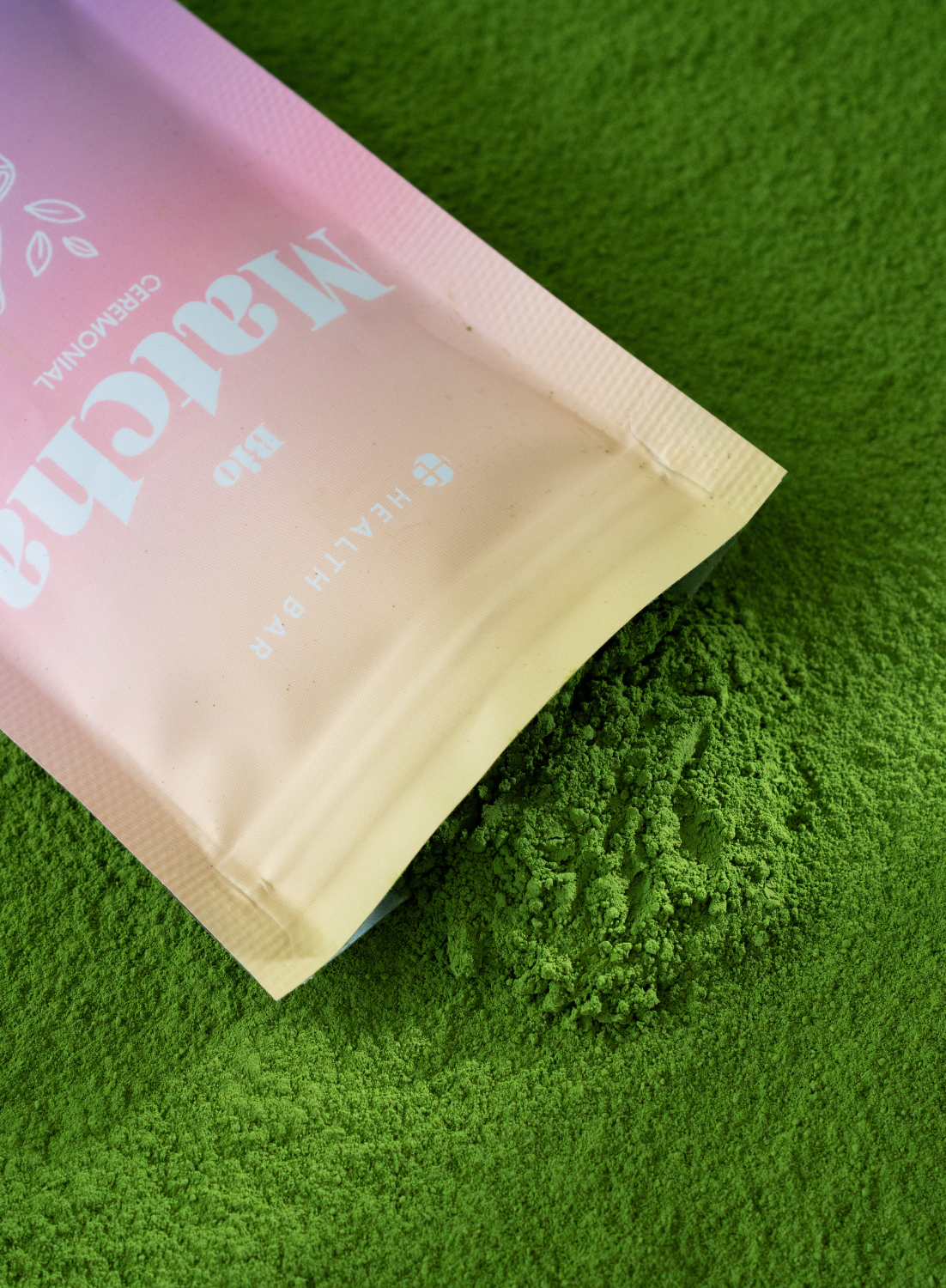
What does ceremonial matcha mean?
Ceremonial matcha is a term for matcha that's particularly suited to being enjoyed pure and typically has a fine, balanced flavour profile, a vibrant green colour and a very fine texture.
That's why it's worth taking a closer look at what's actually behind a matcha: Where does it come from? Which harvest is it from? How was it grown and processed? How finely was it ground? And how is its quality tested?
What makes high-quality ceremonial matcha?
-

First harvest
Particularly high-quality matcha uses young leaves from the first spring harvest. In other words: they're harvested in spring and are traditionally among the finest tea leaves for tencha and matcha. The time of harvest shapes the later flavour profile.
-

Shading before the harvest
An important step in making matcha is shading the tea plants before the harvest. This changes the composition of the young leaves and, among other things, creates matcha's characteristic umami. The Japanese Ministry of Agriculture describes this shading as part of traditional matcha production.
-

Finely ground
After processing, tencha is ground into a fine powder. Traditionally this is done with stone mills, which gives matcha its typical fine texture.


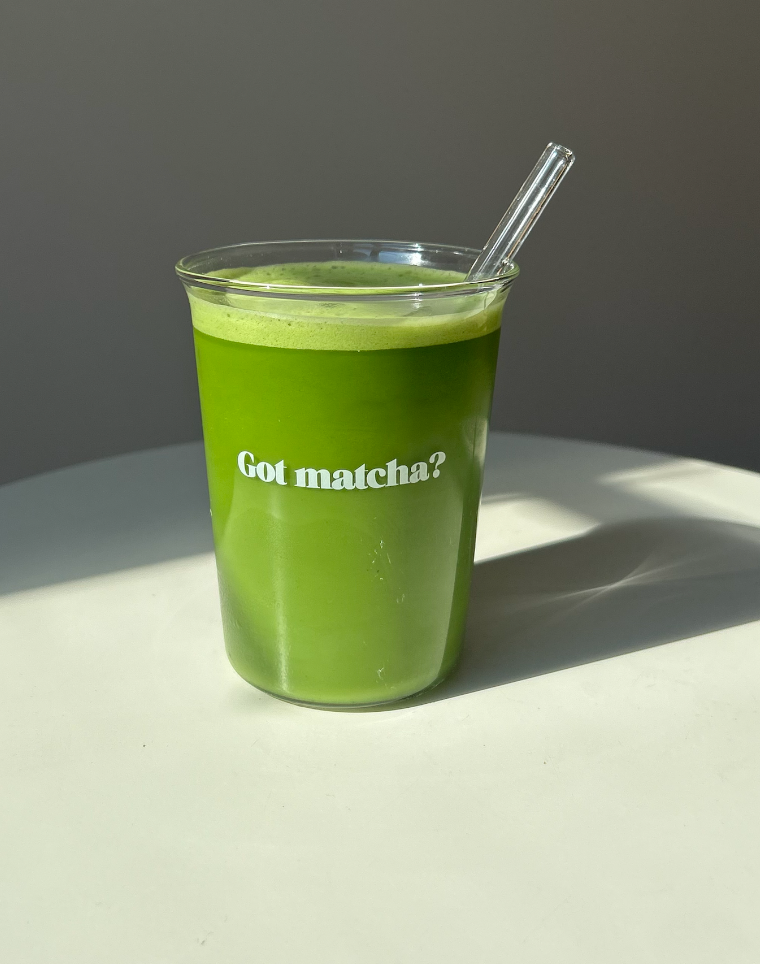
And what does ceremonial matcha taste like?
For many people, this is where the biggest difference lies.
Our Ceremonial Matcha is deliberately designed for a mild, balanced flavour profile:
Mild and balanced · creamy texture · natural sweetness · fine umami
Instead of a dominant harshness, the focus is on a soft, round taste with a long, velvety finish.
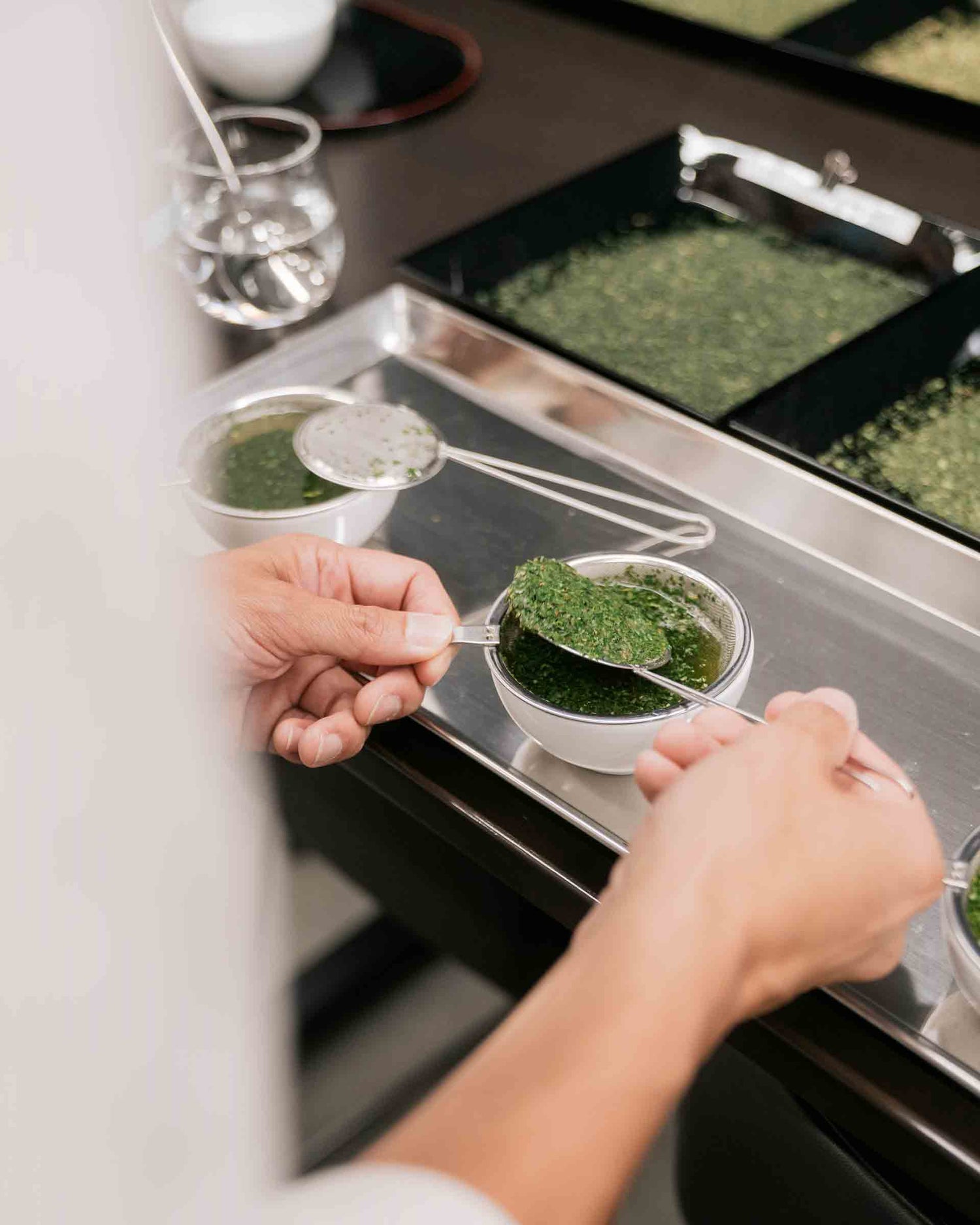
Why is organic quality particularly important for matcha?
With matcha you don't just drink an infusion – the whole tea leaf is consumed as a powder. That's why the quality of the leaves used matters so much.
At Health Bar, our matcha is certified organic and regularly tested independently, including for pesticide residues, heavy metals and microbiological quality.
How do you recognise high-quality matcha?
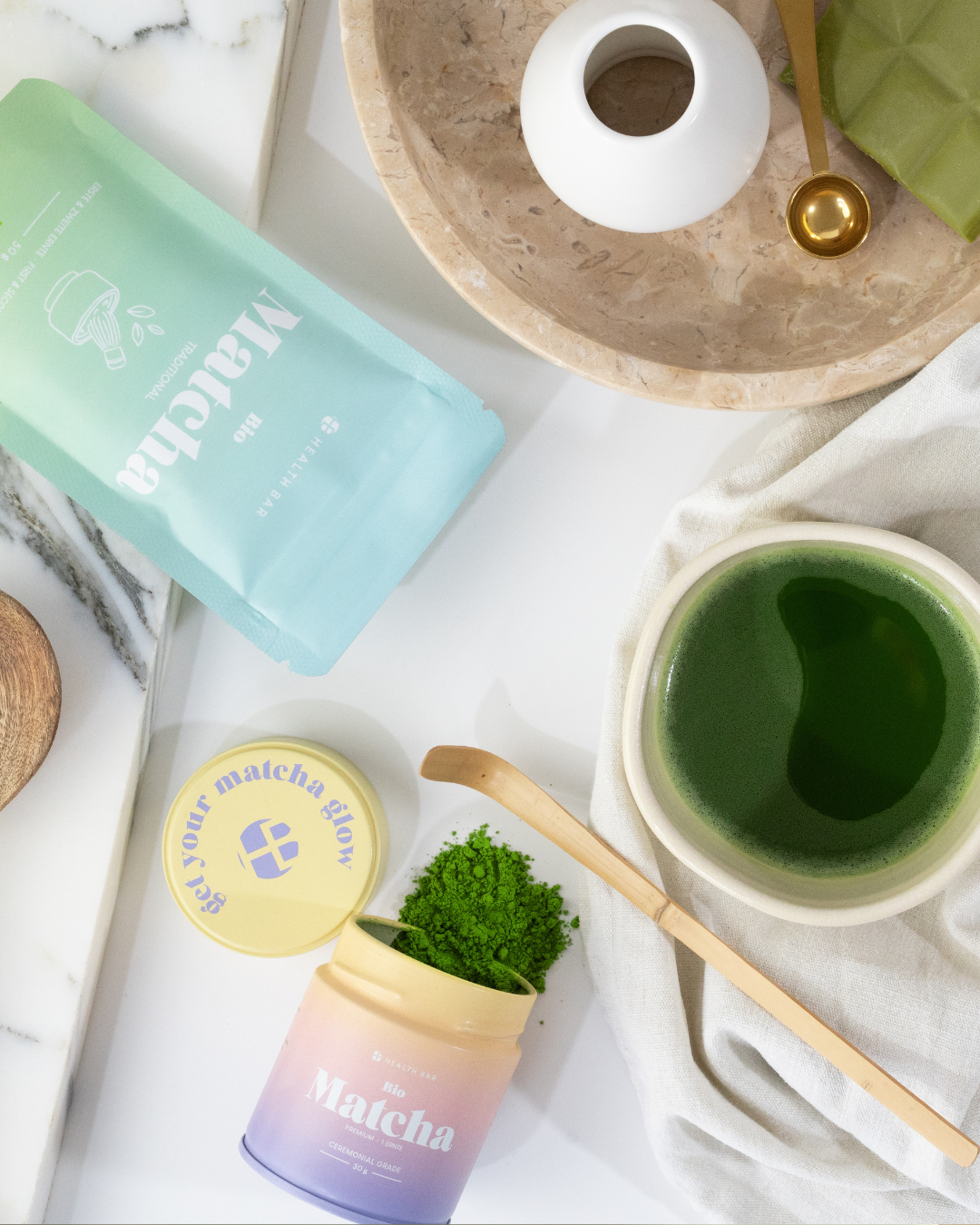
Preparing ceremonial matcha properly
Even high-quality matcha needs the right preparation. For our classic preparation, we recommend 70–100 ml of water at around 80 °C. Then whisk the matcha with the bamboo whisk in quick movements. Cold water also works for a refreshing variation.
For even more inspiration, check out our matcha recipes – from classic to iced.
Ceremonial matcha vs. other types of matcha
-
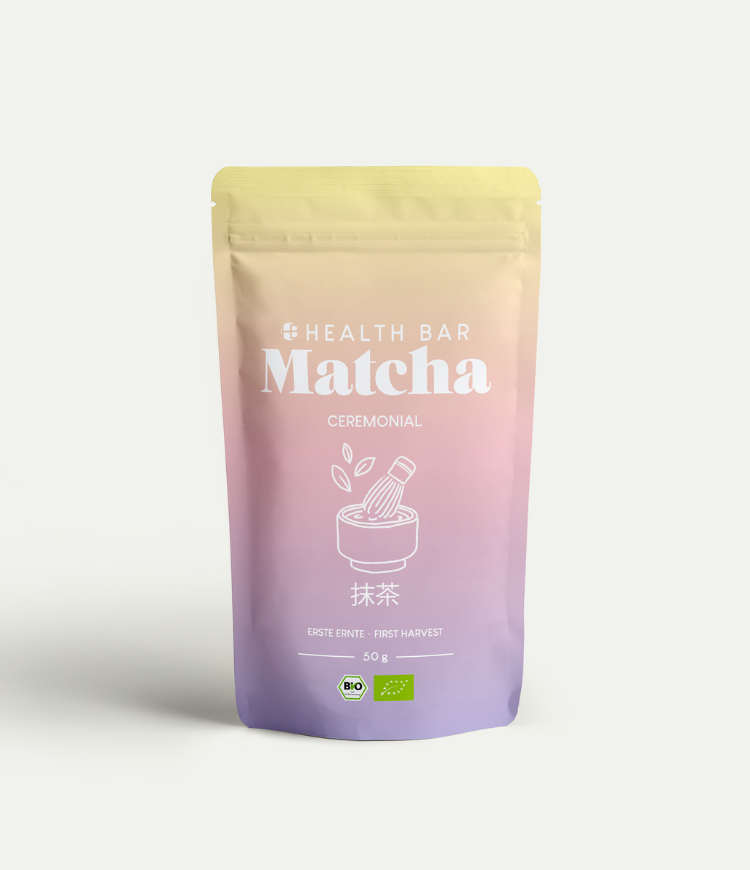
Ceremonial Matcha
To the CeremonialMild · creamy · balanced
From the first harvest. Especially lovely enjoyed pure, but just as good in a delicate matcha latte.
-
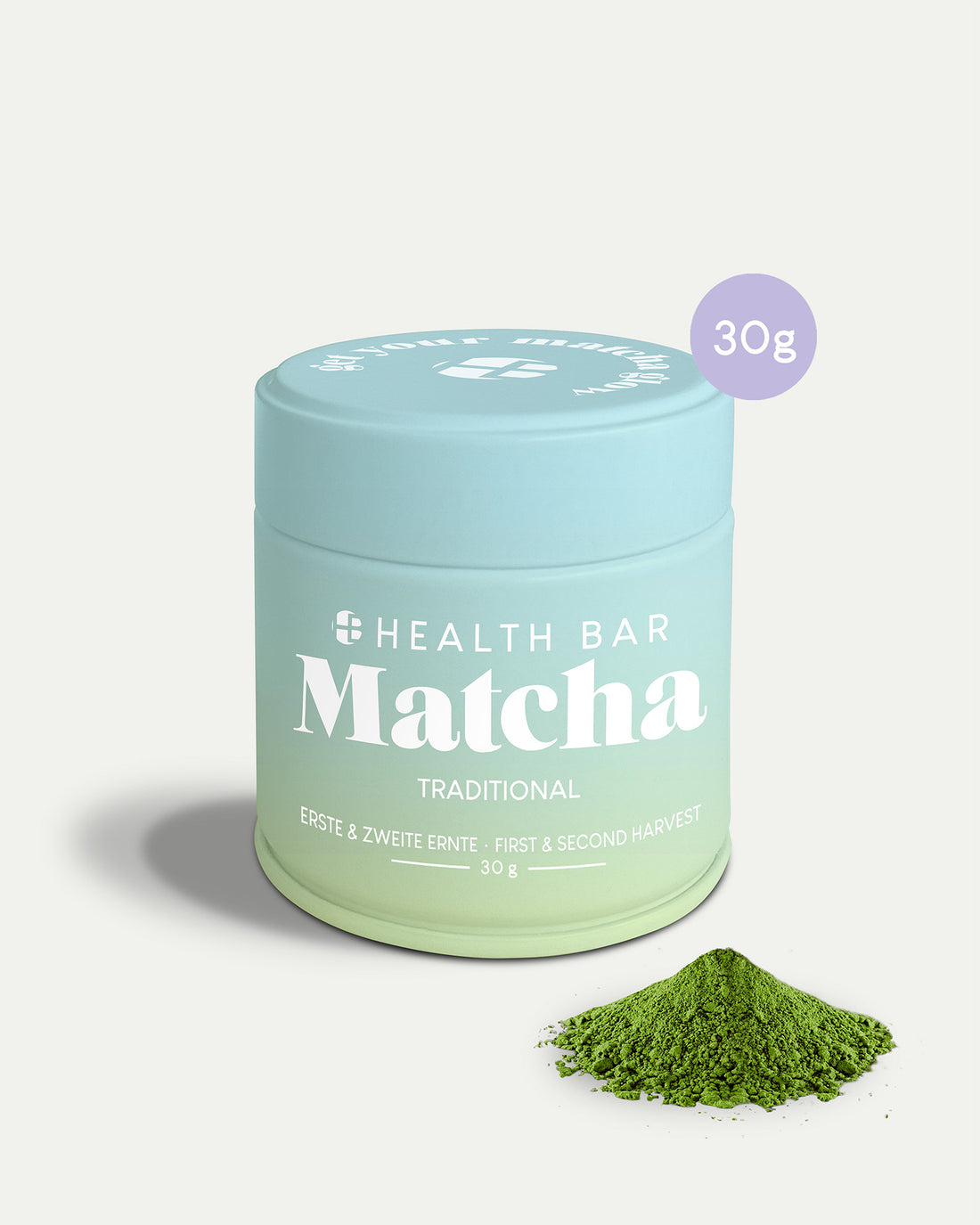
Traditional Matcha
To the TraditionalBolder · more intense · more pronounced
Thanks to its bolder character, it's particularly well suited to matcha lattes and creative drinks.
-
Single Cultivar Matcha
To the OkumidoriSingle variety · full of character · truly distinctive
Here a single cultivar takes centre stage – our Okumidori is a special example. More on this: Matcha cultivars at a glance.


Discover all matcha varieties:
-
For beginners
 Organic Matcha Powder Ceremonial from Uji – 30 g TinOrganic Matcha Powder Ceremonial – 30 g Tin
- Regular price
-
$36.00 - Regular price
-
- Selling price
-
$36.00 - Unit price
-
$120.00 / Per 100g

-
Bestseller
 Organic Matcha Powder Ceremonial from UjiOrganic Matcha Powder Ceremonial
- Regular price
- from
$31.50 - Unit price
$105.00 / 100g
-
 Organic Matcha Powder Traditional from UjiOrganic Matcha Powder Traditional
- Regular price
- from
$10.00 - Unit price
$100.00 / 100g
-
 Organic Matcha Powder Traditional from Uji – 30 g TinOrganic Matcha Powder Traditional – 30 g Tin
- Regular price
-
$31.50 - Regular price
-
- Selling price
-
$31.50 - Unit price
-
$105.00 / Per 100g


