

Notify me when available
We will email you as soon as this product is back in stock.


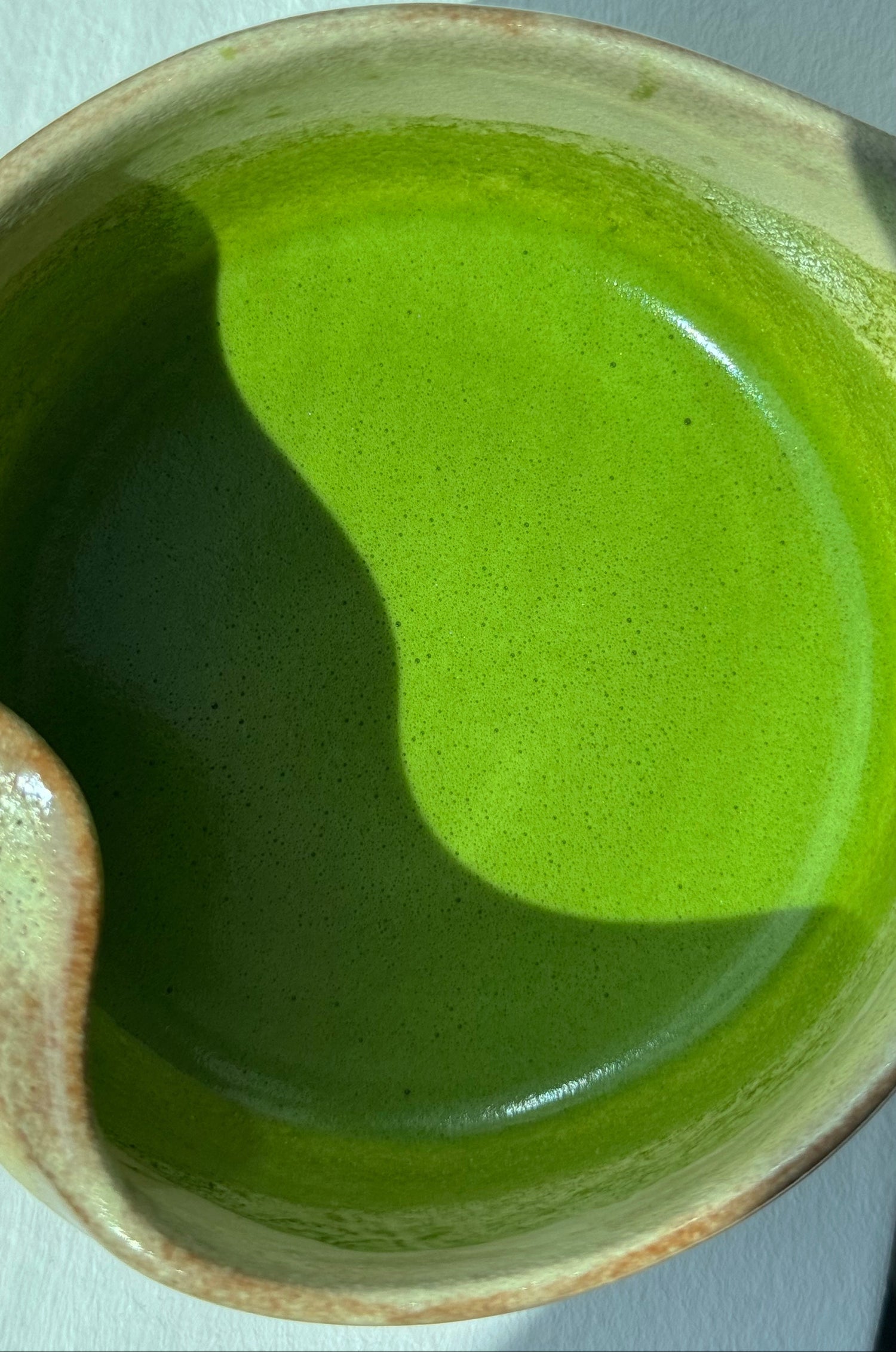

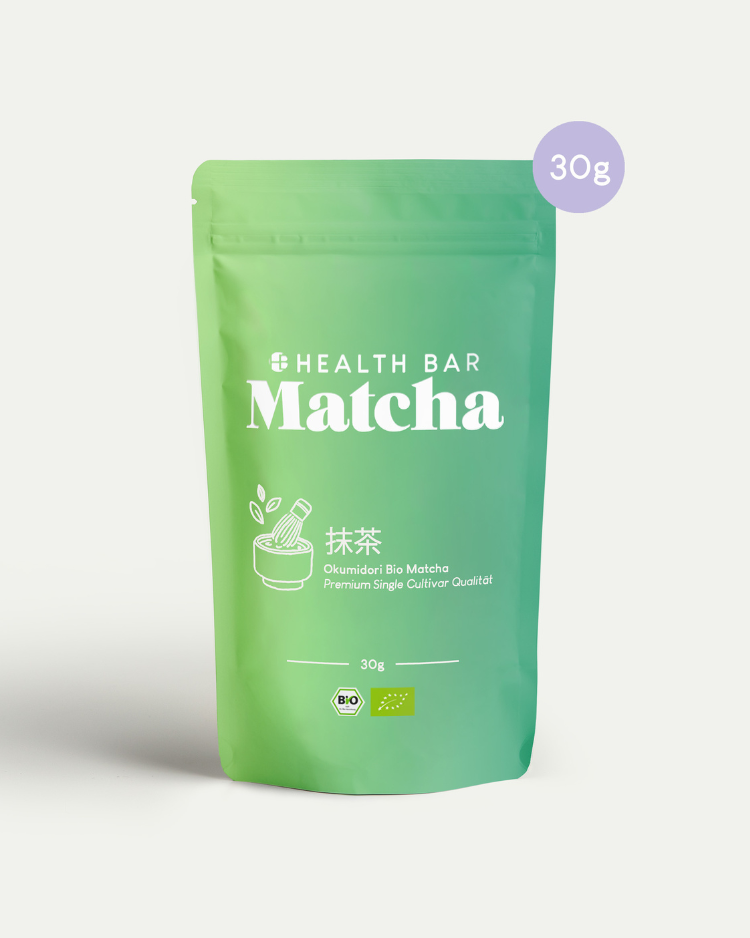
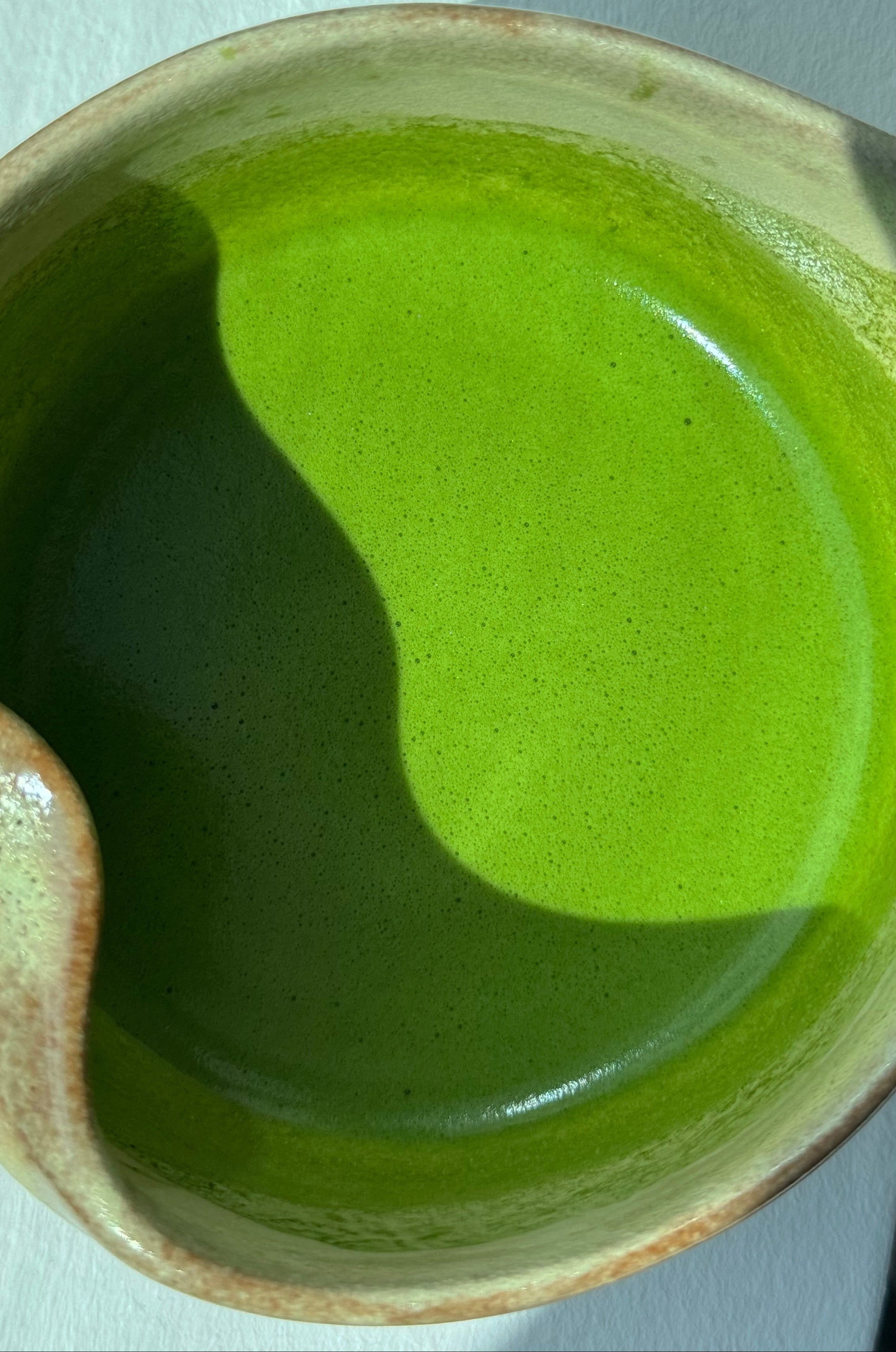
Organic Matcha Tea Okumidori – Single Cultivar – 30g
- Regular price
-
$42.00 approx. 15 cups · $2.80 per cup - Regular price
-
- Selling price
-
$42.00 approx. 15 cups · $2.80 per cup - Unit price
-
$140.00 / Per 100g
Delivery time within US: 8 - 10 working days
- Uji, Kyoto (Japan)
- 1st Harvest · Single Cultivar Okumidori (no blend)
- natural sweetness and smooth, rounded umami
- Ideal pure as Usucha or Koicha – Here's how it works
- The same family farm since 2019
- Laboratory tested
- Certified organic (EU Organic, JAS Organic)
- Organic certification body: PL-EKO-07 · Non-EU agriculture
Pickup availability could not be loaded
Character & Taste
Preparation
1. Measure: put 1–2 bamboo scoops (approx. 2 g) of matcha into the bowl.
2. Water: add 70–100 ml of water at about 80 °C – not boiling, so it stays mild and round.
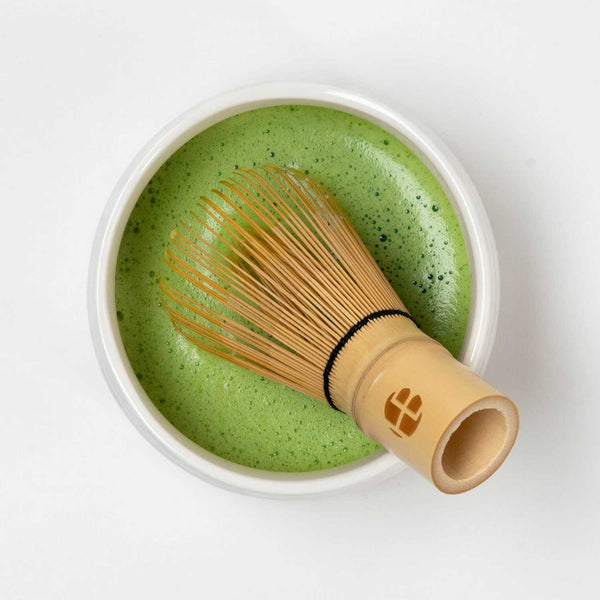
3. Whisk: whisk with the chasen in quick W motions until a fine foam forms.
4. Enjoy: best pure with water – that's where the Okumidori shines most clearly. You'll find recipes and pictures further down.
Why is the Okumidori limited?
origin
More product details
Others also bought:
-
 Matcha whisk Chasen made of golden bamboo
-
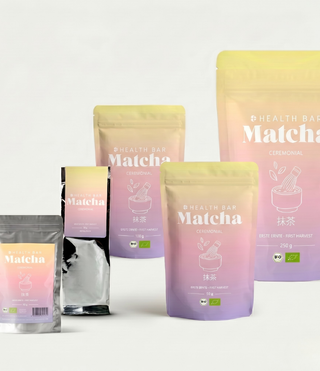 Organic Matcha Tea Ceremonial



How to recognise good matcha
Five questions every pack should answer, and our answers.
- Region
- Is the growing region stated?Ours: Uji, Kyoto
- Harvest
- Which harvest, which year?Ours: 1st harvest (spring)
- Cultivar
- Which tea cultivars?Ours: 100 % Okumidori (single cultivar)
- Organic
- Which certification?Ours: EU organic and JAS Organic
- Lab
- Are there test results?Ours: View lab report
Learn more: Single cultivar matcha explained
-

Organic Certified
Certified to EU organic and JAS Organic (Japan) standards
-

Lab-tested
Tested for pesticides and heavy metals
-

Fresh harvest
New every year from the spring harvest
-

Family farm in Uji
Family-owned for seven generations



HOW-TO
Preparing matcha easily
1. Measure the matcha: use the chashaku bamboo scoop or a teaspoon to put 1–2 slightly heaped teaspoons of matcha into your chawan.
2. Add water: pour 70–100 ml of water (approx. 80 °C) into the bowl. Make sure the water isn't boiling hot so the matcha stays mild and round.
3. Whisk: whisk the matcha with the chasen in quick W or M motions until a fine, fluffy layer of foam forms.
4. Enjoy: take a moment to enjoy your matcha mindfully. In Japan people say “Itadakimasu” – as a sign of gratitude before drinking.
Prefer to learn live? Online workshop, 30 minutes
origin
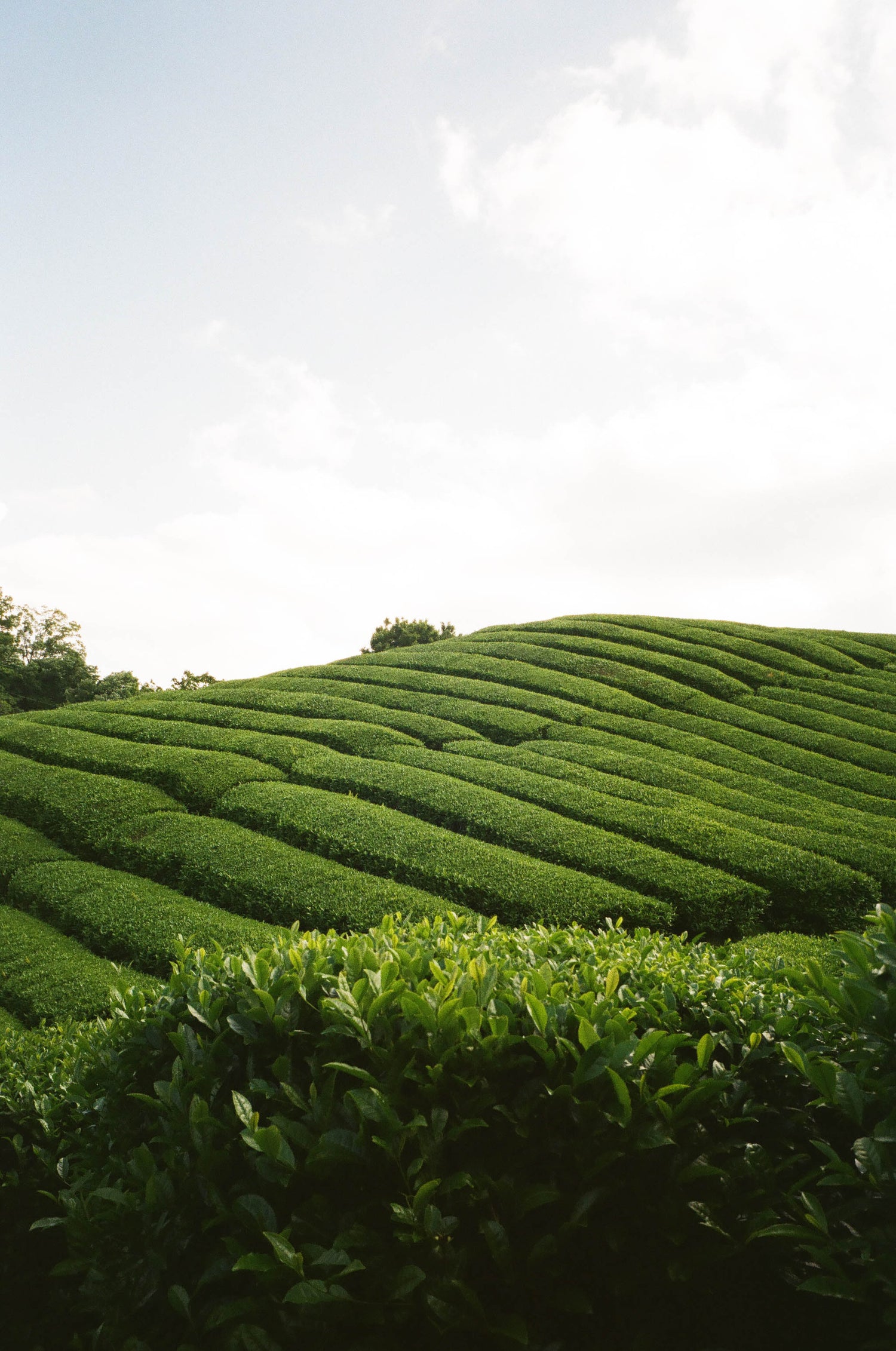
The growing area of our matcha is one of the best and also oldest tea regions in Japan: Uji, south of Kyoto. The region is known for its clean water and nutrient-rich soil, free from pesticides. It also has the right climate: the mist from the Uji and Kizu rivers keeps the tea plants moist and reduces the risk of frost damage.
production
Our tea farm is a traditional family business that has been run by the same family for several generations and has been producing organic matcha for several decades.
Our quality is confirmed by the strict standards of the organic certification from the Japanese certification body JONA and German organic certification.
Cultivation
The tea farmers protect the plants from the sun with black textile sheets or, traditionally, straw. This increases the chlorophyll content in the leaves and softens the flavor. Cultivation is carried out without pesticides. Annual soil samples are taken, as well as laboratory tests for heavy metal and radiation contamination, to ensure the highest possible quality. Furthermore, each batch is carefully tested for its mineral content.
Labor-tested
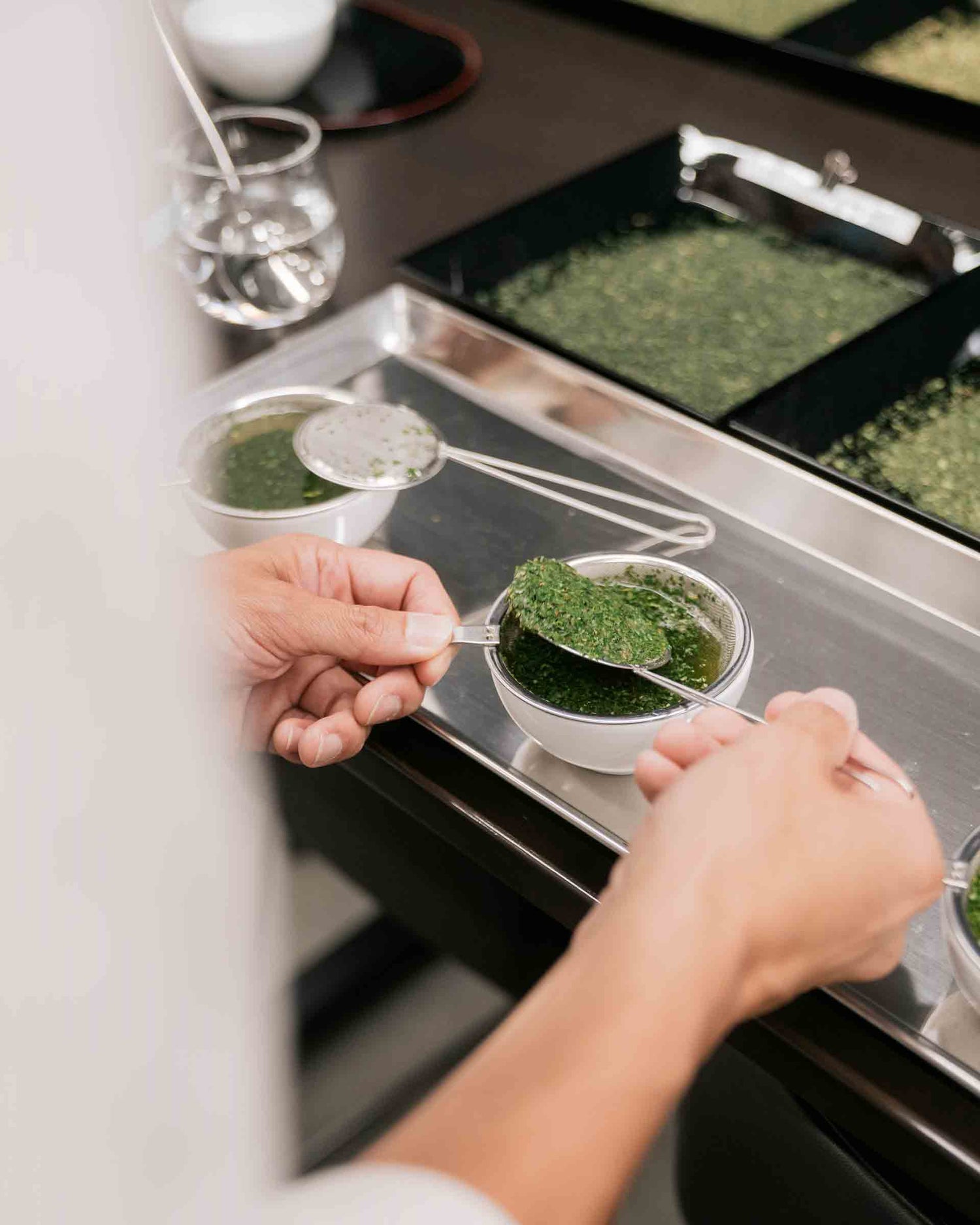
Transparency you can taste: Our organic matcha is regularly tested by independent laboratories.
Why? Because we drink our own matcha every day – and because we want you to know exactly what's in your cup.
The results show:
- No pesticides detected
- Heavy metals significantly below EU limits
- Very good microbiological quality
We make all test reports available here transparently.


FAQs – Product & Differences
What is the difference between ceremonial matcha and okumidori?
Our Ceremonial Matcha is a high-quality blend of different Japanese cultivars, carefully balanced for a creamy, well-rounded taste profile. It is versatile and ideal for everyday enjoyment.
Okumidori Matcha, on the other hand, is a single cultivar matcha – it consists of just one tea variety. This creates a particularly rare, clear, characterful and pure taste profile with more depth and elegance.
What does "Single Cultivar" mean in the context of Okumidori Matcha?
Single Cultivar means that the Matcha consists exclusively of a single tea variety – in this case Okumidori.
Unlike blends, which combine several varieties, this flavor variety showcases its pure character.
How does Okumidori Matcha taste in comparison?
Okumidori is particularly soft, elegant and harmonious in taste. It has a distinct natural sweetness, very fine umami and a long, soft finish.
Compared with classic blends, it tastes clearer, rounder and more refined overall.
Why is a single cultivar like Okumidori more complex to cultivate than a blend?
A single cultivar matcha like Okumidori is much harder to produce consistently, because the entire taste depends on just one tea variety.
Each year's harvest is strongly influenced by weather conditions, temperature, hours of sunshine and rainfall. These factors can change the plant's taste profile noticeably – the natural sweetness, umami or intensity can vary from year to year.
For a single cultivar matcha this means: the taste naturally varies more and has to be matched anew each year without changing it.
Unlike blends, which combine several varieties, it shows the pure character of this one variety.
Blends combine different tea varieties with different characteristics – for example more sweetness from one variety, more umami from another or more body from a third. This allows the taste to be balanced deliberately.
How do I prepare Okumidori Matcha?
Preparation is the same as for classic matcha:
- put 1–2 g of matcha into a bowl
- for a warm version: add water at approx. 70–80 °C
- for an iced version: add cold water
- whisk until frothy with a bamboo whisk (chasen)
For the best result, use a calm, even motion in a matcha bowl.
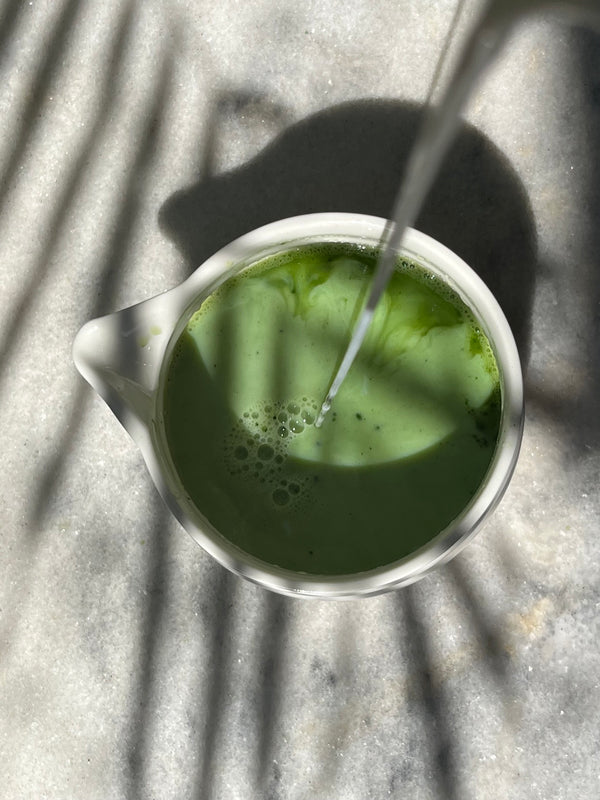
Then top up with milk if you like.
Okumidori and Ceremonial compared
Both come from the same farm in Uji and from the first harvest. The difference is the cultivar: the Okumidori is a single cultivar, the Ceremonial combines three cultivars.
| Cultivar | Harvest | Taste | Recommended preparation | Pack sizes | |
|---|---|---|---|---|---|
| Okumidori | Okumidori, single cultivar | First harvest | Natural sweetness and soft, round umami | Pure, as usucha or koicha | 30 g |
| Ceremonial | Saemidori, Okumidori and Yabukita | First harvest | Mild, creamy and balanced | Pure and as a matcha latte | 10 g, 30 g, 50 g, 100 g, 250 g |
Where does the Okumidori come from?
From Uji, south of Kyoto. It comes from the 2026 first harvest of our organic family farm, which we have worked with since 2019.
Ich liebe diesen Matcha so sehr!!!! Wirklich der beste den ich jemals hatte
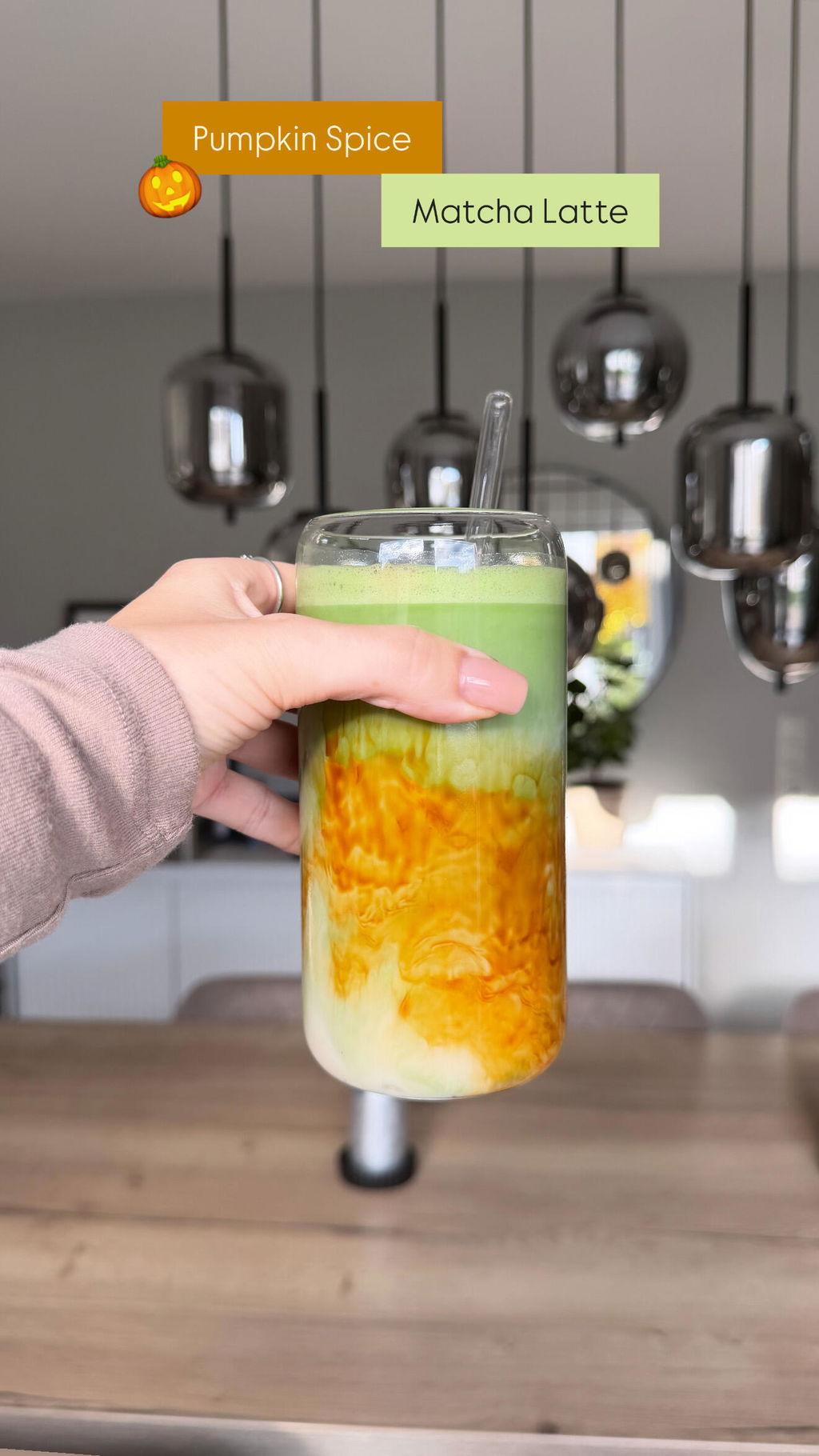
Schmeckt sehr lecker und ist gar nicht bitter, sondern eher mild :) mit Kokosmilch ist er perfekt
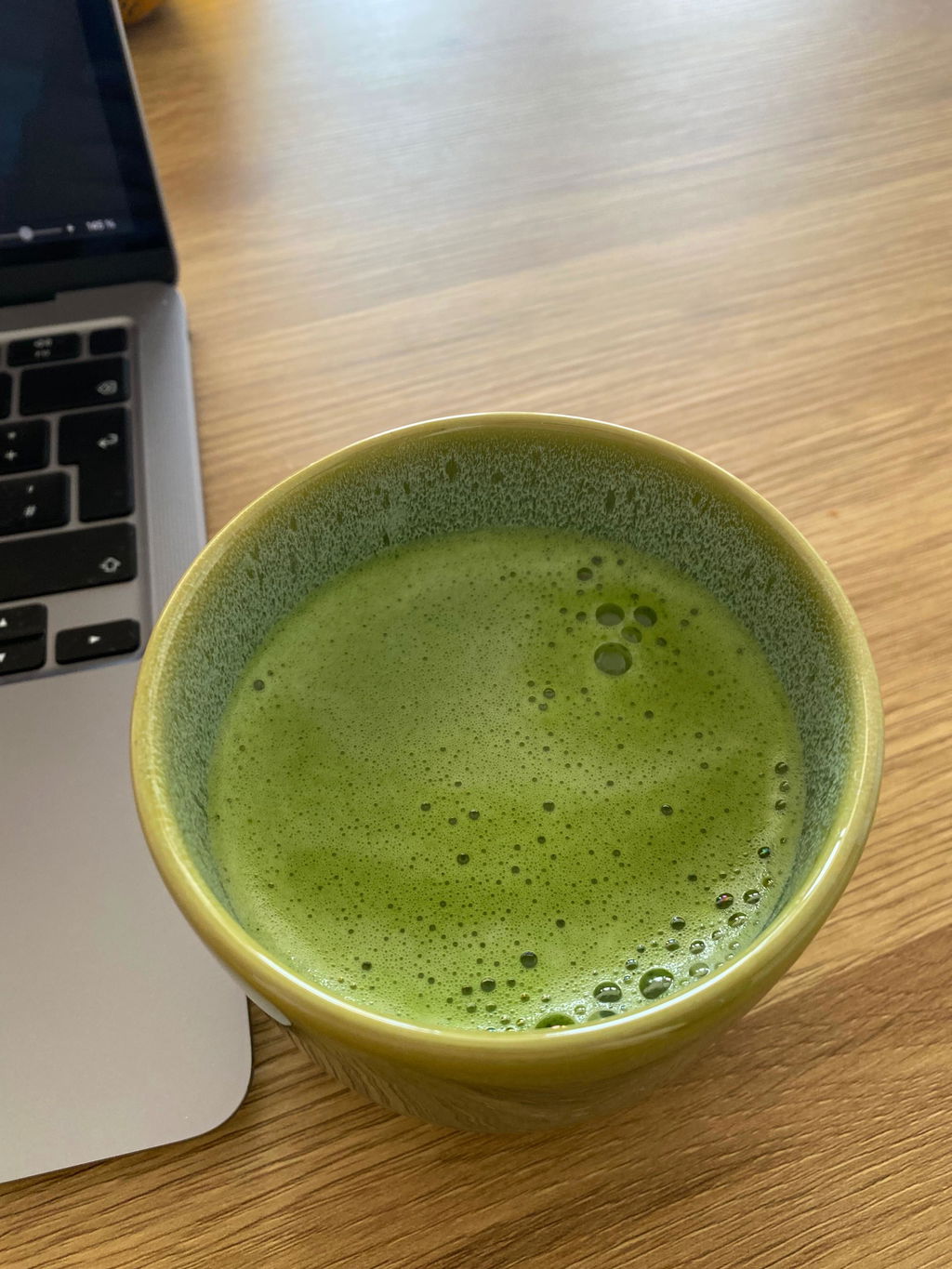
Im Vergleich zum ceremonial noch mal tieferes grün und unglaublich floral im Geschmack, keinerlei Grasnote, einfach nur cremig und gut!
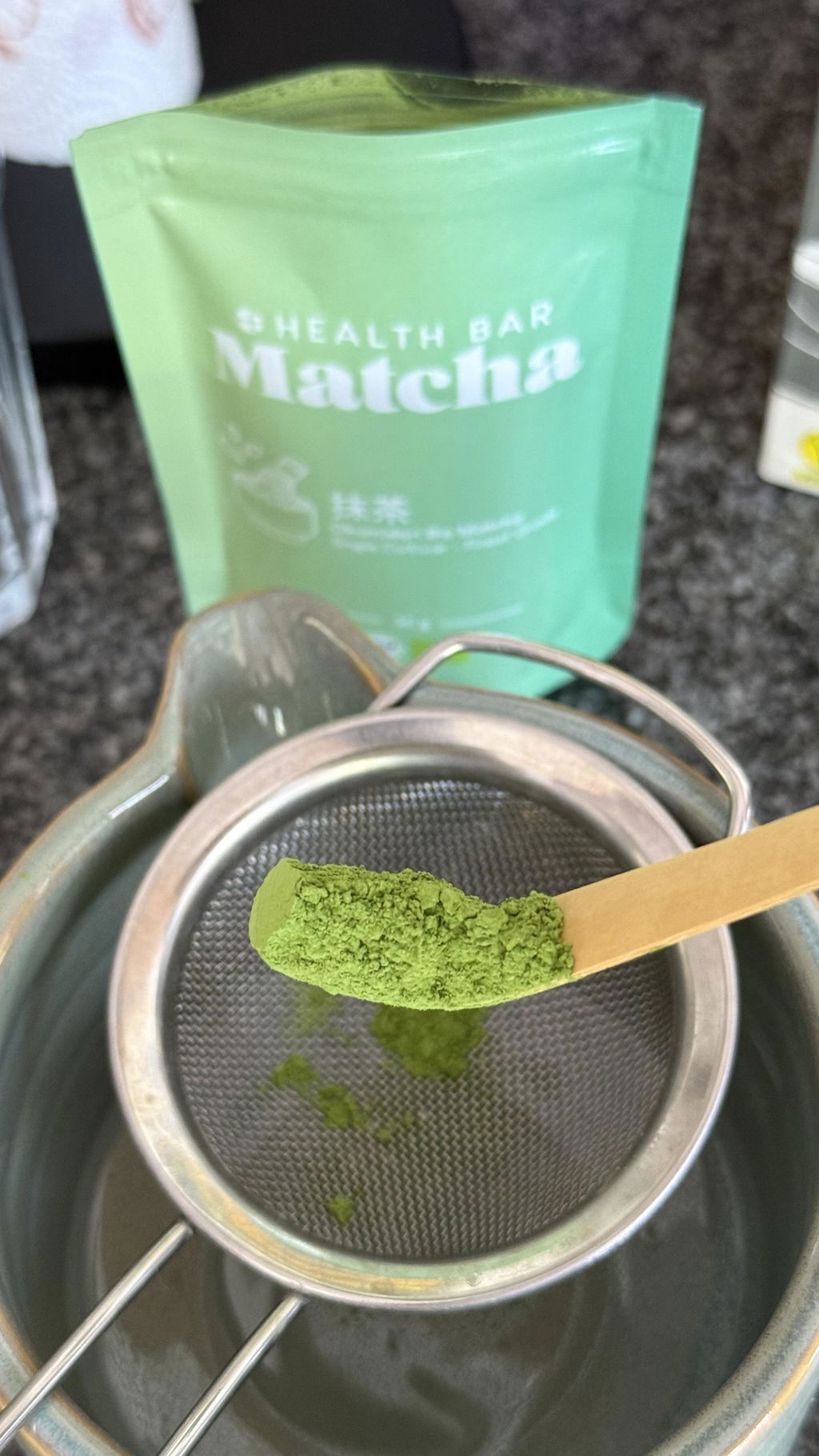
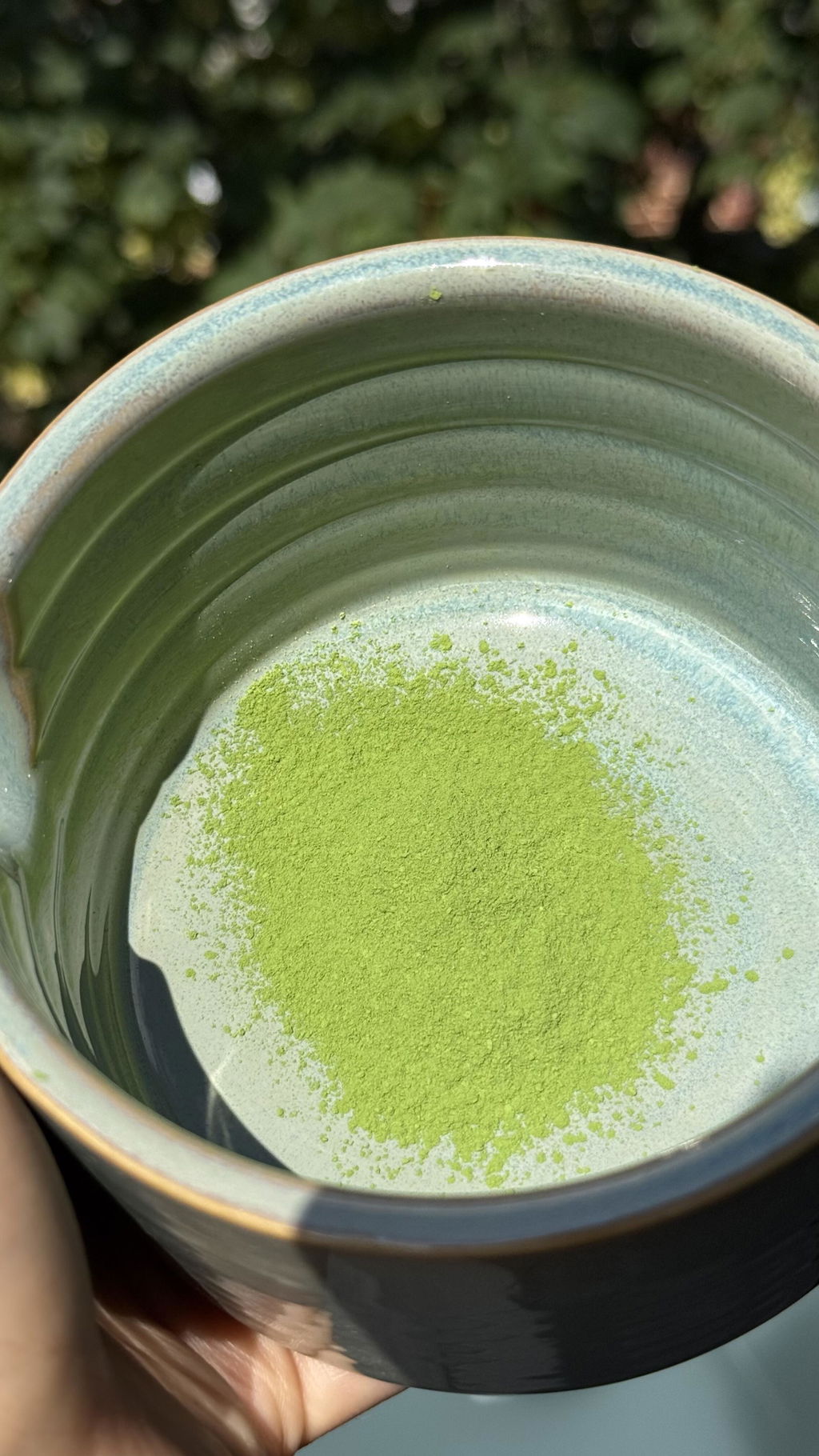
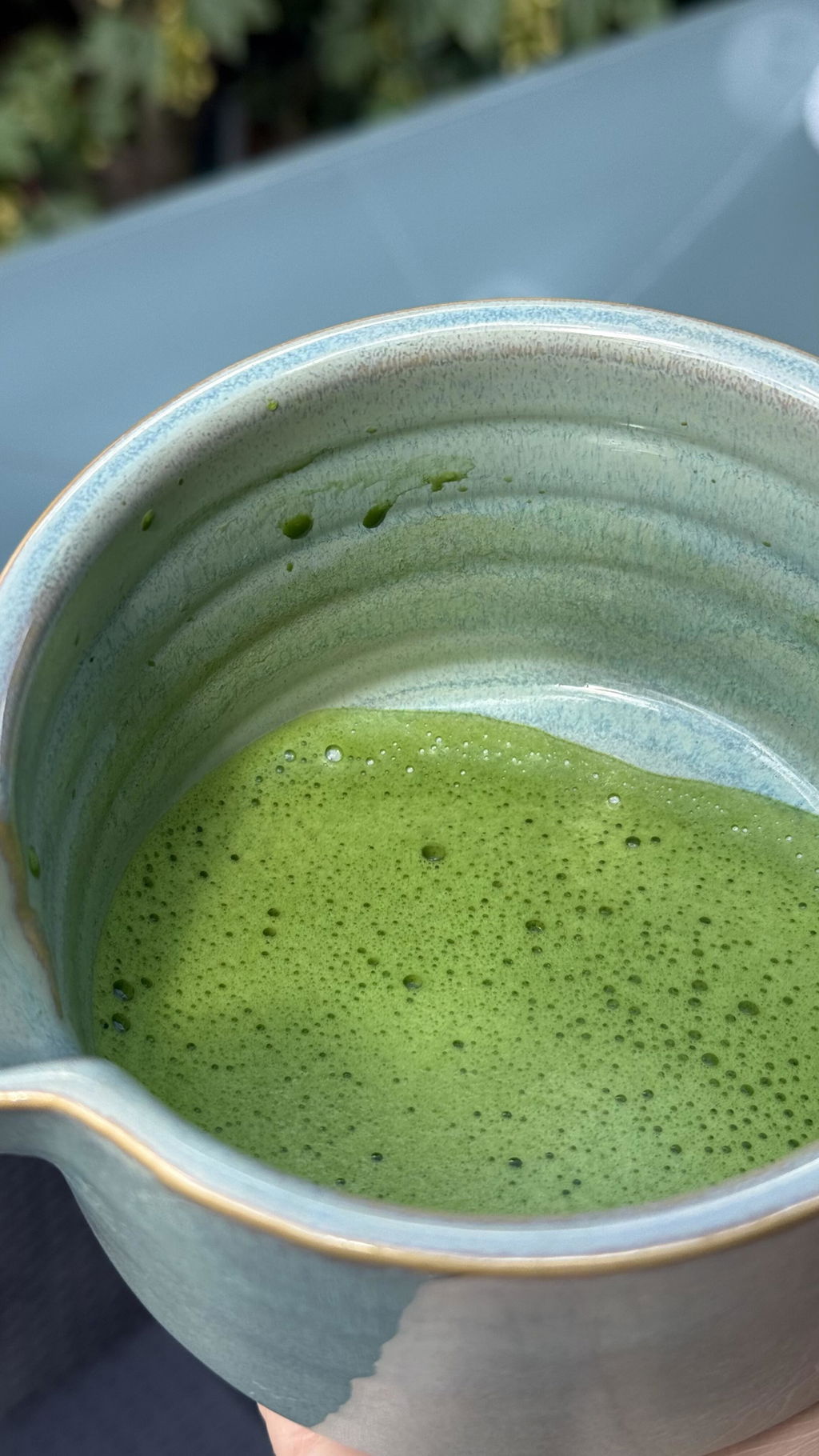
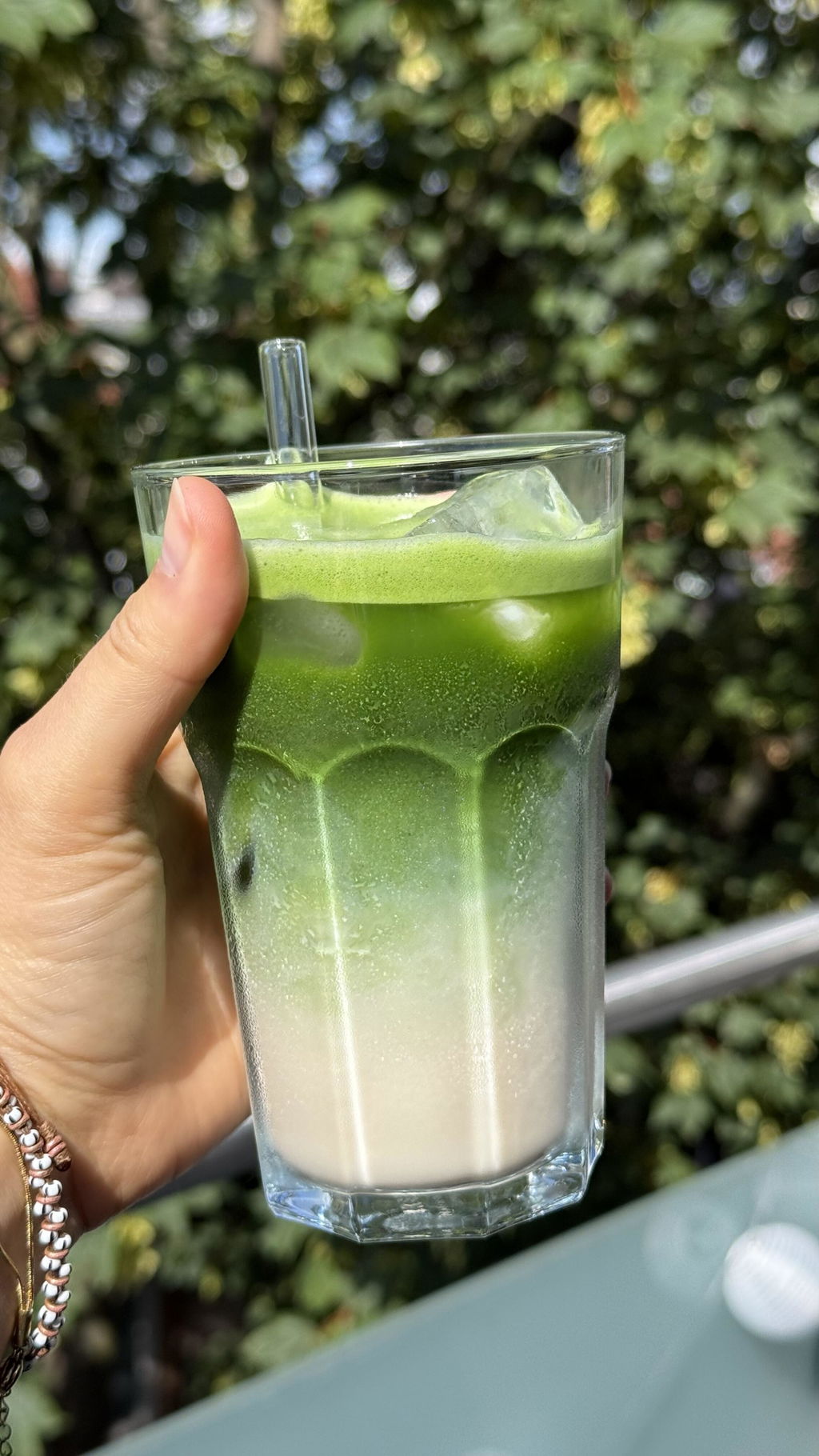
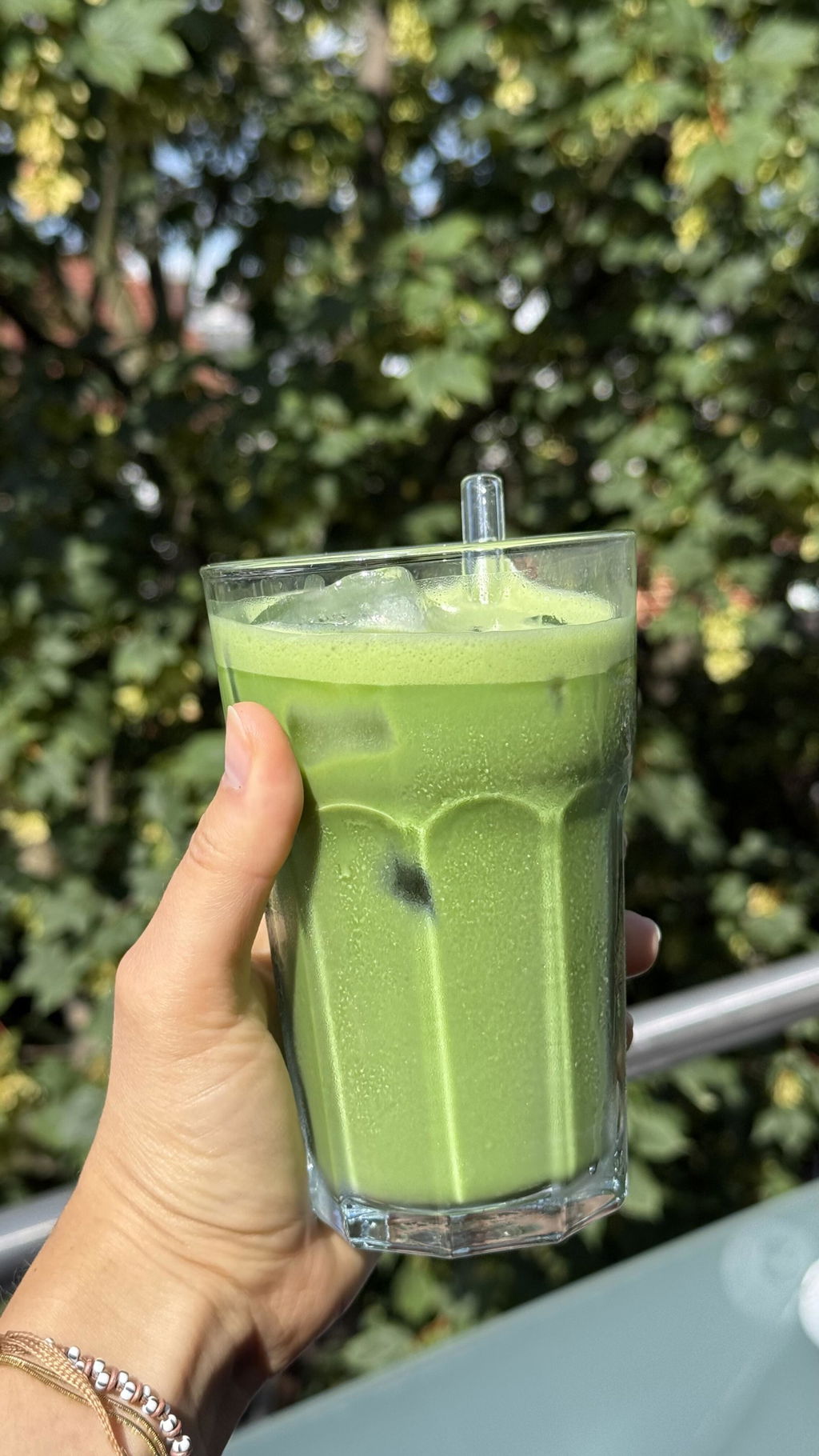
Schmeckt wirklich richtig gut! Für mich das perfekte Umami und feine süße 🥰
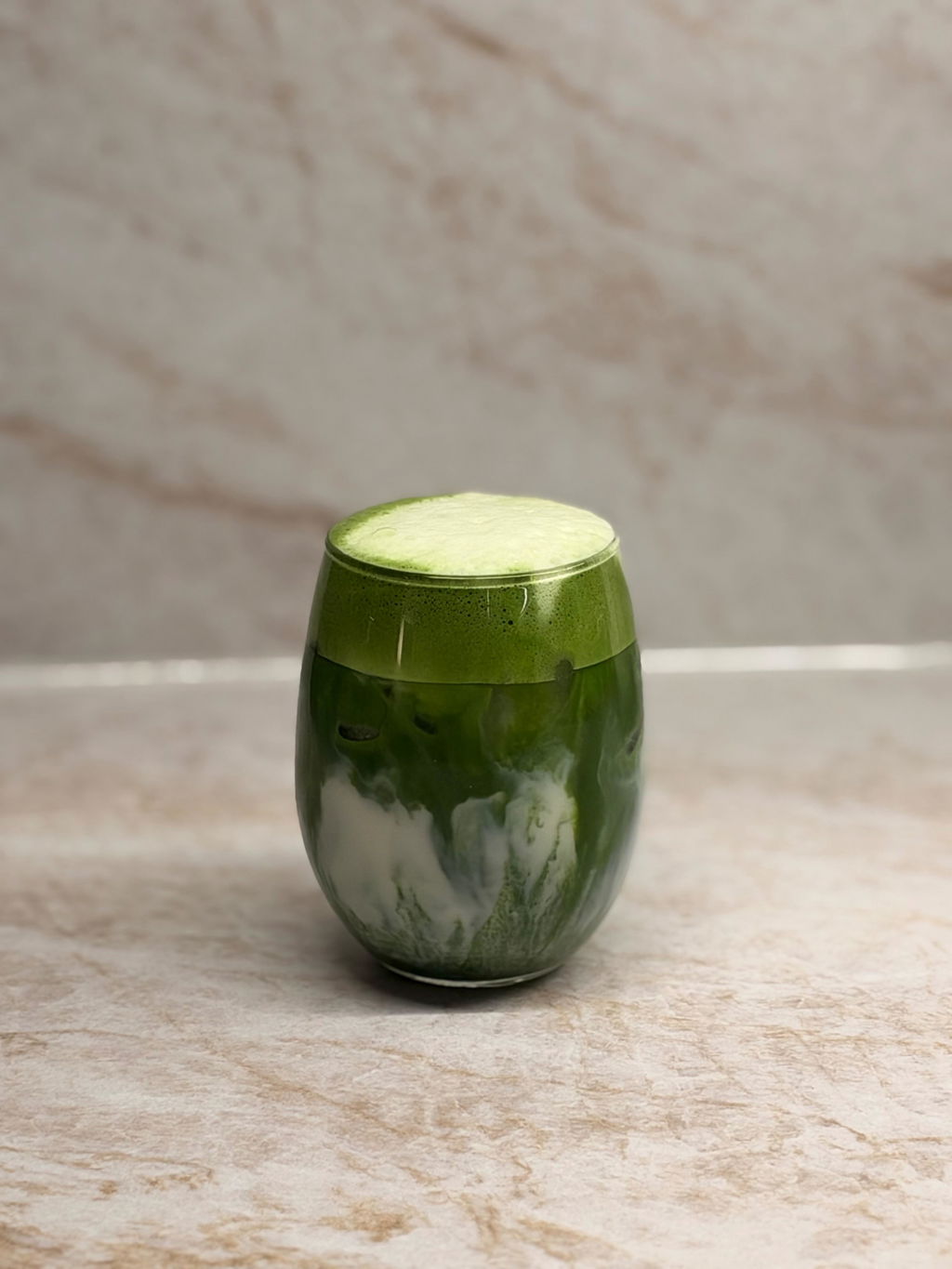
Lässt sich gut aufschlagen, ist nicht bitter sondern sehr mild. Sehr lecker
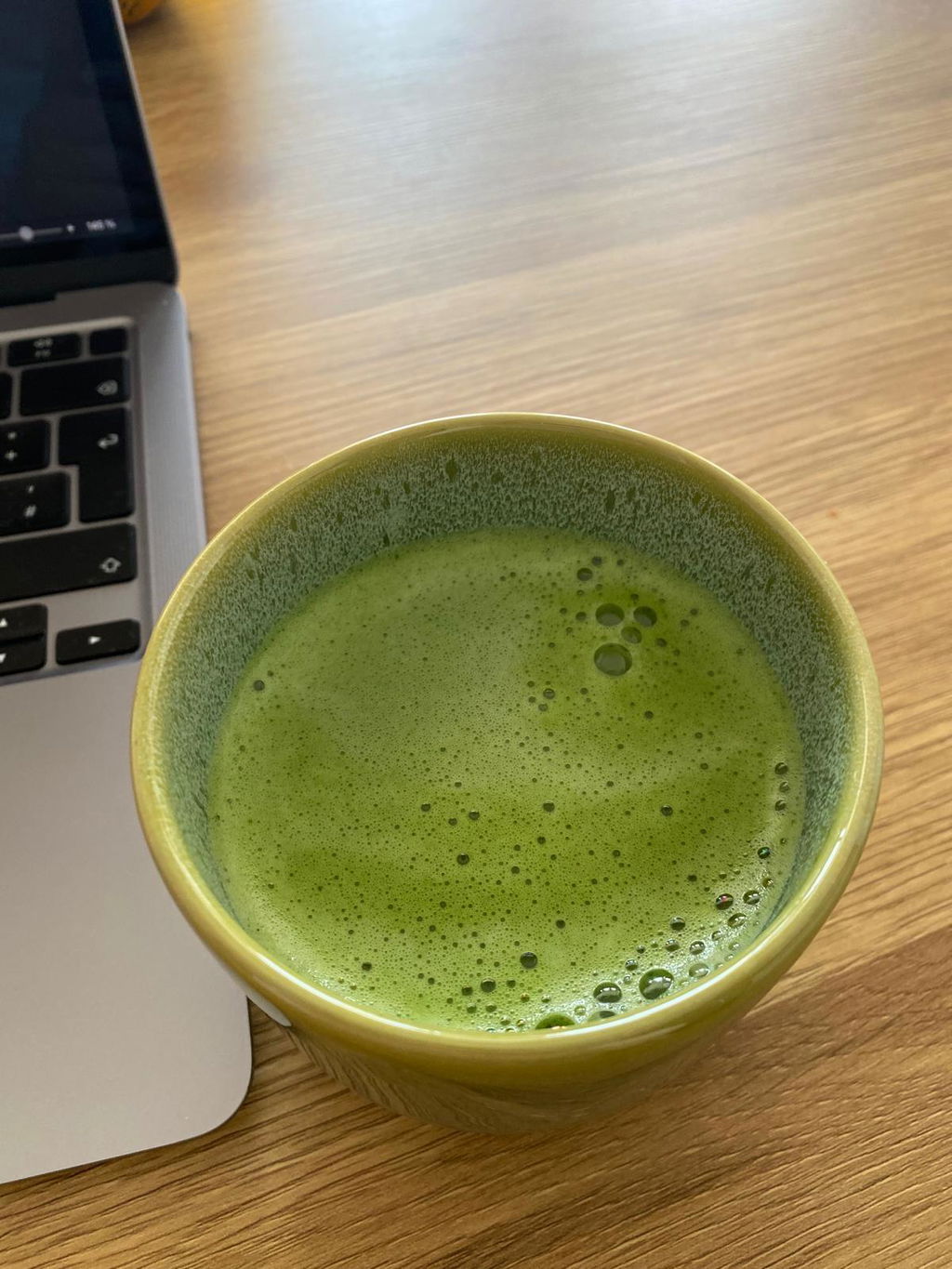
Einer meiner Lieblingsmatchas! Einfach Lecker!
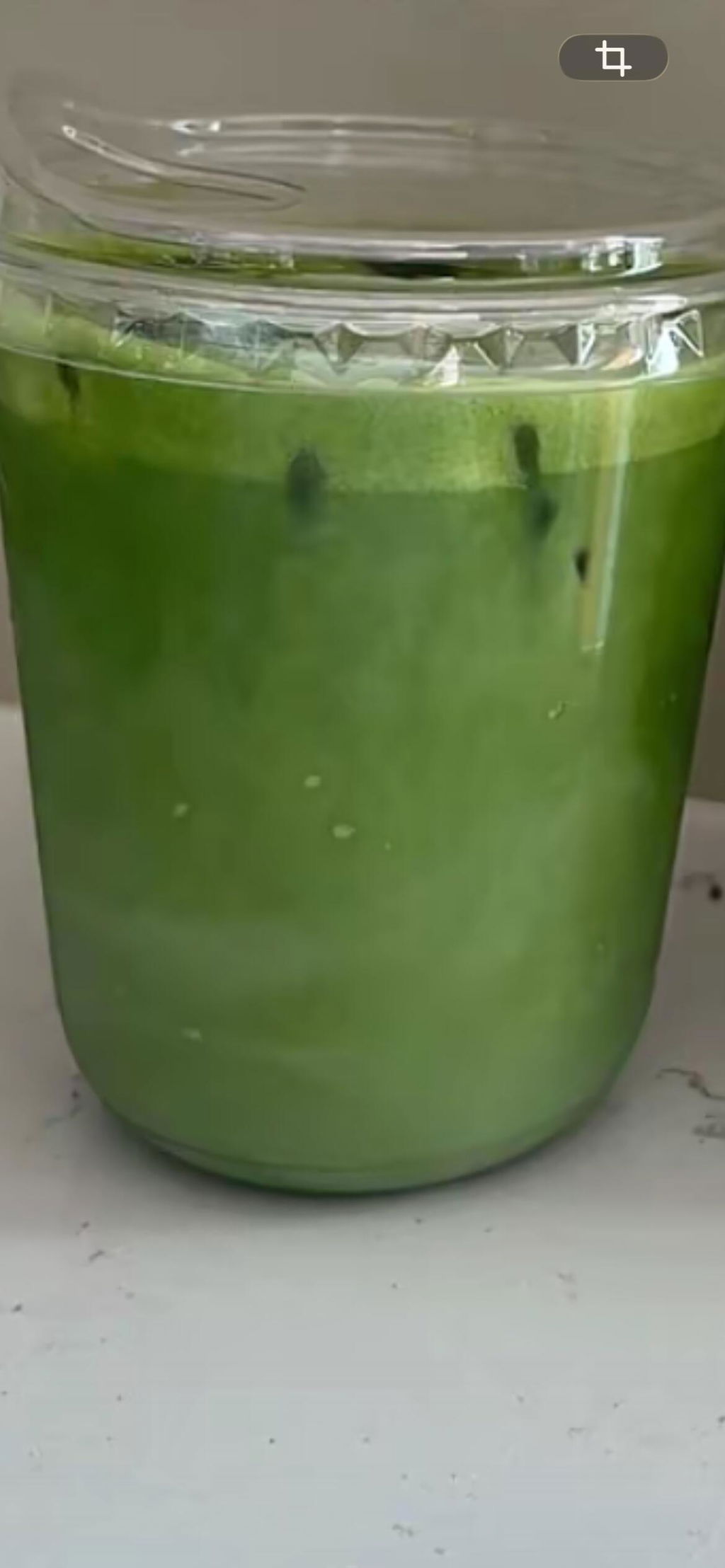
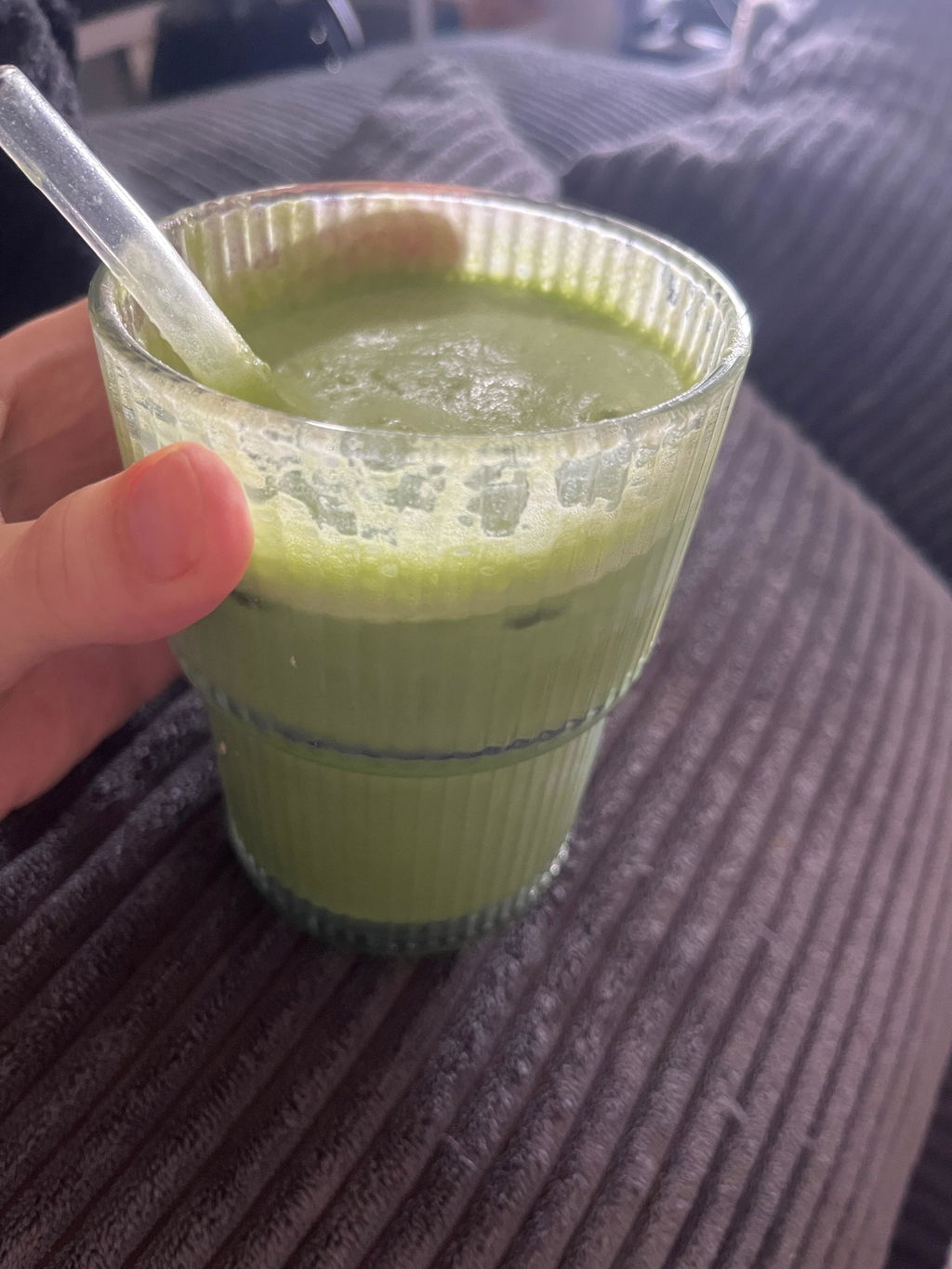
The only matcha I’m drinking at the moment — I seriously can’t get enough. It’s so smooth, almost naturally sweet and has this delicious caramel-like flavor. And the color is 😮💨 the deepest, most beautiful emerald green. Obsessed with this one!
Soooo lecker und smooth im geschmack. Ist einer meiner top favoriten geworden. Schade, dass es eine limited edition ist🥲 habs mir jetzt aber nachbestellt und hoffe, dass es noch eine weile verfügbar sein wird <3
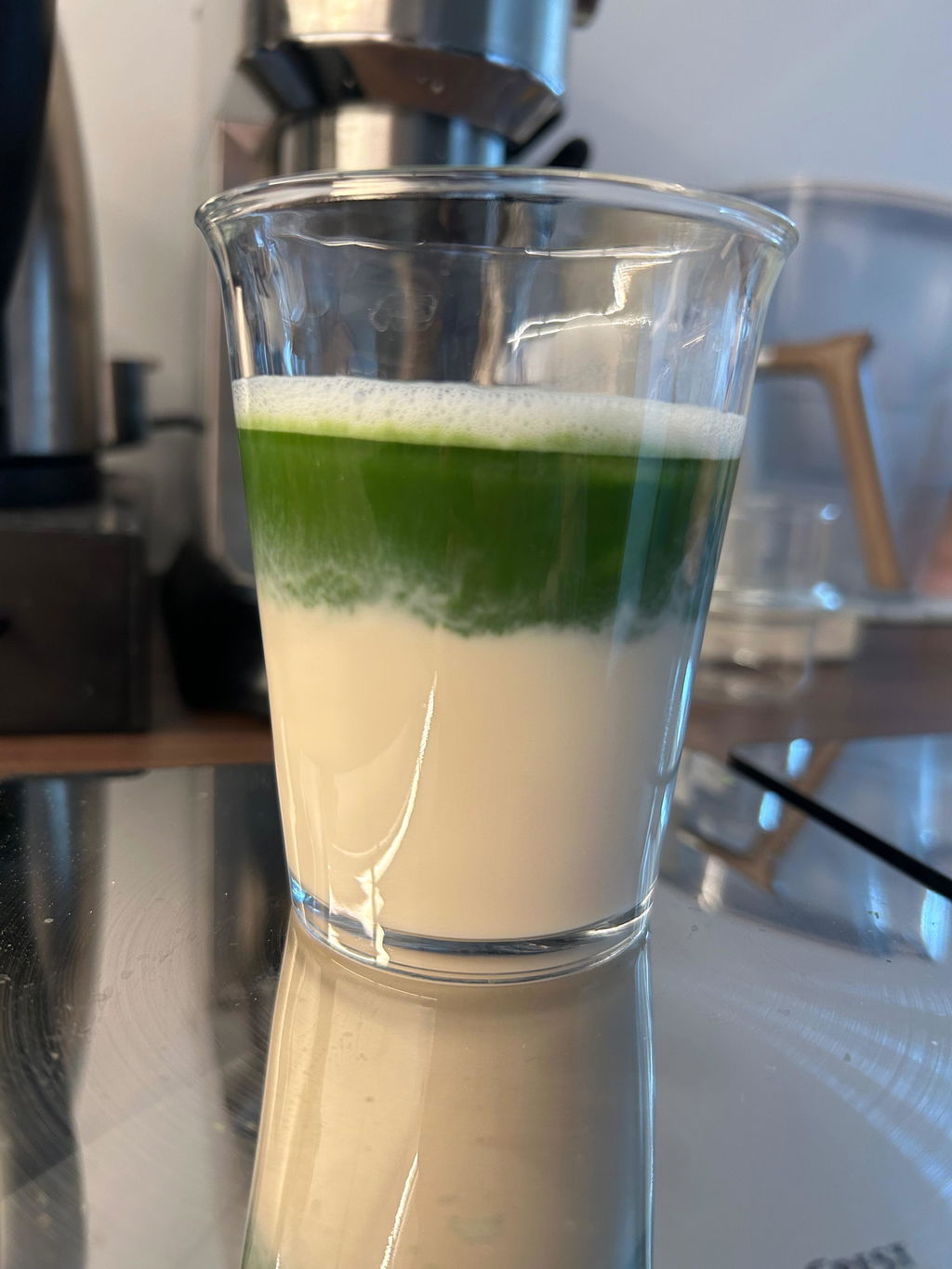
Ich hätte nicht gedacht, dass ein Matcha so knallig und leuchtend sein kann! Geschmacklich superlecker und intensiv und nochmal einen Zacken besser als der Ceremonial. Einfach perfekt!
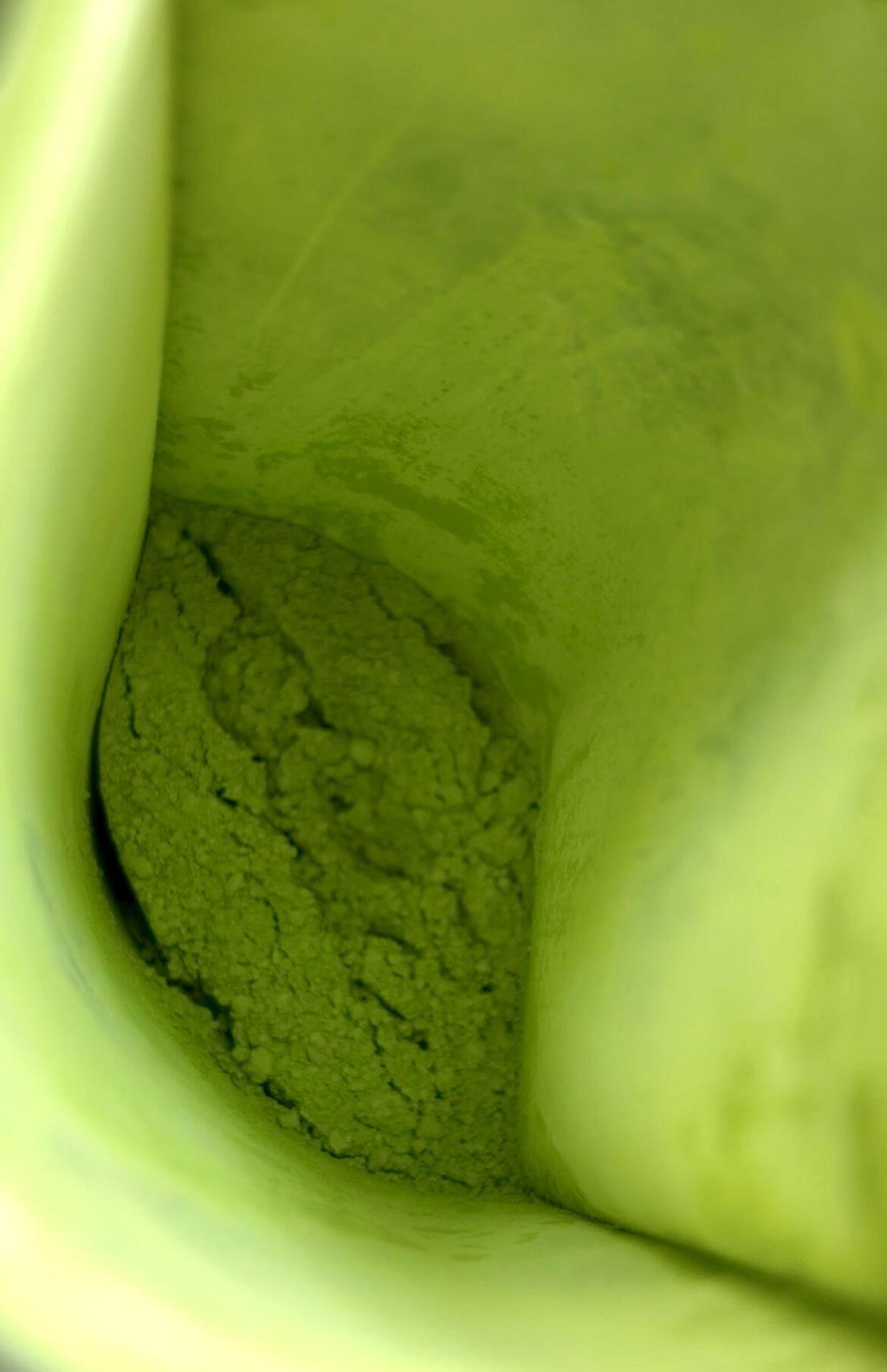
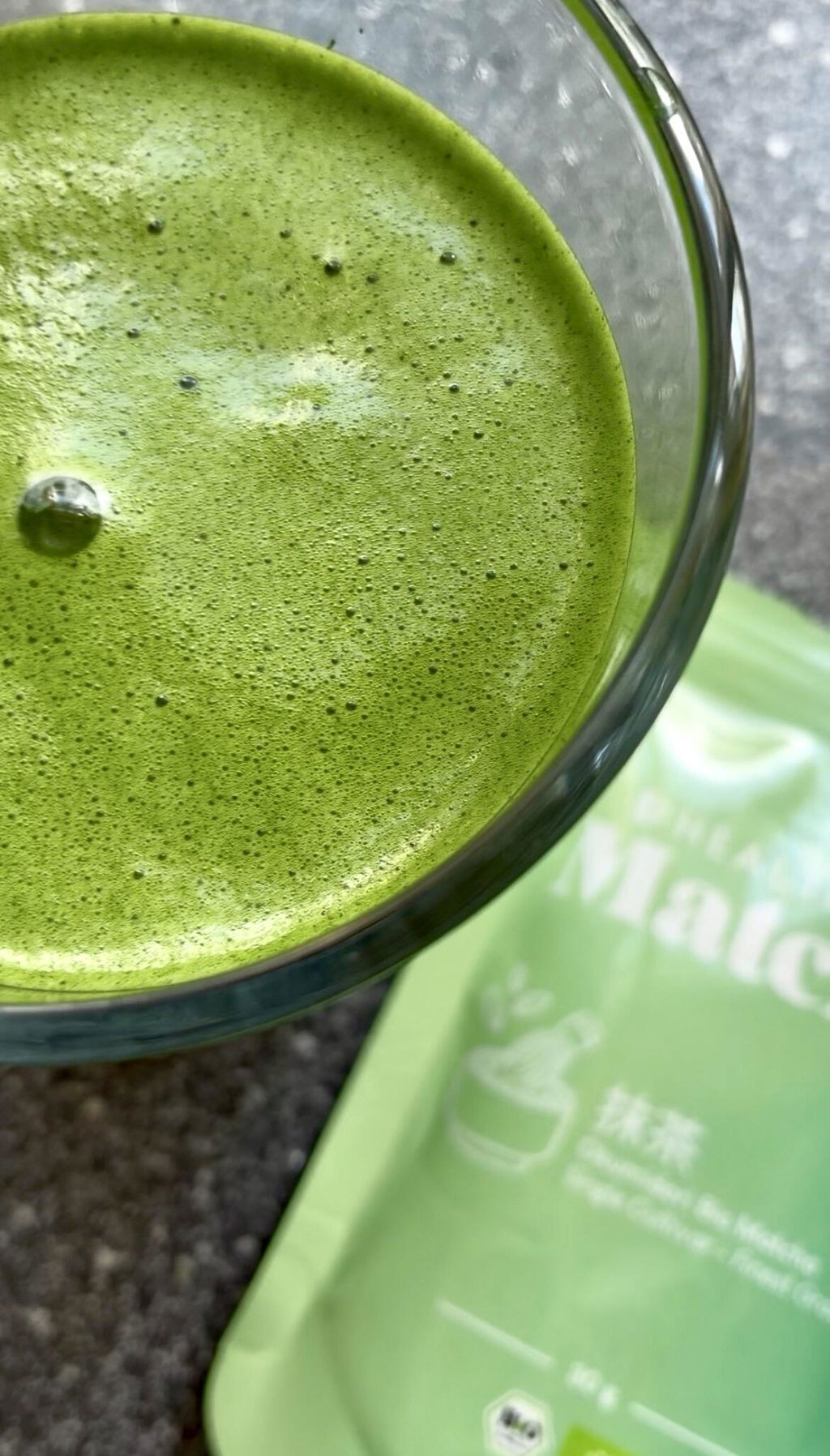
Für mich gibt es keinen anderen Matcha, der besser ist. ❤️
Perfekt zum Frühstück oder für unterwegs. 🫶🏼
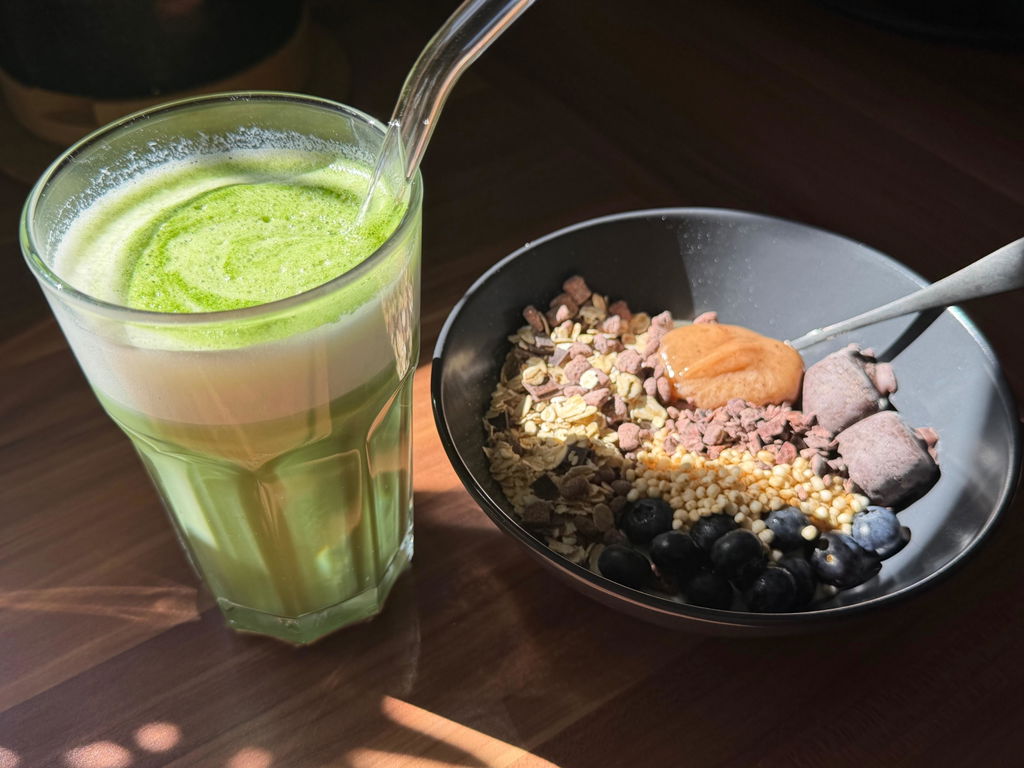
Sehr lecker!
Schöne grüne Farbe, schäumt gut auf und schmeckt wirklich gut ✨
Wahnsinnig cremig und geschmacksintensiv! Ab jetzt mein favorite product <3
Super Matcha jedoch nicht mein Favorit
Sehr lecker und genauso habe ich ihn gesucht. Die paar Euro mehr lohnen sich definitiv. Ich habe eine super alternative zu meinen bisherigen Matcha gesucht (den es so nicht hier in Deutschland gibt) und der kommt wirklich sehr nah dran.
Super leckerer matcha! Toll und intensive vom Geschmack!:)
Ist ganz gut, hab aber etwas mehr erwartet
Der beste Matcha den ich je hatte
Der Bio Matcha Tee Okumidori – Single Cultivar ist gut aber für mich ist der Bio Matcha Tee Ceremonial noch harmonischer
Liebe den so so so sehr! Schmeckt mir pur am besten.
top
schmeckt richtig lecker
Sehr lecker
top
Sehr lecker und löst sich gut! Schön Cremig
Ich liebe die Farbe, den Geschmack einfach ein toller Matcha! 😋
Sehr lecker! Einer der besten Matchapuder die ich kenne!