
Notify me when available
We will email you as soon as this product is back in stock.
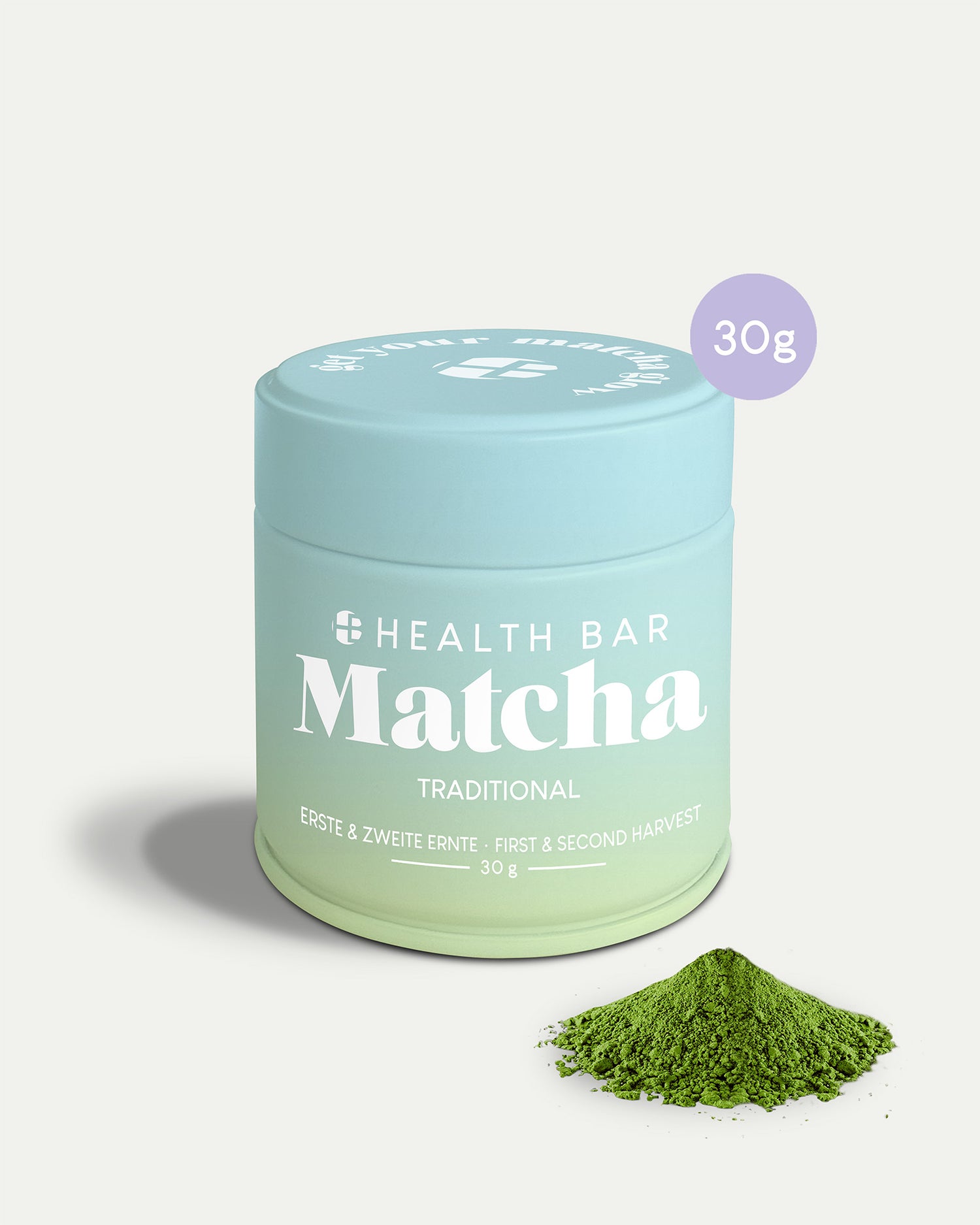
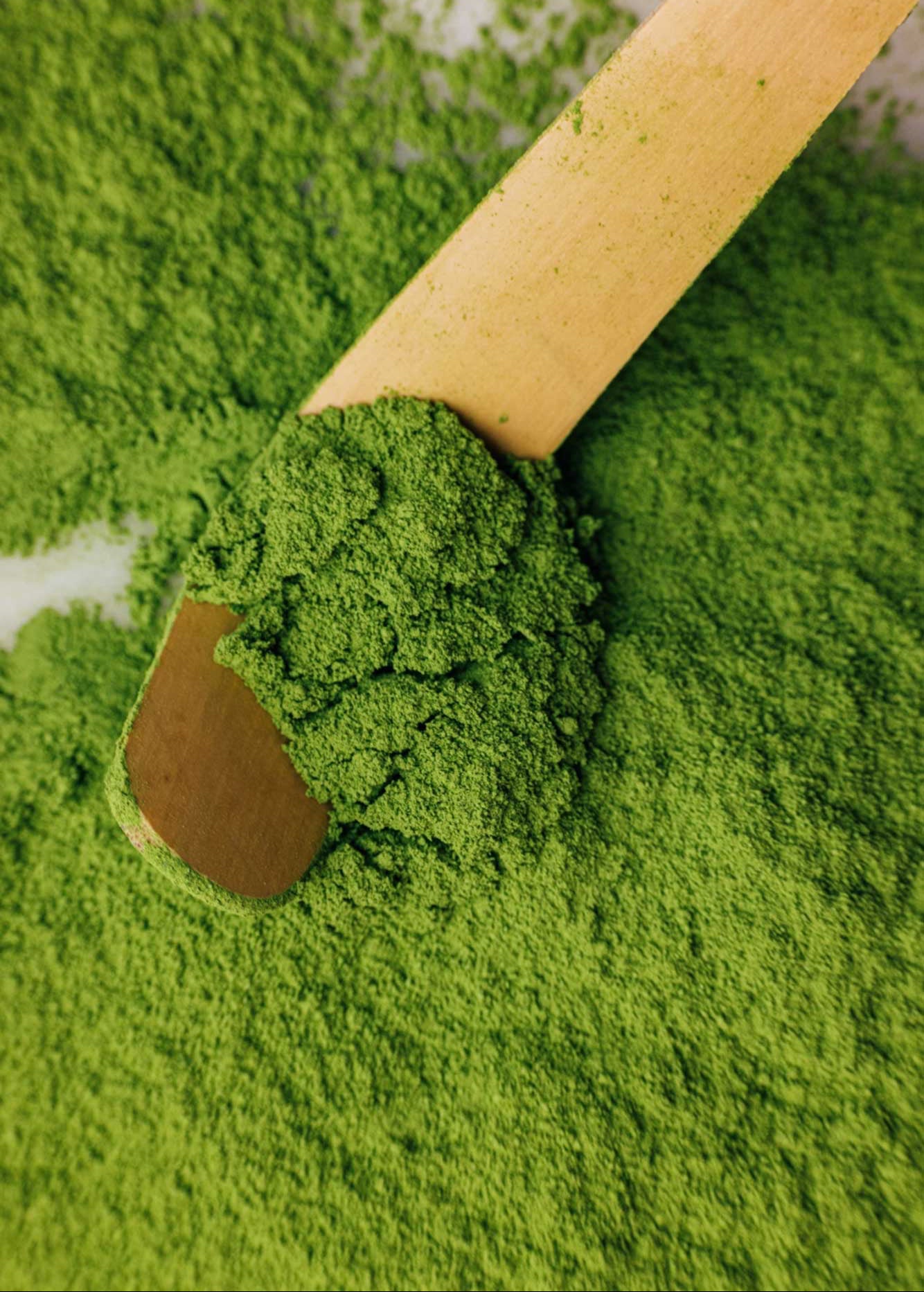


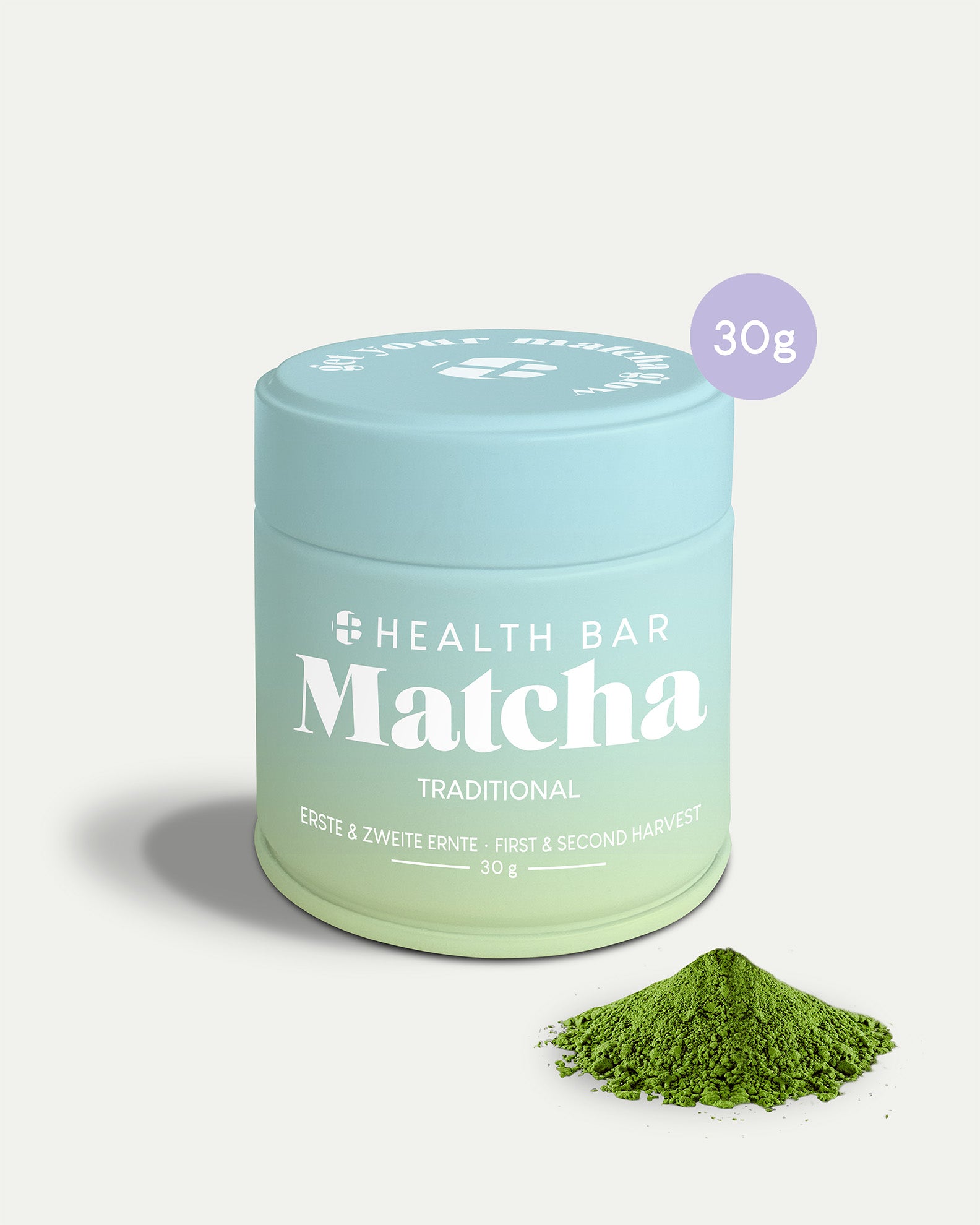
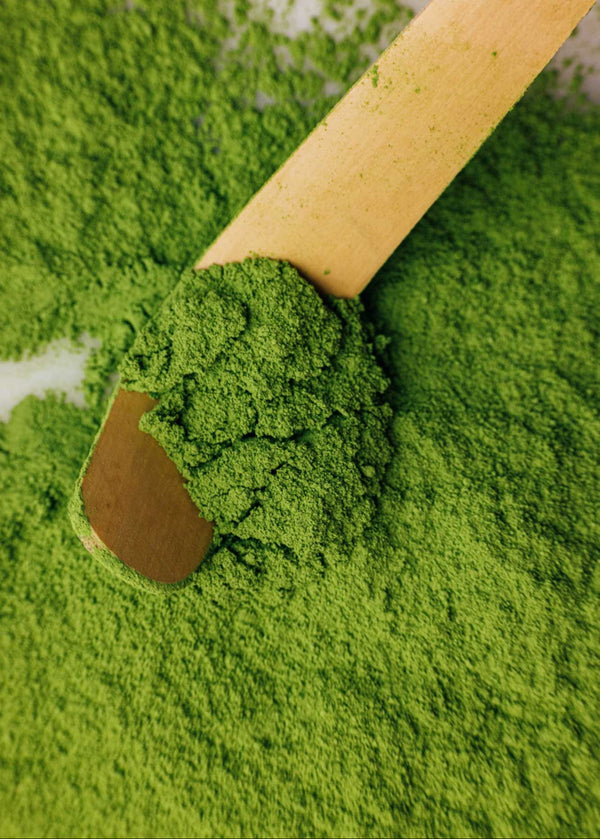
Organic Traditional Matcha Tea – 30g (can)
- Regular price
-
$31.50 approx. 15 cups · $2.10 per cup - Regular price
-
- Selling price
-
$31.50 approx. 15 cups · $2.10 per cup - Unit price
-
$105.00 / Per 100g
Delivery time within US: 8 - 10 working days
Strong. Creamy. Full-Bodied.
Versatile organic matcha from Uji, Kyoto – perfect for latte, everyday use and everyone who prefers a more intense matcha.
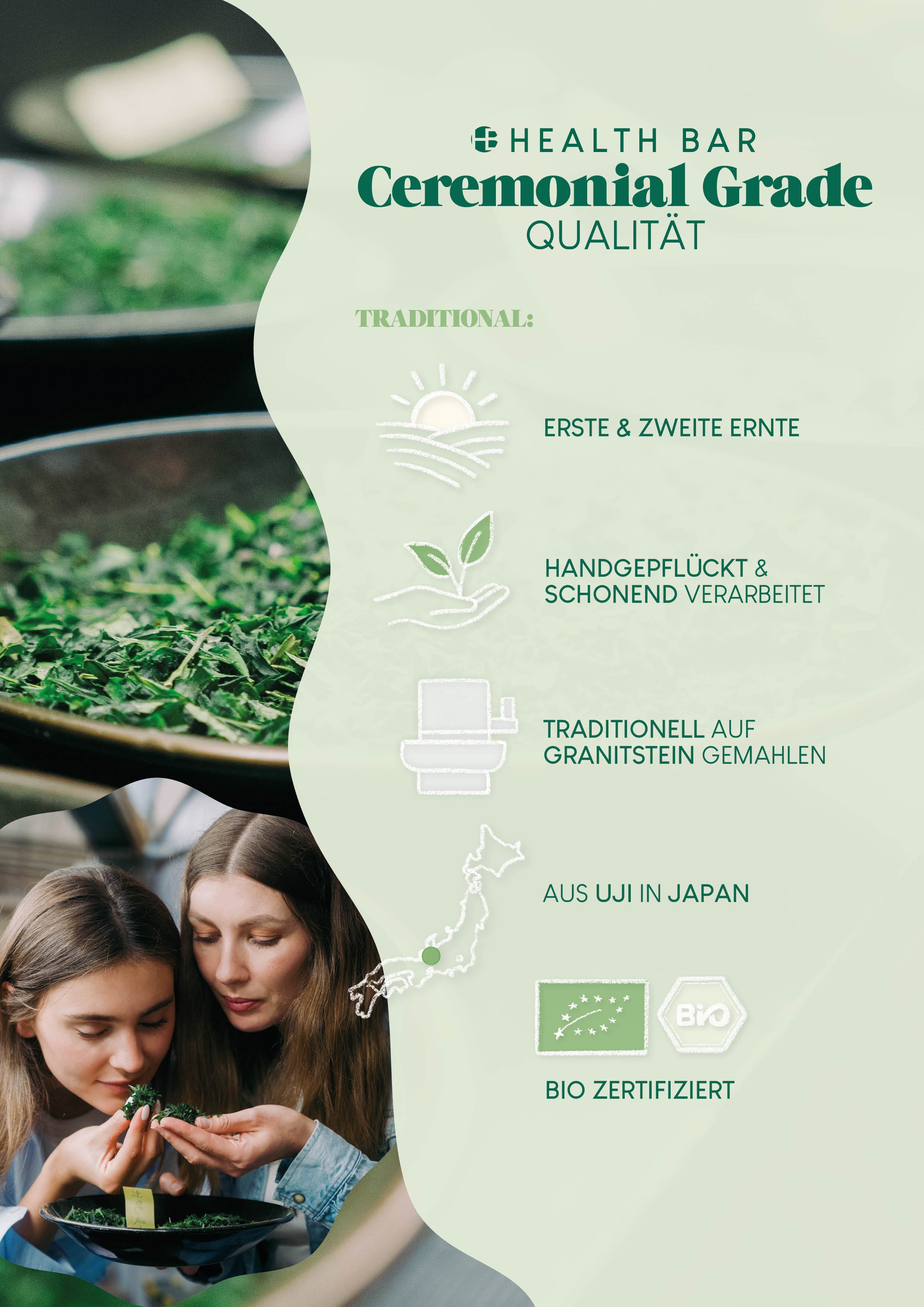
- Blend from 1st & 2nd harvest
- Intense, slightly herbal flavor profile
- Ideal for matcha latte & daily routines
- Traditionally stone-ground in Uji
- Organic-certified (EU Organic, JAS Organic)
Pickup availability could not be loaded
Flavor profile
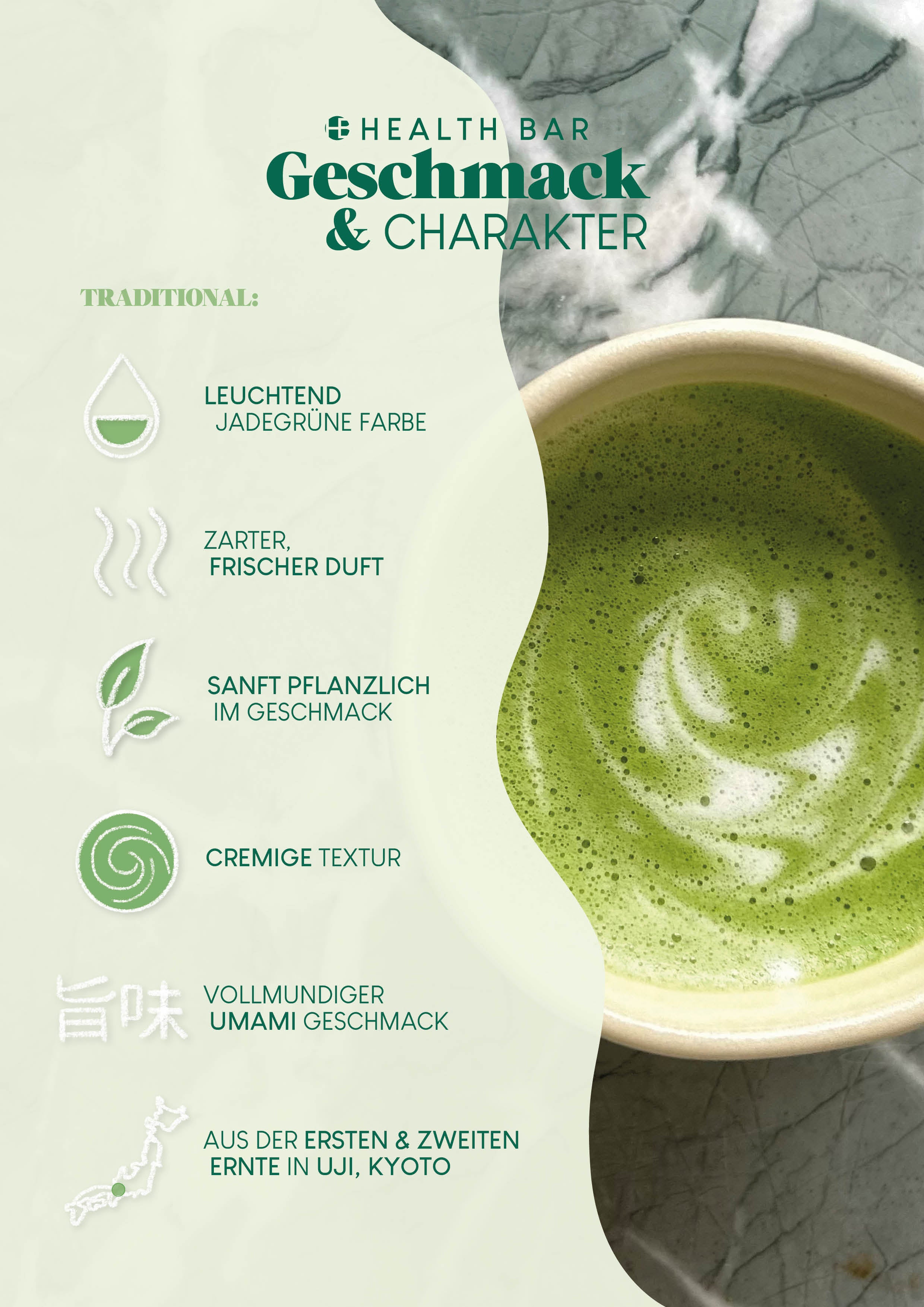
- A sweetness and umami flavor thanks to the first harvest, complemented by fresh, green tea-typical notes thanks to the second harvest.
- stronger and somewhat more bitter in taste due to the proportion of the second harvest
- a well-rounded, intense matcha
Its richer aroma makes it particularly well-suited for milk-based drinks and modern matcha cocktails. Ideal for matcha lattes or for anyone who prefers a stronger, more classic matcha.
Zubereitung
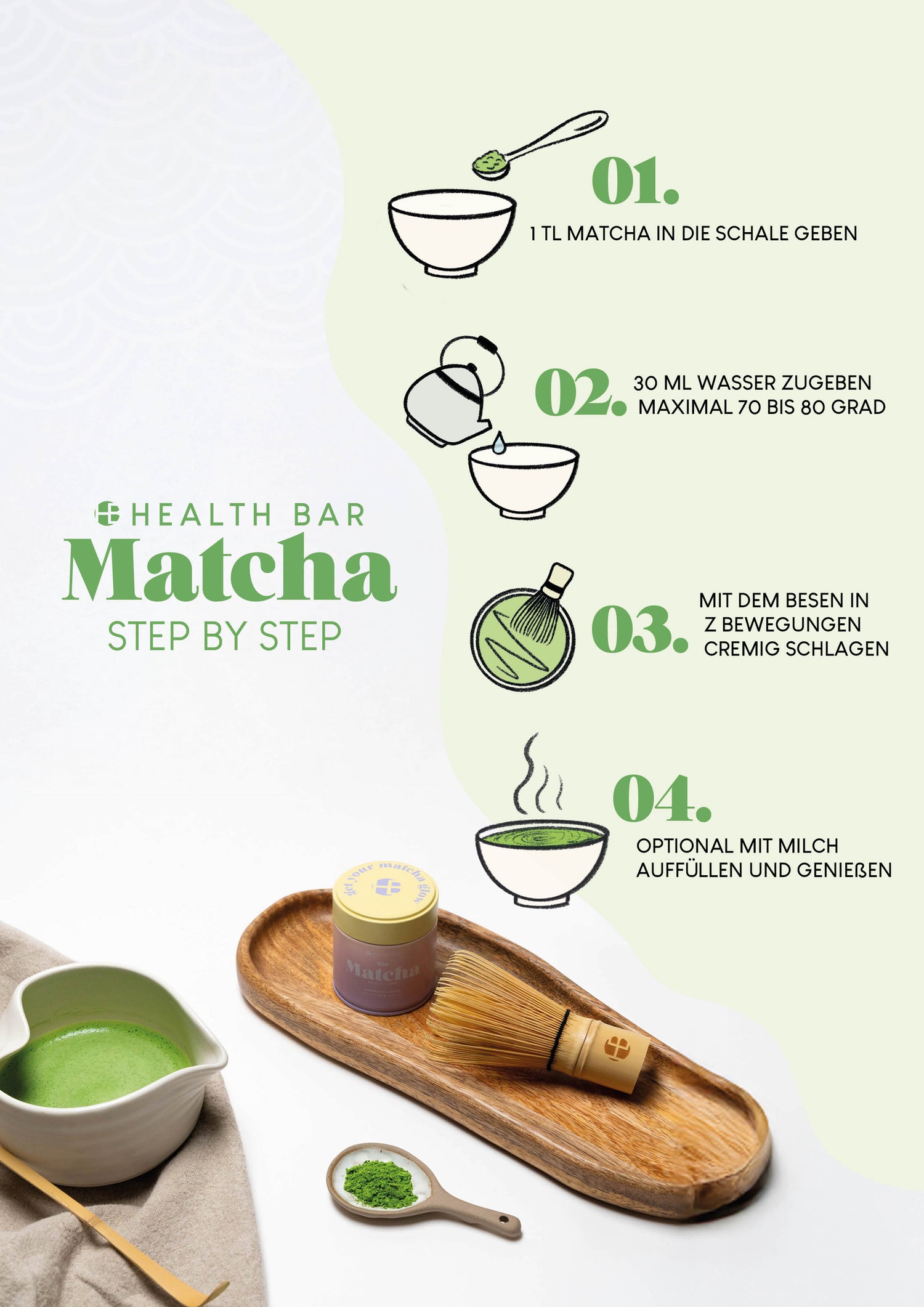
1. Dosieren: 1–2 Bambuslöffel (ca. 2 g) Matcha in die Schale geben.
2. Wasser: 70–100 ml Wasser mit etwa 80 °C dazugeben – nicht kochend, sonst wird er bitter.
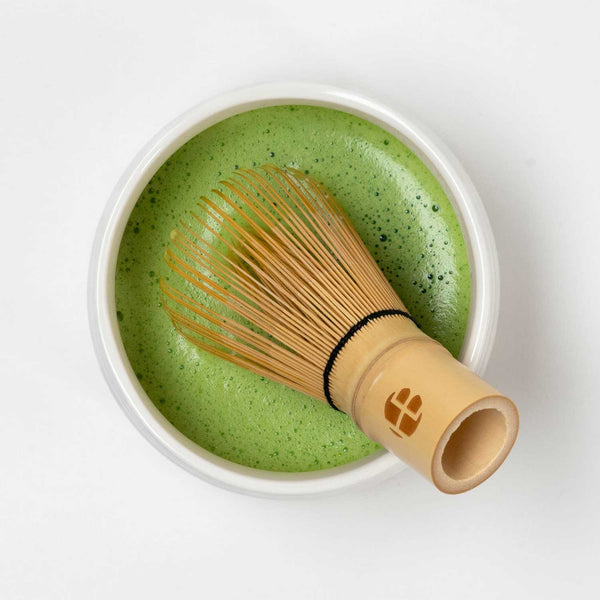
3. Aufschlagen: Mit dem Chasen in schnellen W-Bewegungen schlagen, bis ein feiner Schaum entsteht.
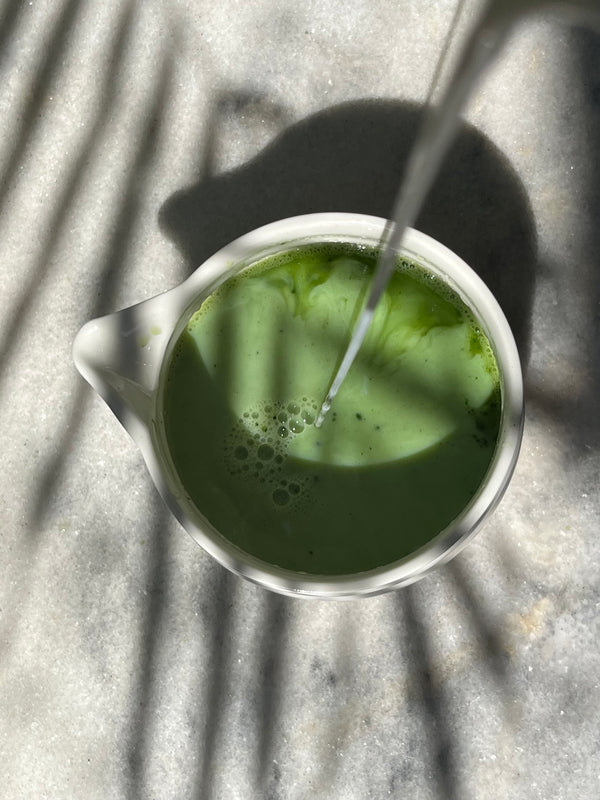
4. Genießen: Pur trinken oder mit Milch zum Latte aufgießen. Rezepte und Bilder findest du weiter unten.
Origin & Terroir
- Growing region: Uji, Kyoto (Japan)
- Harvest: Spring 2025
- Shading: up to 32 days before harvest
- Kultivare: Seamidori, Okumidori, Yabukita
Uji is considered one of the most renowned regions for high-quality Japanese matcha with a long tradition.
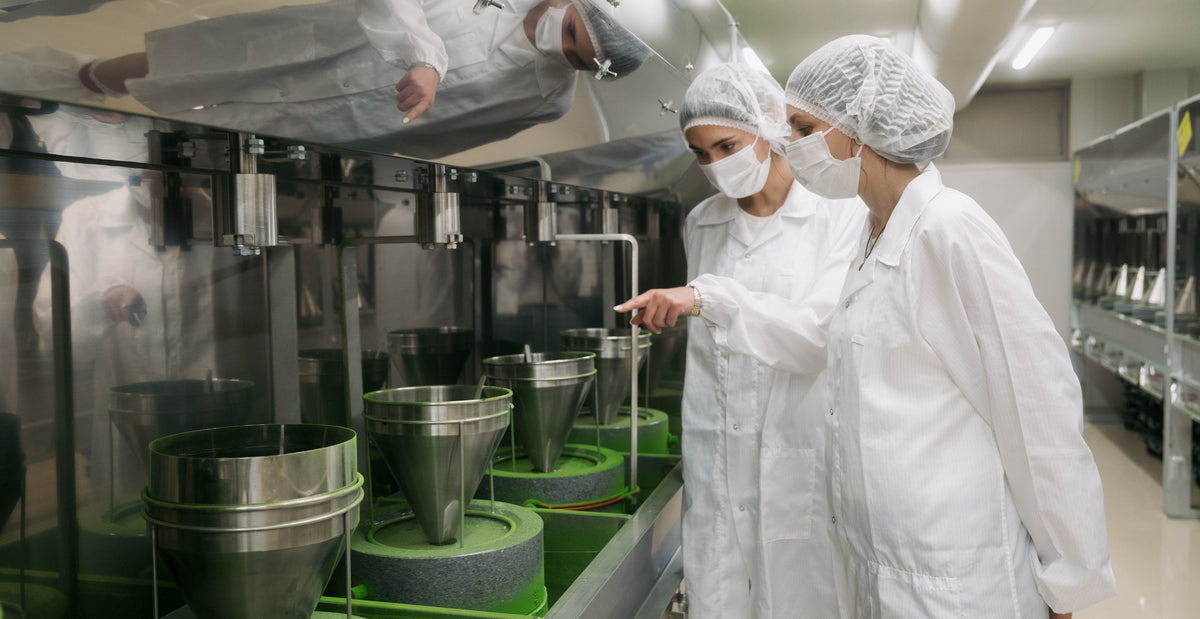
The tea leaves are shaded for up to 32 days before harvesting, gently steamed, and then traditionally ground in granite stone mills (approx. 30 g of matcha per hour).
product details
Product type: Matcha powder
Quality: Blend of 1st & 2nd harvest (Ceremonial Grade)
Cultivar: Okumidori, Yabukita, Saemidori
Damping: short (approx. 20 seconds)
Processing: Stone grinding (granite)
Shading: including full shading, up to 32 days before harvest
Organic certification: EU Organic, JAS Organic, FSSC Japan
Use: Matcha Latte, pure, daily preparation
-
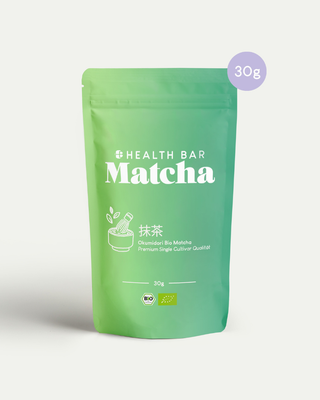 Okumidori Organic Matcha Tea – Single Cultivar – 30g
-
 Organic Mulberry Matcha Tea – Caffeine-Free




Woran du guten Matcha erkennst
Fünf Fragen, die auf jeder Packung beantwortet sein sollten – und unsere Antworten.
- Region
- Steht die Anbauregion drauf?Unserer: Uji, Kyoto
- Ernte
- Welche Ernte, welches Jahr?Unserer: 1. und 2. Ernte 2026
- Kultivar
- Welche Teesorten?Unserer: Saemidori, Okumidori, Yabukita
- Bio
- Welche Zertifizierung?Unserer: EU-Bio und JAS Organic
- Labor
- Gibt es Prüfergebnisse?Unsere: Laborbericht ansehen
Mehr dazu: Ceremonial vs. Traditional Matcha
-

Organic Certified
Health Bar Matcha is one of the few on the market with organic certification.
-

Vegan
It is part of our philosophy that we do not use animal products
-

Gluten free
Matcha is also safe for people with gluten intolerance
-

Consistent
The environment is important to us, which is why our matcha packaging is recyclable!


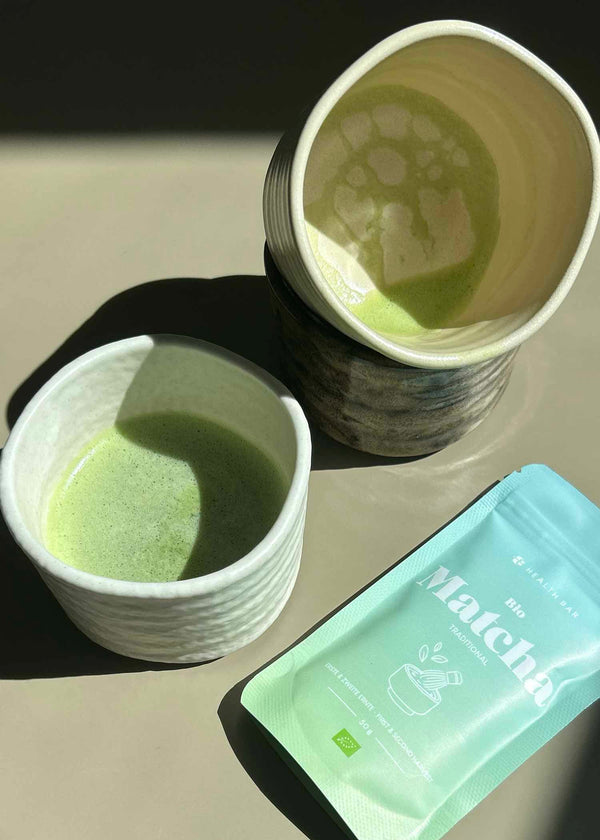
HOW-TO
Preparing matcha easily
1. Dosage of matcha: Using a bamboo spoon or a teaspoon, add 1-2 slightly heaped teaspoons of matcha to your chawan.
2. Add water: Pour 70–100 ml of water (approx. 80 °C) into the bowl. Make sure the water is not boiling hot, otherwise the matcha will become bitter.
3. Serve: Beat the matcha with the chasen in quick W- or M-movements until a fine, fluffy layer of foam is formed.
4. Enjoy: Take a moment to consciously enjoy the matcha. In Japan, they say: "Itadakimasu" – as a sign of gratitude before drinking.
origin
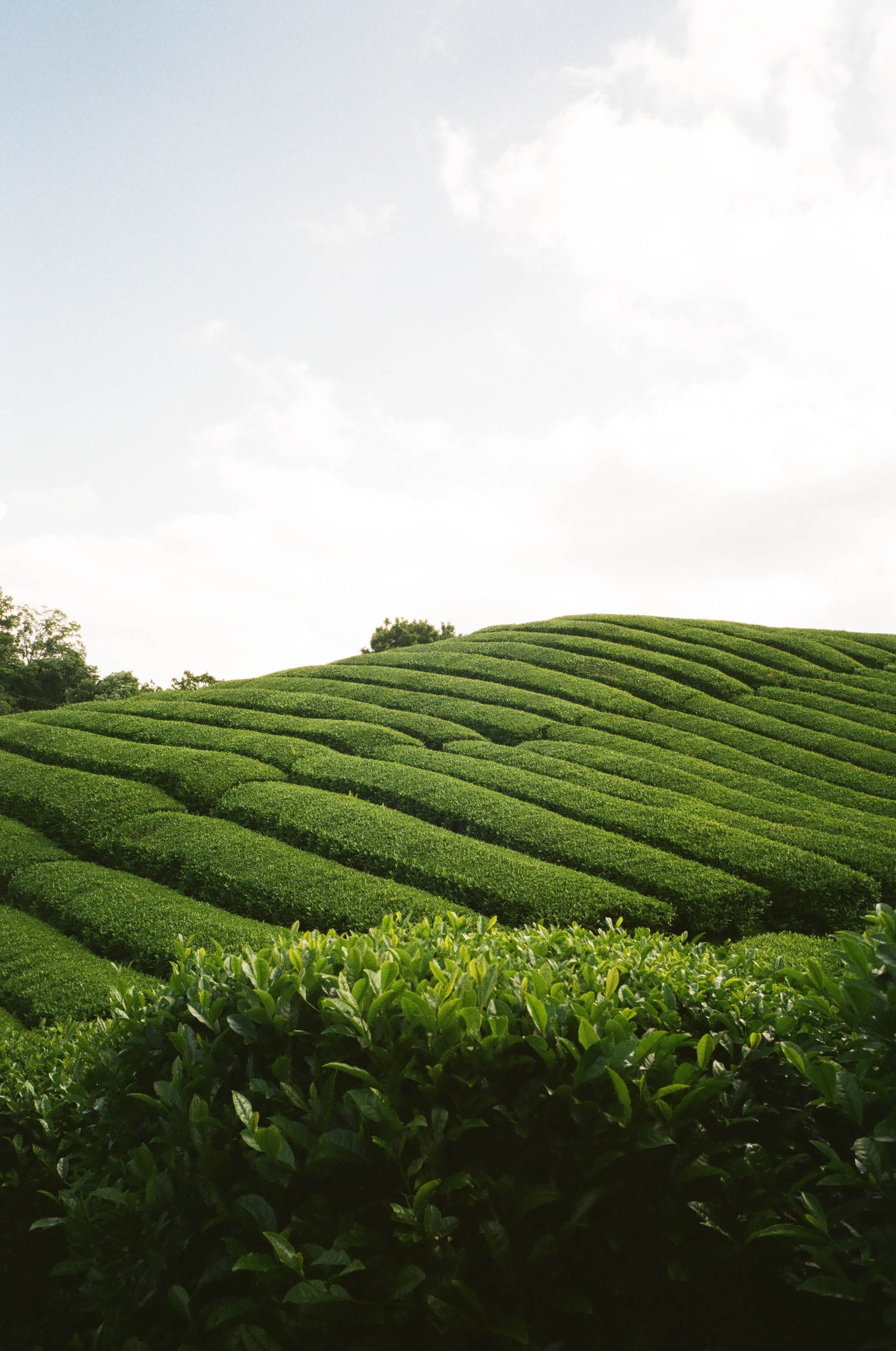
The Matcha tea growing region is one of the best and oldest in Japan: the Uji region, west of Osaka. The region is known for its clean water and nutrient-rich soil, free of pesticides. The climate is ideal: mist from the Uji and Kizu rivers keeps the tea plants moist and reduces the risk of frost damage.
production
Our tea farm is a traditional family business that has been in operation for several generations and has been producing organic matcha for several decades.
Our quality is confirmed by the strict standards of the organic certificate from the Japanese certification body JONA and the German organic certification.
Cultivation
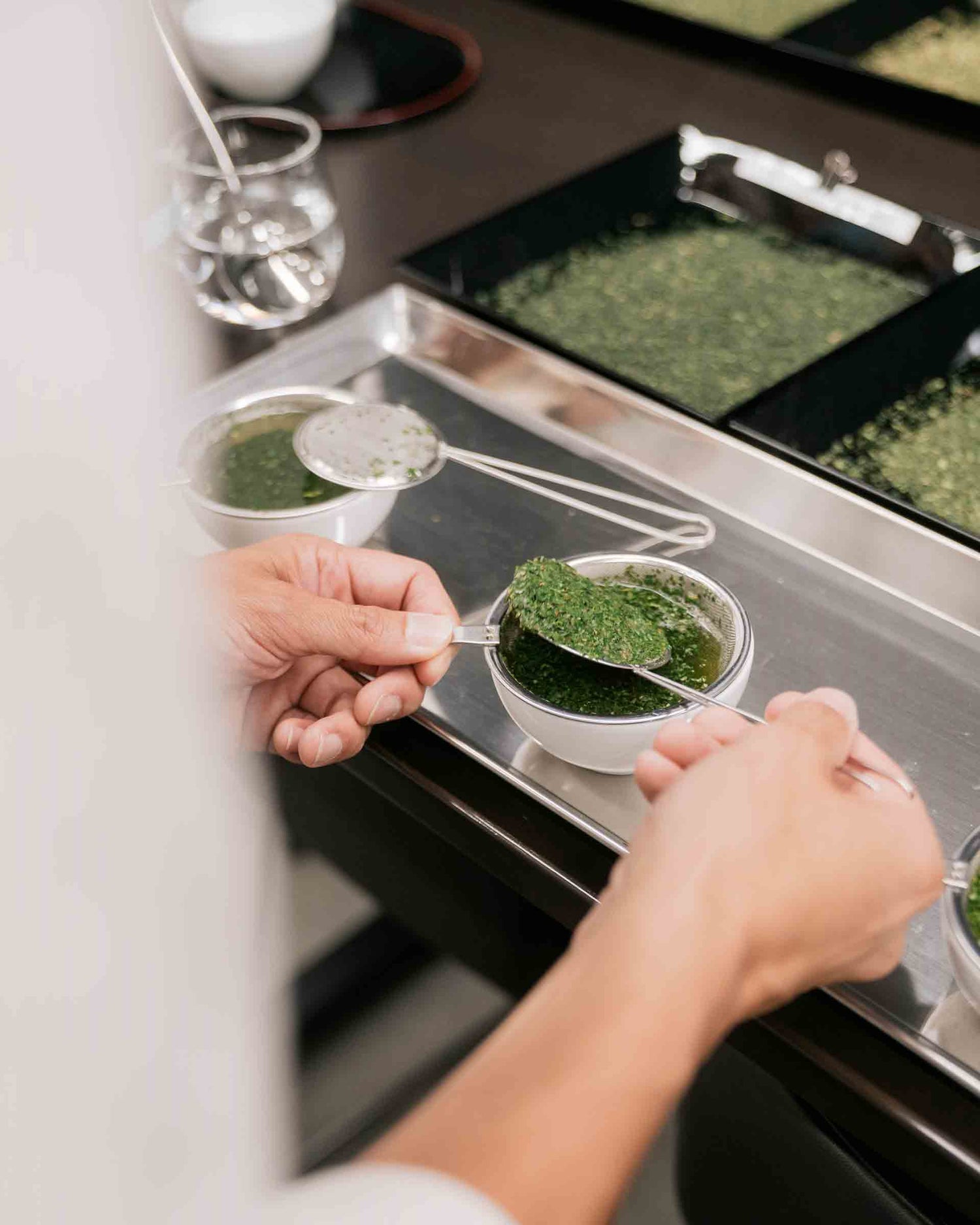
The tea farmers protect the plants from the sun with black textile sheets or, traditionally, straw. This increases the chlorophyll content in the leaves and softens the flavor. Cultivation is carried out without pesticides. Annual soil samples are taken, as well as laboratory tests for heavy metal and radiation contamination, to ensure the highest possible quality. Furthermore, each batch is carefully tested for its mineral content.
Labor-tested
Transparency you can taste: Our organic matcha is regularly tested by independent laboratories.
Why? Because we drink our own matcha every day – and because we want you to know exactly what's in your cup.
The results show:
- No pesticides detected
- Heavy metals significantly below EU limits
- Very good microbiological quality
We make all test reports available here transparently.

FAQ's about Matcha
Why is Uji Matcha of particularly high quality?
Uji is one of Japan's oldest and most renowned tea regions. The climate, soil, and centuries-old processing traditions result in particularly well-balanced, umami-rich matcha.
How much caffeine does matcha contain?
Traditional Matcha, due to the blend of first and second harvests, contains slightly less caffeine than Ceremonial Grade, but still offers a natural, long-lasting energy effect.
What is Traditional Matcha?
Traditional Matcha is a high-quality Japanese green tea made from a blend of first and second harvest teas. It has a more intense flavor than Ceremonial Matcha and is often used for lattes or for everyday consumption.
What does traditional matcha taste like?
It tastes stronger, slightly bitter, and less sweet than Ceremonial Matcha. At the same time, it remains creamy and balanced, especially when prepared as a latte.
Is matcha suitable for lattes?
Traditional matcha is ideal for matcha lattes, smoothies, or everyday enjoyment. Its more intense flavor remains clearly present even when combined with milk or plant-based drinks.
Where does matcha come from?
From Uji in Kyoto, one of Japan's most traditional regions for high-quality green tea.
Is Traditional suitable for beginners?
Yes, especially for beginners who want to drink matcha more as a latte or in everyday life. The taste is stronger and therefore very easy to combine with other ingredients.
Ich bin noch recht neu in Matcha Game aber komme mit diesem hier sehr gut zurecht! Er schmeckt überhaupt nicht bitter sondern eher leicht nussig und macht einfach Spaß. Leichter Abzug für den Preis, der aber natürlich kompetetiv und vergleichsweise auch noch voll im Rahmen ist.
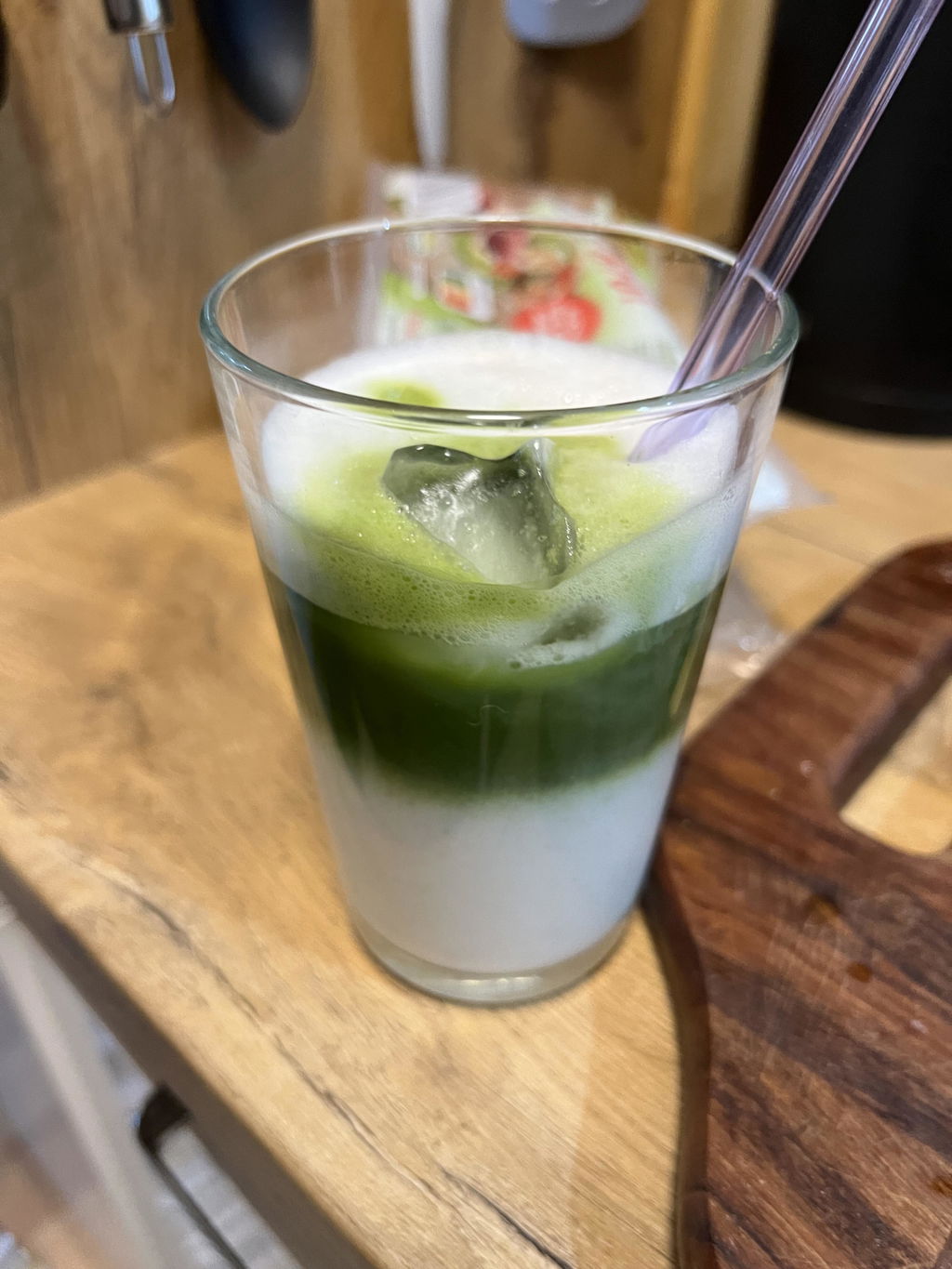
Hervorragende Qualität und wunderbarer Geschmack 😋! Ich habe euch 1 Stern abgezogen weil mich der „Ceremonial“ geschmacklich noch mehr abholt. Den „Traditional“ habe ich abonniert weil er günstiger ist (und auch gut schmeckt 👍). Kleine Anregung für euch: ich würde mir eine 250g Dose statt den 250g Nachfüllbeutel wünschen, da dieser wirklich unpraktisch bei der Entnahme ist (ständig sind die Hände voll mit grünem Matchapulver) 🤷♀️
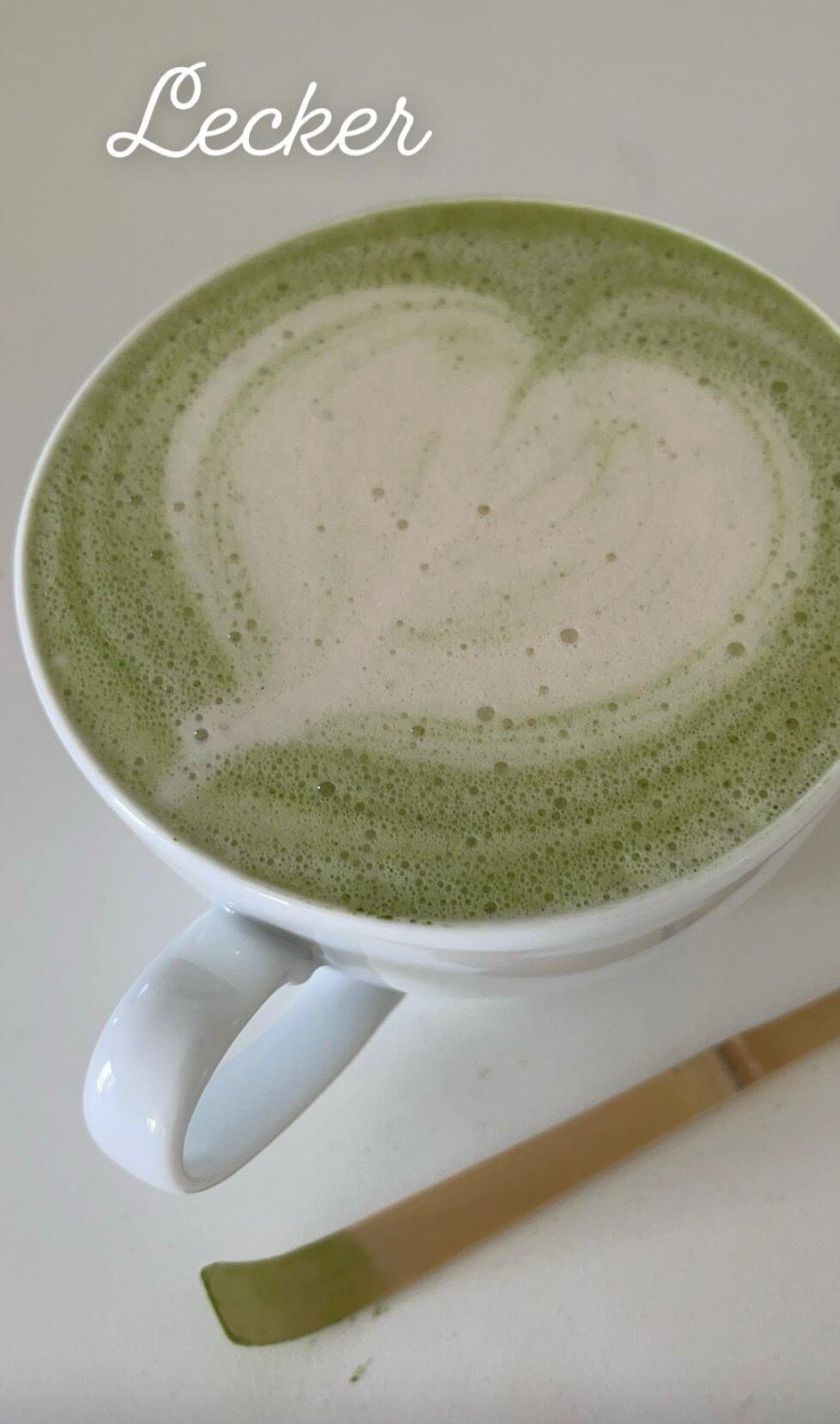
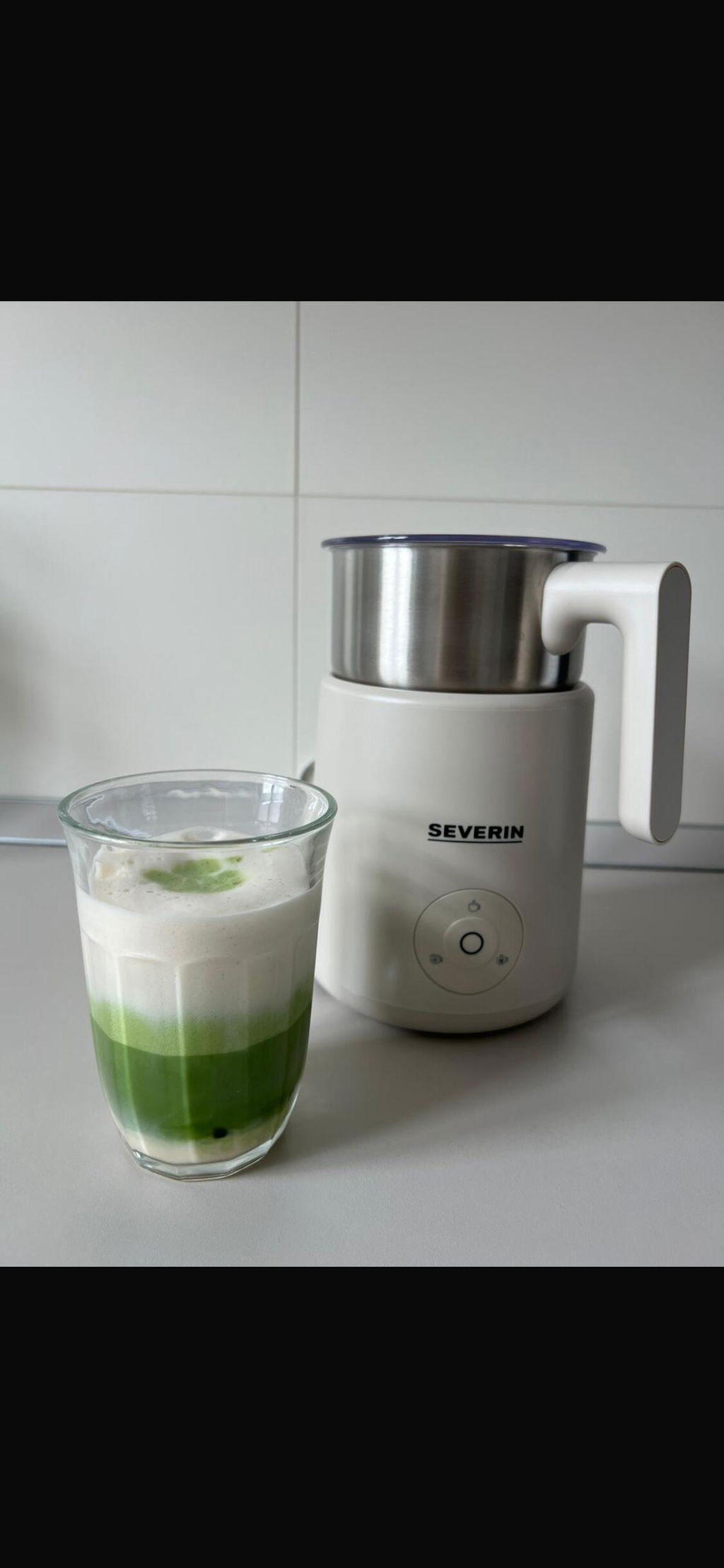
Für mich einer der leckersten Matchas 😋
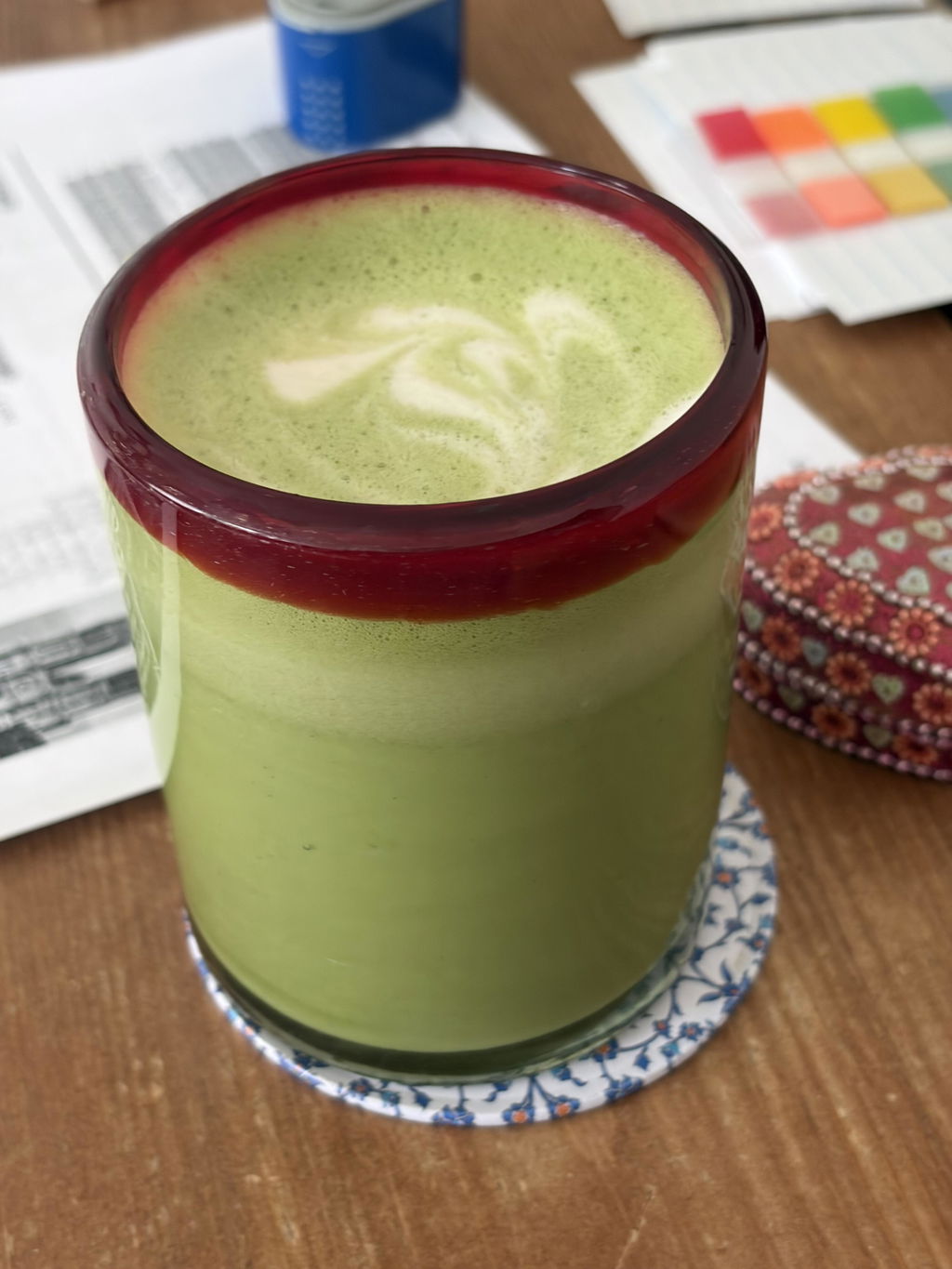
Bisher der beste Matcha den ich probiert habe!
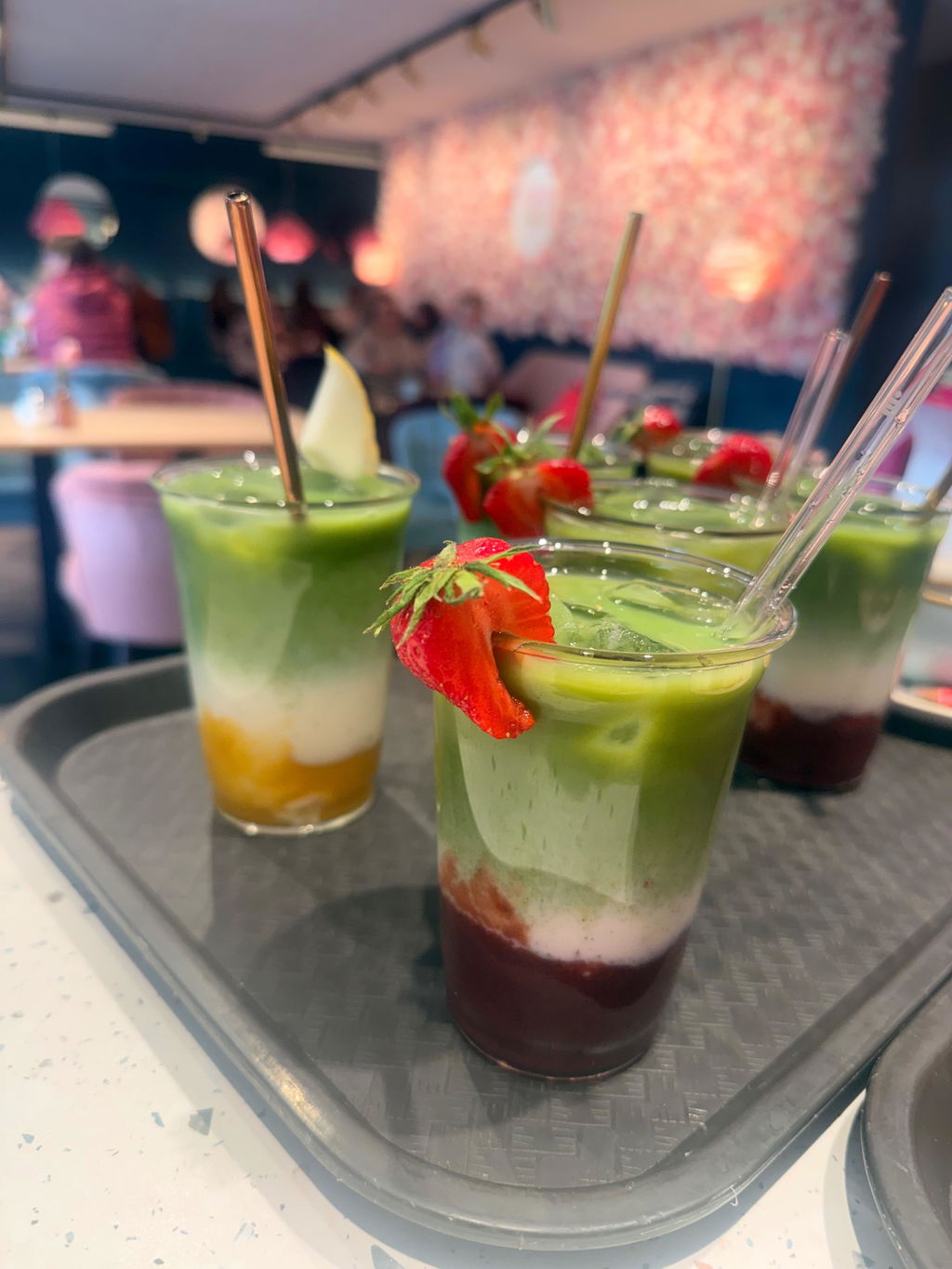
Hey, ich schreibe normalerweise nie Bewertungen aber ich wollte euch einmal mitteilen dass ich euren Matcha wirklich liebe! Ich bin recht neu im Matcha Game und bin wirklich so glücklich und dankbar, euren Matcha gefunden zu haben. Er gehört zu meiner täglichen Routine dazu und ich werde definitiv wieder bestellen! 🍵⭐️ Liebe Grüße
Jasmin
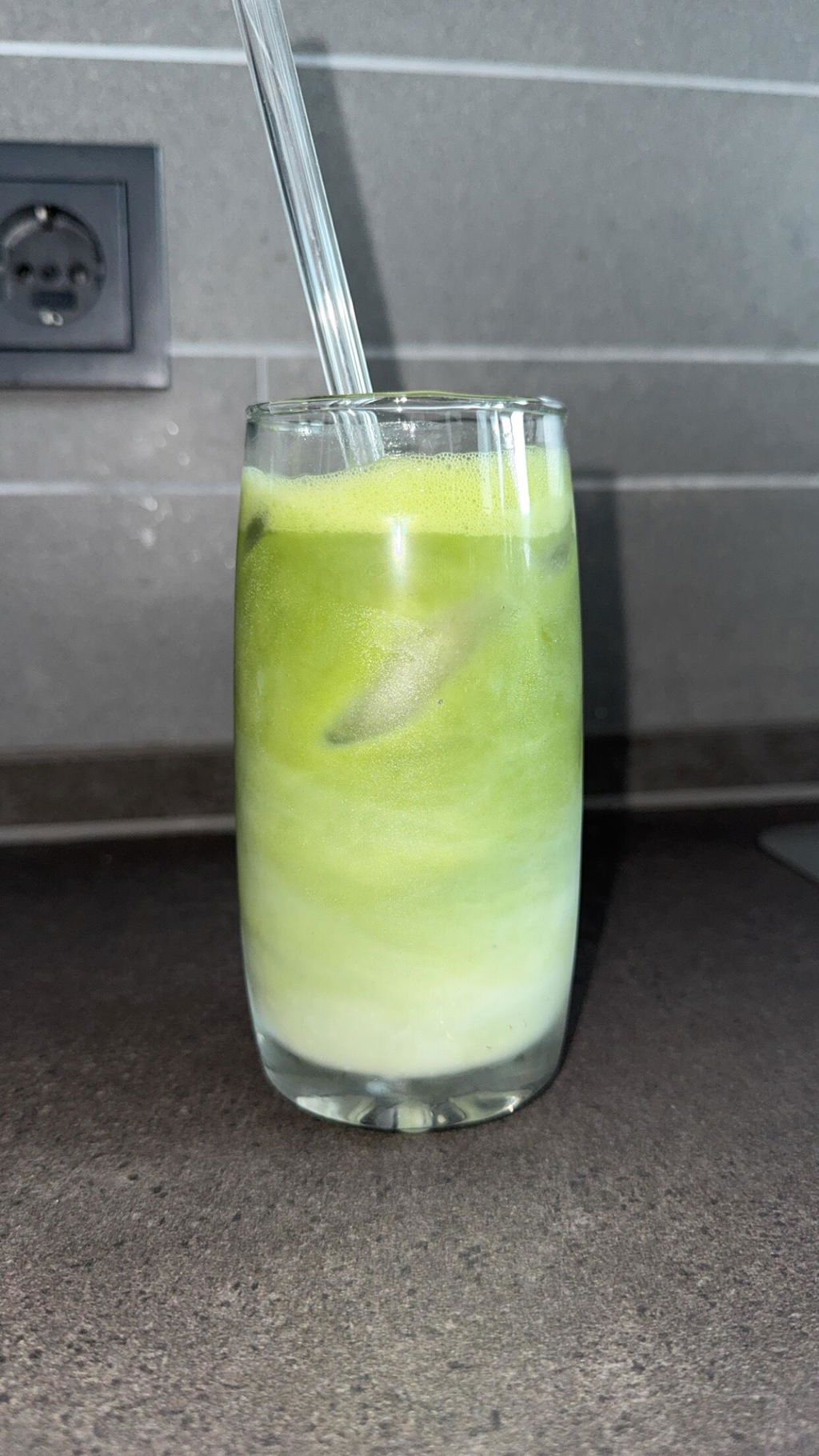
Matcha-Time 💚 Teste gerade den Matcha von Health Bar und bin absolut verliebt. Schmeckt super cremig und ist mein perfekter Energie-Kick für den Tag!
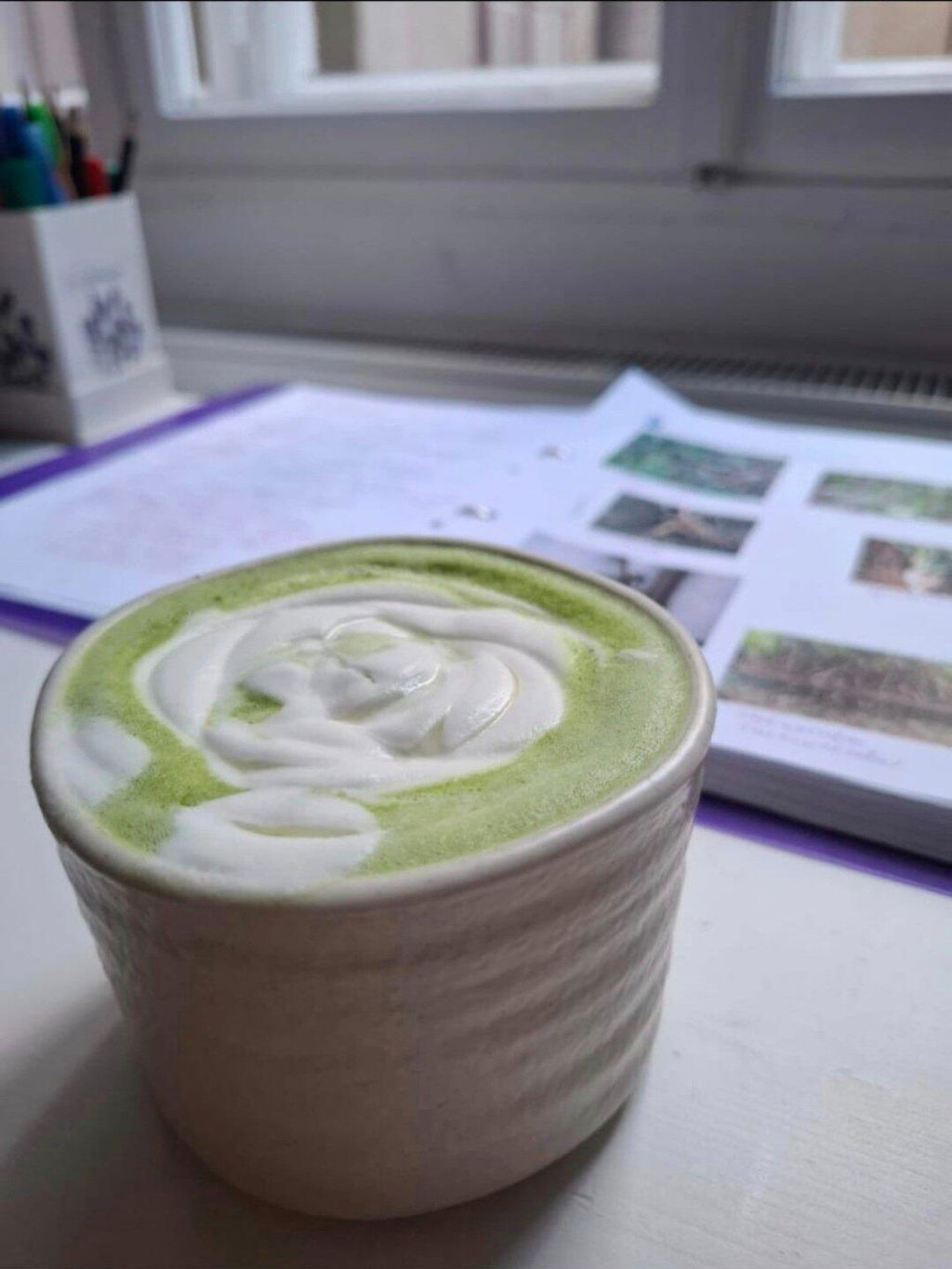
Finde den matcha von healthbar einfach am besten. Sowohl die Farbe als auch der Geschmack übertrifft einfach immer und ist den Preis mehr als gerechtfertigt
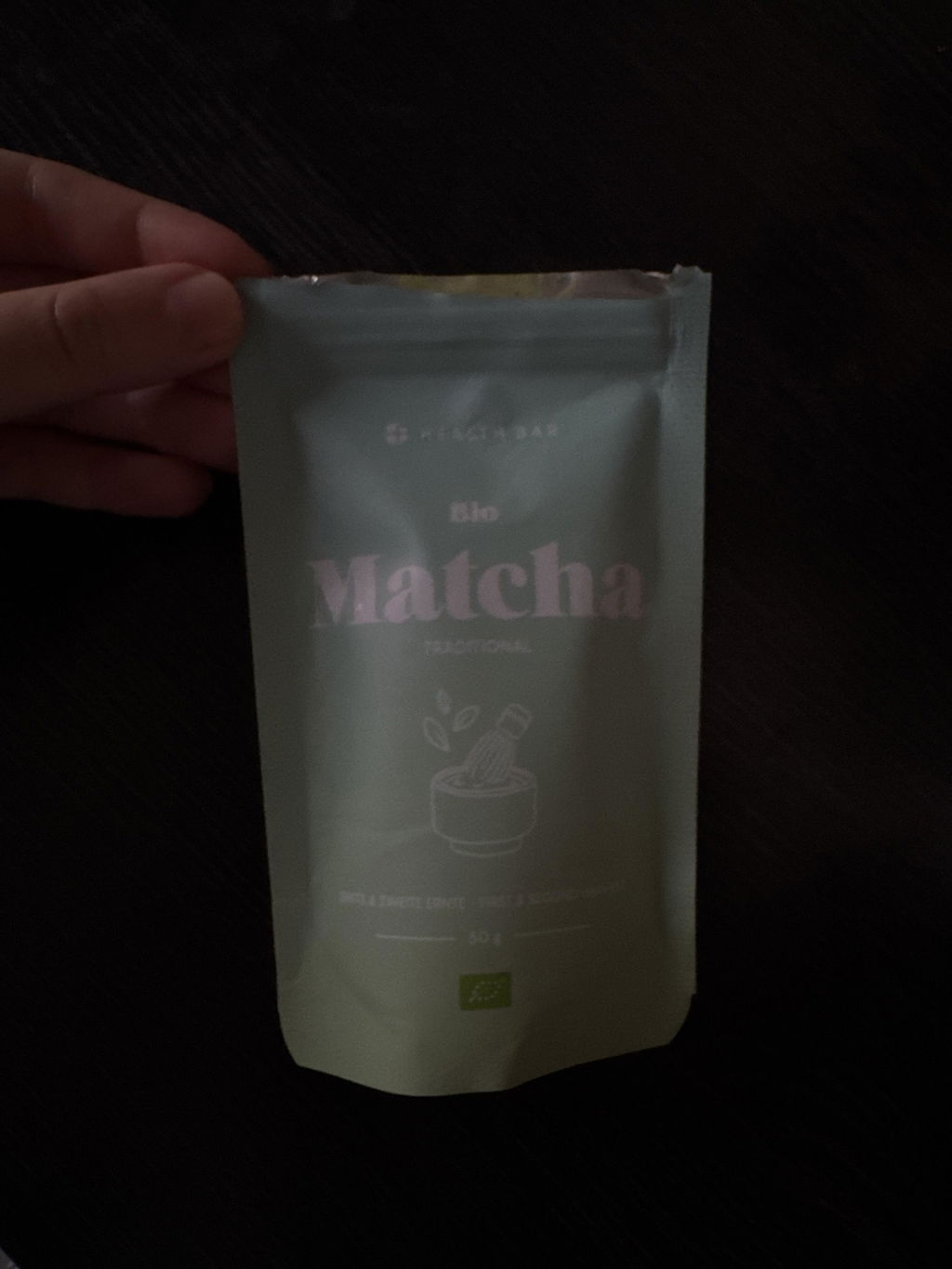
Wenn man einmal diesen Matcha Standard erreicht hat, schmeckt jeder andere Matcha nur noch zweitklassig. Ich liebe die Health-Bar Matchas einfach!
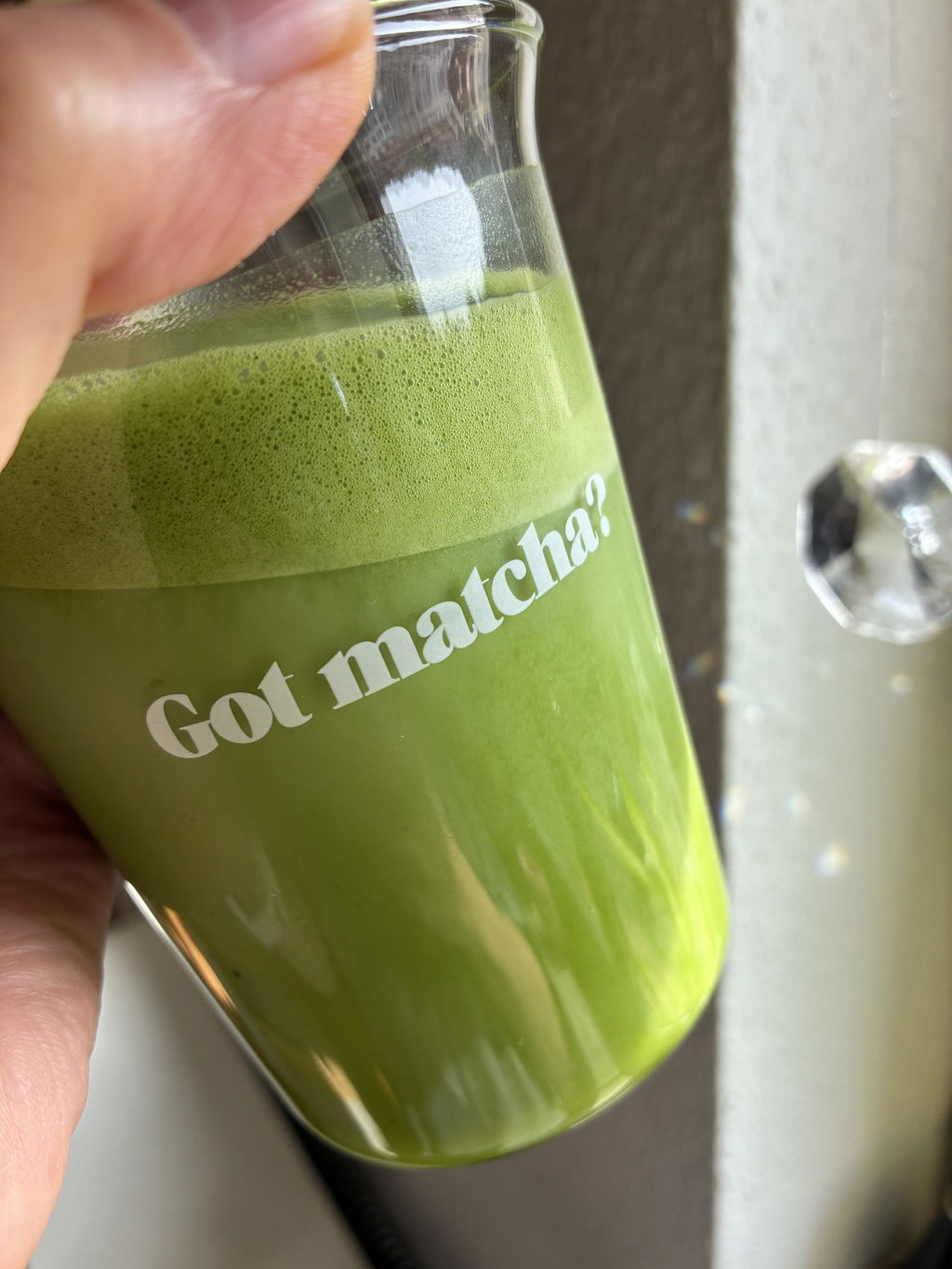
Praktische Verpackung, gute Qualität, Lieblings grün
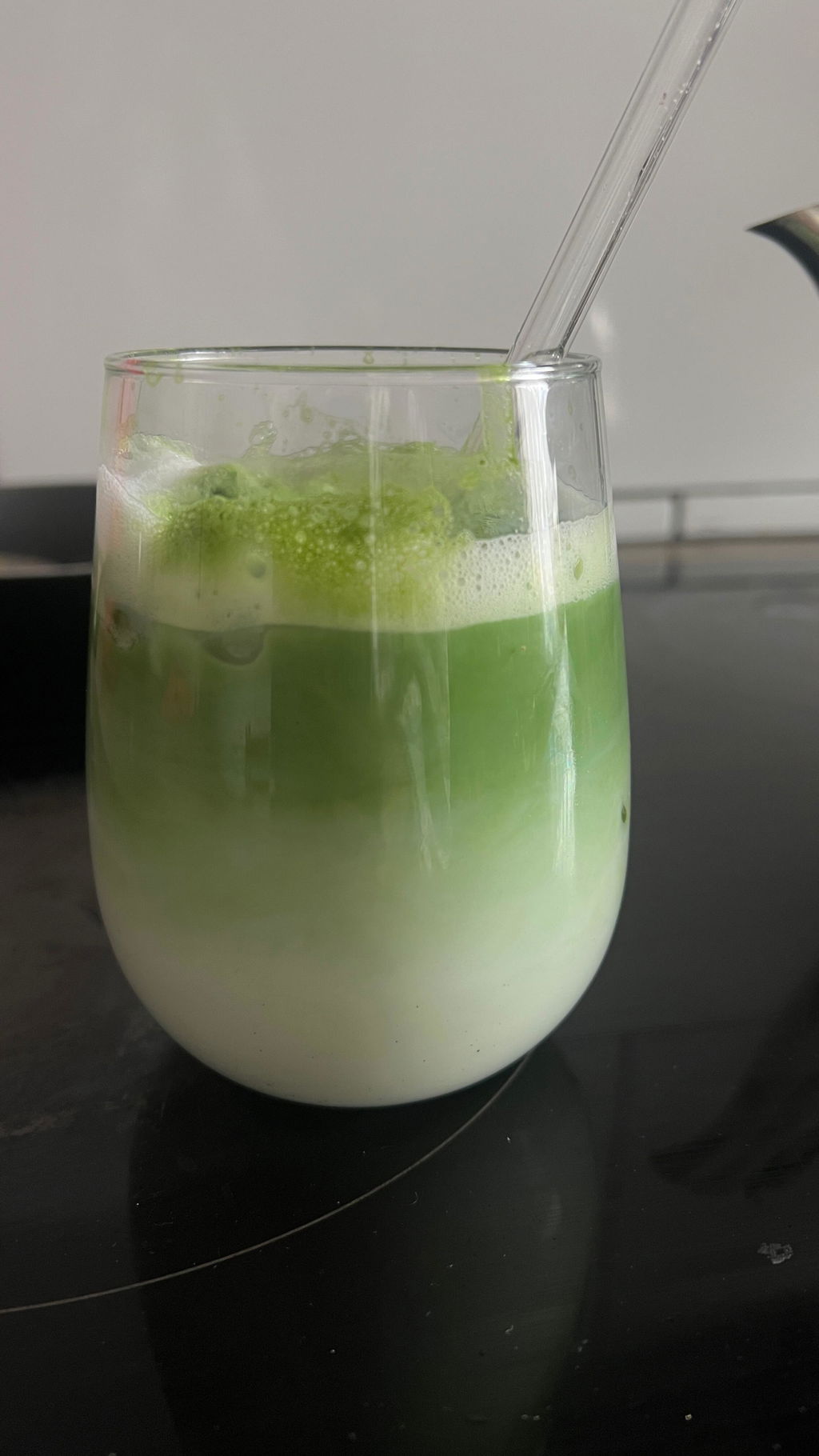
Ich habe schon so viele unzählige Matcha Sorten getestet und dieser ist wirklich der beste. Mittlerweile hole ich mir draußen kaum noch Matcha Latte, da diese oft mindere Qualität haben und ich lieber meinen eigenen zuhause trinke
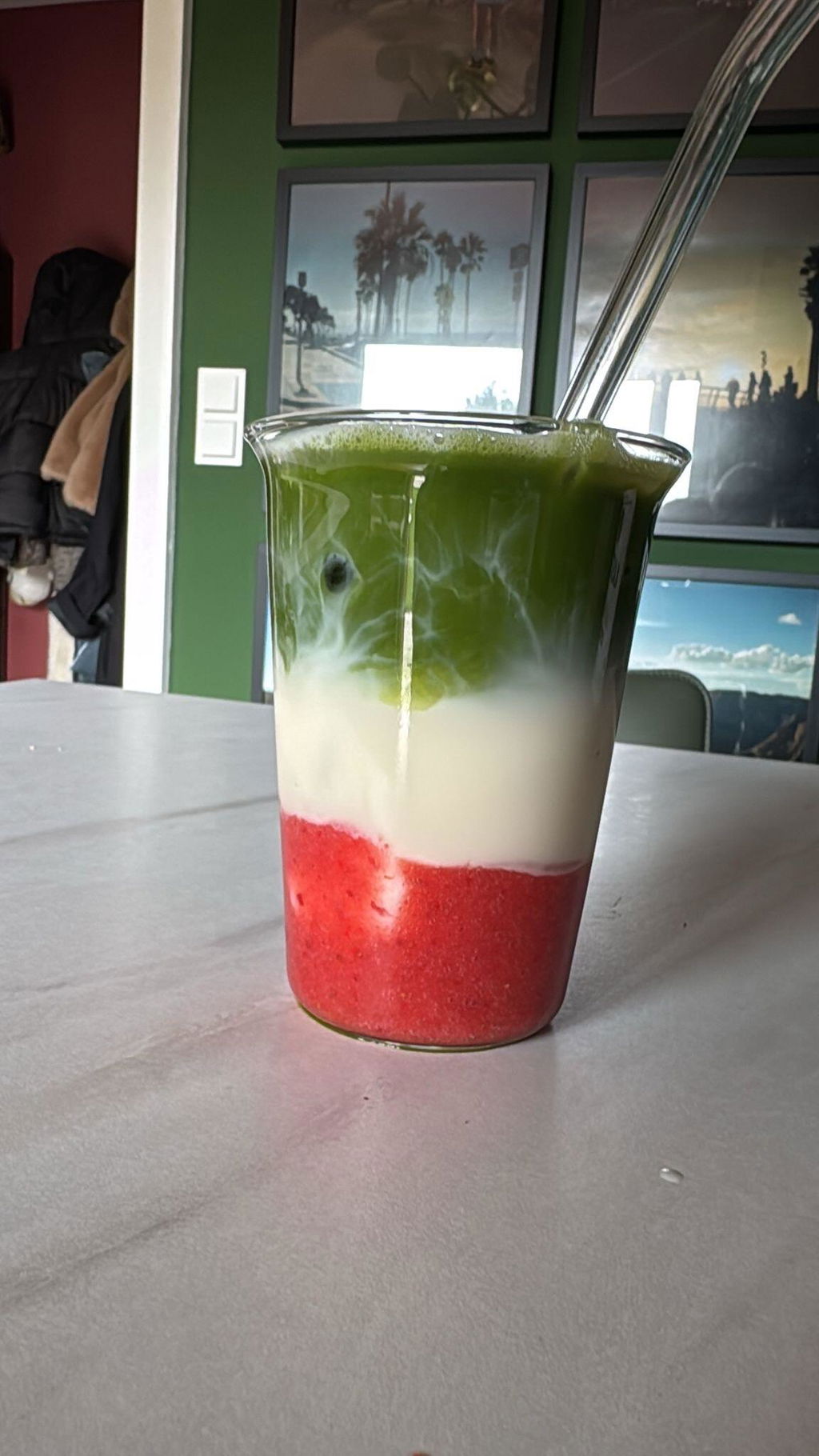
Ich bin großer matcha lover - daily lover! Bin rein zufällig auf health bar gestoßen und habe es ausprobiert. Das packaging und die Qualität sind 1A! Der matcha ist nicht grasig (wie oft bei minderwertigen Produkten) auch die Farbe eine glatte 9,5/10! Das bonusprogramm finde ich auch sehr ansprechend. Im Winter habe ich sogar damit gebacken - sooo intensiv und lecker!
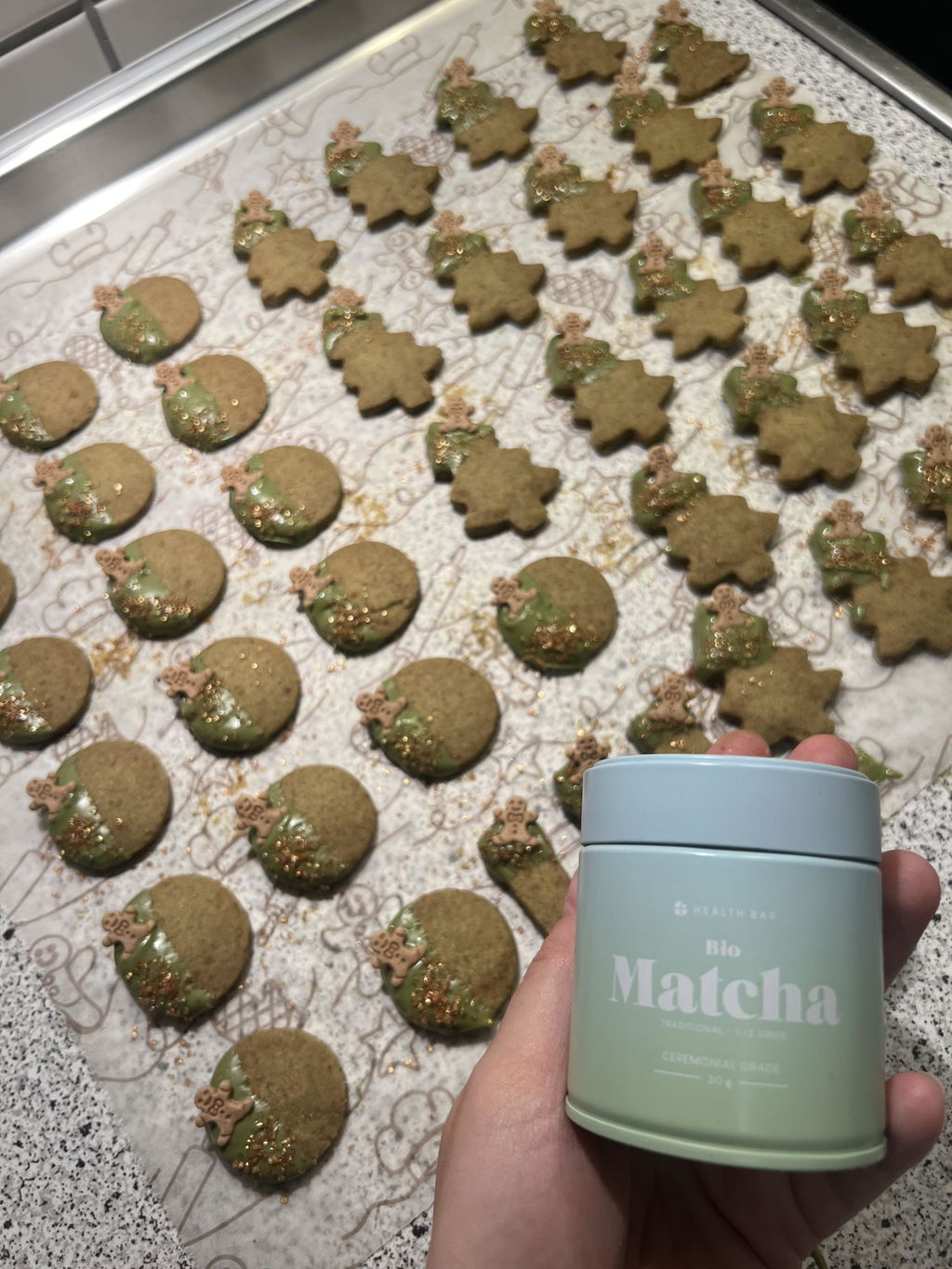
Absolut empfehlenswert, Geschmack ist nicht zu toppen.
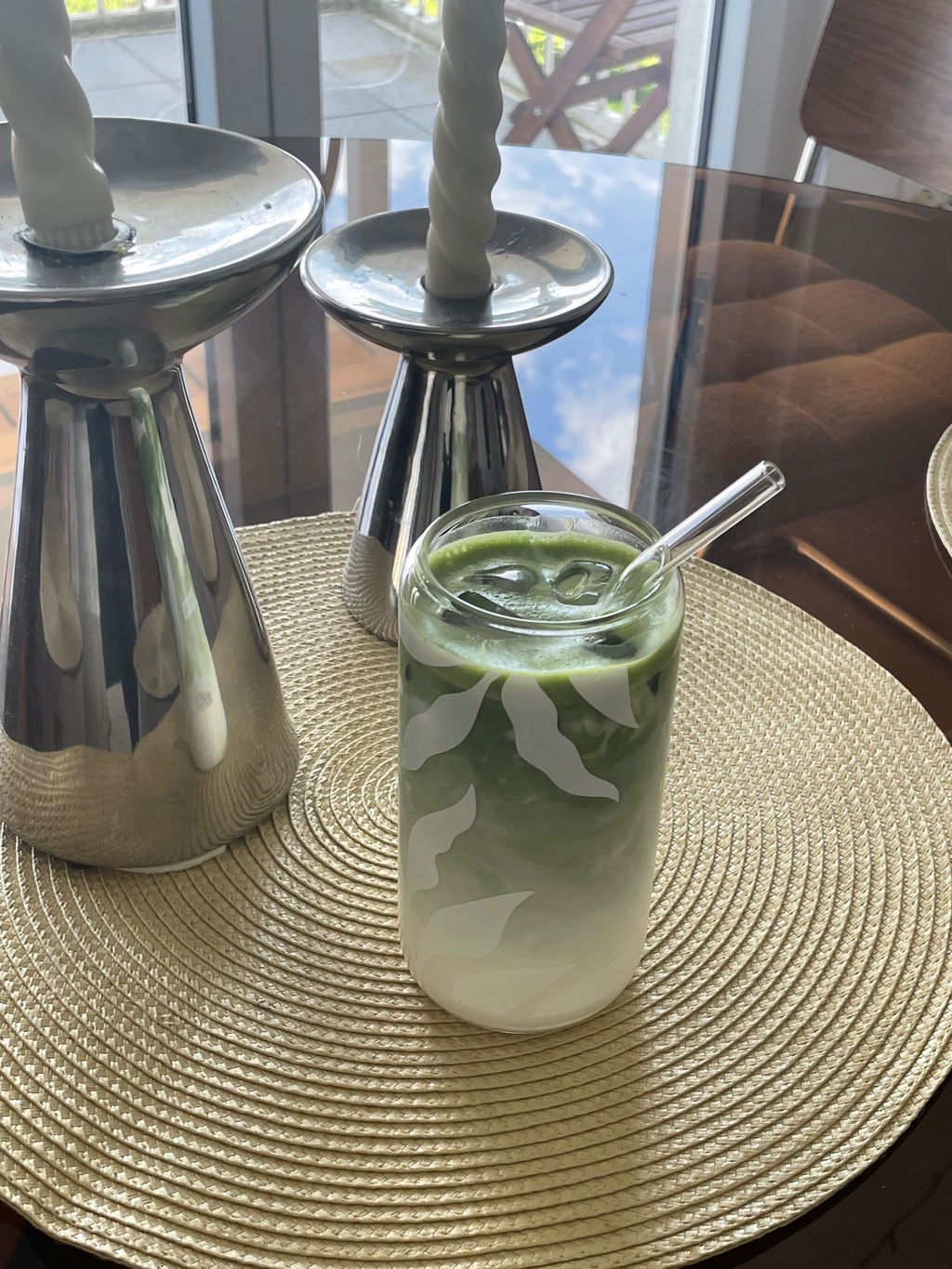
Absolut empfehlenswert! Habe bereits unzählige Marken probiert und bin immer wieder zu diesem hier zurückgekommen. Das ist mit Abstand der beste Matcha! 🍵 er schmeckt für mich perfekt „grün“ und ist auch leicht dosierbar. Brauche keinen Sieb weil dieser hier so schön fein ist! Die Farbe ist jedesmal mein Highlight! so schön leuchtend und tiefes Grün! 😍 bestelle die 250g Packung immer wieder nach. LOHNT sich total!
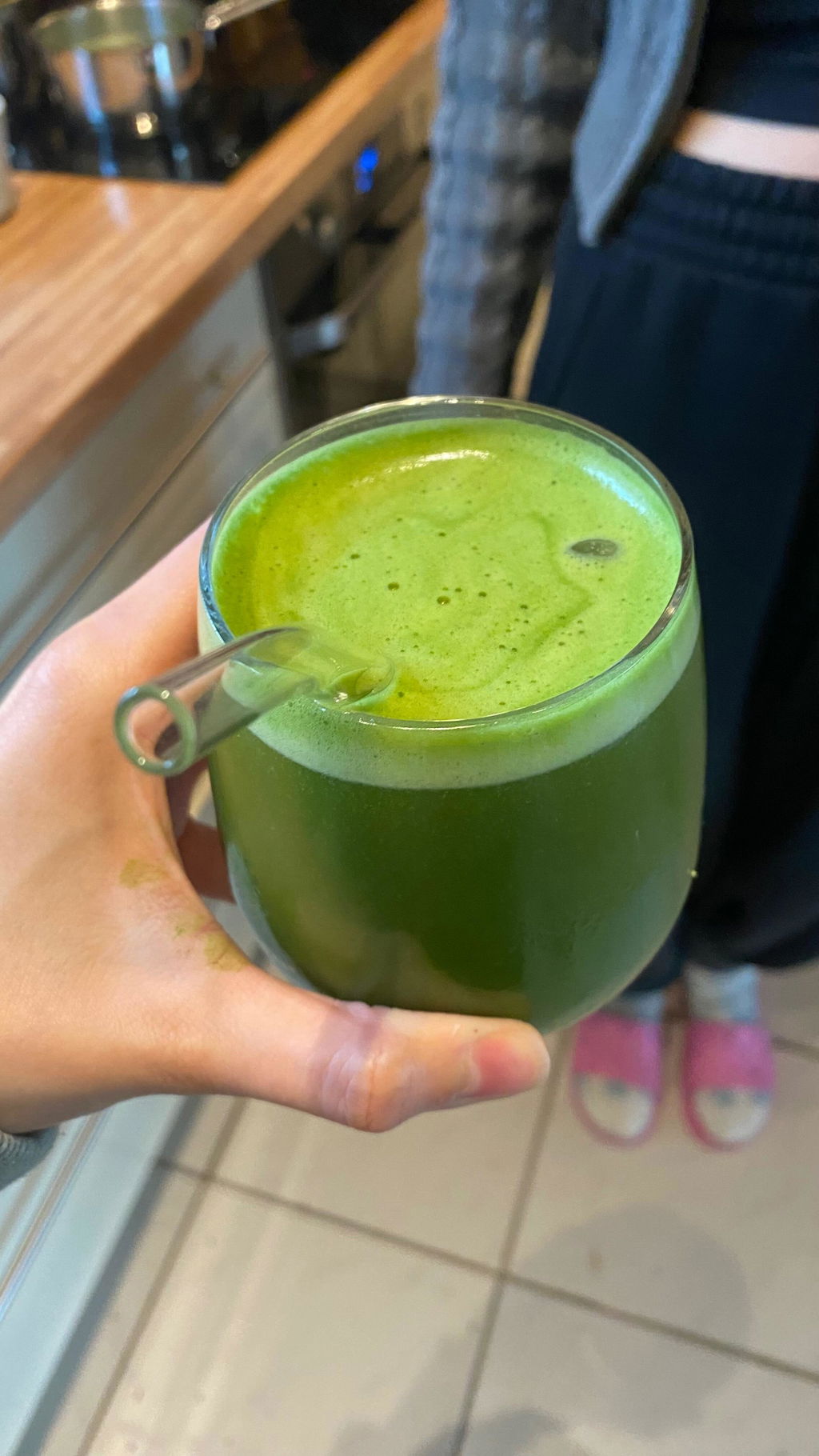
Ich bin ein großer Fan vom Ceremonial Matcha und wollte dem Traditional Matcha auch mal probieren. Ich würde es als die intensivere, leicht bittere Schwester vom Ceremonial Matcha beschreiben. Ohne hier zu sagen, dass der eine besser ist als der andere. Wenn man sich an einen umso kräftigeren Tee-Geschmack für Matcha traut ist diese Sorte worth a try 🥰
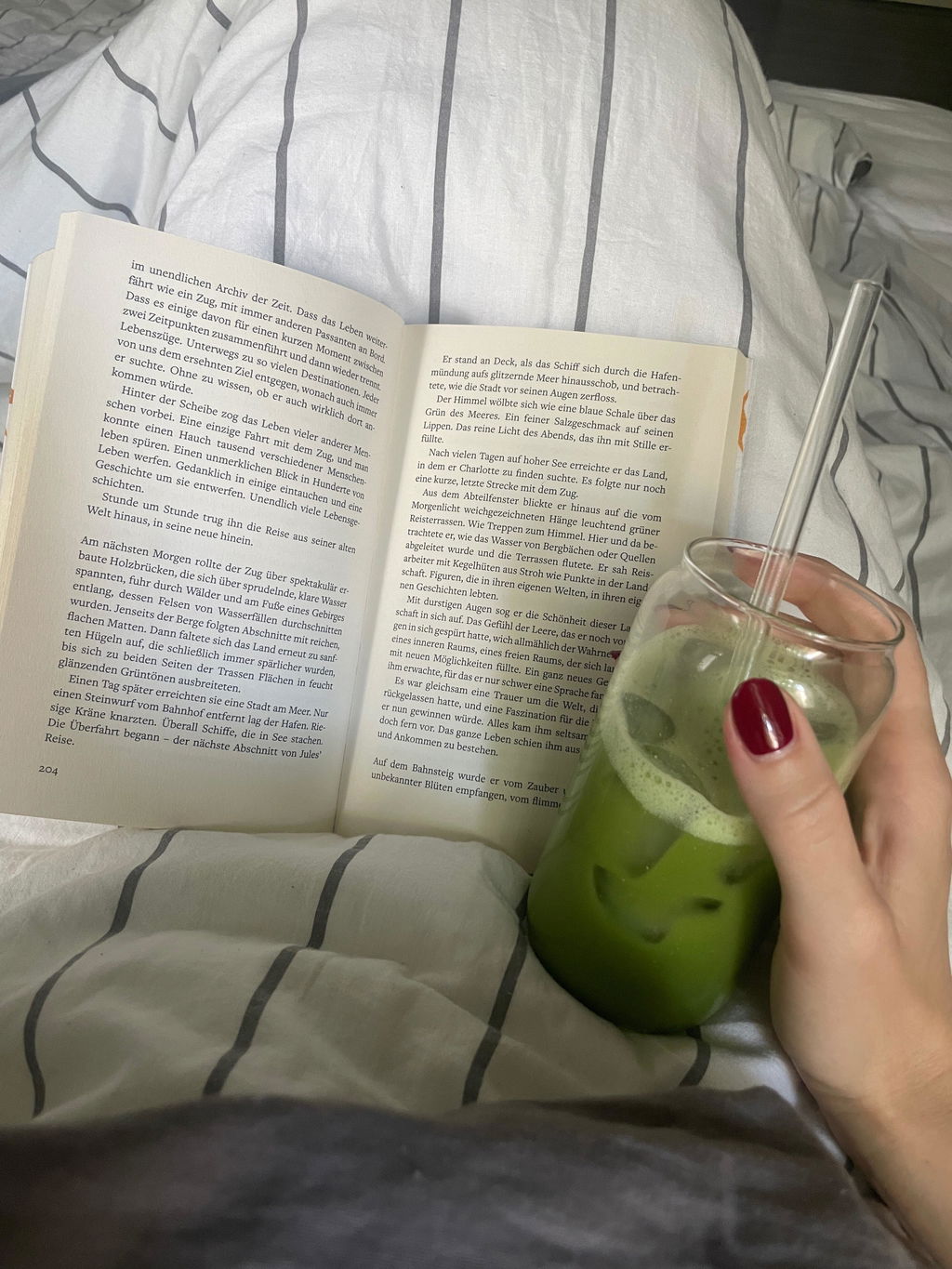
So wie Matcha aussehen und schmecken sollte🤞🏼🤞🏼
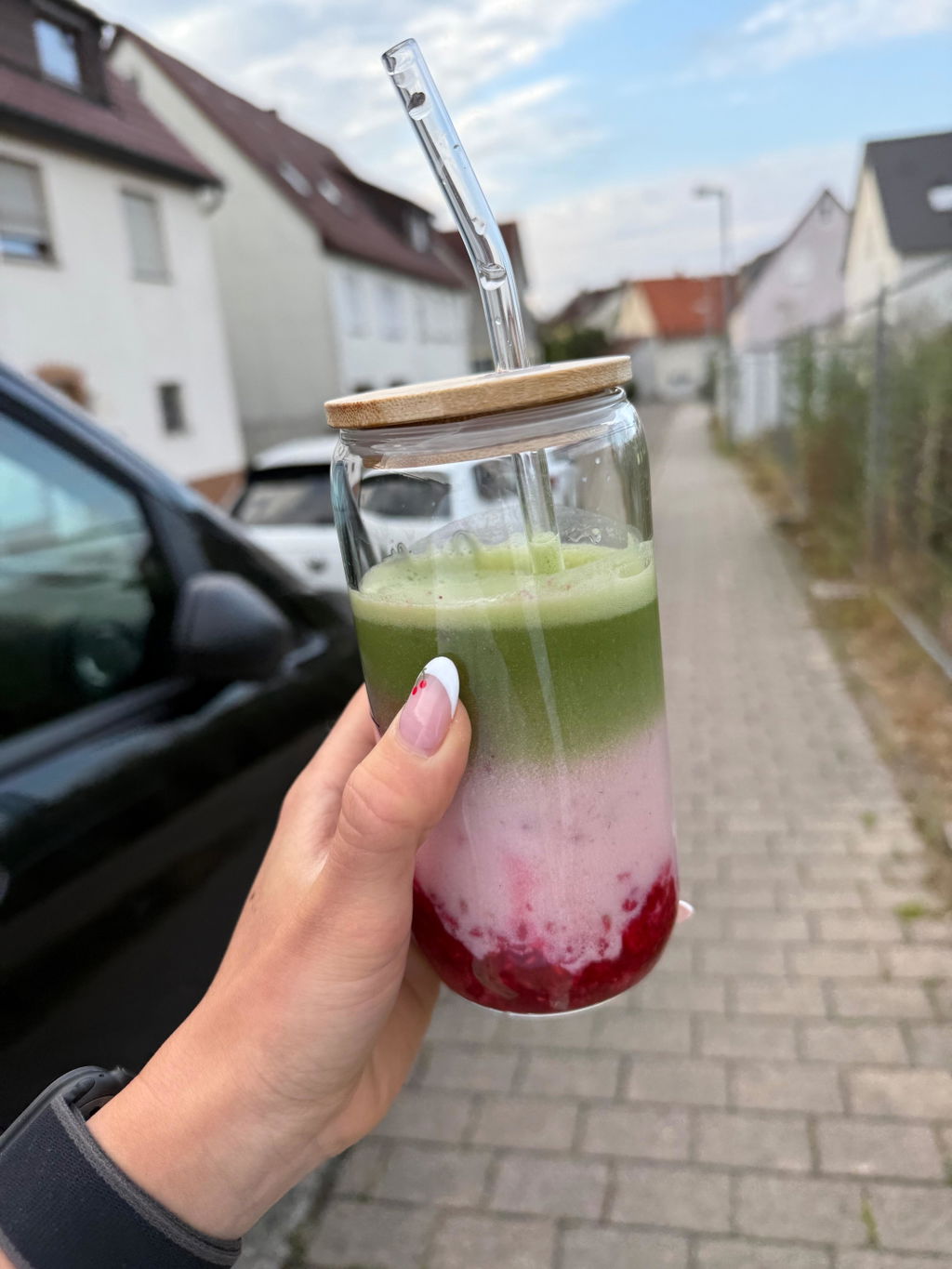
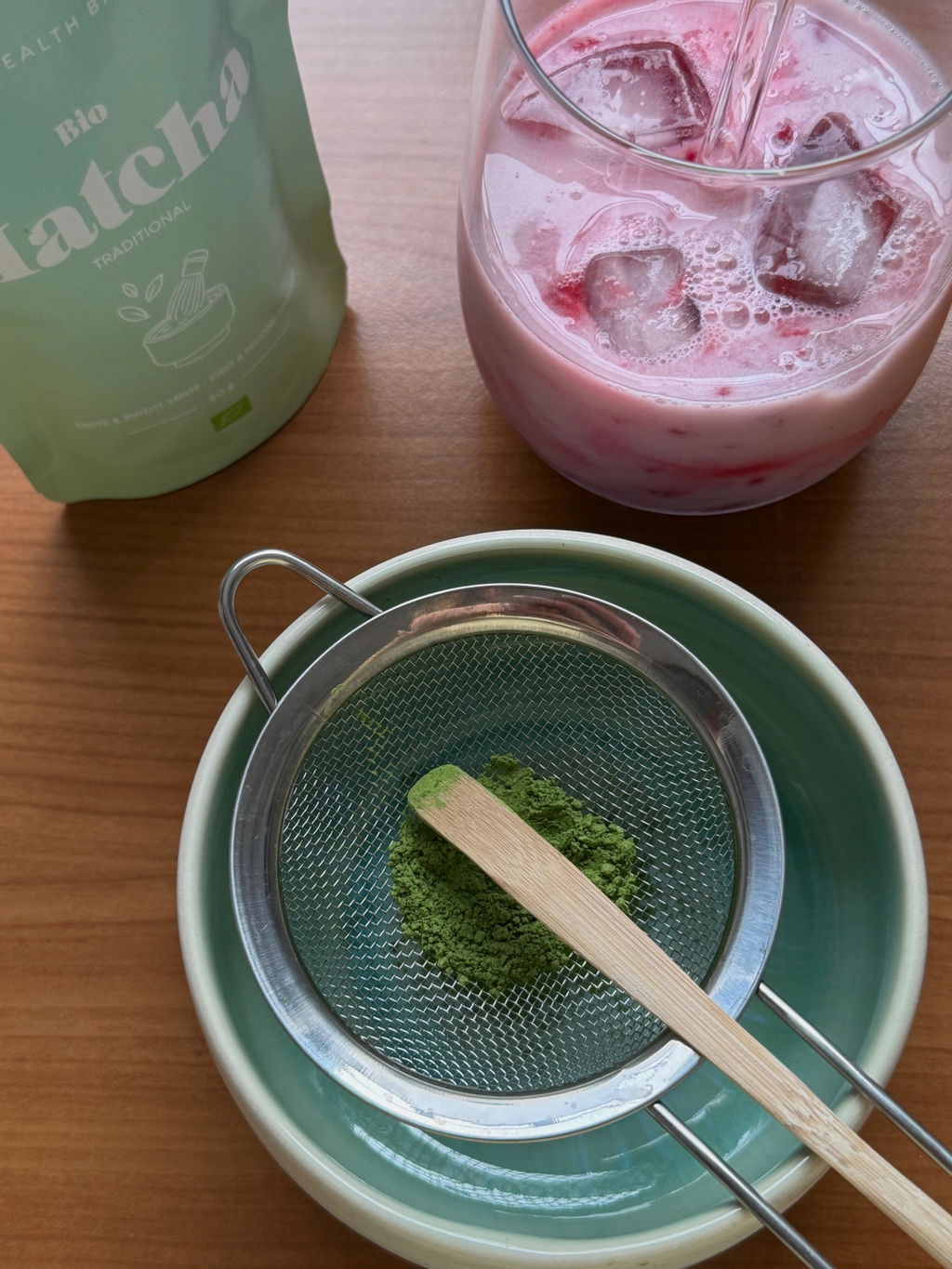
Sehr feiner Matcha, Geschmack überzeugt.
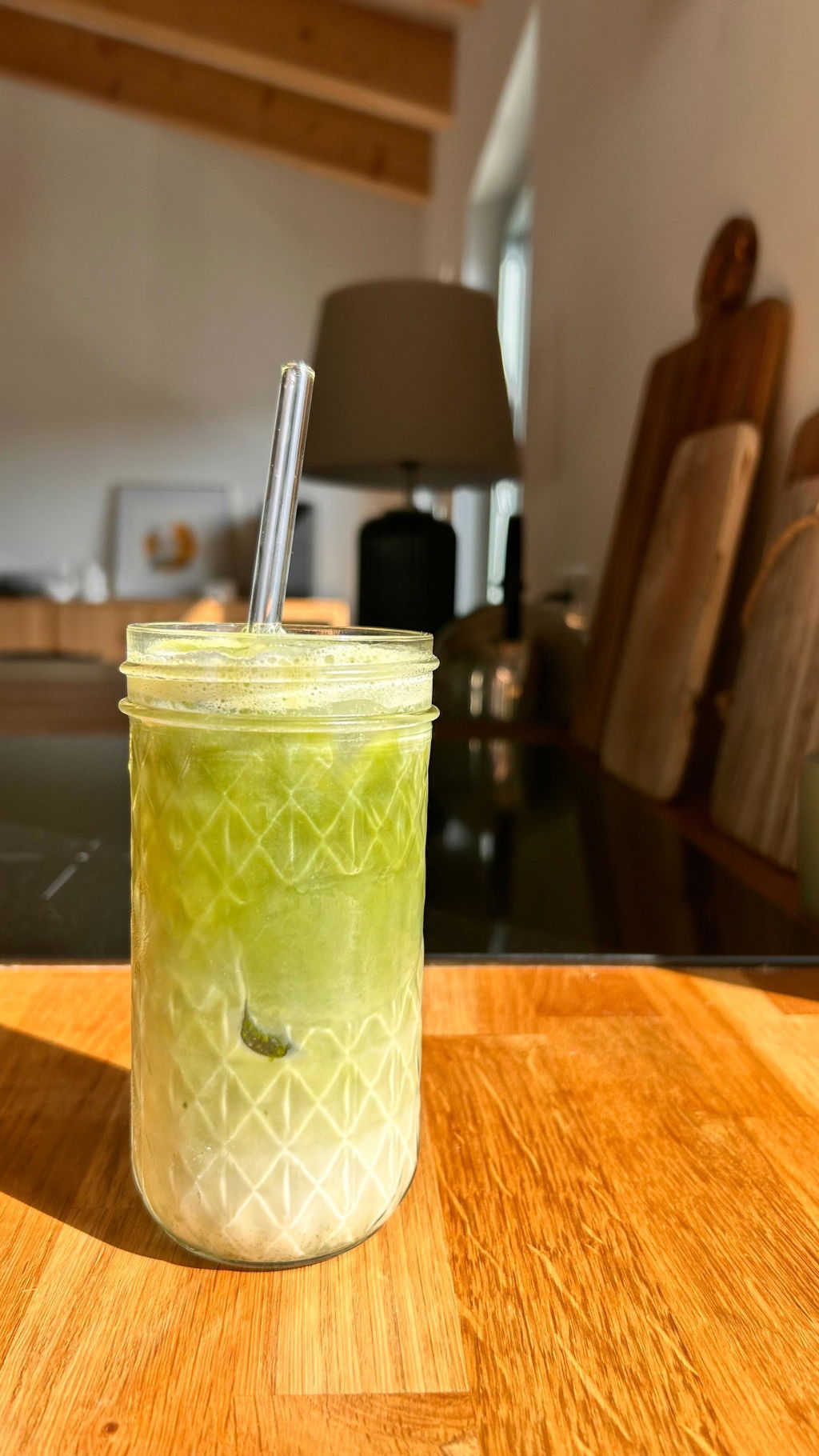
Ich bin so zufrieden🥹 würde auch immer wieder bestellen wenn der Preis nicht sooo hoch wäre 🥹🎀
Ich bin sehr begeistert von beiden Matchas. Sie sind sehr lecker, lassen sich schön aufschäumen.
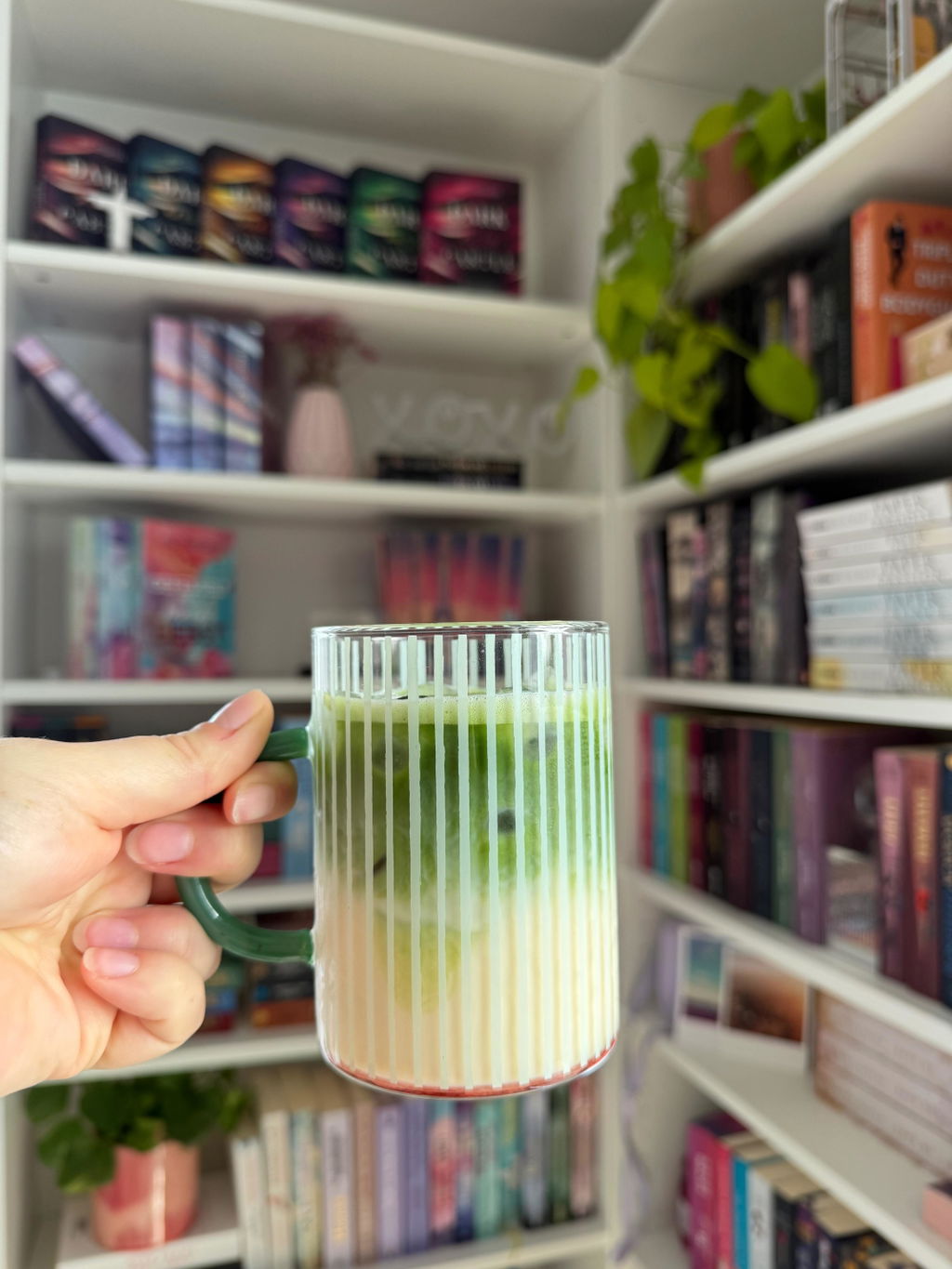
Ich finde den Matcha sehr lecker und ausgewogen. Ich trinke ihn auch unheimlich gern pur.
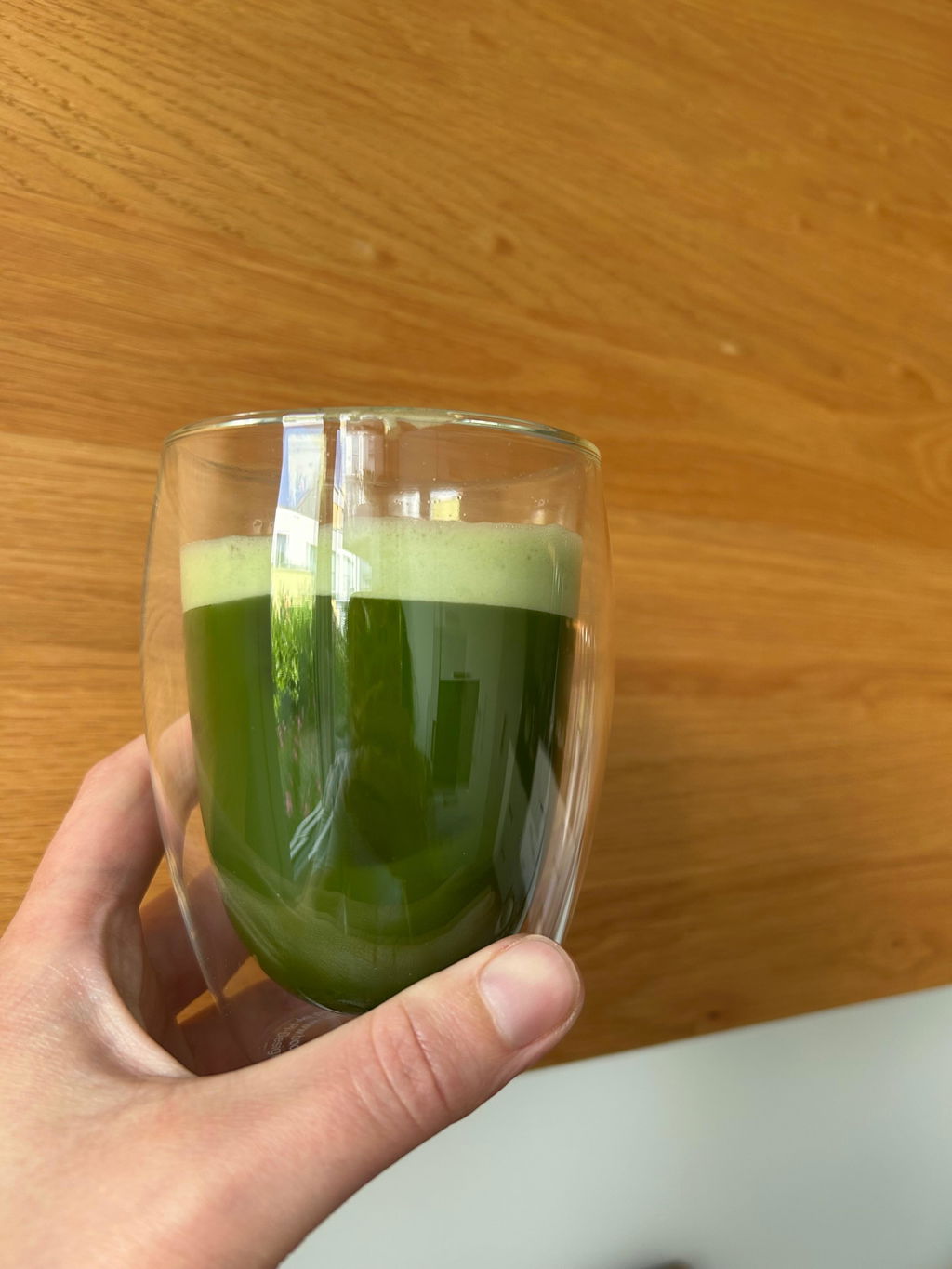
Ich liebe diesen matcha. Trinke ihn am Liebsten mit Mandel- oder Kokosmilch, nicht mehr wegzudenken aus meiner täglichen Routine ♥️
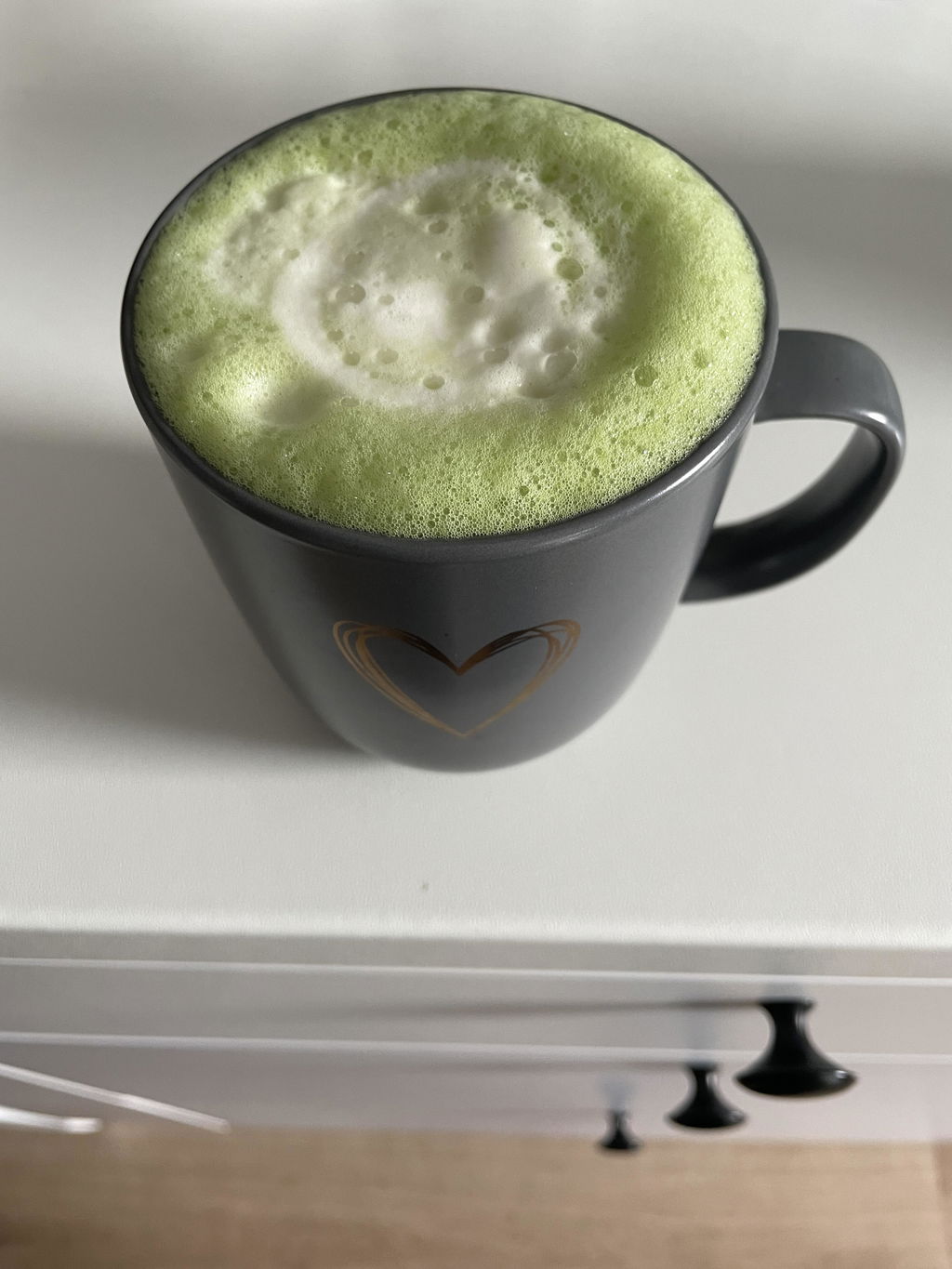
mein absolutes lieblingsmatcha
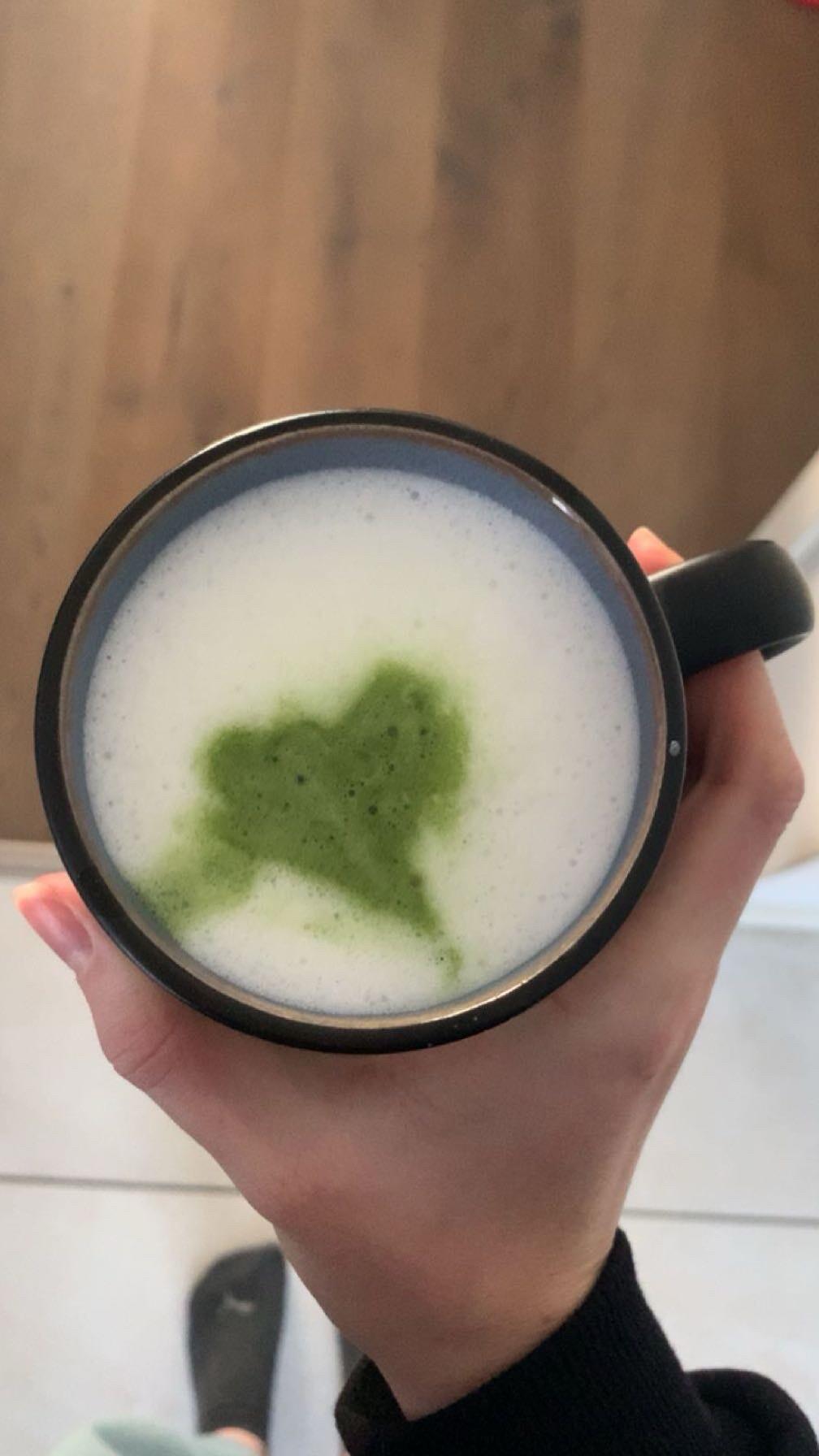
Auch wenn es erste und zweite Ernte ist, ist der Geschmack super mild!
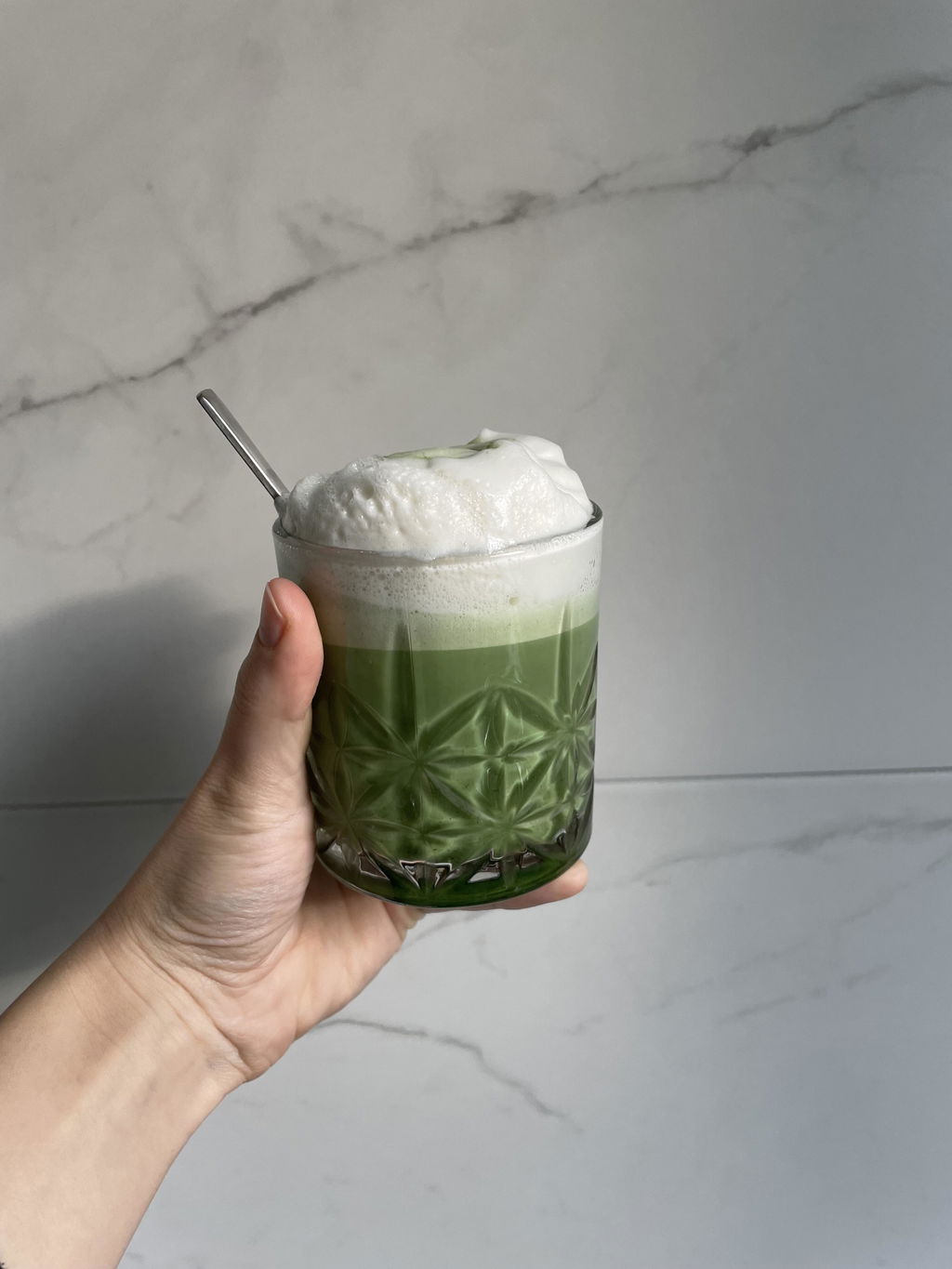
Ganz toller, leckerer Matcha. Liebe den Geschmack.
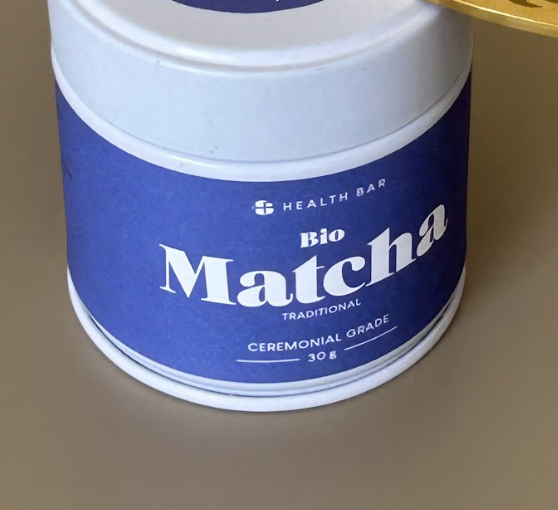
Super Matcha, leicht intensiv und gutes Preis Leistungsverhältnis! Top.