



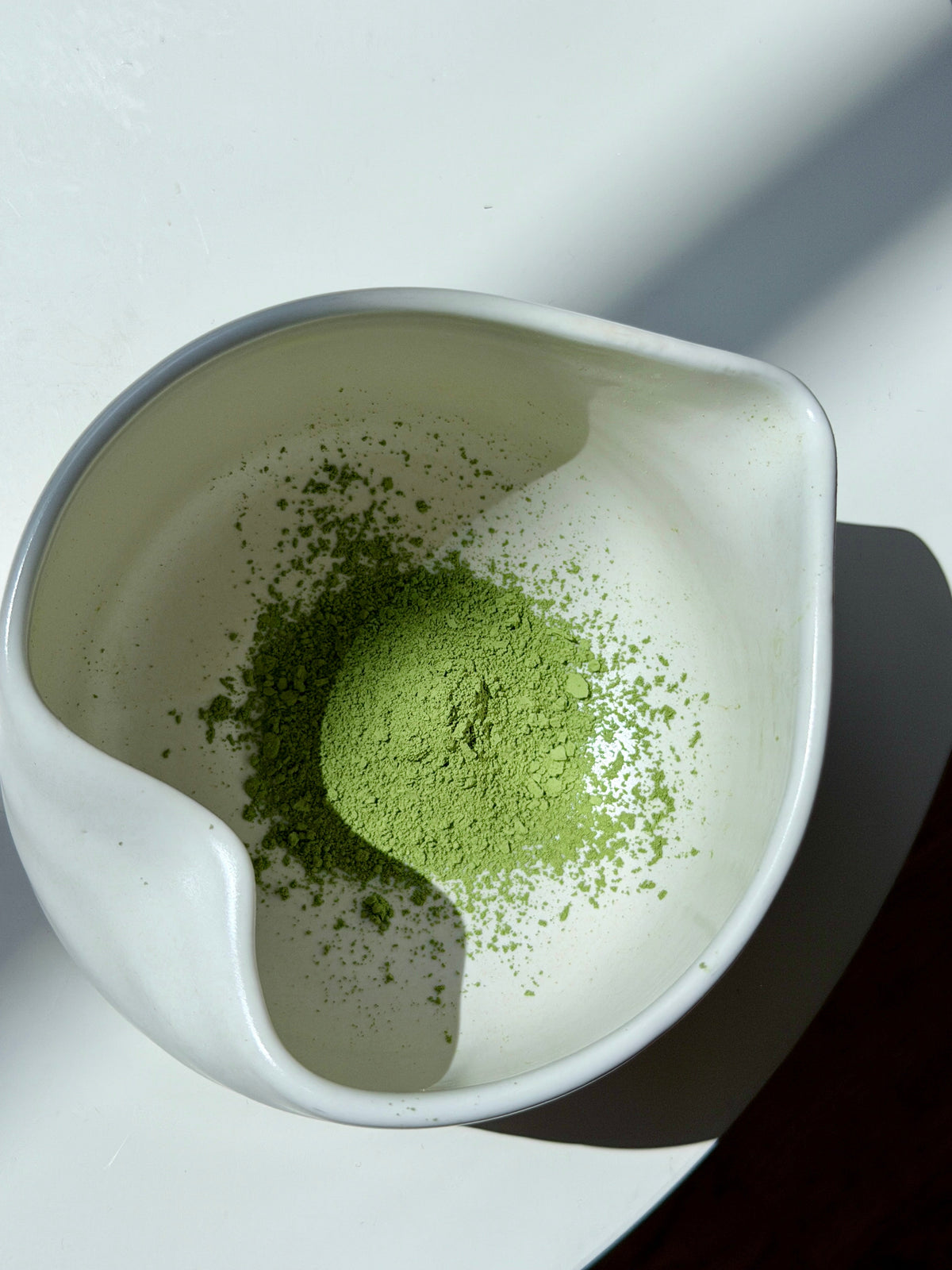
Mulberry Matcha vs. Matcha what's the difference?
Mulberry Matcha and matcha are prepared the same way but come from two different plants. We compare origin, caffeine, taste and preparation side by side.

The evening becomes quieter – and this is exactly where your Evening Ritual comes in. A little break that gently guides you out of the day and helps you consciously wind down.
At the center is Hojicha : a gently roasted tea with mild, warm aroma and naturally low caffeine content. Perfect for the evening, when your body can wind down without sacrificing enjoyment.


Gentle routines for your evening – with Hojicha
Evening is the moment when everything quiets down. That's precisely why we created the Evening Ritual category – for small routines that gently ease you out of the day and help you consciously unwind.
The focus is HojichaA gently roasted tea with a warm, mild aroma and naturally low caffeine content. Perfect for the evening when your body needs to unwind – without sacrificing enjoyment.
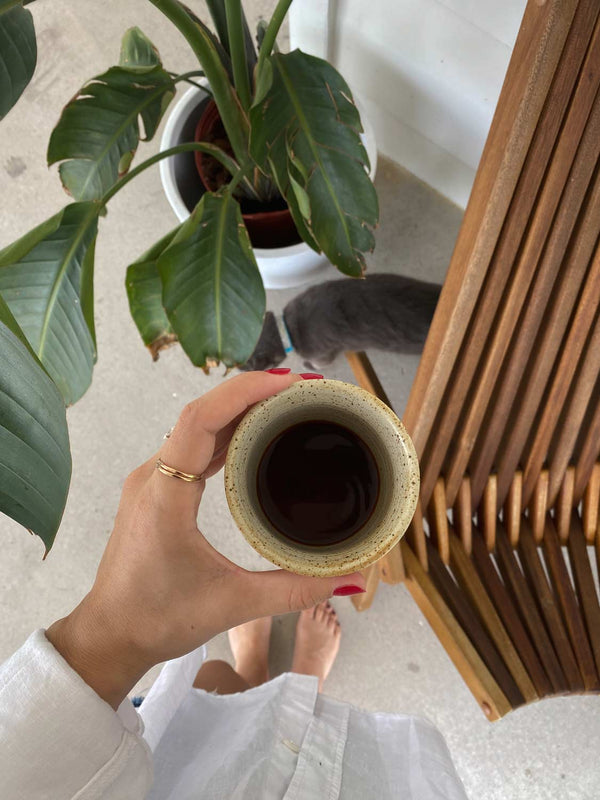
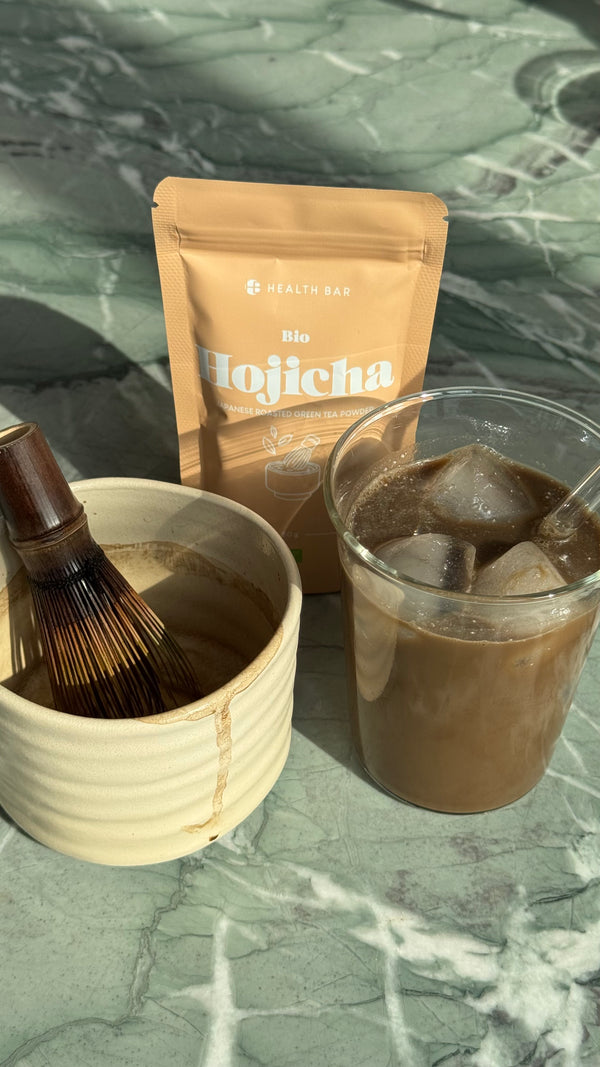
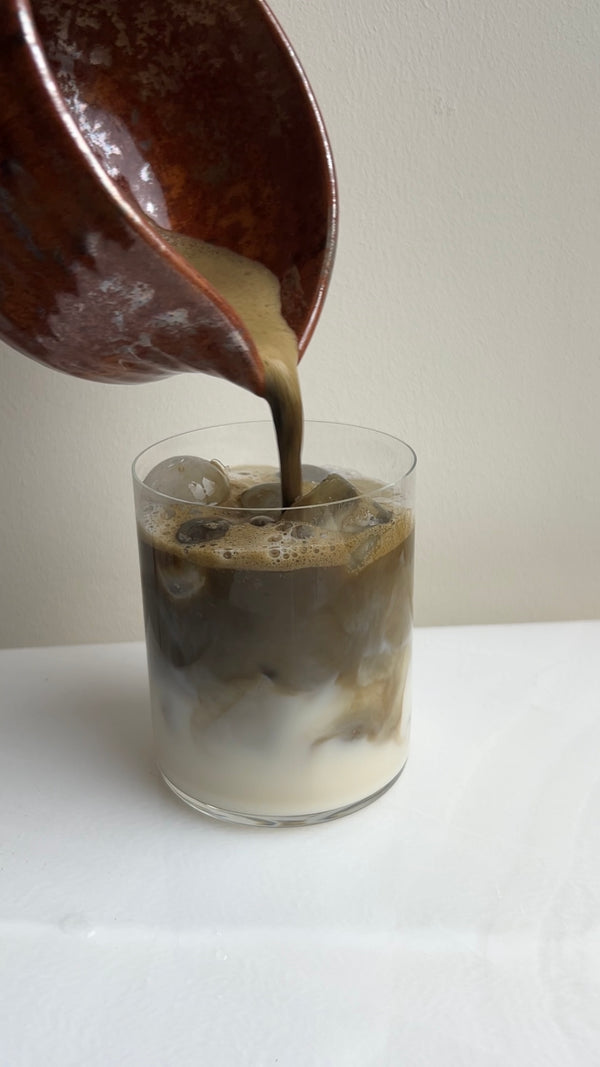
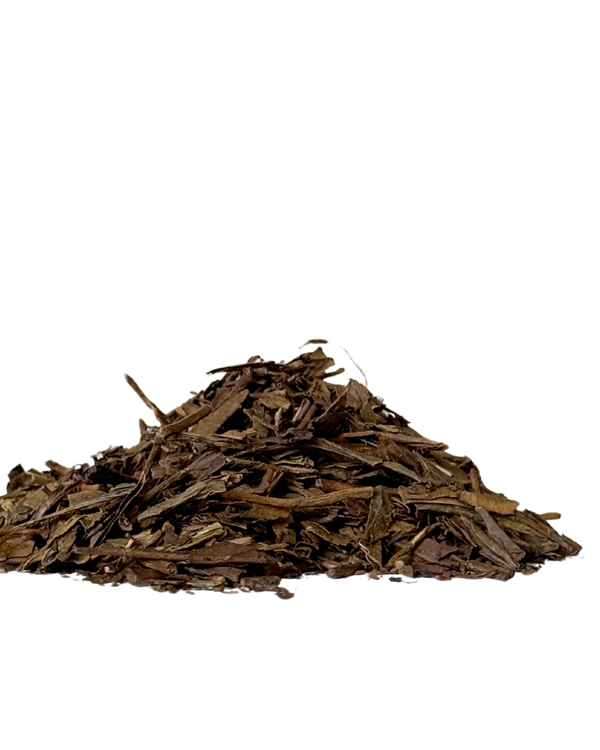
for quiet evening moments
Hojicha is the heart of our Evening Ritual: a traditionally roasted green tea from Japan that gets its characteristic warm, slightly nutty taste from gentle roasting. It naturally contains less caffeine than classic green teas – ideal for quiet evening moments.
We offer hojicha in two forms:

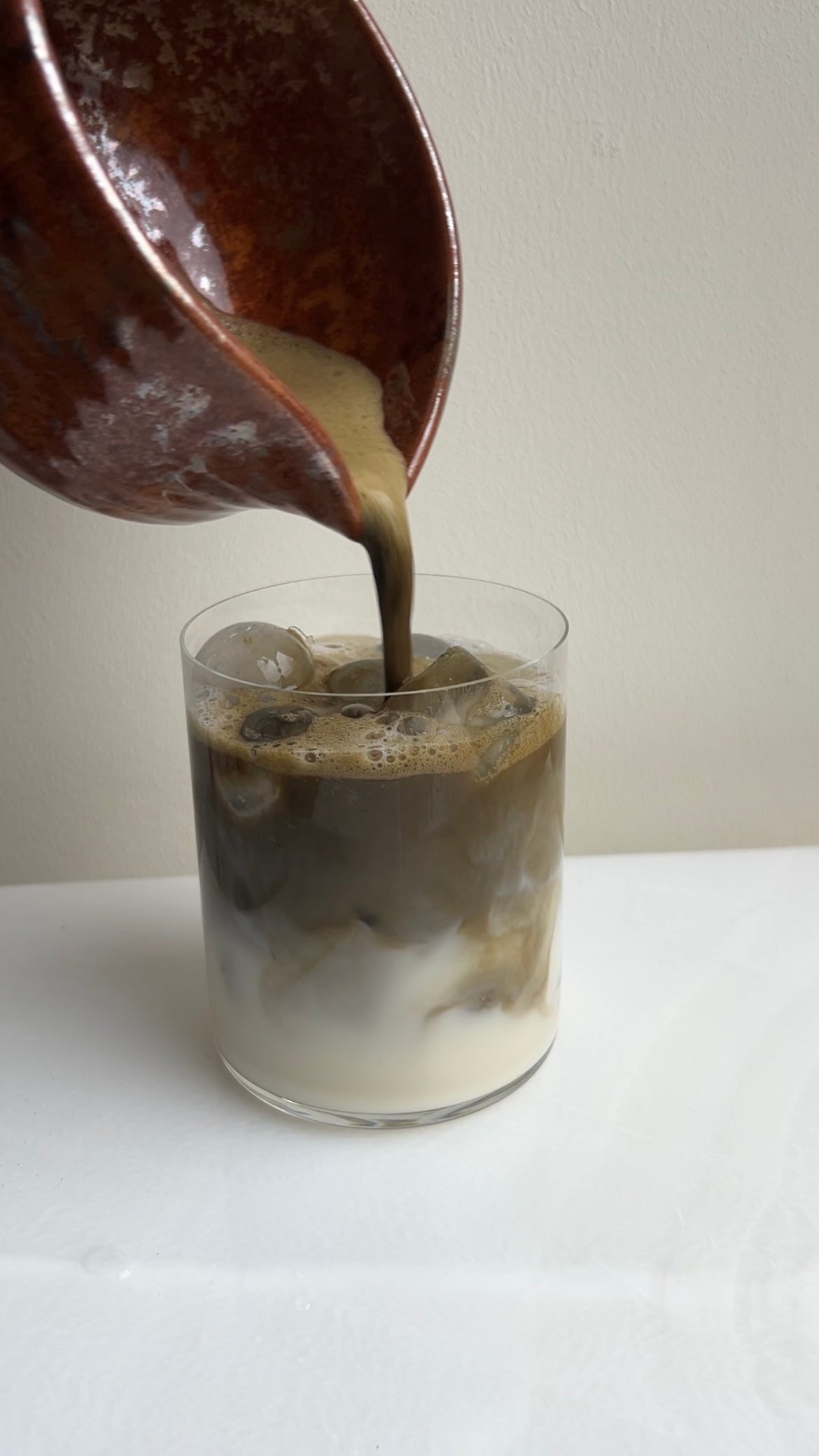
Not every day ends peacefully on its own. A small evening ritual can help you consciously switch off – without pressure, but with a feeling of arrival.
Hojicha (Powder) accompanies you with its warm, slightly nutty taste and naturally low caffeine content – ideal for the evening when you want to relax without staying awake.
The loose version has a particularly clear and delicate taste, while the powder has a slightly more intense and fuller effect – depending on how you want to design your ritual.
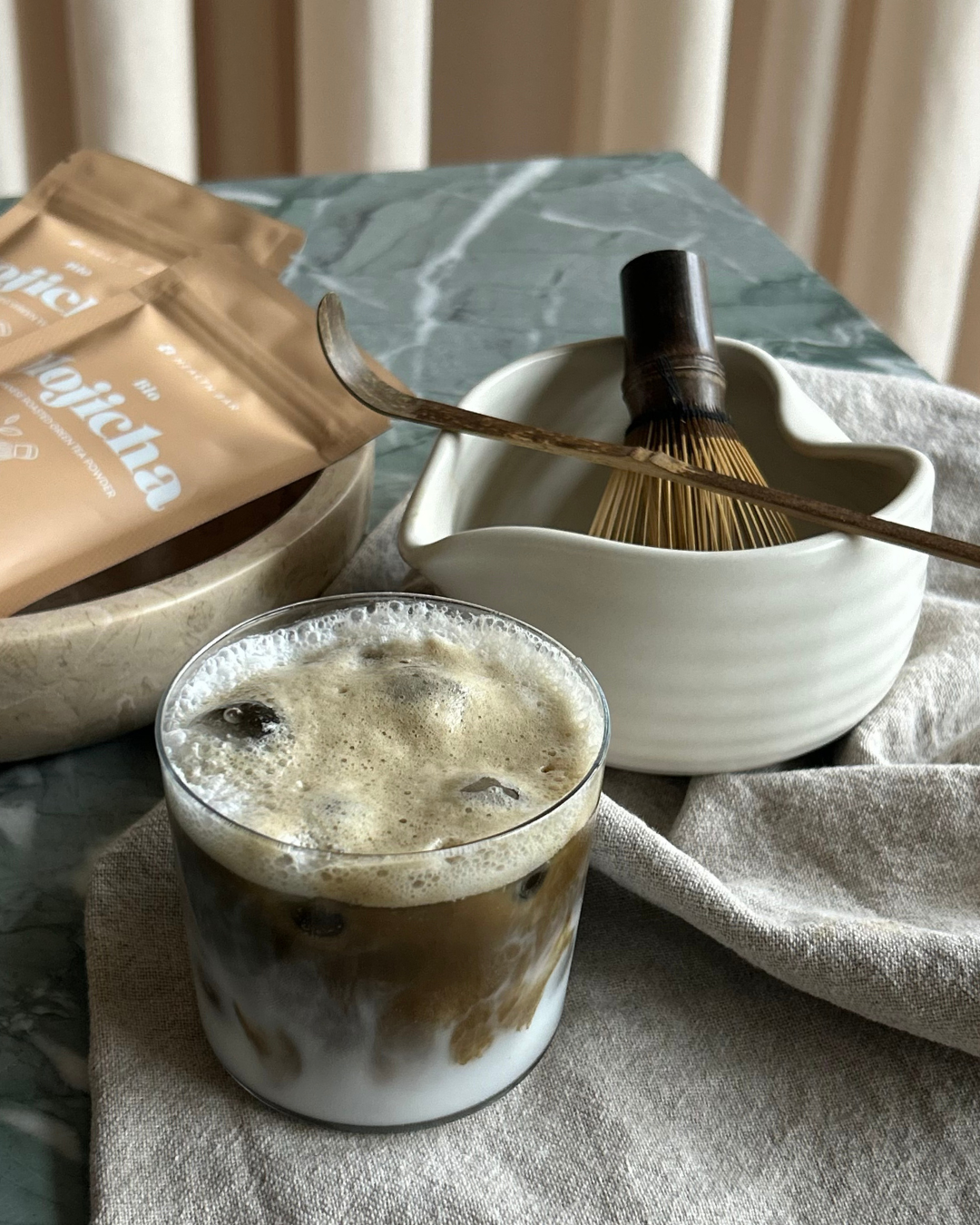


Hojicha is not completely caffeine-free, but it contains significantly less caffeine than classic green teas. The roasting process reduces the caffeine content, making it particularly suitable for evening consumption.
Loose Hojicha is traditionally brewed and tastes mild, clear and lightly roasted.
The powder has a more intense, fuller aroma and is also suitable for creamier preparations or modern tea drinks.
In the late afternoon or evening. Hojicha is a roasted green tea from Japan: nutty, caramel, mild and much lower in caffeine than matcha.
Many people drink it after dinner, pure with water at 80–90 °C or as a hojicha latte with oat milk.
Not necessarily. A classic infusion is perfectly sufficient. However, tools like a chasen or a strainer can make your ritual more mindful and enjoyable – if you'd like to give yourself that little extra time.
For anyone who'd like a warm cup of tea in the evening and enjoys roasted aromas. Hojicha tastes mild, nutty and round, and is much lower in caffeine than matcha or sencha.
Mulberry Matcha and matcha are prepared the same way but come from two different plants. We compare origin, caffeine, taste and preparation side by side.

Soy, almond, oat or coconut: how each plant milk tastes in a matcha latte. With an overview table, a basic recipe and tips on which matcha suits which milk.
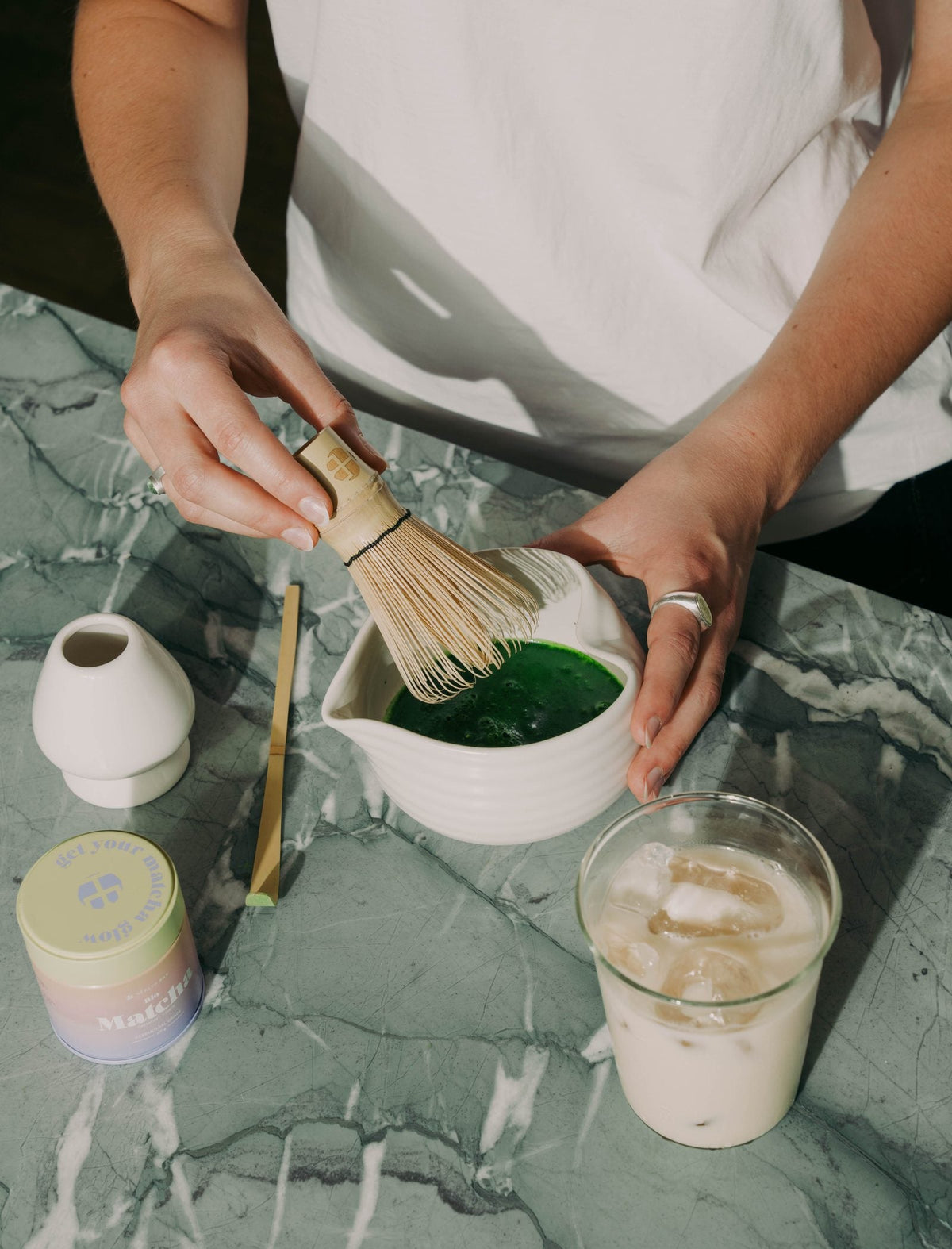
If your matcha tastes harsh, the water is usually too hot. The right temperature for warm and iced matcha, tricks without a thermometer and other reasons for sharper notes.