

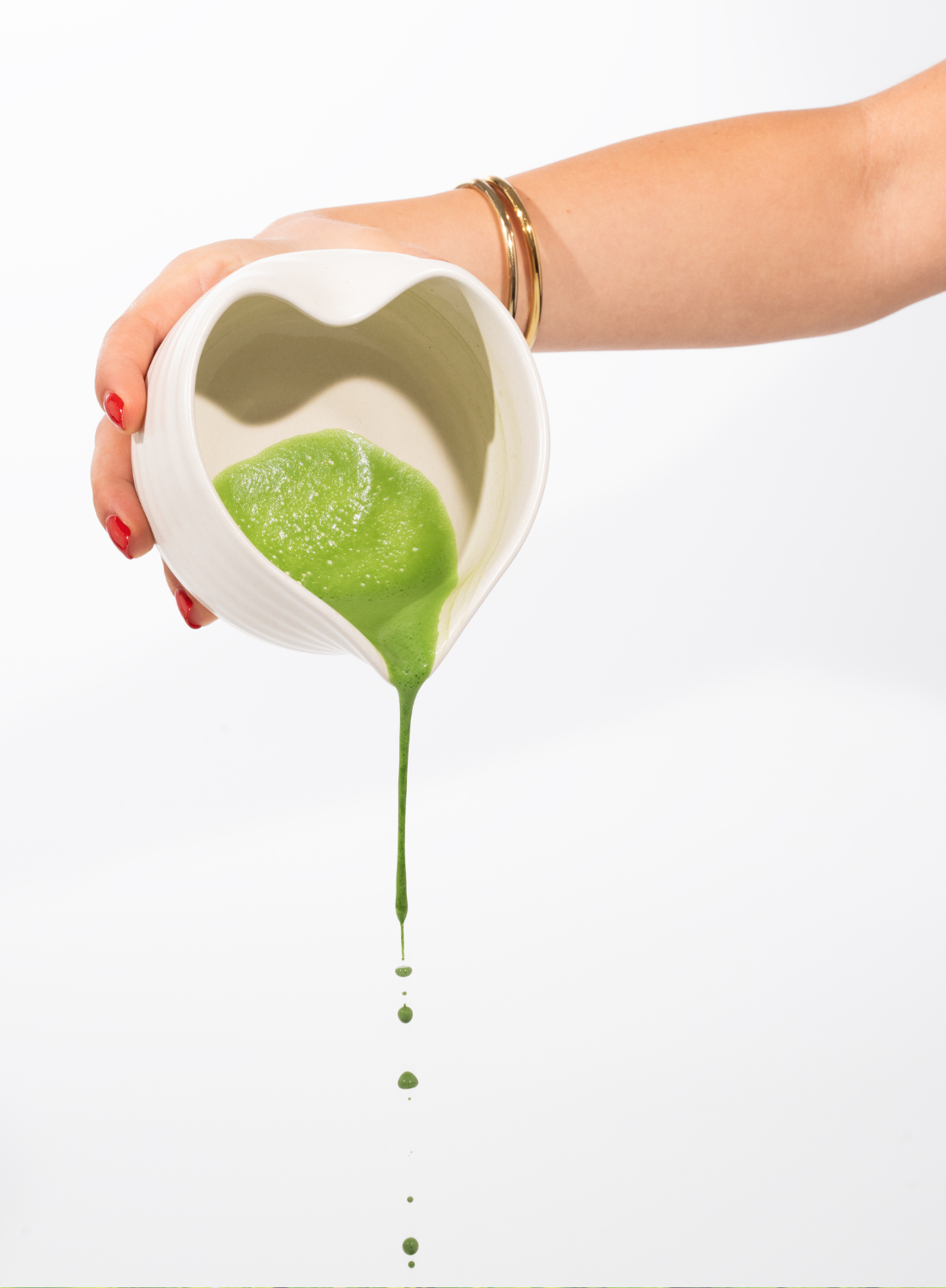
What Is Ceremonial Matcha?
What Is Ceremonial Matcha?
Mild, creamy, rich in umami – but what's really behind the term "Ceremonial Matcha"?
Matcha is finely ground Japanese green tea. Unlike classically brewed tea, with matcha the whole leaf is consumed as a powder. That's exactly what makes matcha so special – and also explains why origin, cultivation, processing and purity play such an important role.
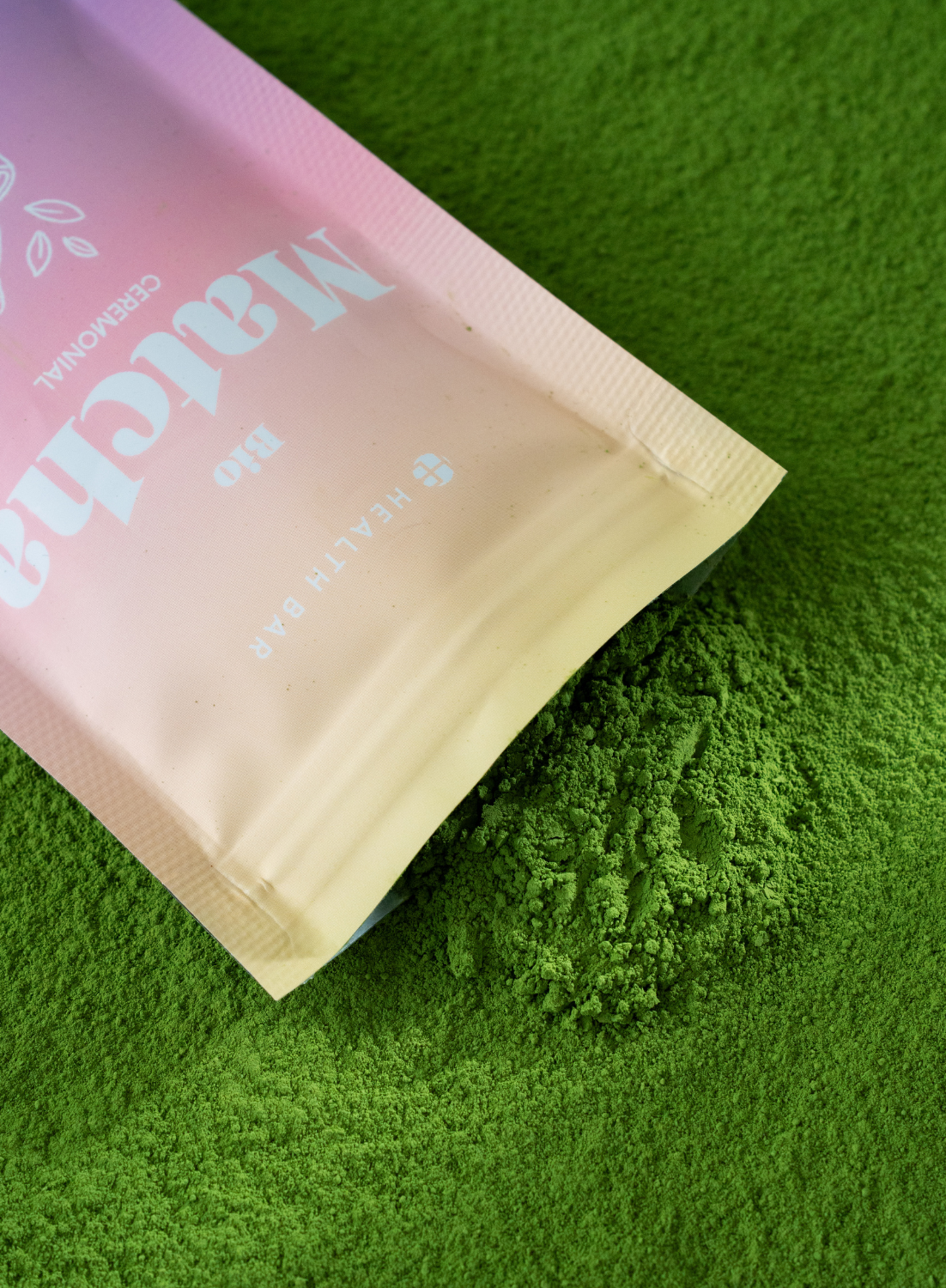
What Does Ceremonial Matcha Mean?
Ceremonial Matcha is a term used for matcha that's especially suited to being enjoyed on its own, typically offering a fine, balanced flavor profile, a vibrant green color and a very fine texture.
That's why it's worth taking a closer look at what's really behind your matcha: Where does it come from? Which harvest is it from? How was it grown and processed? How finely was it ground? And how is its quality tested?
What makes high-quality Ceremonial Matcha?
-

First harvest
Especially high-quality matcha is made from young leaves from the first spring harvest. That means: they're harvested in spring and traditionally count among the highest-quality tea leaves for tencha and matcha. The time of harvest influences the later flavor profile.
-

Shading before harvest
An important step in making matcha is shading the tea plants before harvest. This changes the composition of the young leaves and, among other things, creates matcha's characteristic umami character. Japan's Ministry of Agriculture describes this shading as part of traditional matcha production.
-

Finely ground
After processing, tencha is ground into a fine powder. Traditionally this is done using stone mills, which creates the fine texture typical of matcha.


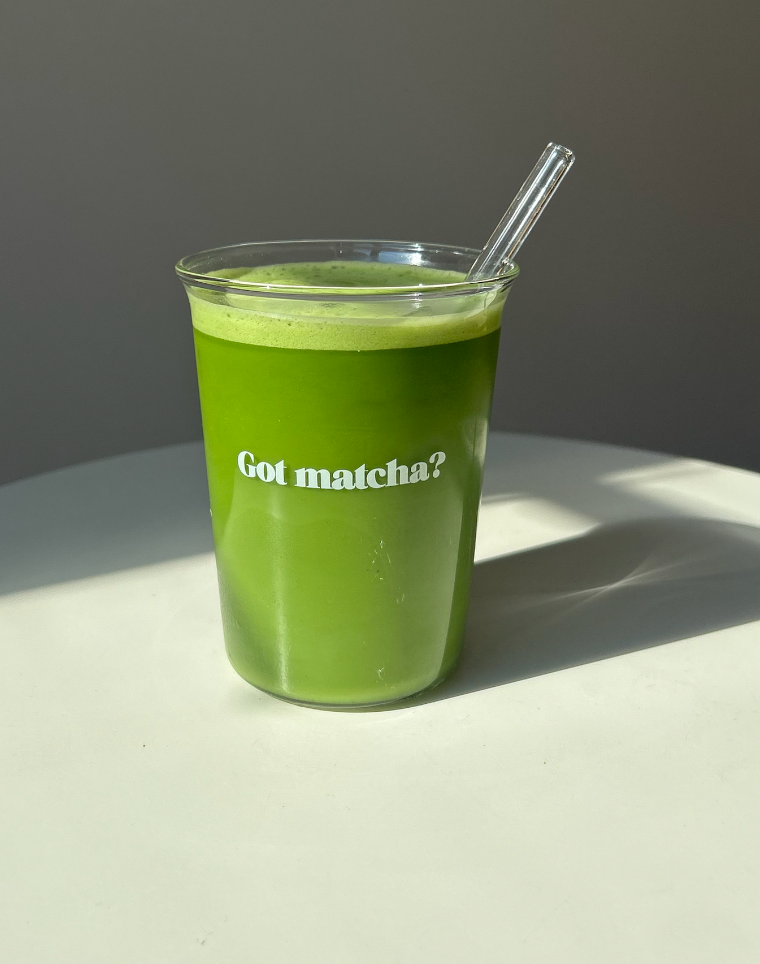
And What Does Ceremonial Matcha Taste Like?
For many, this is where the biggest difference lies.
Our Ceremonial Matcha is deliberately crafted for a mild, balanced flavor profile:
Sweet milk chocolate · fresh spring green · creamy umami · a silky, velvety finish
Instead of dominant bitterness, natural sweetness, delicate umami and a creamy texture take center stage.
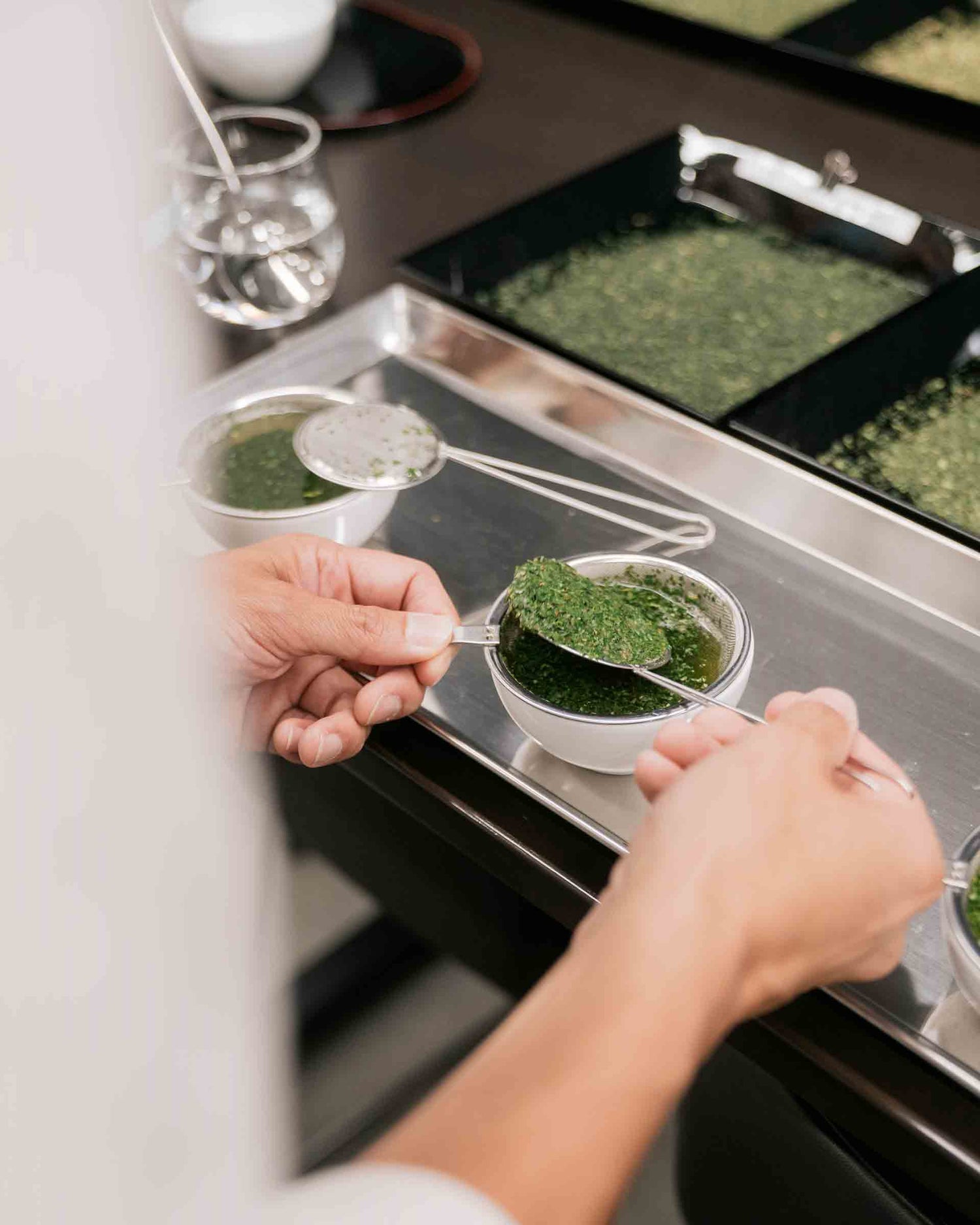
Why Is Organic Quality Especially Important for Matcha?
With matcha, you're not just drinking an infusion – the entire tea leaf is consumed as a powder. That's why the quality of the leaves used plays such an important role.
At Health Bar, our matcha is organic-certified and regularly tested independently. Among other things, this includes testing for pesticide residues, heavy metals and microbiological quality.
How Can You Tell High-Quality Matcha?
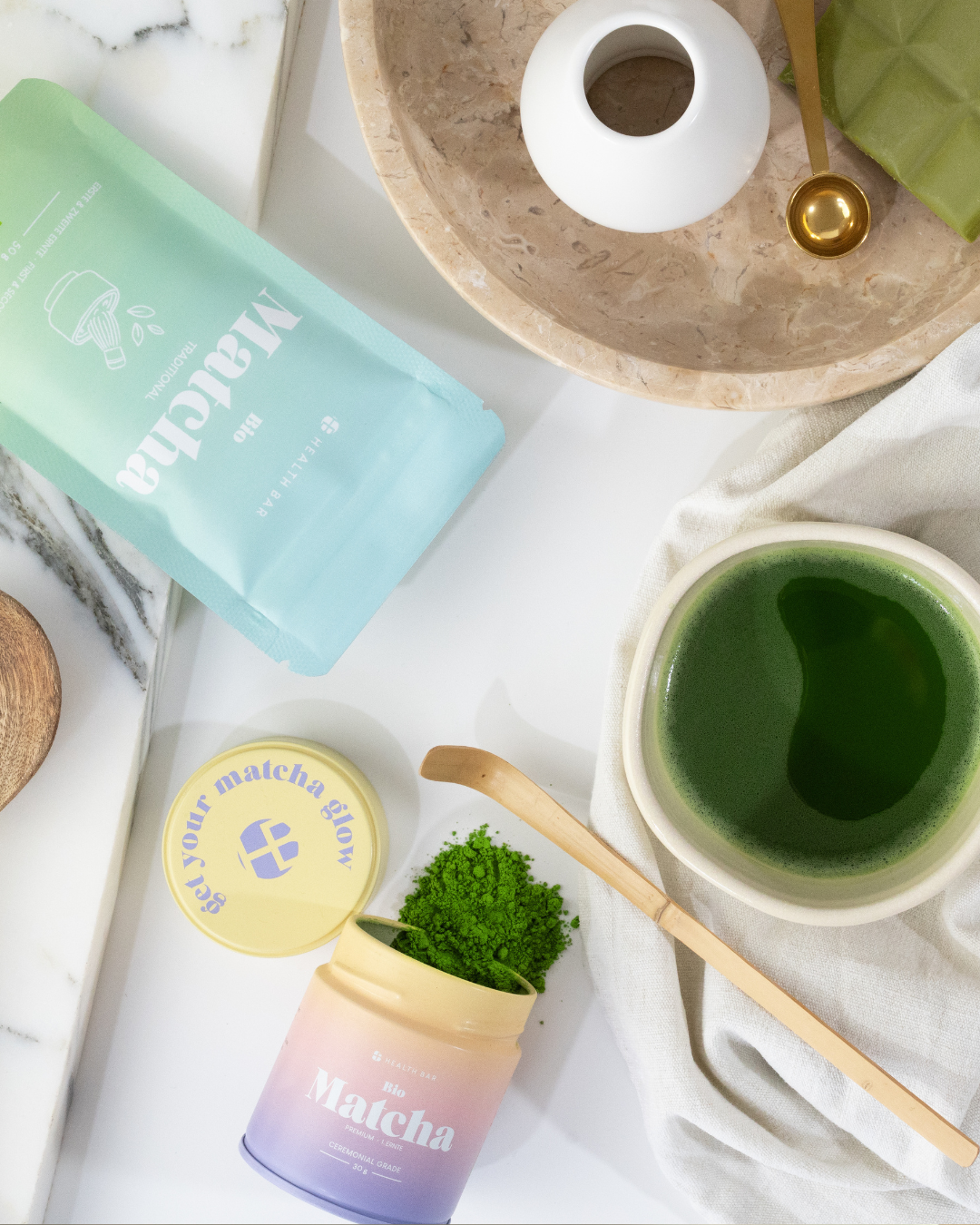
Preparing Ceremonial Matcha Correctly
Even high-quality matcha needs the right preparation. For our classic preparation, we recommend 70–100 ml of water at around 80°C. The matcha is then whisked with quick movements using a bamboo whisk. Cold water also works for a refreshing variation.
For even more inspiration, check out our matcha recipes – from classic to iced.
Ceremonial Matcha vs. andere Matcha-Arten
-
Ceremonial Matcha
Zum CeremonialMild · cremig · ausgewogen
Aus der ersten Ernte. Besonders schön für den puren Genuss, aber genauso für einen feinen Matcha Latte.
-
Traditional Matcha
Zum TraditionalKräftiger · intensiver · präsenter
Durch seinen kräftigeren Charakter eignet er sich besonders gut für Matcha Latte und kreative Drinks.
-
Single Cultivar Matcha
Zum OkumidoriSortenrein · charakterstark · besonders individuell
Hier steht ein einzelner Cultivar im Mittelpunkt, unser Okumidori ist dafür ein besonderes Beispiel. Mehr dazu: Matcha-Cultivare im Überblick.
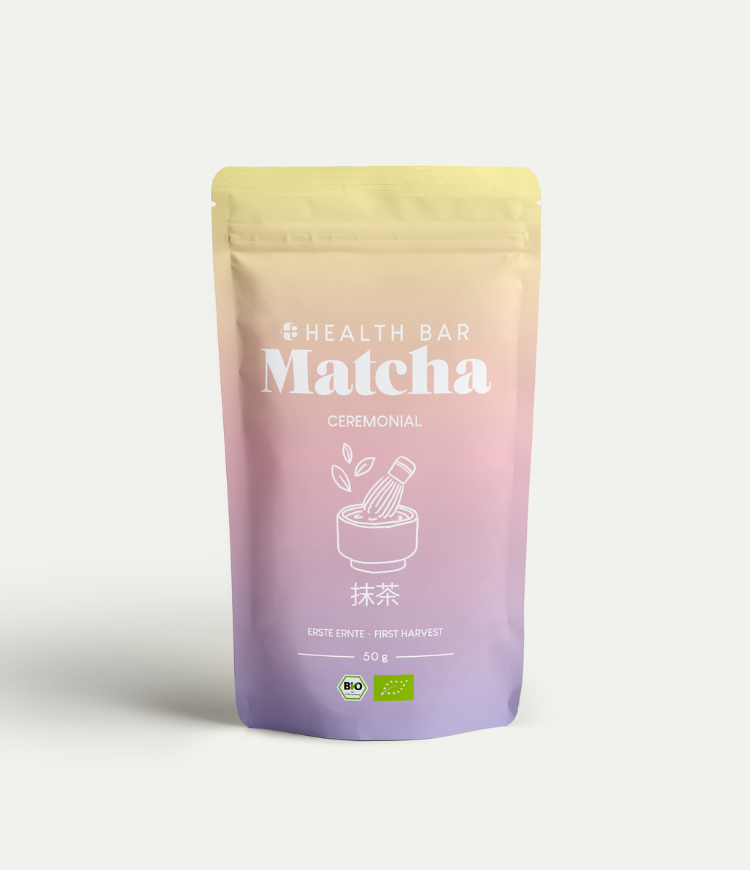


Discover All Matcha Varieties:
-
For beginners
 Organic Ceremonial Matcha Tea – 30g (can)Organic Ceremonial Matcha Tea – 30g (can) Uji · 1. Ernte
- Regular price
-
30,00€ - Regular price
-
- Selling price
-
30,00€ - Unit price
-
100,00€ / Per 100g

-
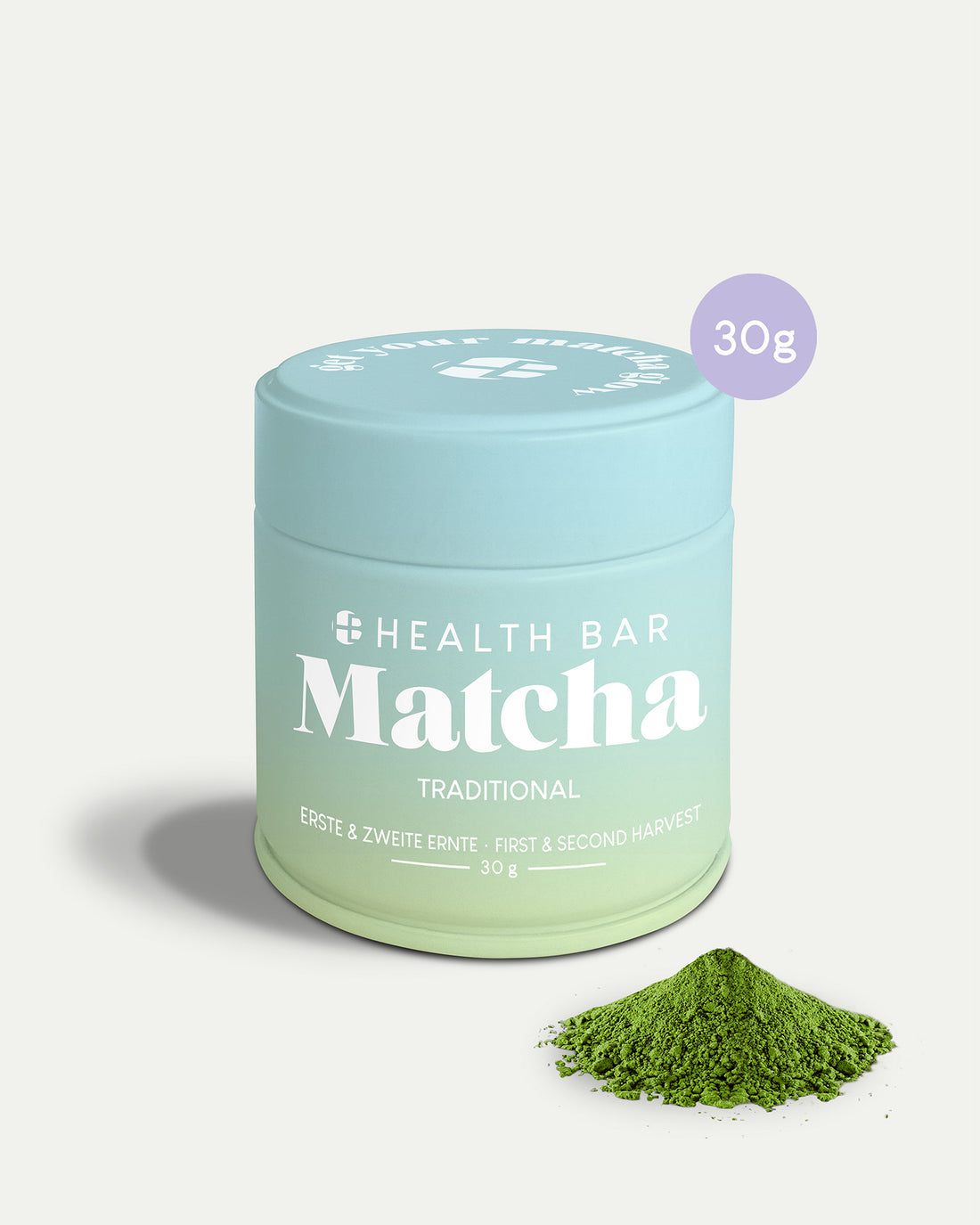 Organic Traditional Matcha Tea – 30g (can)Organic Traditional Matcha Tea – 30g (can) Uji · 1. & 2. Ernte
- Regular price
-
26,00€ - Regular price
-
- Selling price
-
26,00€ - Unit price
-
86,67€ / Per 100g


