
Notify me when available
We will email you as soon as this product is back in stock.
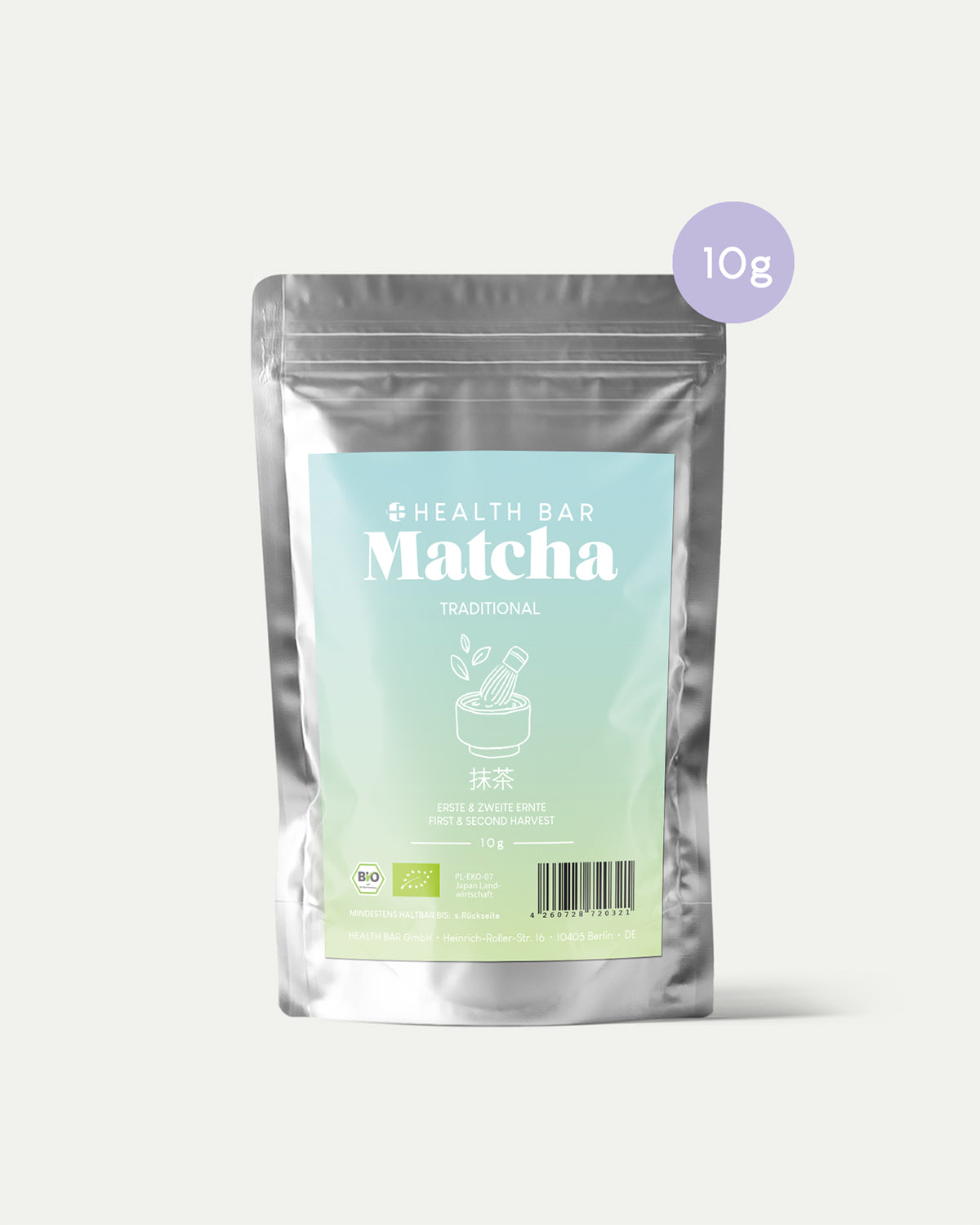



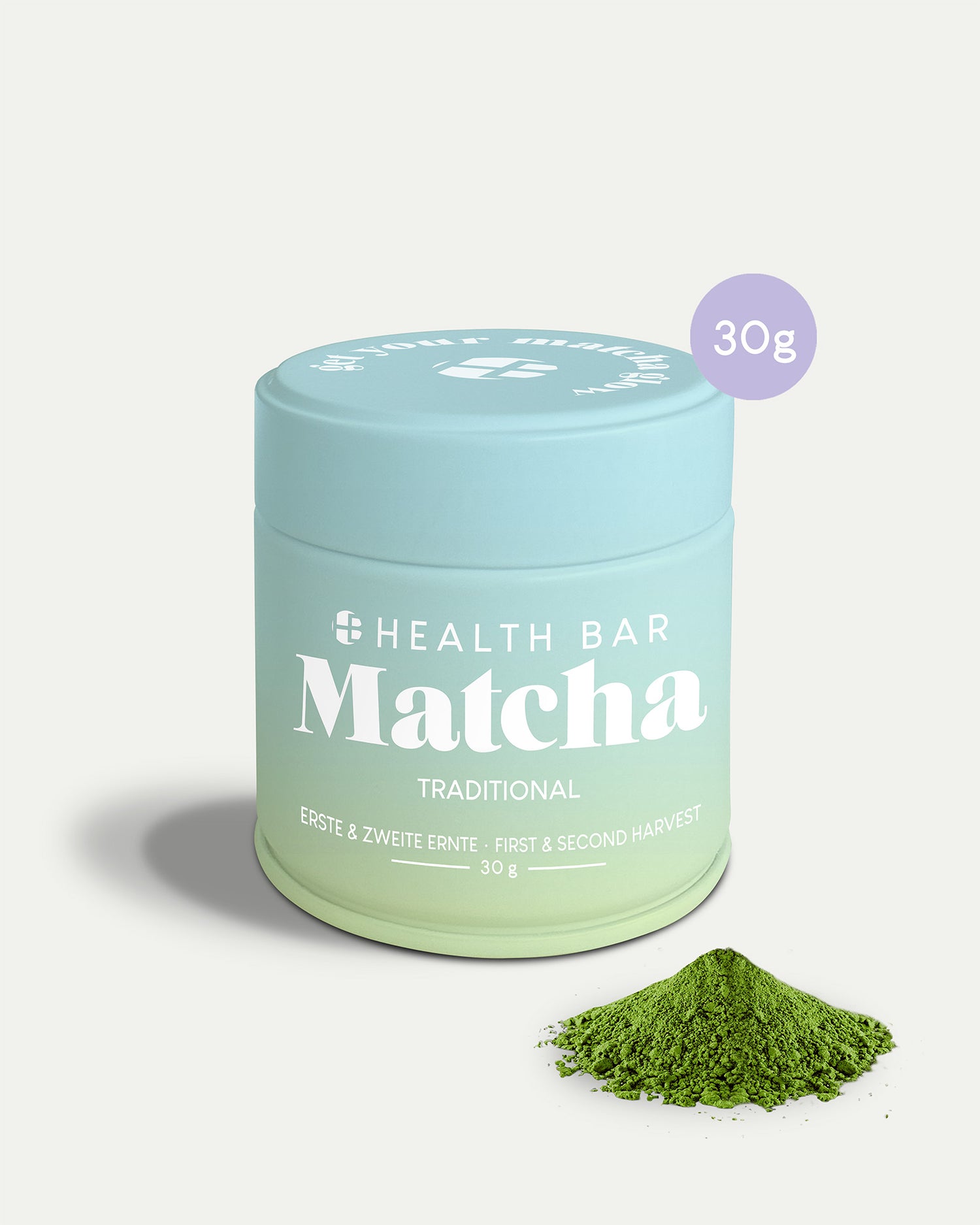


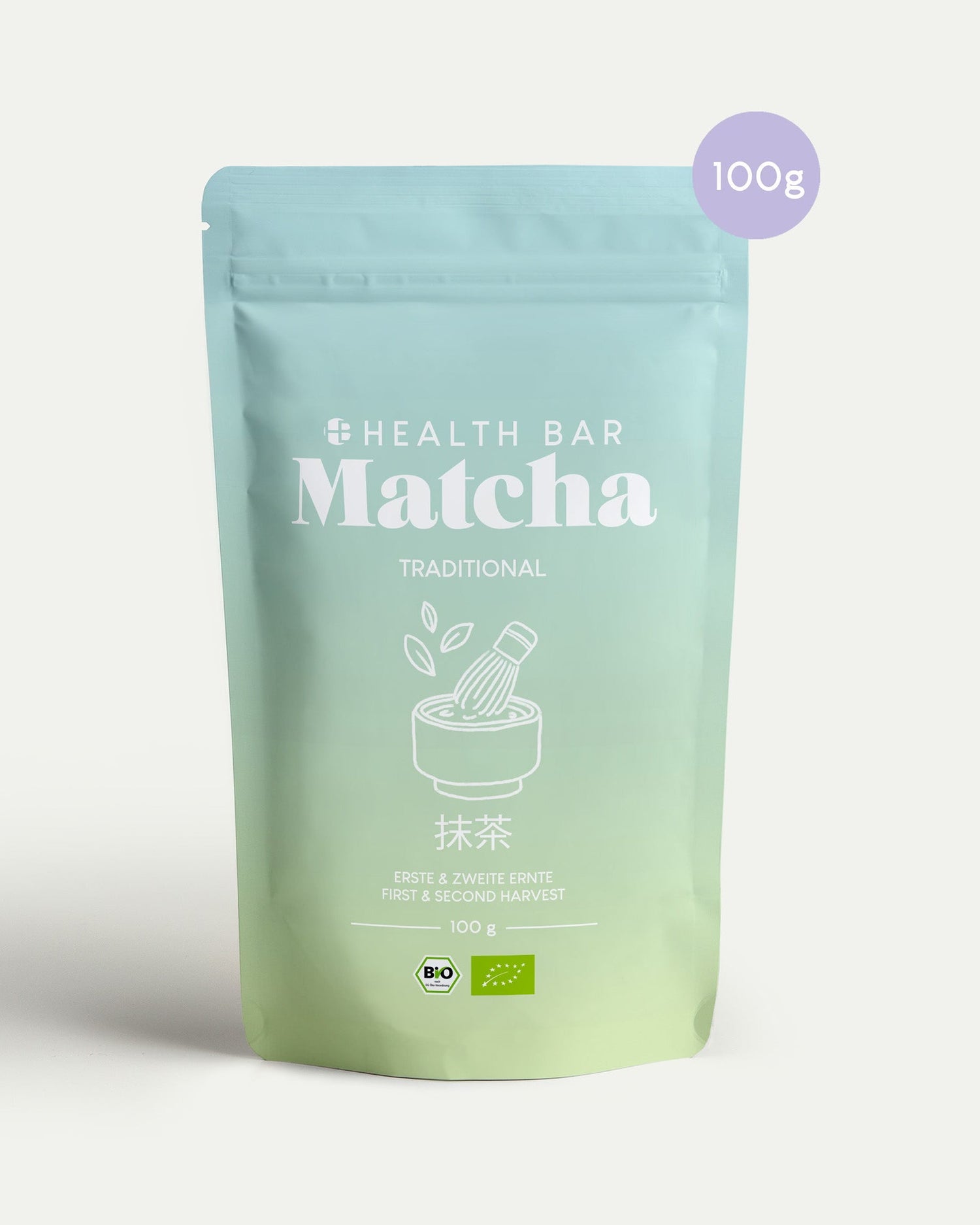
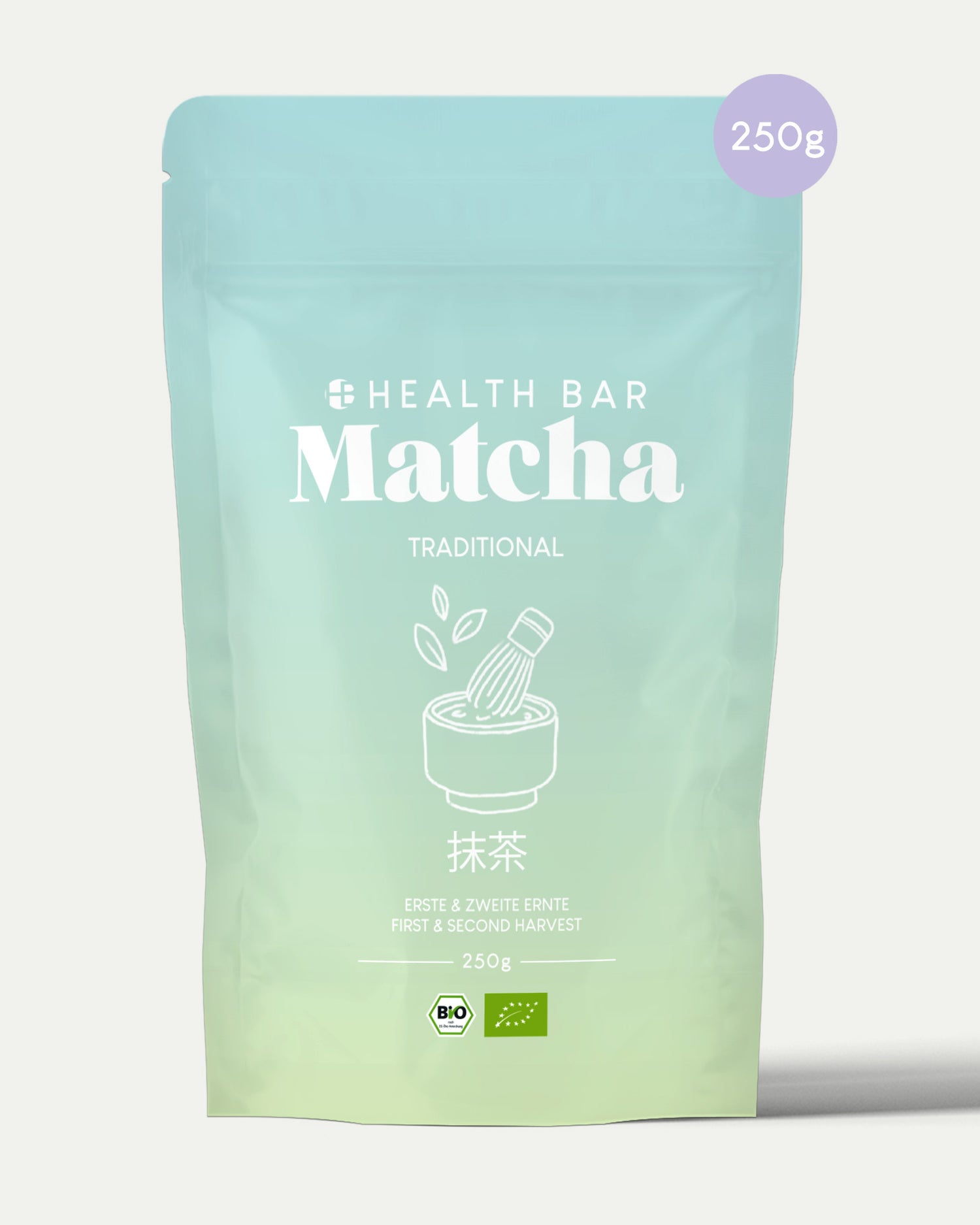
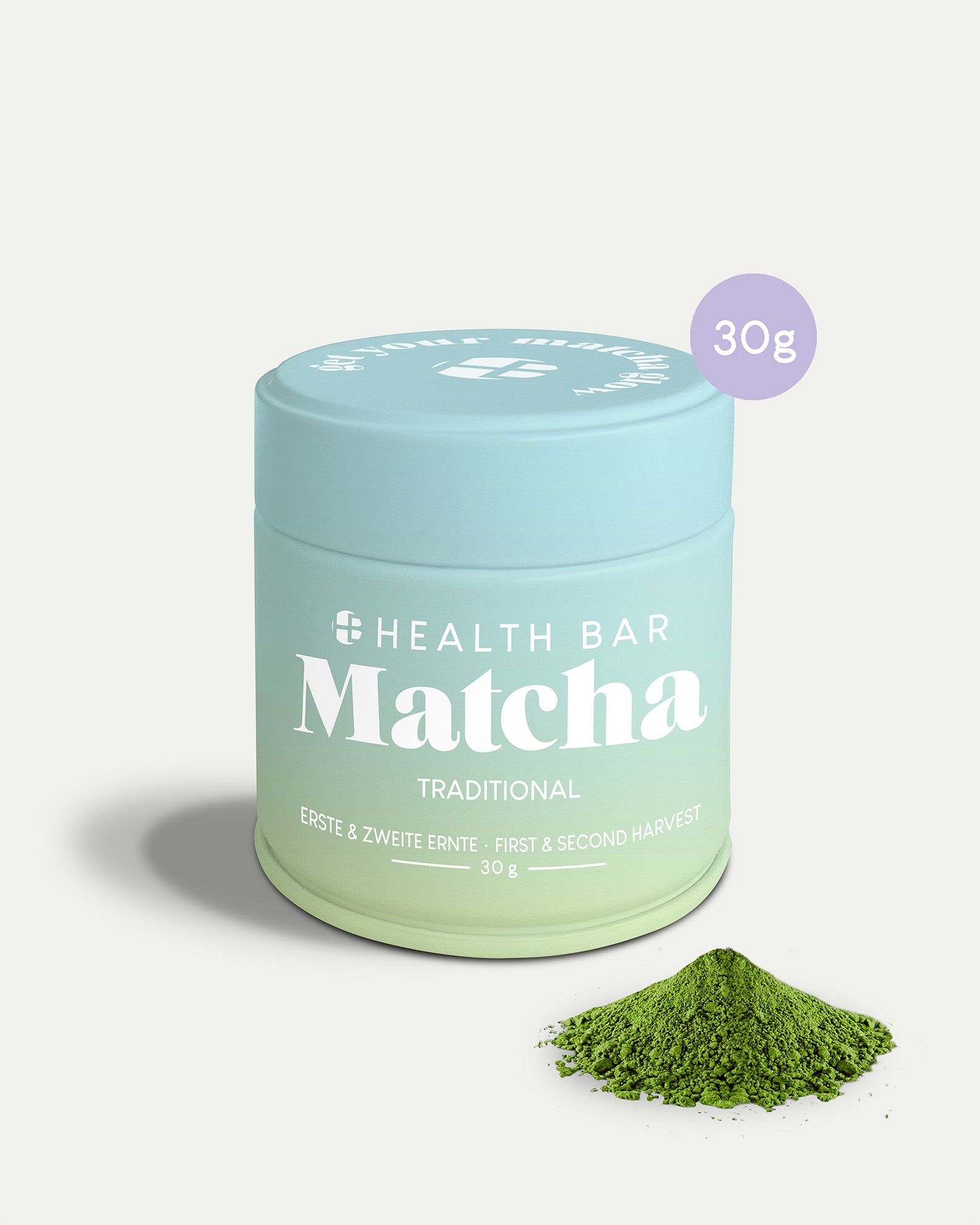
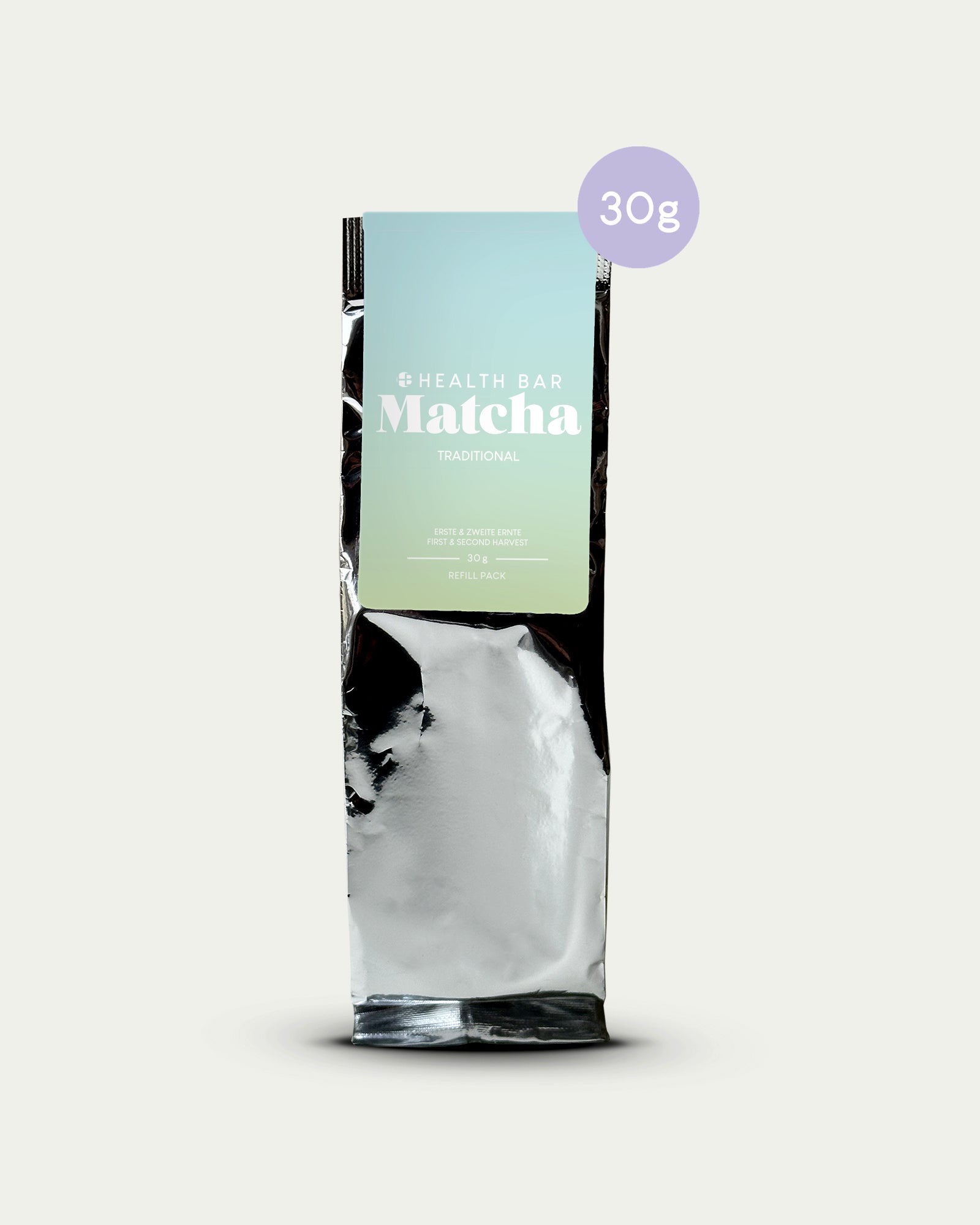
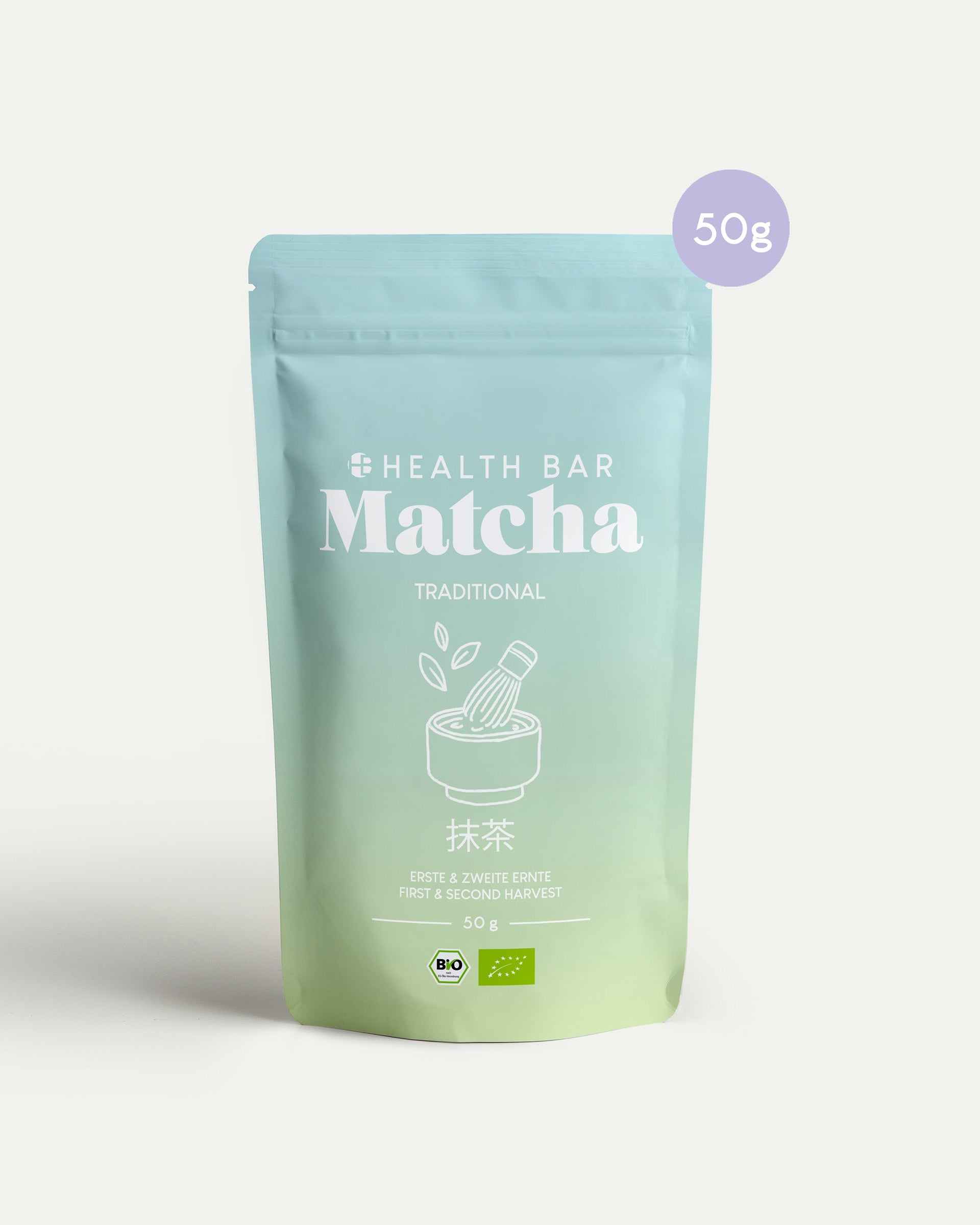
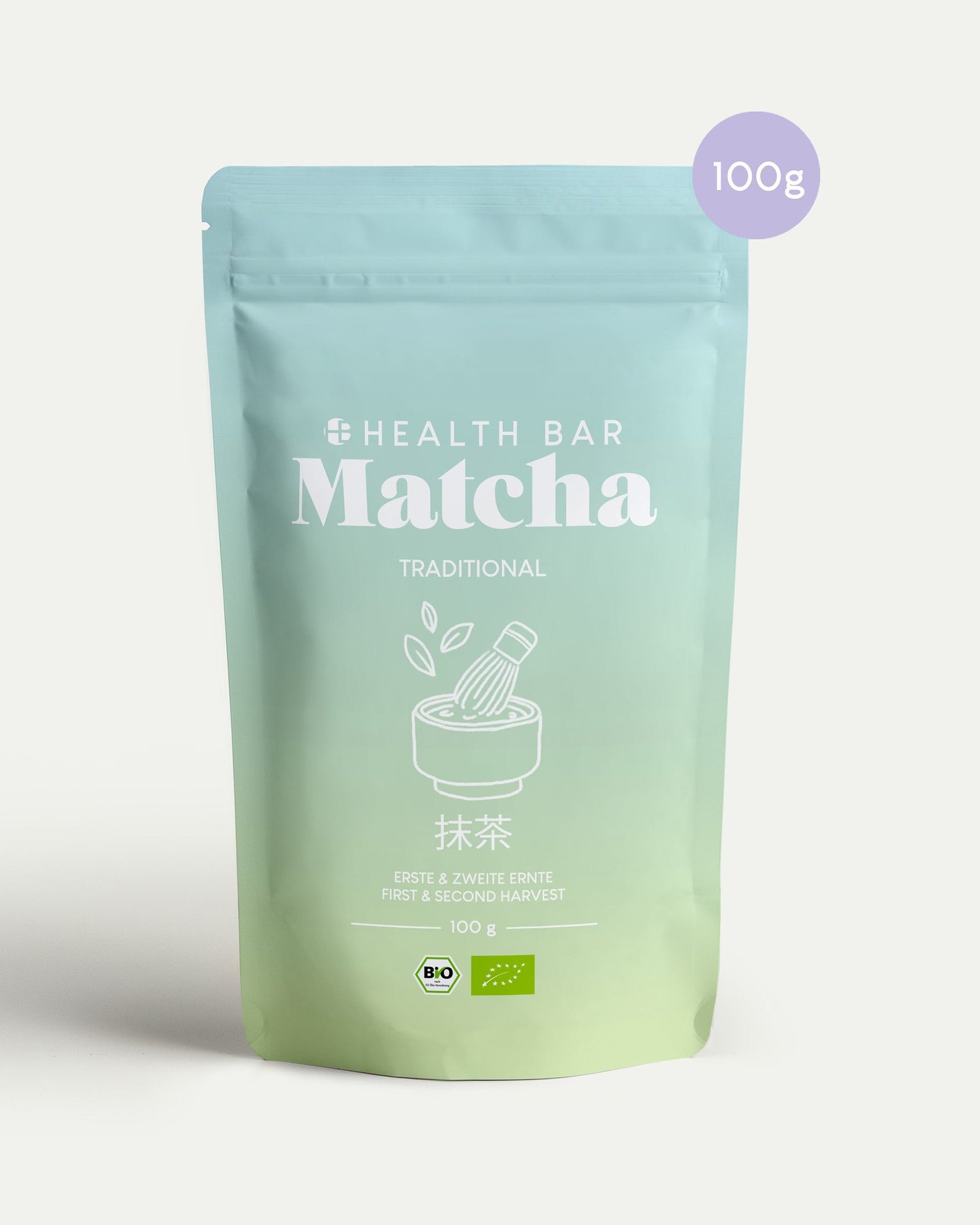
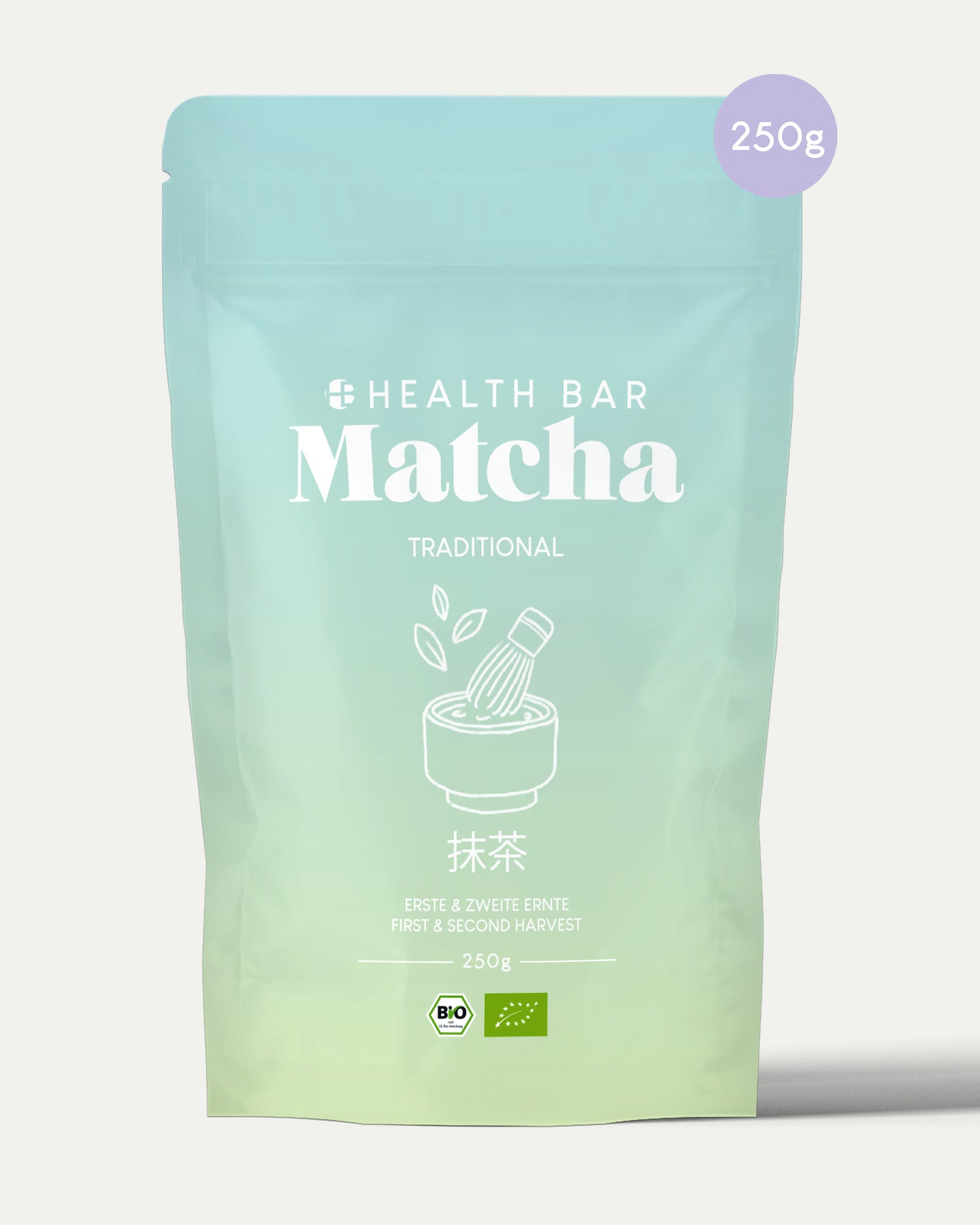
Organic Matcha Tea Traditional
- Regular price
-
8,50€ approx. 5 cups · 1,70 € per cup - Regular price
-
- Selling price
-
8,50€ approx. 5 cups · 1,70 € per cup - Unit price
-
85,00€ / Per 100g
Delivery time within DE: 2 - 3 working days
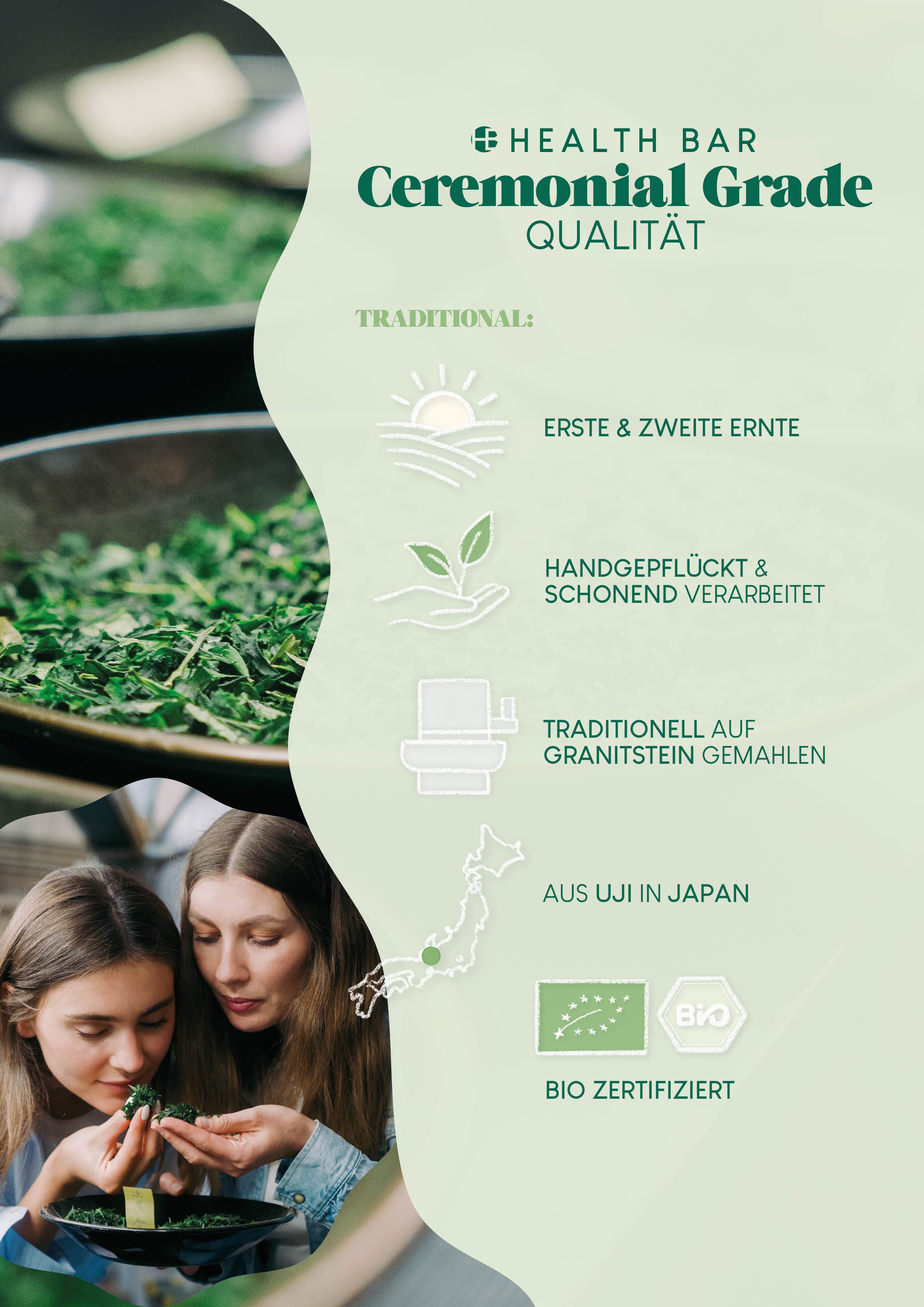
- Uji, Kyoto (Japan)
- Blend · 1. & 2nd harvest
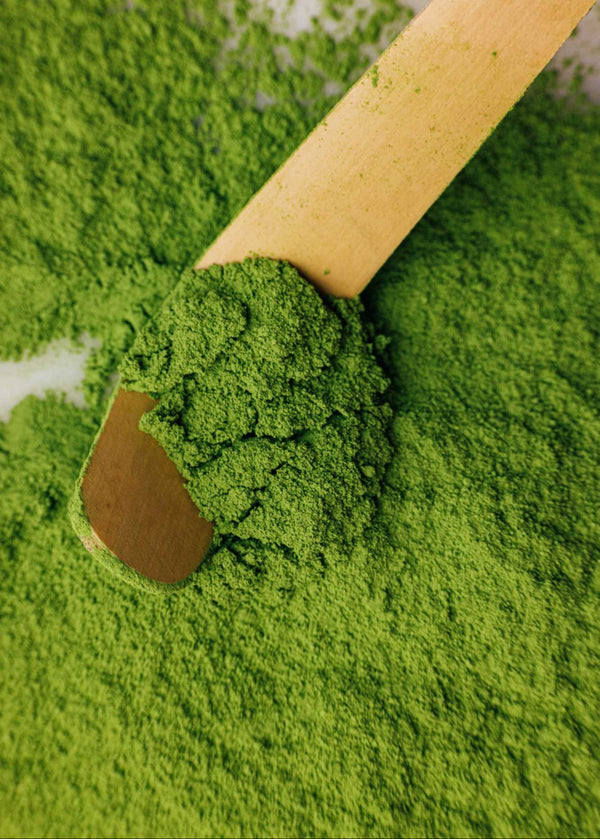
- Traditionally stone-ground
- The same family farm since 2019
- Laboratory tested
- Certified organic (EU Organic, JAS Organic)
- Organic certification body: PL-EKO-07 · Non-EU agriculture
Pickup availability could not be loaded
Flavor profile
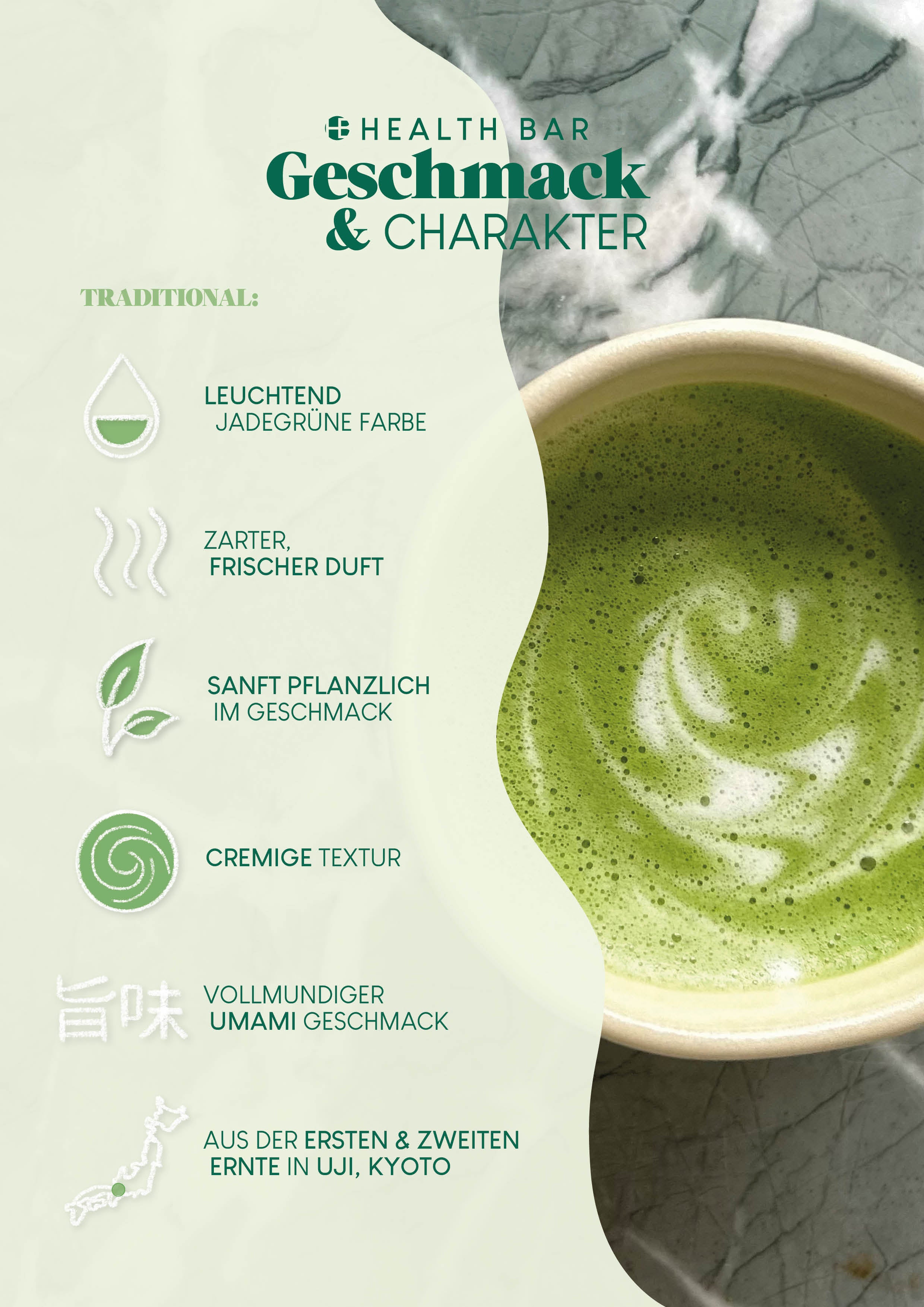
- sweetness and umami from the first harvest, complemented by fresh notes typical of green tea from the second harvest
- bolder in taste, with a round, balanced umami thanks to the share of second harvest
- a round, intense matcha
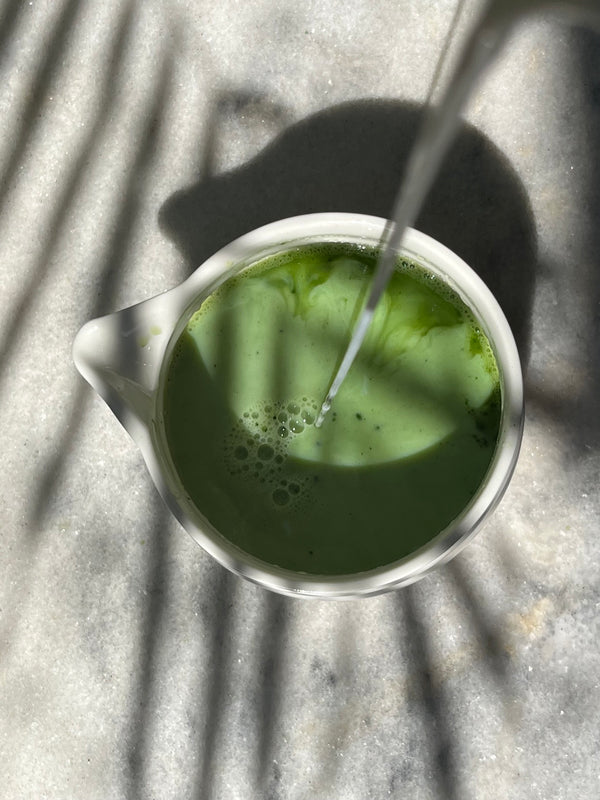
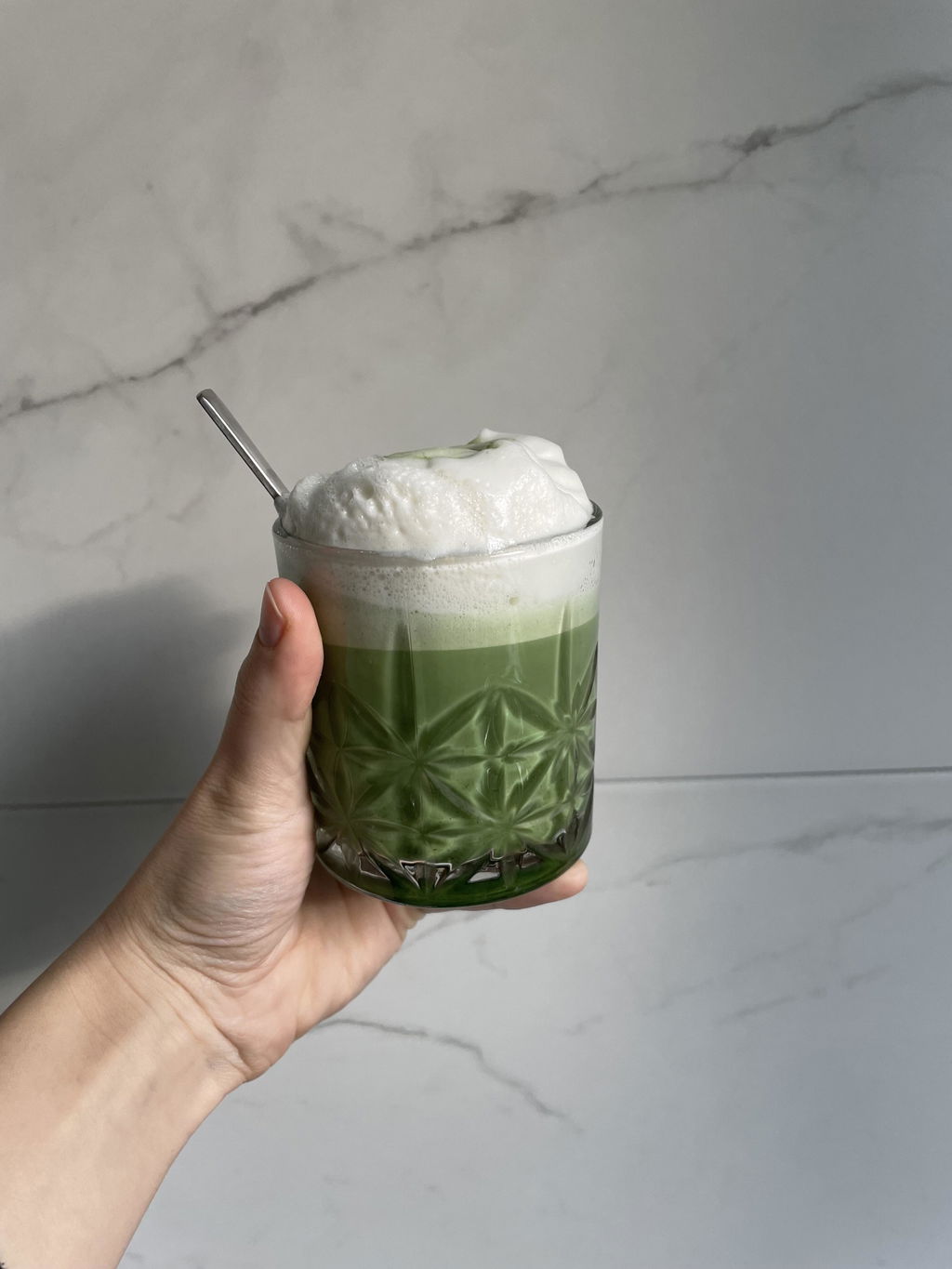
Thanks to its fuller aroma, it is particularly well suited to milk drinks and modern matcha drinks. Ideal for matcha lattes or for anyone who prefers a stronger, more classic matcha.
Preparation
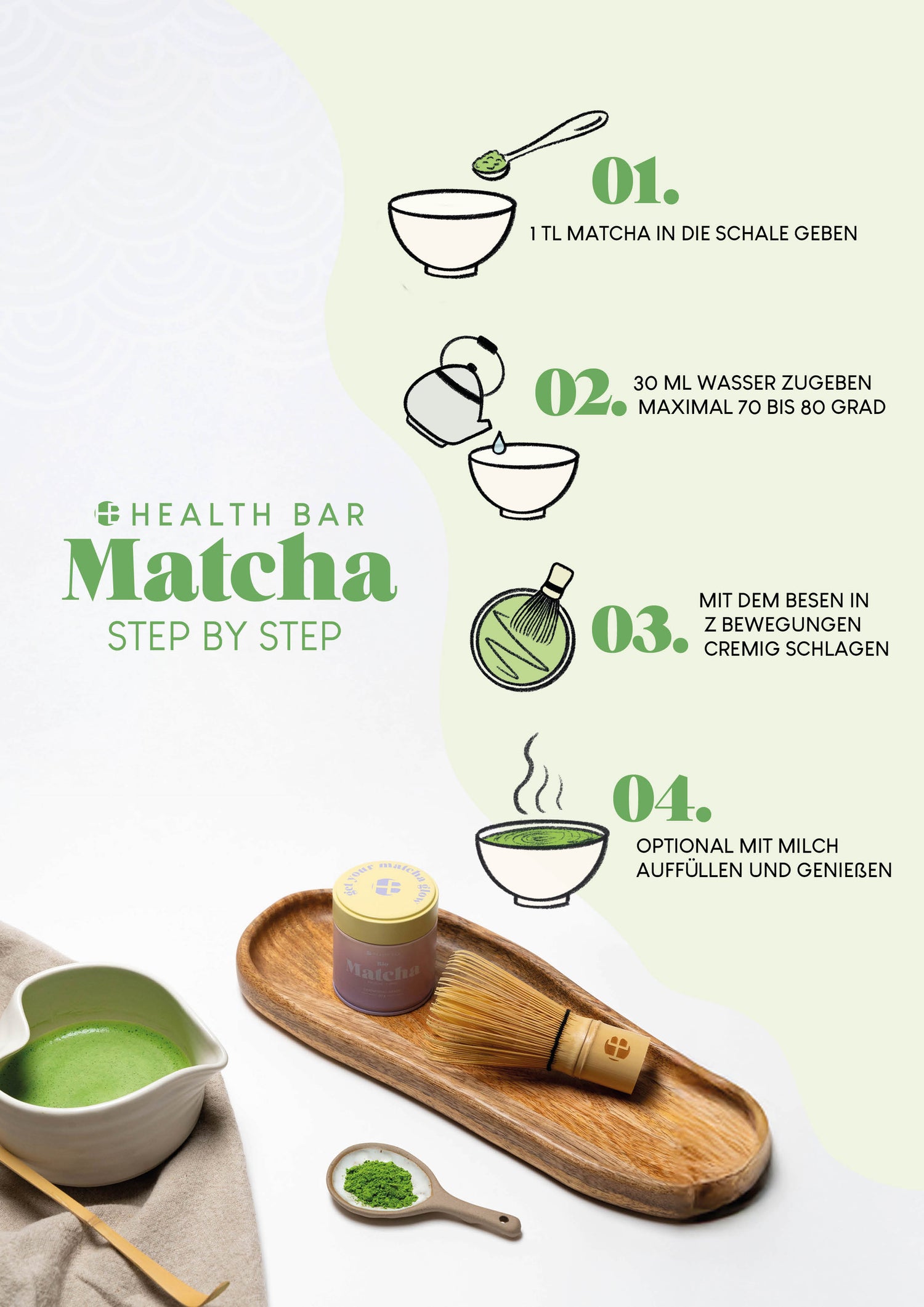
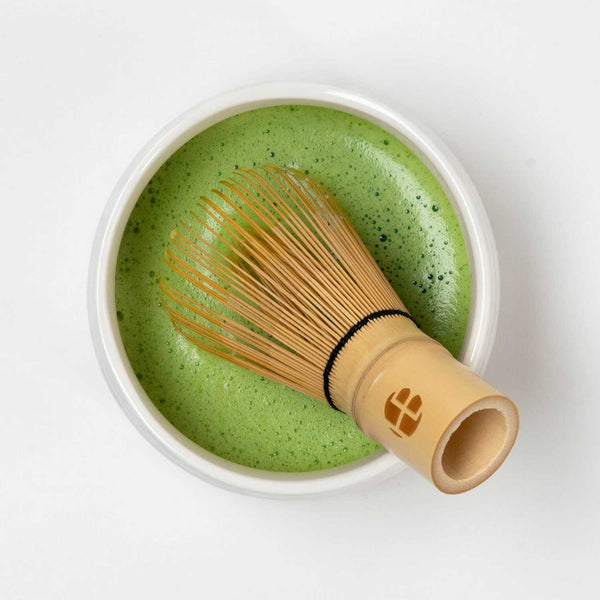
1. Measure: put 1–2 bamboo scoops (approx. 2 g) of matcha into the bowl.
2. Water: add 70–100 ml of water at about 80 °C – not boiling, so it stays mild and round.
3. Whisk: whisk with the chasen in quick W motions until a fine foam forms.
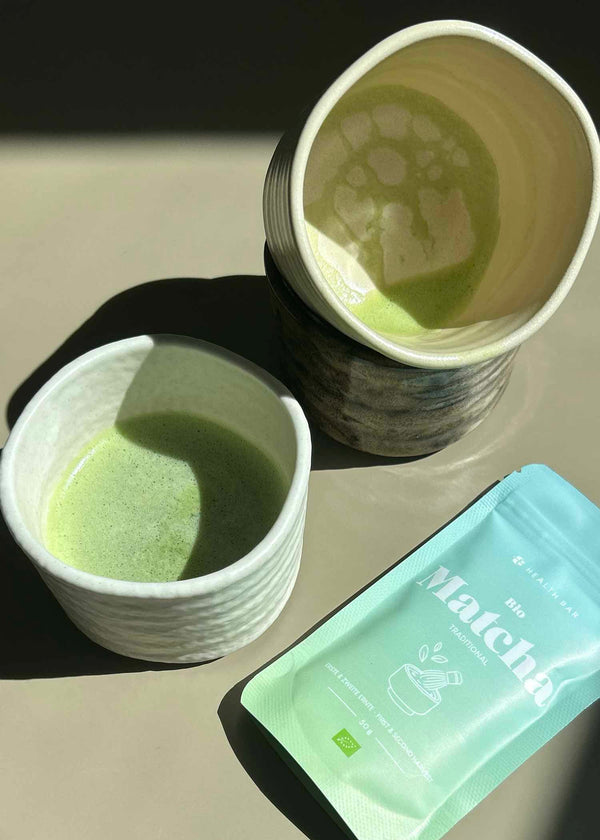
4. Enjoy: drink it pure or top up with milk for a latte. You'll find recipes and pictures further down.
Origin & Terroir
- Growing region: Uji, Kyoto (Japan)
- Harvest: spring 2026
- Shading: up to 32 days before harvest
- Cultivars: Saemidori, Okumidori, Yabukita
Uji is considered one of the most renowned regions for high-quality Japanese matcha, with a long tradition.
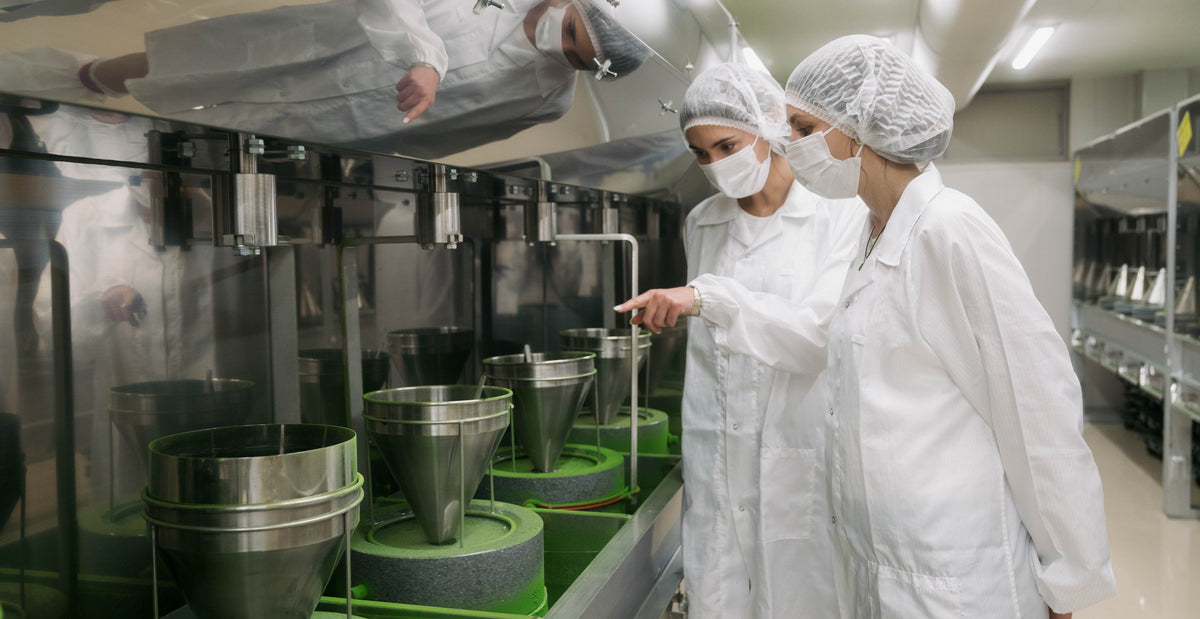
Before the harvest, the tea leaves are shaded for up to 32 days, gently steamed and then traditionally ground in granite stone mills (approx. 30 g of matcha per hour).
product details
Product type: matcha powder
Quality: blend of 1st & 2nd harvest (Ceremonial Grade)
Cultivar: Okumidori, Yabukita, Saemidori
Steaming: short (approx. 20 seconds)
Processing: stone grinding (granite)
Shading: including full shading, up to 32 days before harvest
Organic certification: EU organic, JAS Organic, FSSC Japan
Ingredients: 100% matcha* (green tea, ground) · *from certified organic farming
Storage: store in a cool, dry place away from light. Keep tightly closed after opening.
Use: matcha latte, pure, daily preparation
-
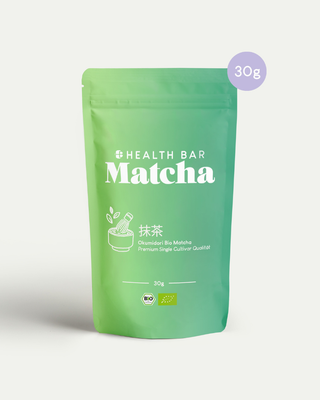 Organic Matcha Tea Okumidori – Single Cultivar – 30g
-
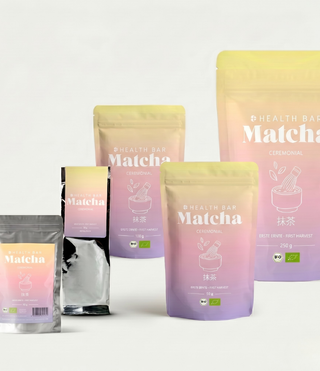 Organic Matcha Tea Ceremonial




How to recognise good matcha
Five questions every pack should answer, and our answers.
- Region
- Is the growing region stated?Ours: Uji, Kyoto
- Harvest
- Which harvest, which year?Ours: 1st and 2nd harvest 2026
- Cultivar
- Which tea cultivars?Ours: Saemidori, Okumidori, Yabukita
- Organic
- Which certification?Ours: EU organic and JAS Organic
- Lab
- Are there test results?Ours: View lab report
Learn more: Ceremonial vs. Traditional matcha
-

Organic Certified
Certified to EU organic and JAS Organic (Japan) standards
-

Lab-tested
Tested for pesticides and heavy metals
-

Fresh harvest
New every year from the spring harvest
-

Family farm in Uji
Family-owned for seven generations


HOW-TO
Preparing matcha easily
1. Measure the matcha: use the chashaku bamboo scoop or a teaspoon to put 1–2 slightly heaped teaspoons of matcha into your chawan.
2. Add water: pour 70–100 ml of water (approx. 80 °C) into the bowl. Make sure the water isn't boiling hot so the matcha stays mild and round.
3. Whisk: whisk the matcha with the chasen in quick W or M motions until a fine, fluffy layer of foam forms.
4. Enjoy: take a moment to enjoy your matcha mindfully. In Japan people say “Itadakimasu” – as a sign of gratitude before drinking.
Prefer to learn live? Online workshop, 30 minutes
origin
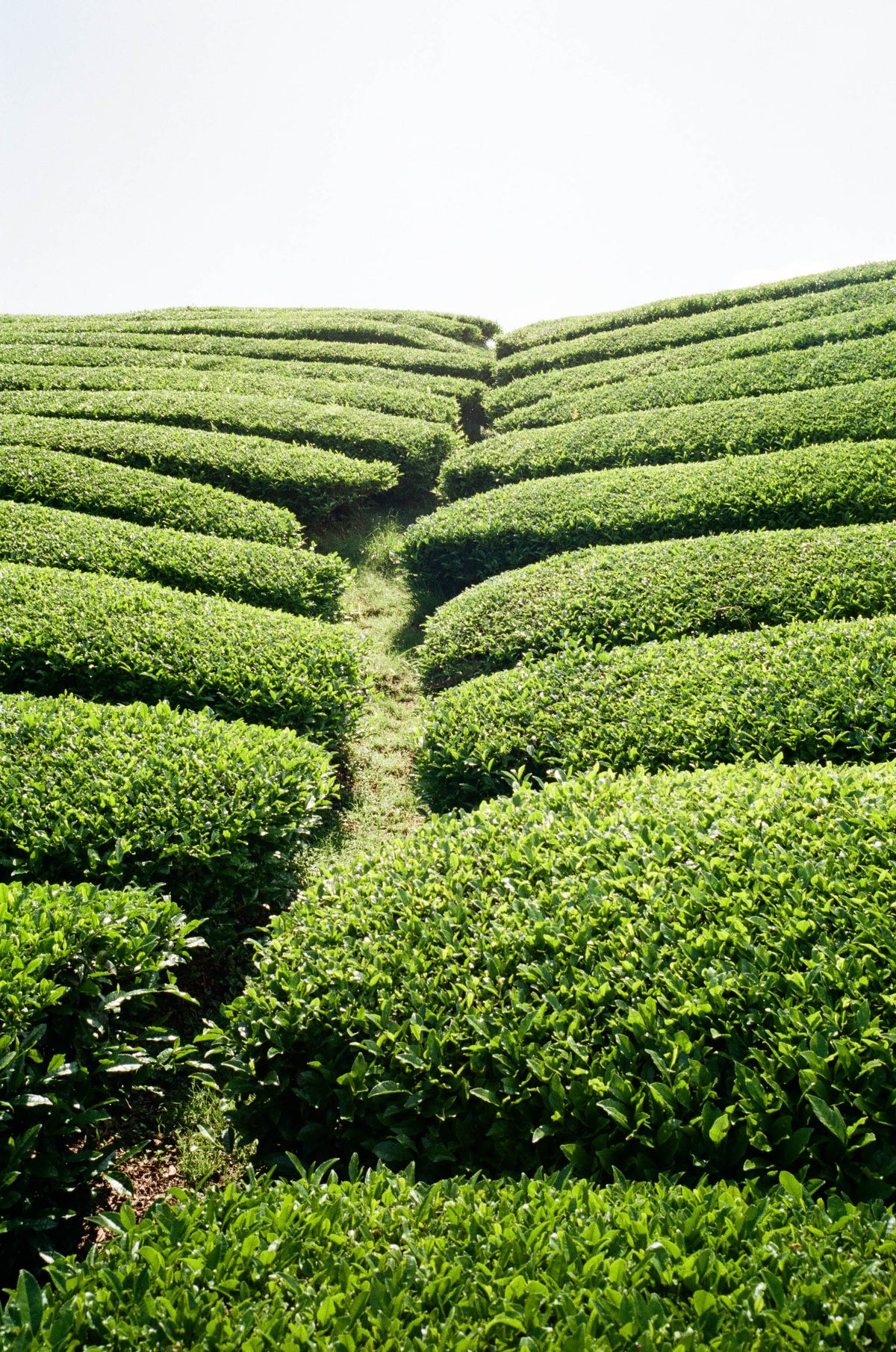
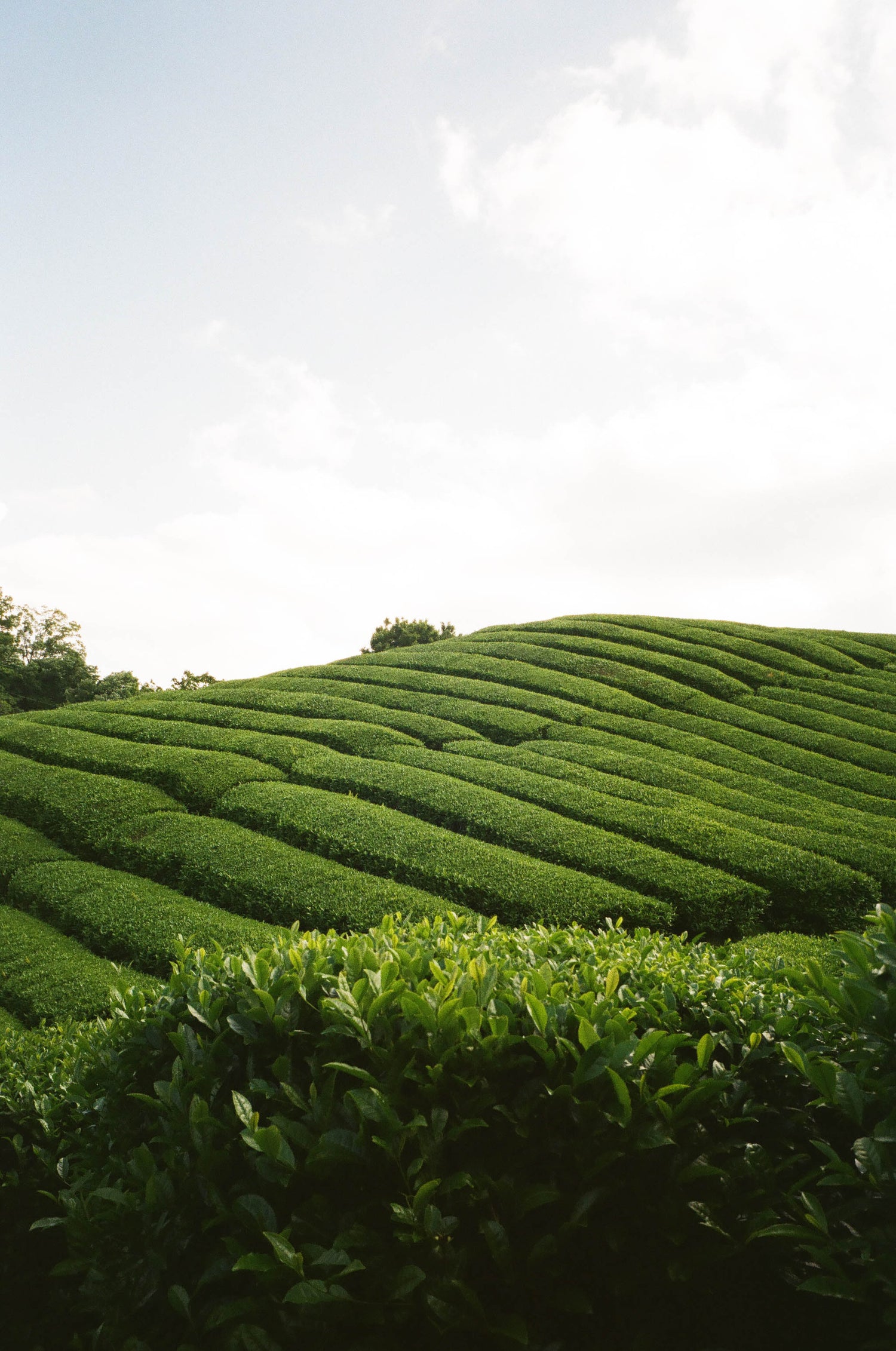
The growing area of our matcha is one of the best and also oldest tea regions in Japan: Uji, south of Kyoto. The region is known for its clean water and nutrient-rich soil, free from pesticides. It also has the right climate: the mist from the Uji and Kizu rivers keeps the tea plants moist and reduces the risk of frost damage.
production
Our tea farm is a traditional family business that has been run by the same family for several generations and has been producing organic matcha for several decades.
Our quality is confirmed by the strict standards of the organic certification from the Japanese certification body JONA and German organic certification.
Cultivation
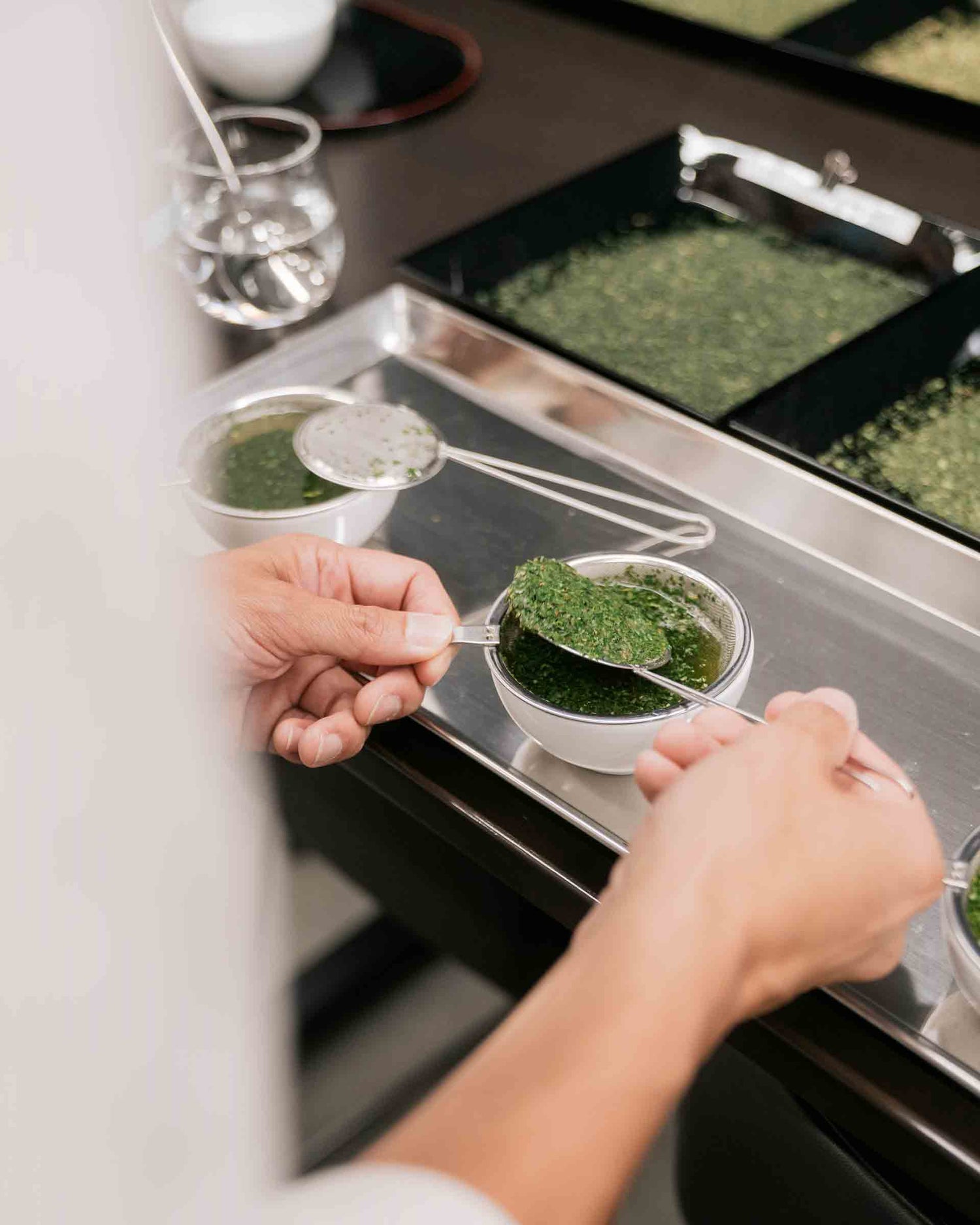
The tea farmers protect the plants from the sun with black textile sheets or, traditionally, straw. This increases the chlorophyll content in the leaves and softens the flavor. Cultivation is carried out without pesticides. Annual soil samples are taken, as well as laboratory tests for heavy metal and radiation contamination, to ensure the highest possible quality. Furthermore, each batch is carefully tested for its mineral content.
Labor-tested
Transparency you can taste: our organic matcha is regularly tested by independent laboratories.
Why? Because we drink our matcha ourselves every day – and because we want you to know exactly what's in your cup.
The results show:
- No detectable pesticides
- Heavy metals well below EU limits
- Very good microbiological quality
We make all test reports transparently available here.

FAQ about Organic Traditional Matcha
Does the Traditional come from the same region as the Ceremonial?
Yes, both come from the same family-run organic farm in Uji. The difference lies in the harvest: for the Traditional, leaves from the second harvest are added to those of the first. That's why it tastes bolder than our Ceremonial Matcha.
Does Traditional Matcha have less caffeine than Ceremonial?
Yes, a little: around 59 mg per 2 g serving, compared with around 66 mg for the Ceremonial. The Traditional is a blend of first and second harvest, which makes it taste bolder, with a round, balanced umami and a fresh plant-like note.
That makes it ideal for matcha lattes, smoothies and baking.
What is Traditional Matcha?
Traditional Matcha is a high-quality Japanese green tea made from a blend of first and second harvest teas. It has a more intense flavor than Ceremonial Matcha and is often used for lattes or for everyday consumption.
What does traditional matcha taste like?
It tastes bolder than Ceremonial Matcha, with a round, balanced umami and a fresh plant-like note. At the same time it stays creamy and balanced, especially when prepared as a latte.
Why is Traditional Matcha ideal for matcha lattes?
Traditional matcha is ideal for matcha lattes, smoothies, or everyday enjoyment. Its more intense flavor remains clearly present even when combined with milk or plant-based drinks.
How long does a pack of Traditional Matcha last?
At 2 g per latte, 30 g makes around 15 drinks, 50 g around 25 and 100 g around 50. If you drink a matcha latte every day, the larger pack is the best value.
Is Traditional suitable for beginners?
Yes, especially for beginners who want to drink matcha more as a latte or in everyday life. The taste is stronger and therefore very easy to combine with other ingredients.
Hält was er verspricht intensiv grün und leicht süß
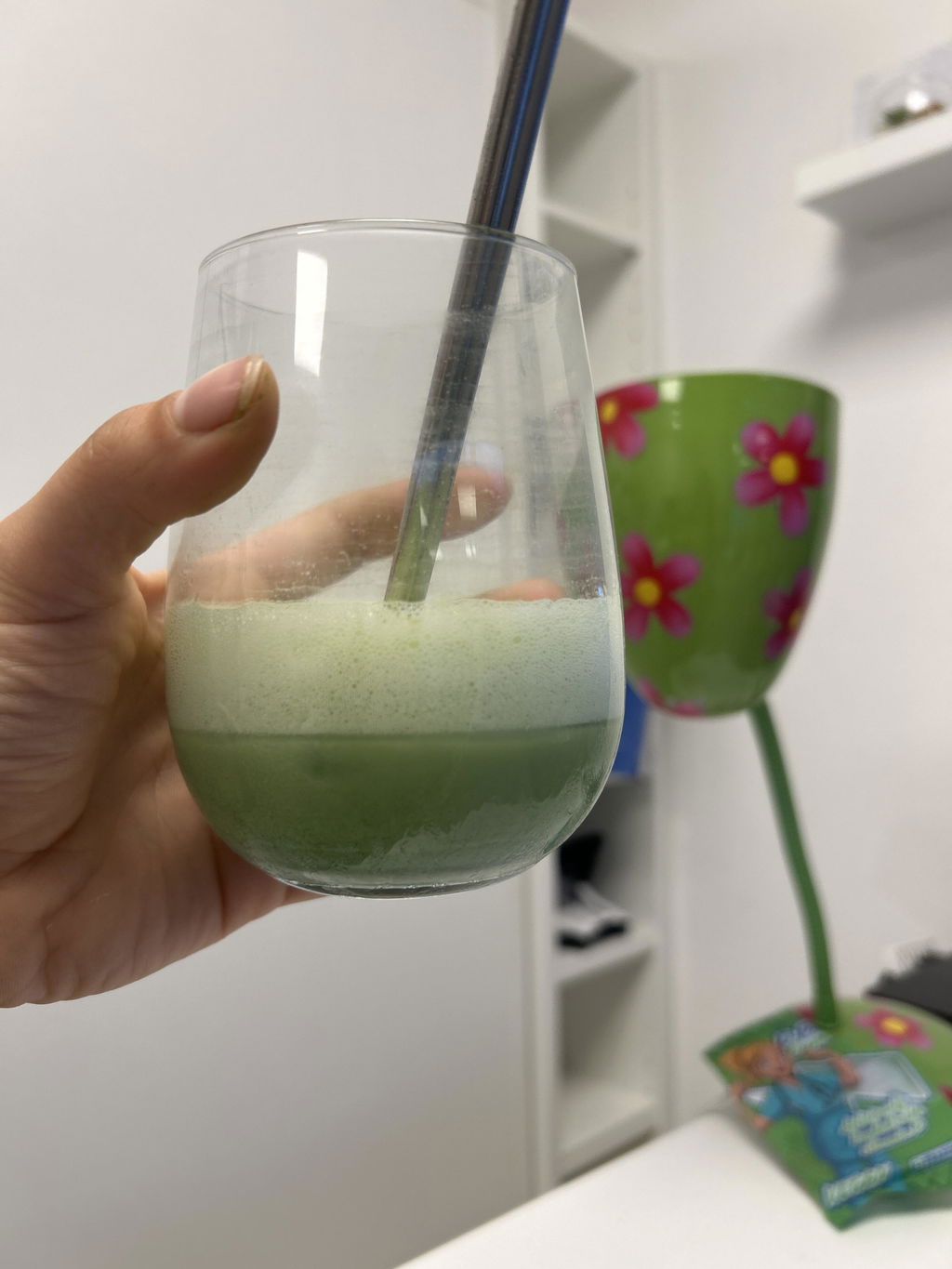
Ich bin noch recht neu in Matcha Game aber komme mit diesem hier sehr gut zurecht! Er schmeckt überhaupt nicht bitter sondern eher leicht nussig und macht einfach Spaß. Leichter Abzug für den Preis, der aber natürlich kompetetiv und vergleichsweise auch noch voll im Rahmen ist.
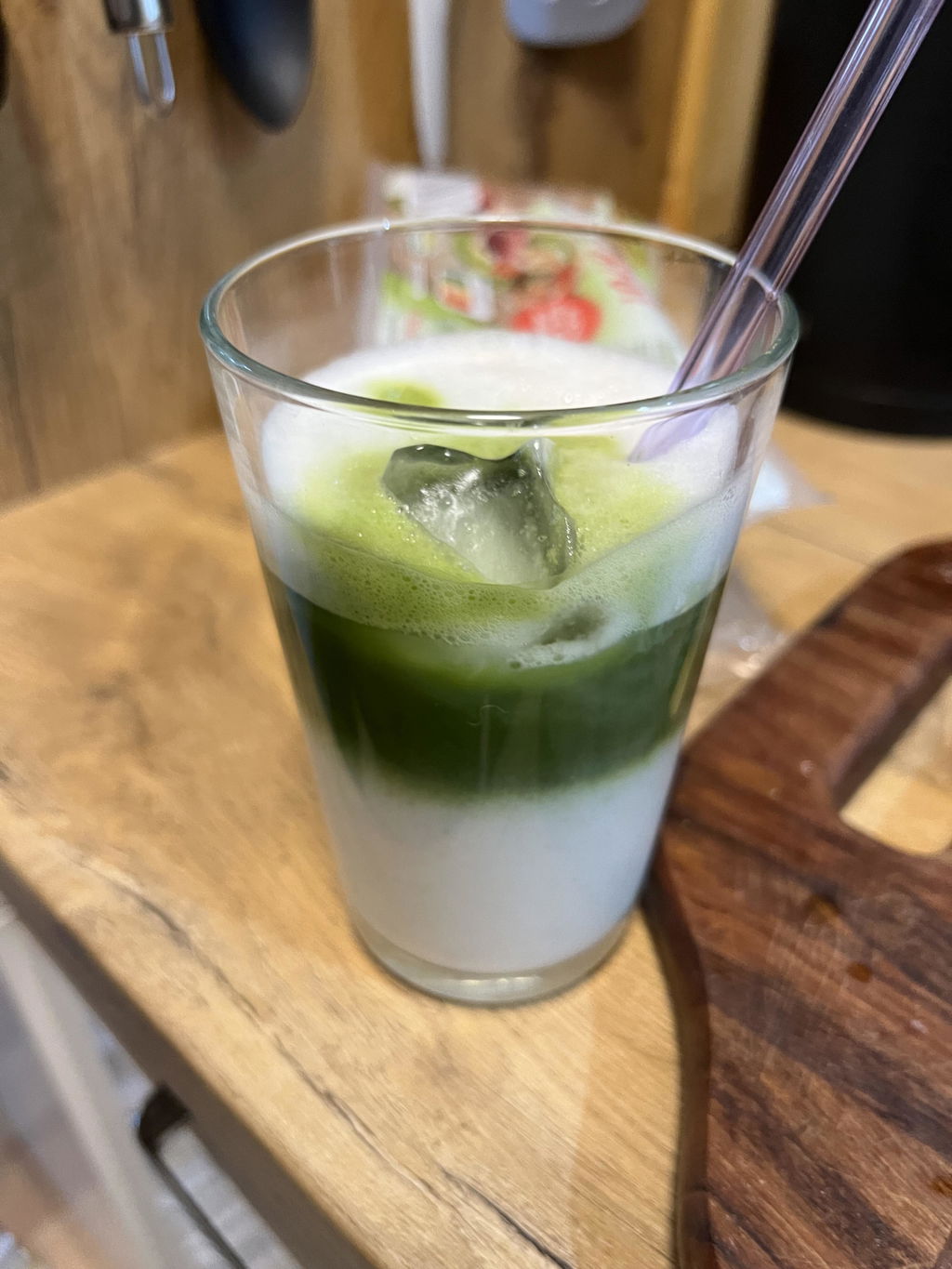
Hervorragende Qualität und wunderbarer Geschmack 😋! Ich habe euch 1 Stern abgezogen weil mich der „Ceremonial“ geschmacklich noch mehr abholt. Den „Traditional“ habe ich abonniert weil er günstiger ist (und auch gut schmeckt 👍). Kleine Anregung für euch: ich würde mir eine 250g Dose statt den 250g Nachfüllbeutel wünschen, da dieser wirklich unpraktisch bei der Entnahme ist (ständig sind die Hände voll mit grünem Matchapulver) 🤷♀️
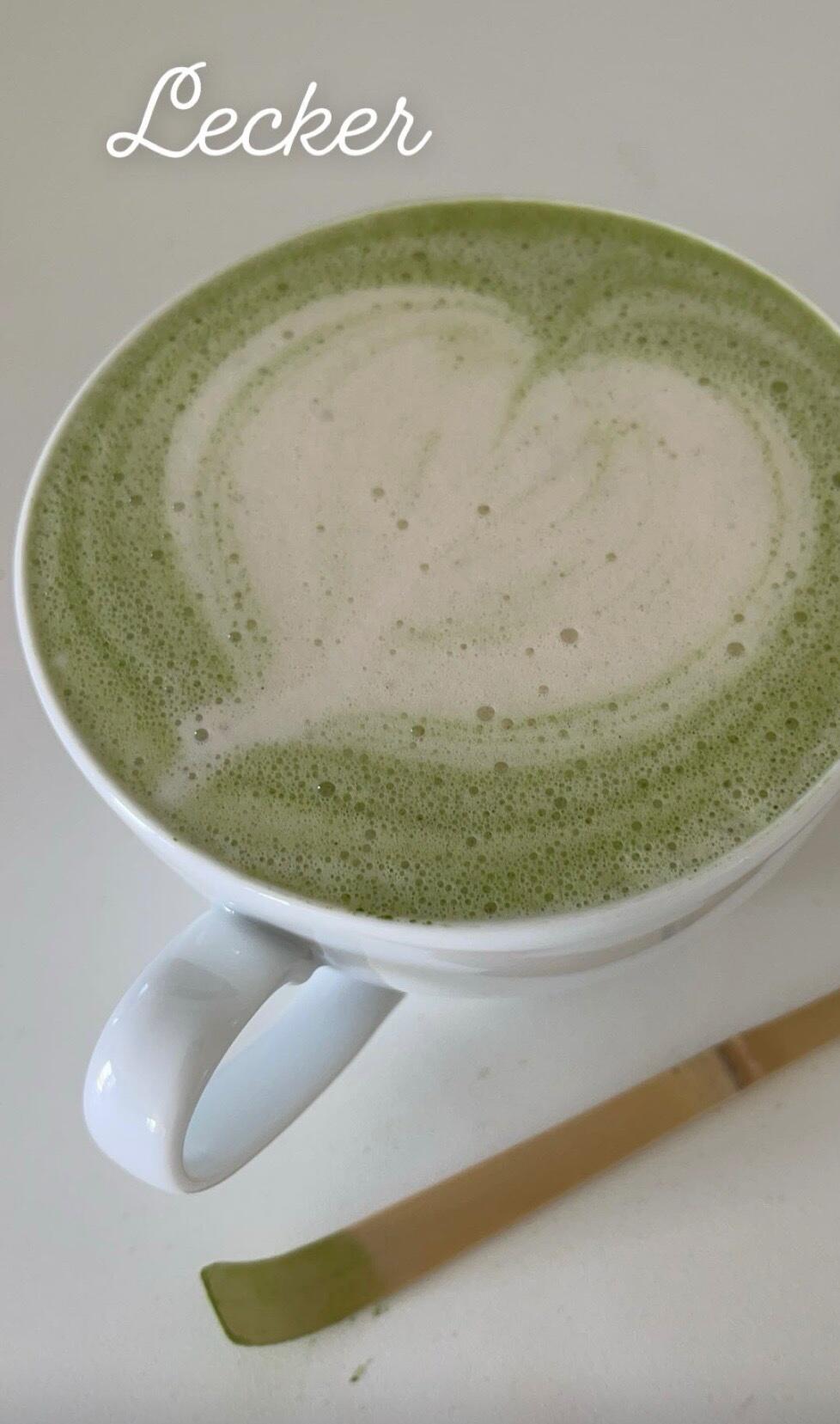
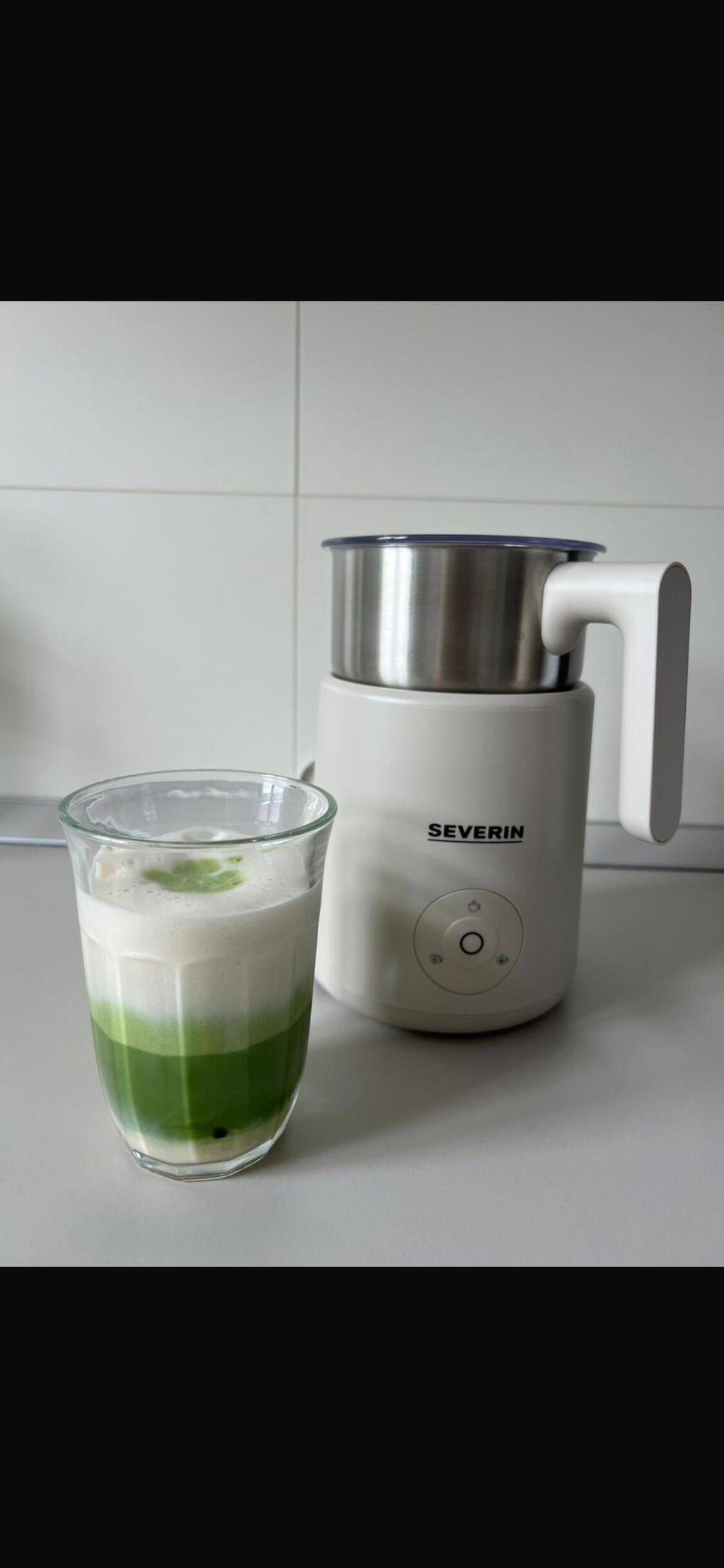
Für mich einer der leckersten Matchas 😋
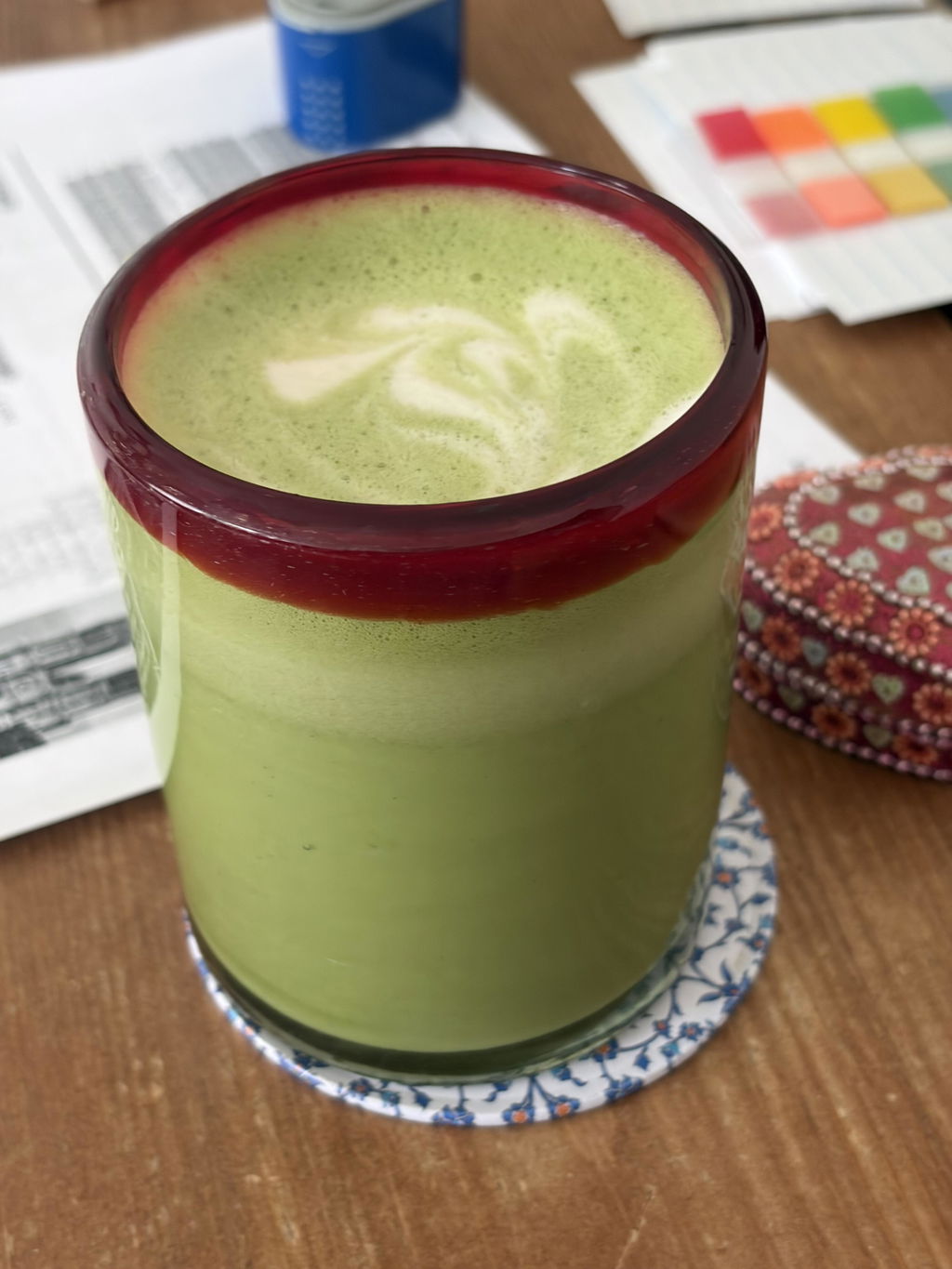
Bisher der beste Matcha den ich probiert habe!
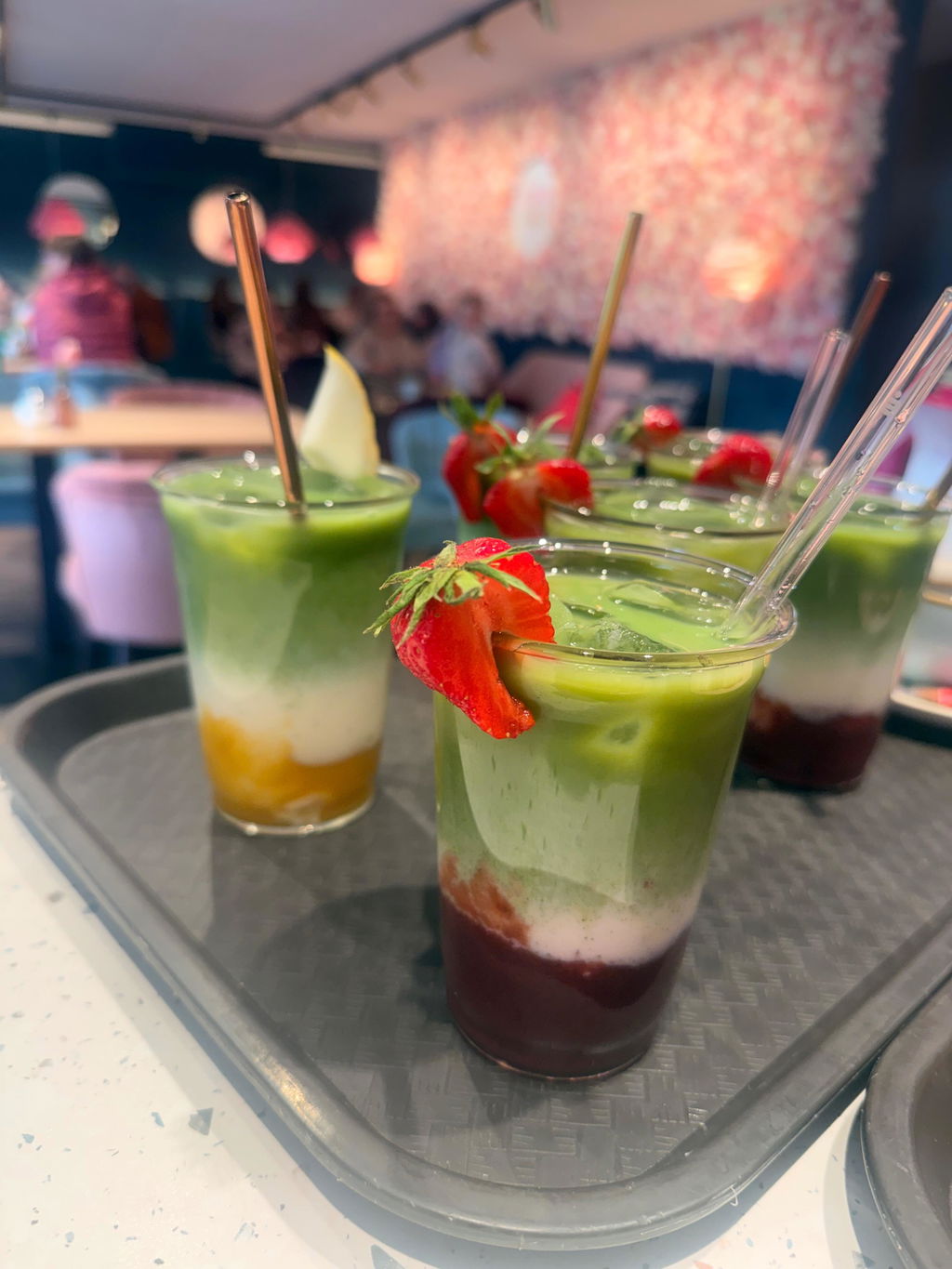
Hey, ich schreibe normalerweise nie Bewertungen aber ich wollte euch einmal mitteilen dass ich euren Matcha wirklich liebe! Ich bin recht neu im Matcha Game und bin wirklich so glücklich und dankbar, euren Matcha gefunden zu haben. Er gehört zu meiner täglichen Routine dazu und ich werde definitiv wieder bestellen! 🍵⭐️ Liebe Grüße
Jasmin
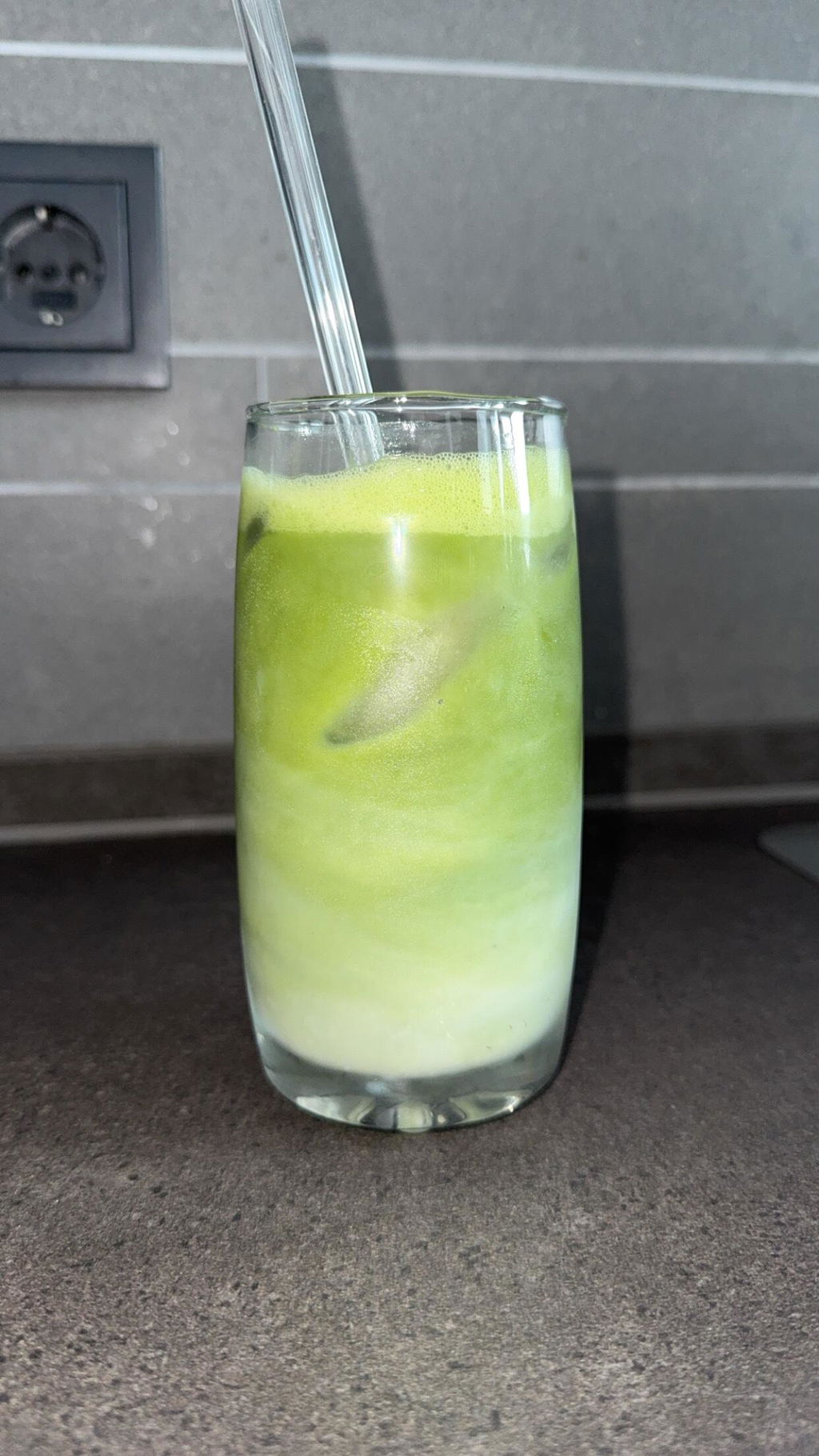
Matcha-Time 💚 Teste gerade den Matcha von Health Bar und bin absolut verliebt. Schmeckt super cremig und ist mein perfekter Energie-Kick für den Tag!
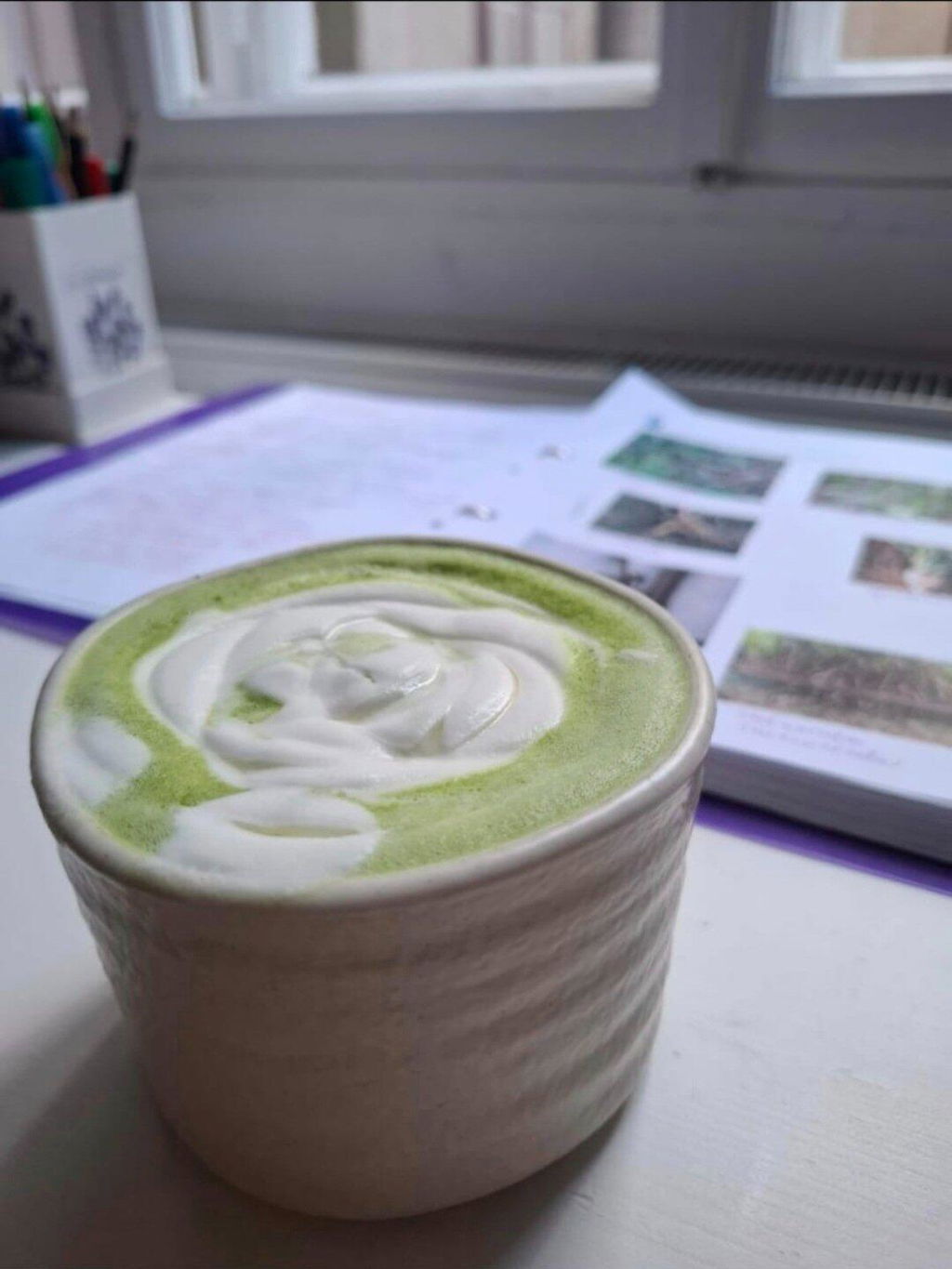
Finde den matcha von healthbar einfach am besten. Sowohl die Farbe als auch der Geschmack übertrifft einfach immer und ist den Preis mehr als gerechtfertigt
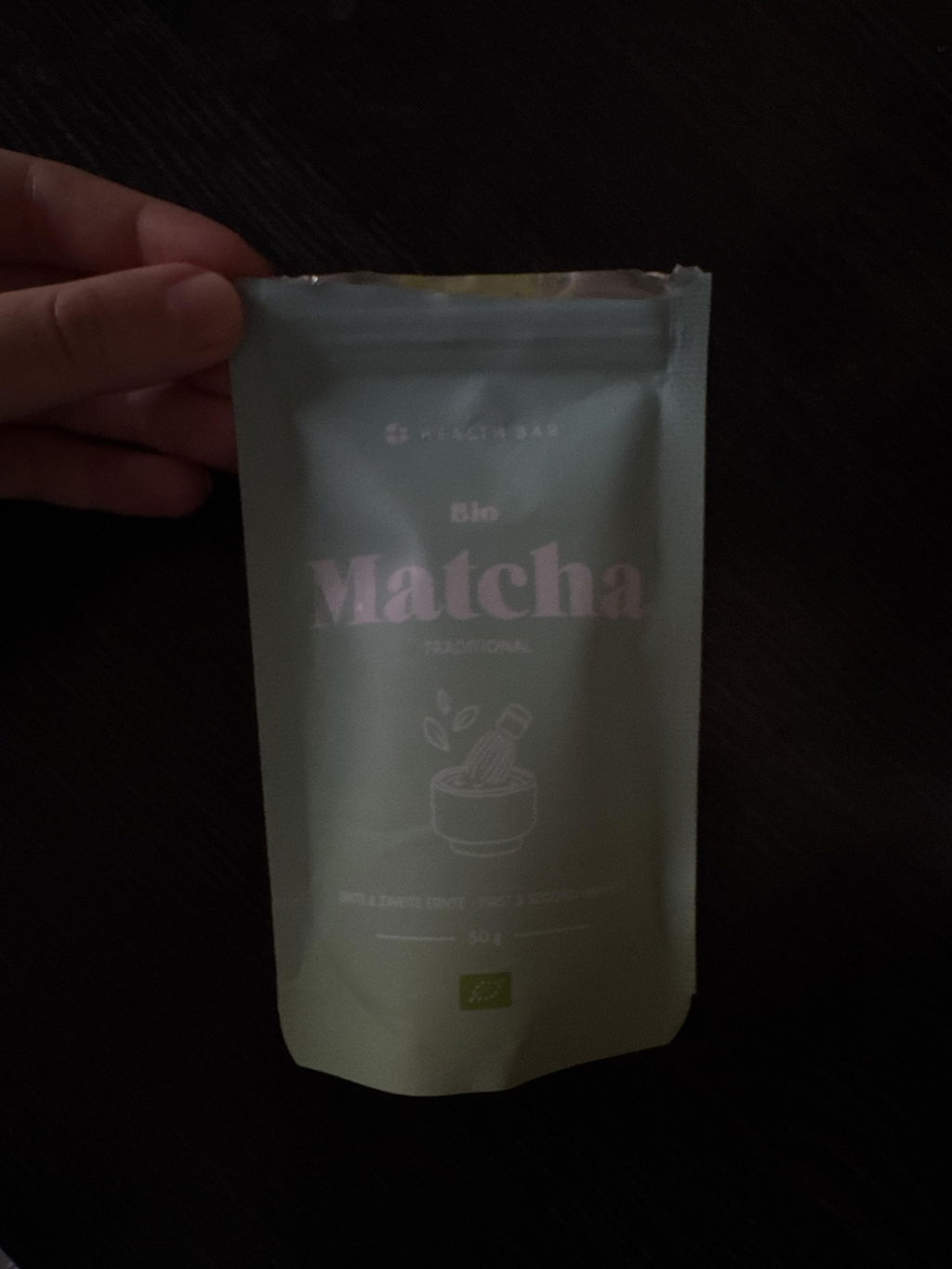
Wenn man einmal diesen Matcha Standard erreicht hat, schmeckt jeder andere Matcha nur noch zweitklassig. Ich liebe die Health-Bar Matchas einfach!
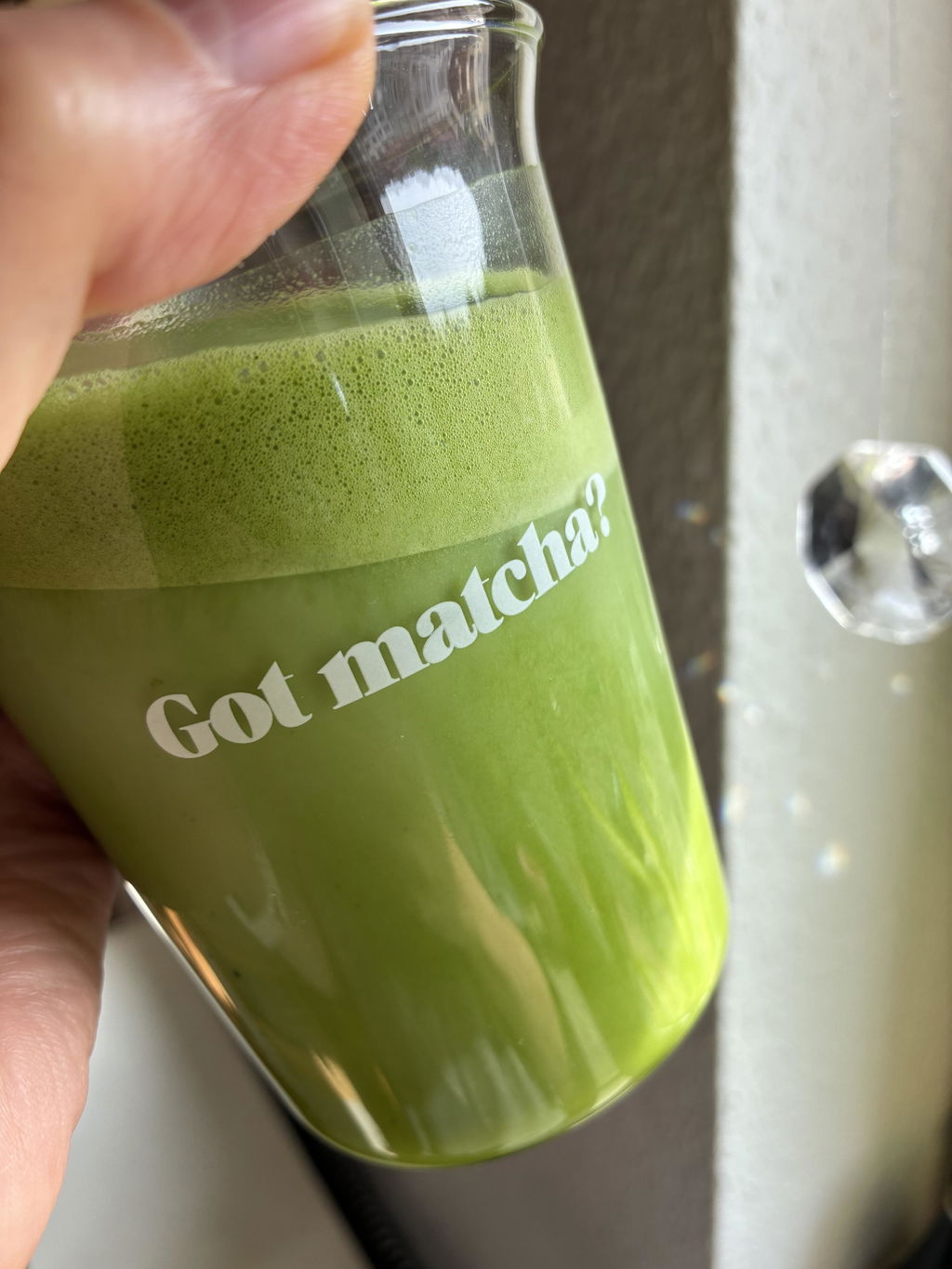
Praktische Verpackung, gute Qualität, Lieblings grün
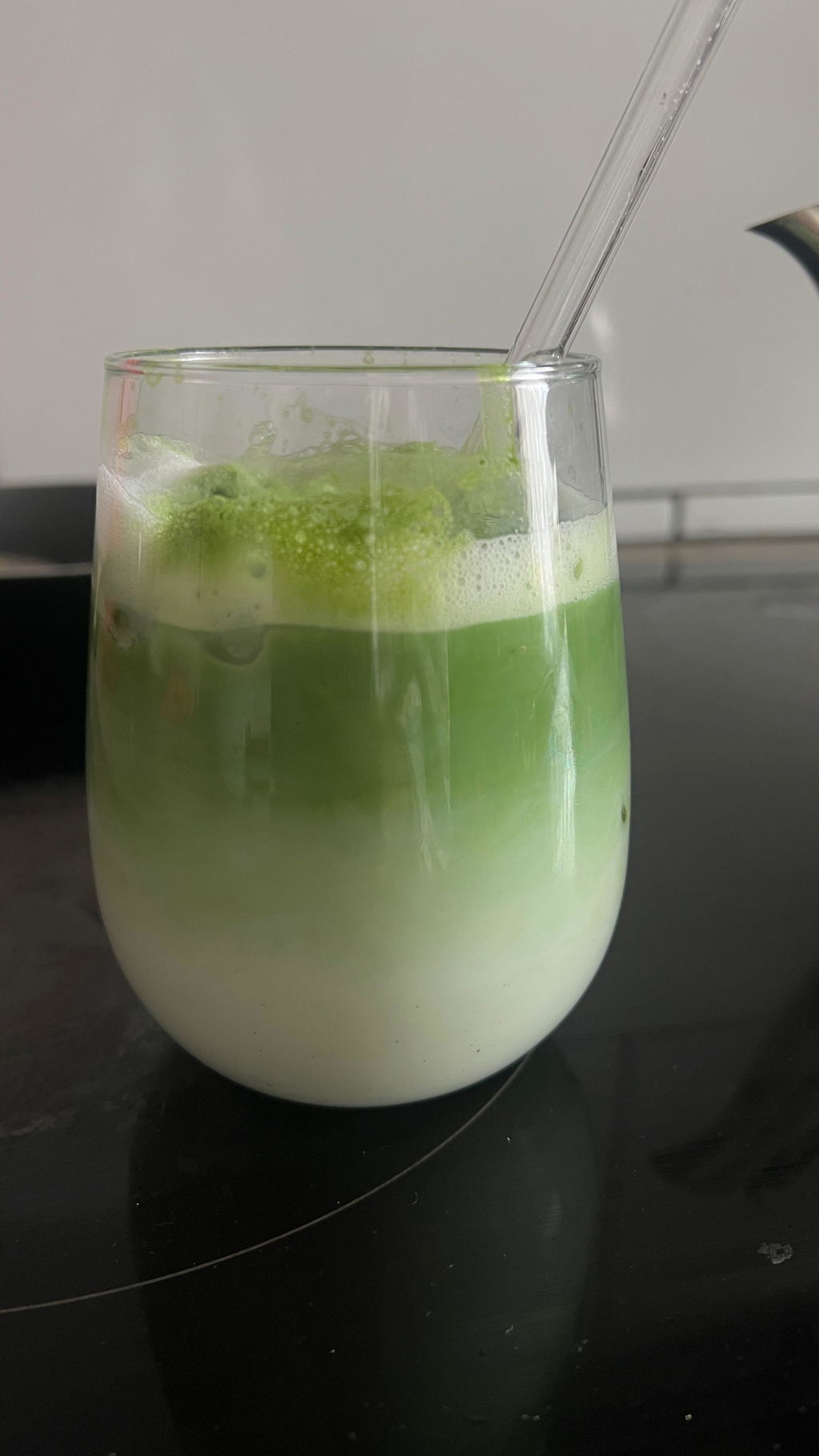
Ich habe schon so viele unzählige Matcha Sorten getestet und dieser ist wirklich der beste. Mittlerweile hole ich mir draußen kaum noch Matcha Latte, da diese oft mindere Qualität haben und ich lieber meinen eigenen zuhause trinke
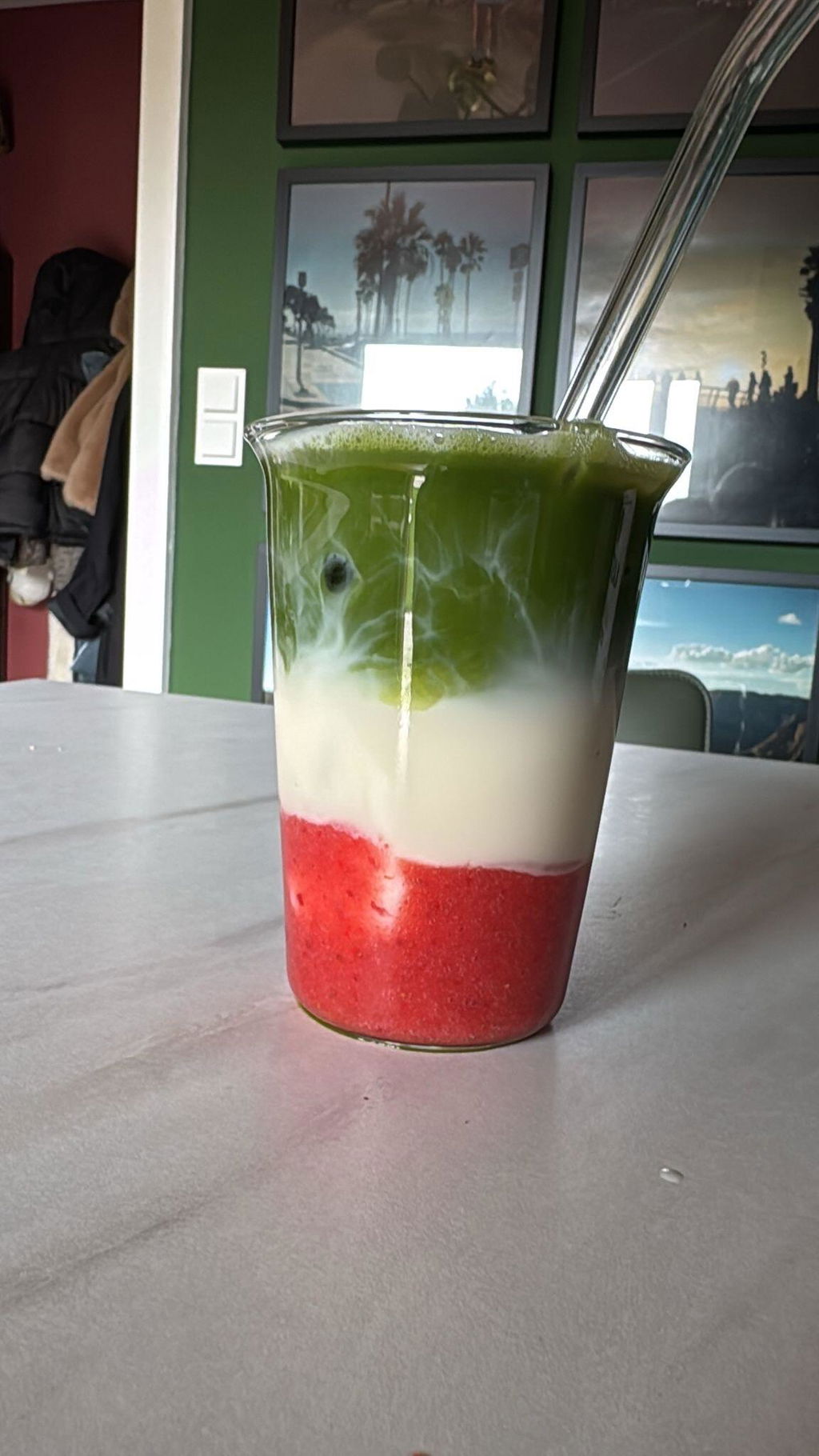
Ich bin großer matcha lover - daily lover! Bin rein zufällig auf health bar gestoßen und habe es ausprobiert. Das packaging und die Qualität sind 1A! Der matcha ist nicht grasig (wie oft bei minderwertigen Produkten) auch die Farbe eine glatte 9,5/10! Das bonusprogramm finde ich auch sehr ansprechend. Im Winter habe ich sogar damit gebacken - sooo intensiv und lecker!
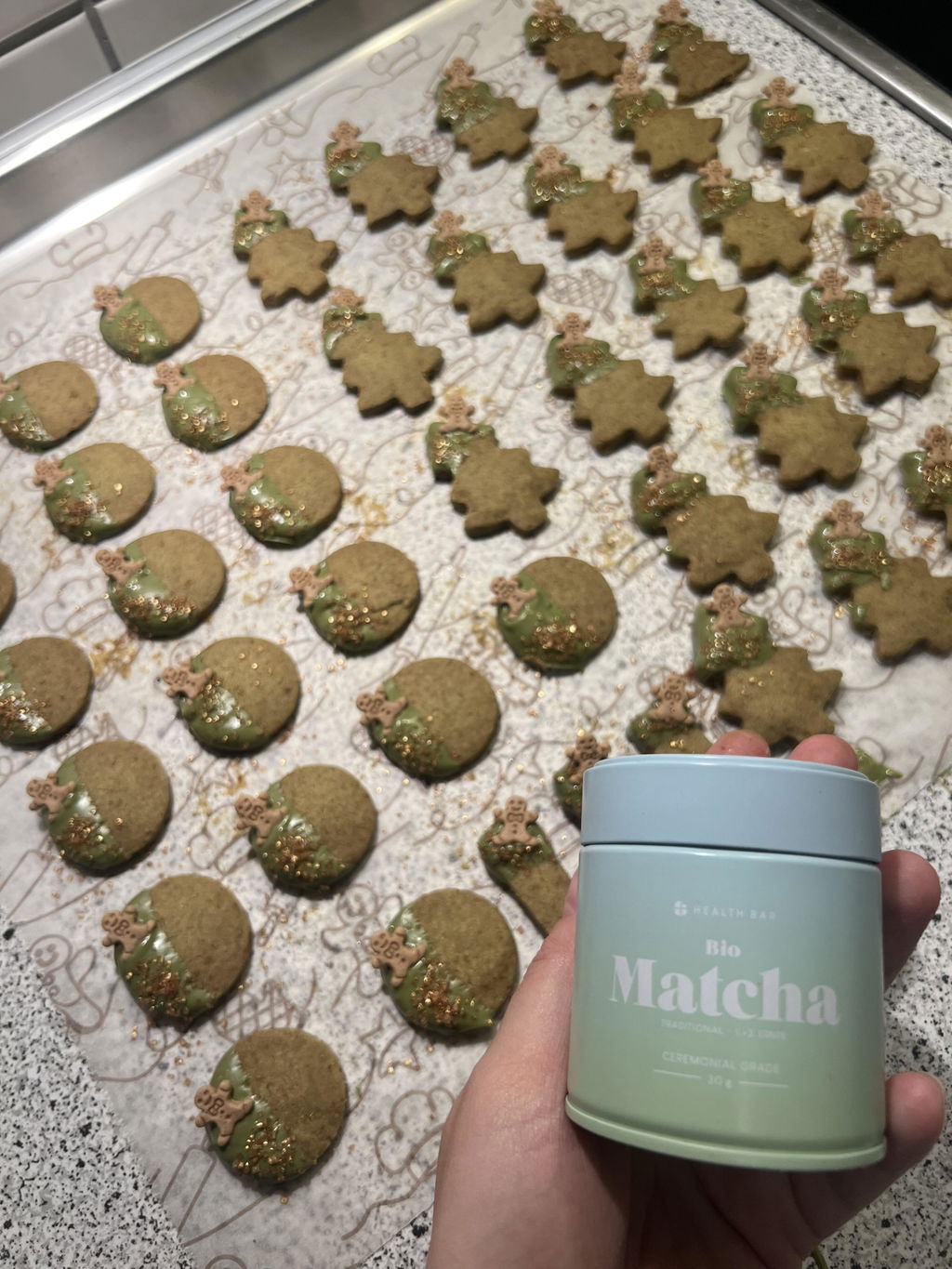
Absolut empfehlenswert, Geschmack ist nicht zu toppen.
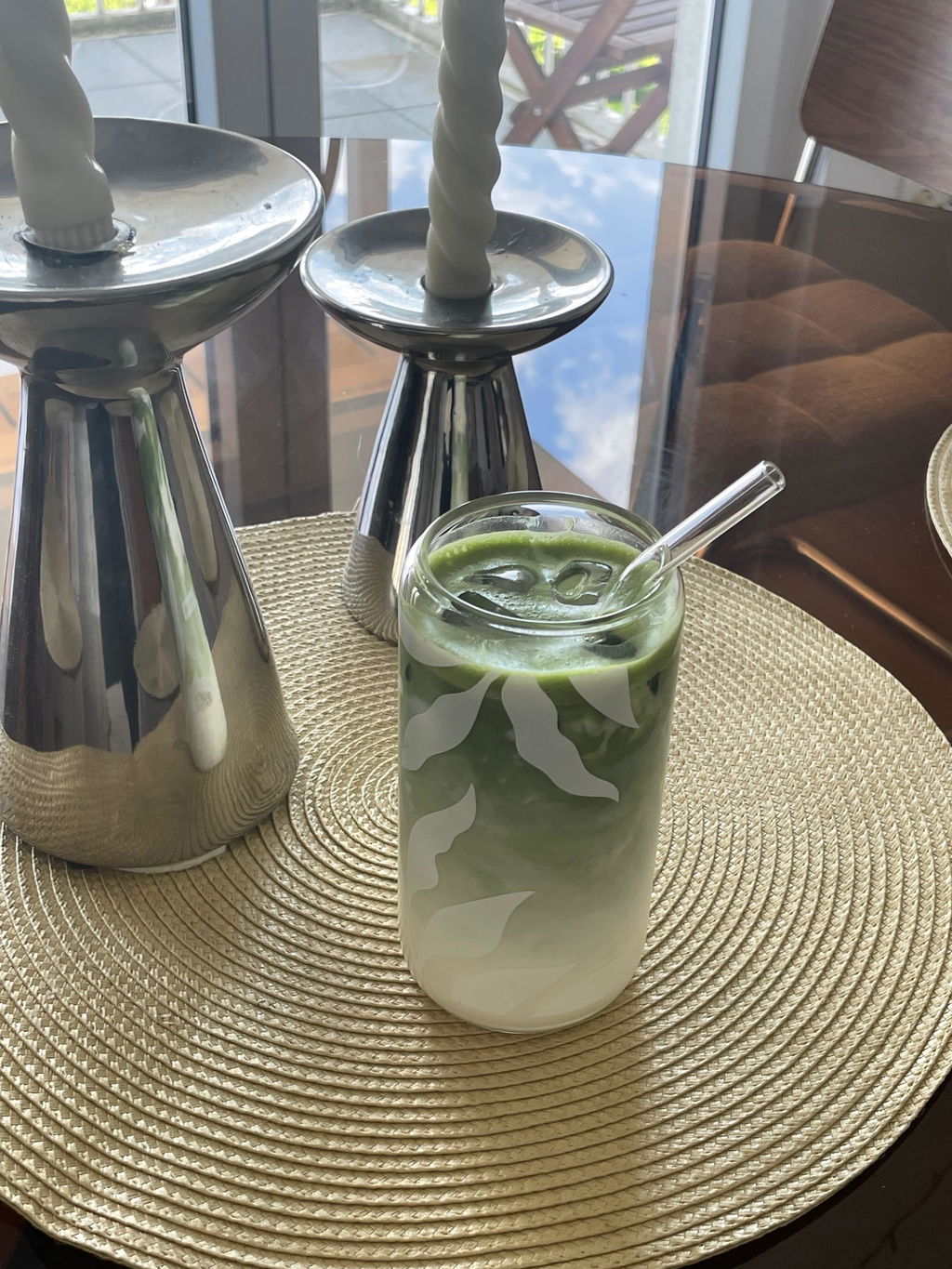
Absolut empfehlenswert! Habe bereits unzählige Marken probiert und bin immer wieder zu diesem hier zurückgekommen. Das ist mit Abstand der beste Matcha! 🍵 er schmeckt für mich perfekt „grün“ und ist auch leicht dosierbar. Brauche keinen Sieb weil dieser hier so schön fein ist! Die Farbe ist jedesmal mein Highlight! so schön leuchtend und tiefes Grün! 😍 bestelle die 250g Packung immer wieder nach. LOHNT sich total!
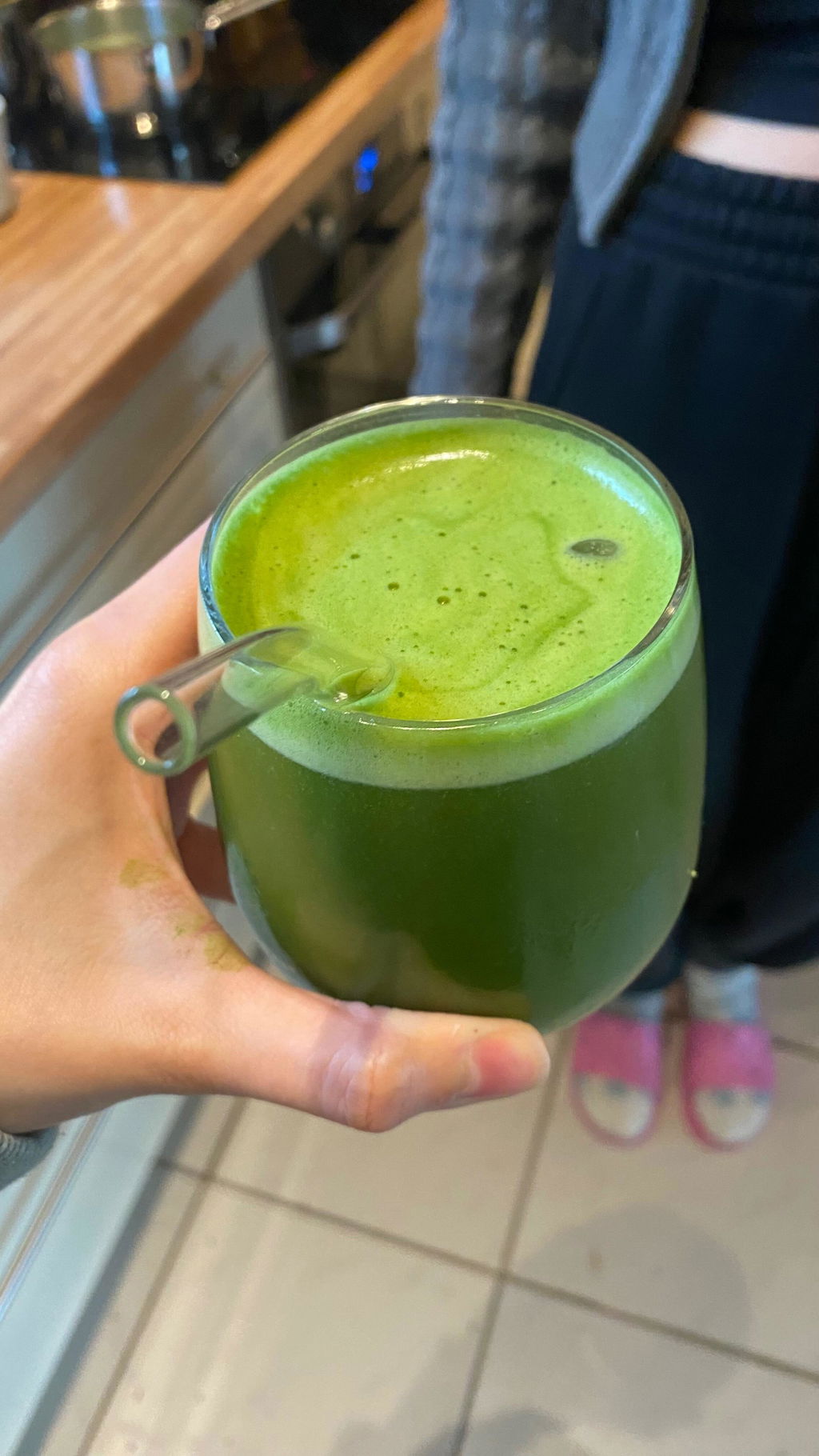
Ich bin ein großer Fan vom Ceremonial Matcha und wollte dem Traditional Matcha auch mal probieren. Ich würde es als die intensivere, leicht bittere Schwester vom Ceremonial Matcha beschreiben. Ohne hier zu sagen, dass der eine besser ist als der andere. Wenn man sich an einen umso kräftigeren Tee-Geschmack für Matcha traut ist diese Sorte worth a try 🥰
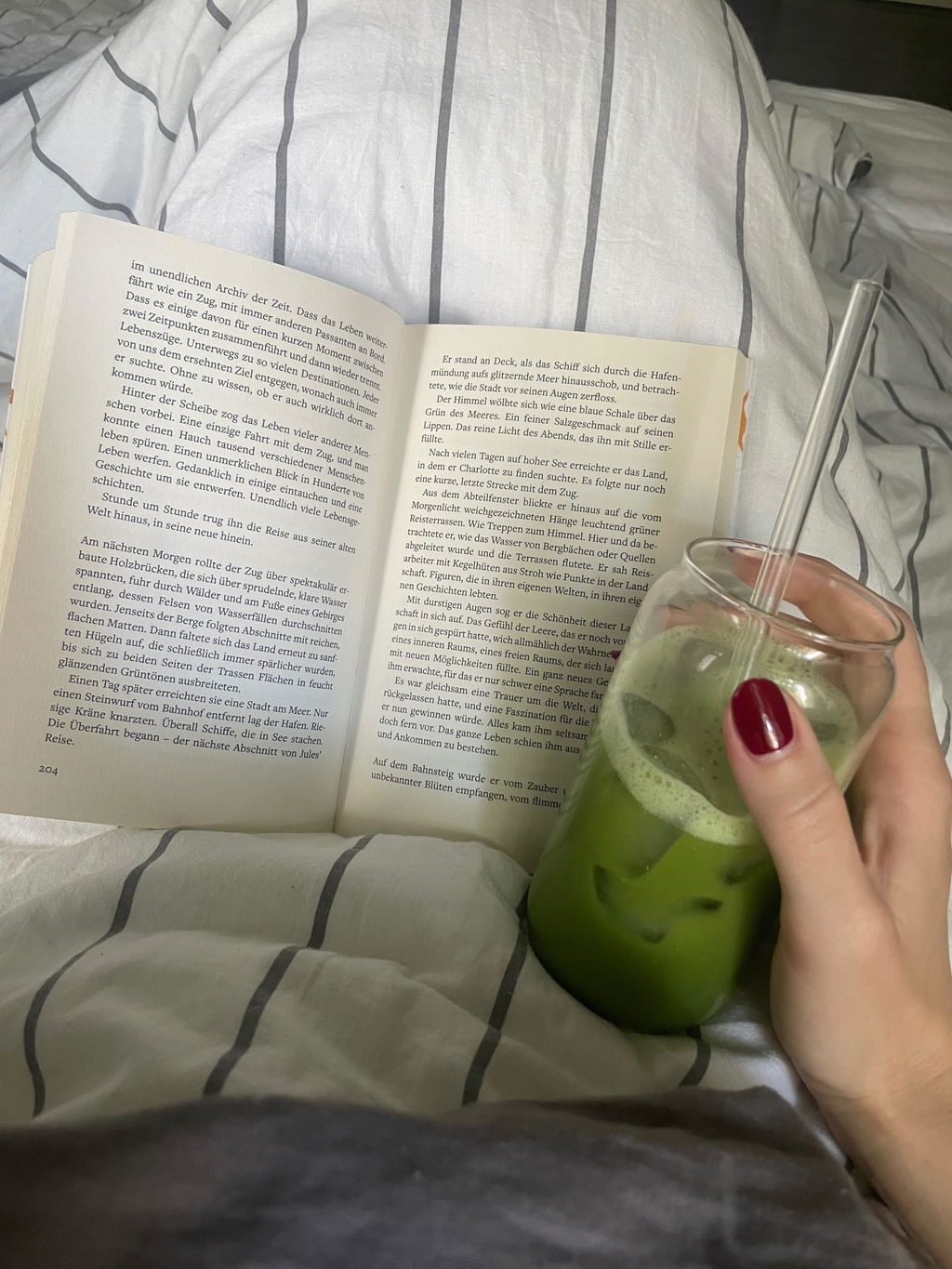
So wie Matcha aussehen und schmecken sollte🤞🏼🤞🏼
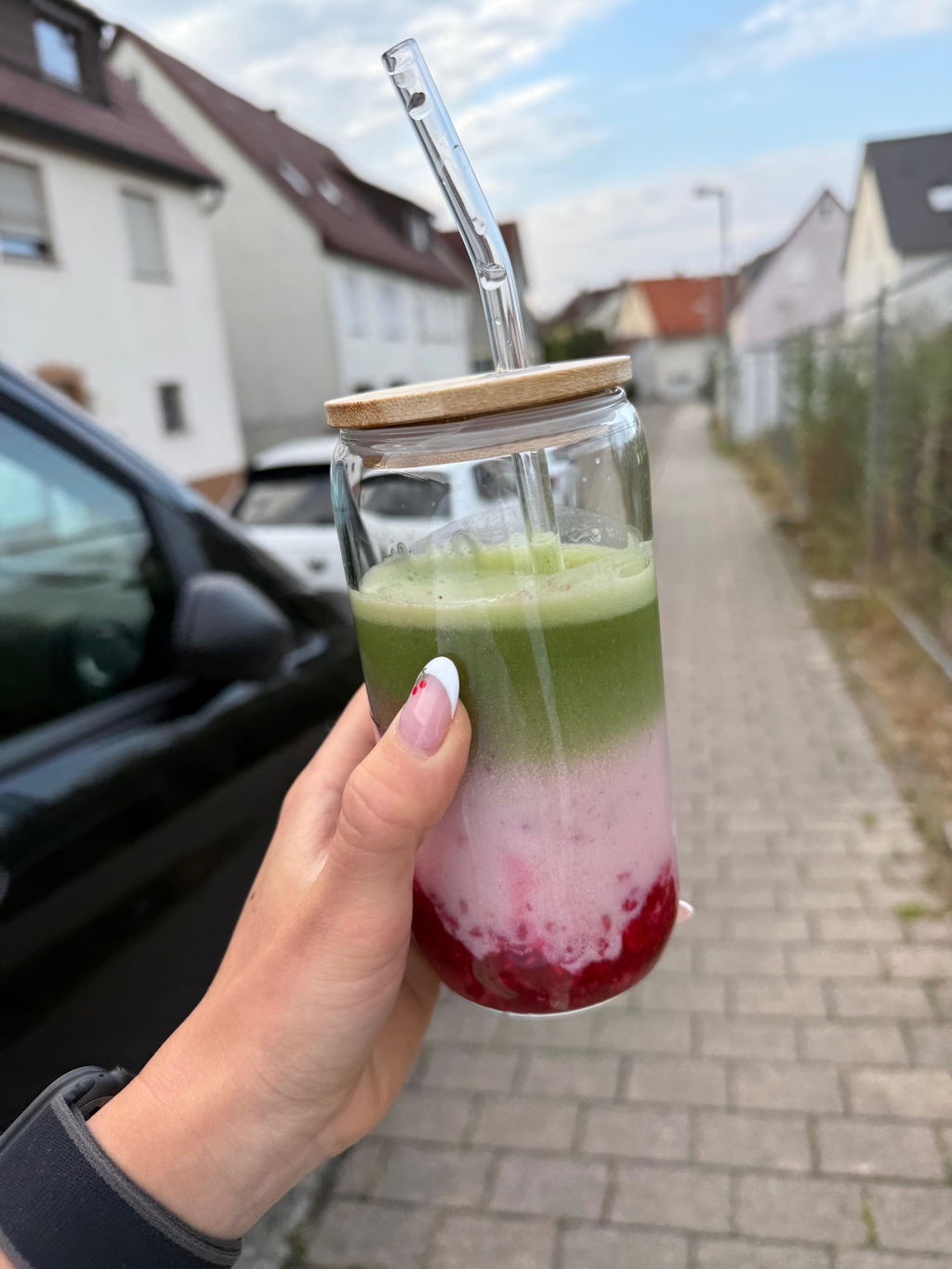
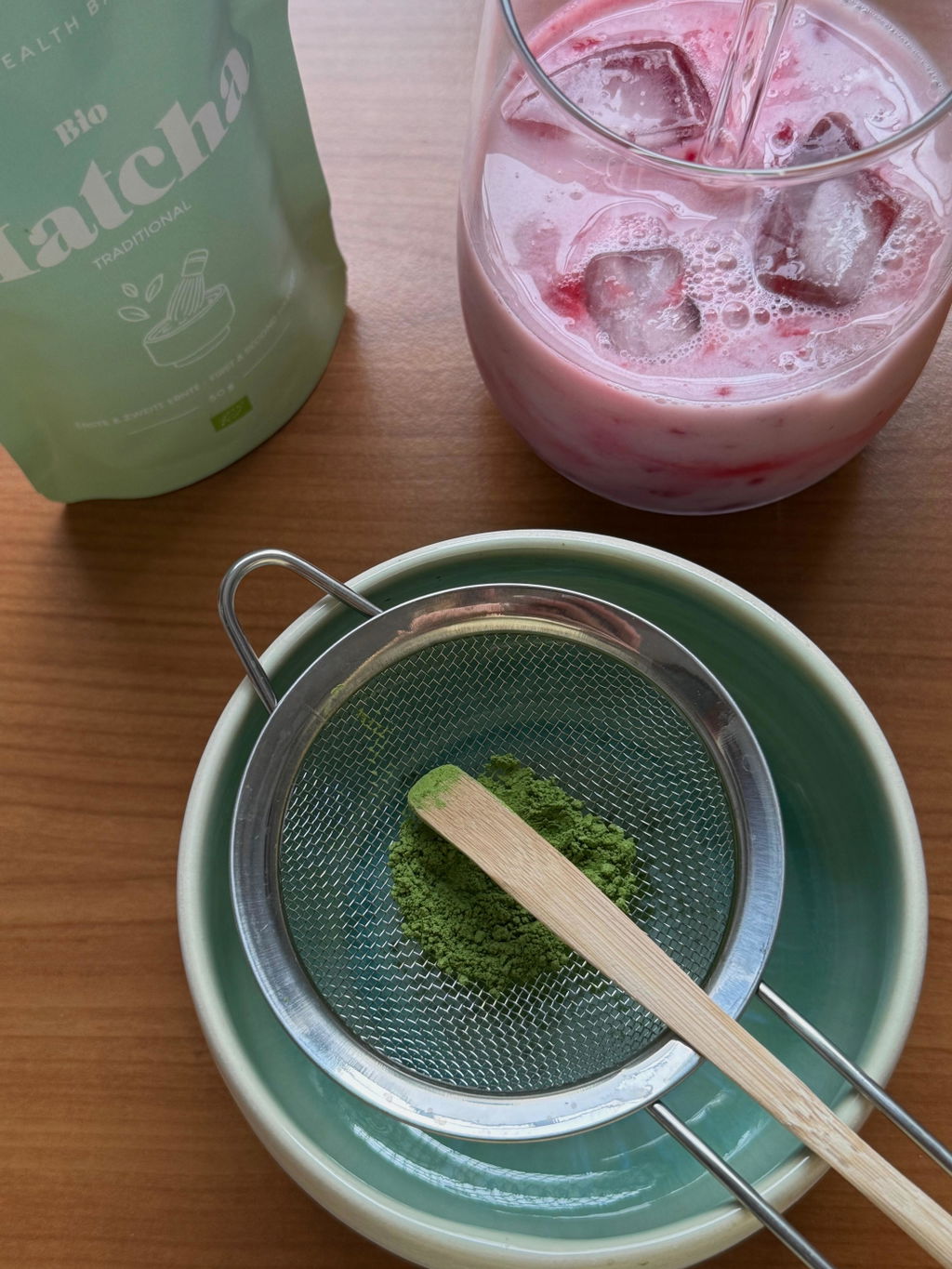
Sehr feiner Matcha, Geschmack überzeugt.
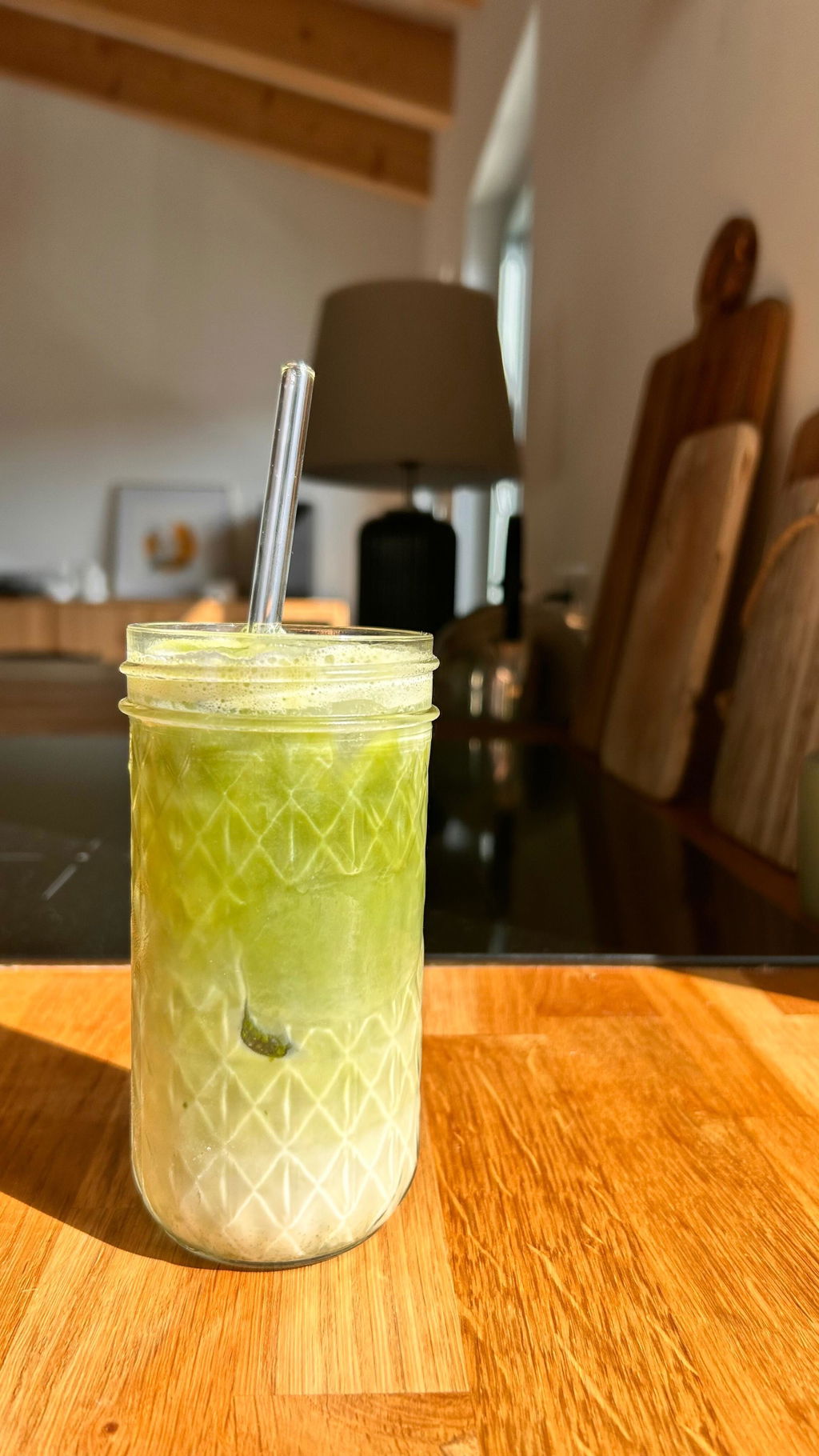
Ich bin so zufrieden🥹 würde auch immer wieder bestellen wenn der Preis nicht sooo hoch wäre 🥹🎀
Ich bin sehr begeistert von beiden Matchas. Sie sind sehr lecker, lassen sich schön aufschäumen.
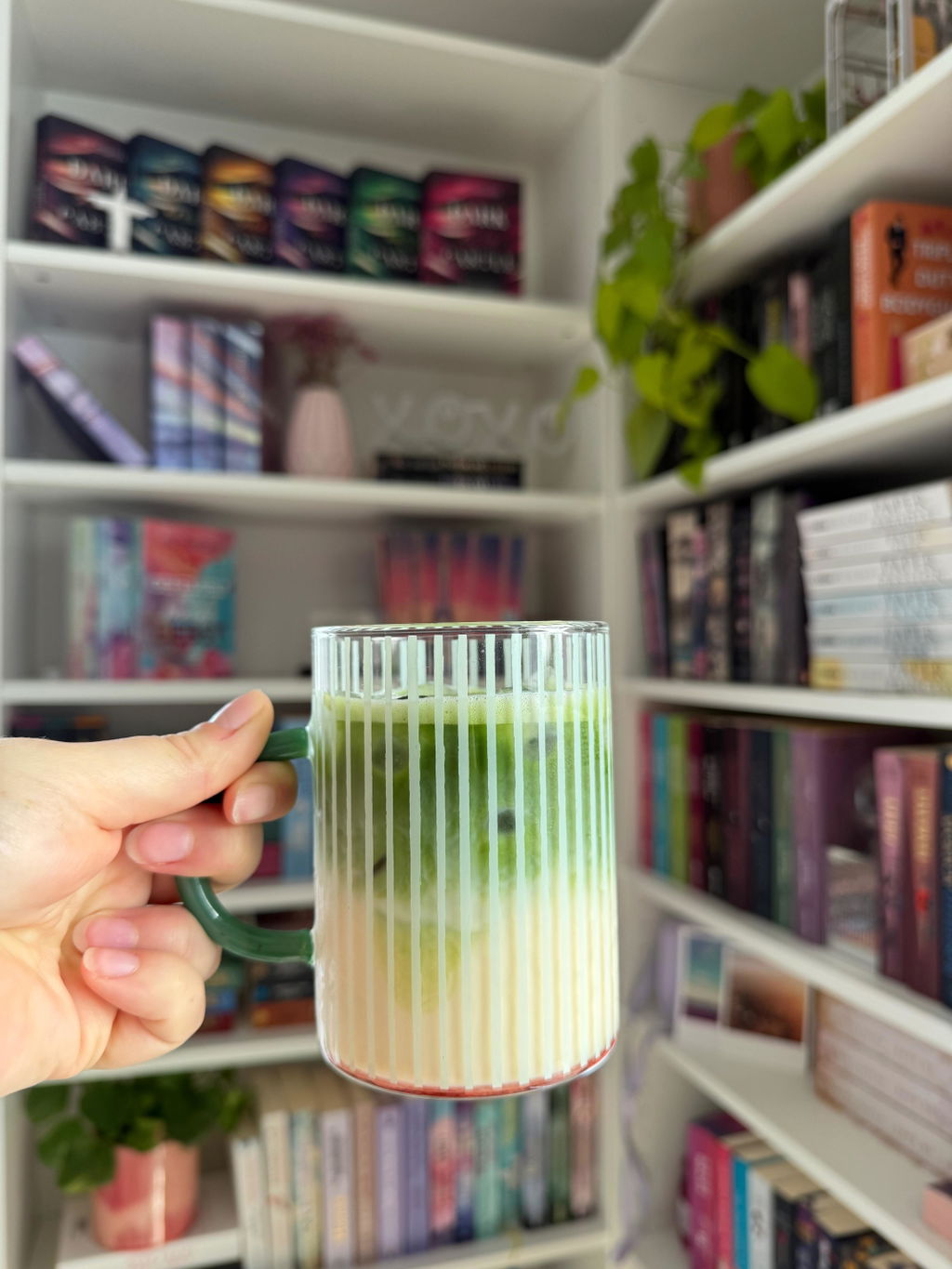
Ich finde den Matcha sehr lecker und ausgewogen. Ich trinke ihn auch unheimlich gern pur.
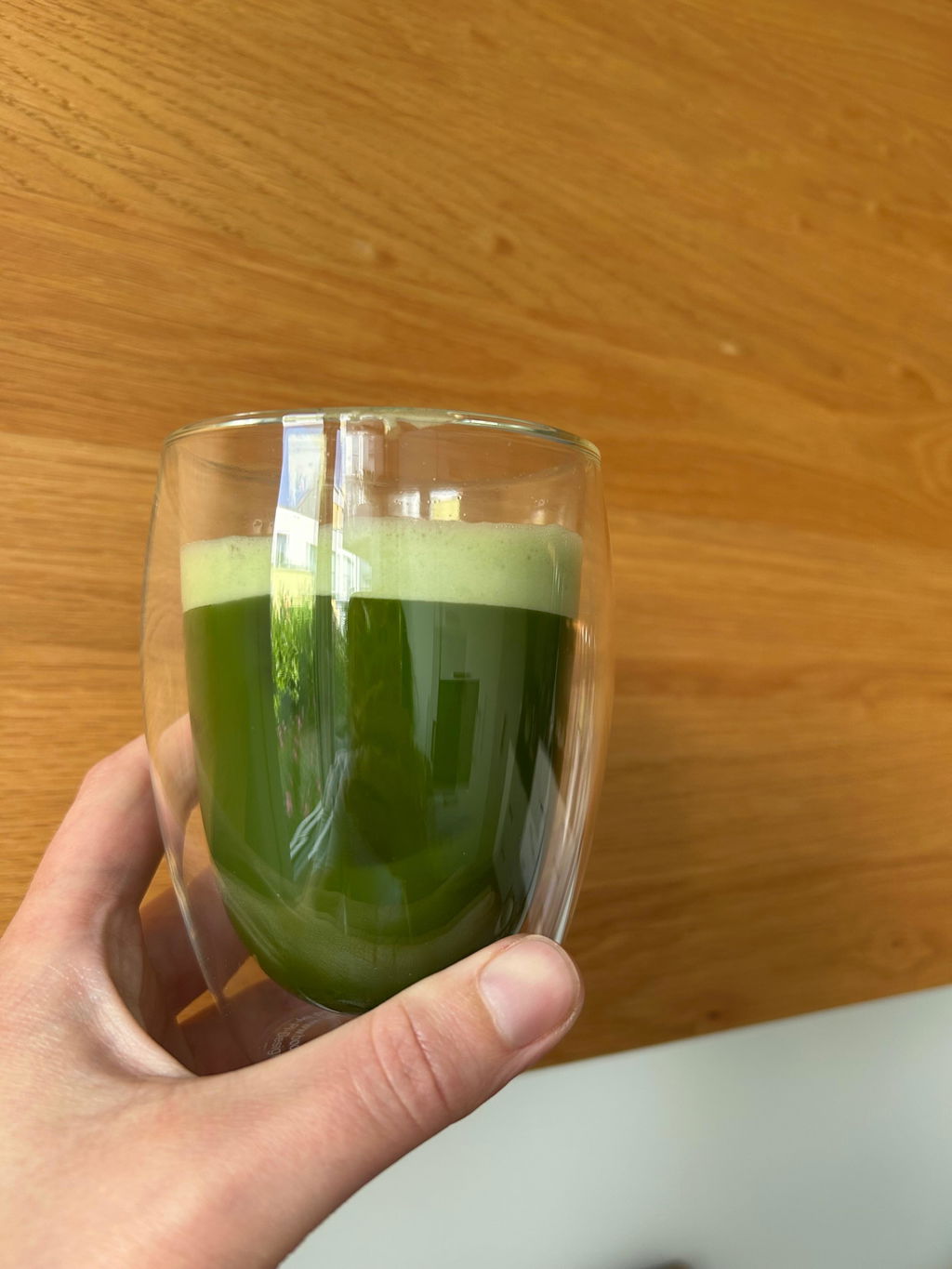
Ich liebe diesen matcha. Trinke ihn am Liebsten mit Mandel- oder Kokosmilch, nicht mehr wegzudenken aus meiner täglichen Routine ♥️
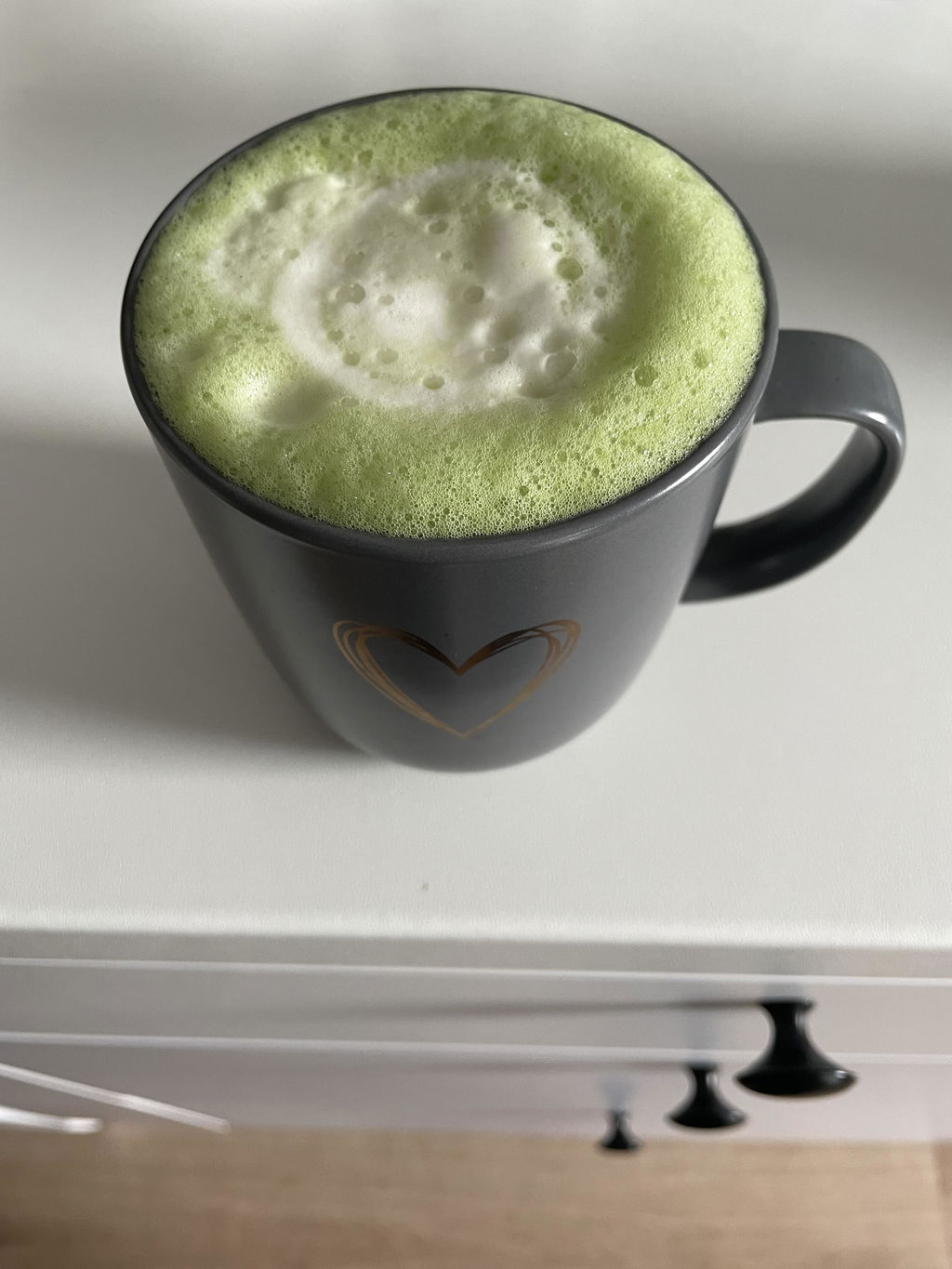
mein absolutes lieblingsmatcha
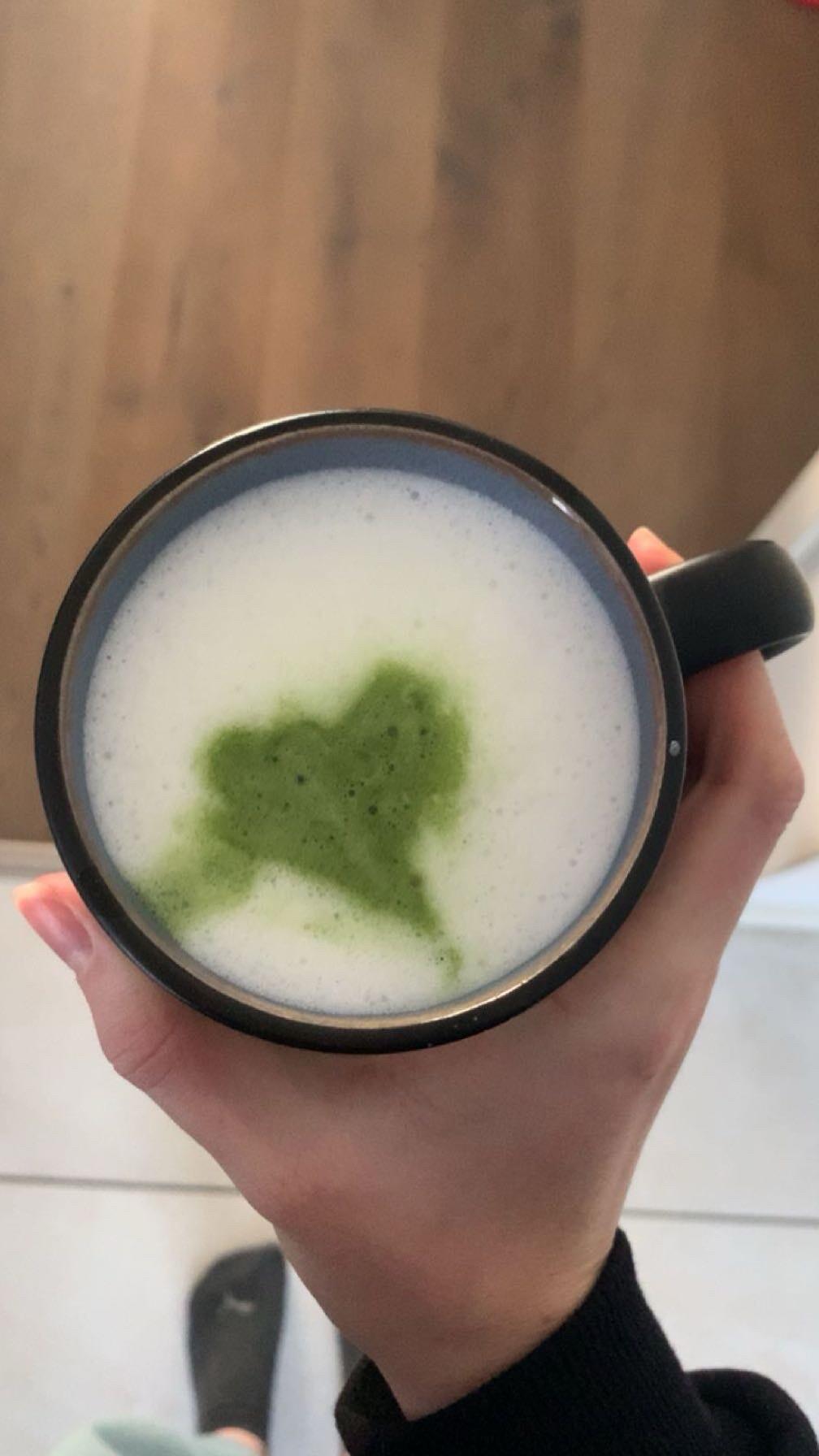
Auch wenn es erste und zweite Ernte ist, ist der Geschmack super mild!
Ganz toller, leckerer Matcha. Liebe den Geschmack.