

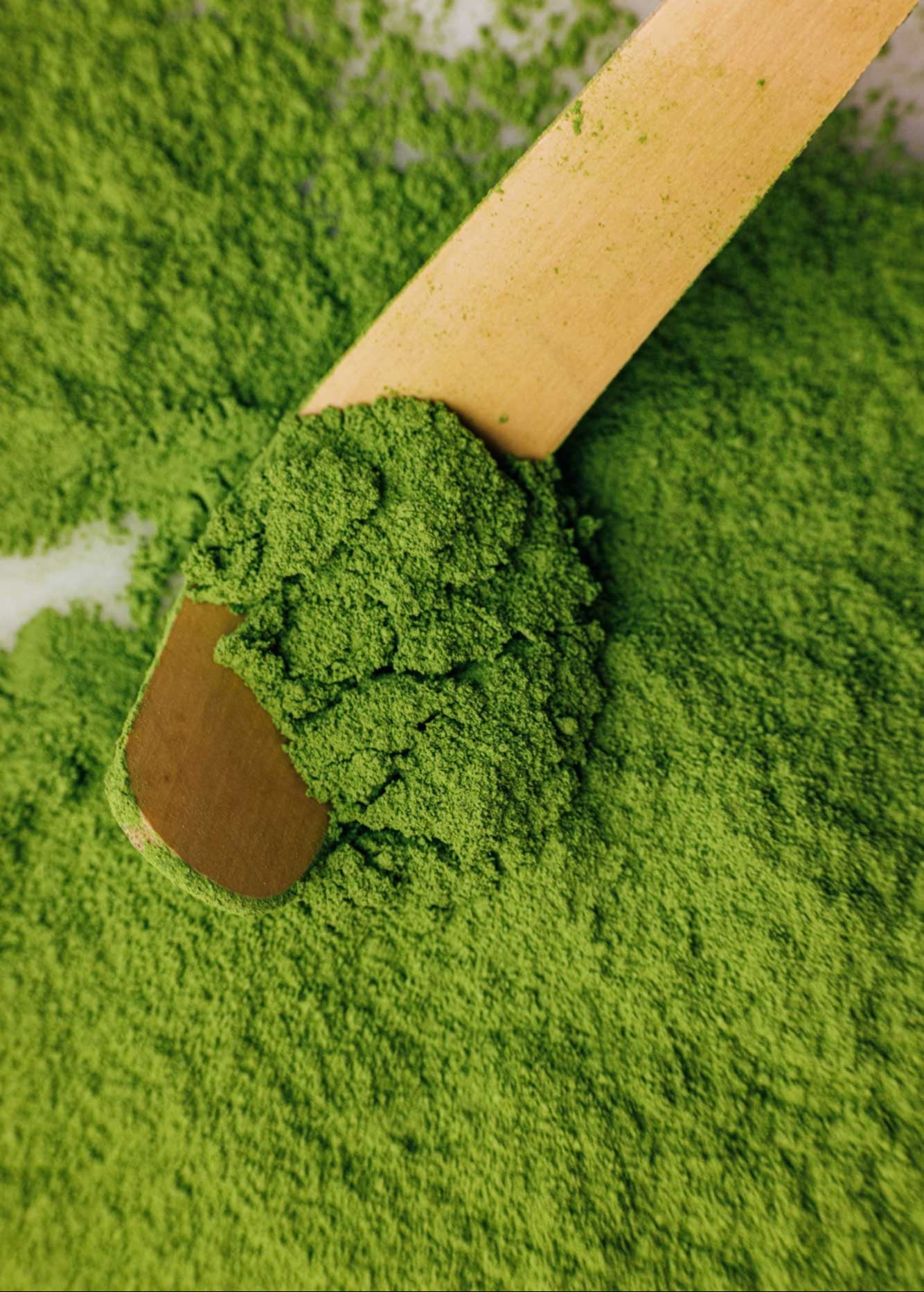
Matcha and its harmful substances
What is really in the green tea powder?
Matcha is a high-quality green tea powder from Japan that has become increasingly popular in recent years. Whether as a superfood or a healthy coffee alternative, matcha is known for its high nutrient content and antioxidant properties. But what about contaminants in matcha? Are heavy metals, pesticides, or radioactivity a concern? Here you'll learn what to look out for and how our matcha fared in laboratory tests.
Why pollutants in matcha are an issue
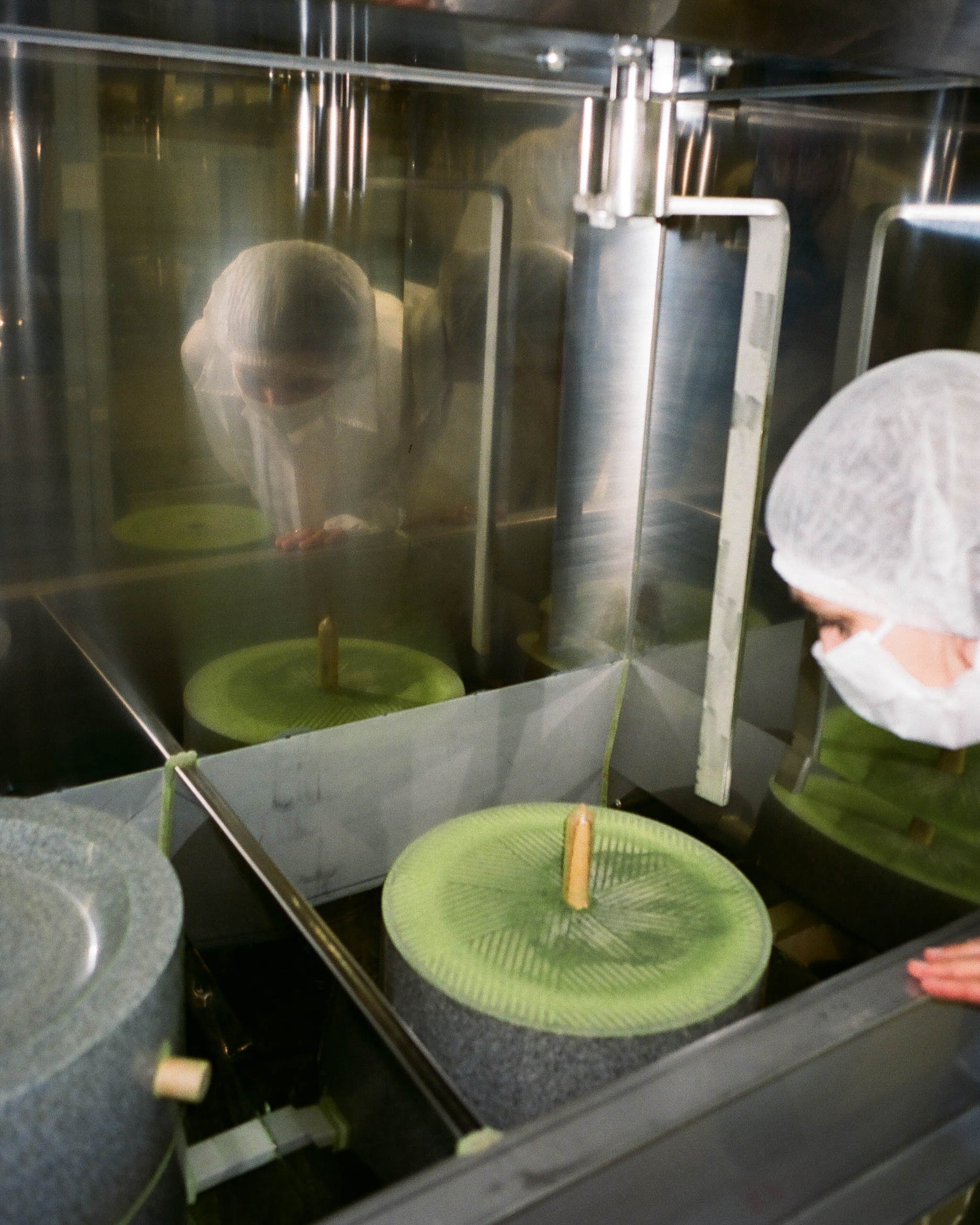
Because matcha consists of whole, finely ground tea leaves, you ingest all of the tea's components directly – both the beneficial nutrients and potential contaminants. Several factors play a role in its production, which could lead to contamination.
This can lead to stress:

Why organic matcha is so important
If you want to be absolutely sure, it's essential to choose organic matcha. Certified organic matcha products undergo strict controls, significantly reducing the risk of pesticide residues and other harmful substances. This is the only way to enjoy the pure quality of the green tea powder without any worries.
What can you do to avoid contaminated matcha?
To ensure that your matcha is free of harmful substances and safe to consume, you should pay attention to the following criteria:

Origin
Matcha from certified growing areas with regular inspections is particularly trustworthy.

Organic certification
Organic matcha is subject to stricter controls, reducing the risk of pesticide residues.
Laboratory analysis
Manufacturers who commission independent laboratory tests offer maximum transparency.
Our lab test results: Certified Matcha without concerns
Quality and transparency are our top priority
Therefore, our matcha was carefully tested for potential contaminants in independent, accredited laboratories. Here are the results in detail:
On behalf of HEALTH BAR GmbH, the matcha tea (internal sample number mlsa10018) was analyzed by accredited laboratories for heavy metals (lead, cadmium, arsenic, aluminum, mercury), pesticides (screening of approximately 650 compounds), and radioactivity. It can be confirmed that the product complies with the currently valid legal limits and recommended values for the aforementioned parameters. Based on the analyses performed, the sample can be classified as marketable.


Conclusion: safe matcha enjoyment with Health Bar Matcha
Our matcha has undergone extensive testing and meets all legal requirements and safety standards. You can therefore enjoy our product with complete peace of mind – full of flavor and free from harmful substances. Whether for a tea ceremony, as an energy boost, or to enhance smoothies and desserts: our matcha offers you the highest quality combined with complete safety.
More information
-
Mulberry Matcha vs. Matcha what's the difference?
Mulberry Matcha and matcha are prepared the same way but come from two different plants. We compare origin, caffeine, taste and preparation side by side.
-

Which milk for a matcha latte? The plant milk guide
Soy, almond, oat or coconut: how each plant milk tastes in a matcha latte. With an overview table, a basic recipe and tips on which matcha suits which milk.
-
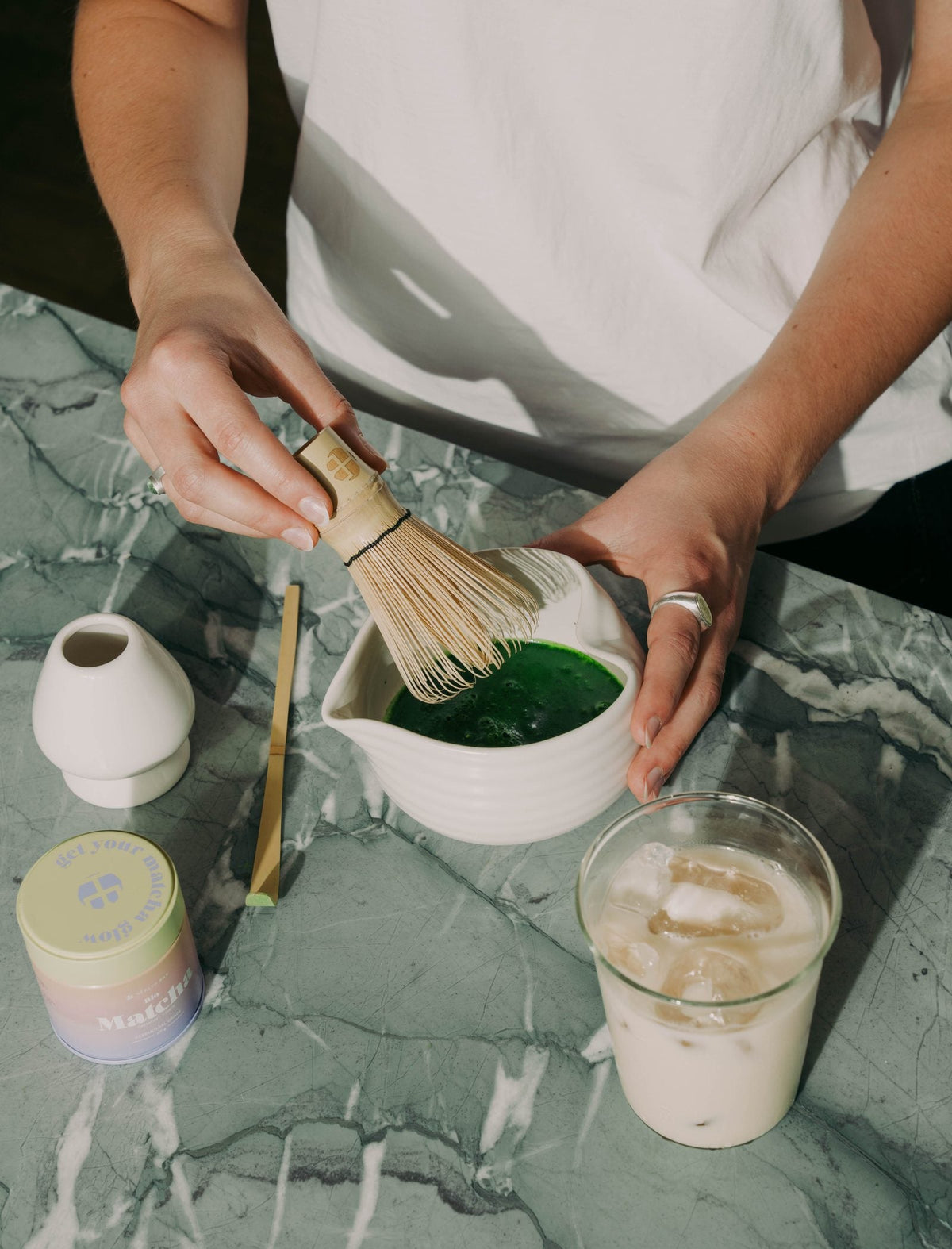
Matcha tastes harsh? It's usually the water
If your matcha tastes harsh, the water is usually too hot. The right temperature for warm and iced matcha, tricks without a thermometer and other reasons for sharper notes.

