

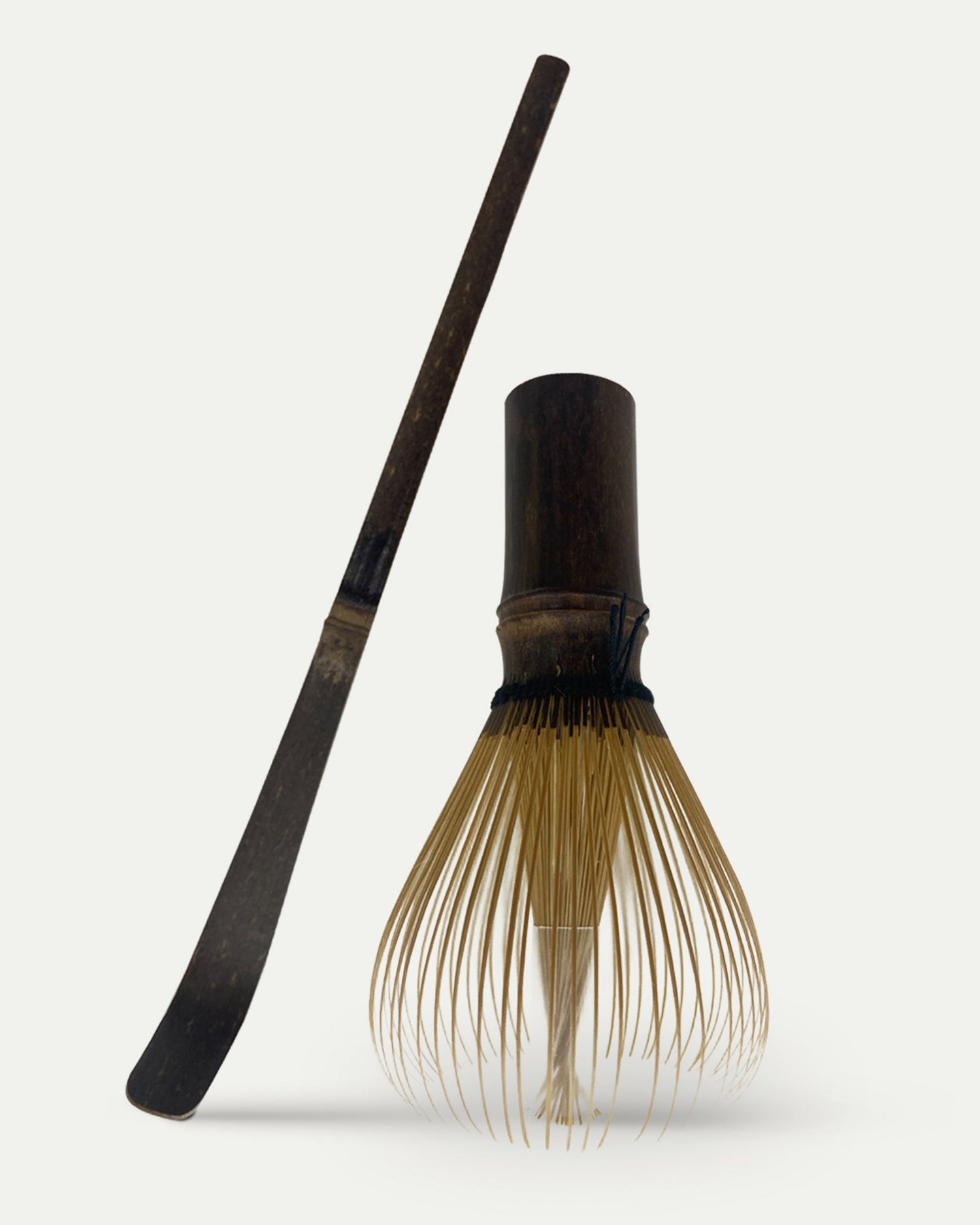
Instructions and tips
How to use the matcha whisk correctly
A matcha whisk, also known as a chasen, is an essential tool for the traditional preparation of matcha tea. This handcrafted bamboo whisk not only creates the characteristic foam on your tea but also brings a piece of Japanese culture into your home. In this article, you'll learn everything about using, caring for and storing your matcha whisk.
Matcha Tradition: Why the bamboo whisk is indispensable
The chasen is more than just a tool – it is a handcrafted work of art, carved from bamboo with great precision. Every whisk is unique and traditionally made in Japan.
Why is the matcha whisk so important? When you prepare matcha, it blends the fine powder evenly with water. The result: a velvety, frothy texture you could never achieve with a spoon or an ordinary whisk. The matcha whisk takes your tea to a new level of flavour and makes every sip something special. Without the whisk, matcha would often be lumpy and lose its magic.
Care for and clean your matcha broom – this will keep it looking new for a long time
Proper care of your matcha whisk is crucial for extending its lifespan. With this simple care, your matcha whisk will remain a faithful companion for years to come. Here are the most important tips:
-

1. Clean after each use
Rinse the fine bristles of your chasen under warm water. Avoid using soap or other cleaning agents, as these could damage the natural material.
-

2. Dry properly
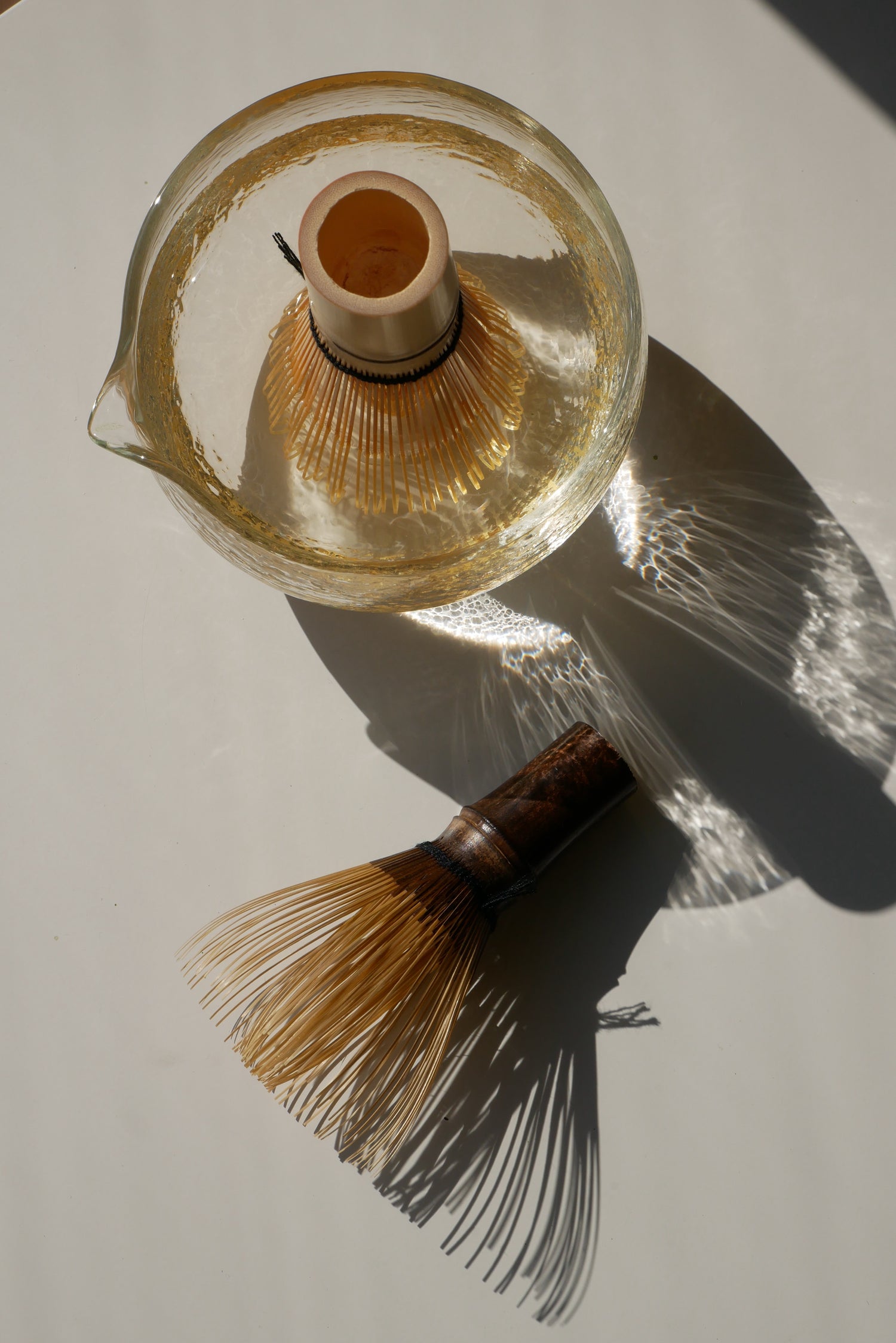
Allow the whisk to air dry, ideally on a special matcha whisk holder (Chasen Yasume). This helps the bristles retain their shape and prevents them from breaking.
-

3. Do not soak in water for too long
Bamboo is sensitive to moisture. Never leave your broom in water for extended periods, as this can cause the material to swell and the bristles to deform. Also, never soak the entire broom in water.


The 5 most common mistakes when using the matcha whisk - and how to avoid them
Even though using a matcha whisk seems simple, there are some common mistakes beginners make. Here are the top 5 and how to avoid them:
Use water that is too hot
Matcha should be prepared with water at approximately 70-80 °C. Water that is too hot can impair the taste.
Wrong technique
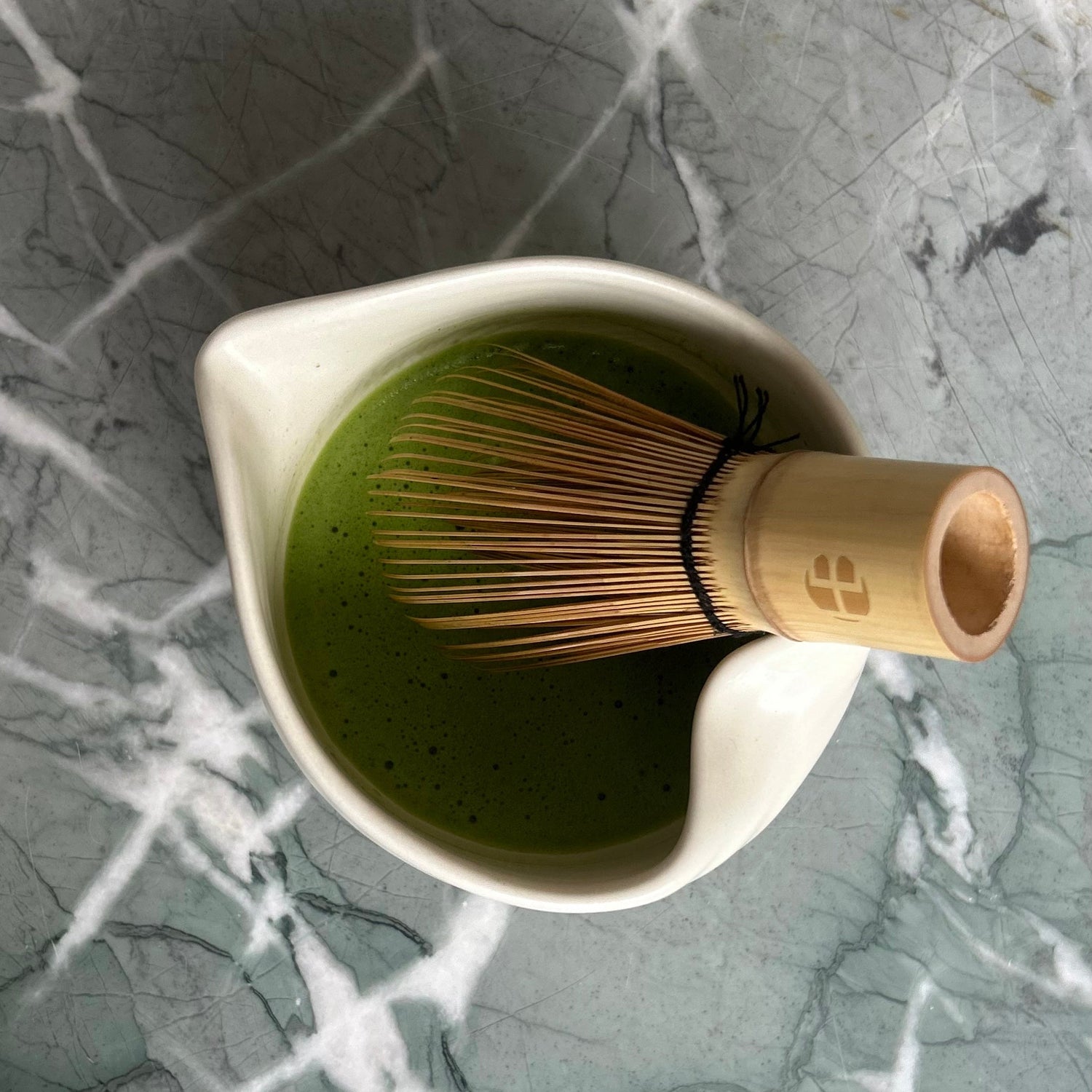
Instead of making circular motions, whisk the matcha with a quick, W-shaped motion. This ensures better foam formation.
Too little or too much matcha powder
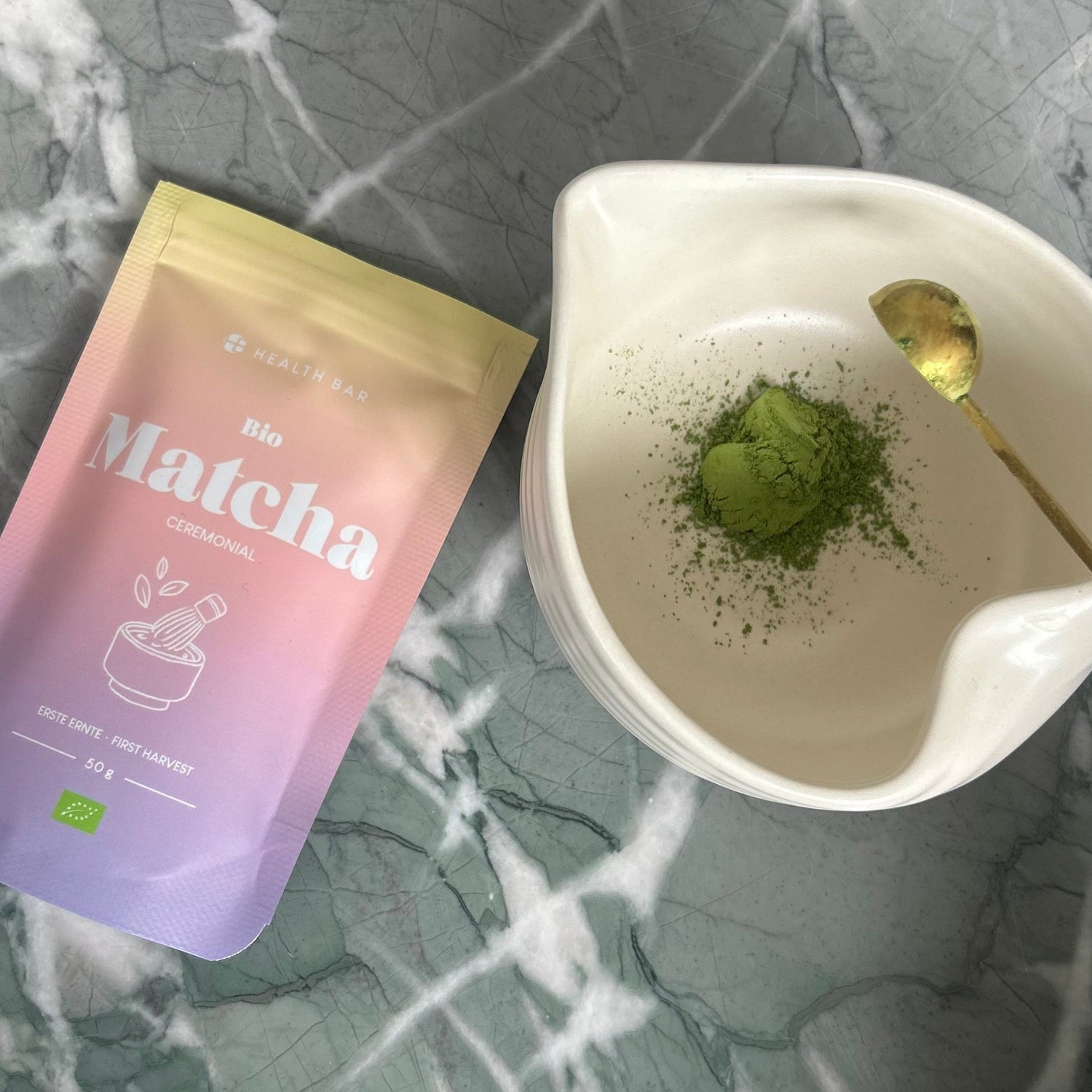
Use about 1-2 grams of matcha (one teaspoon) per serving. This ensures the ideal balance of taste and texture.
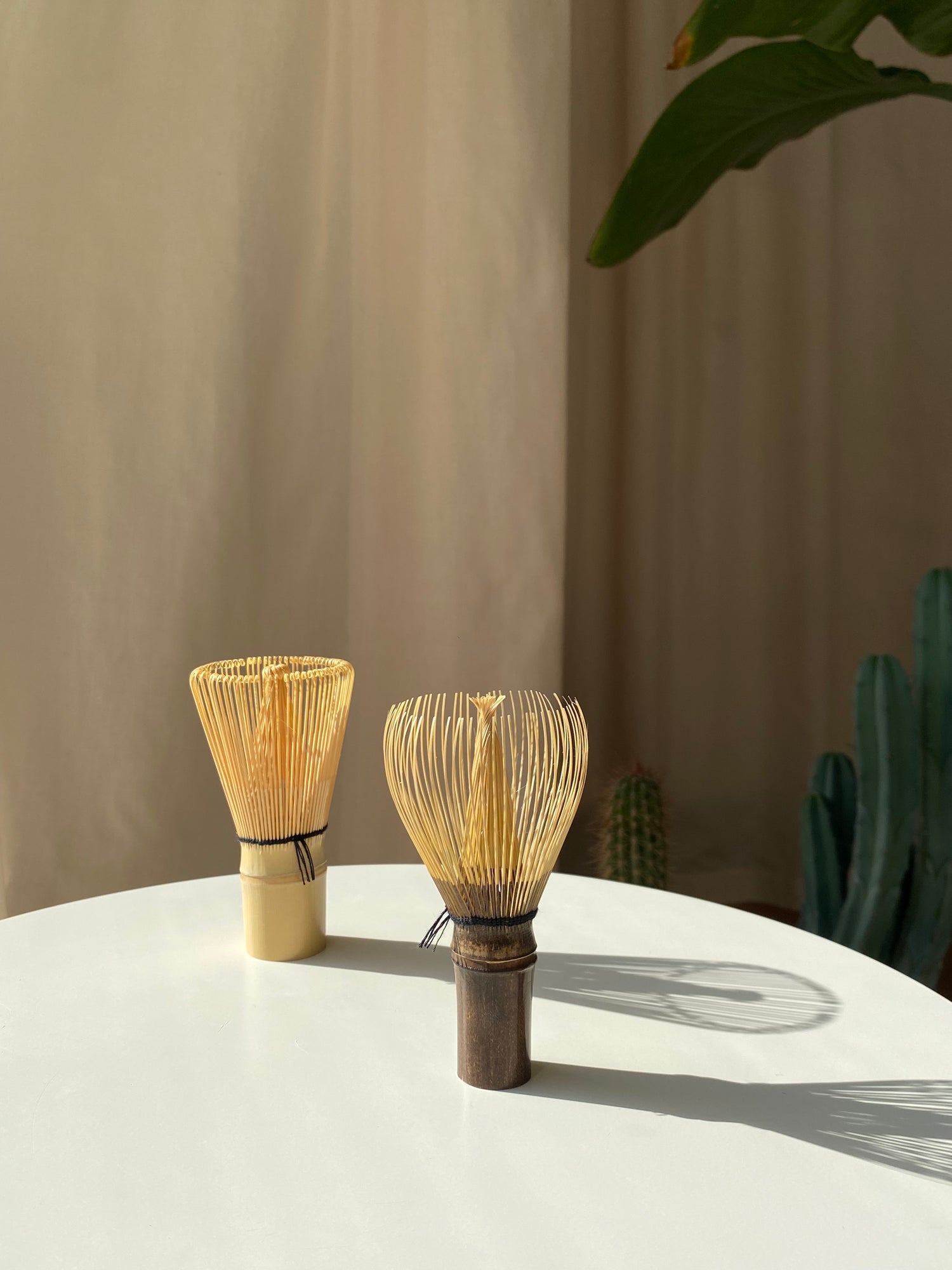
Not cleaning the broom properly
Matcha powder residue can harden and damage the bristles. Always rinse the whisk immediately after use.
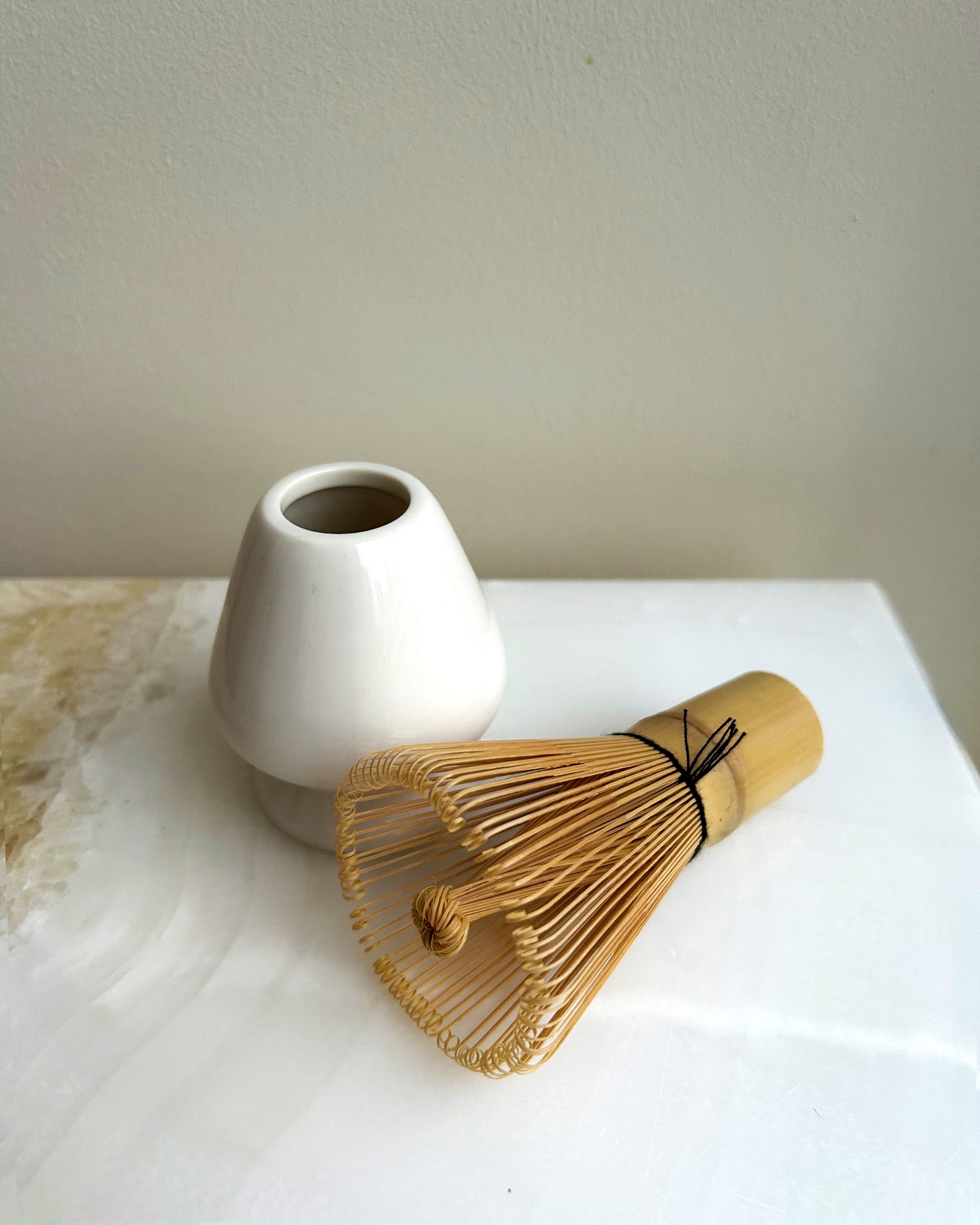
Store the broom flat
This can deform the fine bristles. Use a broom holder instead.
Storing matcha brooms correctly: tips for long-lasting quality
Proper storage is key to extending the life of your matcha whisk. Use a whisk holder that supports the fine bristles and helps them retain their shape. Store the whisk in a dry place, away from moisture, as bamboo can mold or swell if exposed to excess humidity. Also, avoid direct sunlight, as UV light can dry out the material and make it brittle. A well-maintained and properly stored matcha whisk will provide you with perfect matcha moments for many years to come.
Buying a matcha broom: What you should definitely pay attention to
Invest in a high-quality matcha whisk to unlock the full potential of your matcha tea. There are a few things to consider when buying a matcha whisk to ensure you get the best possible quality:
-

Material
Make sure the matcha whisk is made of high-quality bamboo. Cheaper versions made of inferior materials often don't last long.
-

Number of bristles
Matcha whisks (Japanese: chasen) are available with different numbers of bristles. Models with more bristles are suitable for creating a particularly fine lather, while those with fewer bristles are easier for beginners to handle.
-

Handcrafted
A handcrafted chasen offers better workmanship and feel than machine-made models.


Our matcha brooms
-
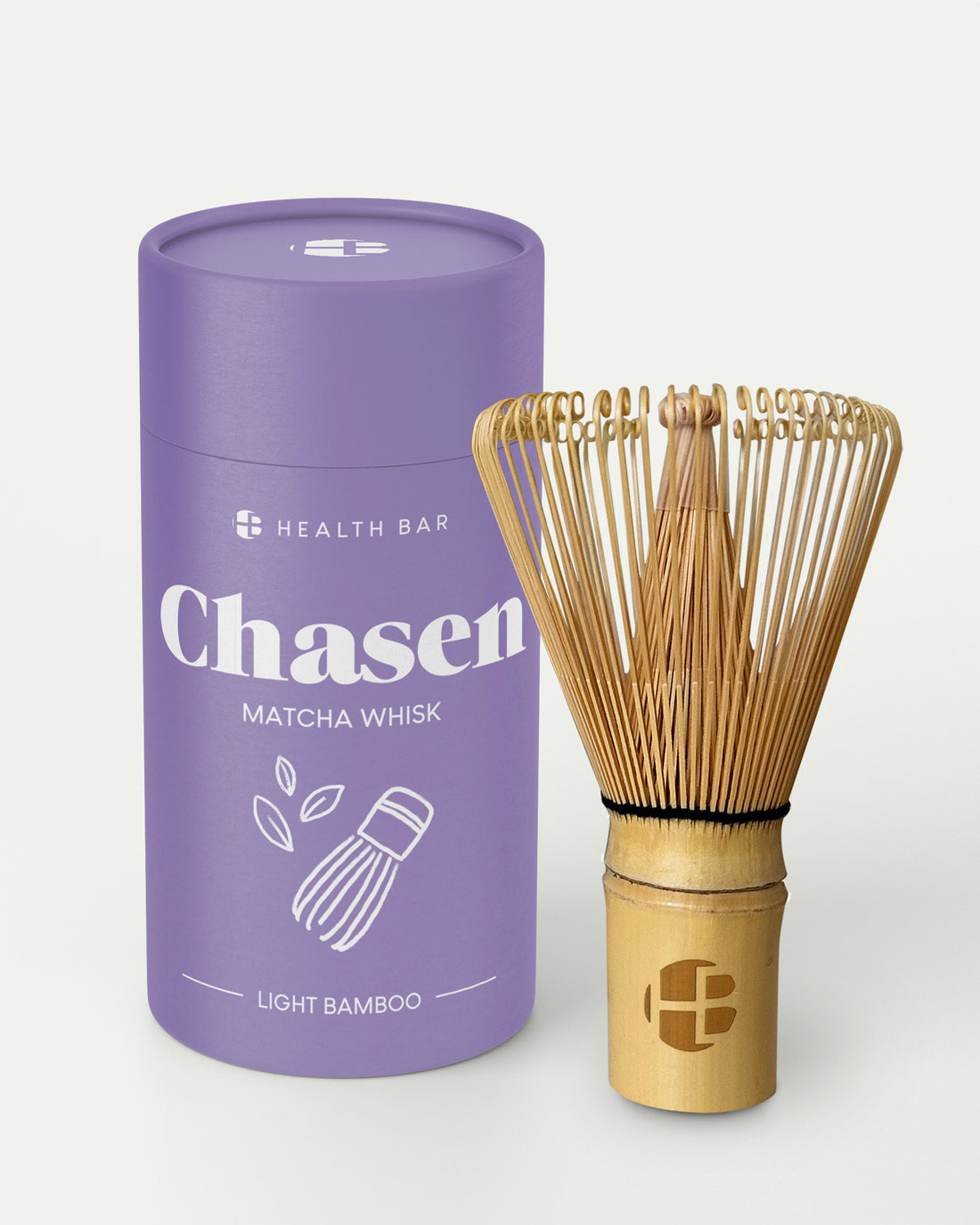 Matcha whisk Chasen made of golden bambooMatcha whisk Chasen made of golden bamboo
- Regular price
-
16,00€ - Regular price
-
- Selling price
-
16,00€
-
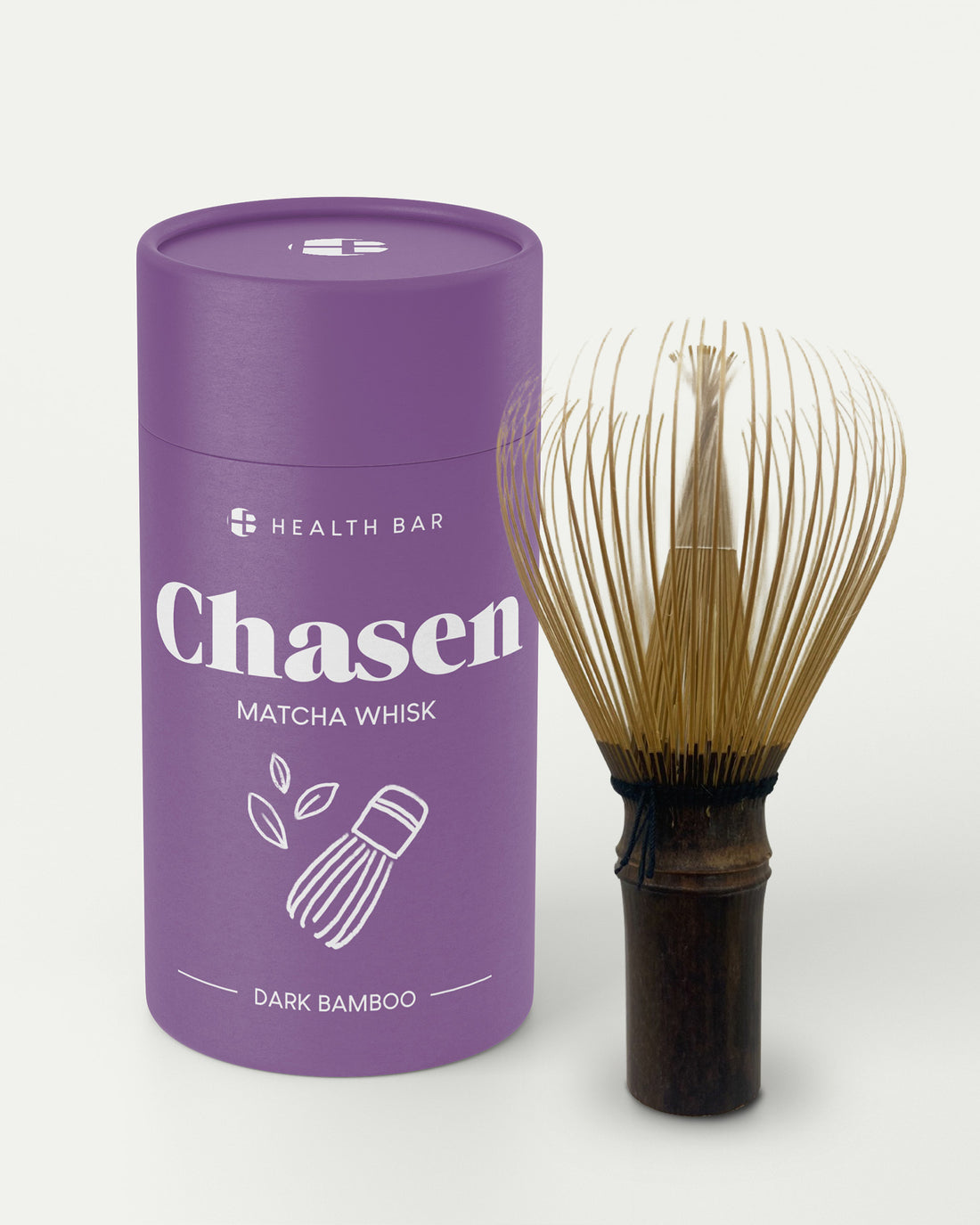 Matcha whisk Zen Chasen made of dark bambooMatcha whisk Zen Chasen made of dark bamboo
- Regular price
-
30,00€ - Regular price
-
- Selling price
-
30,00€
-
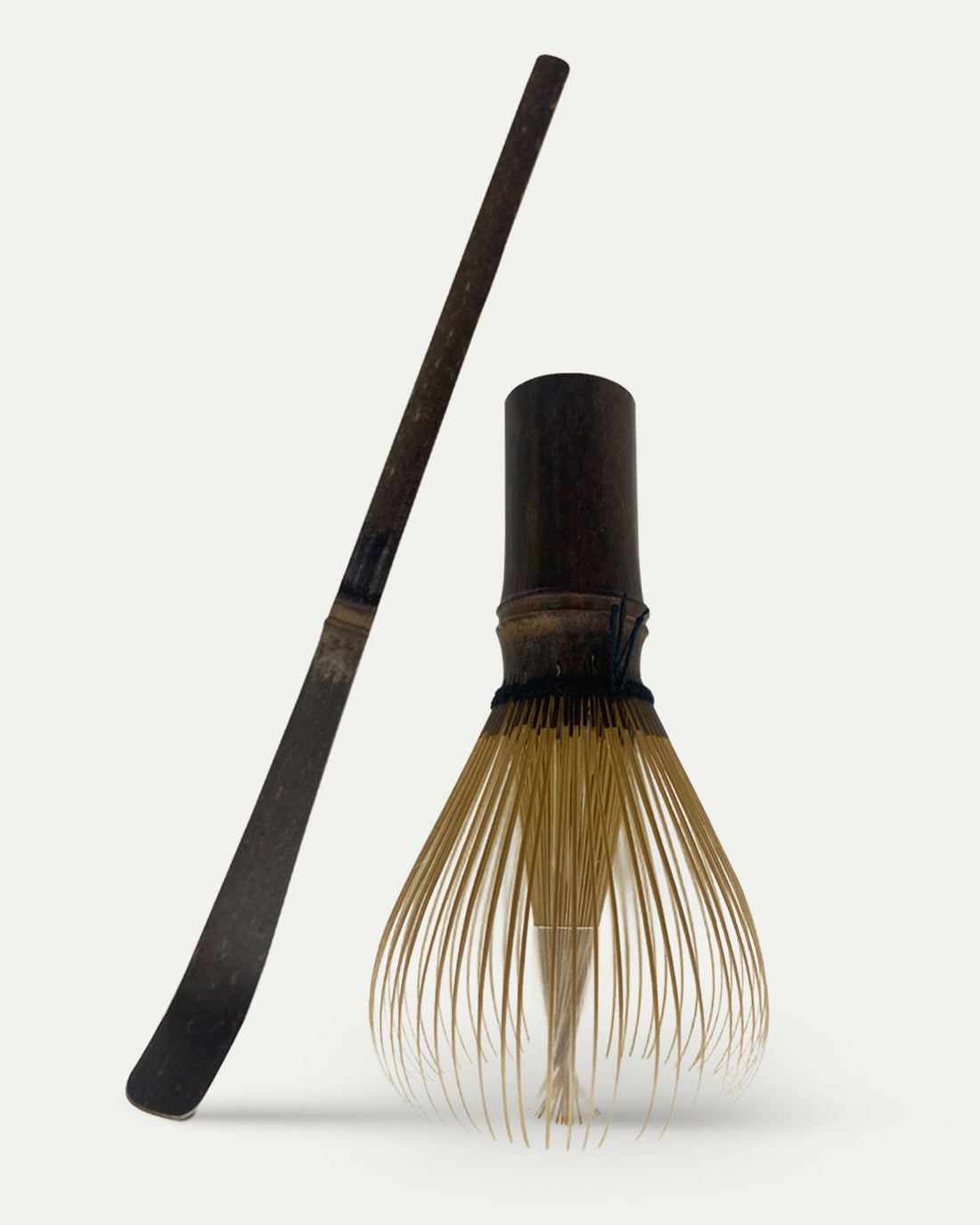 Matcha Whisk and Spoon Set - Premium Chasen & Chashaku made of bambooMatcha Whisk and Spoon Set - Premium Chasen & Chashaku made of bamboo
- Regular price
-
33,00€ - Regular price
-
- Selling price
-
33,00€
-
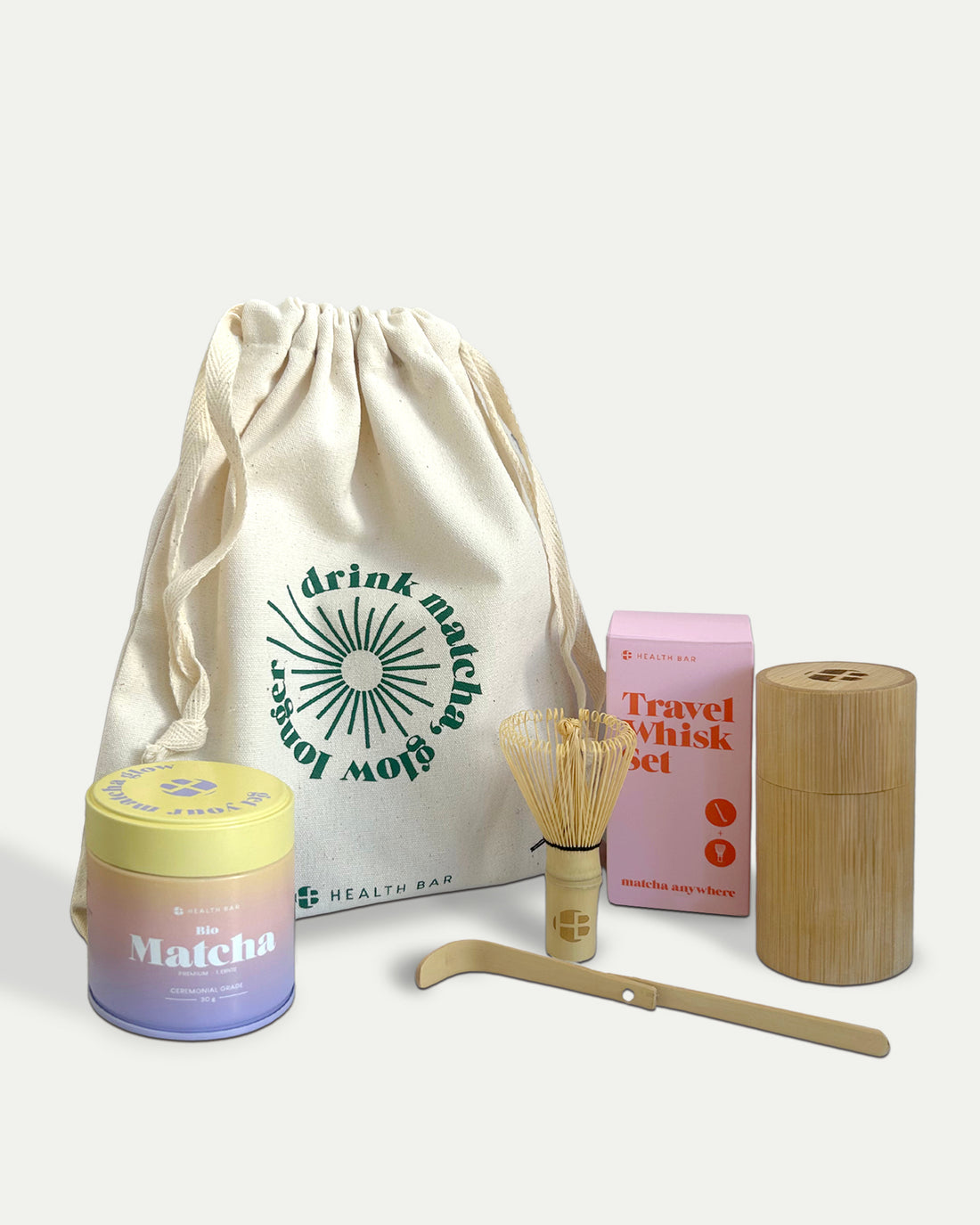 Matcha travel set for on the goMatcha travel set for on the go
- Regular price
-
68,00€ - Regular price
-
- Selling price
-
68,00€


