

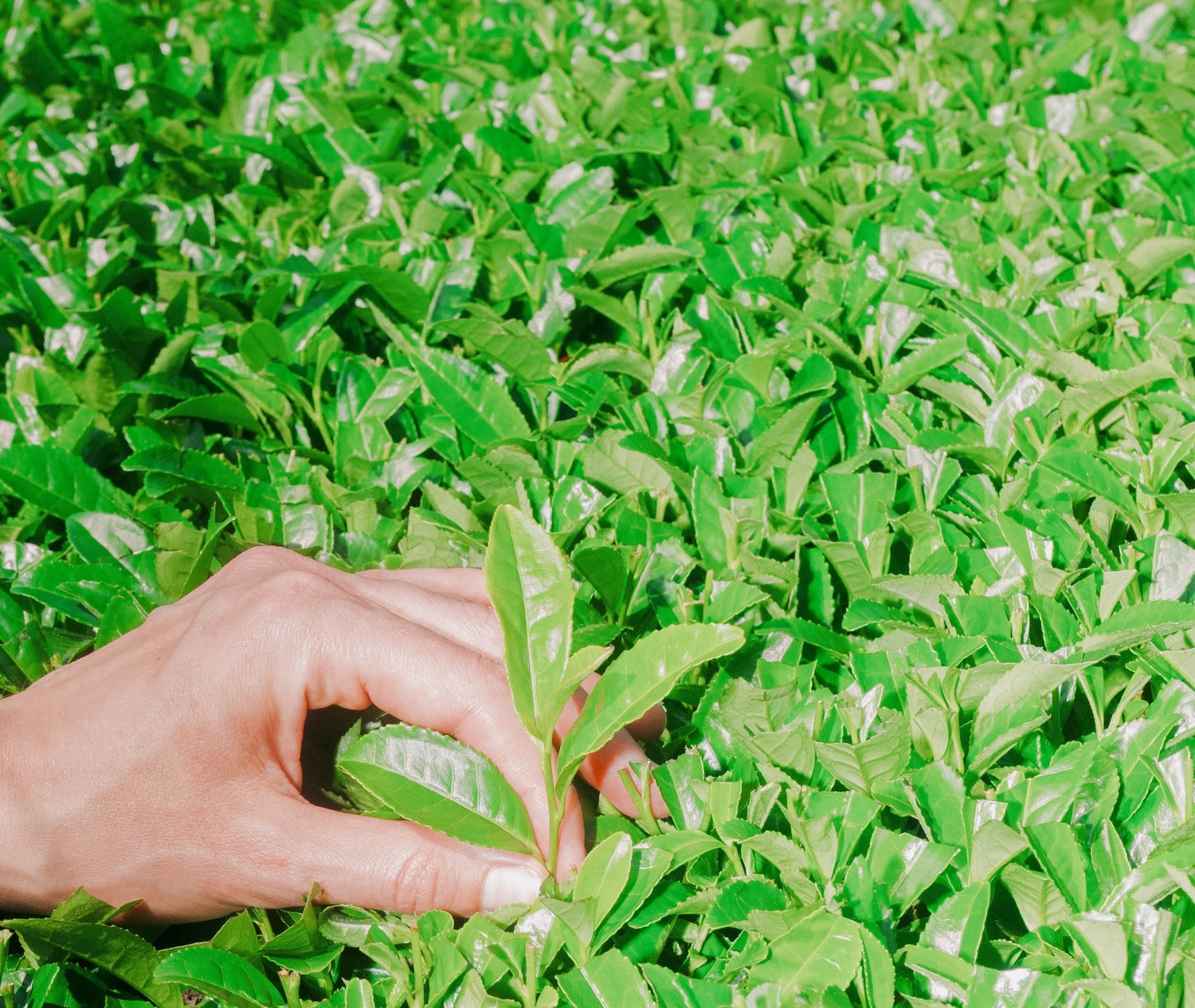
A comprehensive introduction to the world of premium green tea
Different cultivars of Matcha tea
Matcha, a finely ground green tea from Japan, has gained international renown in recent years due to its long history of use in holistic rituals and its distinctive flavor. However, not all matcha is created equal: the quality of the tea varies considerably and depends on a multitude of factors, including cultivation methods, processing techniques, and—often overlooked—the so-called Cultivar, So, the specific type of tea. In this article, you'll learn everything about the different cultivars of organic tea. Matcha teas, their importance and which varieties are particularly valued.
What is a cultivar?
The term Cultivar consists of the words “cultivated variety” Together, which in German roughly translates to "cultivated variety". A cultivar thus describes a specifically bred variety of a plant that has developed specific characteristics through selection or crossbreeding. In the world of tea, especially matcha, cultivars play a crucial role, as they influence the taste, color, and composition of the tea.
The tea plant from which matcha is made is called Camellia sinensis. Within this species, however, there are numerous cultivars that have developed in Japan's growing regions through decades of breeding programs. The different climates, soils, and cultivation methods in regions such as... Uji, Kagoshima or Shizuoka These factors also contribute to the fact that matcha has completely different aromas and qualities depending on its origin and cultivar.


The importance of cultivars in matcha cultivation
In Japan, there are hundreds of cultivars used to produce tea, but only a few are suitable for matcha production. This is because matcha requires a very specific cultivation method. The tea grows under Shade conditions, This means that the tea plants are covered with nets several weeks before harvesting. This results in the leaves being more Chlorophyll and Amino acids produce, in particular the amino acid L-Theanine, which is responsible for the characteristic umami taste of matcha.
1. Yabukita – The all-rounder among the cultivars
-
Yabukita is by far the most widely grown tea cultivar in Japan, accounting for around 75% of the country's total tea-growing area. Originally bred in Shizuoka Prefecture in the 1950s, Yabukita has become the standard in tea cultivation thanks to its resistance to cold and disease and its balanced flavour profile.
The taste of Yabukita matcha is characterised by a harmonious balance of umami and sweetness. That's why Yabukita matcha is popular both for everyday drinking and for traditional tea ceremonies.
-
Properties of Yabukita matcha:
- Taste: harmonious, with a balanced ratio of umami and sweetness
- Colour: bright green, typical of high-quality matcha
- Use: an all-rounder for everyday enjoyment and for ceremonies
- Special features: robust and easy to grow
2. Okumidori - The gentle seducer
-
Okumidori is a somewhat less commonly used tea cultivar that has become increasingly popular in recent years. It is known for its mild and gentle taste, which is particularly mild and naturally sweet. Okumidori matcha is often used in premium qualities, as it has a very pure, clear green colour and a subtle, almost sweet aroma.
A matcha made from Okumidori is an excellent choice for connoisseurs who prefer a subtler, softer taste. Because this cultivar is often grown at higher altitudes, it develops a unique complexity that sets it apart from other varieties.
We show what a matcha from just one cultivar tastes like using our Okumidori as an example: Single cultivar matcha explained.
-
Properties of Okumidori matcha:
- Taste: mild, slightly sweet and especially soft
- Colour: bright, rich green
- Use: especially in premium matcha
- Special features: clear, bright colour and an elegant aroma
3. Samidori - The favorite for ceremonies
-
Samidori is a traditional matcha cultivar often grown in the famous tea-growing region of Uji. This variety is often used for high-quality ceremonial grade matcha, as it offers a particularly intense umami profile and a velvety texture. Samidori grows slowly and is bred specifically for making matcha tea, which is why connoisseurs and enthusiasts value it.
Samidori matcha has a full-bodied, rich taste that's perfect for the tea ceremony. Its pronounced umami creates a gentle, round taste experience.
-
Properties of Samidori Matcha:
- The taste: Intense umami with a rich, full-bodied flavor
character - Color: Deep green
- use: Ideal for tea ceremonies and special occasions
- Special features: Slow growth and high quality
- The taste: Intense umami with a rich, full-bodied flavor
4. Saemidori - The crossbreed of the best
-
Saemidori is a hybrid cultivar created by crossing the varieties Yabukita and Asatsuyu This cultivar was developed using a different method. It is characterized by its bright green color and its smooth, sweet aroma. Matcha from Saemidori is particularly prized because it combines the best qualities of its parent plants: the sweetness of Asatsuyu and the balanced flavor profile of Yabukita.
Thanks to its delicate, soft texture and the absence of harsh notes, Saemidori is ideally suited for the production of high-quality ceremonial matcha. It is often preferred by tea lovers who are looking for a particularly mild yet complex matcha.
-
Properties of Saemidori Matcha:
- The taste: Mild, sweet and smooth, with a soft finish
- Color: Very vibrant and rich green
- use: Premium and Ceremonial Grade Matcha
- Special features: Combines the best qualities of Yabukita and Asatsuyu
5. Gokou - The Deep Umami Master
-
Gokou Gokou is a less common cultivar, but highly prized among connoisseurs. It is particularly prevalent in the region. Uji It is cultivated where it thrives in shady conditions. This variety is known for its particularly deep, almost creamy flavor. Umami taste and its vibrant green color. Gokou grows best in shady environments, which results in the plant developing an exceptionally high concentration of L-theanine and chlorophyll.
Matcha from Gokou is characterized by a smooth, creamy texture and a rich aroma, ideal for tea ceremonies or simply enjoying high-quality matcha. Thanks to its intense flavor profile, Gokou is particularly popular with tea lovers seeking a full-bodied, complex matcha.
-
Properties of Gokou matcha:
- Taste: intense and creamy with strong umami
- Colour: dark, deep green
- Use: for connoisseurs and special occasions
- Special features: pronounced umami thanks to shade-growing
Conclusion
Choosing the right cultivar can fundamentally shape the whole matcha experience. From the balanced Yabukita to the intense Gokou, the world of matcha offers a wide range of flavours, textures and colours. The different cultivars not only reflect Japan's rich tea-growing culture, but also allow tea lovers to find the perfect matcha for their individual preferences.
Whether you prefer a mild, sweet tea or are looking for an intense, full-bodied umami taste – choosing the right cultivar is the key to an unforgettable matcha experience.
Besides the cultivar, harvest, cultivation and processing matter too. What to look out for: How to recognise matcha quality.


Discover our organic matcha
Organic matcha tea-
For beginners
 Organic Matcha Tea Ceremonial – 30g (can)Organic Matcha Tea Ceremonial – 30g (can)
- Regular price
-
£27.00 - Regular price
-
- Selling price
-
£27.00 - Unit price
-
£90.00 / Per 100g

-
Bestseller
 Organic Matcha Tea CeremonialOrganic Matcha Tea Ceremonial
- Regular price
- from
£9.00 - Unit price
£90.00 / 100g
-
 Organic Matcha Tea TraditionalOrganic Matcha Tea Traditional
- Regular price
- from
£7.50 - Unit price
£75.00 / 100g
-
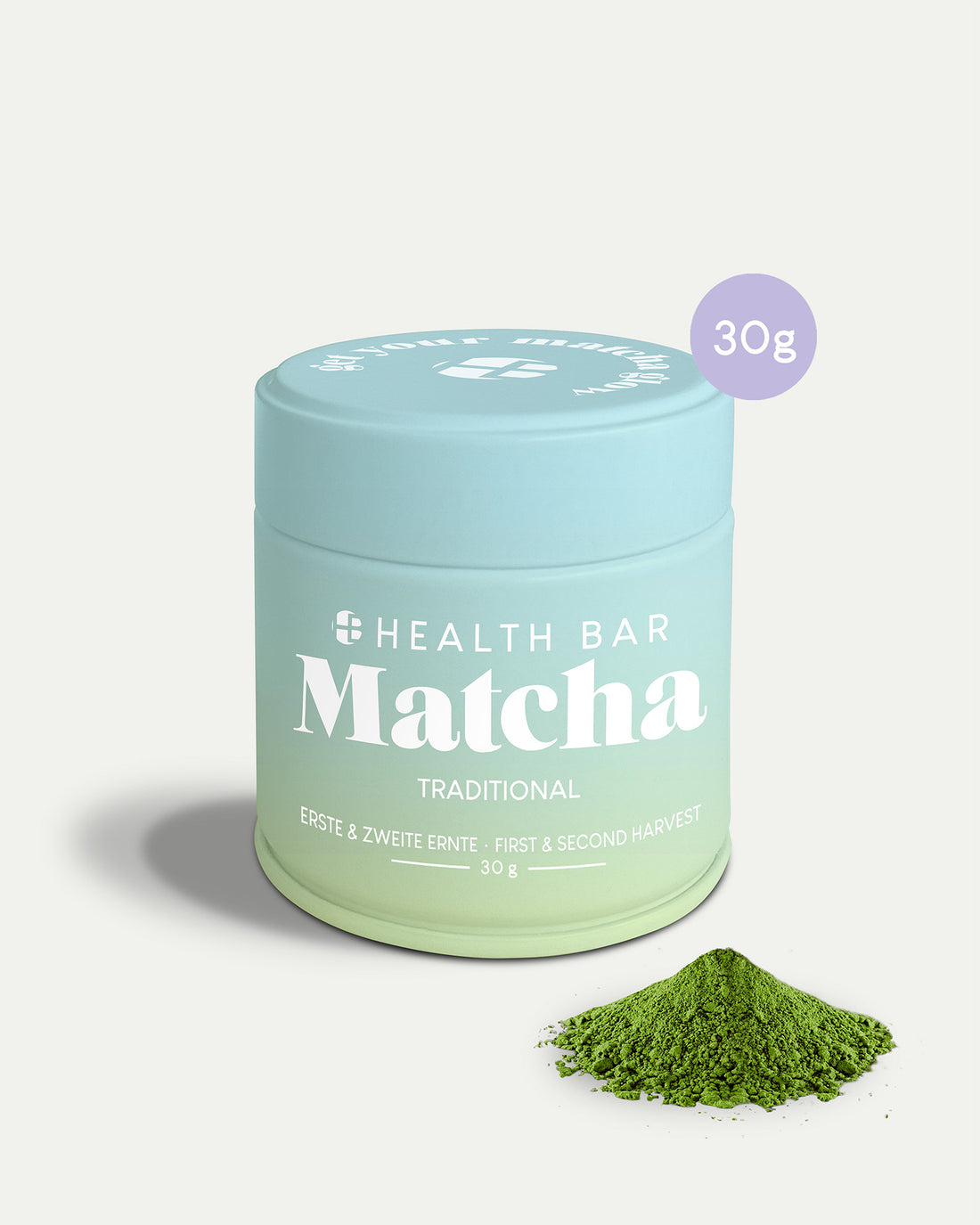 Organic Matcha Tea Traditional – 30g (can)Organic Matcha Tea Traditional – 30g (can)
- Regular price
-
£23.50 - Regular price
-
- Selling price
-
£23.50 - Unit price
-
£78.33 / Per 100g


