

Notify me when available
We will email you as soon as this product is back in stock.



Okumidori Organic Matcha Tea – Single Cultivar – 30g
- Regular price
-
£31.50 approx. 15 cups · £2.10 per cup - Regular price
-
- Selling price
-
£31.50 approx. 15 cups · £2.10 per cup - Unit price
-
£105.00 / Per 100g
Delivery time within GB: 4 - 5 working days
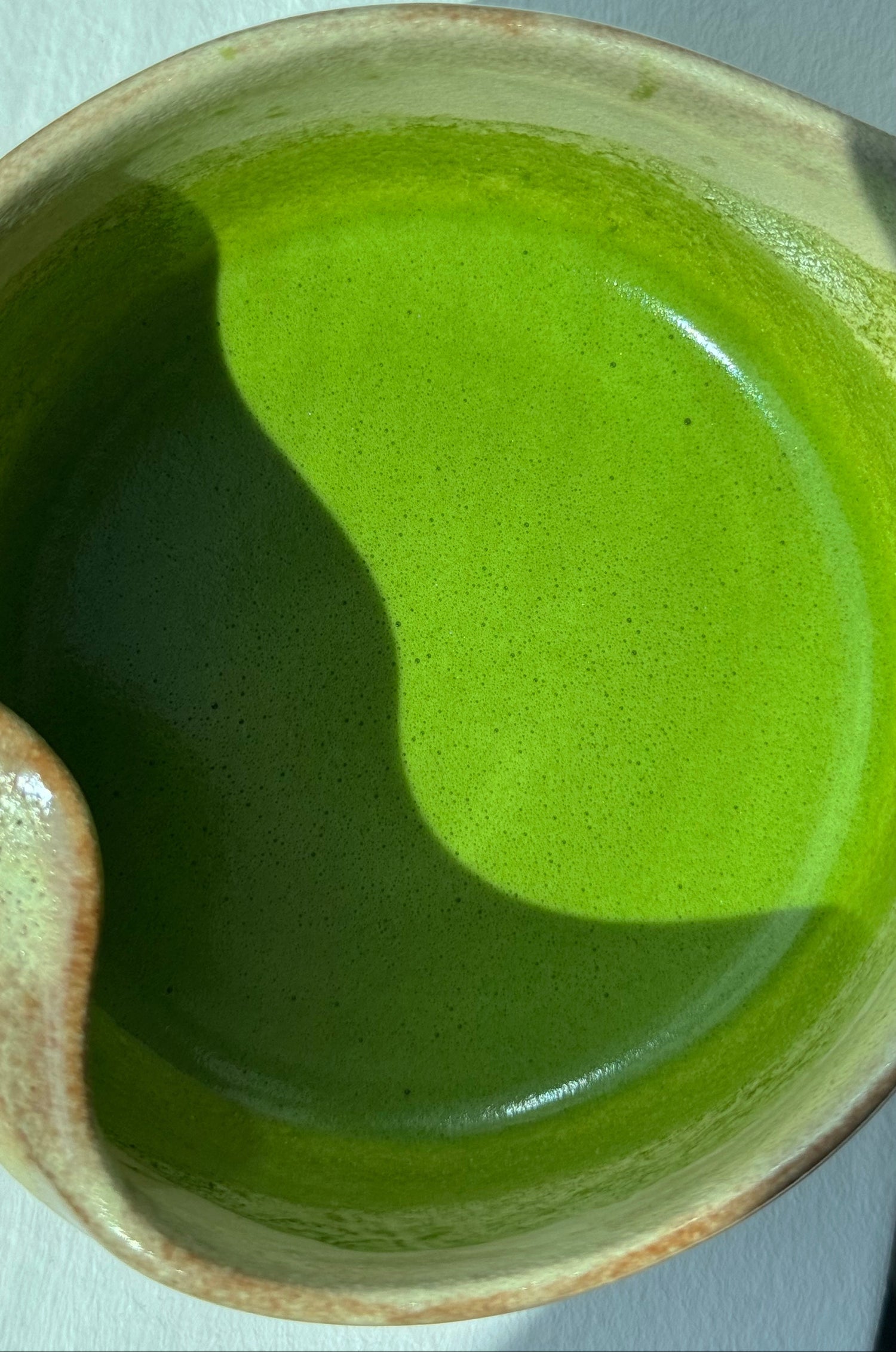
Gentle. Rounded. Slightly sweet.
- Organic matcha from the 1st harvest in Uji, Kyoto (Japan) – selected premium quality
- 100% single cultivar: Okumidori (no blend)
- the highest matcha quality tier: Okumidori (literally "deepest green")
- natural sweetness, gentle, rounded umami and low bitterness
An exceptionally fine organic matcha from Uji, Japan – made from the rare single-cultivar variety Okumidori. Less than 5% of all tea fields in Japan are dedicated to growing Okumidori, making it a rare specialty.
Pickup availability could not be loaded
Character & Taste
Zubereitung
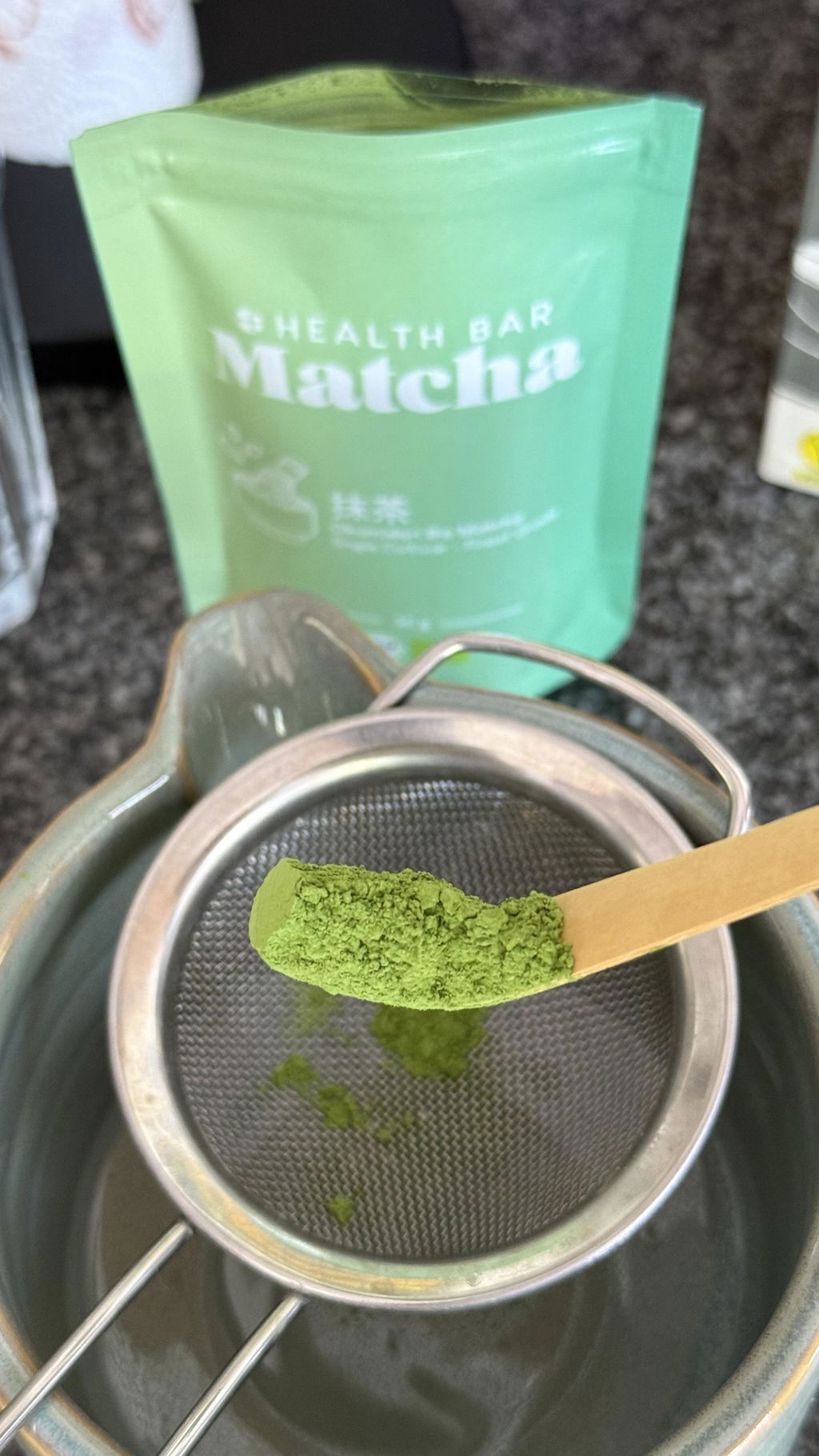
1. Dosieren: 1–2 Bambuslöffel (ca. 2 g) Matcha in die Schale geben.
2. Wasser: 70–100 ml Wasser mit etwa 80 °C dazugeben – nicht kochend, sonst wird er bitter.
3. Aufschlagen: Mit dem Chasen in schnellen W-Bewegungen schlagen, bis ein feiner Schaum entsteht.
4. Genießen: Am besten pur mit Wasser – so kommt der Okumidori am klarsten zur Geltung. Rezepte und Bilder findest du weiter unten.
Why is the Okumidori limited?
origin
More product details
Complete Your Routine:
-
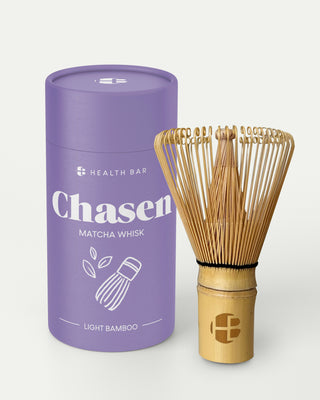 Matcha Whisk (Chasen) Made of Golden Bamboo
-
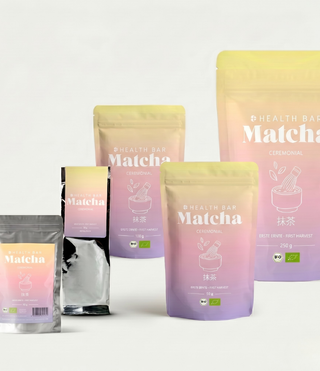 Organic Ceremonial Matcha Tea


Woran du guten Matcha erkennst
Fünf Fragen, die auf jeder Packung beantwortet sein sollten – und unsere Antworten.
- Region
- Steht die Anbauregion drauf?Unserer: Uji, Kyoto
- Ernte
- Welche Ernte, welches Jahr?Unserer: 1. Ernte (Frühjahr)
- Kultivar
- Welche Teesorten?Unserer: 100 % Okumidori (Single Cultivar)
- Bio
- Welche Zertifizierung?Unserer: EU-Bio und JAS Organic
- Labor
- Gibt es Prüfergebnisse?Unsere: Laborbericht ansehen
Mehr dazu: Single Cultivar Matcha erklärt
-

Organic Certified
Health Bar Matcha is one of the few on the market with organic certification.
-

Vegan
It is part of our philosophy that we do not use animal products
-

Gluten free
Matcha is also safe for people with gluten intolerance
-

Consistent
The environment is important to us, which is why our matcha packaging is recyclable!


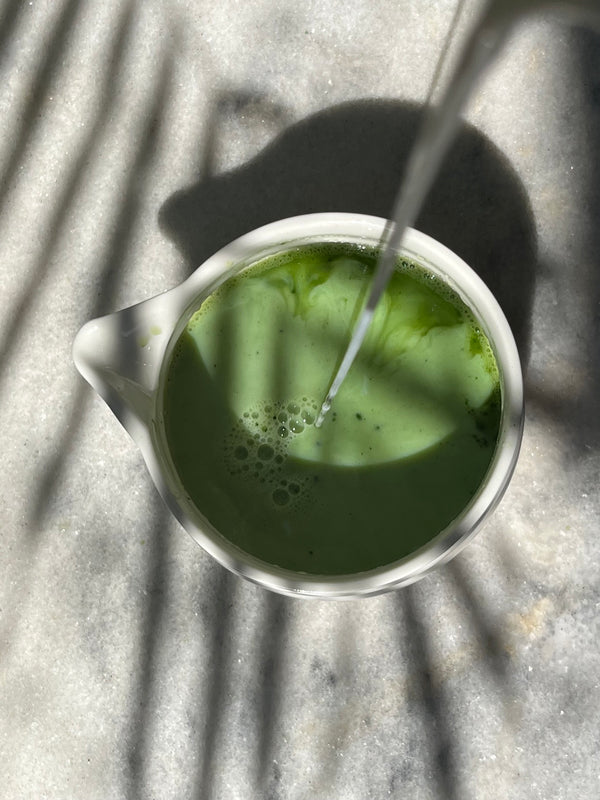

HOW-TO
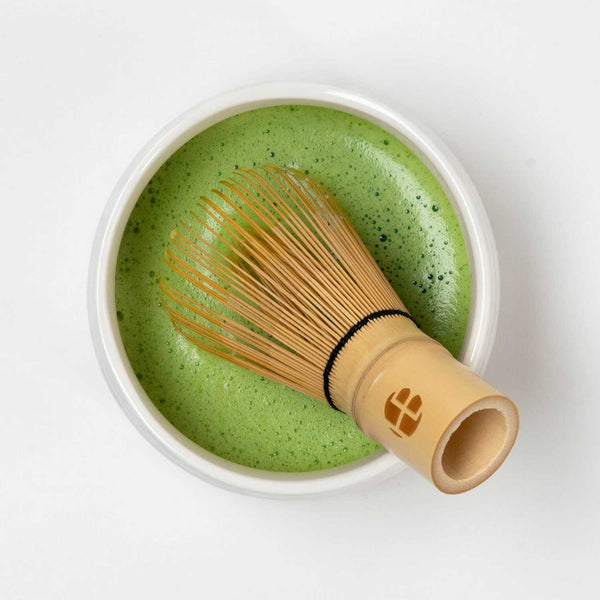
Preparing matcha easily
1. Dosage of matcha: Using a bamboo spoon or a teaspoon, add 1-2 slightly heaped teaspoons of matcha to your chawan.
2. Add water: Pour 70–100 ml of water (approx. 80 °C) into the bowl. Make sure the water is not boiling hot, otherwise the matcha will become bitter.
3. Serve: Beat the matcha with the chasen in quick W- or M-movements until a fine, fluffy layer of foam is formed.
4. Enjoy: Take a moment to consciously enjoy the matcha. In Japan, they say: "Itadakimasu" – as a sign of gratitude before drinking.
origin
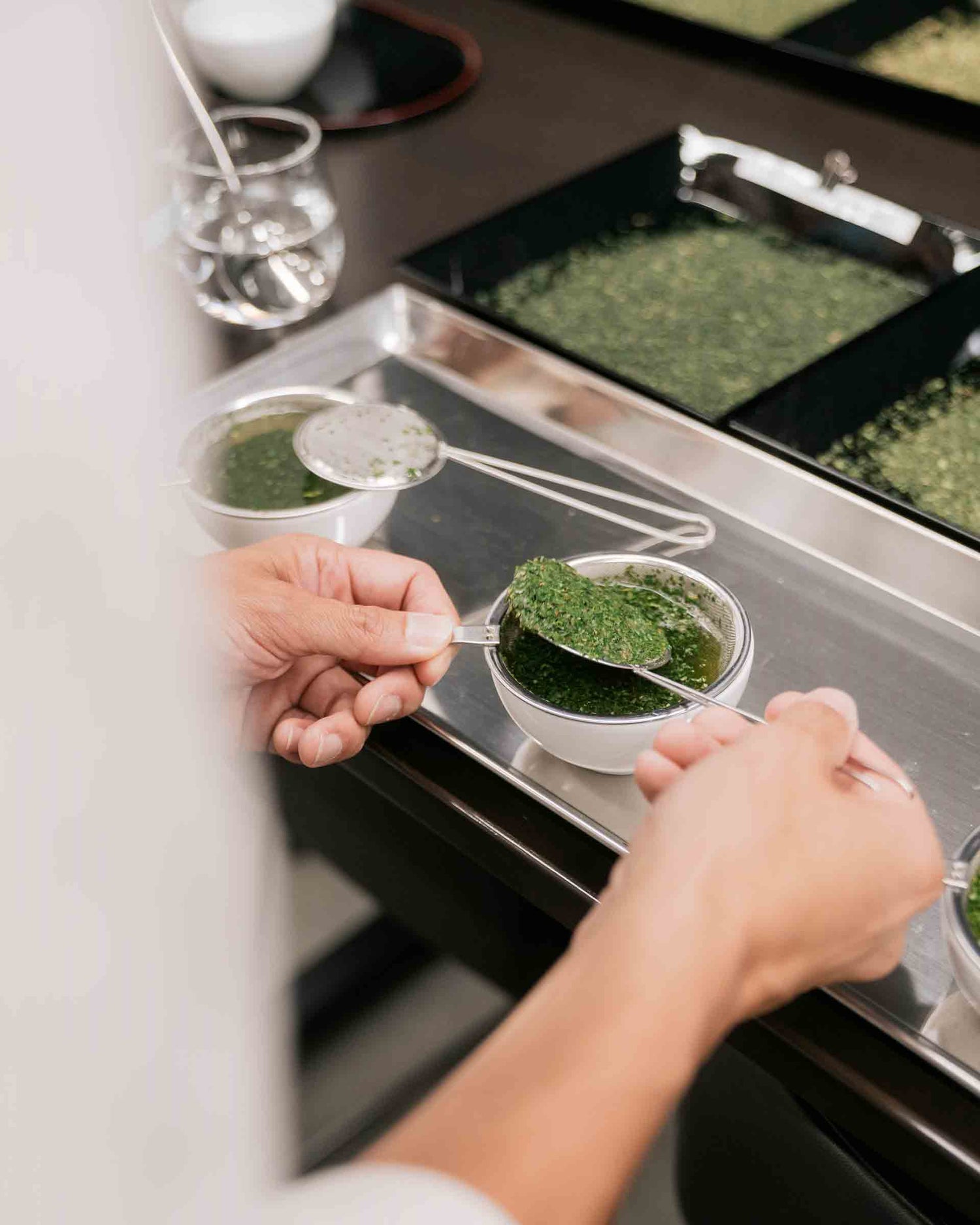
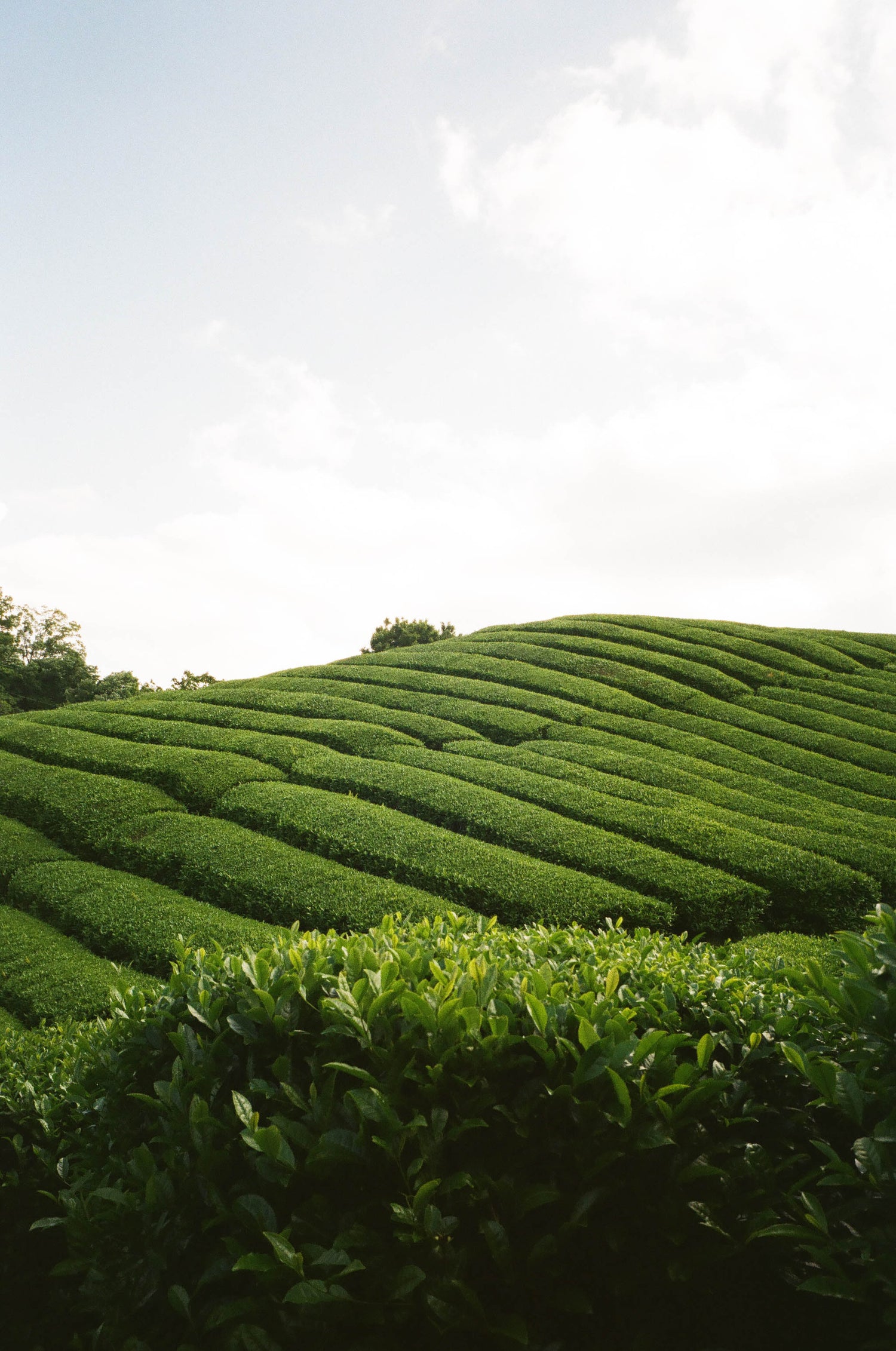
The Matcha tea growing region is one of the best and oldest in Japan: the Uji region, west of Osaka. The region is known for its clean water and nutrient-rich soil, free of pesticides. The climate is ideal: mist from the Uji and Kizu rivers keeps the tea plants moist and reduces the risk of frost damage.
production
Our tea farm is a traditional family business that has been in operation for several generations and has been producing organic matcha for several decades.
Our quality is confirmed by the strict standards of the organic certificate from the Japanese certification body JONA and the German organic certification.
Cultivation
The tea farmers protect the plants from the sun with black textile sheets or, traditionally, straw. This increases the chlorophyll content in the leaves and softens the flavor. Cultivation is carried out without pesticides. Annual soil samples are taken, as well as laboratory tests for heavy metal and radiation contamination, to ensure the highest possible quality. Furthermore, each batch is carefully tested for its mineral content.
Labor-tested
Transparency you can taste: Our organic matcha is regularly tested by independent laboratories.
Why? Because we drink our own matcha every day – and because we want you to know exactly what's in your cup.
The results show:
- No pesticides detected
- Heavy metals significantly below EU limits
- Very good microbiological quality
We make all test reports available here transparently.


FAQs – Product & Differences
What is the difference between ceremonial matcha and okumidori?
Our Ceremonial Matcha is a premium blend of various Japanese cultivars, carefully selected for a balanced, creamy flavor profile. It is versatile and ideal for everyday enjoyment.
In contrast, Okumidori Matcha is a single cultivar matcha – meaning it consists of only one tea variety. This results in a particularly rare, clear, distinctive, and pure flavor profile with greater depth and elegance.
What does "Single Cultivar" mean in the context of Okumidori Matcha?
Single Cultivar means that the Matcha consists exclusively of a single tea variety – in this case Okumidori.
Unlike blends, which combine several varieties, this flavor variety showcases its pure character.
How does Okumidori Matcha taste in comparison?
Okumidori is exceptionally smooth, elegant, and harmonious in flavor. It has a pronounced natural sweetness, very delicate umami, and no bitterness.
Compared to classic blends, it appears clearer, rounder and overall of higher quality in its flavor profile.
Why is a single cultivar like Okumidori more complex to cultivate than a blend?
A single cultivar matcha like Okumidori is significantly more difficult to produce consistently, as the entire flavor depends solely on a single tea variety.
Each year's harvest is heavily influenced by weather conditions, temperature, hours of sunshine, and rainfall. These factors can significantly alter the plant's flavor profile – the natural sweetness, umami, or intensity can change from year to year.
With a single cultivar of matcha, this means that the taste naturally varies more and must be "approximated" anew each year without changing it.
In contrast, our Ceremonial Matcha varieties are produced as blends from several cultivars.
This involves combining different types of tea with varying characteristics – for example, more sweetness from one variety, more umami from another, or more body from a third. This allows the flavor to be specifically balanced.
How do I prepare Okumidori Matcha?
The preparation is identical to classic matcha:
- 1–2 g Matcha sieben
- For the warm version: Pour on water that is approximately 70–80 °C.
- for the iced version: Pour on cold water
- Beat with a bamboo whisk (chasen) until frothy.
For best results, a calm, even movement in a matcha bowl is recommended.
Then, if desired, add milk.
Schmeckt sehr lecker und ist gar nicht bitter, sondern eher mild :) mit Kokosmilch ist er perfekt
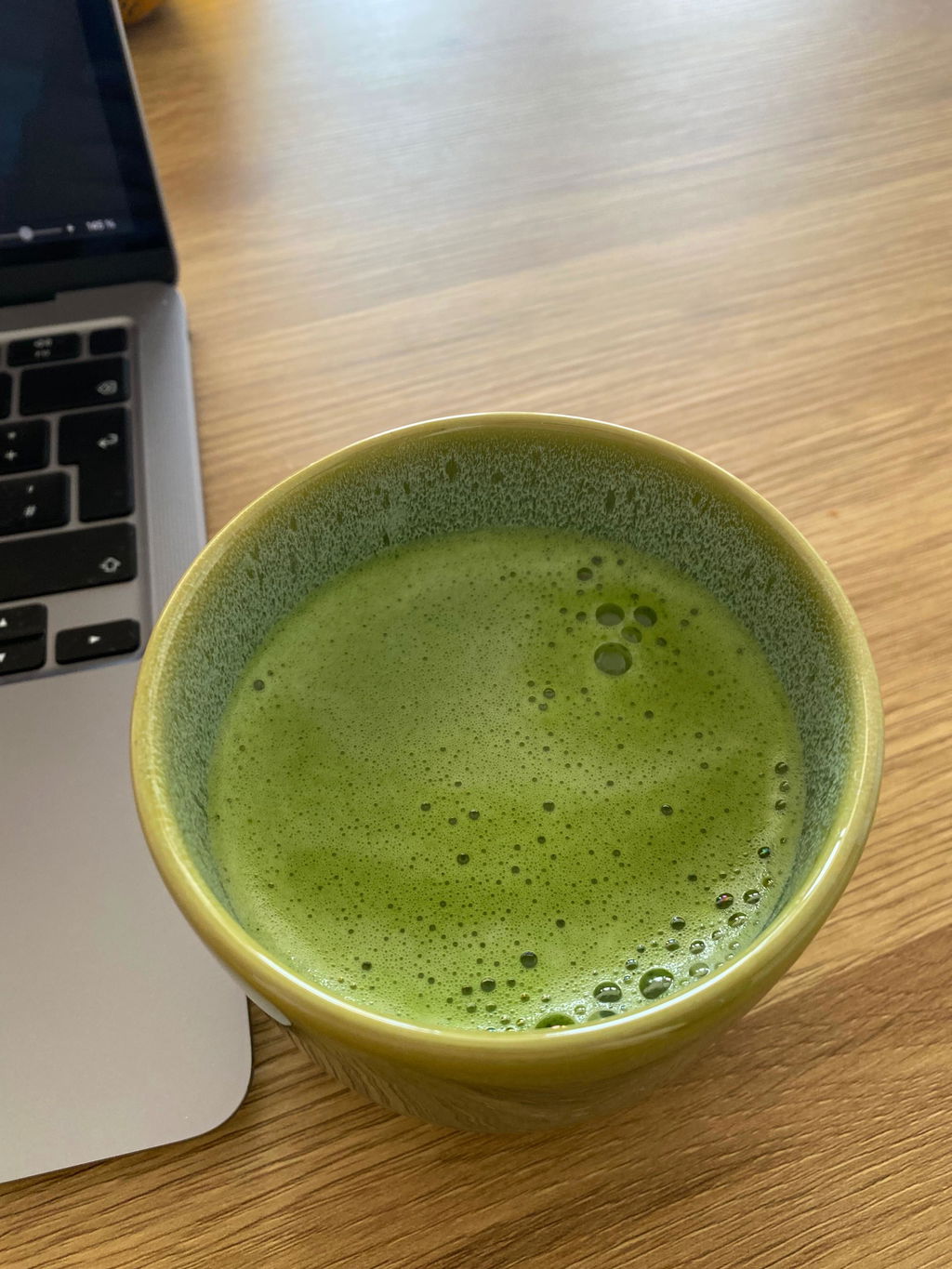
Im Vergleich zum ceremonial noch mal tieferes grün und unglaublich floral im Geschmack, keinerlei Grasnote, einfach nur cremig und gut!
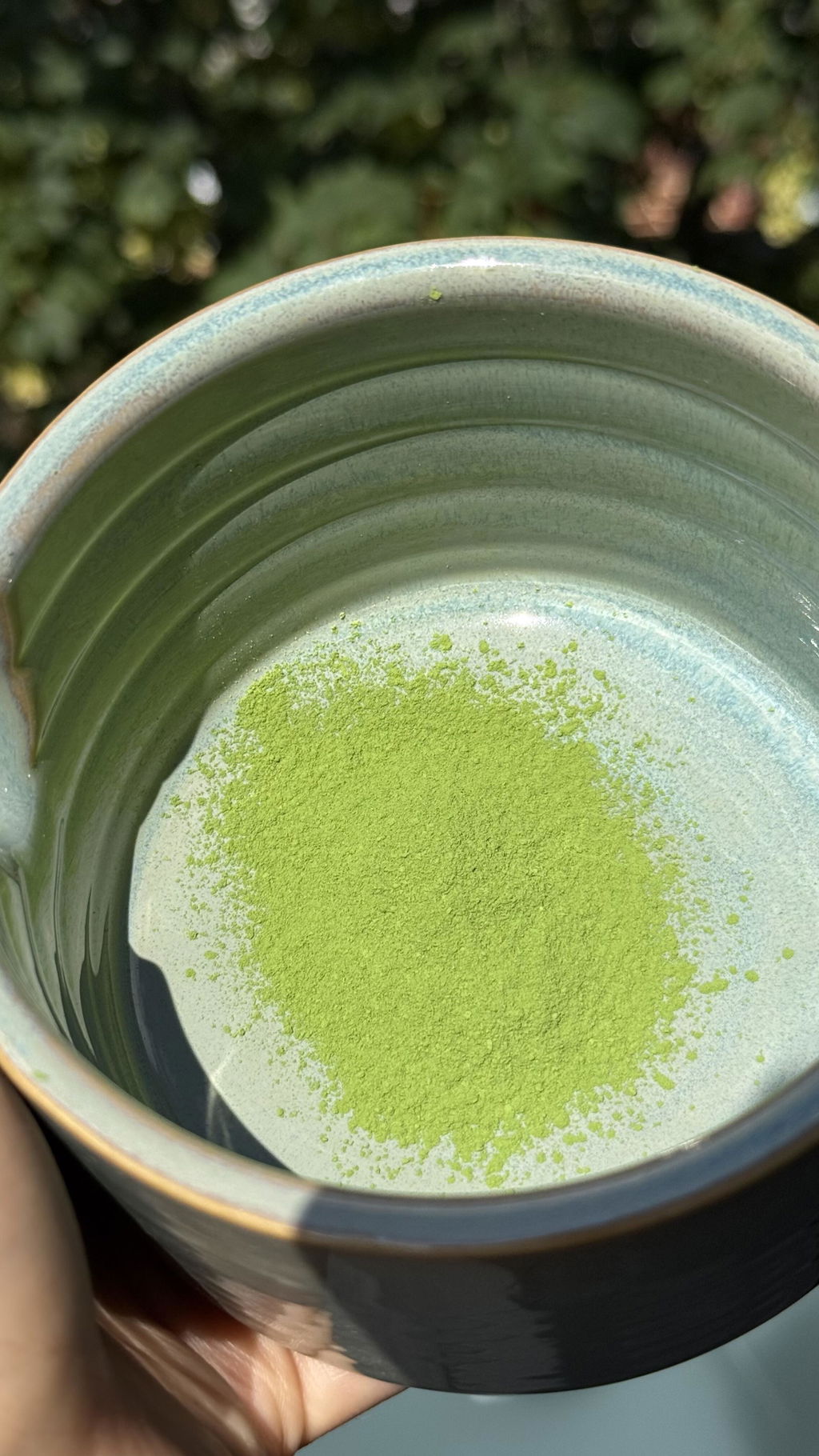
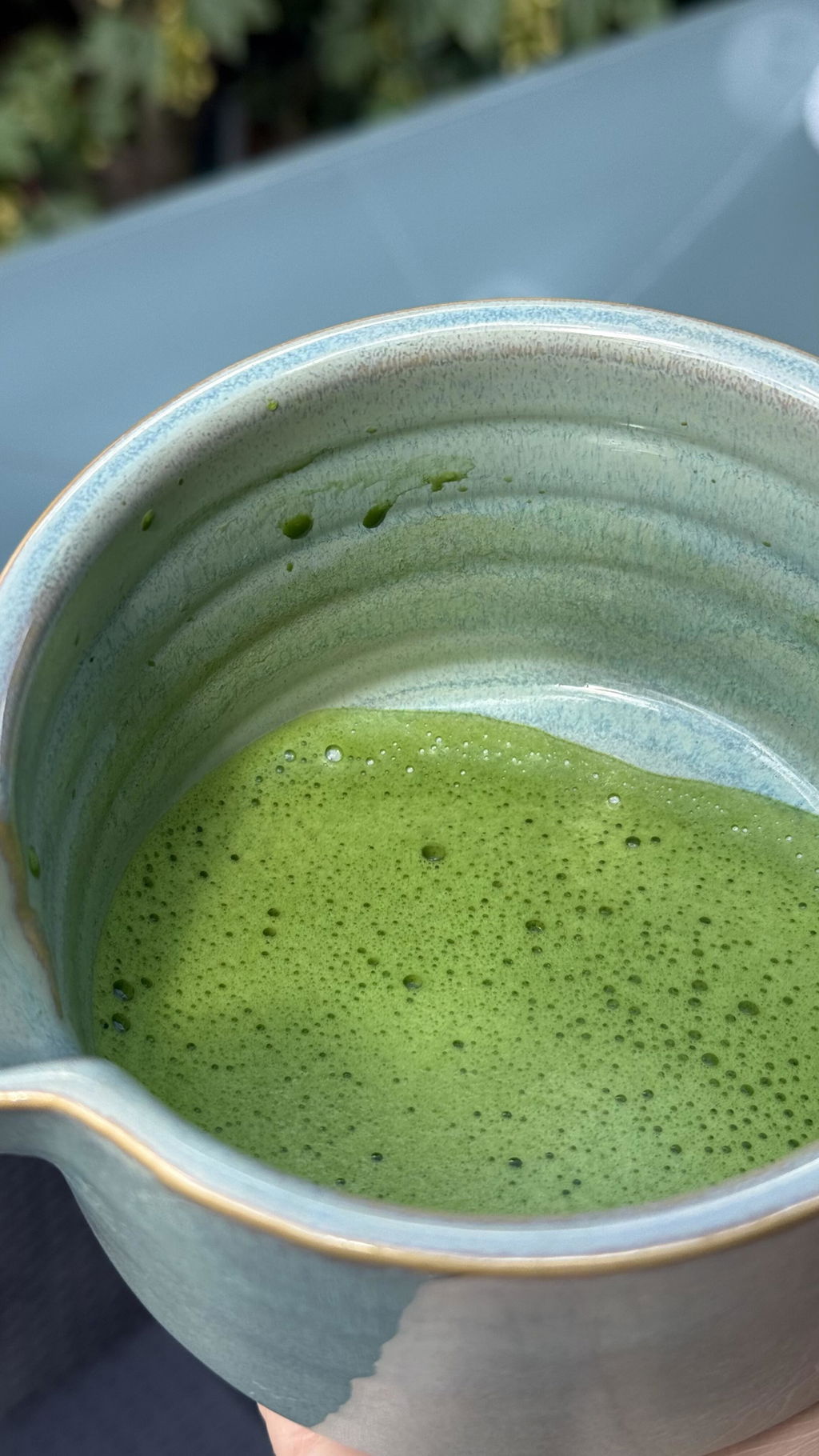
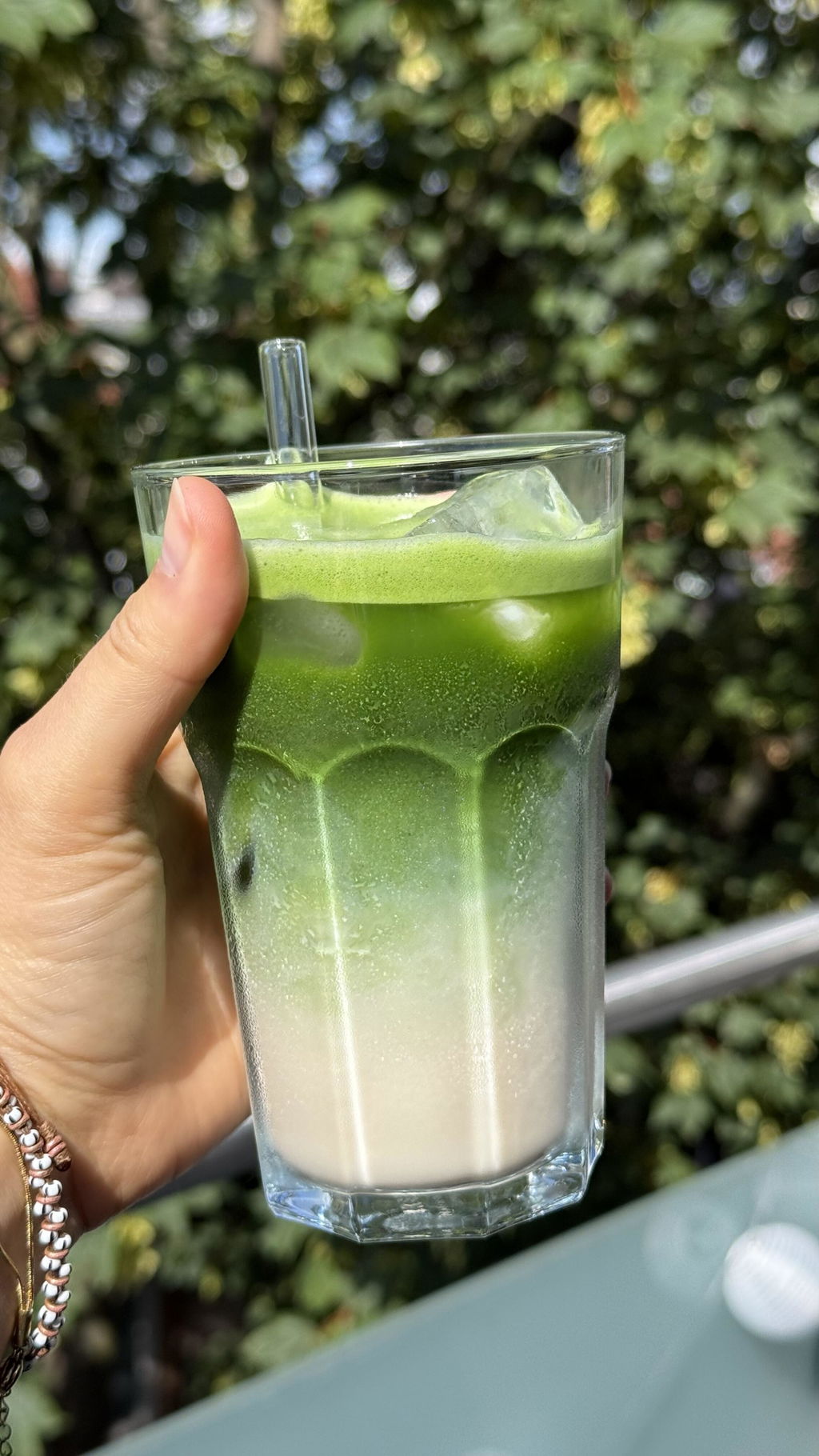
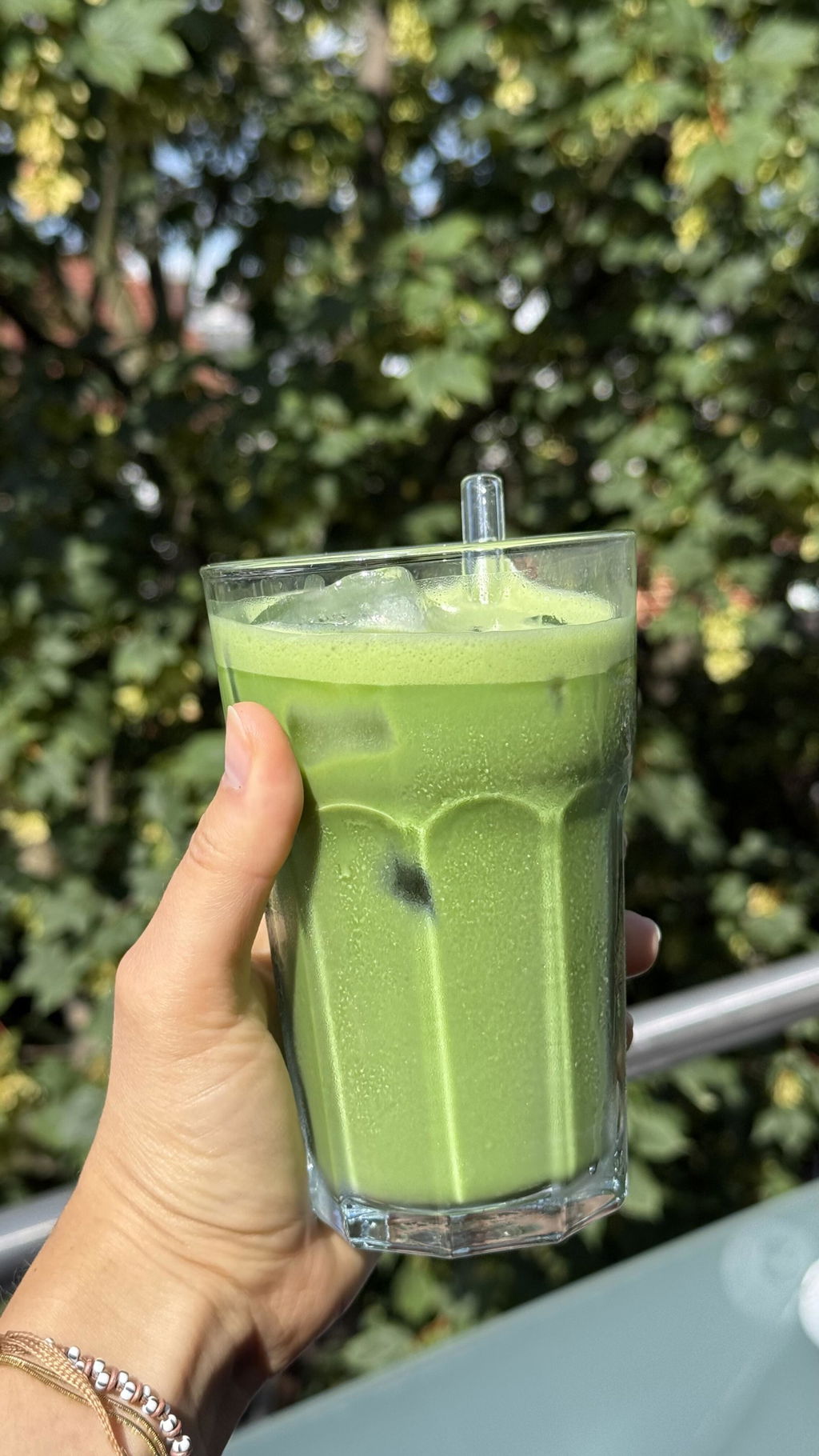
Schmeckt wirklich richtig gut! Für mich das perfekte Umami und feine süße 🥰
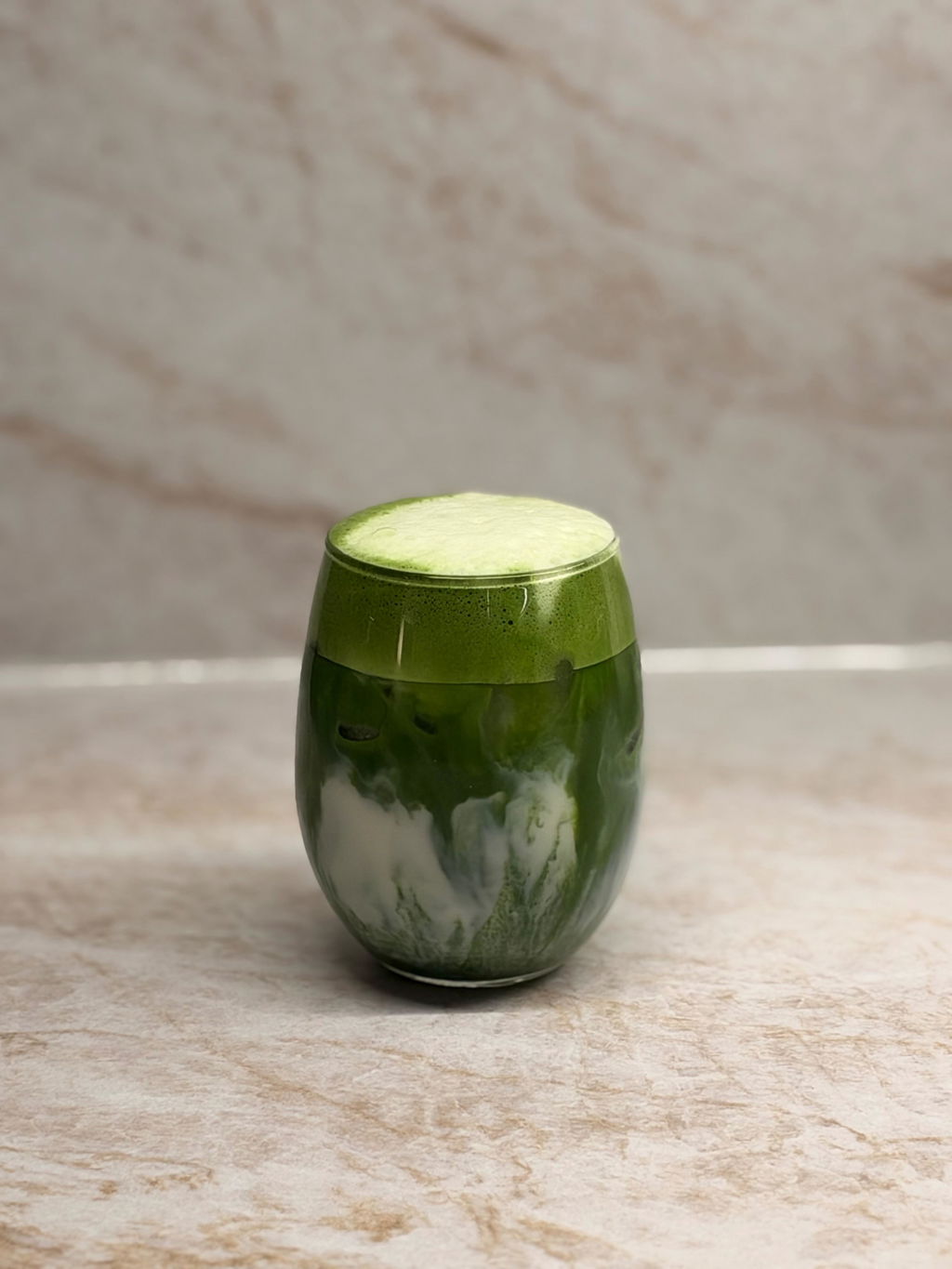
Lässt sich gut aufschlagen, ist nicht bitter sondern sehr mild. Sehr lecker
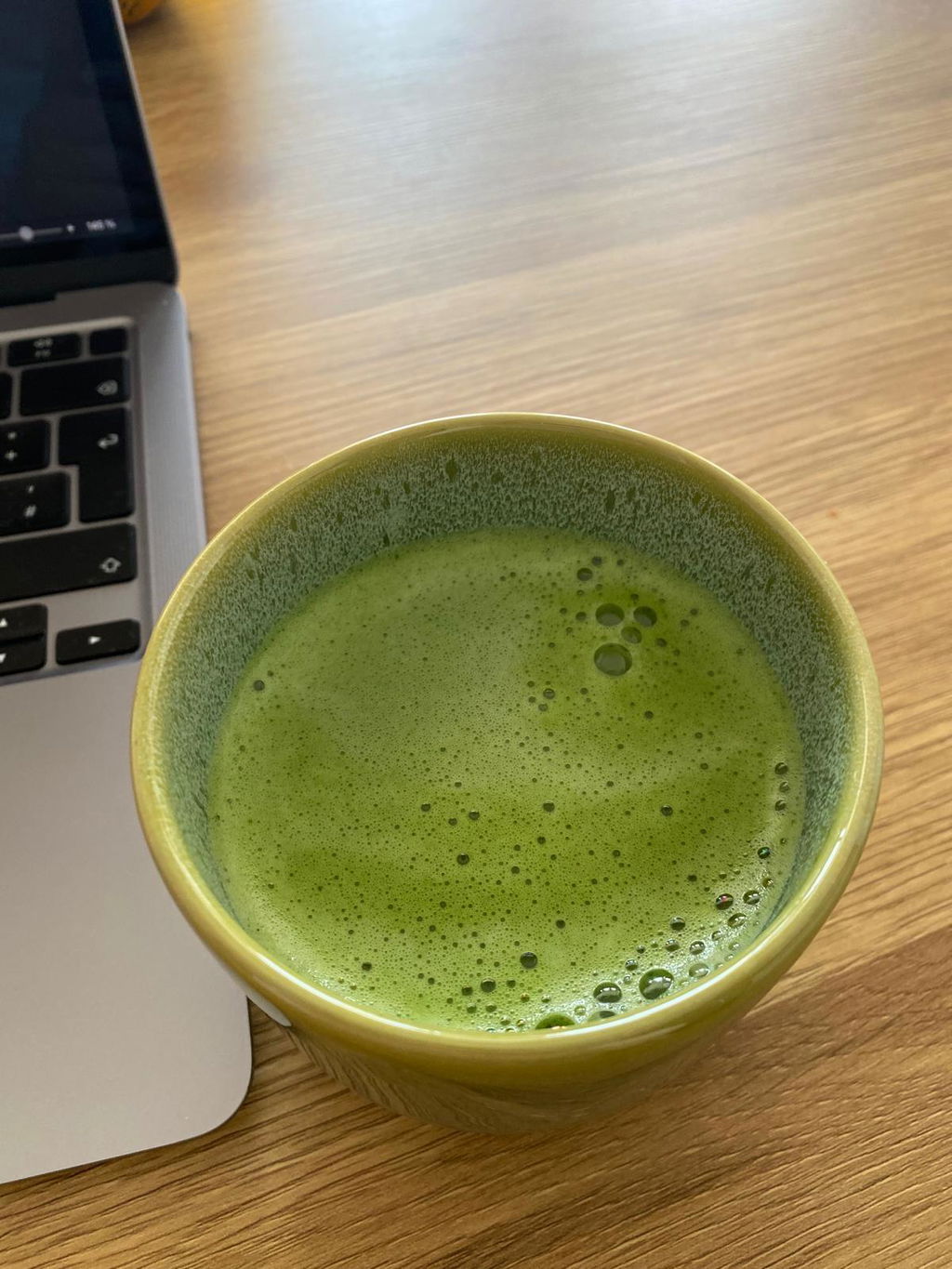
Einer meiner Lieblingsmatchas! Einfach Lecker!
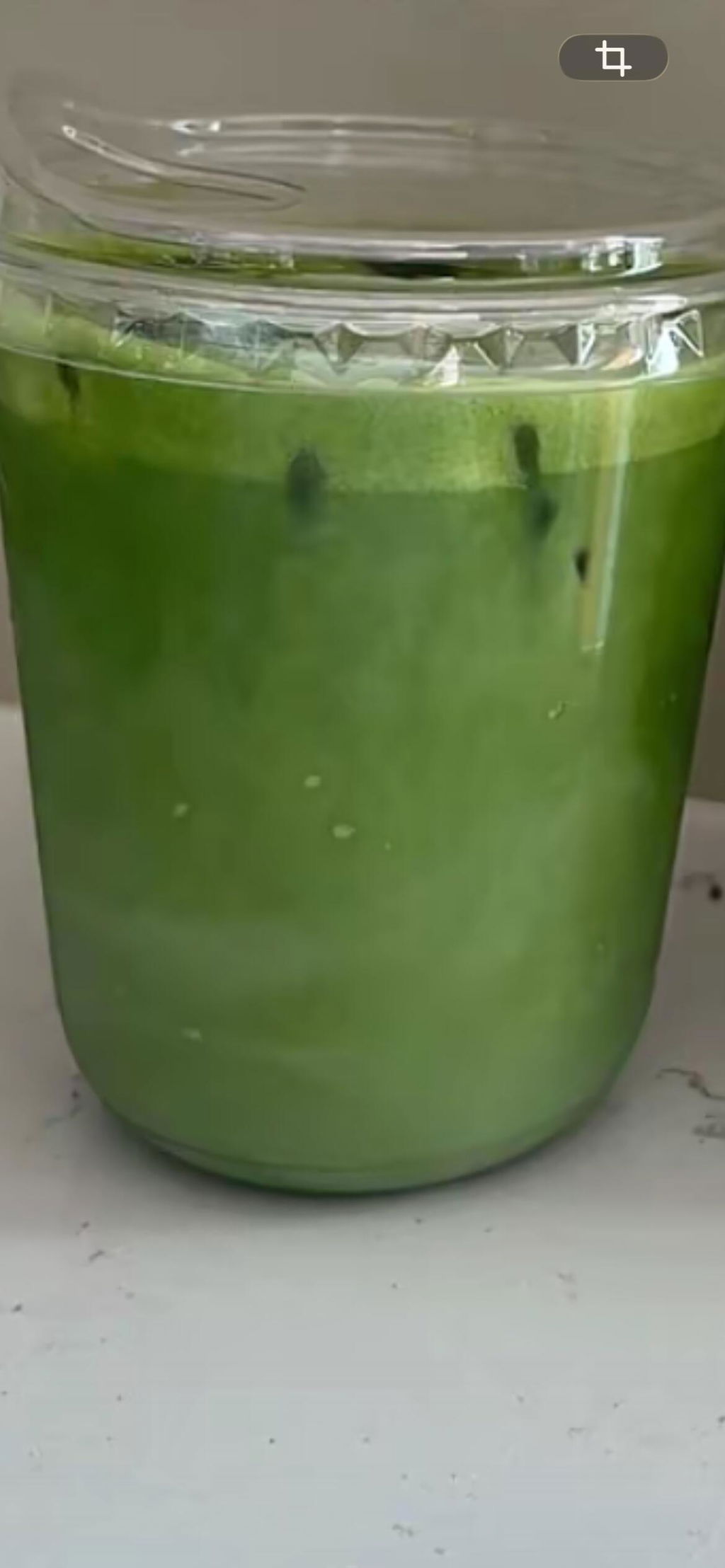
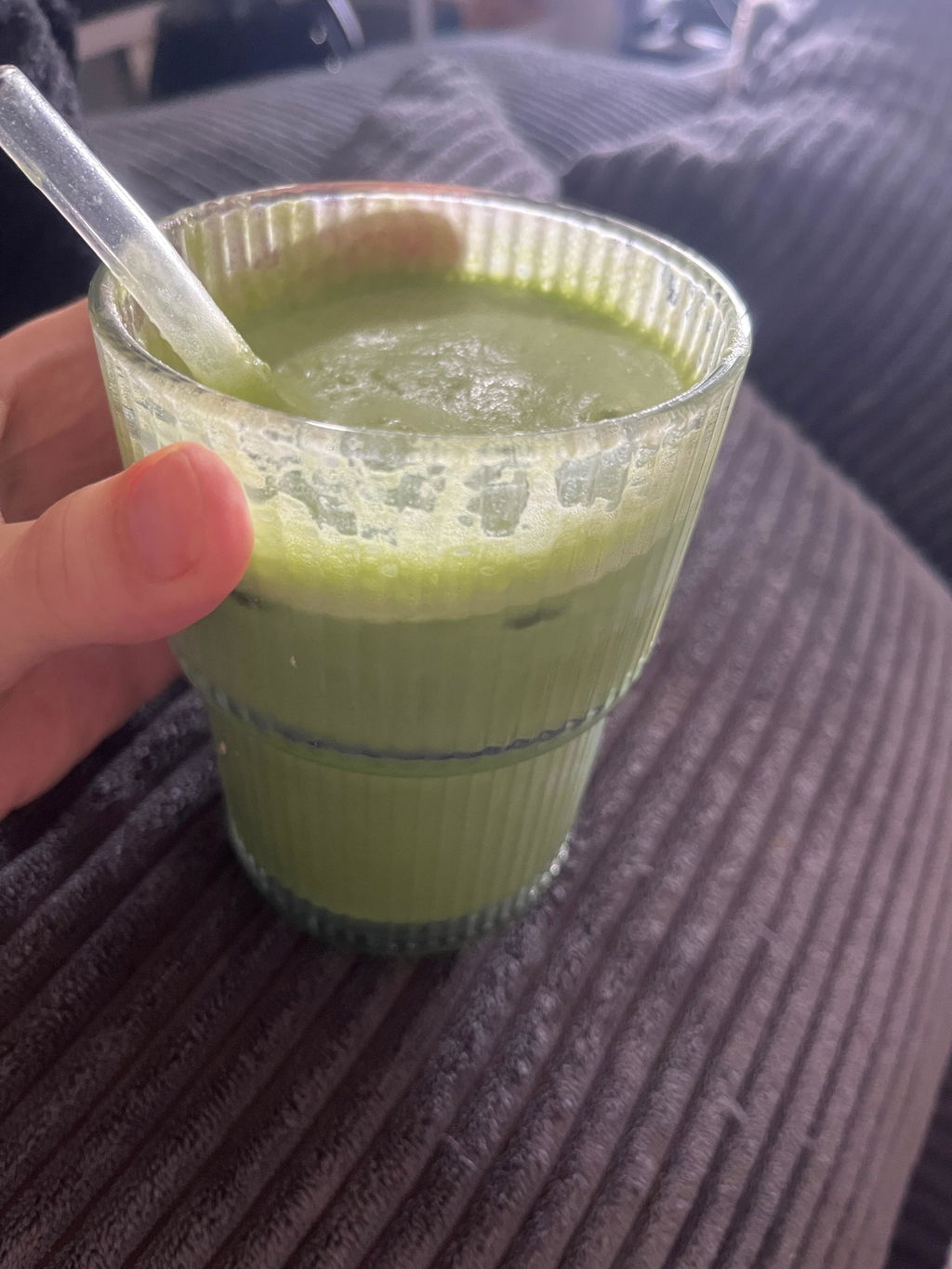
The only matcha I’m drinking at the moment — I seriously can’t get enough. It’s so smooth, almost naturally sweet and has this delicious caramel-like flavor. And the color is 😮💨 the deepest, most beautiful emerald green. Obsessed with this one!
Soooo lecker und smooth im geschmack. Ist einer meiner top favoriten geworden. Schade, dass es eine limited edition ist🥲 habs mir jetzt aber nachbestellt und hoffe, dass es noch eine weile verfügbar sein wird <3
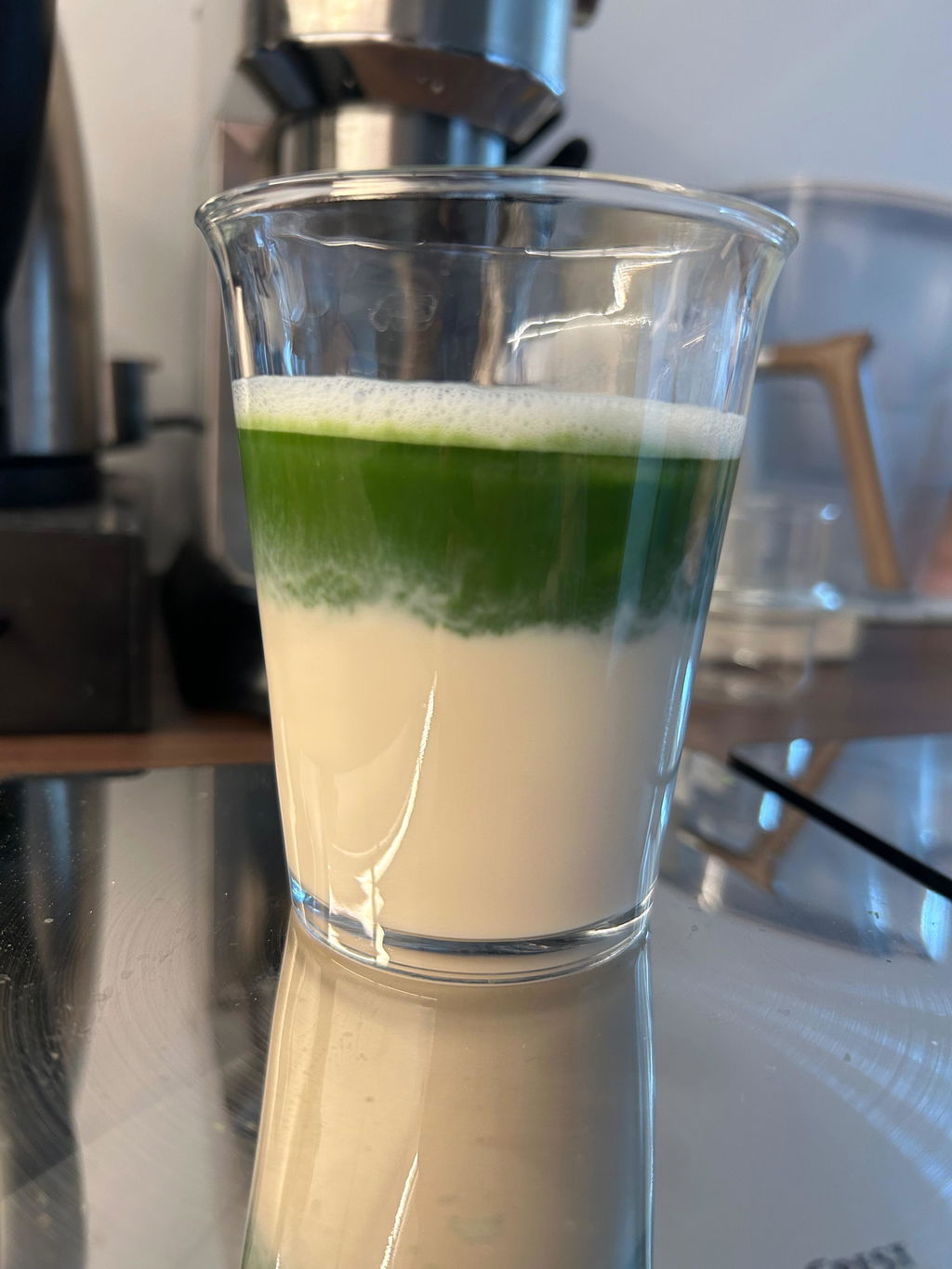
Ich hätte nicht gedacht, dass ein Matcha so knallig und leuchtend sein kann! Geschmacklich superlecker und intensiv und nochmal einen Zacken besser als der Ceremonial. Einfach perfekt!
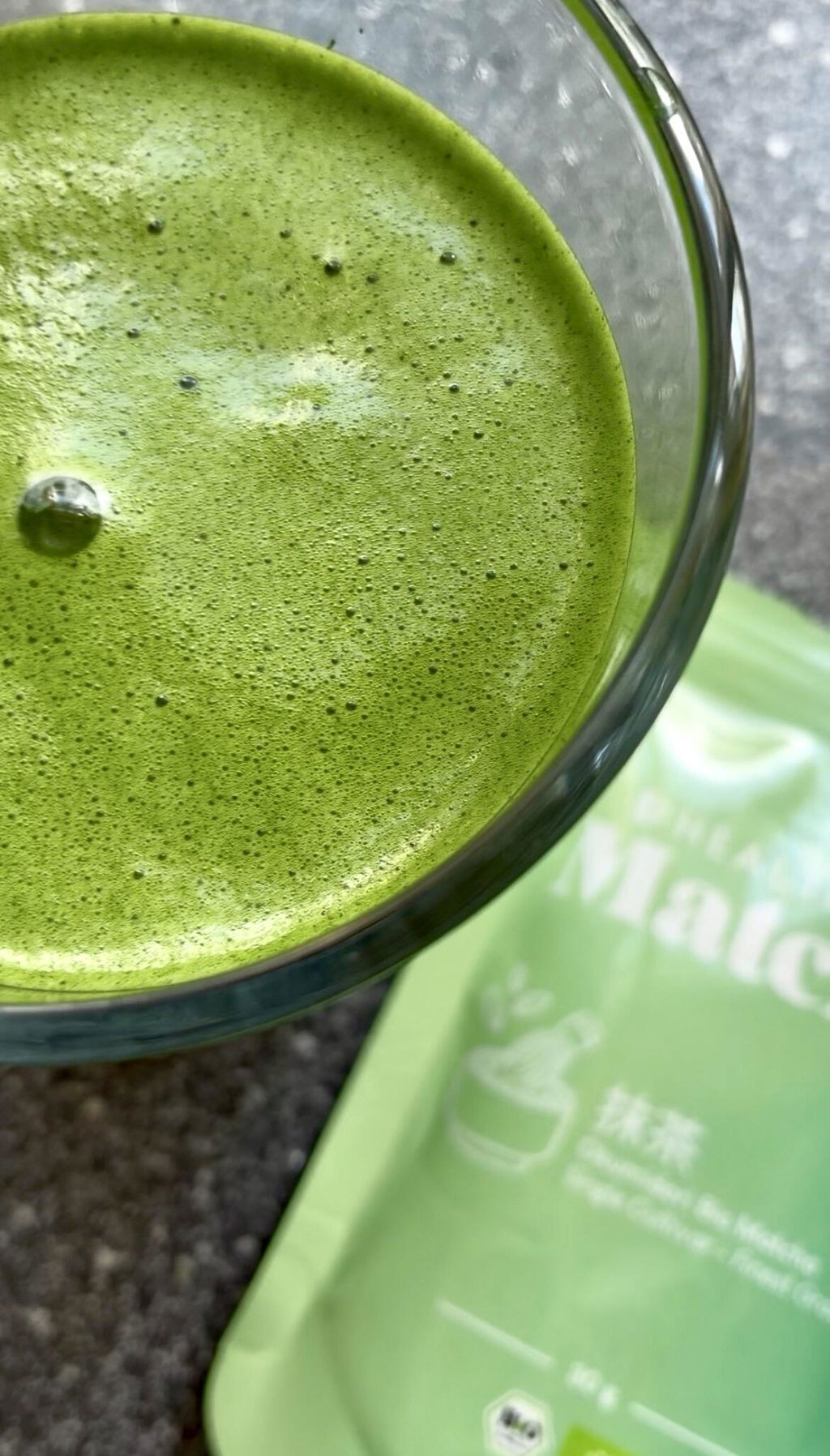
Für mich gibt es keinen anderen Matcha, der besser ist. ❤️
Perfekt zum Frühstück oder für unterwegs. 🫶🏼
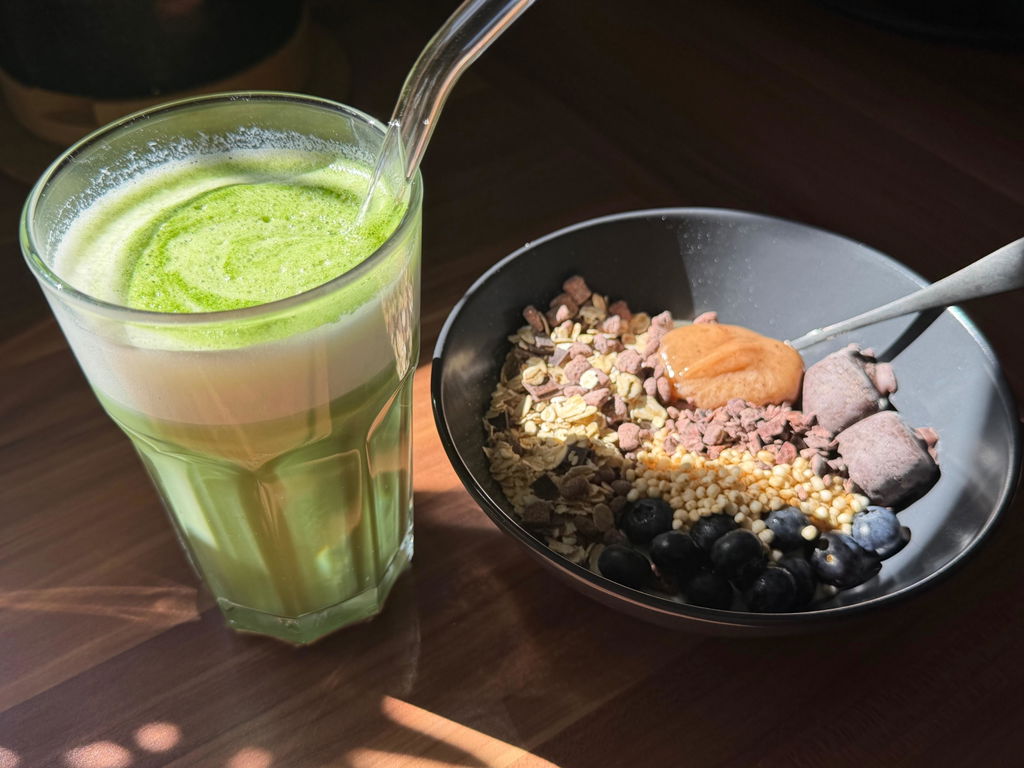
Ist ganz gut, hab aber etwas mehr erwartet
Der beste Matcha den ich je hatte
Der Bio Matcha Tee Okumidori – Single Cultivar ist gut aber für mich ist der Bio Matcha Tee Ceremonial noch harmonischer
Liebe den so so so sehr! Schmeckt mir pur am besten.
top
schmeckt richtig lecker
Sehr lecker
top
Sehr lecker und löst sich gut! Schön Cremig
Ich liebe die Farbe, den Geschmack einfach ein toller Matcha! 😋
Sehr lecker! Einer der besten Matchapuder die ich kenne!
Wirklich hochwertiger und leckerer Matcha!
Tolle Packung auch für unterwegs.
richtig lecker :)
Sehr lecker
TOPPPPP MATCHA. Mein absoluter favorit <3 hoffe das der noch ne weile verfügbar ist
Dieser Matcha schmeckt wirklich hervorragend und hat ein wunderschönes Grün! 😍 freue mich jeden Morgen darauf und muss es mir deswegen auch nochmal nachbestellen bevor es ausverkauft ist.
Sehr lecker
Sehr lecker