


Ceremonial
Mild, creamy and perfect for getting started
Organic Matcha from the 1st harvest
Not every Matcha tastes the same. Our Ceremonial Matcha comes from the first spring harvest of a family-run organic tea farm in Uji, Japan. Through the careful selection of the youngest leaves, up to 32 days of shading and traditional stone grinding, we create a Matcha with fine umami, natural sweetness and a particularly creamy texture.
-
For beginners

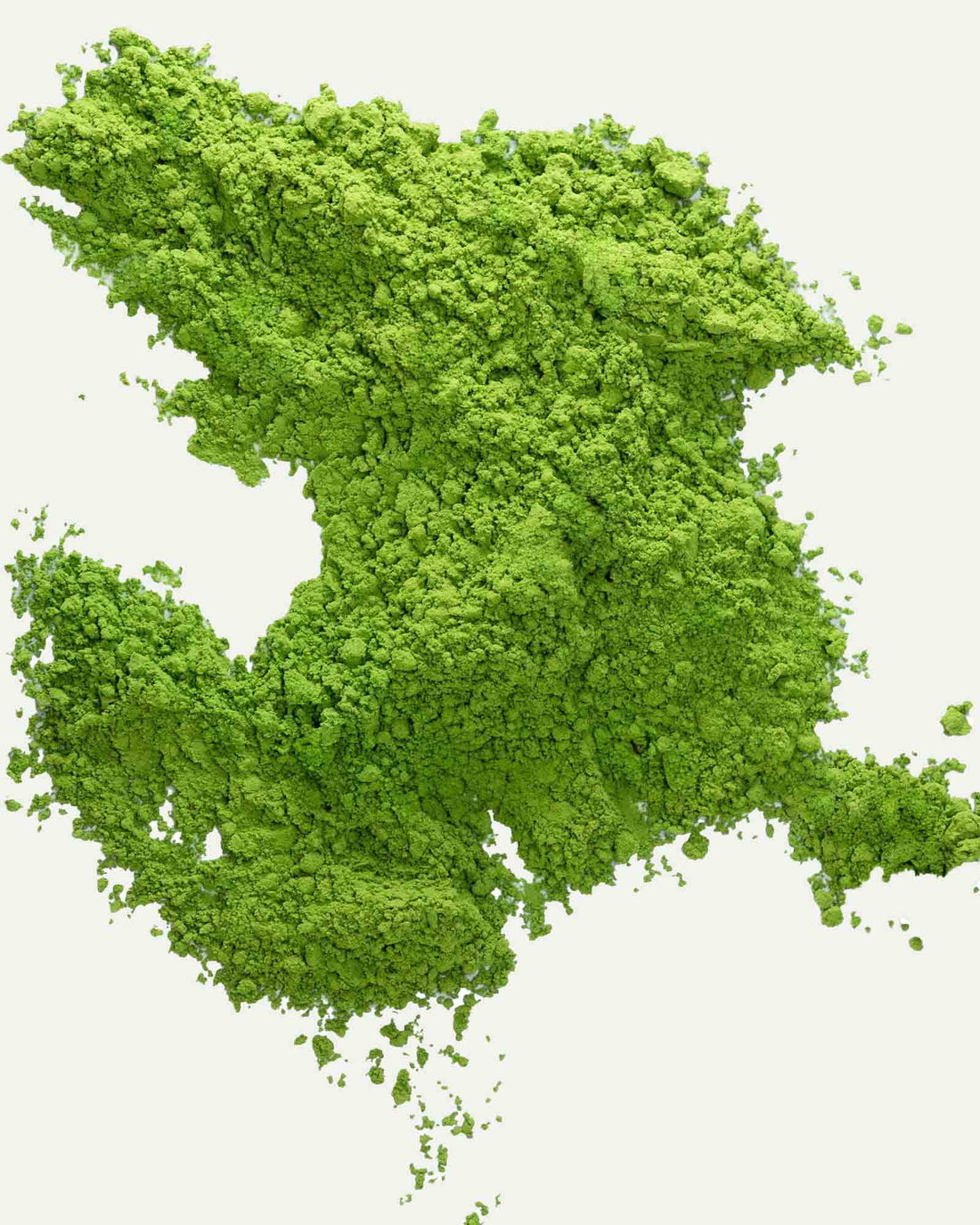 Organic Ceremonial Matcha Tea – 30g (can)Organic Ceremonial Matcha Tea – 30g (can) Uji · 1. Ernte
- Regular price
-
£27.00 - Regular price
-
- Selling price
-
£27.00 - Unit price
-
£90.00 / Per 100g


- ✓Certified organic
- ✓First harvest from Uji, Japan
- ✓Lab-tested
- ★4,9 from over 1,800 reviews
Discover our Matcha sets
-
Up to -15%
 Organic Matcha Starter Duo Set – Set for Traditional PreparationOrganic Matcha Starter Duo Set – Set for Traditional Preparation
- Regular price
-
£37.50 - Regular price
-
£44.21 - Selling price
-
£44.21 £37.50
-
For beginners
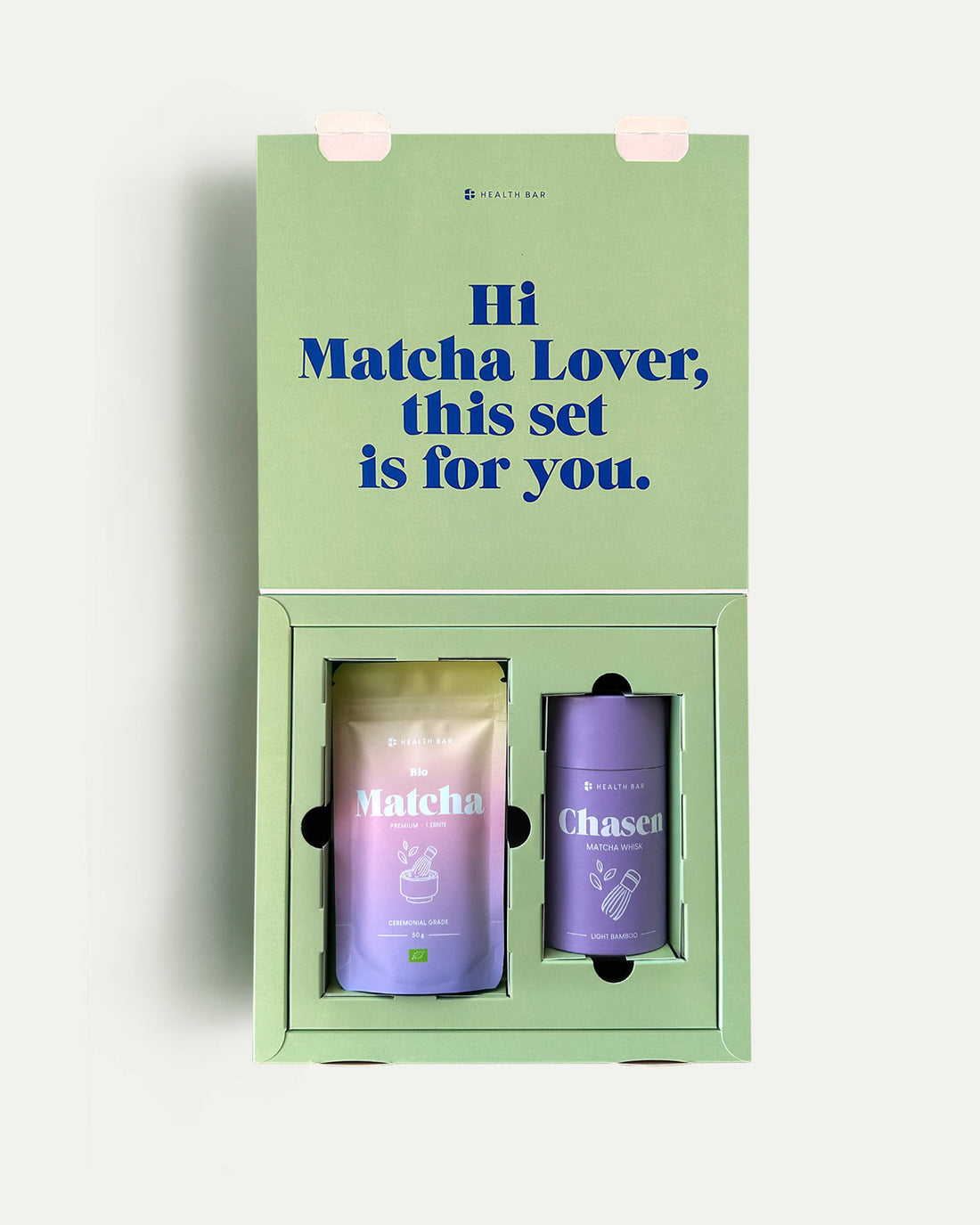 Matcha Set S – A Ritual to Get You StartedMatcha Set S – A Ritual to Get You Started
- Regular price
-
£49.00 - Regular price
-
£51.90 - Selling price
-
£51.90 £49.00
-
Up to -6%
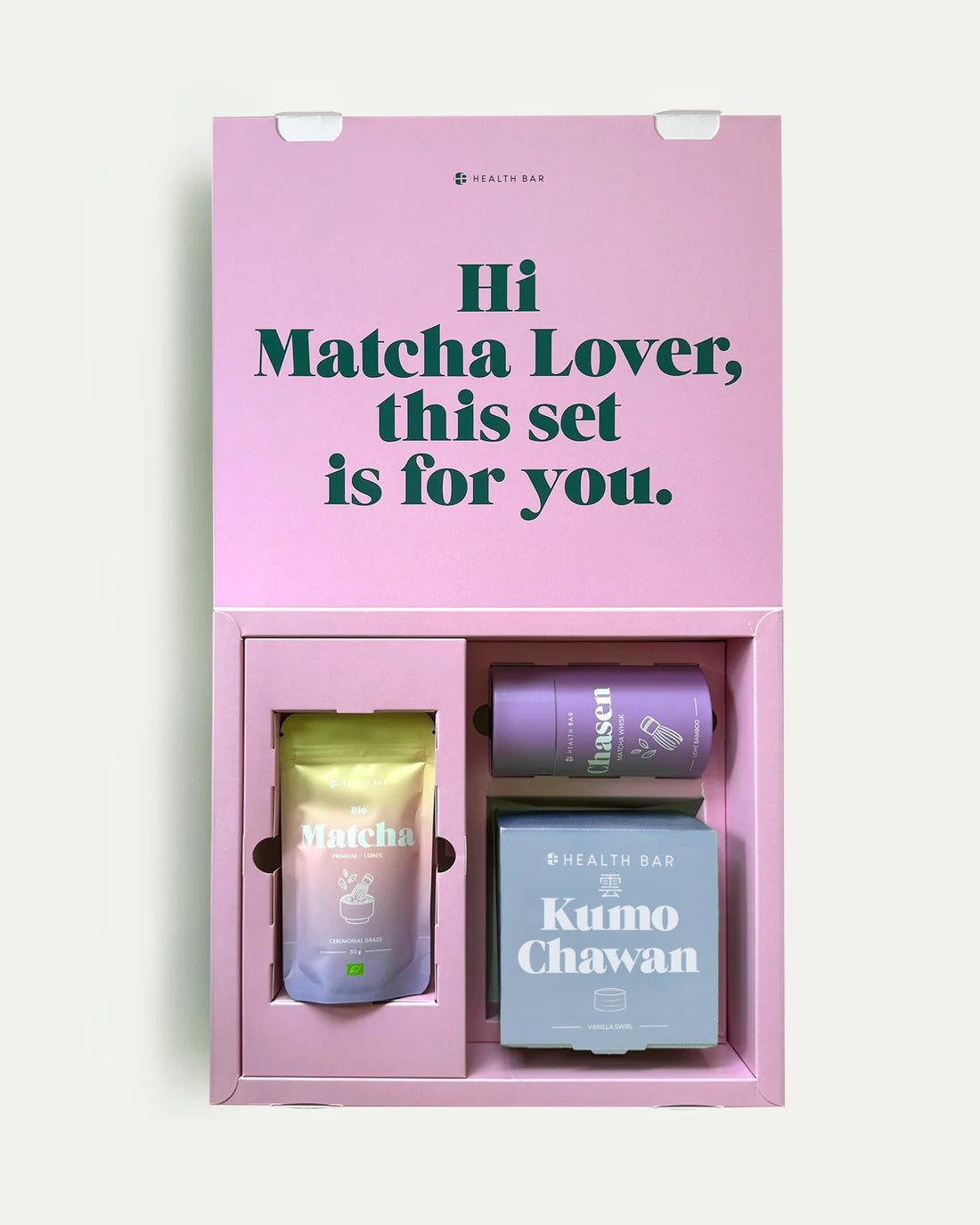 Matcha Set M - Kumo Chawan Vanilla SwirlMatcha Set M - Kumo Chawan Vanilla Swirl
- Regular price
-
£78.00 - Regular price
-
£82.66 - Selling price
-
£82.66 £78.00
-
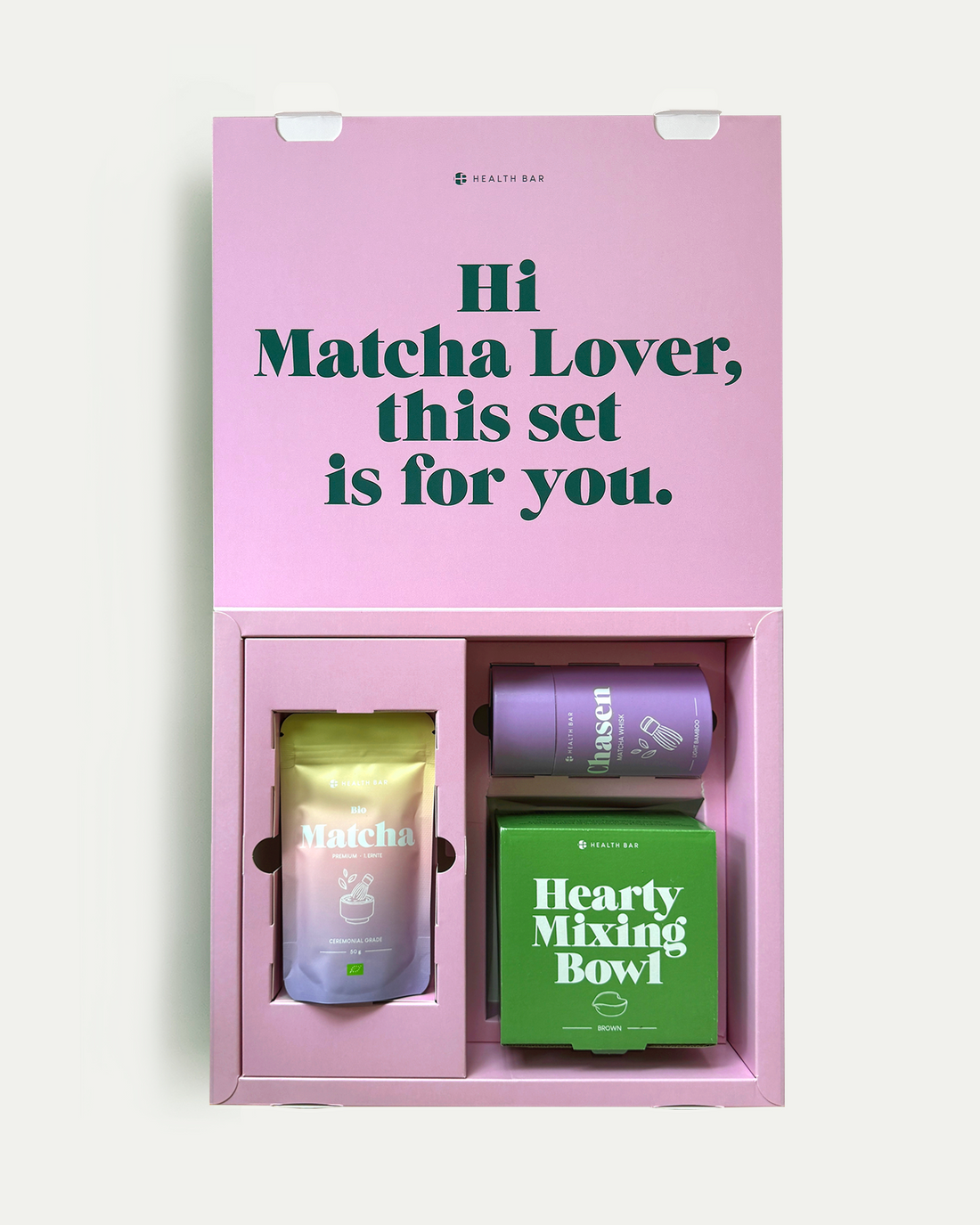 Matcha Set M - Mixing Bowl Silvery BrownMatcha Set M - Mixing Bowl Silvery Brown
- Regular price
-
£79.00 - Regular price
-
- Selling price
-
£79.00


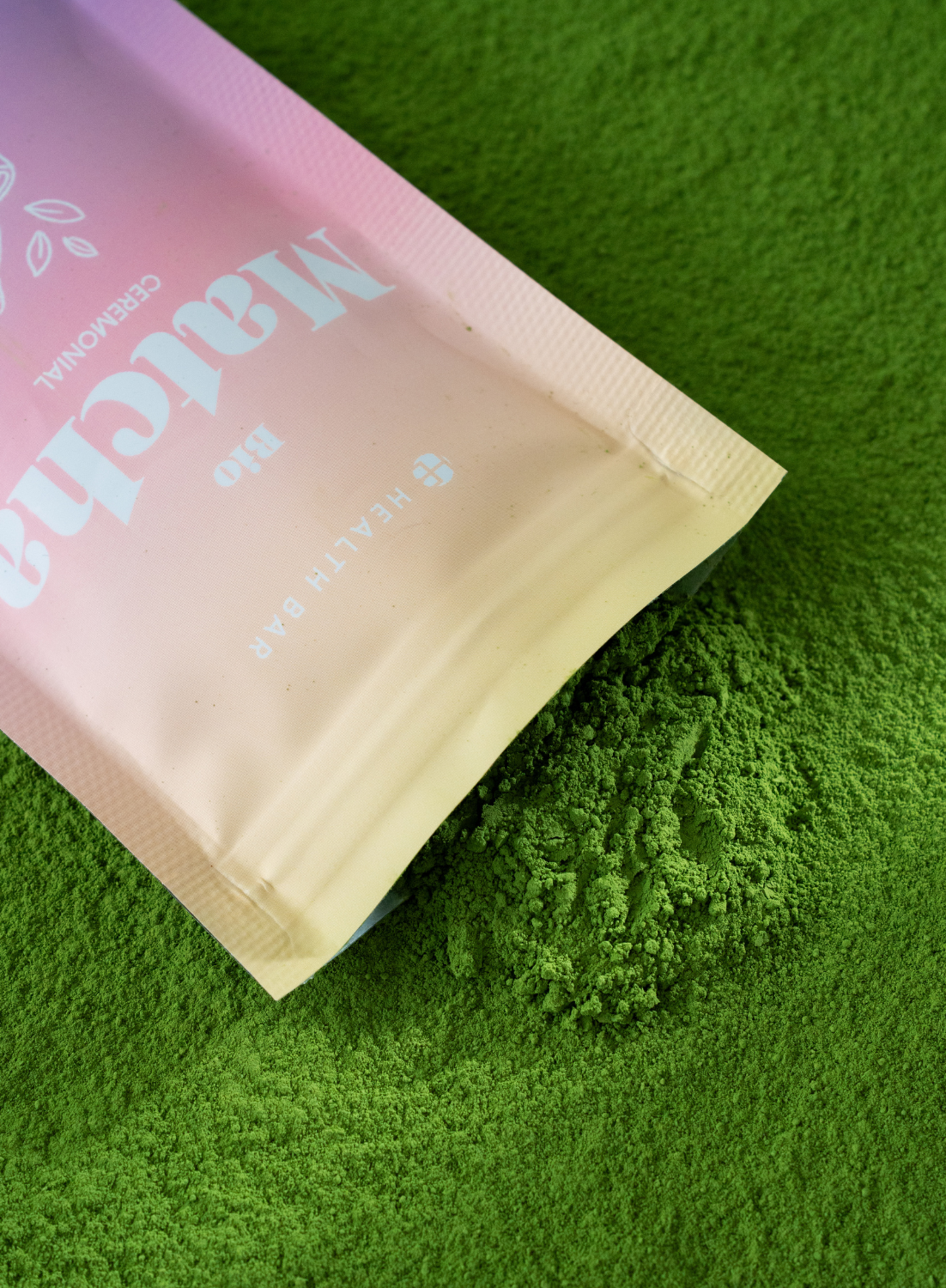
100% first harvest (First Flush)
Why our Ceremonial Matcha?
The first harvest – also known as the First Flush – is considered the highest-quality harvest of the year. For our Ceremonial Matcha we use exclusively the first harvest of the year. After the winter months, the young tea leaves store especially many aromatic compounds and develop their soft, balanced character.
The result is a Matcha with an intense green colour, natural sweetness and fine umami – which is exactly why the first harvest is regarded as the highest quality.
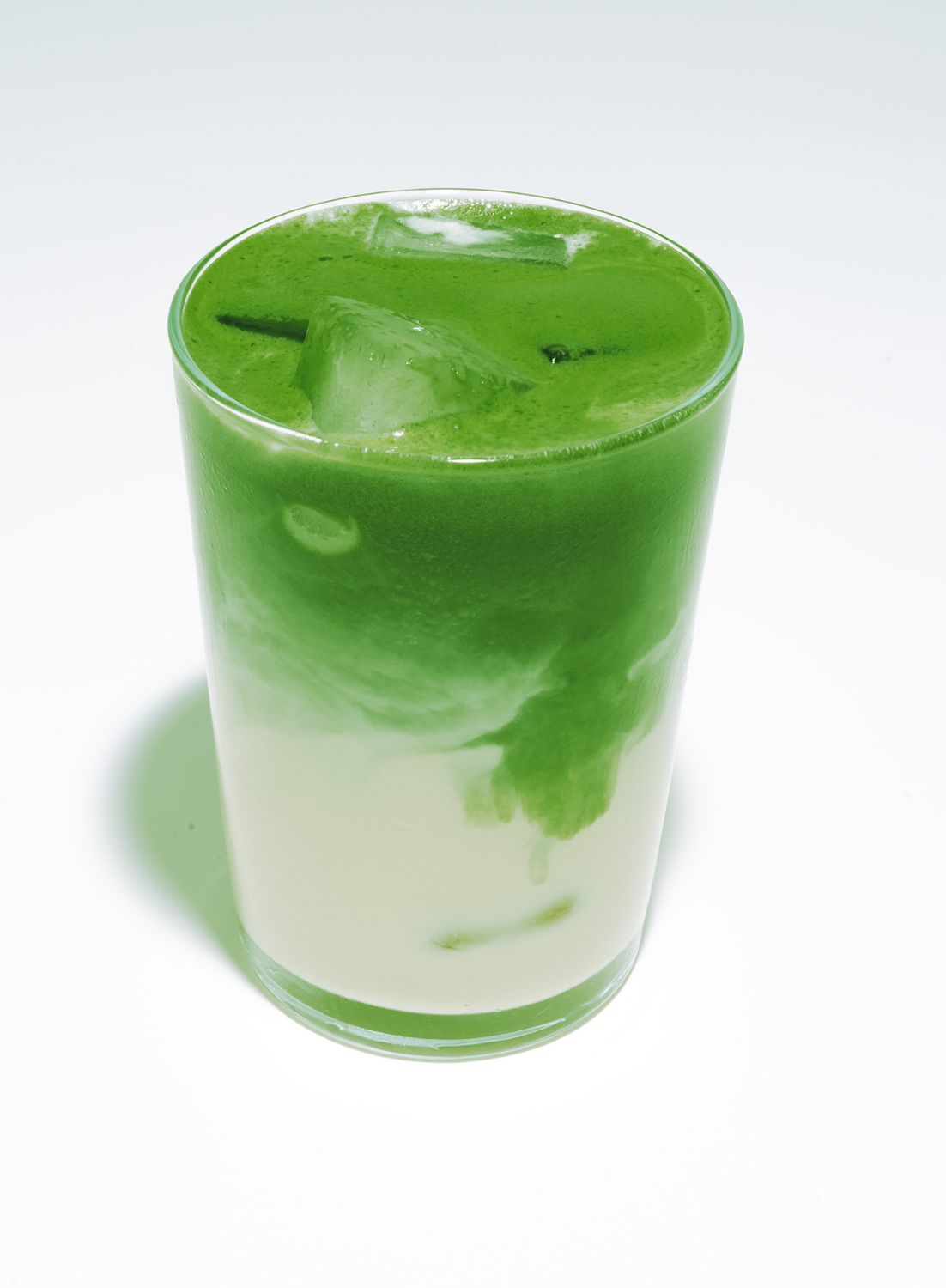
The best taste
Mild statt bitter
Some associate Matcha with a bitter or grassy taste. High-quality Matcha, however, tastes quite different.
Our Ceremonial Matcha impresses with:
- creamy texture
- naturally sweet notes
- fine umami
- barely any bitterness
- a pleasantly soft finish
A Matcha that many of our customers love after the very first cup.
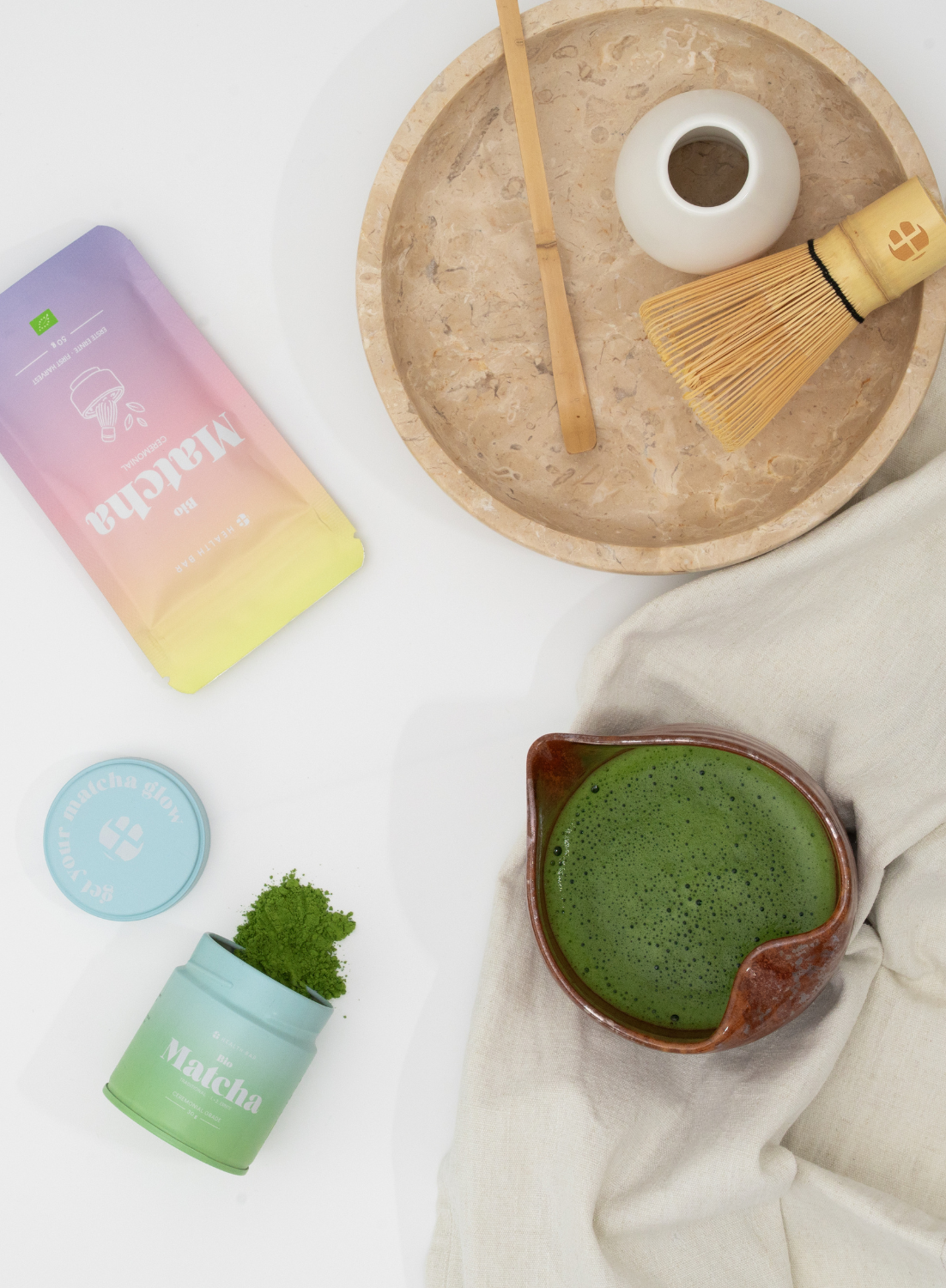
Get your ritual
- Regular price
-
£9.00 £136.00 - Regular price
-
- Selling price
-
£9.00 £136.00 - Unit price
-
£90.00 / Per 100g
- Regular price
-
£14.50 - Regular price
-
- Selling price
-
£14.50
- Regular price
-
£29.00 £31.00 - Regular price
-
- Selling price
-
£29.00 £31.00
- Regular price
-
£7.00 - Regular price
-
- Selling price
-
£7.00
- Regular price
-
£23.50 - Regular price
-
- Selling price
-
£23.50 - Unit price
-
£78.33 / Per 100g

- Regular price
-
£14.50 - Regular price
-
- Selling price
-
£14.50


- Regular price
-
£7.00 - Regular price
-
- Selling price
-
£7.00

- Regular price
-
£23.50 - Regular price
-
- Selling price
-
£23.50 - Unit price
-
£78.33 / Per 100g
The perfect Matcha to get started
Would you like to start with Matcha but don't know which one suits you?
Our Ceremonial Matcha is made for exactly that. Its harmonious taste makes it especially accessible – both pure and as a Matcha Latte.
→ New to Matcha? Discover our Matcha beginner's guide.
Die beste Qualität bei Health Bar
Wir haben viel Herzblut und Zeit investiert, um die perfekte Teefarm in Japan zu finden, die reinen Genuss kreiert. Bei uns kannst du Matcha-Tee kaufen, der
- Bio-Qualität und Ceremonial Grade hat,
- durch regelmäßige Bodenproben und Labortests geprüft wird – Laborergebnisse ansehen,
- einen natürlich milden und weichen Geschmack besitzt,
- aus dem Land für grünen Tee schlechthin stammt (Region Uji in Japan) und
- von einem seit Generationen familiengeführten Betrieb produziert wird.
Darauf achten wir zusätzlich:
Unsere Matcha-Dose besteht aus Weißblech und ist recyclingfähig.
Green Matcha Power
-
The ingredients in Matcha
Just like tea in general, Matcha in particular is a wonderful alternative to other drinks. Unlike energy drinks and lemonade, pure Matcha is sugar-free and completely natural – provided you prepare it with water alone. And this delicious powder can do quite a lot:
-
- Catechins
- Antioxidants
- Amino acids
- Calcium
- Beta-carotene
- Vitamin E and C
- Caffeine/theine
Straight from Uji, Japan
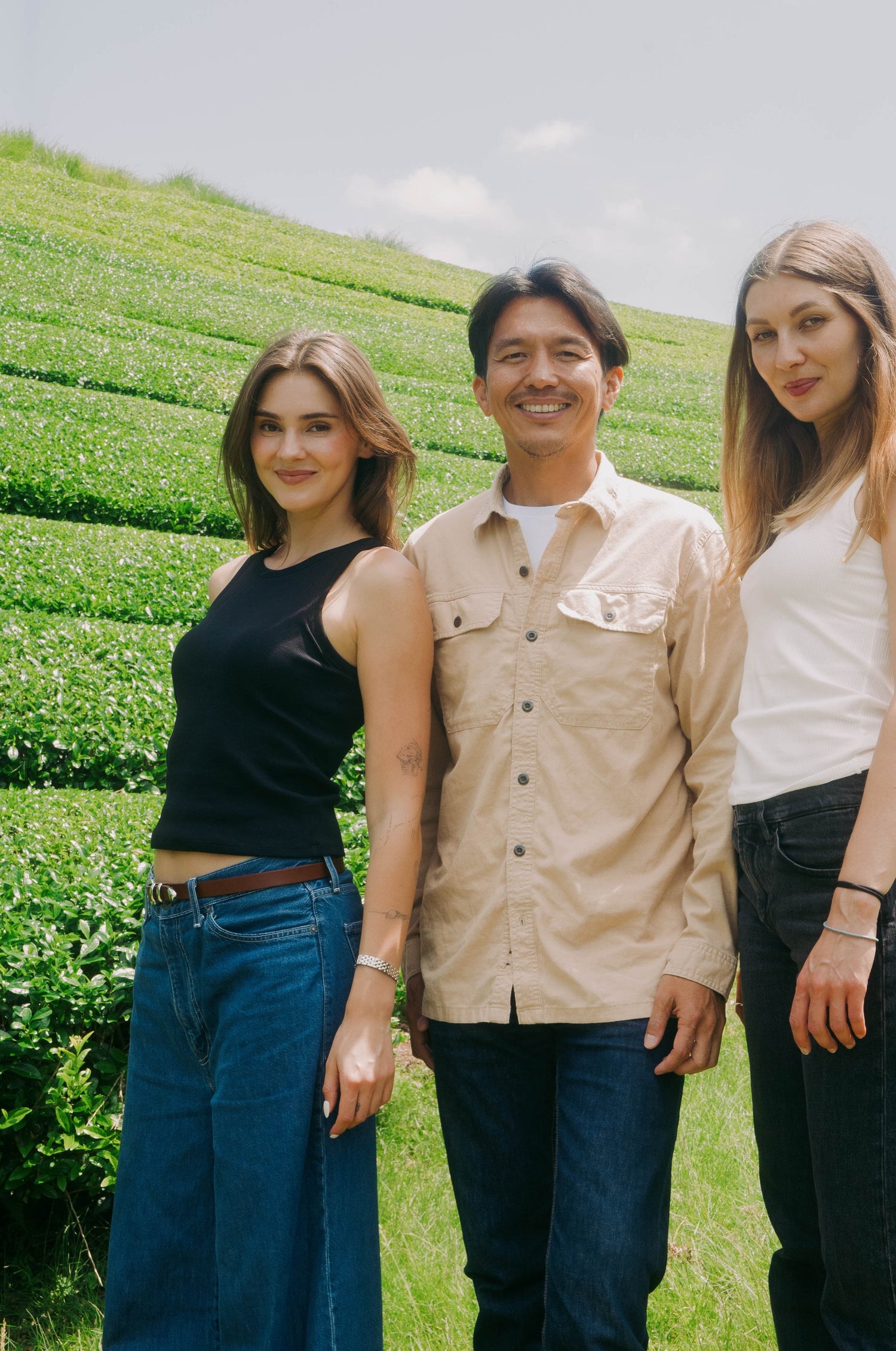
Our Matcha is created on a family-run organic tea farm in Uji. Our founders Nancy & Steffi have visited the farm. Because for us, quality doesn't begin with the finished Matcha, but with the people who grow it. Together we select our qualities and accompany the journey from the tea field into your Matcha bowl.
Our Ceremonial Matcha has a:
- vibrant green colour
- fine sweetness
- creamy texture
- harmonious umami
- particularly balanced taste
Häufige Fragen zu Ceremonial Matcha
How long does Matcha keep?
If the pack is unopened, it will keep for a good one to one and a half years from the date of purchase. Once opened, it's best to use up your Matcha within 4 to 6 months.
Wie bereite ich Ceremonial Matcha pur zu?
Store your Matcha tea powder protected from light and air in a cool place, for example in a tin in the fridge
How much does a good Matcha tea cost?
You can get absolutely pure organic Matcha from high-quality Tencha leaves with us for 60 euros per 100 grams.
Which Matcha is the best?
That depends on your taste, of course, but as a rule: Tencha is a real favourite among tea fans – Matcha made from this high-quality green tea tastes especially mild.
Ist „Ceremonial Grade“ ein geschützter Begriff?
There are various grades of Matcha, which can vary depending on quality
and intended use. Here are some of the most common
Matcha grades:
- Ceremonial Grade: This is the highest quality level of
Matcha and is traditionally used for the Japanese tea ceremony (Chanoyu).
Ceremonial Grade Matcha is characterised by a vibrant green
colour, a fine texture and a delicate flavour. It's often sweet and
umami, without being bitter. Ceremonial Grade Matcha is usually made from the
tender leaves of the first harvest. Both our Matcha Premium and our
Matcha Traditional are Ceremonial Grade. - Premium Grade: Premium Grade Matcha is high in
quality, but not quite as fine as Ceremonial Grade Matcha. It has a lively
green colour and a balanced flavour with sweet and slightly tart notes.
Premium Grade Matcha works well for everyday use and can be used for
drinking or cooking. - Culinary Grade: Culinary Grade Matcha is used mainly
for cooking purposes, for example for preparing Matcha lattes,
baked goods, ice cream or smoothies. Its flavour is often more robust and it has
a stronger green colour than Ceremonial Grade or Premium Grade Matcha.
Culinary Grade Matcha can also be enjoyed every day, but is
more affordable than the higher grades. - Ingredient Grade: This quality level is the lowest
and is usually used for industrial purposes, for example for the
production of instant drinks or ready-made products. Ingredient Grade Matcha
is often of lower quality, but can still offer a green tea flavour.
It's important to note that the names and
quality levels can vary from producer to producer. It's worth reading the
product descriptions and trying out different Matcha varieties
to find the grade best suited to your needs.
What's the difference between Ceremonial and Traditional Matcha?
Premium Matcha: This Matcha tea is characterised by its
gentle, full-bodied aroma. It's made from the leaves of the first harvest
(spring). These leaves are younger and more tender, which results in a
finer flavour. Premium Matcha is considered particularly high in quality
and is often more expensive.
Traditional Matcha: In contrast, Traditional Matcha is made
from a blend of leaves from the first and second harvest.
This blend can lead to a slightly more intense flavour,
without becoming bitter. The flavour of Traditional Matcha can be perceived as
more robust or stronger, but it still retains the
characteristic sweetness and slightly tart taste of Matcha tea.
The choice between Premium Matcha and Traditional
Matcha comes down to personal preference. Some people prefer the
subtle, gentle aromas of Premium Matcha, while others appreciate the
stronger flavour notes of Traditional Matcha
What's so special about Matcha tea?
While you normally steep plant parts in hot water for tea and don't consume them, with Matcha you drink the green tea leaves in their entirety – because the powder, made from the ground leaves, dissolves in the water.
Where does Health Bar Matcha come from?
Our tea farm is a traditional business that has been
family-run for several generations and has been producing organic Matcha for a
few decades. The growing region for the Matcha tea is one of
Japan's best and, at the same time, oldest tea-growing regions: the
Uji region, located west of Osaka. The region is known for its clean water
and nutrient-rich soil, free from pesticides. The right climate is found
here: the mist from the Uji and Kizu rivers keeps the tea plants
moist and reduces the risk of frost damage
How is Health Bar Matcha grown?
The tea farmers protect the plants from the sun with black
textile sheets or traditionally with straw. Solar panels are also used. This increases the chlorophyll content in the leaves and makes the flavour softer. Cultivation takes place without pesticides. Annual soil samples are taken, along with laboratory tests for heavy metal and radiation levels, in order to deliver the best possible quality. In addition, each batch is carefully checked for its
mineral properties.
How do I recognise a good Matcha?
A good Matcha is defined by several characteristics
you can look out for when choosing:
- Colour: High-quality Matcha has a lively, vibrant
green colour. Make sure the Matcha shows no yellowish or brownish
tones, as this can indicate inferior quality or ageing. - Smell: High-quality Matcha has a fresh
tea aroma with slightly sweet or floral notes. Avoid Matcha that smells musty,
rancid, fishy or strongly chemical. - Taste: Good Matcha has a complex, balanced
flavour with sweet, umami-like and slightly tart notes. - Texture: Fine Matcha has a silky, fine texture and
feels smooth when sifted. Lower quality can be coarse or
lumpy. - Origin: Matcha from Japan, especially from renowned
growing regions such as Uji or Kyoto, is often considered higher in
quality. Japanese Matcha is subject to strict cultivation standards and
traditional production methods. - Grade: There are various grades of Matcha, from
high-quality Ceremonial Grade through to Culinary or Ingredient grade.
Ceremonial Grade Matcha is usually used for the tea ceremony and
is characterised by a particularly fine texture and a delicate flavour. - Price: High-quality Matcha is often more expensive, as it's
carefully grown, harvested and processed. Be cautious with very
cheap offers, as they may contain inferior quality
or be a blended product. - Certifications: Look for Matcha that's certified,
for example labelled as organically grown or sustainably produced.
Certifications can be an indication that the
Matcha meets certain quality standards.
By taking these characteristics into account, you can find the
best Matcha for your taste and needs. Our Health
Bar Matcha meets them all!
Will I like Matcha, even if I don't like tea?
Matcha has a unique flavour that sets it apart from
other types of tea. Our Health Bar Matcha is strong and has
a pleasant sweetness.
Some people who normally don't like tea find
the taste of Matcha enjoyable, especially when it's prepared properly
and used in drinks or dishes they already love, such
as Matcha latte, Matcha ice cream or Matcha pancakes.
Others, however, don't like the strong flavour and the
plant-like note of Matcha. If you're unsure whether you'll
enjoy Matcha, you could try our Matcha in the 10g sample size,
before buying a larger quantity. We also have partner
cafés across Europe that serve our Matcha.
How much caffeine does Matcha contain?
Our Ceremonial Matcha contains 60 mg of caffeine per gram.
Our Traditional Matcha contains 50 mg of caffeine per gram
Ceremonial Matcha typically contains **30 to 70 milligrams of caffeine per 2 gram serving** (about a teaspoon), which corresponds to the normal amount used to prepare a traditional bowl of Matcha.
Compared to other caffeinated drinks, Matcha generally contains less caffeine than a cup of coffee, which contains about **95 milligrams of caffeine** on average. However, the caffeine in Matcha is balanced by its high content of **L-theanine**, an amino acid that has a calming effect and helps make the caffeine boost gentler and longer-lasting. This means the caffeine kick from Matcha often feels "calmer" and less hectic, making it a popular choice for people looking for a steady energy boost without the typical side effects of coffee such as jitteriness or shaking.
So Matcha not only offers an immediate energy boost, but also promotes longer-lasting focus and attention.