

Which entry level is right for you?
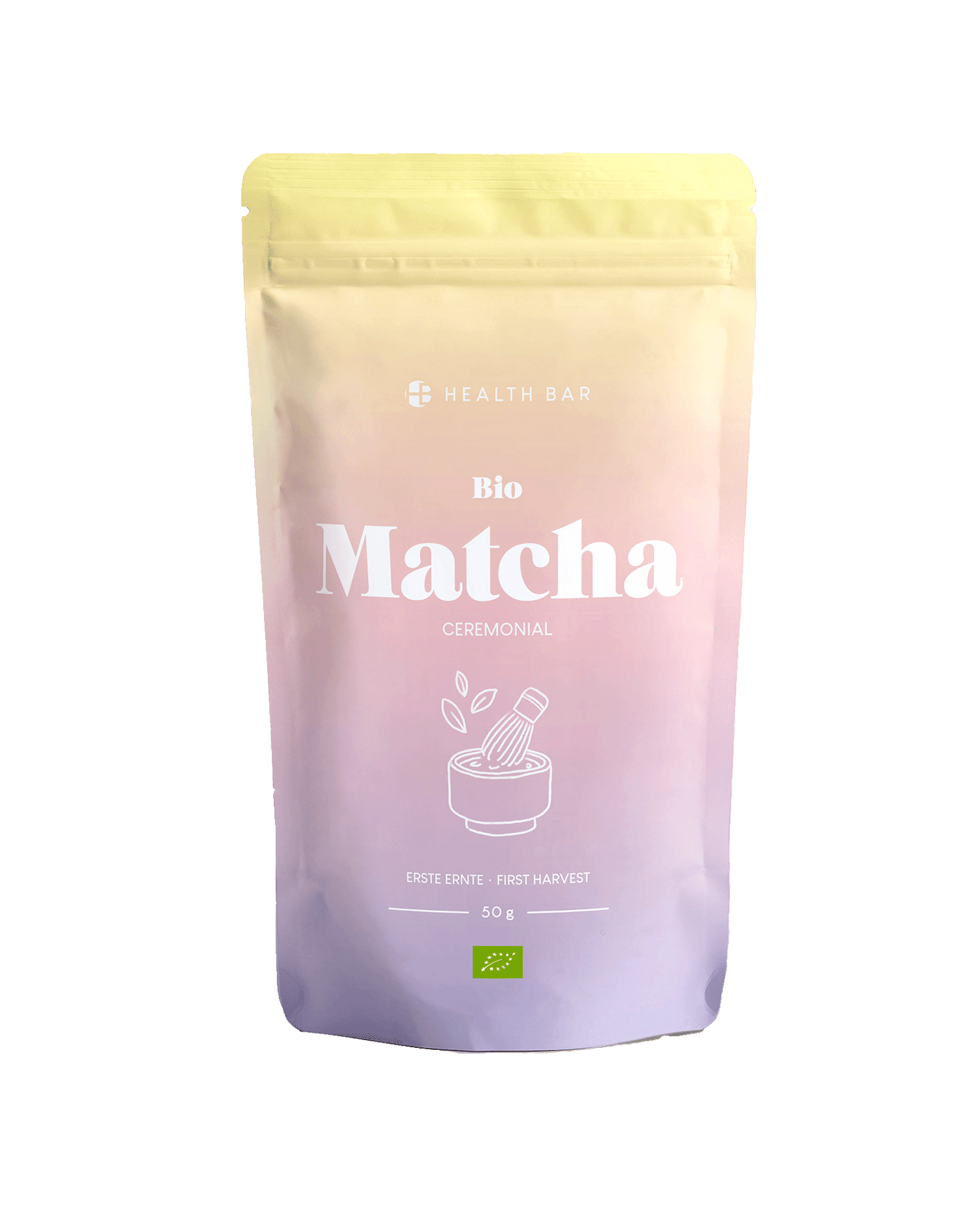
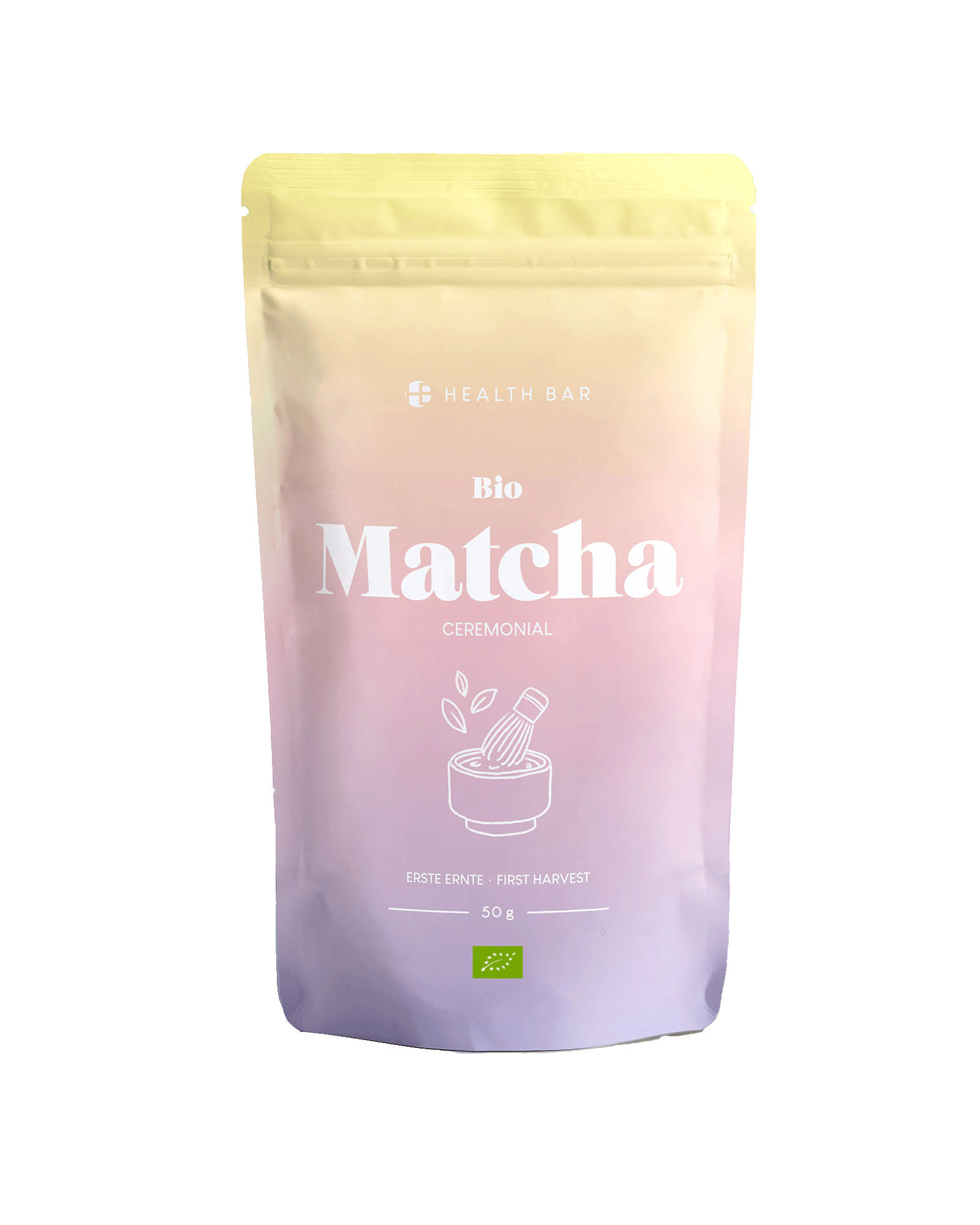
Ceremonial Matcha It's the perfect introduction – with its mildest taste, highest quality level and versatile use, whether classic, as a latte or in your own ritual.
Three ways to find your matcha moment – depending on where you are.
"I want to start my first ritual"
Best choice: for anyone who wants to dive straight into a regular routine
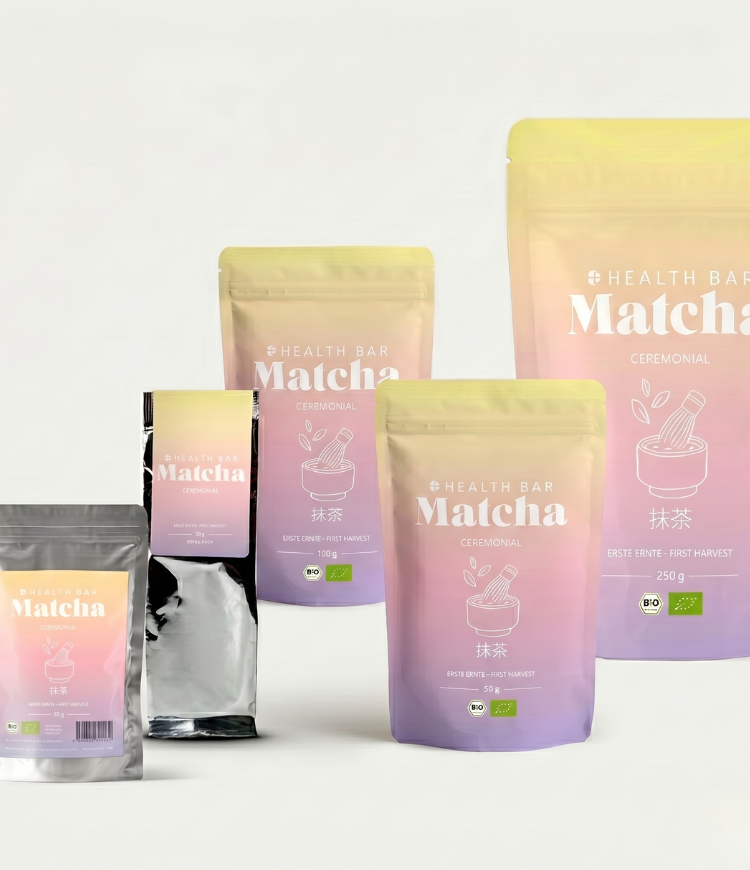
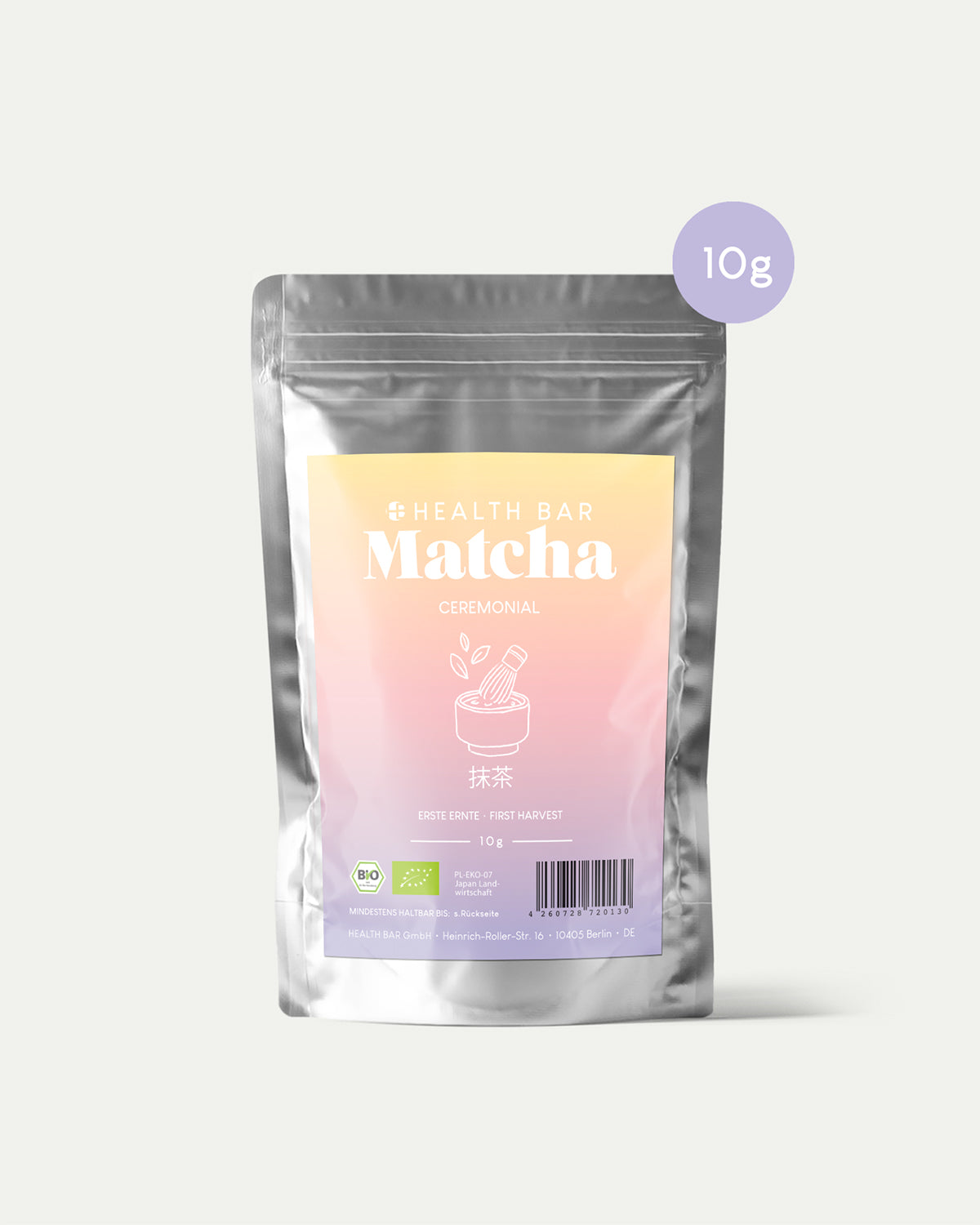
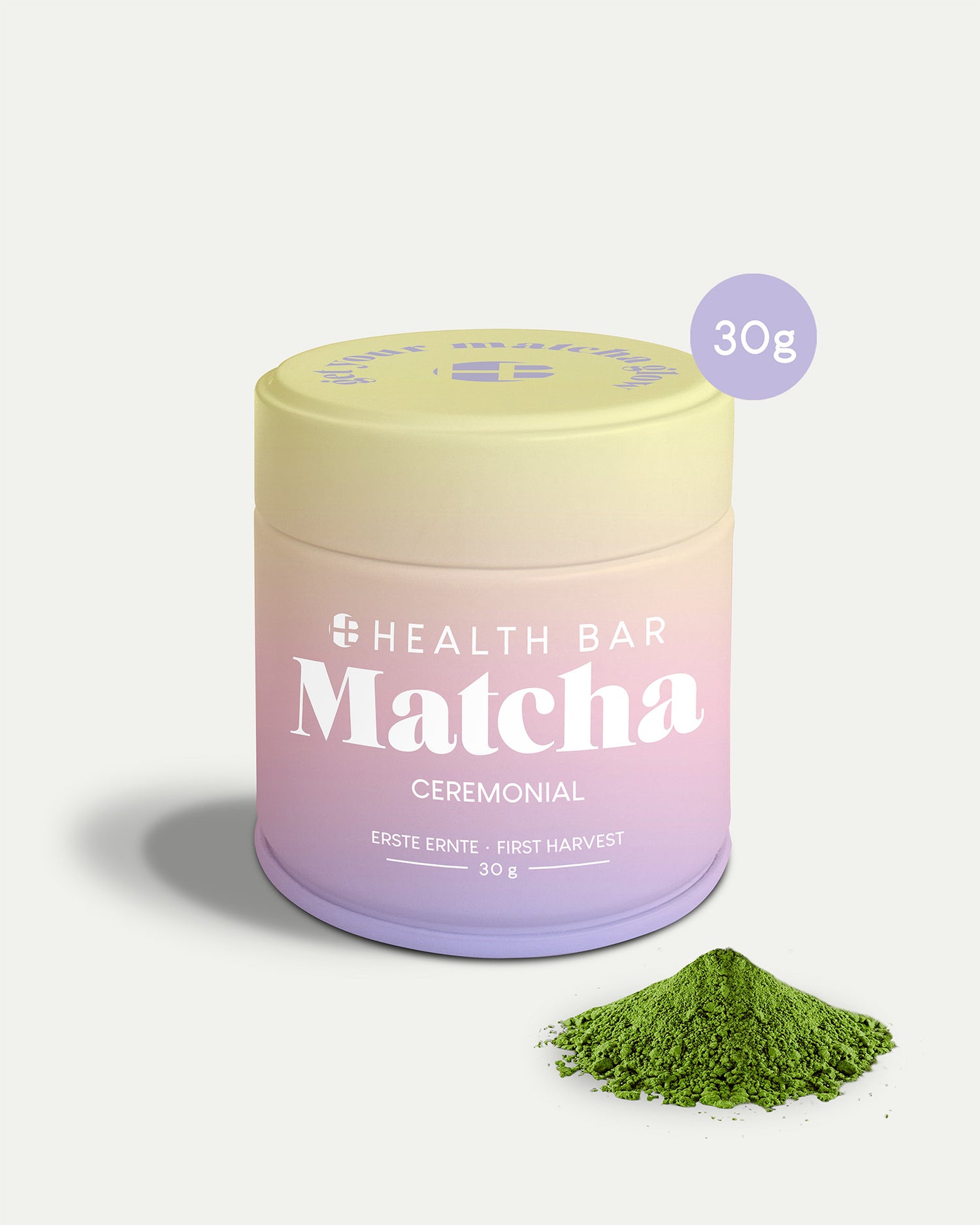
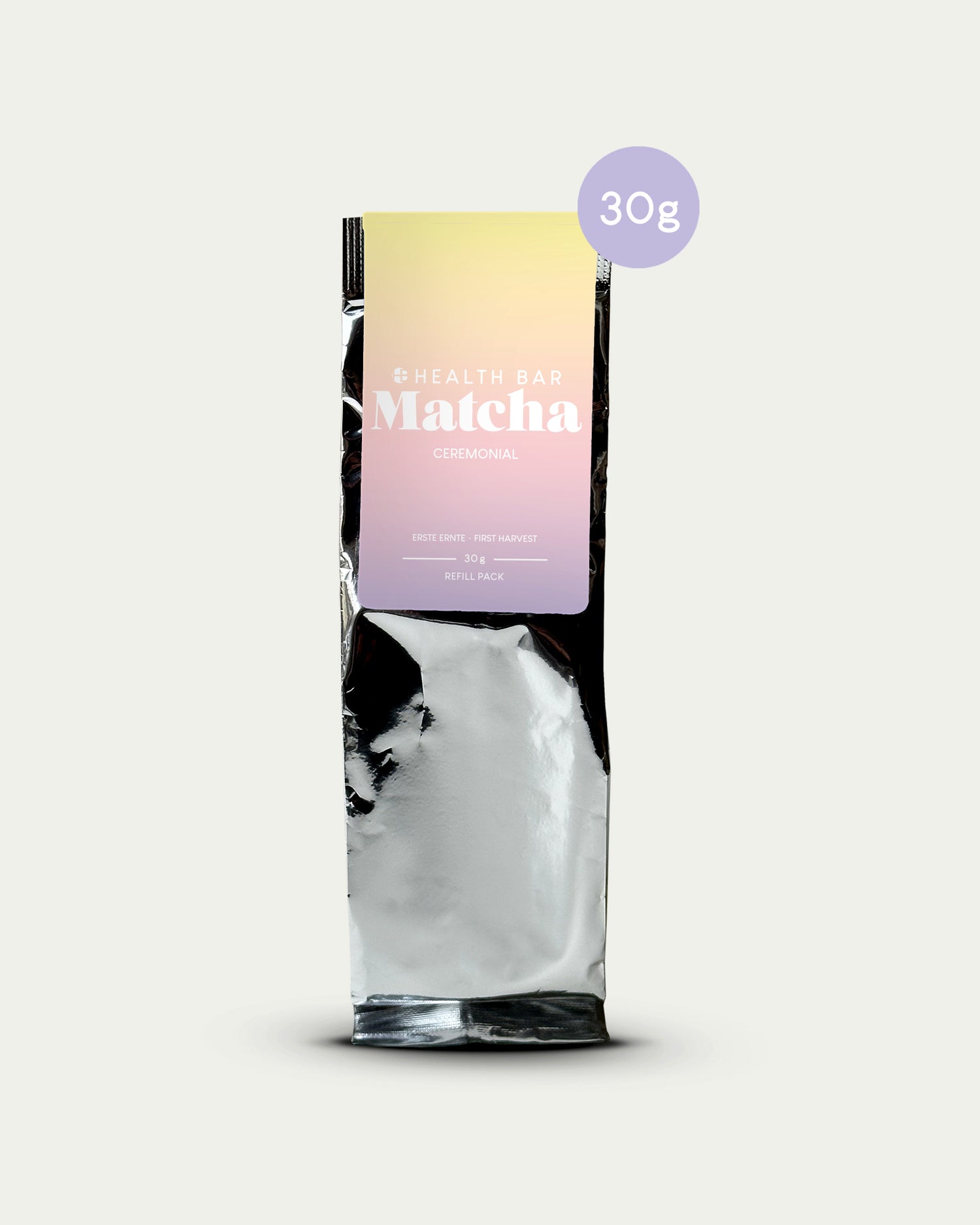

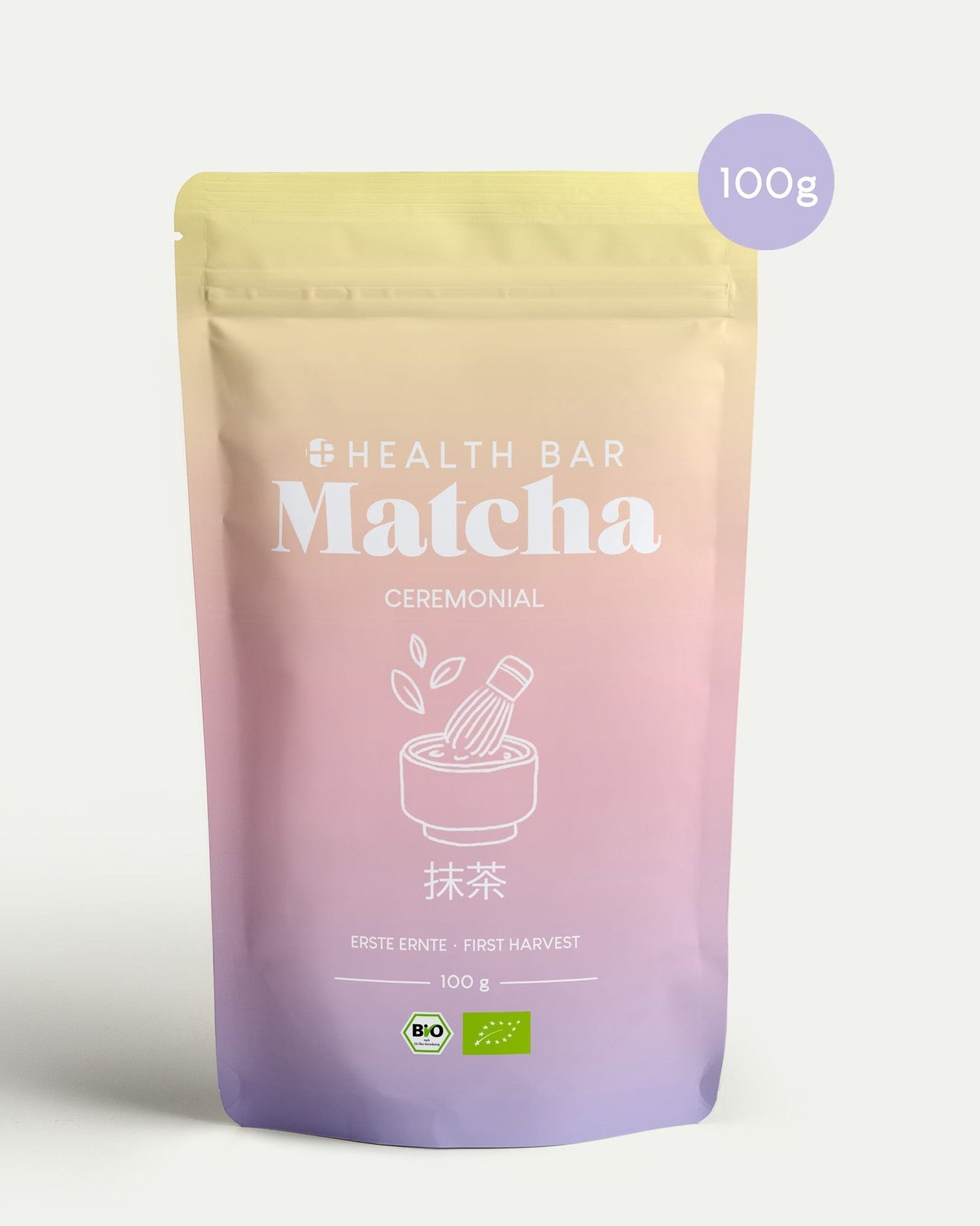
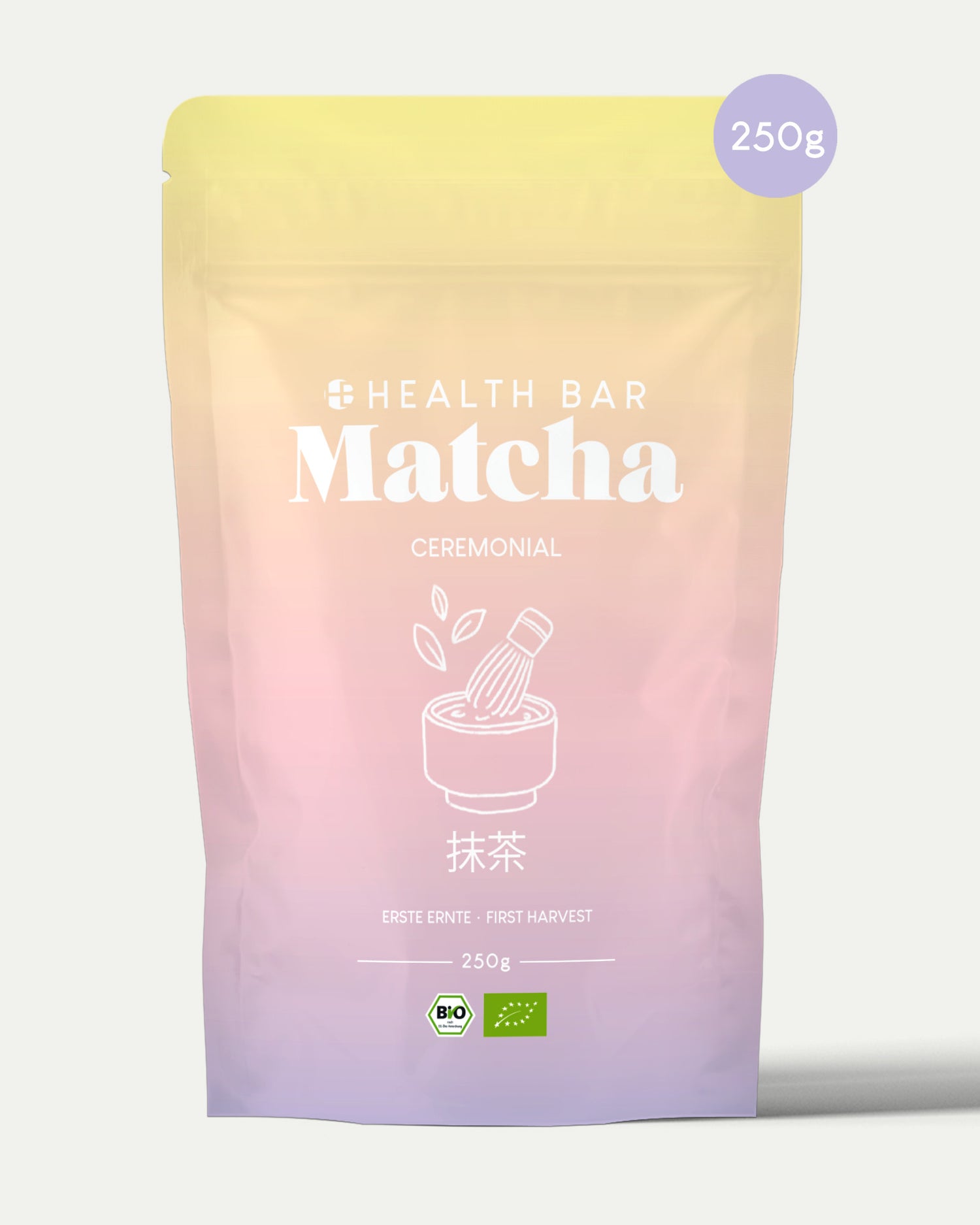
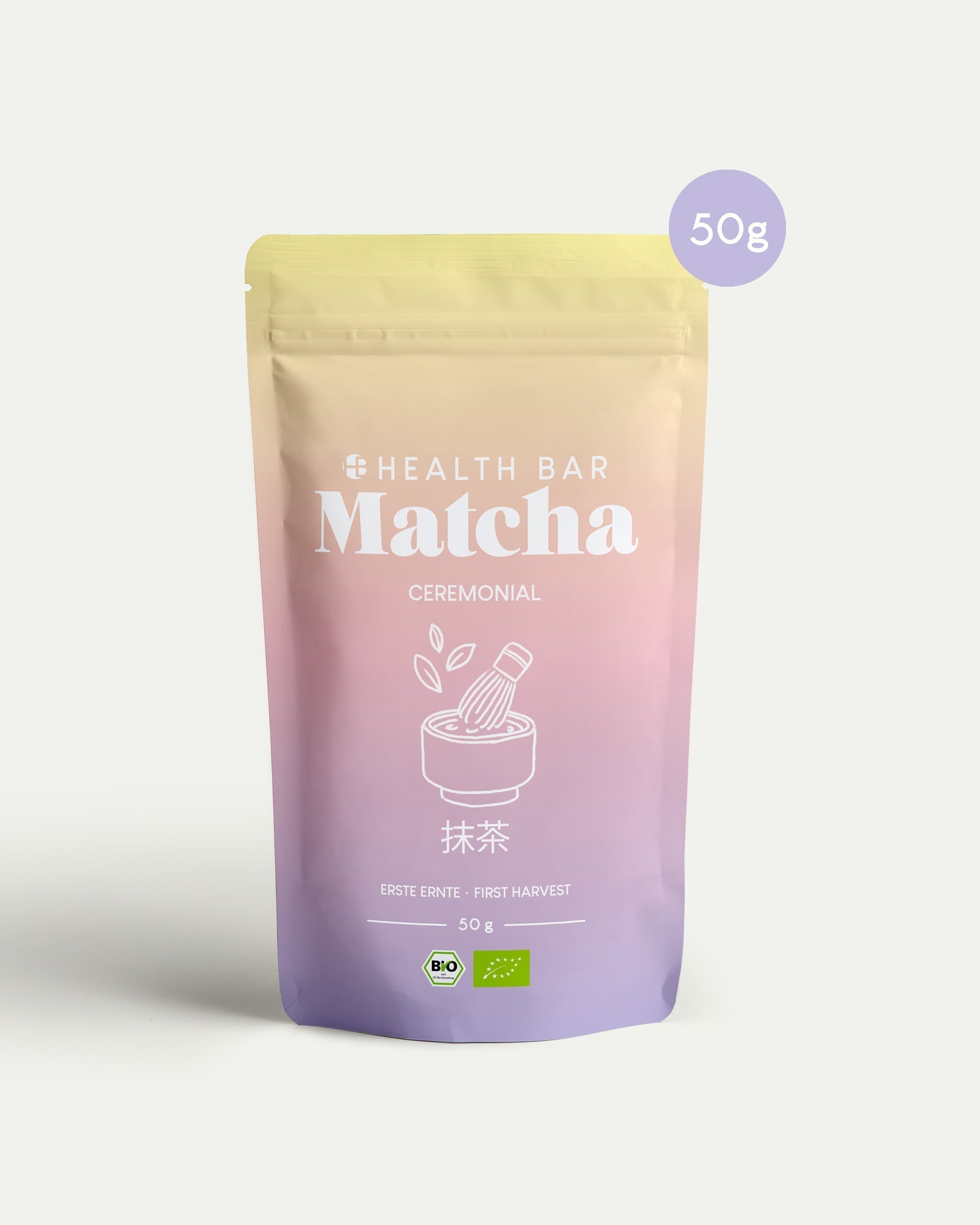
Organic Ceremonial Matcha Tea
- Regular price
-
£9.00 - Regular price
-
- Selling price
-
£9.00 - Unit price
-
£90.00 / Per 100g



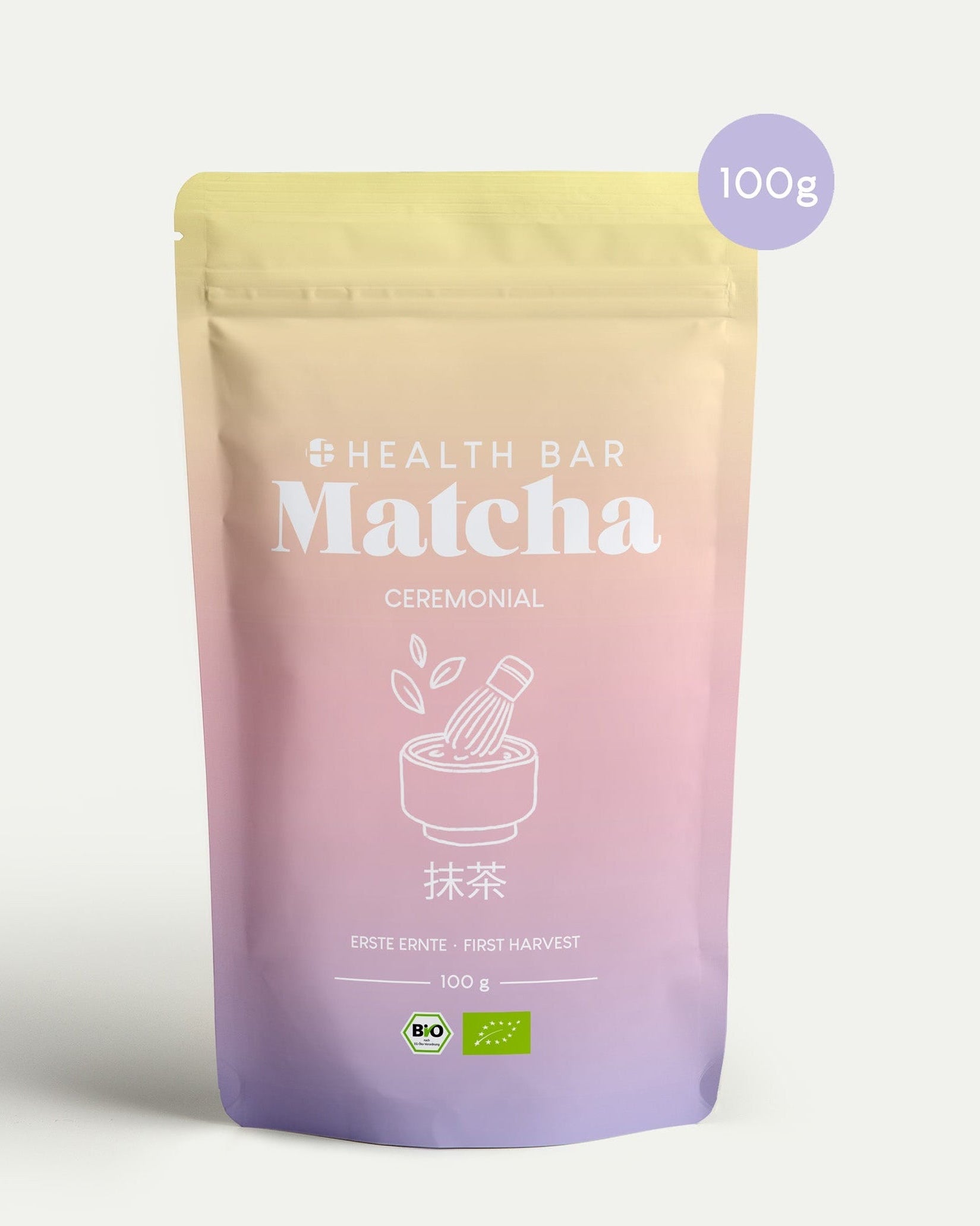
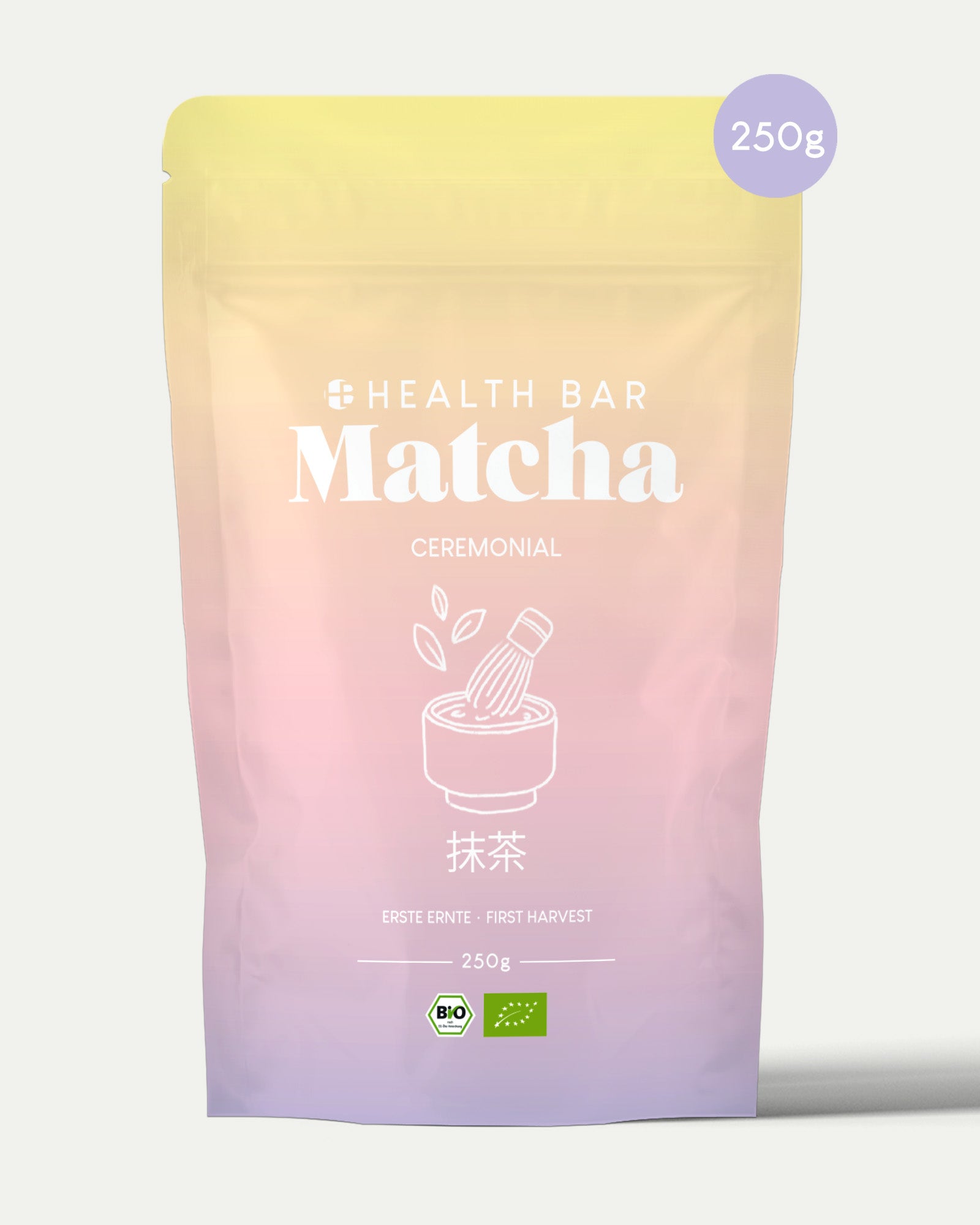
"I just want to try it out!"
Dip your toe in risk-free. Perfect for your first cup.
Organic Ceremonial Matcha Tea
- Regular price
-
£9.00 - Regular price
-
- Selling price
-
£9.00 - Unit price
-
£90.00 / Per 100g
"I want to dive right in"
For anyone who wants to bring matcha into their daily routine right away.
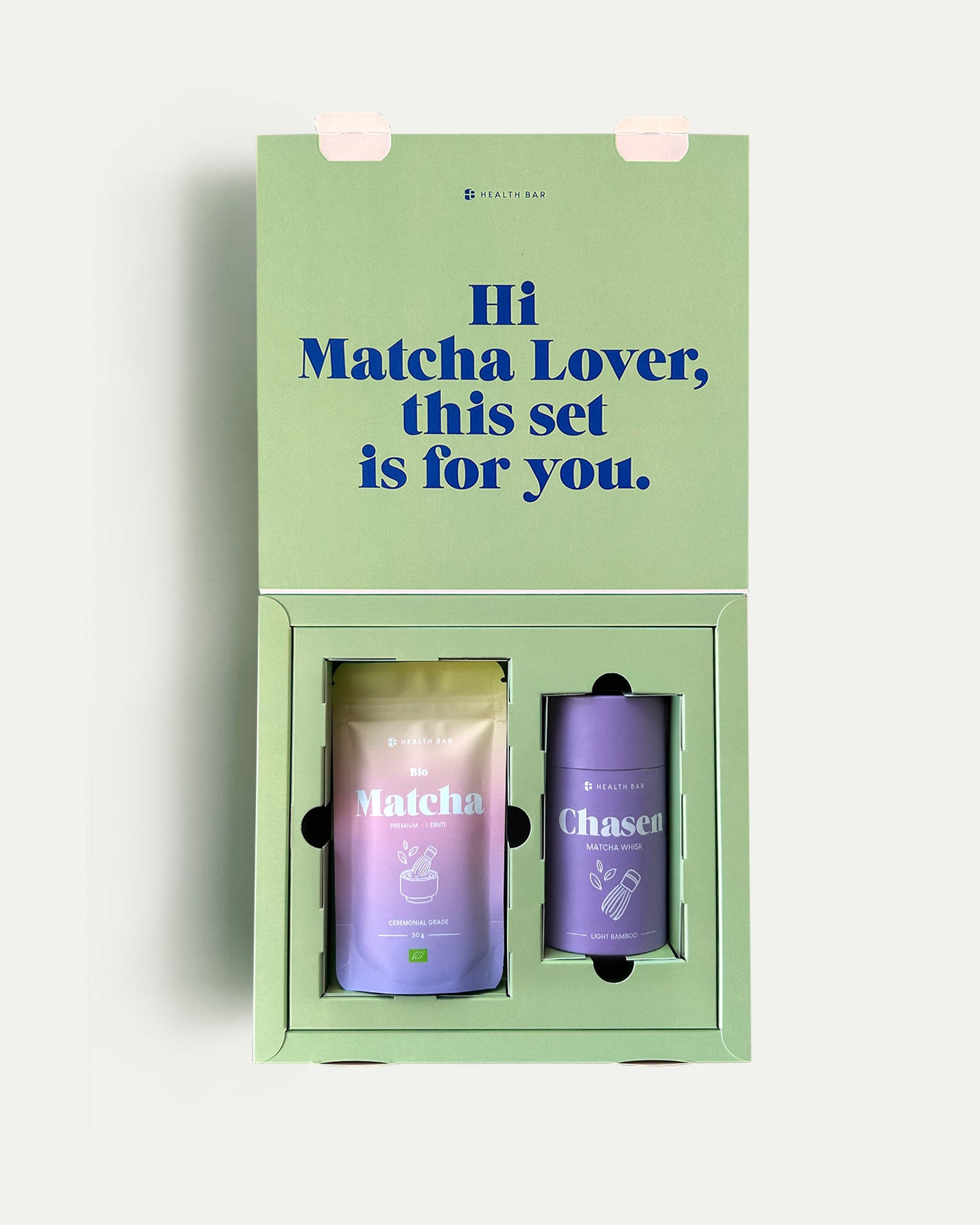
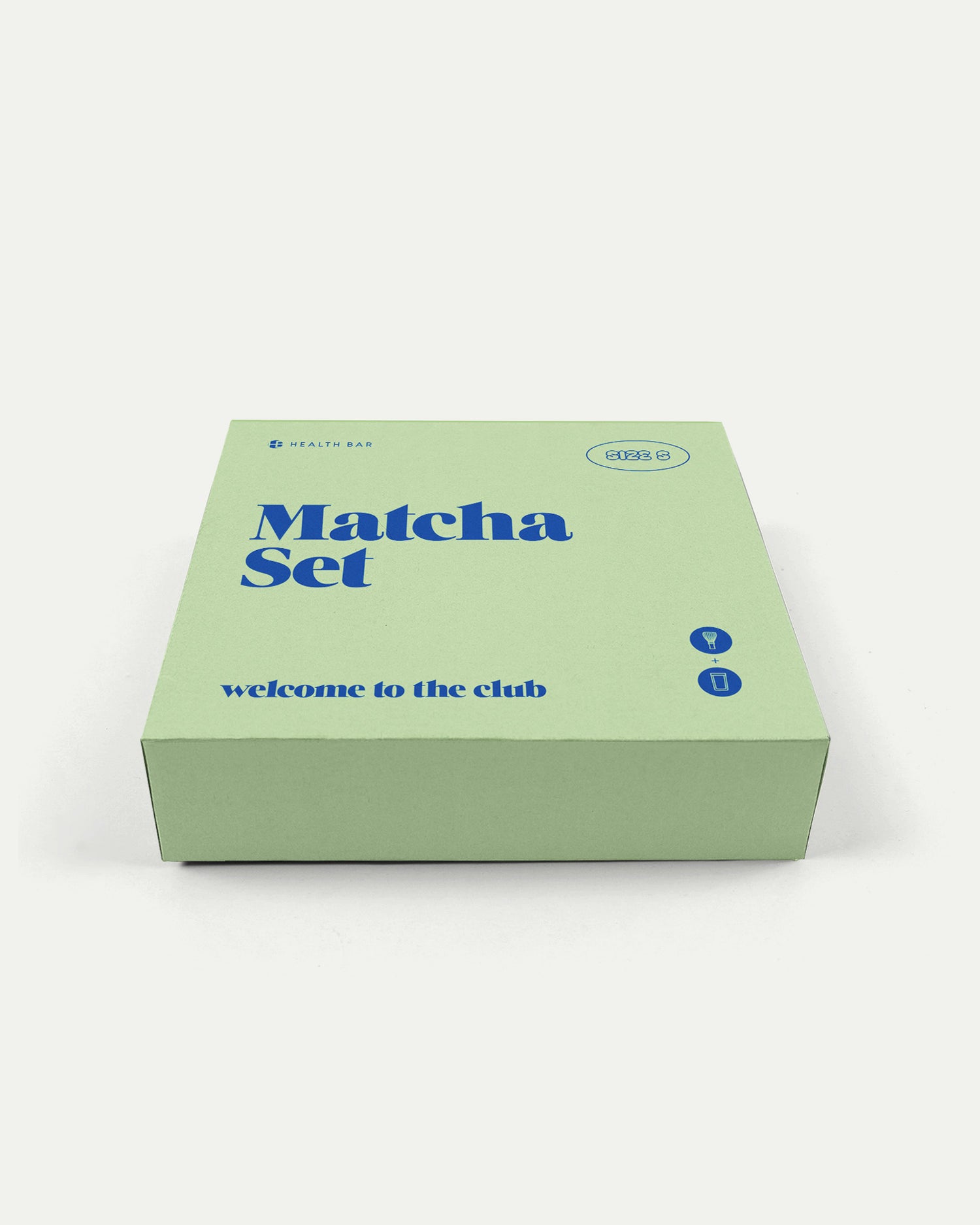
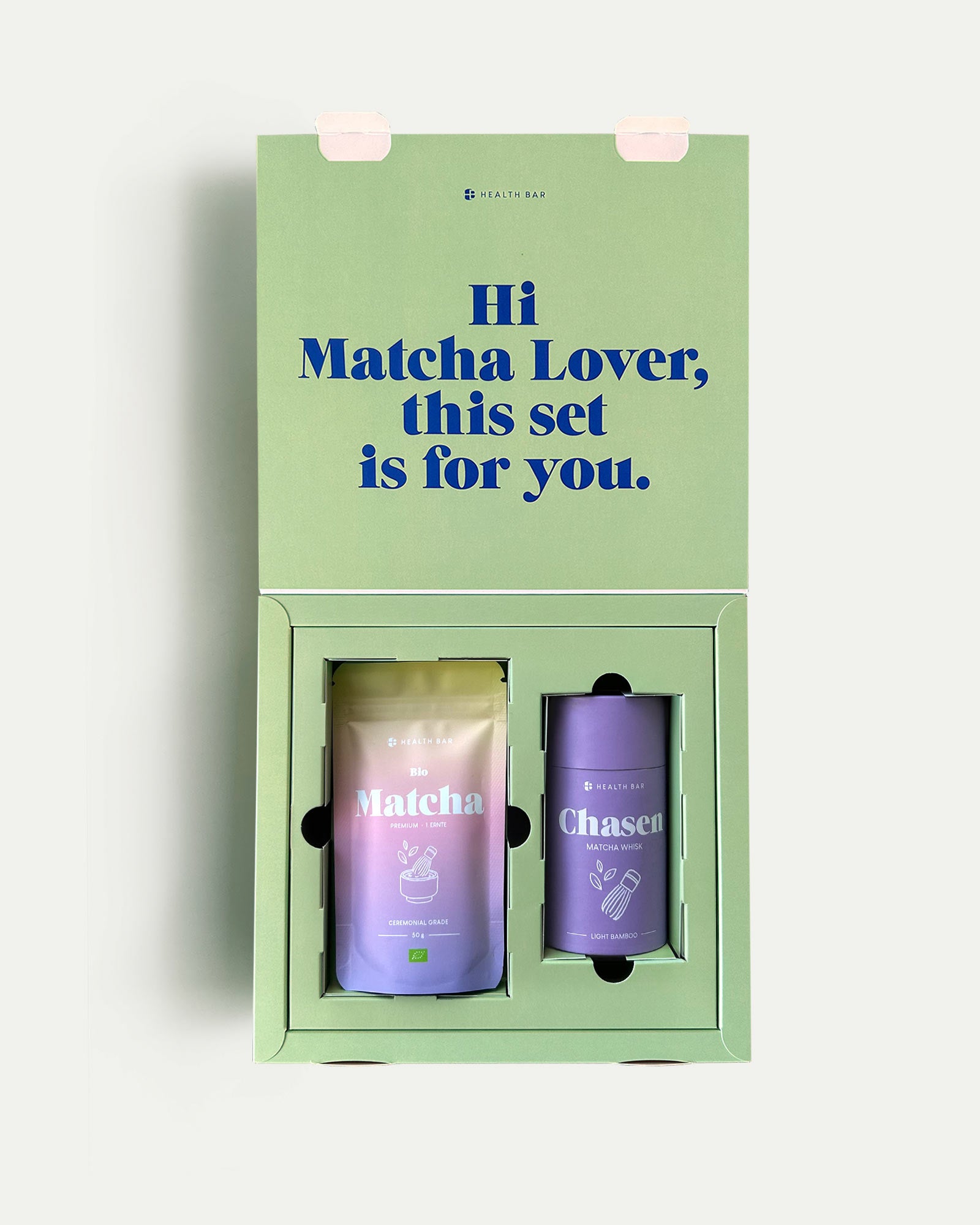
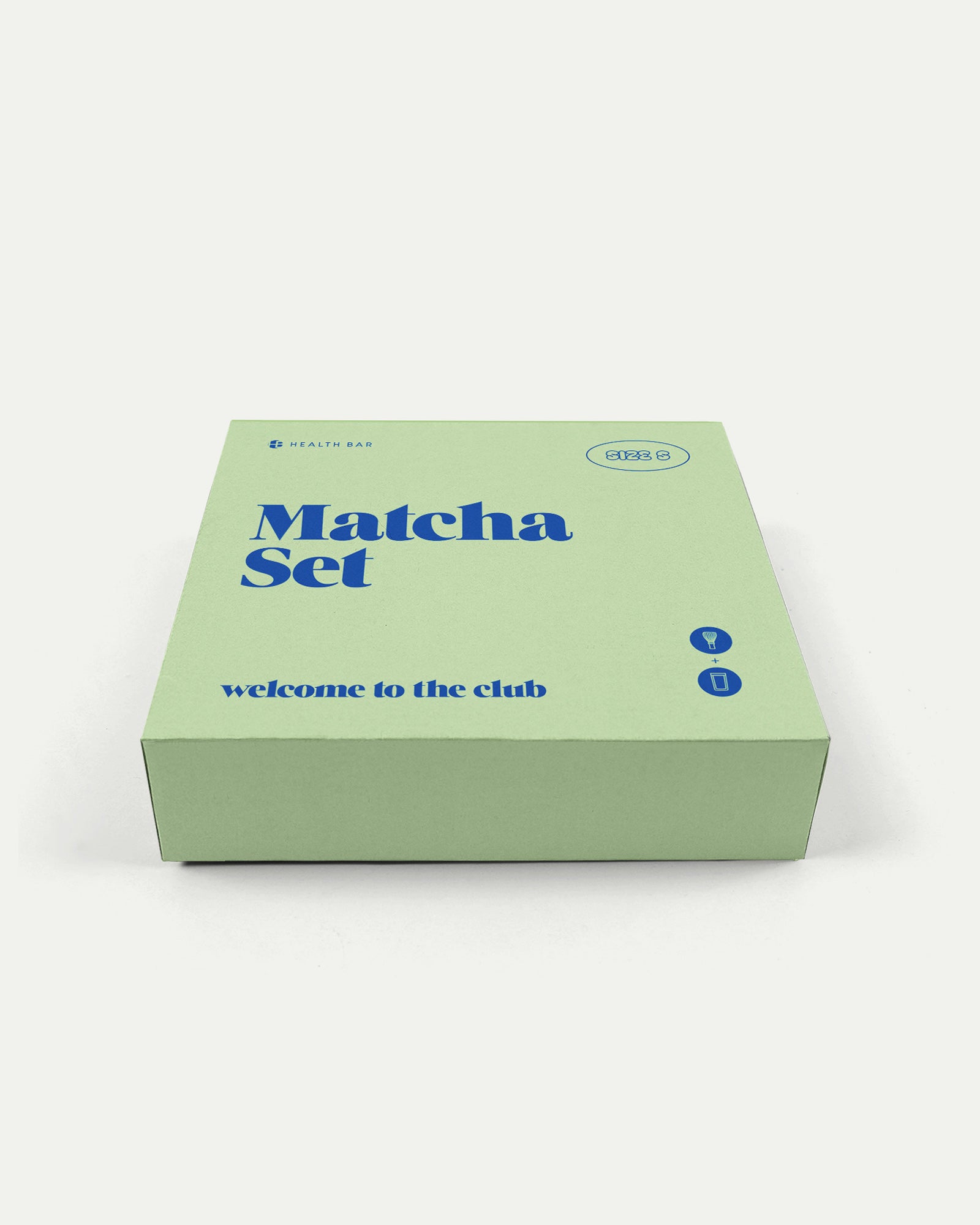
Matcha Set S – A Ritual to Get You Started
- Regular price
-
£49.00 - Regular price
-
£51.90 - Selling price
-
£51.90 £49.00

What is Matcha?
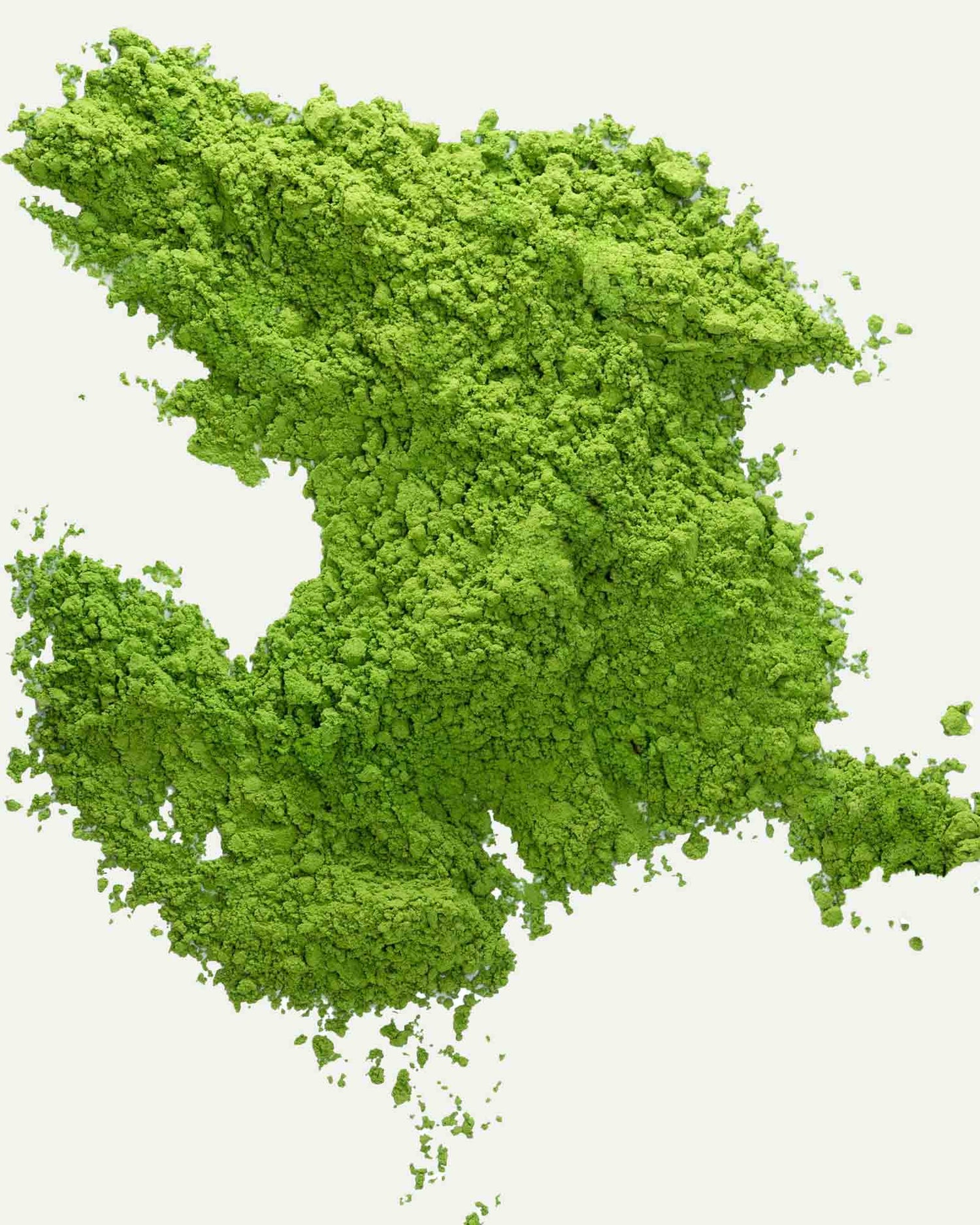
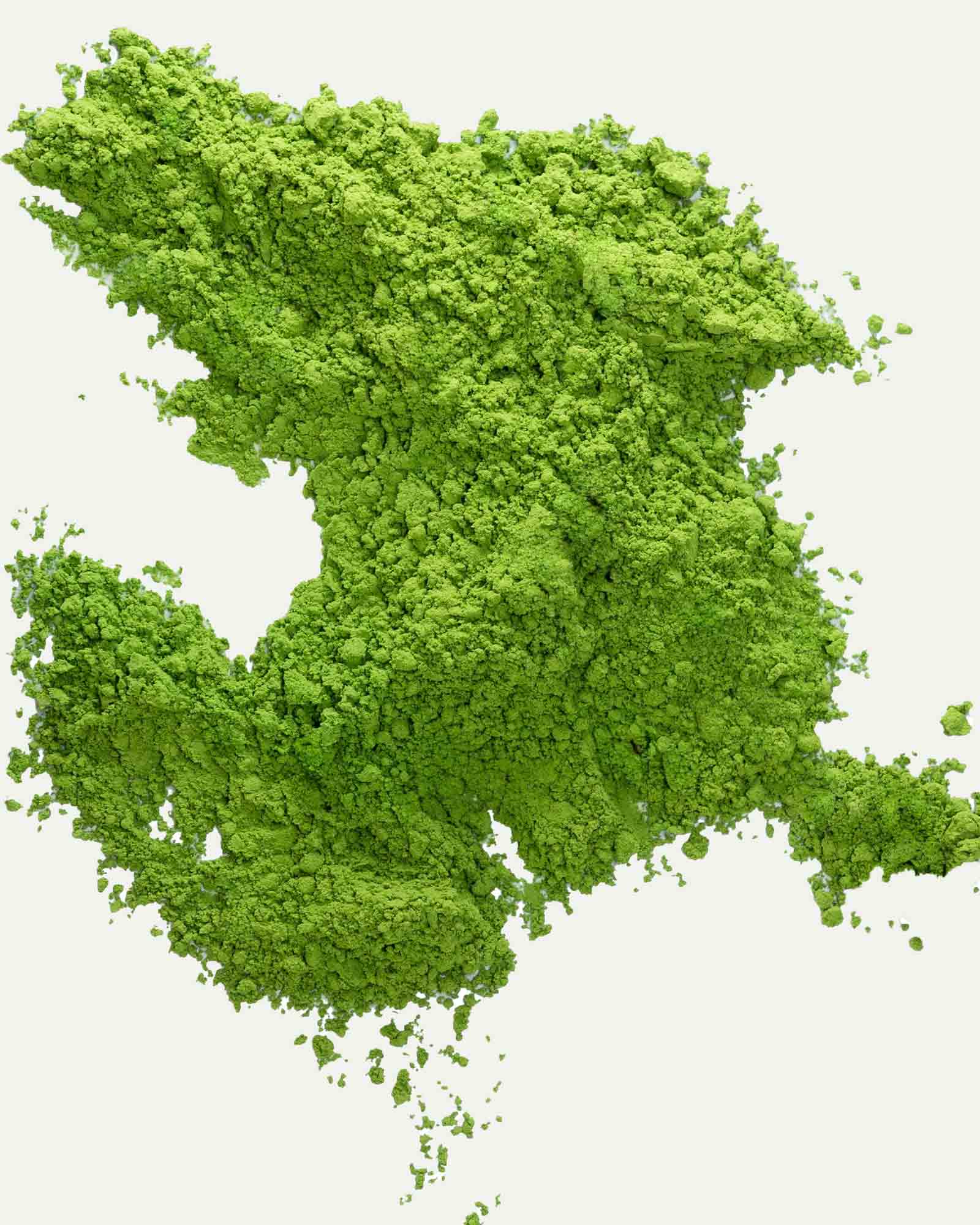
Matcha is finely ground green tea from Japan. Unlike classic tea, the whole leaf is processed – that's what creates its intense green color and its typical, gently bitter taste with a natural umami note. For many people today, matcha is more than just a drink: a small daily ritual between focus, enjoyment and mindful pauses.
-
Organic Ceremonial Matcha
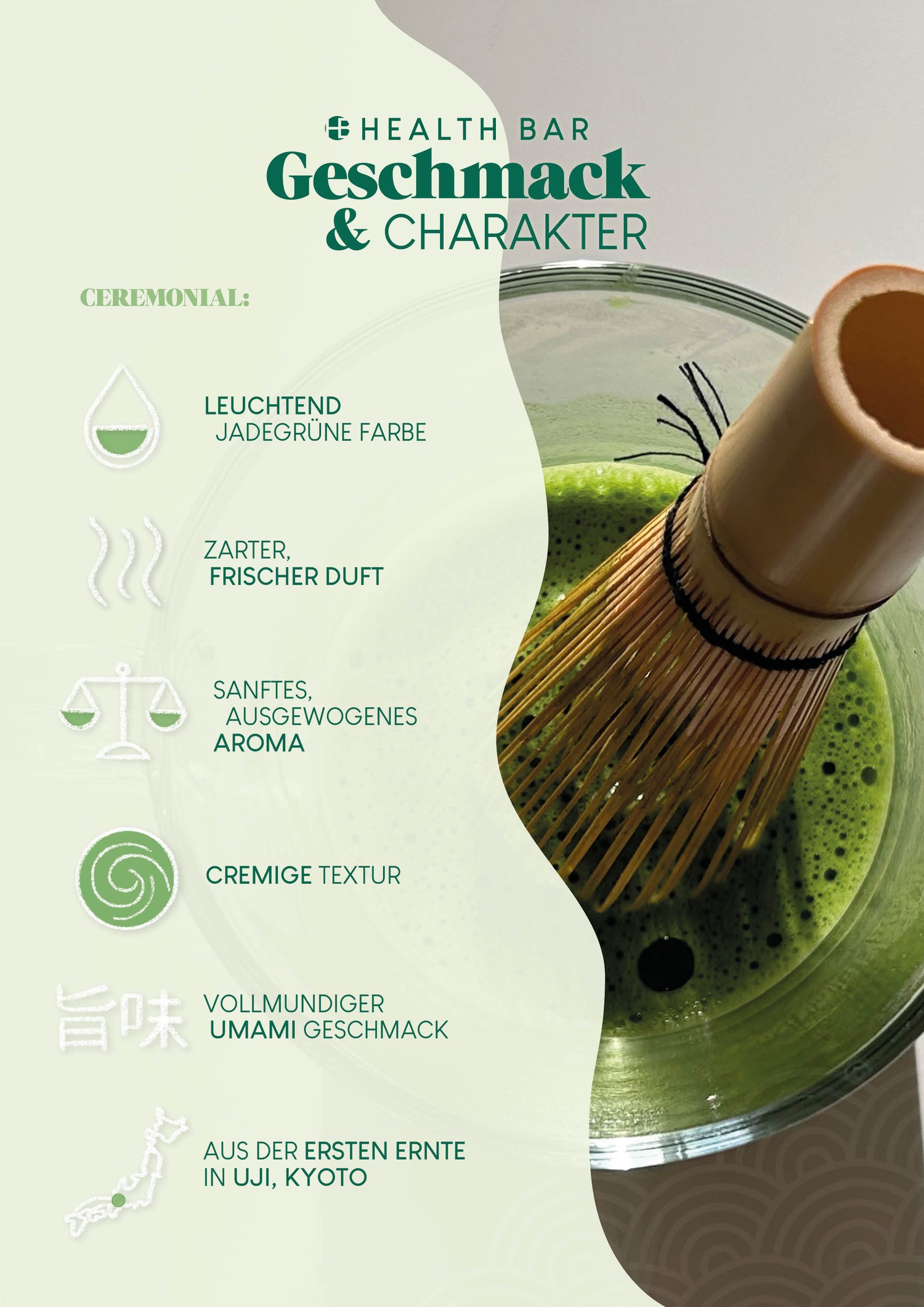
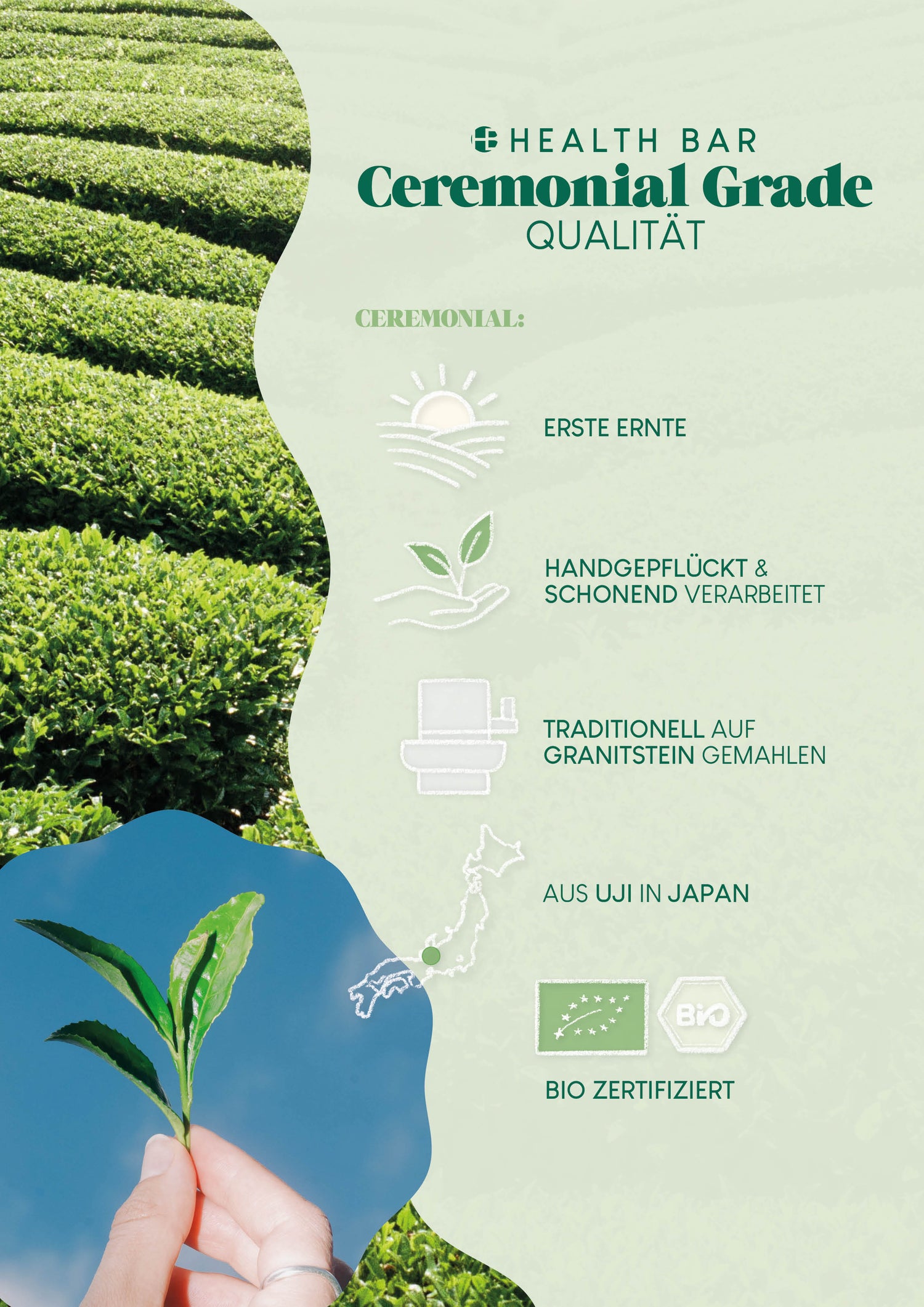
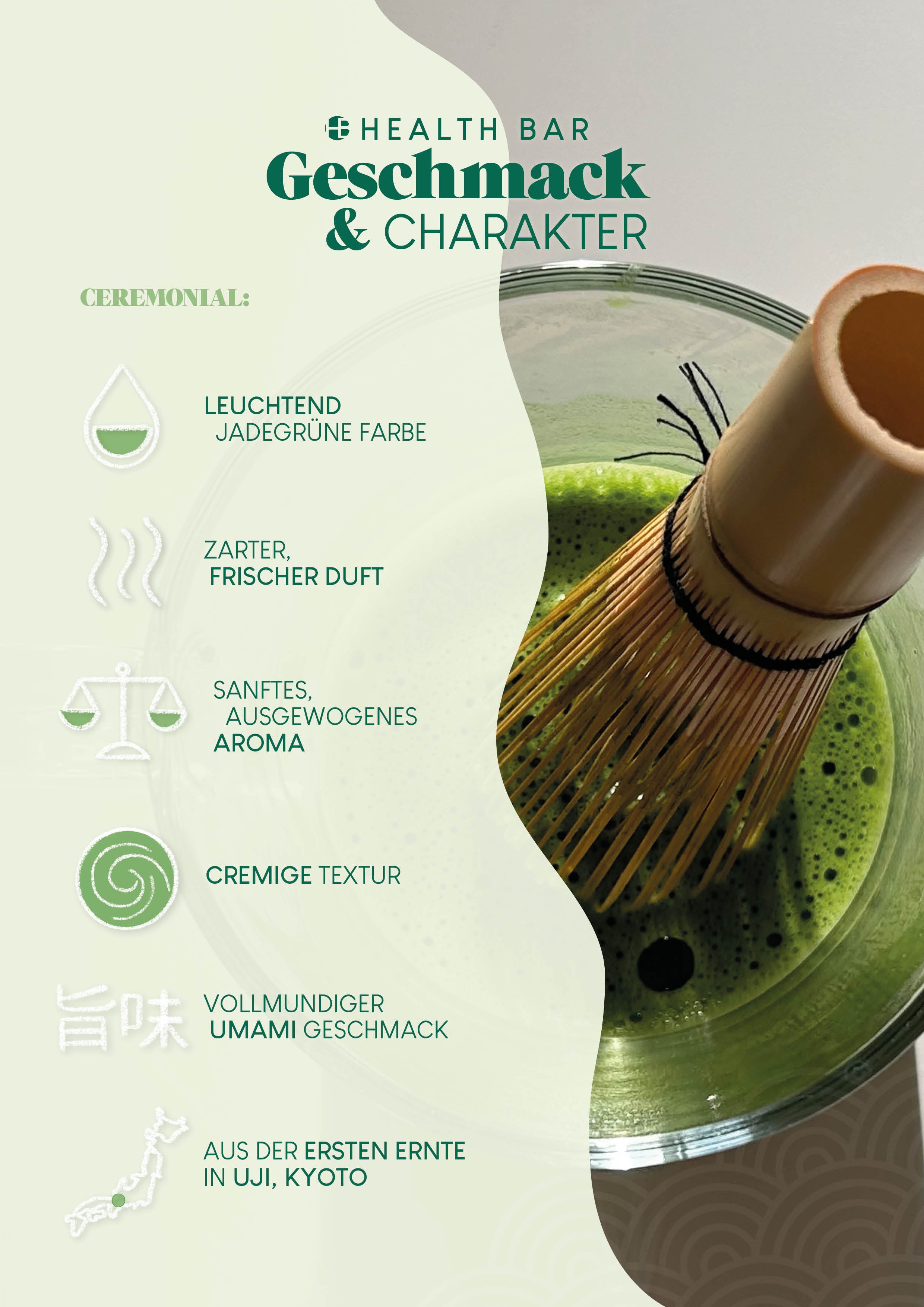
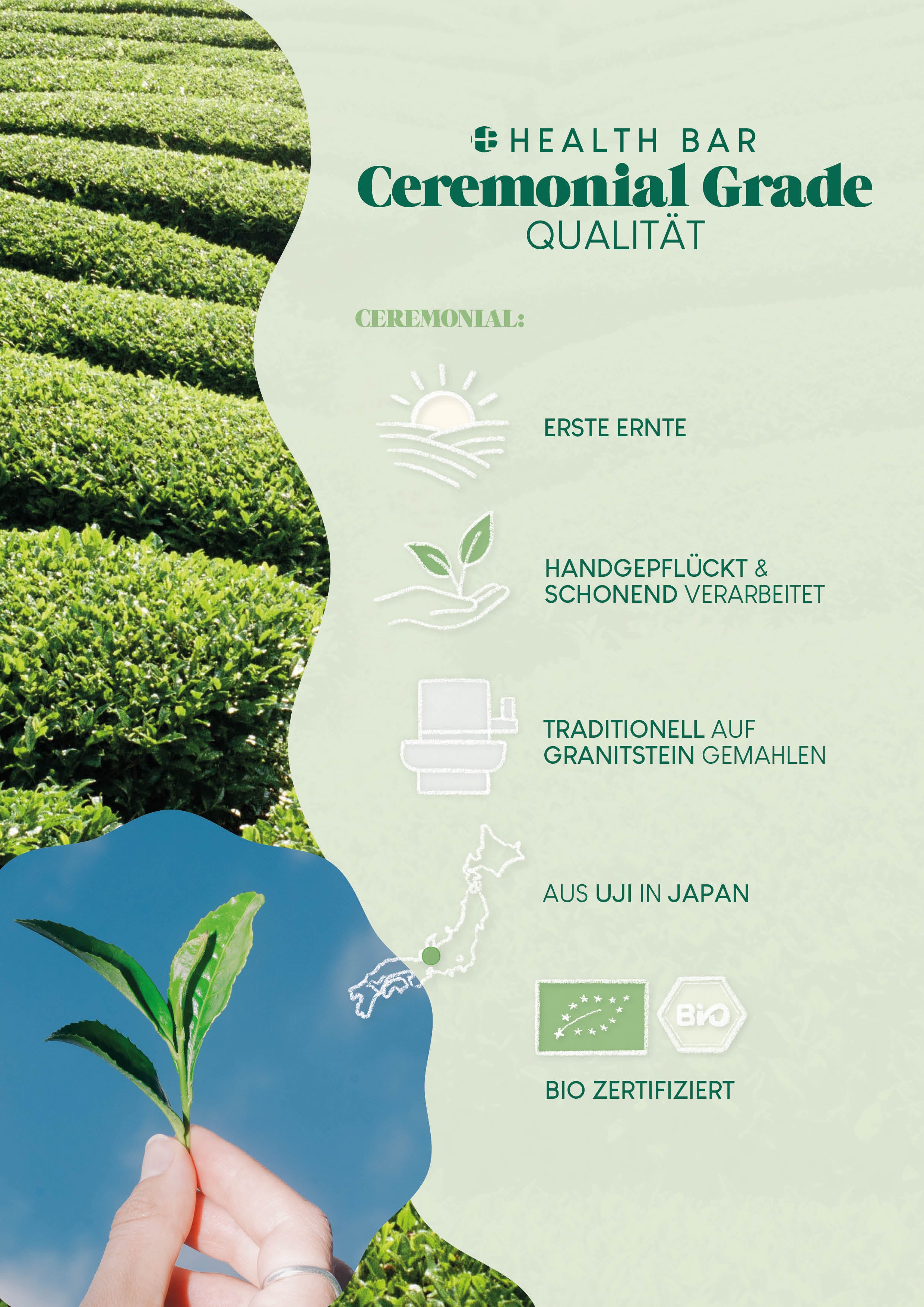
A balanced premium matcha from the first harvest with a mild, gentle taste. and a bright green color. The blend of different cultivars creates a harmonious taste for everyday enjoyment.
-
From Uji, Japan
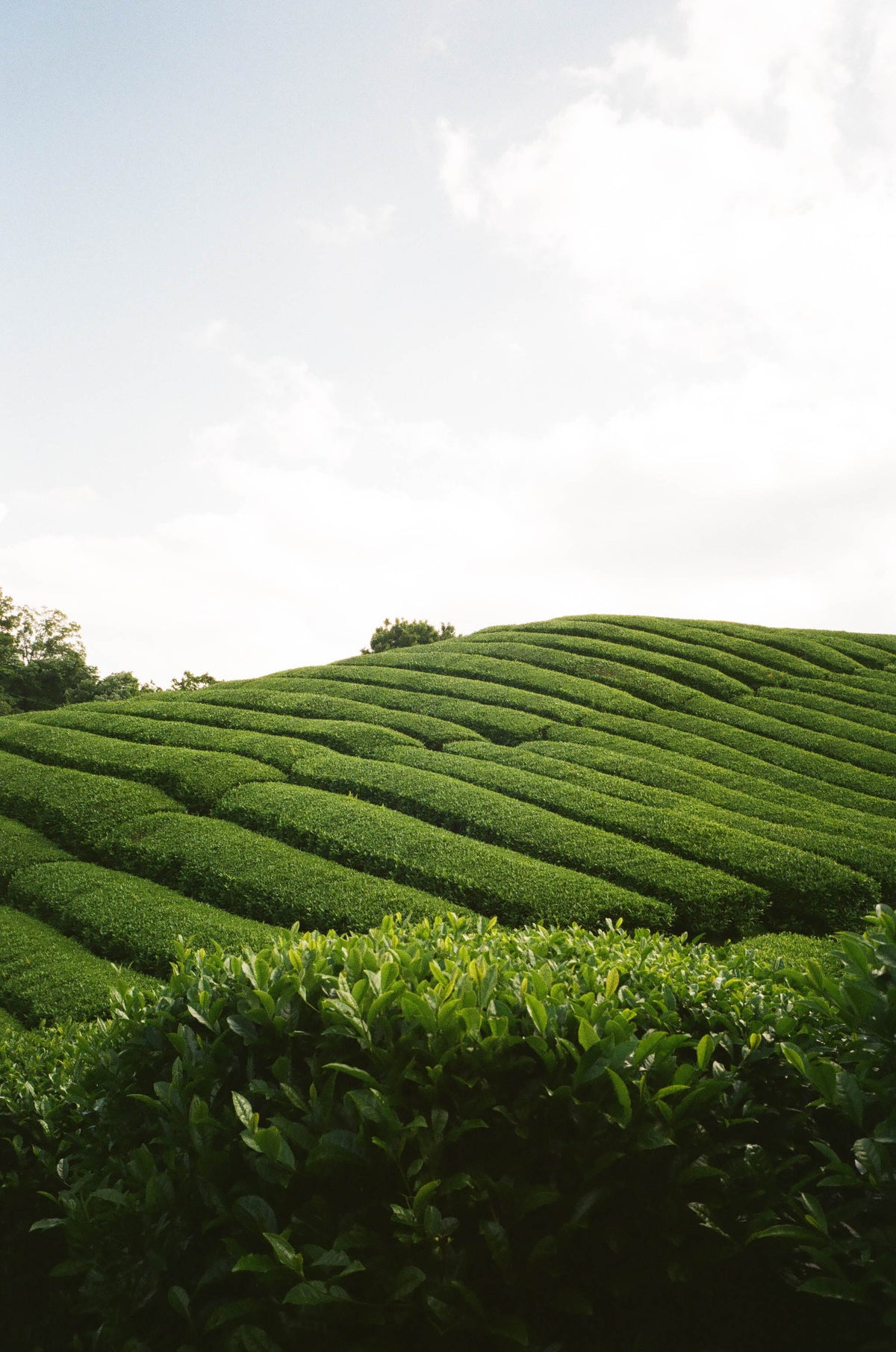
Our matcha comes from Uji in the Kyoto region – one of Japan's most renowned growing areas for high-quality matcha. Centuries of tea tradition and meticulous processing ensure exceptional quality.
-
Mild & versatile
With its gentle taste, subtle umami notes and bright green color, our Ceremonial Matcha is perfect for classic Matcha, Matcha Latte and daily rituals – ideal for beginners and Matcha lovers.


Free Matcha Masterclass with our co-founder Stefanie Giesinger
Do you want to learn more about matcha and get started right away?
In our free masterclass, Stefanie explains what makes matcha special, what you can look for in terms of quality, and how you can easily integrate matcha into your everyday life.
You will also learn what makes Ceremonial Matcha special, how to prepare the perfect Matcha, and get tips for your first Matcha routines.

Are you unsure? We would be happy to advise you on your choice!
Email us at service@health-bar.com or book a free online consultation.
Q&A To get started in the world of matcha:
Which Matcha is suitable for beginners?
A mild one is suitable for beginners. Ceremonial Matcha with a balanced flavor.
Do I need a matcha whisk?
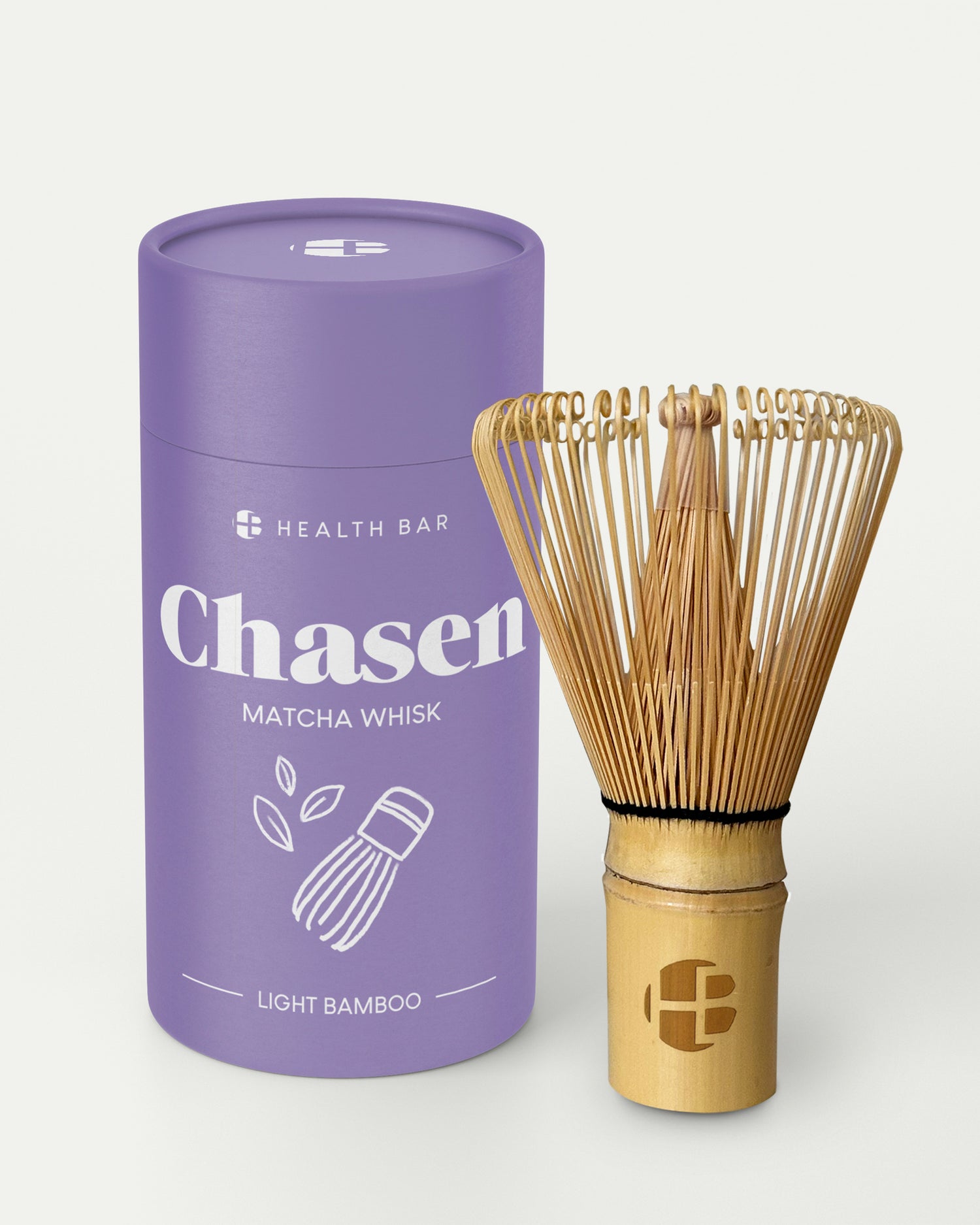
For classic preparation, we recommend a bamboo broom, Because matcha is so easy to whisk into a particularly fine consistency. However, you can also simply prepare your matcha in a milk frother.
How do I recognize high-quality matcha?
Here you can learn more about the quality differences of Matcha.
High-quality matcha is characterized by a vibrant green color, a delicate, velvety taste, and a slightly sweet aroma. Inferior matcha often has a more yellowish or brownish color and tastes bitter.
Why isn't my matcha foaming?
If your matcha isn't frothing properly, it could be due to incorrect technique or the whisk. Make sure you're whisking the matcha with the chasen using quick W or M motions, and not stirring. A high-quality chasen will also produce better froth.
Can I also drink matcha with milk?
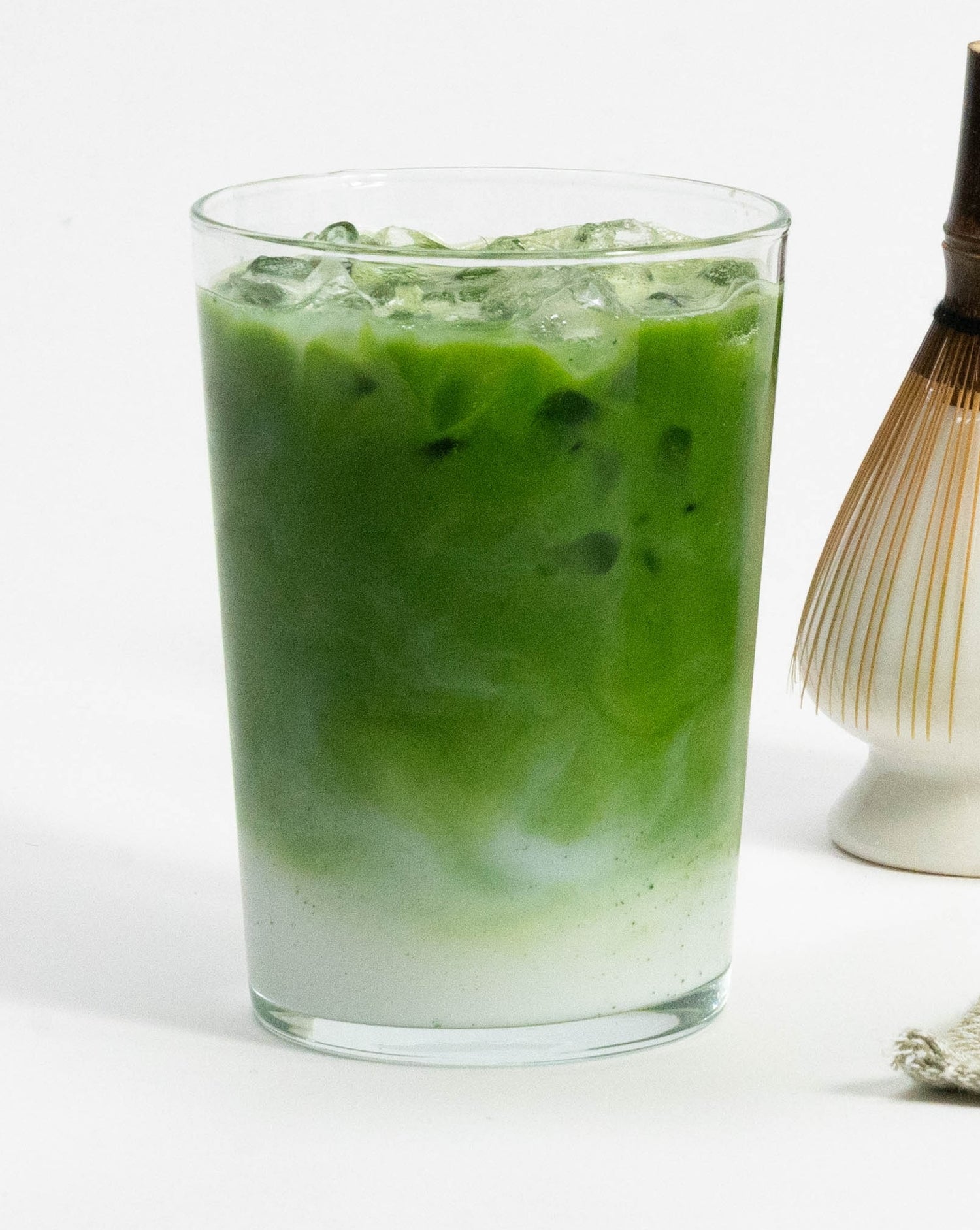
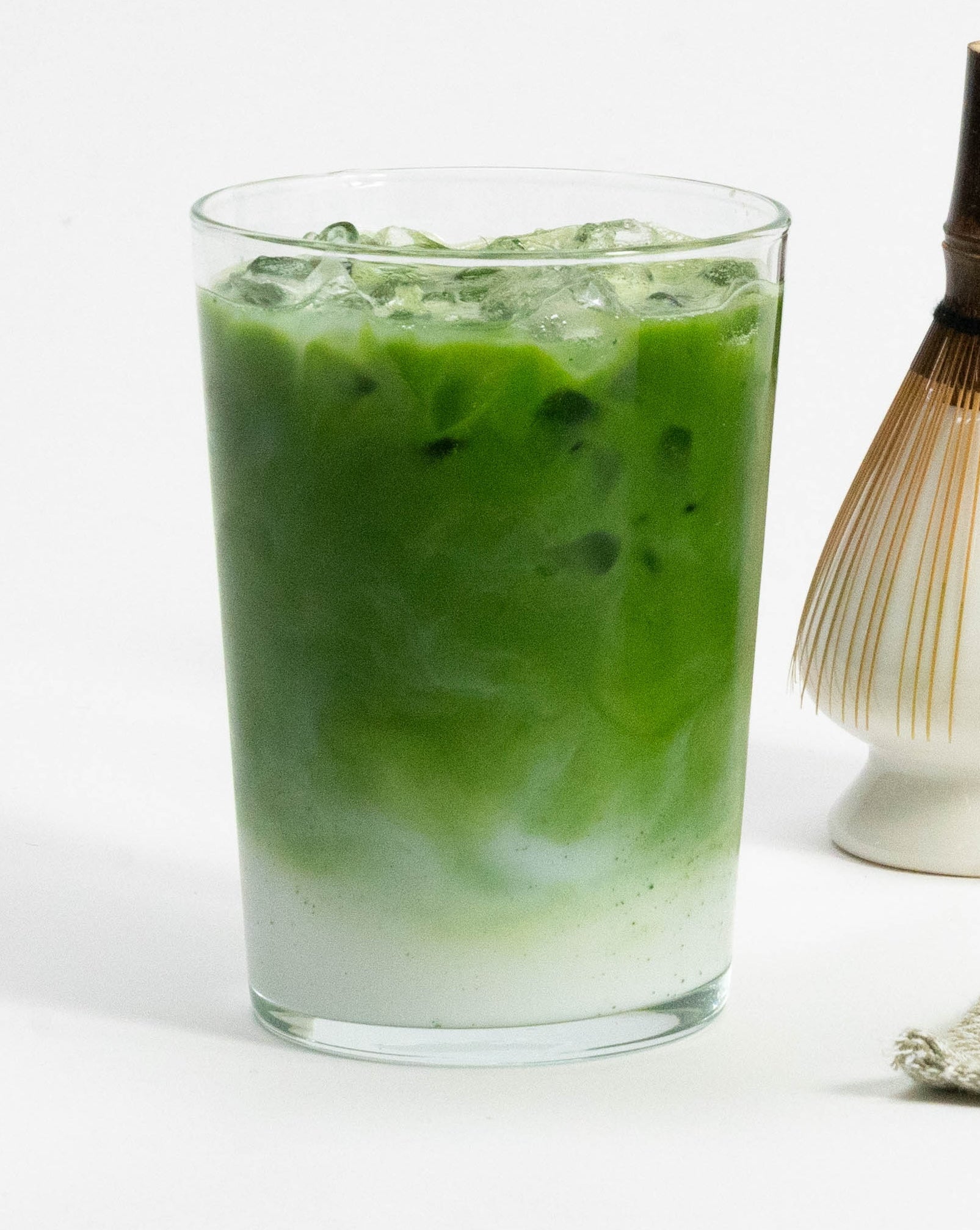
Yes – matcha is also perfect as Matcha Latte.
You can find more matcha recipes in our Blog.
Is matcha bitter?
Matcha does not taste bitter by nature — bitterness usually arises from errors in preparation or from inferior quality.
The most common reasons for bitter matcha:
- Water that is too hot: Matcha should be prepared with water between 70–80°C. Boiling water burns the fine leaf particles and quickly makes the taste bitter and astringent.
- Too high a dosage: Those unfamiliar with it should start with 1–2 g of matcha. More powder doesn't automatically mean more flavor—but often just more bitterness.
- Inferior quality: Cheaper matcha often comes from later harvests or contains coarser leaf parts (e.g., stems) that taste significantly more bitter than finely ground ceremonial-grade powder from the first harvest (First Flush).
High-quality, shade-grown matcha from the first harvest is naturally mild and gentle in taste — and ideally needs neither sugar nor milk to taste good.
What does matcha taste like?
Good matcha has an umami, slightly sweet and creamy taste — with a subtle, lingering depth. The consistency is velvety, almost full-bodied.
Why doesn't all matcha taste the same? The taste depends heavily on three factors:
- Harvest time: Matcha from the First Flush (first harvest of the year) tastes significantly milder and more delicate than matcha from later harvests.
- Cultivation method: Traditional shade cultivation increases the chlorophyll content of the leaves, making the taste softer and rounder.
- Grind setting: Matcha finely ground on stone mills dissolves silkily and tastes significantly more pleasant than coarsely ground powder.
Cheaper matcha often comes from later harvests, is ground more coarsely and contains more stems — the result is a harsher, more bitter taste that has little to do with real ceremonial-grade matcha.


This is how you prepare matcha correctly
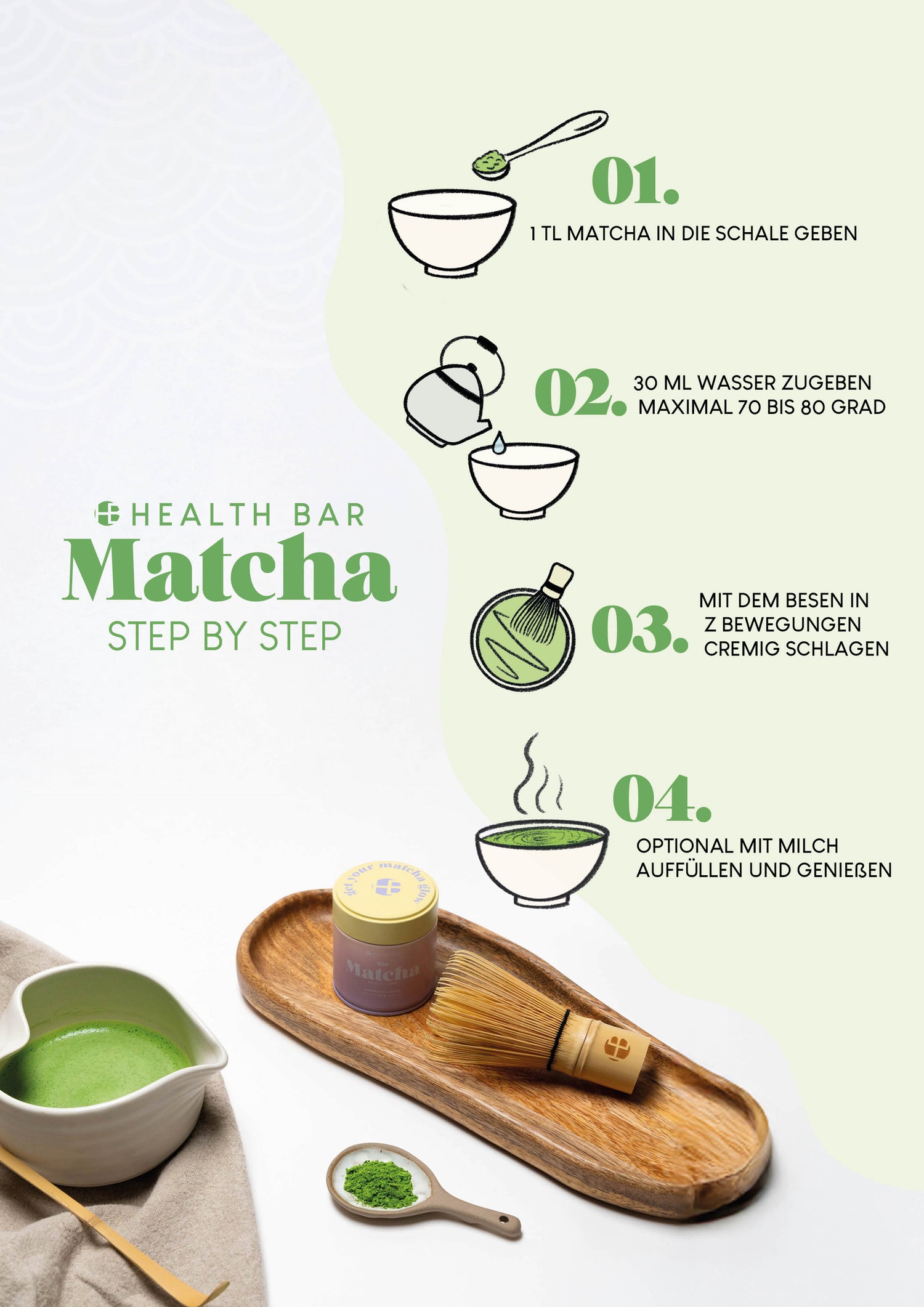
Preparing matcha is simple and only takes one minute.
- Place 1-2 bamboo spoons of matcha into a bowl.
- Add water that is 70-80°C warm (tap water is also fine!).
- Whisk in an M or W shape until a fine foam is formed.
Matcha should never be prepared with boiling water, as this can destroy the valuable aromas and nutrients.
Discover matcha in all sizes
-
For beginners
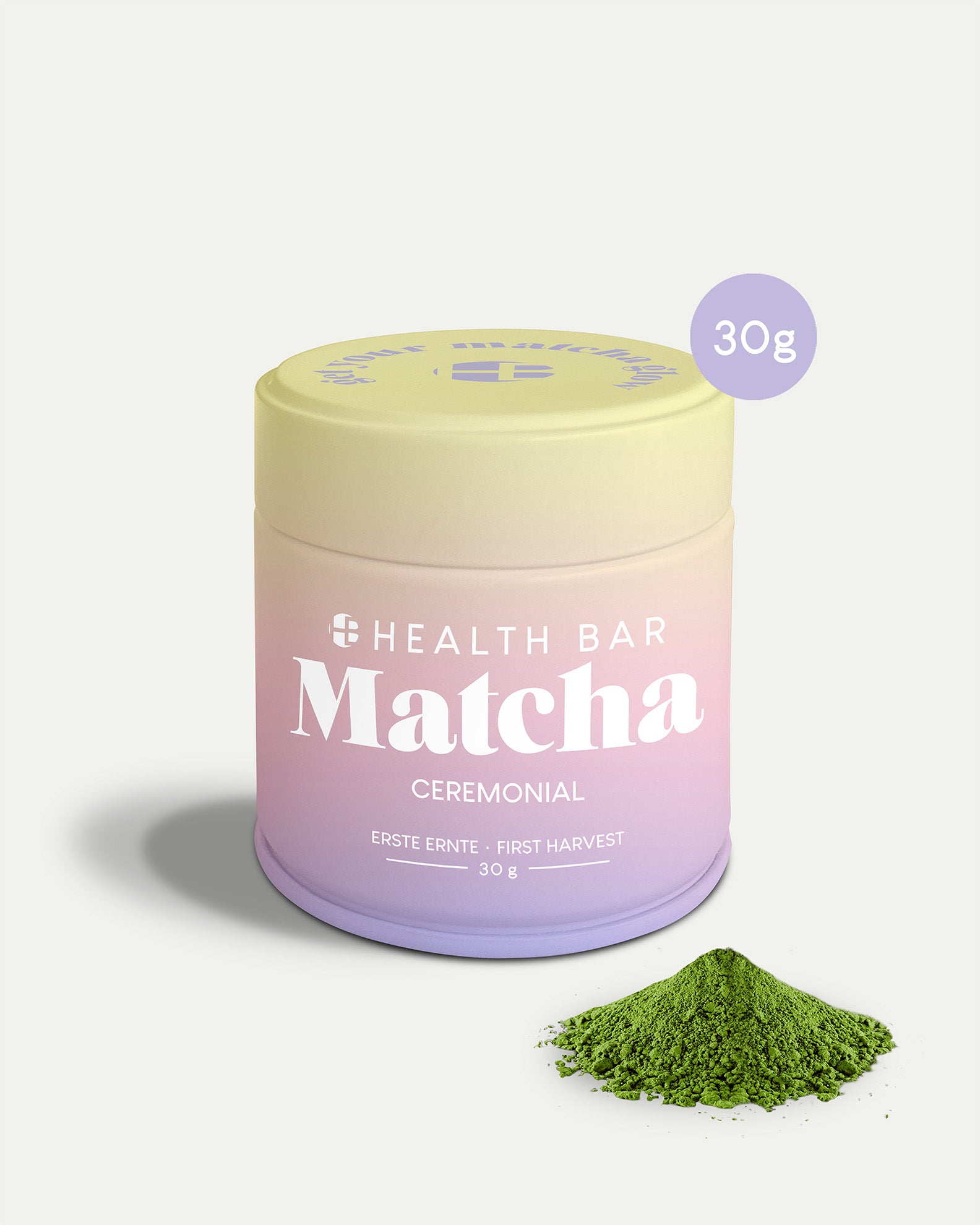
 Organic Ceremonial Matcha Tea – 30g (can)Organic Ceremonial Matcha Tea – 30g (can)
- Regular price
-
£27.00 - Regular price
-
- Selling price
-
£27.00 - Unit price
-
£90.00 / Per 100g

-
Bestseller
 Organic Ceremonial Matcha TeaOrganic Ceremonial Matcha Tea
- Regular price
-
£9.00 £136.00 - Regular price
-
- Selling price
-
£9.00 £136.00 - Unit price
-
£90.00 / Per 100g
-
 Organic Matcha Tea, TraditionalOrganic Matcha Tea, Traditional
- Regular price
-
£7.50 £99.50 - Regular price
-
- Selling price
-
£7.50 £99.50 - Unit price
-
£75.00 / Per 100g
-
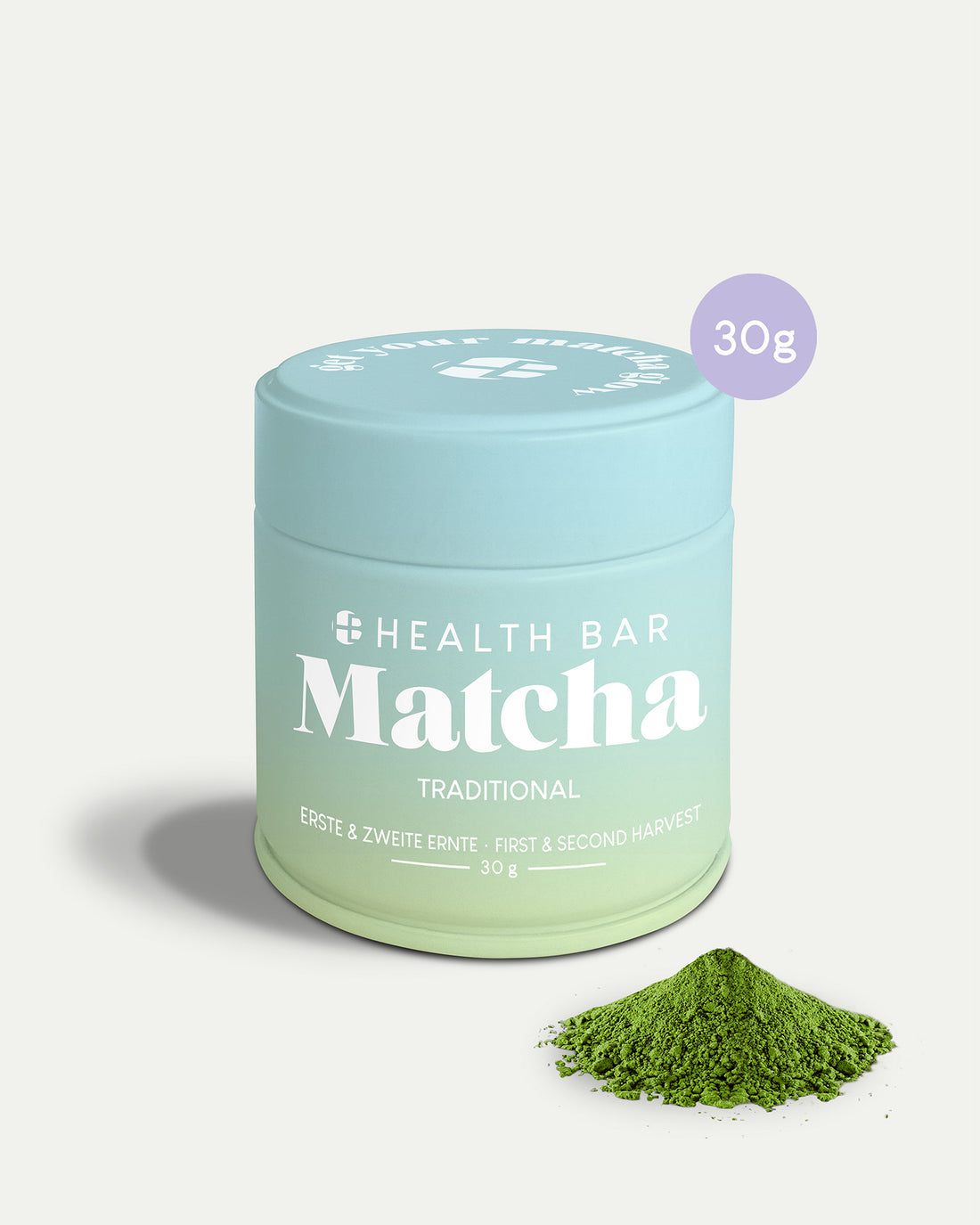 Organic Traditional Matcha Tea – 30g (can)Organic Traditional Matcha Tea – 30g (can)
- Regular price
-
£23.50 - Regular price
-
- Selling price
-
£23.50 - Unit price
-
£78.33 / Per 100g
-
NEU
 Bio Matcha 2 Go – Ceremonial Matcha SticksBio Matcha 2 Go – Ceremonial Matcha Sticks
- Regular price
-
£18.00 - Regular price
-
- Selling price
-
£18.00 - Unit price
-
£12.86 / Per 10g
-
NEU
 Bio Matcha 2 Go – Traditional Matcha SticksBio Matcha 2 Go – Traditional Matcha Sticks
- Regular price
-
£13.50 - Regular price
-
- Selling price
-
£13.50 - Unit price
-
£9.64 / Per 10g


