

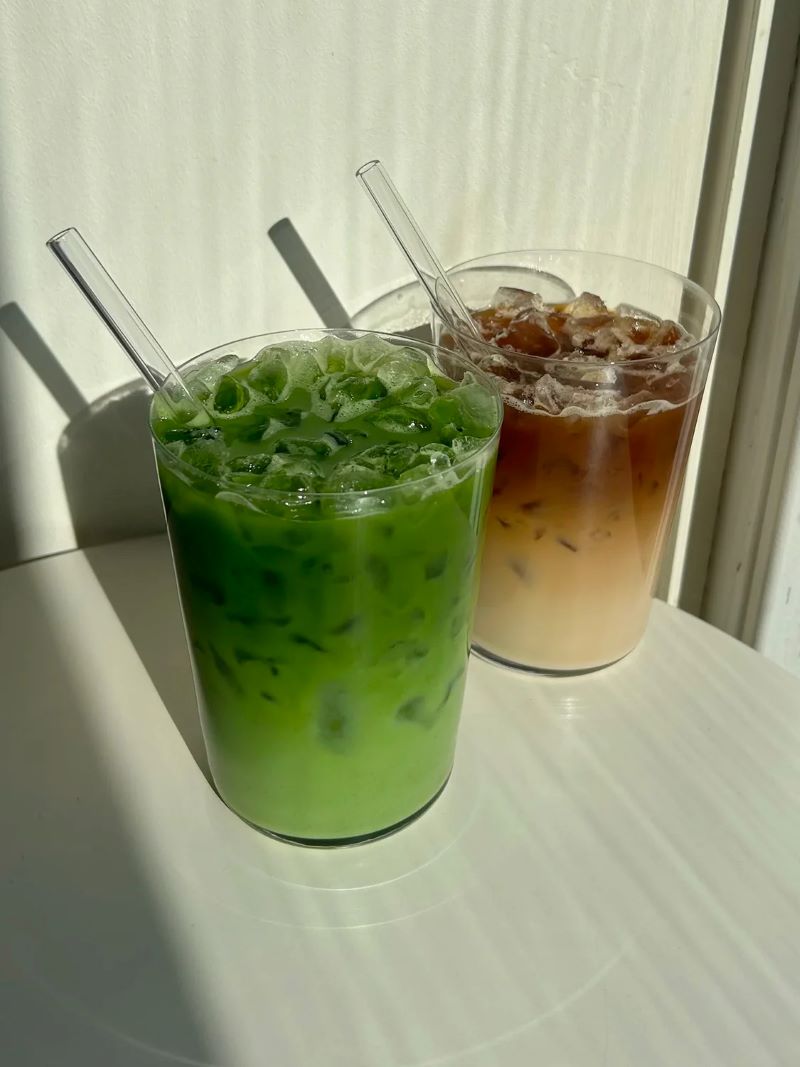
Matcha vs coffee
Caffeine and effects in comparison
Coffee is the number one choice when we want to get going in the morning – after water, it's the most consumed beverage worldwide. But green competition is hot on its heels: Even if matcha tea isn't quite as popular as coffee yet, this superfood is becoming increasingly trendy. Its delicate flavor and multifaceted nature are just two of the many reasons why this fine green tea powder is winning over not only tea lovers.
But what does matcha have to do with coffee? Quite simply: Green tea also contains a certain stimulating substance.. We'll tell you how roasted coffee beans and ground tea leaves are similar yet different.
Good to know
Caffeine is present in different concentrations in tea and coffee. The caffeine in matcha is bound to polyphenols.. These phytochemicals encompass a range of natural pigments, flavor compounds, and defense mechanisms that can be beneficial. You can find them in fruits, vegetables, and nuts—and in high concentrations in the tea plant. Many people have experienced that That's why matcha wakes you up more gently than coffee..
Did you know that cocoa also contains beneficial plant compounds? Get a double dose by joining our vegan Matcha chocolate grab it!
Does matcha have caffeine?
Yes! In fact, not only coffee beans, but also the true tea plant provides caffeine, formerly also known as theine.
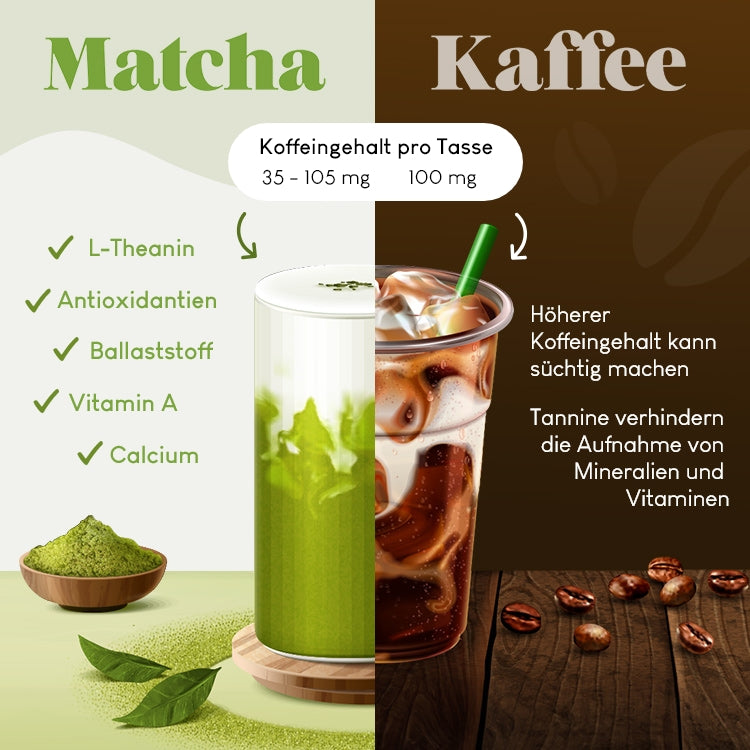
The caffeine content of coffee and matcha varies depending on the source plant, processing and preparation method. 1 g high-quality organic matcha powder contains approximately 35 mg of caffeine. For a cup of matcha, you use between 1 and 3 grams of matcha. The following figures are therefore only estimates.
Caffeine content per drink:
- 1 cup of matcha: 70 mg
- 1 cup of coffee: 100 mg
- 1 cup of espresso: 75 mg
Good to know: Ceremonial-grade matcha contains more caffeine (3290 mg per 100 g) than traditional-grade matcha (2950 mg per 100 g).
Matcha instead of coffee – it’s worth it!
Are you considering your Replacing my morning cup of coffee with matcha? There are many good reasons for this. Even though roasted coffee beans also contain antioxidants and other valuable substances, coffee consumption is not without risks.

What speaks against coffee consumption?
- If you are overly sensitive, you might feel nervousness and Heart palpitations up to and including panic attacks.
- Coffee can affect your Disturbing sleep and cause anxiety.
- The drink makes addicted. The more of it you drink, the more your caffeine tolerance increases – and you need ever higher doses.
- Excessive coffee consumption can affect your stomach acidity and thus even affect your skin appearance.
Matcha as a coffee substitute – the benefits
- By using the whole tea leaf, matcha provides plant-based Antioxidants and the Amino acid L-theanine.
- Matcha provides a natural spectrum of plant-based ingredients.
- Because tea plants grow in the shade, they contain especially high in amino acids and chlorophyll. This, by the way, is what gives it its bright green color.
- Matcha powder is made from whole leaves, which you drink along with the tea. This is how you benefit from it. the entire spectrum of plant substances.
- Matcha can give you deliver the same amount of caffeine like coffee – depending on how much powder you use.
- Many enthusiastic matcha drinkers report that the green tea powder helps them gentler and longer lasting It makes you more alert. As a result, you remain much more relaxed.
Matcha tea and the effects of its caffeine
The caffeine content of matcha and coffee isn't that different. Also, if you use more matcha powder for the preparation, Then you'll also consume more caffeine per cup. So if you want to reduce your caffeine intake, you should prepare your matcha tea with a moderate amount of powder.
However, there is a crucial difference between coffee and matcha: While you don't drink the ground coffee bean itself, but only an infusion made from it, you enjoy with Matcha the full range of its plant substances. Because the fine powder made from the leaves of the tea plant mixes with the water, you not only ingest the caffeine, but also the full spectrum of its valuable plant-based ingredients. Matcha thus supports you both in waking up and with its comprehensive package of green power ingredients! These include important amino acids, antioxidants, vitamins, minerals and bitter substances.
The basics: Matcha & coffee
It's almost reached cult status: coffee addict vs. tea lover – some are unapproachable before their first cup of pitch-black pick-me-up, while others swear by the comfort of a fragrant, steaming cup of green tea on rainy days. Matcha bridges the gap between tea and coffee and is no longer just a traditional beverage in the Land of the Rising Sun. Here are the quick facts:
-
Coffee
The coffee plant is mainly cultivated in Africa and South America. After roasting and grinding, its beans have transformed into a powder which we then mix with hot water – in countless different ways.
-
Matcha
The tea plant, in turn, is native to Asia, especially Japan and China. Its leaves are used to make not only green tea, but also white and black tea. For high-quality matcha, the most tender leaves of the first harvest are processed into a silky powder and also steeped in water – but you drink the powder along with the tea. Matcha is also incredibly versatile.
FAQ: Matcha vs. Coffee
How much caffeine is in a cup of matcha?
You use approximately 1 to 3 grams of matcha powder to prepare a cup. This results in a caffeine content of around 35 to 105 mg per cup of matcha.
Does matcha contain less caffeine than coffee?
It depends on how you prepare your matcha or coffee. On average, a cup of matcha (70 mg caffeine) contains about 30 mg less caffeine than a regular cup of coffee (100 mg caffeine).
Caffeine in matcha and caffeine in coffee!
Matcha and coffee both contain caffeine, but differ in their composition and preparation. Matcha is made from the entire tea leaf and naturally contains other plant components such as polyphenols and amino acids.
How caffeinated drinks are perceived is individual and can vary from person to person.
Is matcha healthier than coffee?
Matcha provides you with caffeine and a wealth of valuable plant compounds, which you consume in their entirety due to its special preparation method. This is because you drink the whole leaf of the tea plant.
The different Matcha variants
-
For beginners
 Organic Ceremonial Matcha Tea – 30g (can)Organic Ceremonial Matcha Tea – 30g (can) Uji · 1. Ernte
- Regular price
-
30,00€ - Regular price
-
- Selling price
-
30,00€ - Unit price
-
100,00€ / Per 100g

-
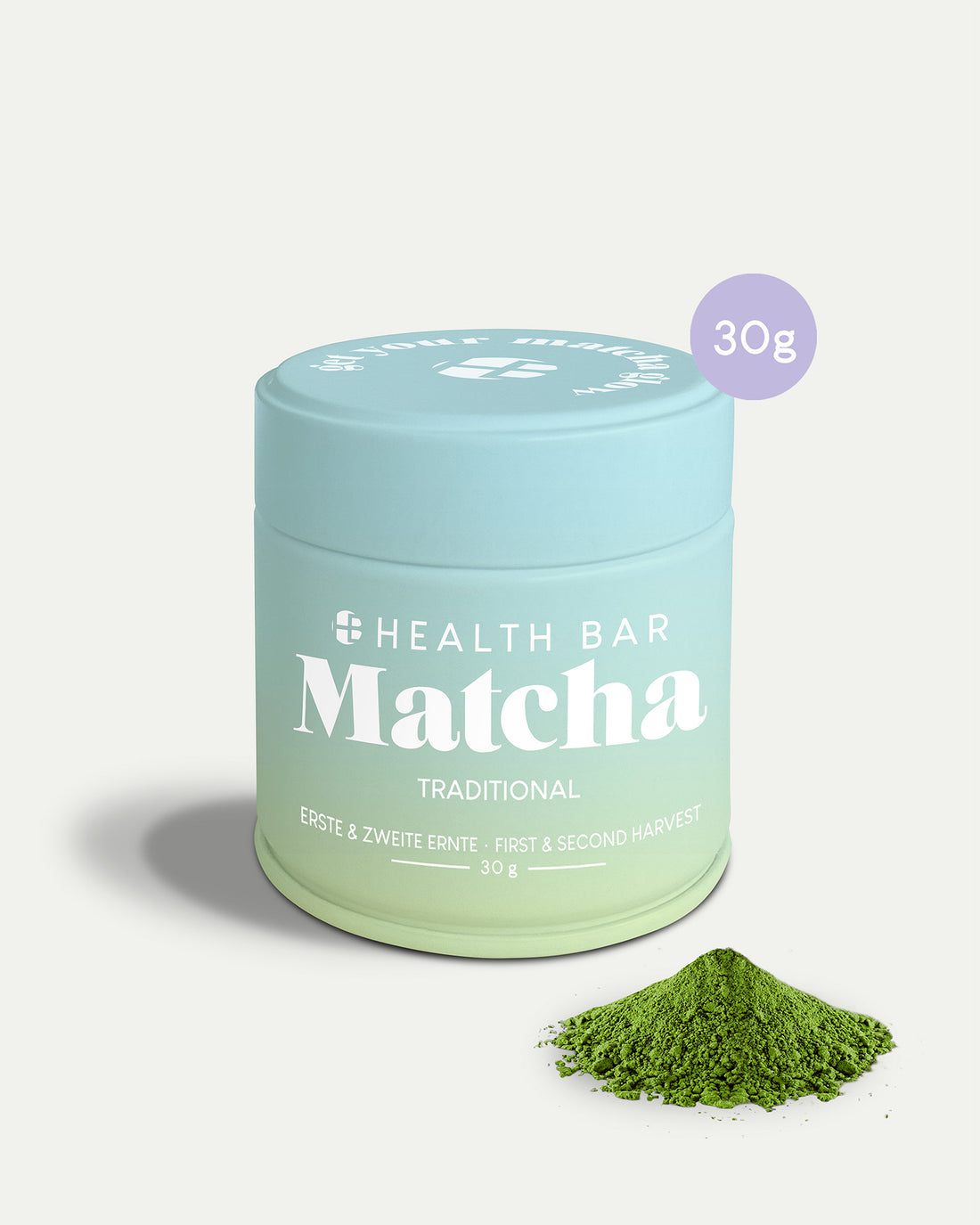 Organic Traditional Matcha Tea – 30g (can)Organic Traditional Matcha Tea – 30g (can) Uji · 1. & 2. Ernte
- Regular price
-
26,00€ - Regular price
-
- Selling price
-
26,00€ - Unit price
-
86,67€ / Per 100g
-
 Organic Ceremonial Matcha Tea – 30g (Pouch)Organic Ceremonial Matcha Tea – 30g (Pouch) Uji · 1. Ernte
- Regular price
-
26,00€ - Regular price
-
- Selling price
-
26,00€ - Unit price
-
26,00€ / Per 100g
-
NEU
 Bio Matcha 2 Go – Ceremonial Matcha SticksBio Matcha 2 Go – Ceremonial Matcha Sticks
- Regular price
-
19,95€ - Regular price
-
- Selling price
-
19,95€ - Unit price
-
14,25€ / Per 10g
-
NEU
 Bio Matcha 2 Go – Traditional Matcha SticksBio Matcha 2 Go – Traditional Matcha Sticks
- Regular price
-
14,95€ - Regular price
-
- Selling price
-
14,95€ - Unit price
-
10,68€ / Per 10g


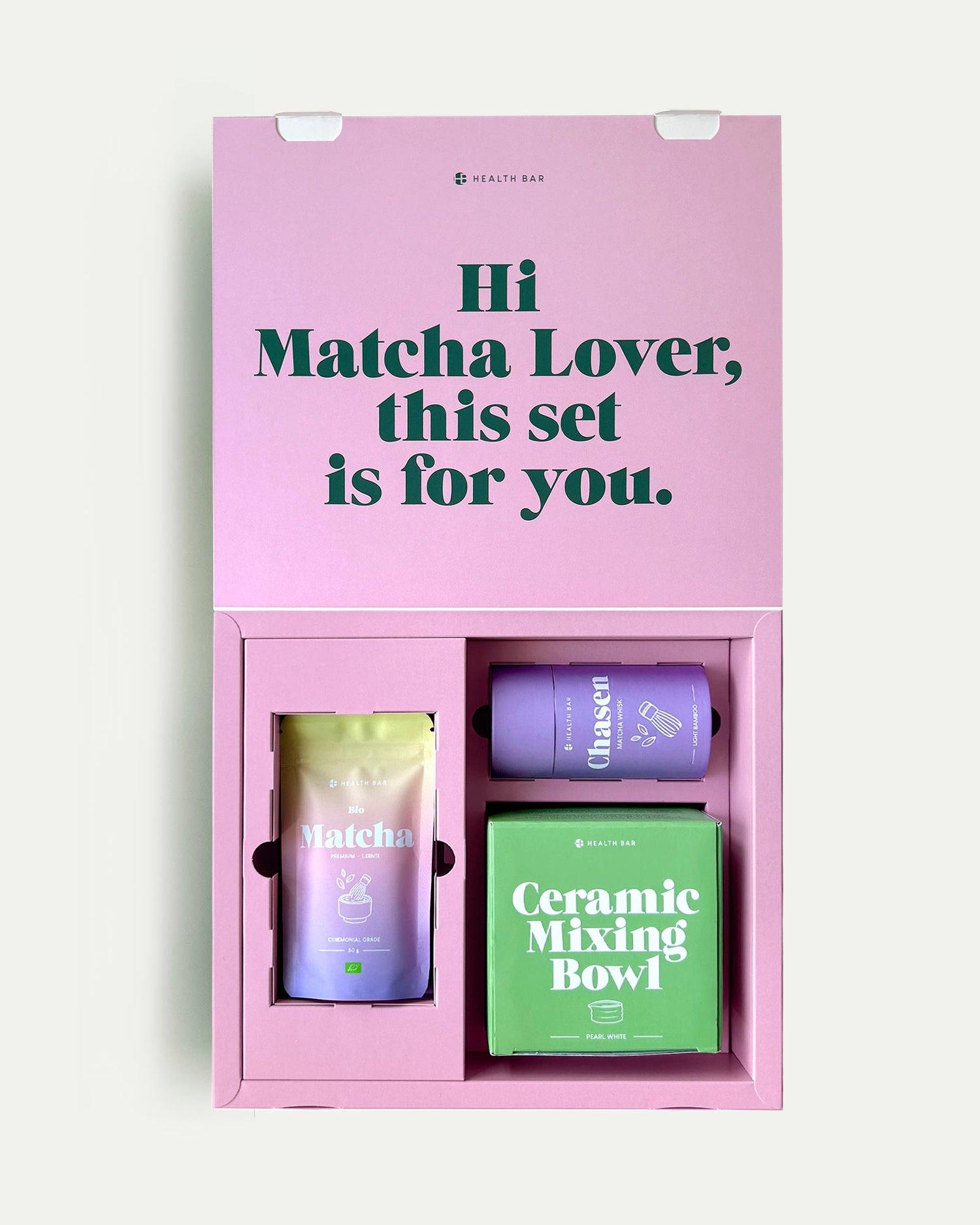
Our matcha kits
Perfect for switching to matcha
- Organic Matcha Powder
- Matcha whisk made of bamboo
- handmade matcha whisk
Also available as a Starter Kit and Travel Kit
Also interesting
-

Matcha-Latte ohne Klümpchen – so klappt es jedes Mal
Matcha klumpt? Liegt meistens nicht am Matcha – sondern an der Zubereitung. So gelingt der perfekt glatte Matcha-Latte, warm oder iced.
-

Matcha-Sorten im Vergleich – welche passt zu dir?
Ceremonial Matcha ist mild und ausgewogen, Traditional Matcha kräftiger und intensiver, Okumidori zeigt den Charakter eines einzelnen Cultivars, Mulberry Matcha ist koffeinfrei und Hojicha überzeugt mit warmen, gerösteten Aromen.
-

Wie viel Matcha pro Tag?
Wie viel Matcha pro Tag ist sinnvoll? Wir erklären, wie viel Matcha in eine Portion gehört, worauf du beim Koffein achten solltest und welche Menge gut in deinen Alltag passt....


