

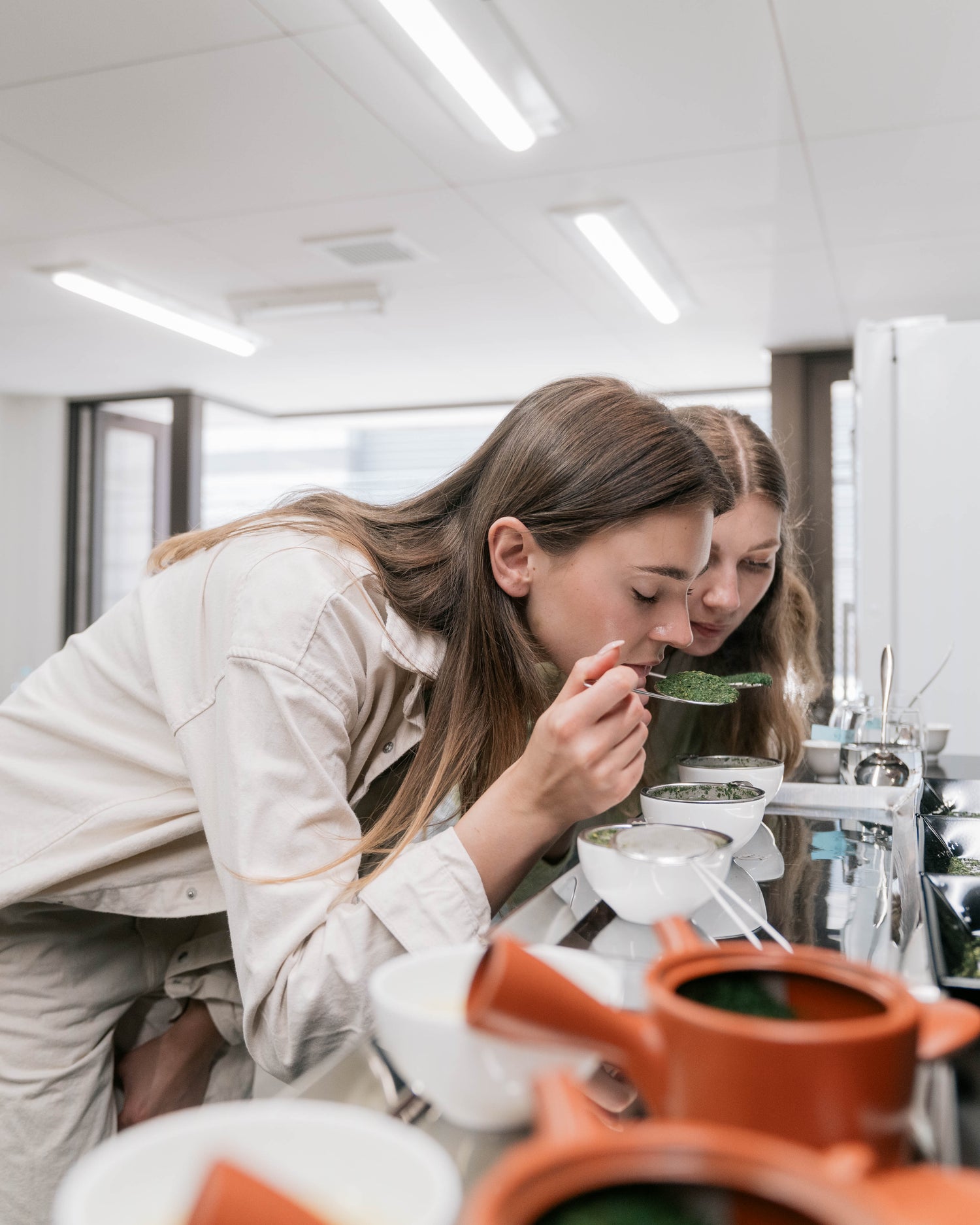
Things to consider when buying matcha
Matcha: A Guide to Quality Differences and Buying Recommendations
Matcha is far more than just a trendy drink – it's a traditional Japanese powder made from ground green tea leaves, prized not only for its distinctive flavor but also for its long history. However, not all matcha is created equal. The quality can vary considerably, and the selection ranges from simple, everyday products to high-quality, ceremonial matcha varieties. In this article, you'll learn about the quality differences in matcha, how to recognize high-quality matcha, and what to look for when buying it.
What is matcha and why are there differences in quality?
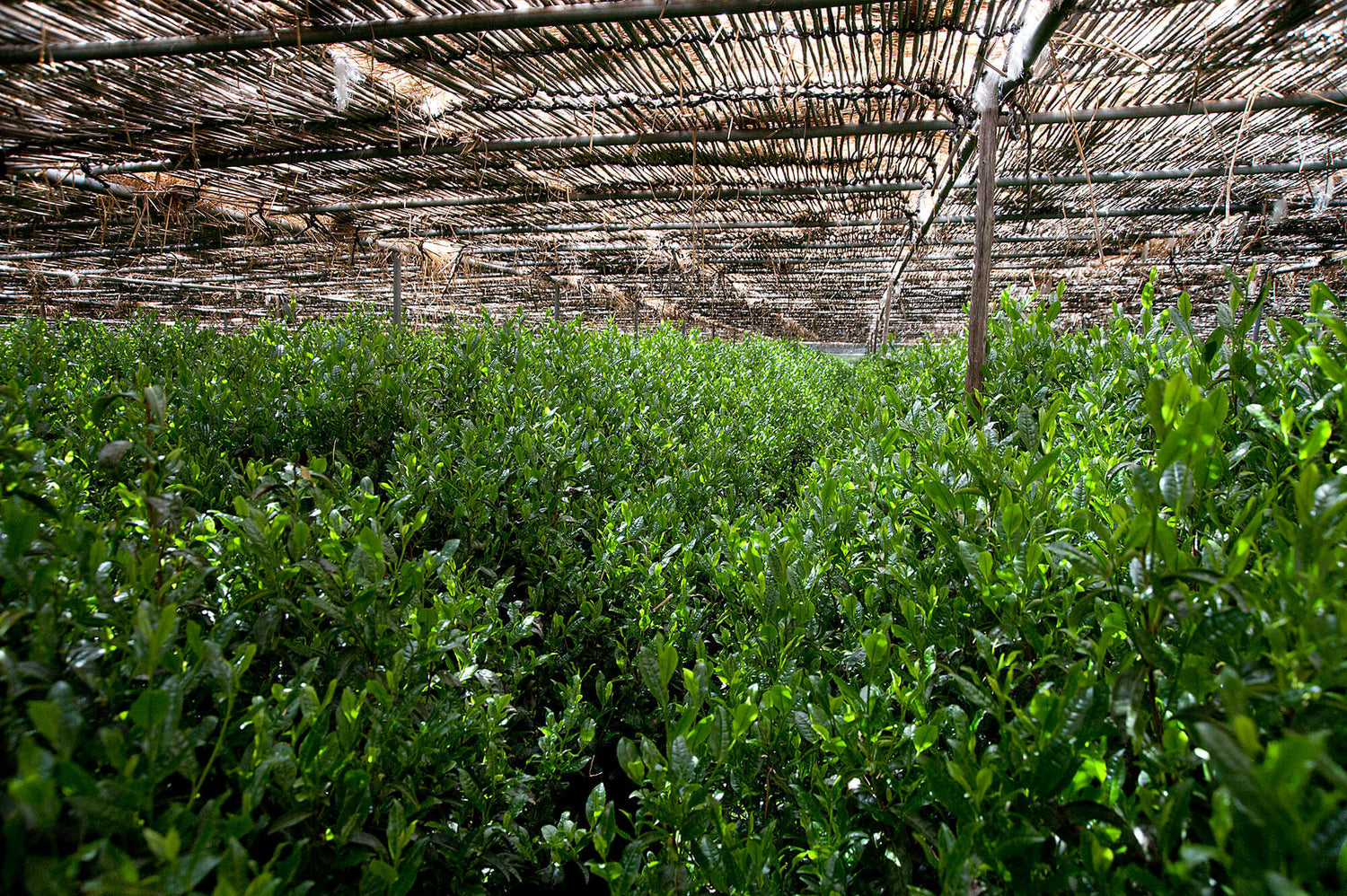
Matcha is a finely ground powder made from specially cultivated and processed tea leaves. Originally from Japan, where the tea leaves are cultivated under specific conditions, matcha is shaded for several weeks before harvesting. This increases the chlorophyll and amino acid content, resulting in a more intense flavor and a rich green color that characterizes high-quality matcha powder.
There are three main categories of matcha qualities
Types and quality levels of matcha
-

1. Ceremonial Matcha/ Ceremonial Matcha
This highest quality grade (Ceremonial Grade) is often used in the traditional Japanese tea ceremony. Ceremonial matcha has a vibrant green color, a sweet, mild flavor, and a fine, velvety texture. It is made from the youngest and finest leaves and is therefore the most expensive variety. This matcha is ideal for enjoying on its own without any added sweeteners or dairy products.
-

2. Traditional Matcha:
This category is also of high quality and can be enjoyed on its own or used in matcha lattes or smoothies. Premium matcha has a slightly more intense, greenish color and a complex, often slightly bitter flavor. It is made from somewhat older leaves and is less expensive than ceremonial matcha.
-

3. Culinary or Cooking Matcha:
This matcha is well-suited for preparing food and drinks such as matcha ice cream or baked goods (culinary grade). It has a darker, olive-green color and a strong, slightly bitter taste. Culinary grade matcha is usually made from older leaves and is therefore the most affordable.


The quality of matcha is influenced by various factors:
Cultivation method
Organic matcha without chemical additives is generally of higher quality, as natural shading improves the taste and ingredients.
Harvesting and processing
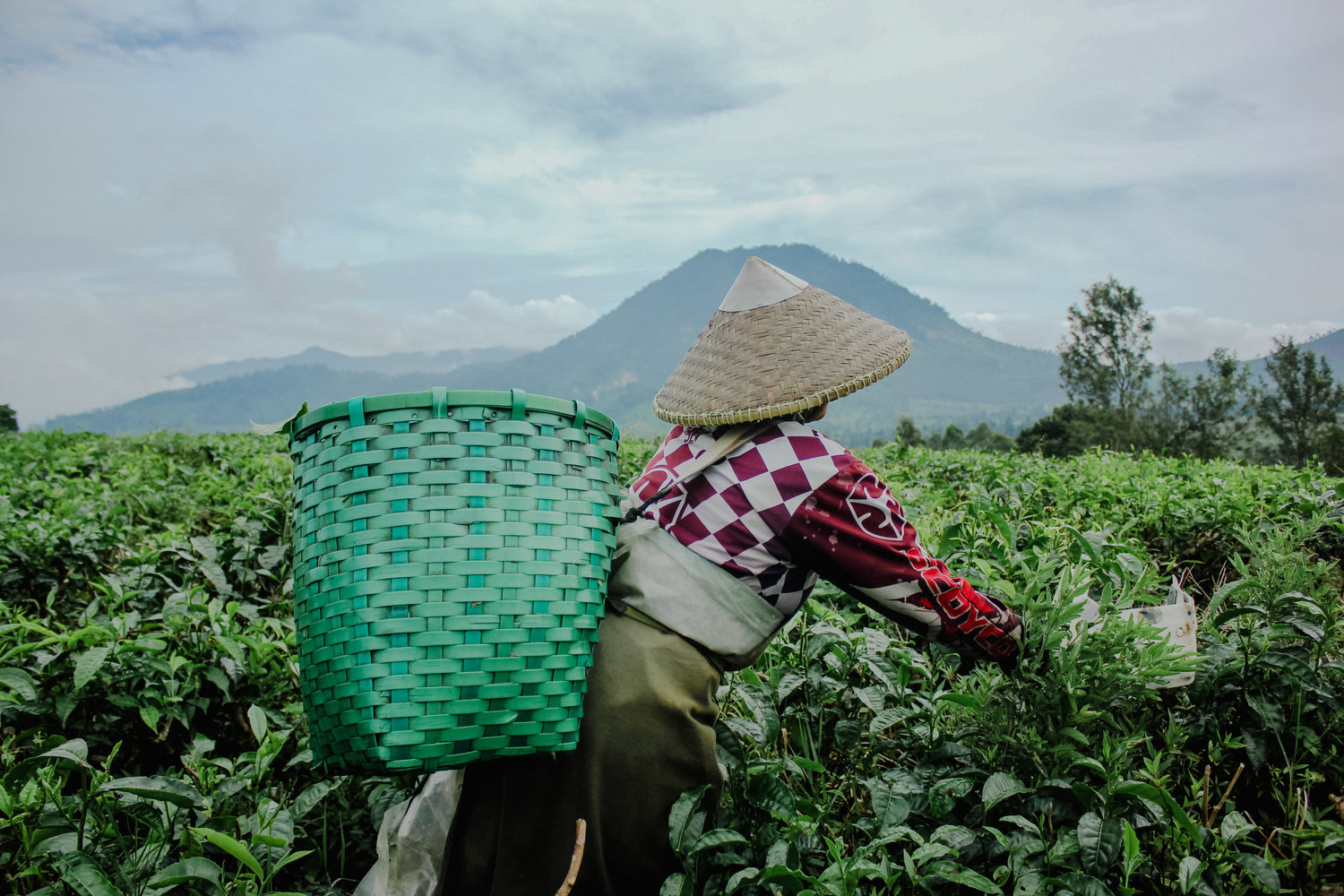
Tea leaves for high-quality matcha are hand-picked and carefully processed. The leaf veins and stems are removed, leaving only the leaf flesh, which offers the finest flavor.
Learn moreGrowing area
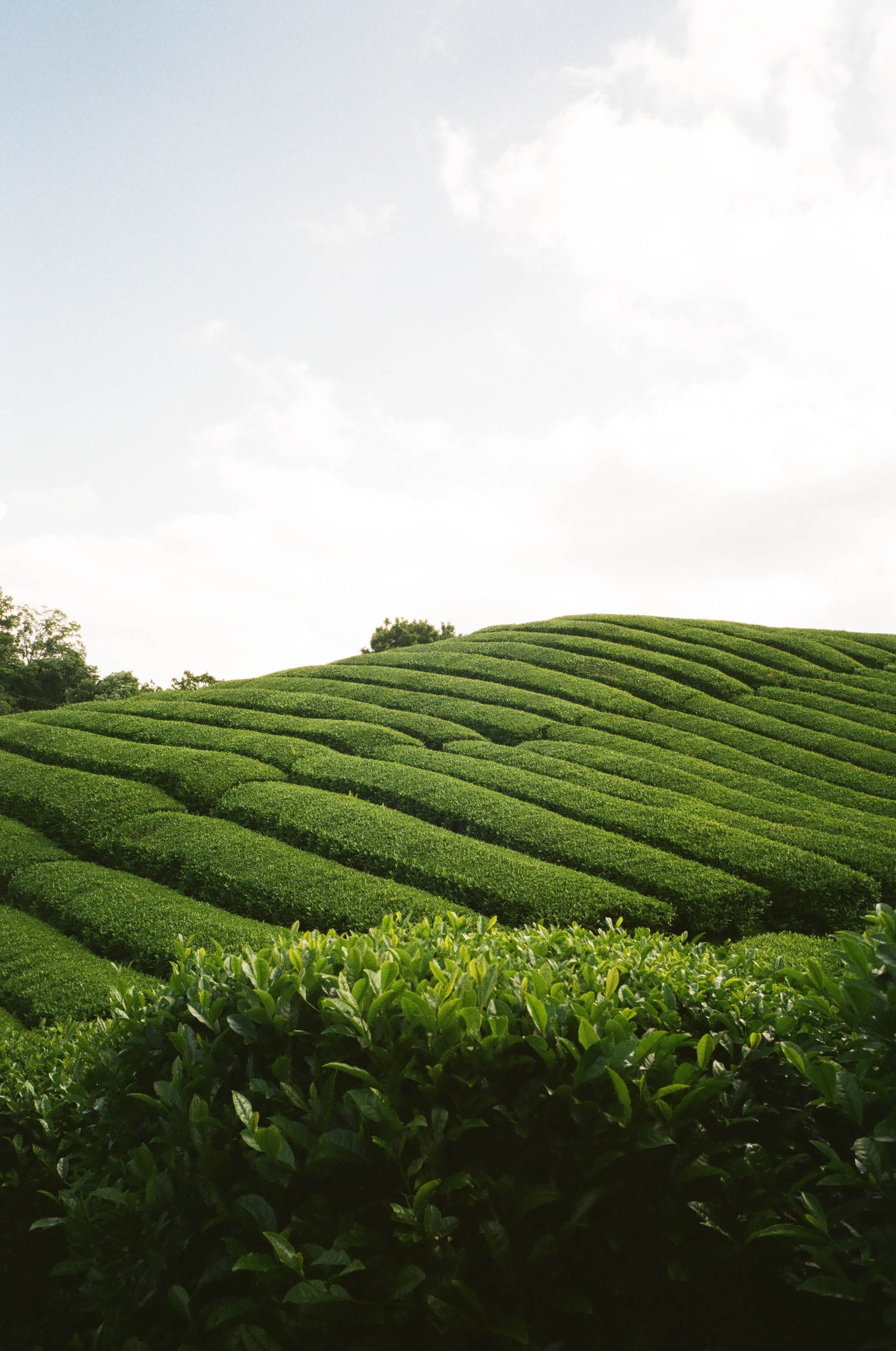
Japanese regions like Uji, Nishio, and Shizuoka are known for their high standards in tea cultivation. The climatic and soil conditions of these regions result in particularly high-quality matcha varieties.
Quality features
This is how you recognize high-quality matcha
To ensure you receive a high-quality product, there are certain characteristics you should look for in matcha:
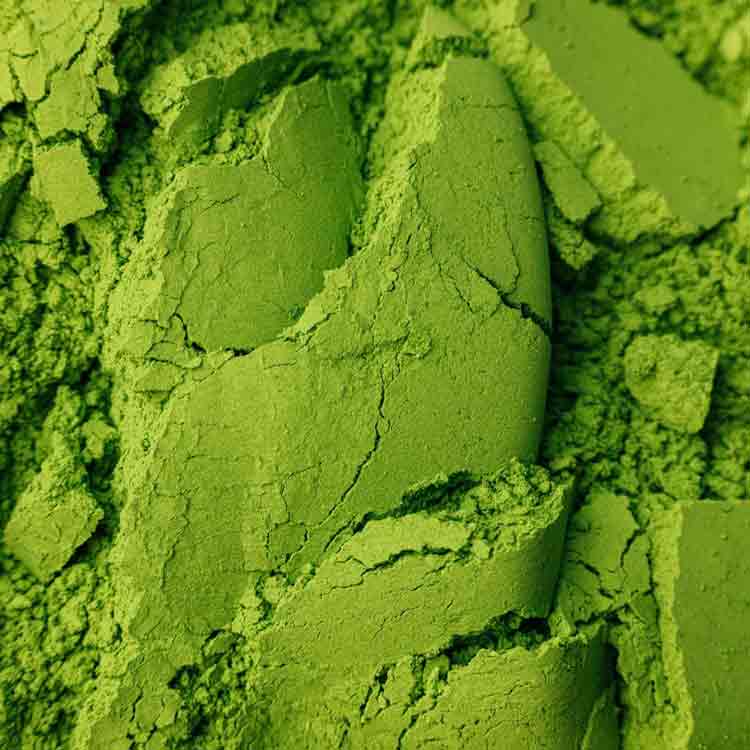
Color
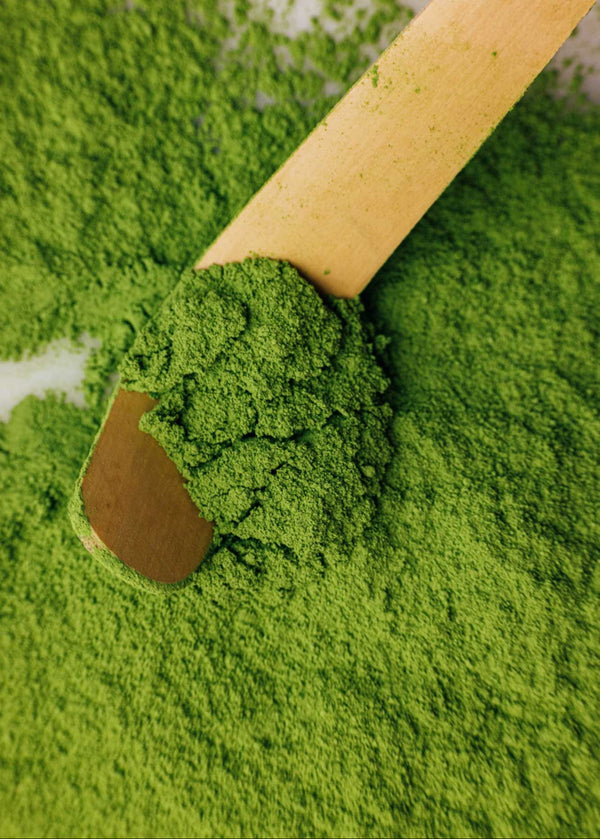
High-quality matcha has a rich, vibrant green color. A yellowish or brownish hue indicates lower quality.
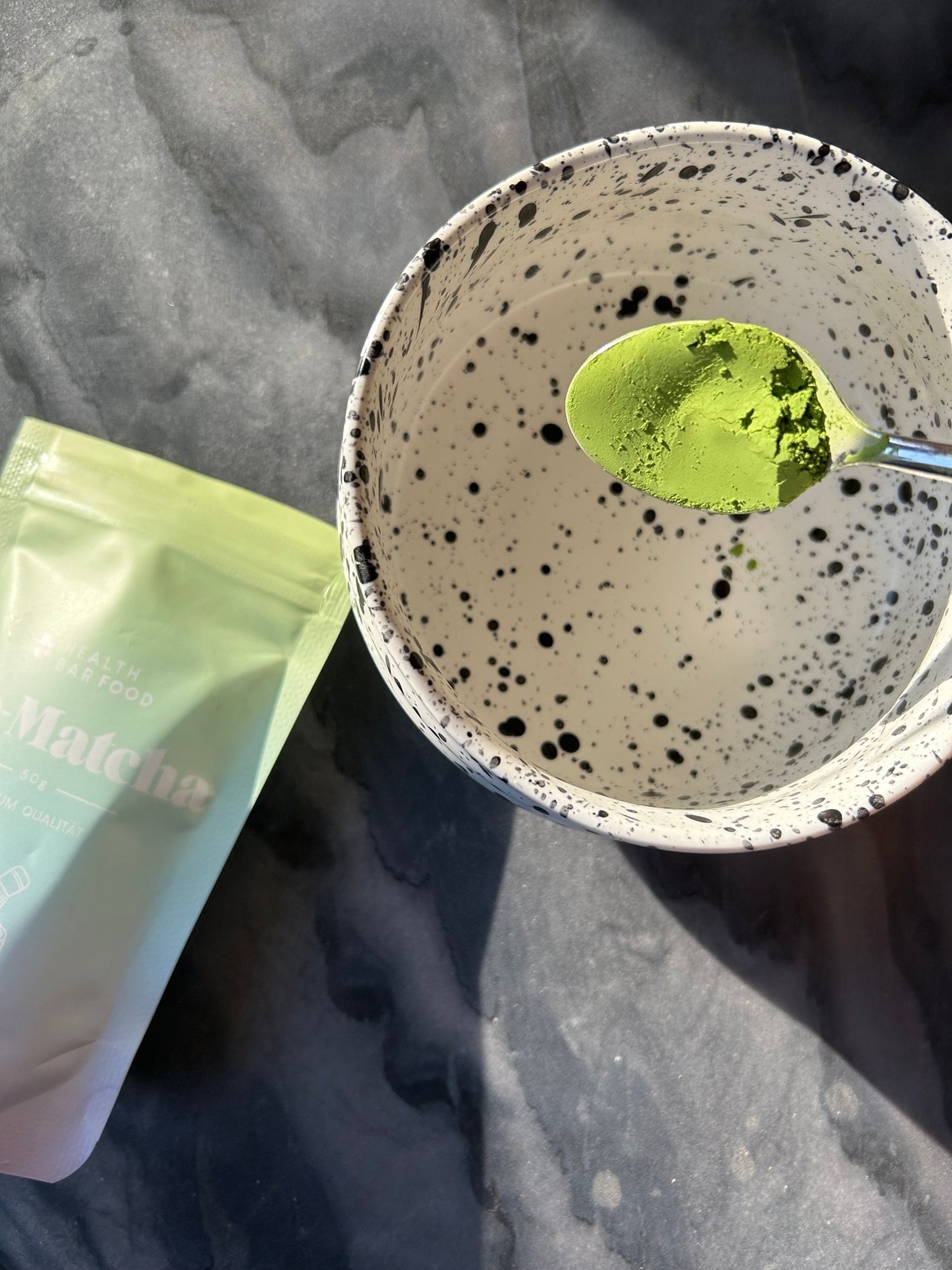
Texture
High-quality matcha has a fine, powdery consistency, almost like talc. Lower qualities are often coarser and lumpy.
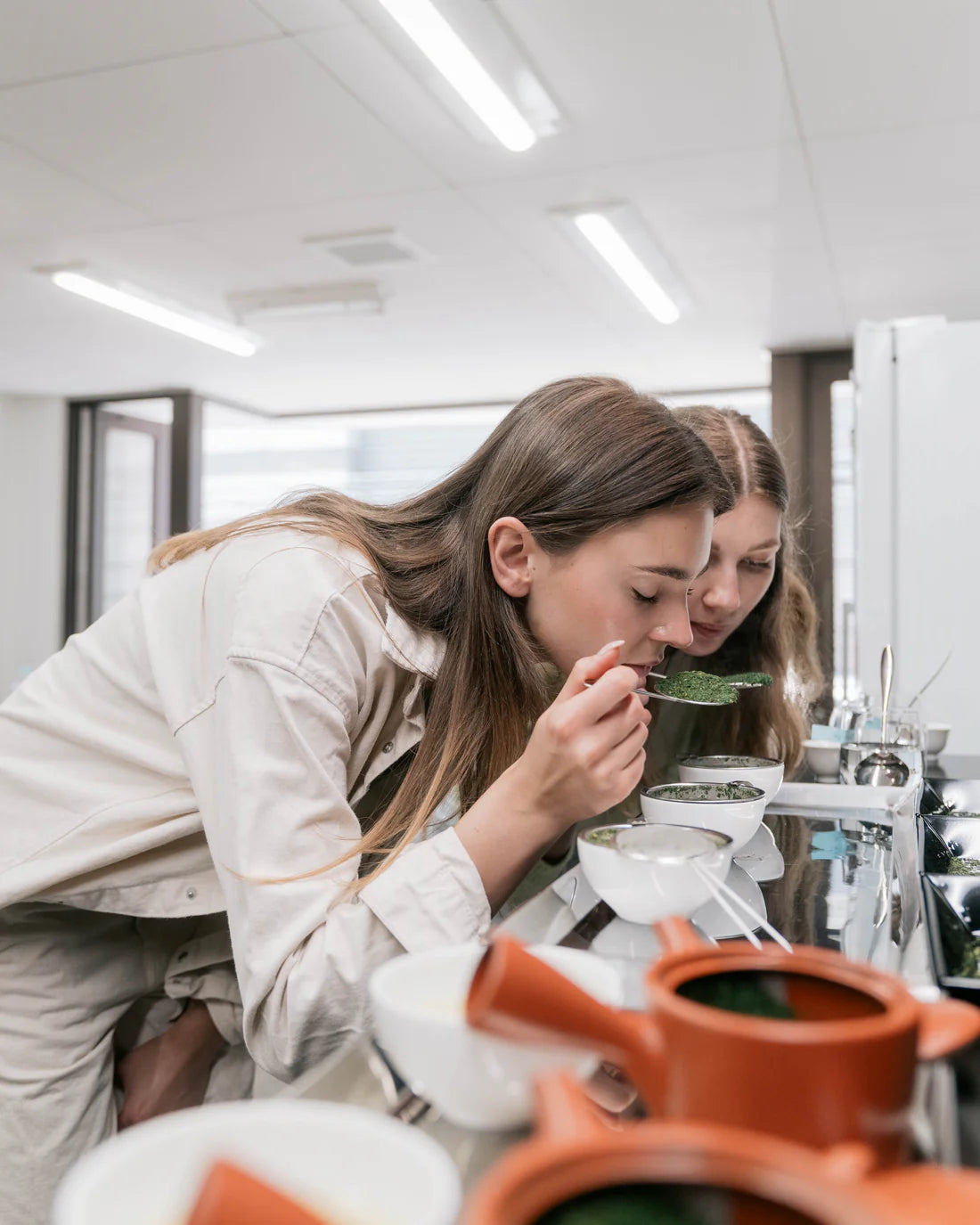
Odor
High-quality matcha has a fresh, herbal scent with a sweet note. A musty or grassy smell can indicate inferior matcha.
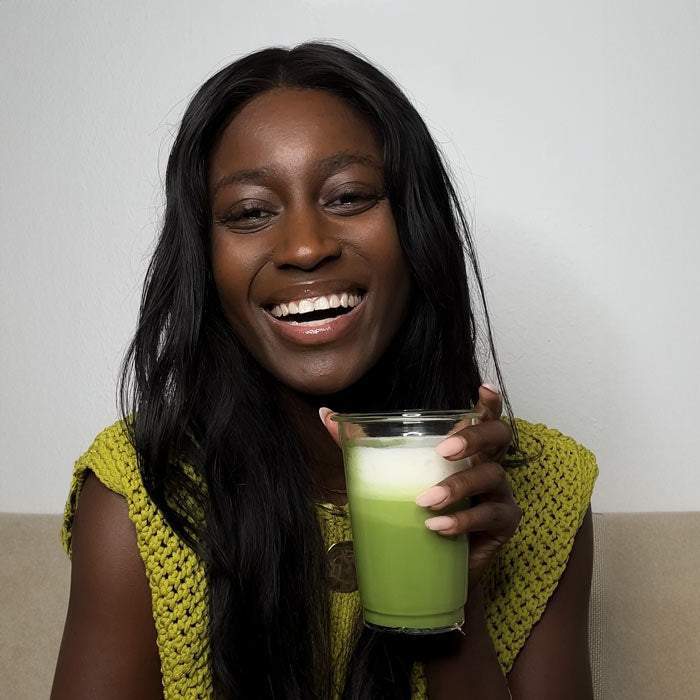
The taste
High-quality matcha is mild, sweetish, and has hardly any bitterness. Lower-quality matcha often has a strongly astringent or bitter taste.
Why is high-quality matcha so expensive?
The production of matcha is extremely labor-intensive. From shading the tea plants and selecting the leaves to grinding them into a fine powder, every step requires care and expertise. High-quality matcha products also undergo rigorous quality controls and are often produced in small batches. All these factors contribute to a higher price, which is, however, justified by the quality and taste.


You can buy our matcha here
Discover Matcha
Tips for buying high-quality matcha
1. Pay attention to the origin: Japanese matcha is generally considered the best choice, as the manufacturing processes are more strictly regulated.
2. Read the label: Terms like "ceremonial" or "premium" are a good indication of quality, but certificates such as organic seals can also provide valuable information.
3. Consider the price: High-quality matcha is often more expensive. A very cheap product may indicate inferior quality.
4. Check online reviews: Customer testimonials can give you an idea of whether the matcha really has the stated quality.
Conclusion
Matcha is a versatile, natural, and delicious drink available in varying qualities. Those who want to fully experience the pure enjoyment and health benefits of matcha should opt for high-quality varieties such as ceremonial or premium matcha. By shopping consciously and making the right choices, you'll not only get better quality but also a particularly intense flavor experience.
Buy Health Bar Matcha
-
For beginners
 Organic Ceremonial Matcha Tea – 30g (can)Organic Ceremonial Matcha Tea – 30g (can)
- Regular price
-
£27.00 - Regular price
-
- Selling price
-
£27.00 - Unit price
-
£90.00 / Per 100g

-
Bestseller
 Organic Ceremonial Matcha TeaOrganic Ceremonial Matcha Tea
- Regular price
-
£9.00 £136.00 - Regular price
-
- Selling price
-
£9.00 £136.00 - Unit price
-
£90.00 / Per 100g
-
 Organic Matcha Tea, TraditionalOrganic Matcha Tea, Traditional
- Regular price
-
£7.50 £99.50 - Regular price
-
- Selling price
-
£7.50 £99.50 - Unit price
-
£75.00 / Per 100g
-
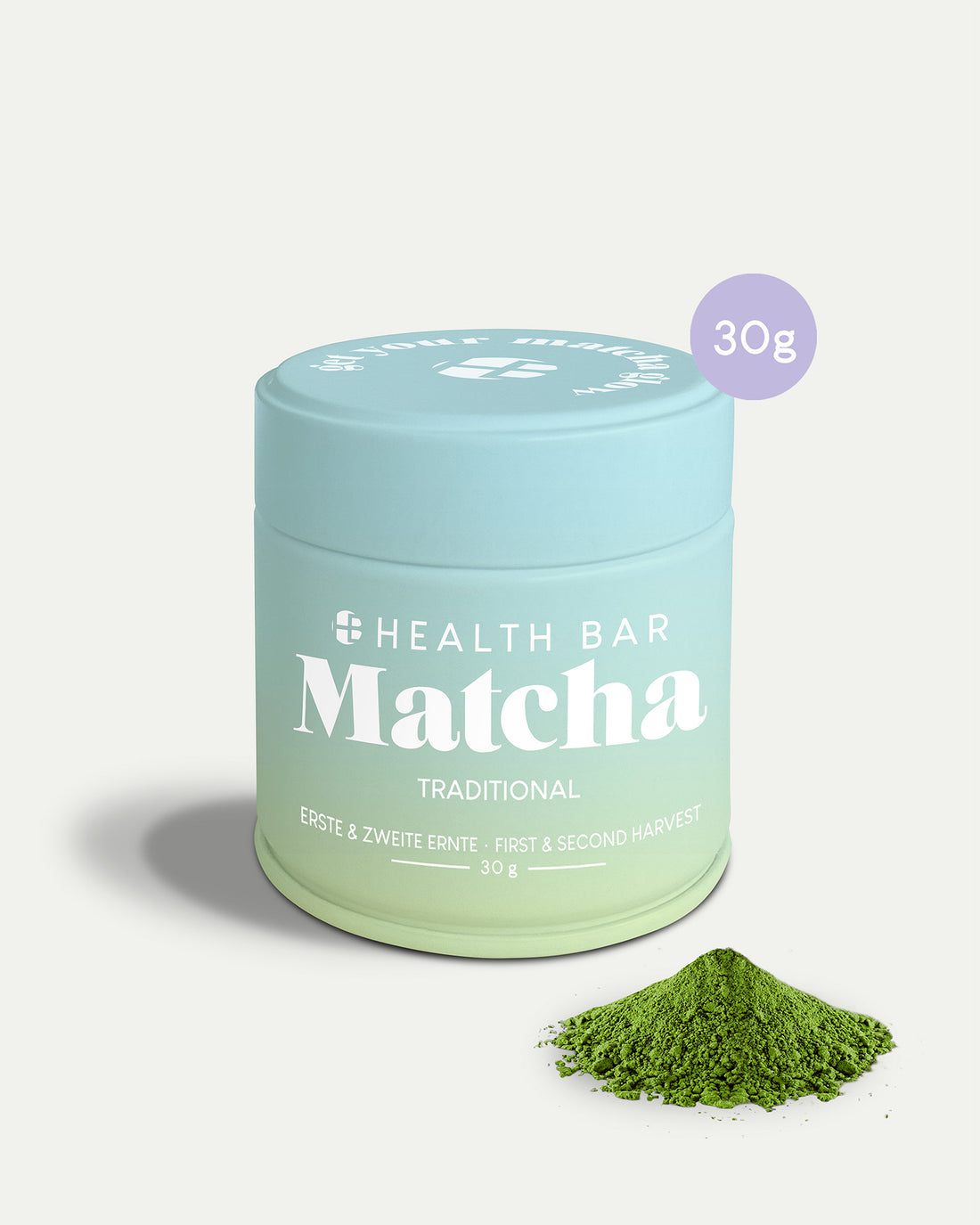 Organic Traditional Matcha Tea – 30g (can)Organic Traditional Matcha Tea – 30g (can)
- Regular price
-
£23.50 - Regular price
-
- Selling price
-
£23.50 - Unit price
-
£78.33 / Per 100g


