





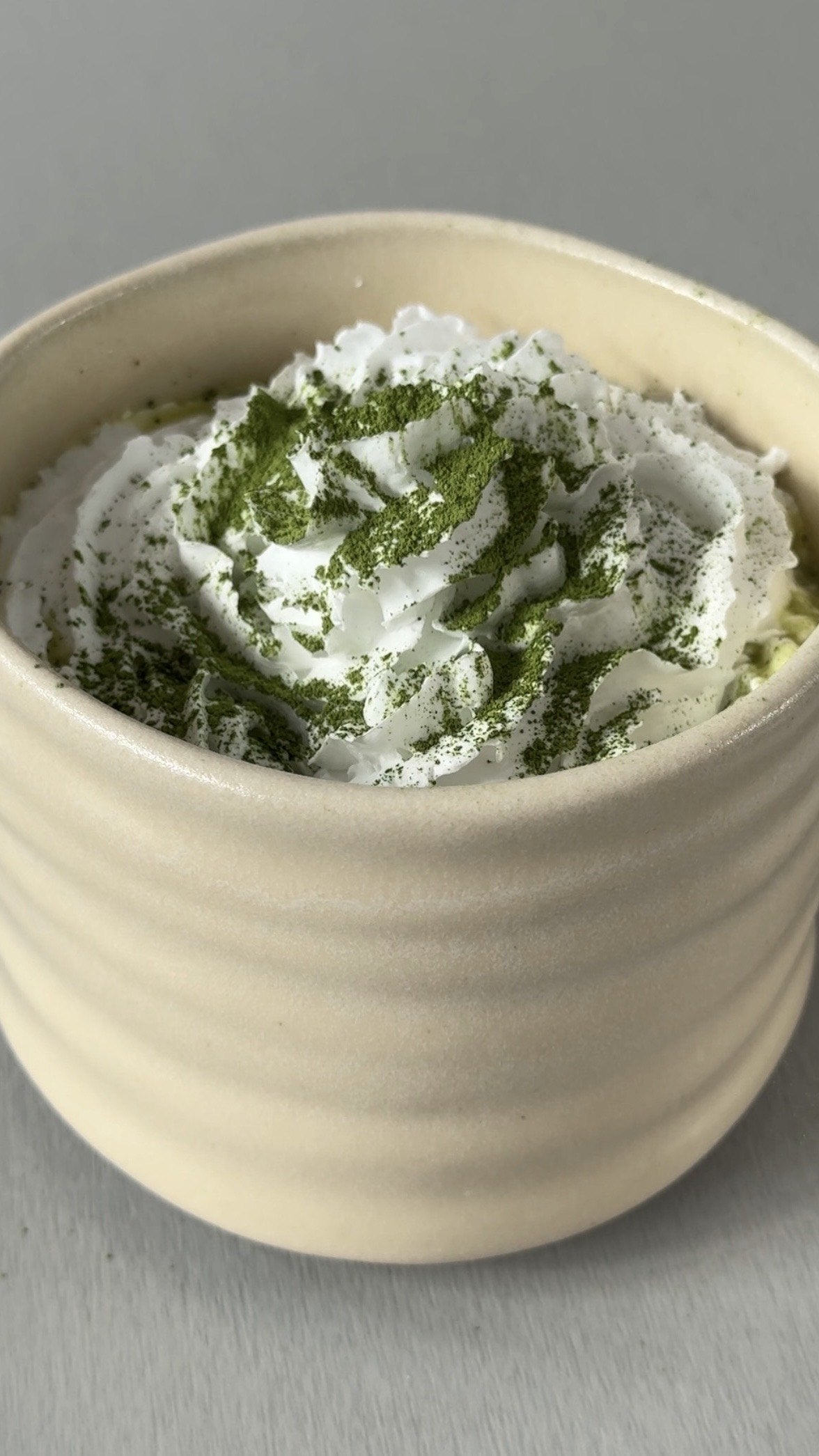
White Hot Chocolate Matcha – Drink des Monats November
Heiße Schokolade, aber grün: weiße Schokolade, warme Milch und frisch aufgeschlagener Ceremonial Matcha. Unser Drink des Monats für November – in fünf Minuten fertig.



4,9 von 5 · über 1.800 Bewertungen
„Richtig leckerer Matcha 🙏 trinke ihn täglich mit Hafer oder Soyamilch. Macht keine Klumpen, ergibt den perfekten Schaum und hat eine tolle Farbe!“
„Der beste matcha den ich bisher hatte 🤩 keine Klümpchen, schön grün und intensiver Geschmack. Richtig lecker 🤤“
„Liebe den so so so sehr! Schmeckt mir pur am besten.“
„Der Mulberry Matcha ist sehr lecker und ich merke kaum einen Unterschied zum normalen Matcha. Für alle die auf Koffein verzichten wollen ist das eine klasse Alternative.“
Echte Bewertungen über Judge.me. Jede Woche zeigen wir eine andere Auswahl, alle Bewertungen findest du auf den Produktseiten. Bewertungen ansehen
Vier Sorten, vier Charaktere. Hier siehst du auf einen Blick, welche Sorte und Geschmack zu dir und deinem Ritual passt.
Matcha OkumidoriUji, Kyoto – Single Cultivar
Unsere seltenste Sorte: sanft, seidig und natürlich süß, mit rundem Umami und kaum Bitterkeit. Am schönsten pur mit Wasser.
Süßes Karamell, geröstete Kastanie, frische grüne Noten & intensives Umami.
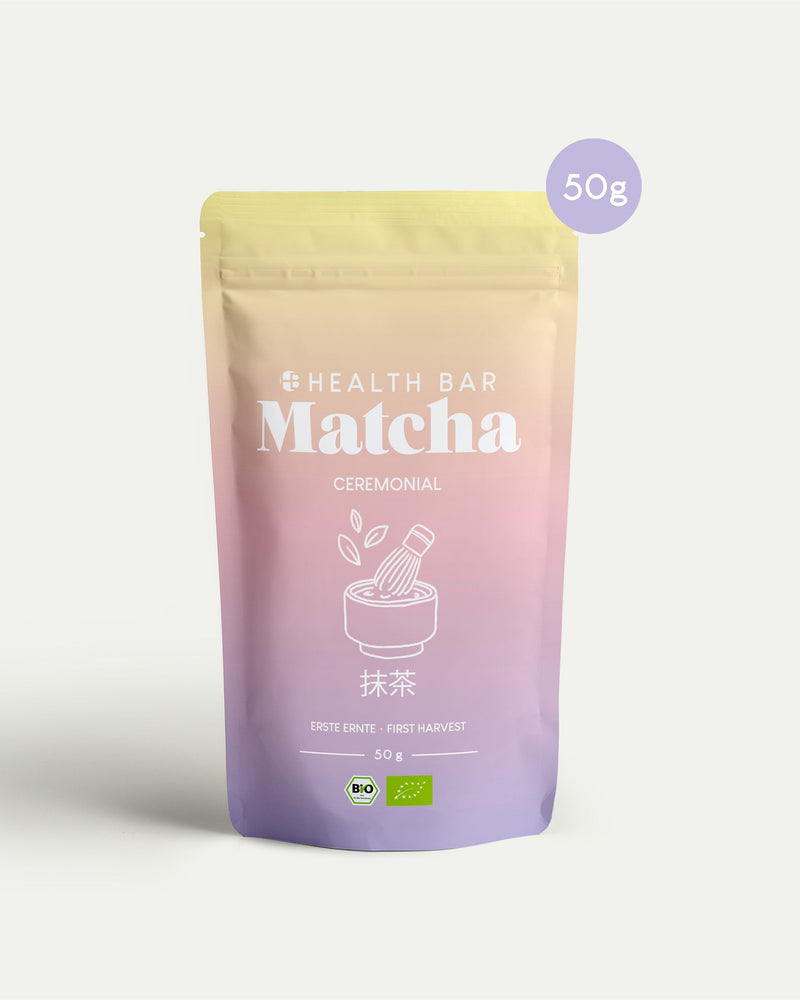
Matcha CeremonialUji, Kyoto – 1. Ernte
Mild, cremig und ausgewogen. Der Allrounder aus der ersten Ernte – pur genauso gut wie im Matcha Latte.
Milde Süße, frische Frühlingsgrün-Noten, cremiges Umami & ein seidiger Abgang.
Matcha TraditionalUji, Kyoto – 1. & 2. Ernte
Kräftig und charakterstark, mit rundem, ausgewogenem Umami und pflanzlich-frischer Note. Setzt sich in jeder Milch durch und ist damit unser Favorit für den Latte.
Intensiver Grüntee, feines Umami, dezente pflanzliche Noten & ein klarer Abgang.
Mulberry MatchaJapan – Maulbeerblätter, koffeinfrei
Koffeinfrei und trotzdem vollmundig: fein vermahlene weiße Maulbeerblätter, sanft und natürlich süß. Für alle, die auch abends nicht auf ihr Ritual verzichten wollen.
Zarte Getreidenoten, frische Kräuter, weiche grüne Blätter, natürliche Süße & ein feiner Abgang.
For our matcha varieties, we exclusively use high-quality organic matcha from Uji (Kyoto, Japan), one of the world's most renowned growing regions. From the gentle, mild ceremonial matcha of the first harvest to stronger blends and rare single-cultivar qualities like Okumidori – every matcha stands for vibrant color, fine texture, and authentic taste of the highest quality.
Der Weg deines Matcha
Matcha ist fein gemahlener Grüntee aus Japan: Du trinkst das ganze Blatt, aufgeschlagen statt aufgegossen. So entsteht unserer, von der Farm bis zu dir. Was ist Ceremonial Matcha?
2019 haben wir einen Matcha gesucht, der mild genug ist, um ihn pur zu trinken, und ihn auf einer Familienfarm in Uji gefunden. Seitdem kommt unser Matcha von dort.
Unsere Matcha Journey →Mehrere Wochen vor der Ernte werden die Teepflanzen mit Schilfrohr und Bambus beschattet. So werden die Blätter tiefgrün und der Geschmack weicher.
Wie Matcha angebaut wird →Für den Ceremonial werden nur die jungen Blätter der ersten Ernte gepflückt. Sie bringen die milde Süße und das feine Umami.
Teesorten und Cultivare →Gedämpft, getrocknet, ohne Stiele und Blattadern wird das Blatt zu Tencha. Granitsteinmühlen mahlen es langsam zu feinem Matcha.
Von Tencha zu Matcha →Jährliche Bodenproben auf der Farm, dazu Labortests auf Pestizidrückstände, Schwermetalle und Strahlenbelastung.
Zu den Laborergebnissen →Weiterlesen
Was du für den Start brauchst und wie dein erster Matcha gelingt.
Zum Einsteiger-Guide →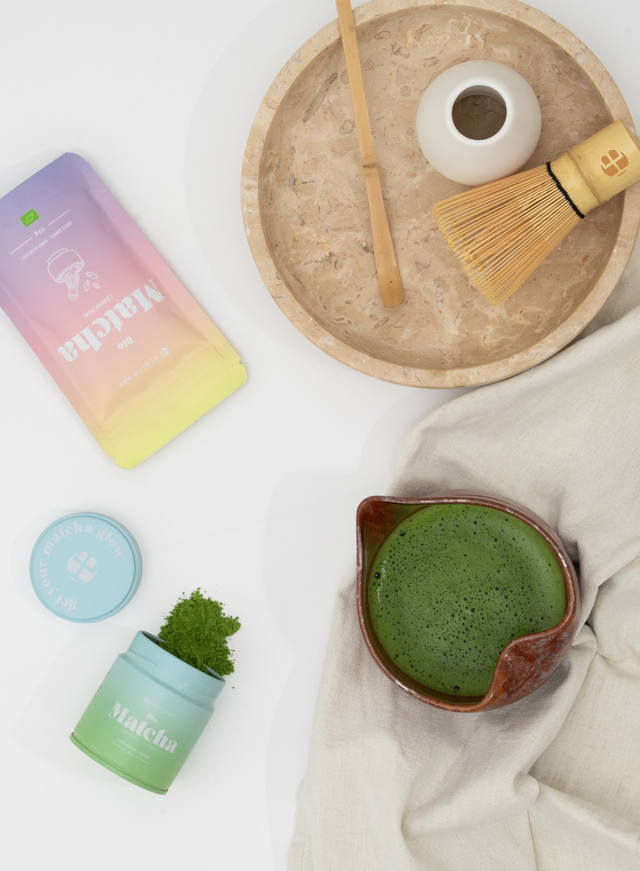
Ceremonial, Traditional, Okumidori oder Mulberry: welche Sorte pur, im Latte oder am Abend am besten passt.
Sorten im Vergleich →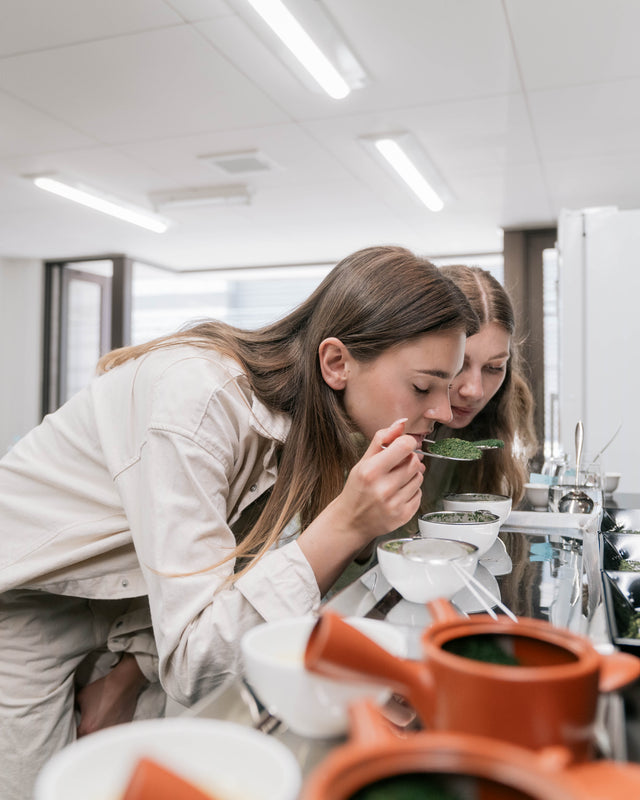
Farbe, Duft, Textur und Herkunft verraten viel über die Qualität. Darauf kannst du beim Kauf achten.
Qualität erkennen →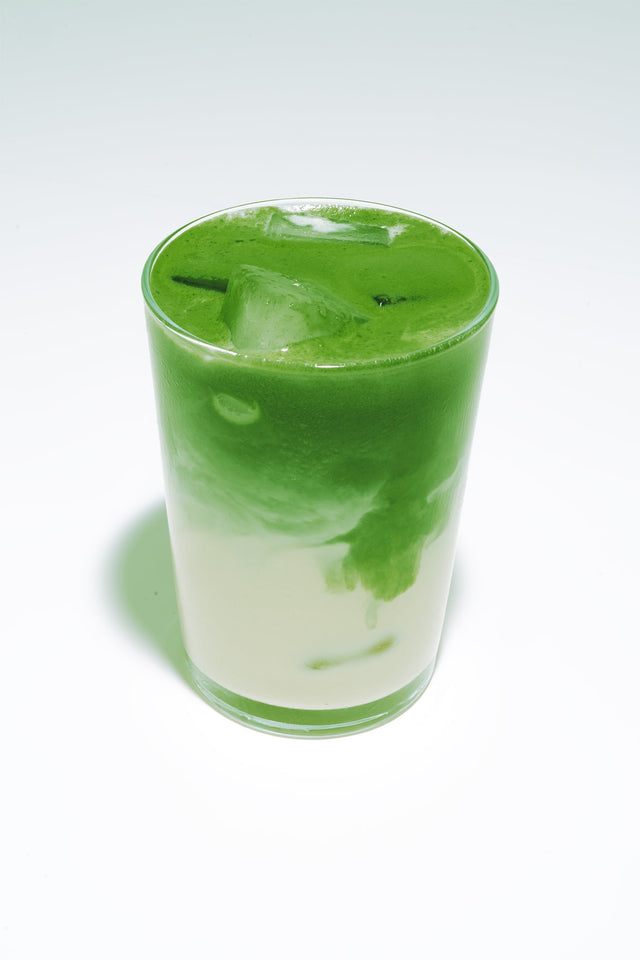
Koffein, Aminosäuren, Chlorophyll und mehr: was in einer Portion steckt und warum das ganze Blatt den Unterschied macht.
Zu den Inhaltsstoffen →
Geschmack, Koffein und Ritual im direkten Vergleich, dazu Tipps für den Umstieg.
Zum Vergleich →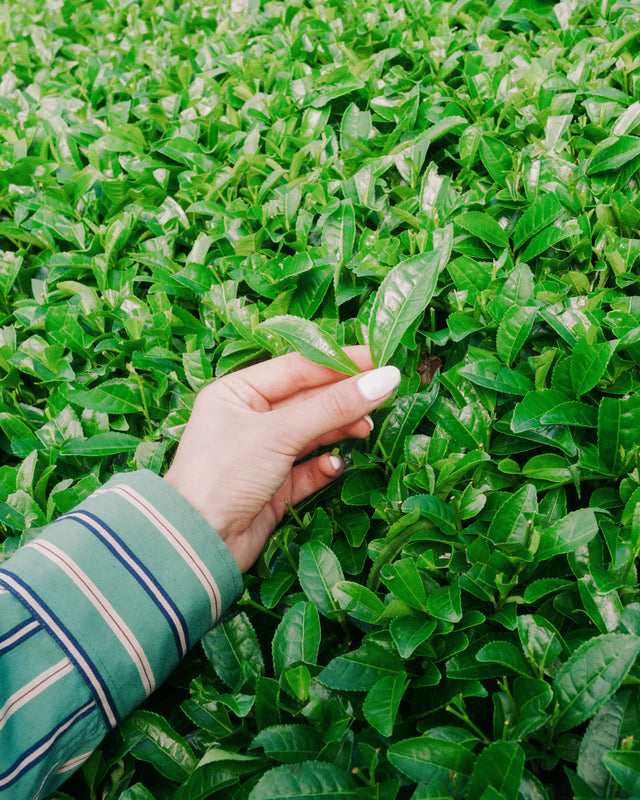
Was hinter dem Bio-Siegel steckt und worauf es beim Anbau ankommt.
Zum Bio-Siegel →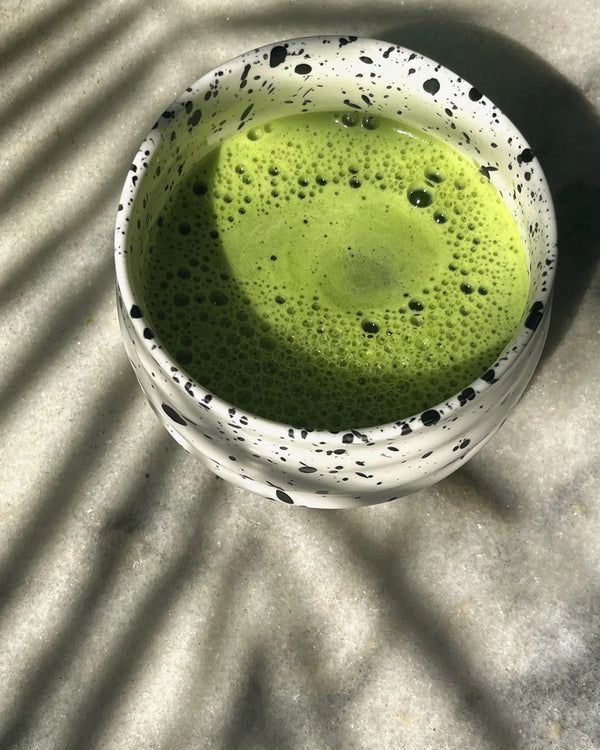
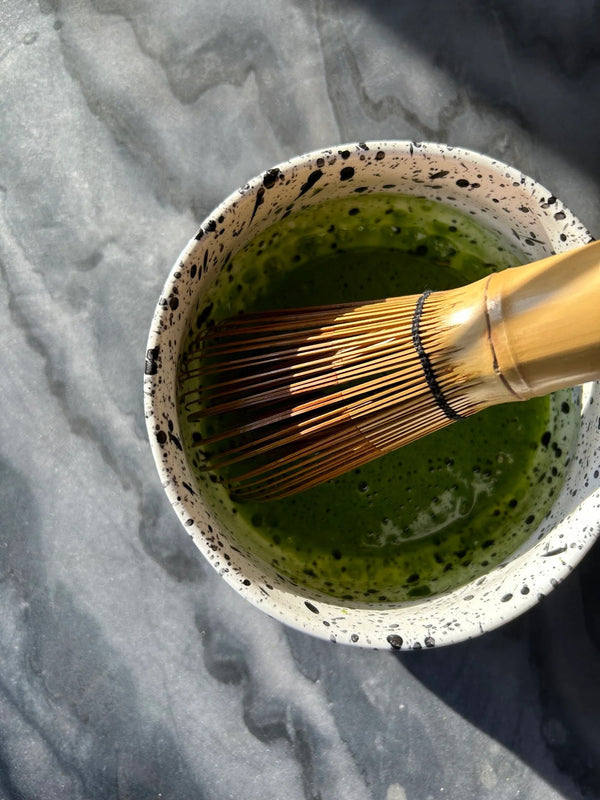
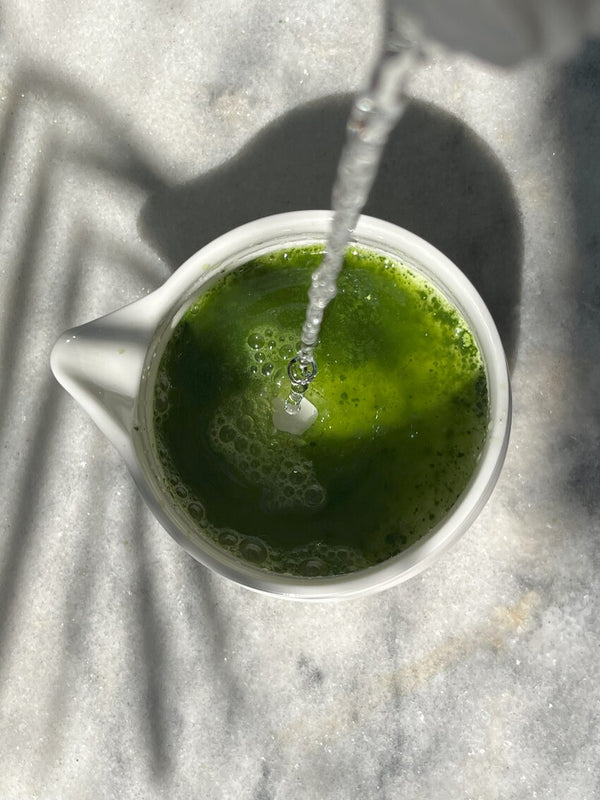
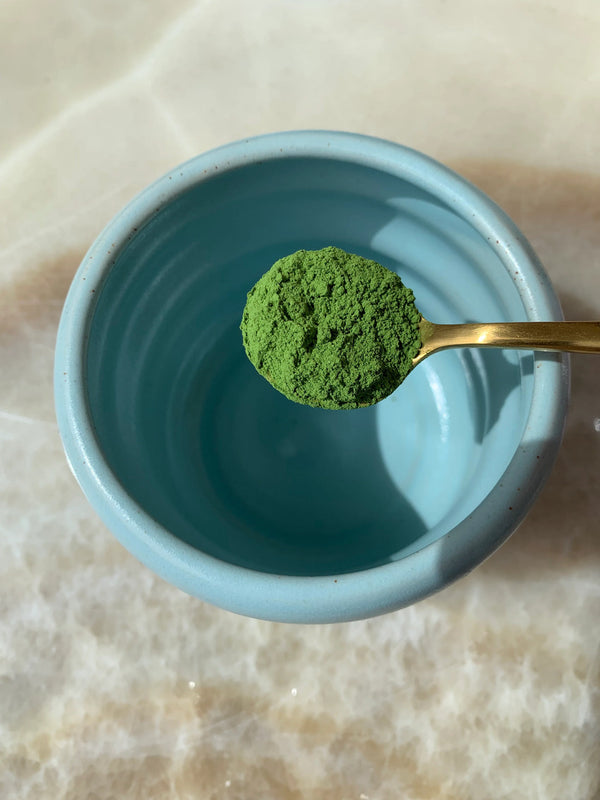
The main difference to regular tea is that matcha isn't steeped or brewed. No plant parts remain. Instead, you mix water with the powder. This way, you drink the entire tea leaf and ingest its beneficial properties. all valuable ingredients Whether you prepare your matcha ceremonially or with modern Western kitchen utensils is entirely up to you! We'll show you both methods. For optimal matcha tea preparation, we recommend our Matcha sets.

Dive into the world of matcha online in just 30 minutes – from the comfort of your own home! In our matcha workshop, you'll learn everything you need to know about our matcha.
Oder schaue dir unsere Masterclass mit Stefanie Giesinger an.
If the package is unopened, it will keep for up to one to one and a half years from the date of purchase. Opened matcha is best consumed within four to six months.
Store your matcha tea powder in a cool place, away from light and air, for example in a container in the refrigerator
You can purchase absolutely pure organic matcha made from high-quality tencha leaves from us for 60 euros per 100 grams.
This depends on your taste, of course, but in general: Tencha is a real favorite among tea lovers – matcha made from this high-quality green tea tastes particularly mild.
Premium MatchaThis matcha tea is characterized by its
It has a smooth, full-bodied aroma. It is made from the leaves of the first harvest.
(Spring) harvested. These leaves are younger and more tender, which leads to a
a more refined taste. Premium matcha is considered particularly high-quality.
It is well-regarded and often more expensive.
Traditional MatchaIn contrast, Traditional Matcha
from a mixture of leaves from the first and second harvest
produced. This mixture can result in a slightly more intense flavor,
without becoming bitter. The taste of traditional matcha can be described as
may be perceived as more robust or powerful, but it still retains the
characteristic sweetness and the slightly bitter taste of matcha tea.
The choice between Premium Matcha and Traditional
Matcha is a matter of personal preference. Some people prefer the
subtle, gentle aromas of premium matcha, while others prefer the stronger
Appreciate the flavor note of Traditional Matcha
Our tea farm is a traditional company that has been operating for generations to come.
has been in the family business for several generations and for some time
has been producing organic matcha for decades. The growing region for the matcha tea is part of
the best and oldest tea-growing regions of Japan: the region
Uji, located west of Osaka. The region is known for its clean water.
and nutrient-rich soil, free of pesticides. The following can be found on site:
Suitable climate: The mist from the Uji and Kizu rivers keeps the tea plants healthy.
moist and reduces the risk of frost damage
Matcha has a unique taste that differs from
Our Health Bar Matcha differs from other tea varieties. It is strong and has...
a pleasant sweetness.
Some people who don't normally like tea find
The taste of matcha is pleasant, especially when it is prepared correctly.
and is used in drinks or foods that they already like, such as
e.g. matcha latte, matcha ice cream or matcha pancakes.
Others, however, may prefer the strong flavor and the
Matcha doesn't have a herbal note. If you're unsure whether matcha is right for you...
If you'd like to try it, you could test our Matcha in the 10g sample size.
before you purchase a larger quantity. We also have partners throughout Europe.
Cafes that serve our matcha.
Our matcha is packed in tinplate tins, not aluminum tins. We choose this packaging carefully to offer an optimal solution for storing matcha.
It's important that matcha packaging is airtight and opaque to preserve the freshness of the product.
It's worth mentioning that our empty tins are versatile and reusable. For example, they're perfect for storing spices. With our refill pouch, you can refill the tin again and again.
Our Ceremonial Matcha Contains 60 mg of caffeine per gram.
Our Traditional Matcha Contains 50 mg of caffeine per gram
Ceremonial matcha typically contains **30 to 70 milligrams of caffeine per 2-gram serving** (about one teaspoon), which is a normal amount used to prepare a traditional bowl of matcha.
Compared to other caffeinated beverages, matcha generally contains less caffeine than a cup of coffee, which on average contains about 95 milligrams of caffeine. However, the caffeine in matcha is reduced by the high content ofLMatcha is balanced with theanine**, an amino acid that has a calming effect and helps make the caffeine hit smoother and longer-lasting. Matcha's caffeine hit often feels calmer and less hectic, making it a popular choice for people seeking a steady energy boost without the typical side effects of coffee, such as jitters or jitters.
Matcha not only provides an instant energy boost, but also promotes longer-lasting concentration and attention.
Heiße Schokolade, aber grün: weiße Schokolade, warme Milch und frisch aufgeschlagener Ceremonial Matcha. Unser Drink des Monats für November – in fünf Minuten fertig.

Was ist Ube, wie schmeckt die lila Yamswurzel und wie unterscheidet sie sich von Süßkartoffel und Taro? Plus: warum Ube und Matcha so gut zusammenpassen und welcher Bio Matcha aus...
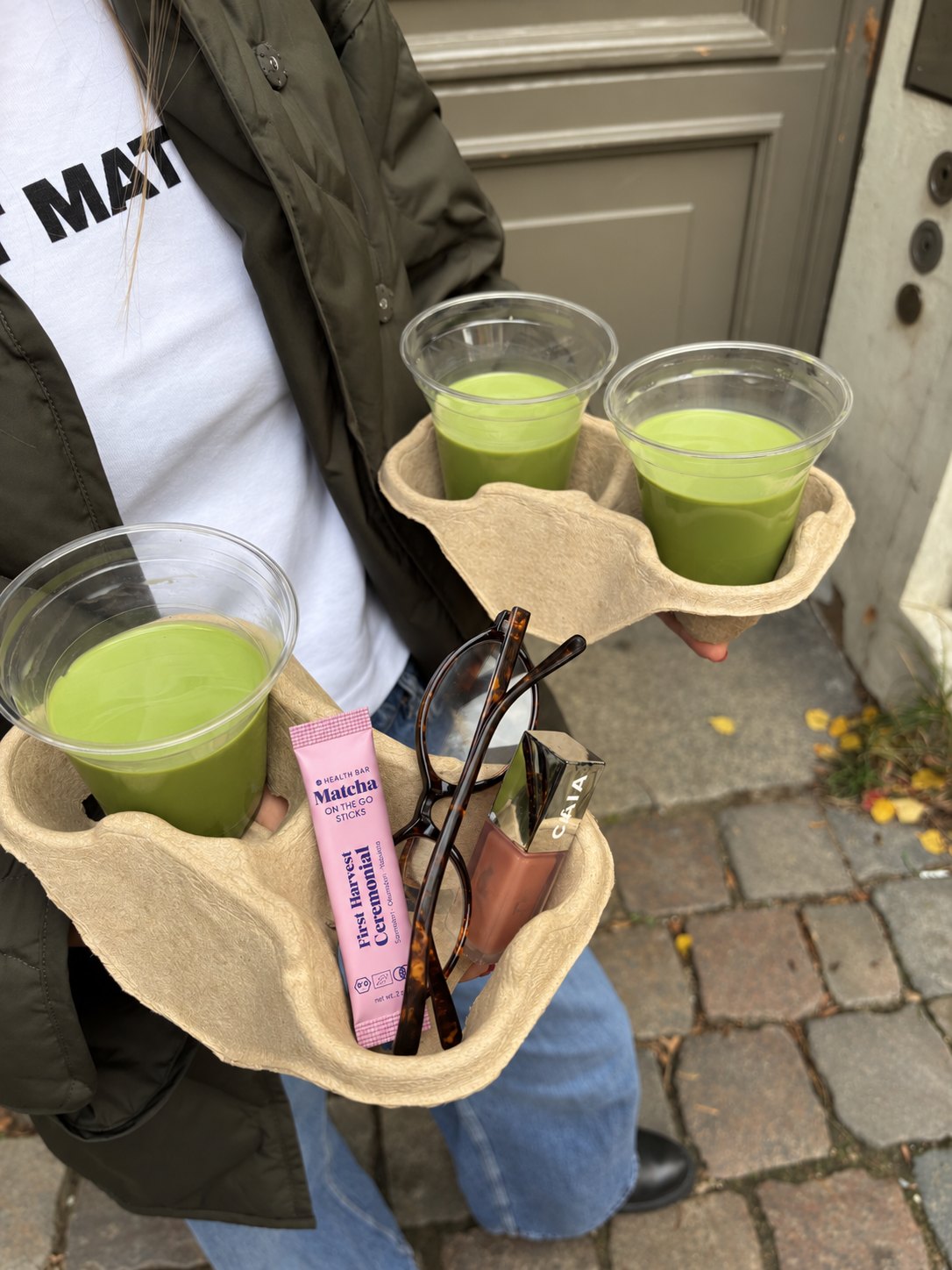
Matcha unterwegs ohne Besen und Schale: Mit unseren Matcha to go Sticks bereitest du Bio Matcha aus Uji in der Wasserflasche zu. Unterschied Ceremonial und Traditional, Schritt-für-Schritt-Anleitung und Tipps.


