

Organic Matcha: What Does the Organic Seal Mean?
Organic, Bio, Eco – terms we keep encountering when buying matcha. But what's actually behind the organic seal, and why is it so relevant especially for matcha?
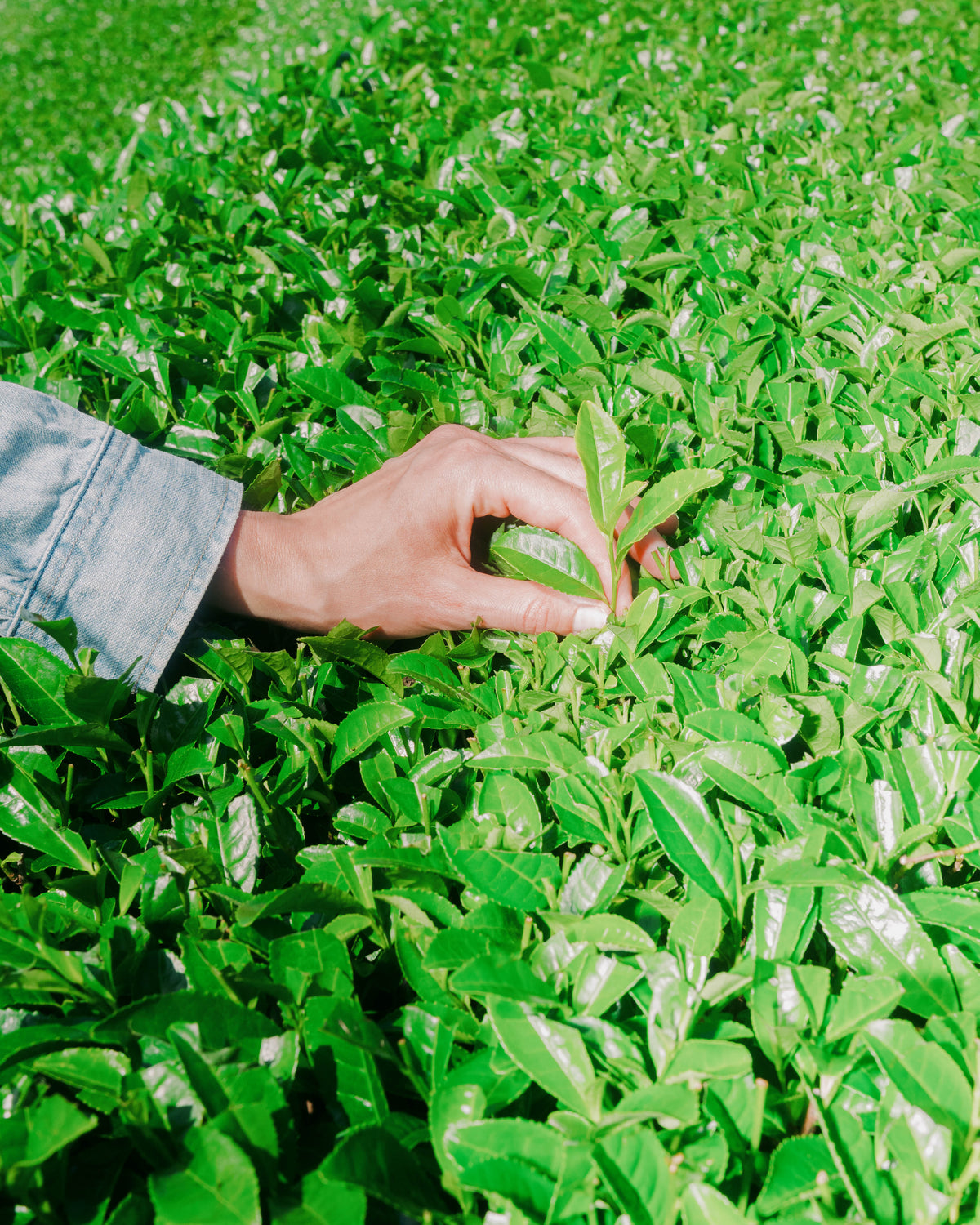
Matcha differs from many other teas in one important way: with classic brewed tea, we mainly drink the water the leaves have steeped in. With matcha, the finely ground whole tea leaf is consumed. That's why, with matcha, we pay especially close attention to how the tea plants are grown and the leaves are processed.
In Japan, there's also the Organic JAS system. Japan's Ministry of Agriculture describes Organic JAS as a government-defined standard for organically produced food. Products may only carry the Organic JAS seal if they meet the relevant requirements and have been certified by an accredited body.
For Japanese organic matcha, this is especially relevant because the seal makes it traceable that the tea was grown and processed according to the standards for organic farming that apply in Japan.

What Organic Matcha Means
When a matcha carries the EU organic seal, that's not a voluntary quality claim. The product must be certified according to European organic regulations and meet specific requirements for production, processing, transport and storage. The seal may only be used by accordingly certified businesses. For processed foods, at least 95% of the agricultural ingredients must come from organic production.
For a 100% organic matcha, that means: the tea leaves used come from organic production, and the corresponding production and control requirements are followed.
Why Is Organic Especially Important for Matcha?
With matcha, the whole leaf is consumed.
That makes the quality of the source leaves especially relevant. For us, that means: we don't just want to know how our matcha tastes, but also how and under what conditions the tea was grown.
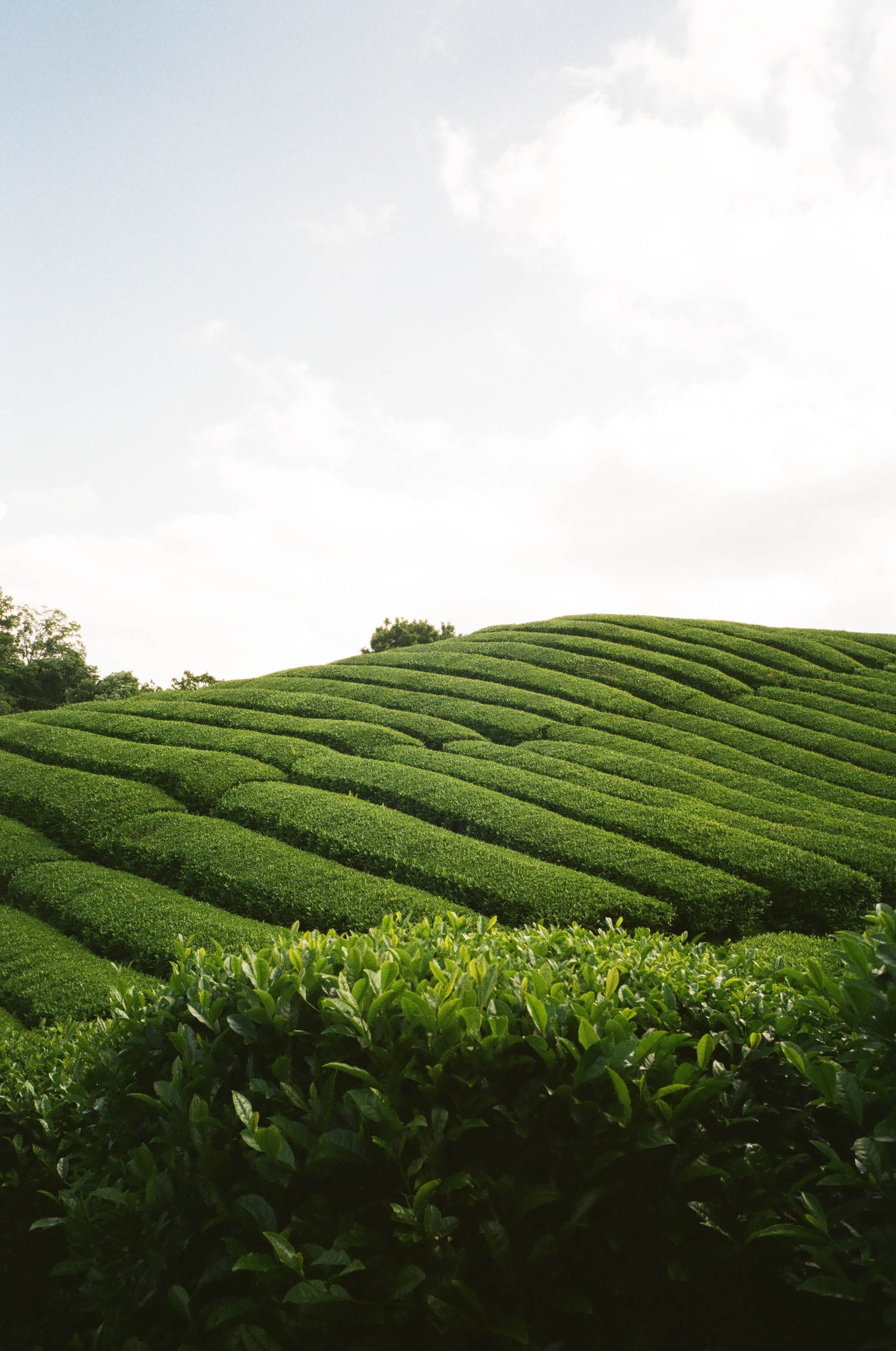
Organic farming operates under clearly defined rules and relies on ecological production methods. The organic seal is therefore, above all, one thing: a controlled and traceable way of producing – not just a marketing promise.
What Does the Organic Seal Say – and What Doesn't It Say?
That's important, because organic and quality aren't the same thing. The organic seal says something about the type of farming and compliance with the standards that apply to it. It alone doesn't say whether a matcha is mild, especially rich in umami, or processed to a high standard.
Many other factors play a role in taste and quality:
Cultivar · origin · harvest time · shading · processing · grinding
A good matcha should therefore not only be organic-certified, but also transparent about its origin and processing.
Organic Doesn't Mean "Untested"
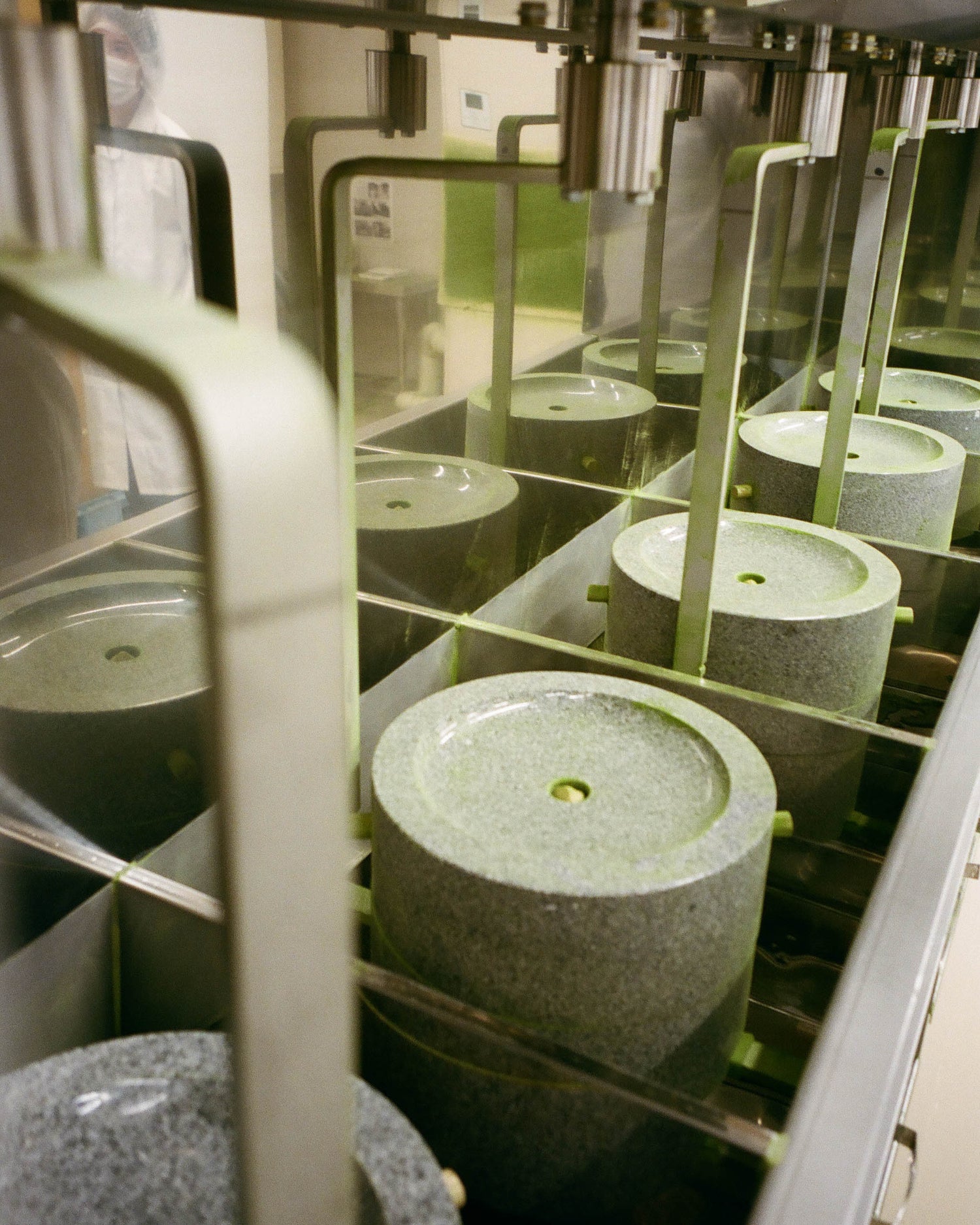
Organic certification doesn't replace additional quality controls. That's why we also have our matcha independently tested in the lab.
Among other things, this covers residues and contaminants, so that we don't just rely on the seal but additionally verify the quality of our products.
You can find out more in our lab testing for organic matcha.
How Can I Tell Good Organic Matcha?
When buying, it's worth looking beyond the organic logo.
1. Is the origin traceable? Ideally, you'll find concrete details about the region or growing area.
2. Is the quality transparent? Details on harvest, cultivar and processing help you assess what's really in your package.
3. Is there independent testing? Additional lab analyses can be another sign that a supplier controls its quality.
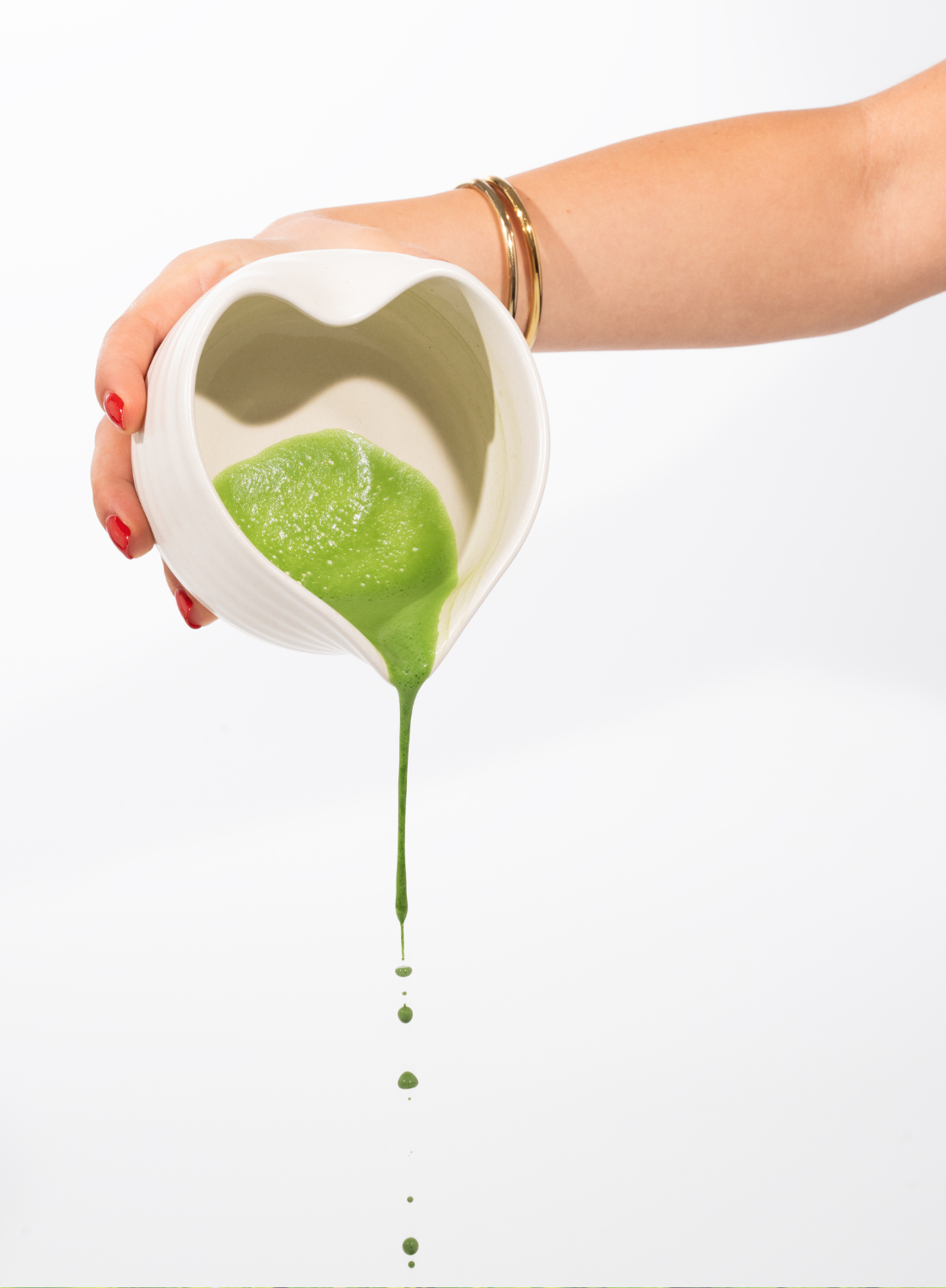
4. How does it taste? Color, aroma, texture, sweetness and umami also give you clues about the product.
Organic matcha: the essentials at a glance

Our Organic Matcha
At Health Bar, we rely on organic-certified matcha from Japan, and we want to show as transparently as possible where our products come from and how we control their quality.
For us, this isn't just about a logo on the packaging.
It's about the entire chain behind it – from the tea field through processing to the moment you whisk your matcha.
Discover our organic matcha:
-
For beginners
 Organic Ceremonial Matcha Tea – 30g (can)Organic Ceremonial Matcha Tea – 30g (can)
- Regular price
-
30,00€ - Regular price
-
- Selling price
-
30,00€ - Unit price
-
100,00€ / Per 100g

-
Bestseller
 Organic Ceremonial Matcha TeaOrganic Ceremonial Matcha Tea
- Regular price
-
9,90€ 150,00€ - Regular price
-
- Selling price
-
9,90€ 150,00€ - Unit price
-
99,00€ / Per 100g
-
 Organic Matcha Tea, TraditionalOrganic Matcha Tea, Traditional
- Regular price
-
8,50€ 110,00€ - Regular price
-
- Selling price
-
8,50€ 110,00€ - Unit price
-
85,00€ / Per 100g
-
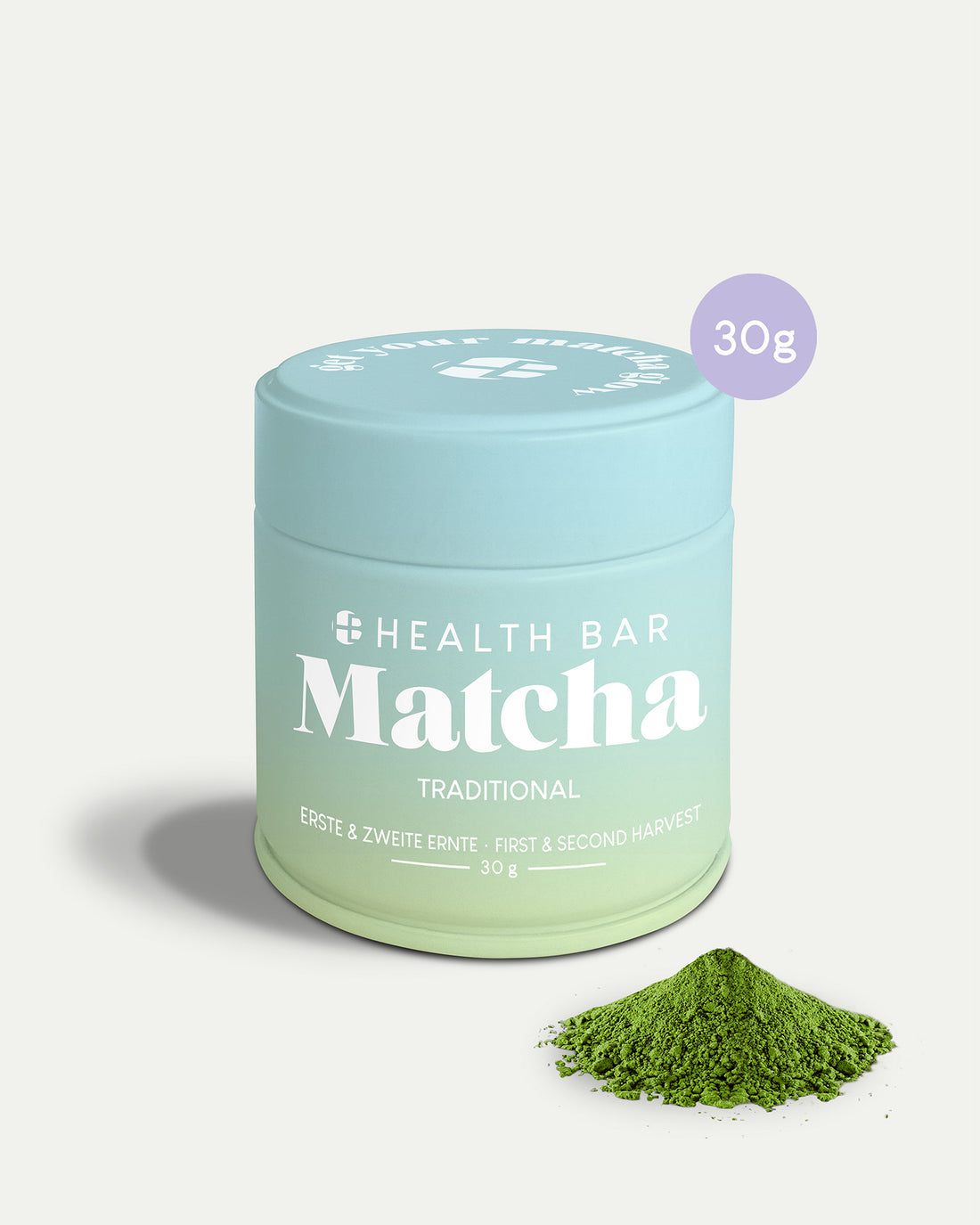 Organic Traditional Matcha Tea – 30g (can)Organic Traditional Matcha Tea – 30g (can)
- Regular price
-
26,00€ - Regular price
-
- Selling price
-
26,00€ - Unit price
-
86,67€ / Per 100g
-
 Organic Ceremonial Matcha Tea – 30g (Pouch)Organic Ceremonial Matcha Tea – 30g (Pouch)
- Regular price
-
26,00€ - Regular price
-
- Selling price
-
26,00€ - Unit price
-
26,00€ / Per 100g


